
Reviewed · KANAZAWA TOURS
From Kanazawa: Shirakawa-go, Gokayama and Wood Carving Art
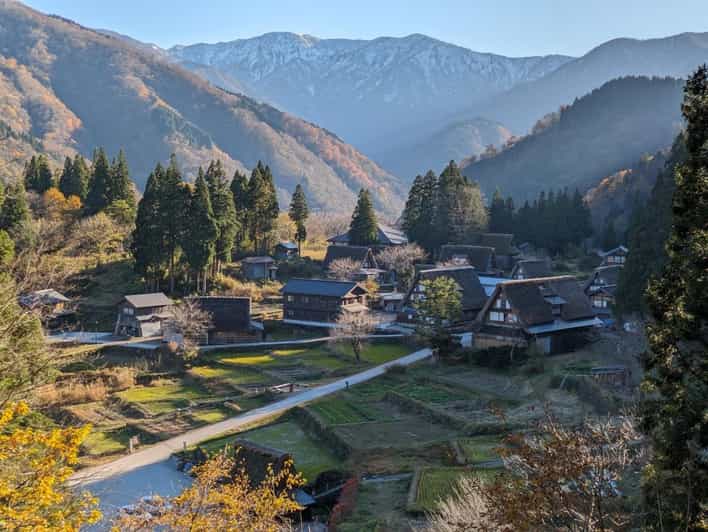
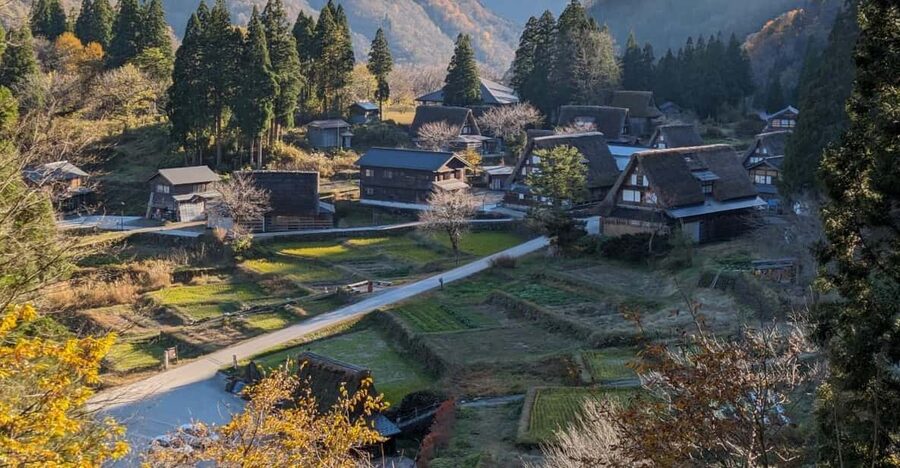
The best surprise here is that Shirakawa-go is only the final act. Before you reach Japan’s famous thatched-roof village, you visit Inami, a quiet town of master wood-carvers, and Gokayama, where you make washi paper by hand. That gives the day more depth than a simple photo stop.
I like the contrast between the three places, and I like the guides. Daniel, Mike, Garrett, and other guides have been praised for clear explanations, good humor, and a knack for answering questions without talking nonstop. The main drawback is the long day: you spend several hours on the road, lunch is not included, and a small van can feel tight when the group is full.
At a glance
- Three very different stops: See Inami’s carved streets, rural Gokayama, and famous Shirakawa-go in one day.
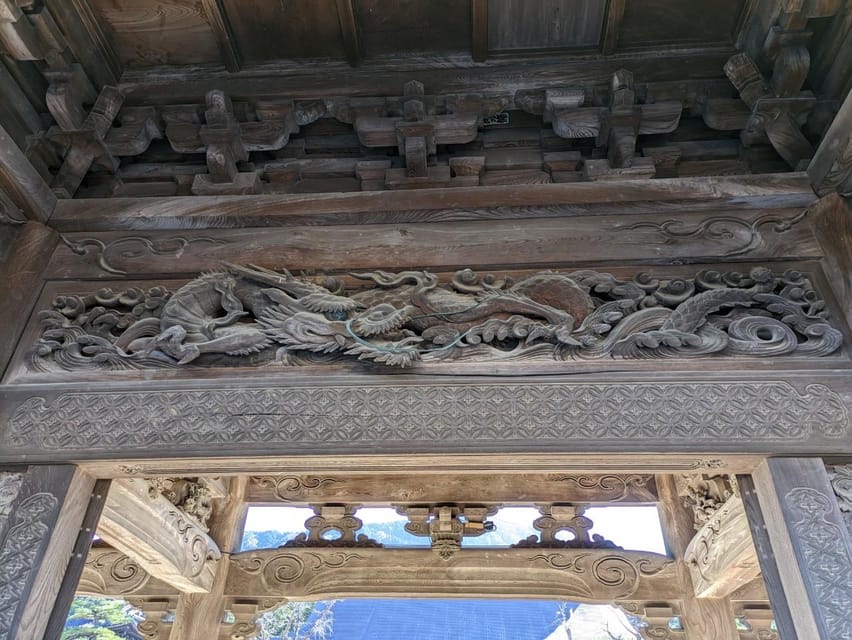
- Zuisenji Temple: Study dragons, lions, elephants, gates, and other intricate carvings at this 300-year-old temple.
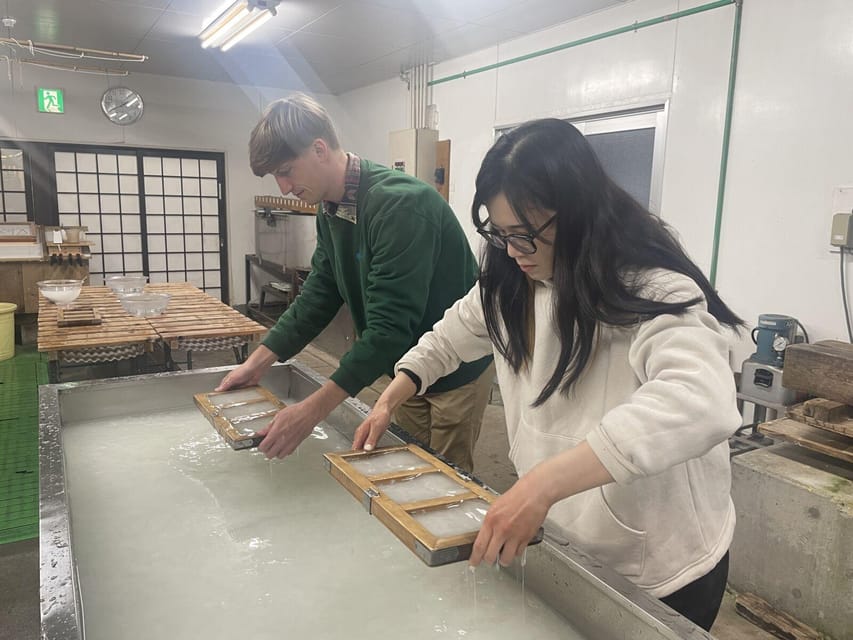
- Hands-on washi making: Create traditional Japanese paper in Ainokura, with a personal souvenir to take home.
- Quiet before crowds: Gokayama and Inami are usually calmer than Shirakawa-go, especially outside peak periods.
- English-speaking guidance: Guides including Daniel, Mike, Garrett, Lee, and Mohammed have led this route.
- Bring food: Lunch is not included, and available choices can vary by timing and local opening hours.
Why this day trip is different
Shirakawa-go is the name most people recognize. Its steep, triangular gassho-zukuri farmhouses draw large numbers of visitors, especially during popular seasons. This tour adds two less familiar stops, so the day is not built around one famous village alone.
That matters because the region makes more sense when you see its crafts and smaller settlements. Inami shows how wood carving shaped a town. Gokayama shows how remote mountain villages supported themselves through farming, sake, paper, and even gunpowder production. Shirakawa-go then gives you the broadest and most photographed version of that rural architecture.
I also like the balance between instruction and free time. Your guide explains the main points, then gives you room to take pictures, browse, walk, or simply enjoy the surroundings. Several guides have been praised for getting this balance right, particularly Daniel and Mike.
The tour costs $180 per person. That is not cheap for a one-day outing, but it includes transport between several mountain locations, an English-speaking guide, temple entry, guided visits, and the paper-making activity. If you tried to arrange the same route alone, you would need to coordinate separate buses and local transport, and some connections may not line up neatly. I see the price as fair for convenience and interpretation, especially if you want more than a quick Shirakawa-go visit.
A few more Kanazawa half-days to weigh up
- World Heritage Shirakawa-go and Experience Tours from Kanazawa
★ 5.0 · 4,049 reviews - Kanazawa: Kenrokuen Tea Ceremony Experience
★ 4.8 · 1,139 reviews - Kanazawa Half Day Tour (Private Guide)
★ 5.0 · 361 reviews
Leaving Kanazawa for the Hokuriku mountains
The meeting point is at Kanazawa Station, near the Information Center by the Shinkansen ticket gates. You then board on the Kanazawa Port side of the station. The normal start is 9:00 a.m., changing to 8:30 a.m. from June 1.
The first ride takes about an hour. From the bus, you pass through the mountains and then across the plains of the Hokuriku region. This is useful travel time rather than dead time, since your guide can introduce the area and explain what you will see.
The vehicle may be a coach, minibus, or smaller van, depending on the departure. Some groups have been as small as four to eight people, creating an informal, almost private feel. Another departure could feel fuller. One person found a packed van claustrophobic, so this is worth considering if you prefer lots of personal space.
The return to Kanazawa takes a little over an hour and usually gets in between 6:00 and 6:30 p.m., depending on traffic. The schedule is full, but the warm vehicle is welcome in cold or wet weather. Winter conditions can be dramatic, though mountain roads and weather may affect the pace.
Inami, where the buildings are part of the craft
After about an hour, you reach Inami, a small town near the mountains. It is known for traditional wood carving, with more than 100 professional carvers in the area.
The approach along the main street is one of the clever details of the visit. Shops and buildings display carved work above doors and on facades, so you are not limited to a gallery or a single workshop. Look up as you walk. The carvings can include figures, patterns, and elaborate architectural details.
You should also look for cats. The town association says there are 32 hidden around the streets, though individual shops have added more. This turns an ordinary walk into a gentle treasure hunt, and it works well for families or anyone who likes small visual details.
The center of Inami is Zuisenji Temple. Built originally in the 1300s, it burned in 1735 and was rebuilt with the help of a celebrated wood-carver from Kyoto. The temple’s large walls and gates can make the entrance feel almost fortress-like.
Inside, the carving is the main event. You may see dragons, lions, elephants, and other animals worked into gates and temple structures. The scale is impressive, but the best part is the close look at the fine cuts and layered patterns.
Entry to Zuisenji is included, and the guide provides context that helps you read what you are seeing. Without guidance, it is easy to admire the craftsmanship but miss the connection between the temple and the town’s living trade.
Inami is also the least commercial stop. Some shops may be closed, and there may not be a large selection of small carvings made for souvenirs. If you want to buy a piece, do not expect every workshop to function like a tourist store. The work can be superb, but the town’s quiet character comes first.
Gokayama and the hands-on paper workshop
From Inami, the ride to Gokayama takes about 35 minutes. You visit Ainokura, one of the best-preserved villages in the Gokayama area and part of the UNESCO World Heritage site that also includes Shirakawa-go.
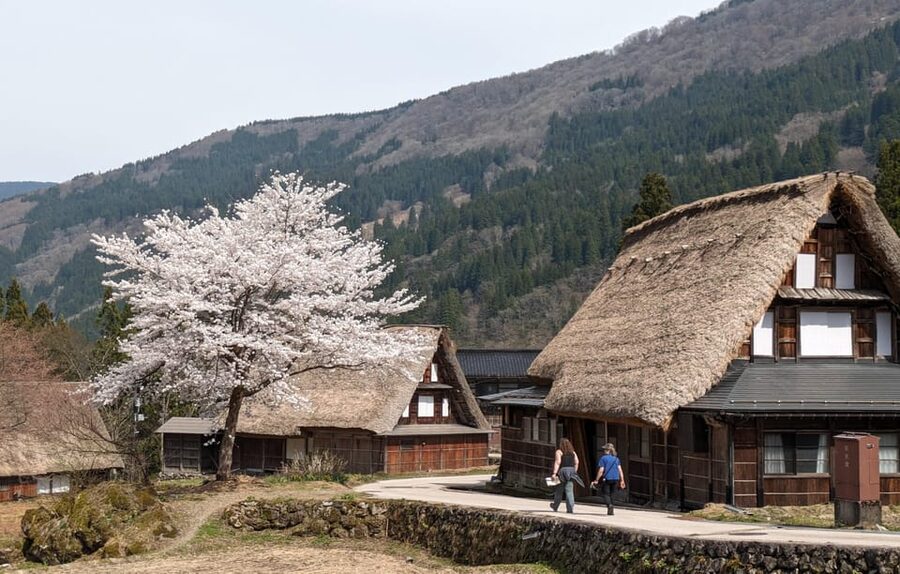
Ainokura feels smaller and quieter than Shirakawa-go. The steep thatched farmhouses sit among mountain scenery, and the village offers a slower walk with fewer crowds at many times of year. In snowy weather, the setting can be especially striking, though rain and cold are also possible.
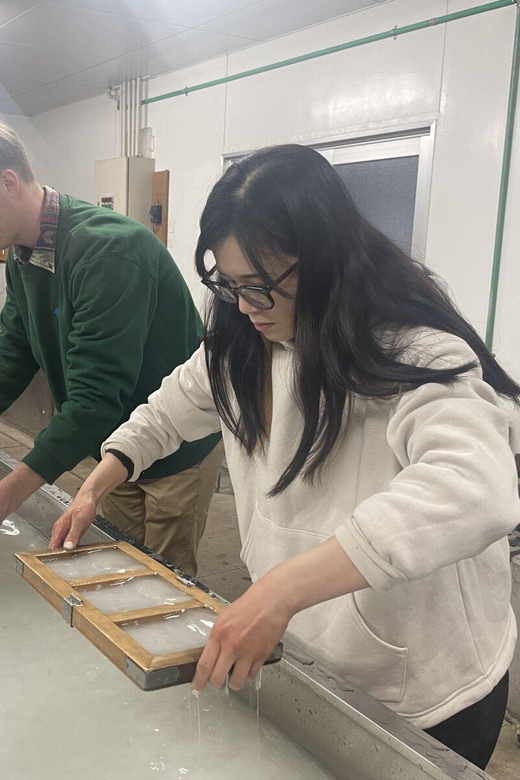
The tour’s most memorable activity here is traditional Japanese paper making. You get your hands wet and work with the methods used to make washi. This is not just a demonstration. You take part, and the finished paper becomes a useful souvenir because you made it yourself.
I consider this the strongest value point beyond transportation. A viewpoint or photo stop can be lovely, but a short craft session gives you a physical connection to the place. It also breaks up the day nicely after the temple visit.
There is generally time for lunch in Ainokura, but the exact plan can change. Lunch is not included, and food access is limited enough that I would bring something if you have a strict diet, a strong preference, or simply do not want to gamble on timing. Some meals available in the village have included udon, soba, and tempura, but you should not treat those options as guaranteed.
One practical caution: the paper-making activity is unavailable from December 27 through January 3. The tour can still visit the area, but the hands-on part will not take place during those dates.
Same base, a completely different sort of day:
- Kanazawa Full Day Tour (Private Guide)
★ 5.0 · 323 reviews - 1 Day Private Charter Tour to Shirakawa-go & Takayama
★ 4.5 · 253 reviews - [One-day bus tour departing from Kanazawa Station] Shirakawa-go and Gokayama – Two World Heritage Villages Enjoyable Bus Tour
★ 5.0 · 253 reviews - World Heritage Shirakawa-go Perfect Guided Tour from Kanazawa
★ 5.0 · 220 reviews
Shirakawa-go, the famous final stop
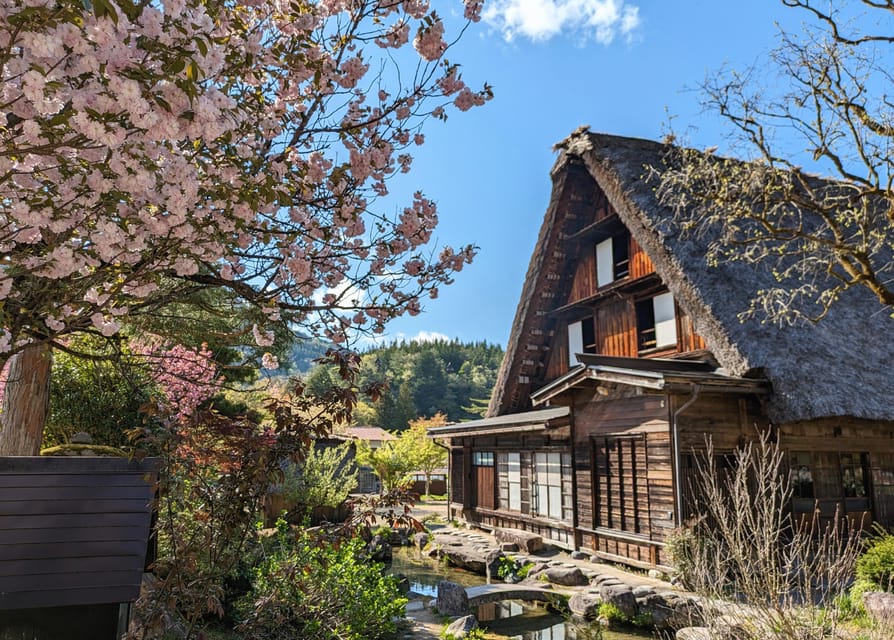
After about 40 minutes on the road, you reach Shirakawa-go. This is the village most associated with the region’s steep thatched roofs, built to shed heavy mountain snow.
The visit starts along the main street, followed by a guided walk through the historic area. You also enter one of the thatched-roof houses, which helps you understand these buildings as working homes rather than postcard scenery.
You have about two hours here, including guided time and free time. That is enough to walk, take photographs, browse shops, and visit available attractions, but it is not unlimited. If you want a long hike, a slow meal, and several interior visits, you may need to choose carefully.
Shirakawa-go is more touristic than Inami or Ainokura. That is not a flaw, but it changes the mood. The village offers more places to eat, buy souvenirs, and find small attractions, while the earlier stops provide more quiet and space.
Some people book this day only to reach Shirakawa-go and then find Ainokura even more appealing. I understand why. Shirakawa-go is the grand headline, but Gokayama often supplies the calmer, more personal experience.
Weather changes the look of the village. Snow can make the roofs appear at their most dramatic, but winter also means cold walks and possible road delays. Rain does not ruin the visit, though waterproof shoes and a jacket will make the two hours much easier.
The matcha detail and what to confirm
The experience description also lists a matcha experience at Shima, a heritage site with classic architecture. The detailed schedule provided for this route names Inami, Gokayama, and Shirakawa-go, but does not clearly show where Shima fits into the day.
Because activities are subject to availability and some venues need direct confirmation, I would check this point before booking if matcha at Shima is a major reason you are interested. Treat the three main stops and paper-making workshop as the clearly described core of the route.
That small uncertainty does not weaken the main itinerary, but it is exactly the sort of detail worth confirming before you pay.
The guide can make or break the long day
You spend a lot of time with your guide, first on the road and then walking through historic places. The strongest part of this experience is the human explanation.
Daniel has been praised for his care, history knowledge, and practical help, including returning for a forgotten phone and helping with travel problems. Mike has been described as funny, warm, and especially good at explaining both the sites and everyday life in Japan. Garrett has a background in East Asian history and has been praised for bringing the places to life through stories.
Other named guides include Lee and Mohammed. The guide assigned to your departure will vary, so you cannot assume you will receive a particular person. Still, the pattern is clear: the tour depends heavily on guides who can explain without overwhelming you.
I like the reported style of the best guiding on this route. You get history, local customs, answers to questions, and recommendations for Kanazawa, but you also get quiet time. That is important on a full day. Constant commentary can make a scenic visit tiring.
The small-group setup can also help. Groups of four, five, six, and eight have been described, though the exact size is not guaranteed. Smaller groups make it easier to ask questions and adjust briefly for photographs or personal interests.
Timing, transport, and practical comfort
The total day runs roughly from 9:00 a.m. to 6:00 or 6:30 p.m., with the earlier 8:30 a.m. start from June 1. You spend about four hours moving between Kanazawa, Inami, Gokayama, Shirakawa-go, and back.
That is the tradeoff for seeing three separate mountain communities in one outing. I would not book this if you dislike road time or want a relaxed, unhurried village day. I would book it if independent transport would be difficult and you want the route handled for you.
Wear shoes suited to walking on village streets and temple grounds. Conditions may be wet, snowy, or cold, and you will move between outdoor areas and warm transport. Bring water and snacks, plus lunch unless you are comfortable relying on whatever is open in Ainokura or Inami.
The trip can end at Kanazawa Station, and the listed drop-off options also include Takayama Station. Since the meeting point can vary by booking option, check the exact start and finish before planning your hotel or onward train.
Free cancellation is available up to 24 hours before departure, and you can reserve now and pay later. Those terms are useful when weather and transport plans matter, but they do not remove the need to check the paper-making dates and any changes to the Shima matcha element.
Who should book this tour?
I would choose this day trip for a first visit to Kanazawa when I wanted rural Hokuriku without spending several nights in the mountains. It suits couples, families, solo visitors, and small groups who appreciate a mix of history, craft, scenery, and independent wandering.
It is particularly good for you if:
- You want Shirakawa-go but would rather see more than one famous village.
- You enjoy traditional crafts and want to make something, not just watch.
- You prefer an English-speaking guide to explain temples and village customs.
- You are comfortable with a full day and several hours of driving.
- You like quieter places such as Inami and Ainokura.
I would hesitate if your only goal is a long, slow visit to Shirakawa-go. A direct bus may give you more time there. I would also think twice if you need guaranteed lunch choices, dislike small vehicles, or want a fixed schedule with no weather-related uncertainty.
Should you book it?
Yes, if you want the best-rounded introduction to this corner of Japan. Shirakawa-go supplies the iconic roofs, but Inami provides rare wood-carving skill, and Gokayama adds a hands-on paper-making session in a quieter village setting.
At $180, you are paying for transport, access, guidance, and a route that would take more planning to arrange alone. Bring lunch, prepare for a long day, and confirm the Shima matcha stop if it matters to you. For most visitors based in Kanazawa, this is a strong choice because it shows the famous place and the less expected ones beside it.
FAQ
Where does the tour start?
The tour starts at Kanazawa Station. Your guide meets you near the Information Center by the Shinkansen ticket gates, and you board at the bus terminal on the Kanazawa Port side.
What time does the tour start?
The usual start time is 9:00 a.m. From June 1, the start time changes to 8:30 a.m.
What time does the tour return to Kanazawa?
You should arrive back in Kanazawa between 6:00 and 6:30 p.m., depending on traffic.
Is lunch included?
No. Lunch is not included. You may have time to eat in Ainokura, though lunch may instead take place in Inami depending on the circumstances.
Should I bring my own lunch?
Bring your own lunch if you have specific food preferences or want to avoid limited local choices. Snacks are also sensible for the long day.
Is the paper-making experience included?
Yes. The Japanese paper-making experience fee is included. The activity is not available from December 27 through January 3.
Is admission to Zuisenji Temple included?
Yes. Entry to Zuisenji Temple is included, along with a guided visit to Inami.
Is Shirakawa-go included?
Yes. Transport, a guided visit, and free time in the UNESCO World Heritage site of Shirakawa-go are included. You also enter one of the thatched-roof houses.
Can I cancel the booking?
You can cancel up to 24 hours in advance for a full refund. The reserve-now, pay-later option lets you hold a place without paying immediately.
Just added around Kanazawa
- Kanazawa: Sushi & Japanese Cooking Class at a Historic School★ 5.0 · 66 reviews
- Shirakawago & Kanazawa from Kanazawa★ 5.0 · 51 reviews
- Takayama and Shirakawago/Photoshoot by professional photographer★ 5.0 · 67 reviews
- Taste of Kanazawa (Food tasting in Omicho Market & Higashi Chaya)★ 5.0 · 58 reviews
- Kanazawa private 1 day/Photoshoot by professional photographer★ 5.0 · 33 reviews
- Photoshoot session by professional photographer in Kanazawa★ 5.0 · 42 reviews
- Private Tour Kanazawa, Shirakawago, Hida Furukawa,Takayama★ 5.0 · 108 reviews
- Kanazawa private half day/Photoshoot by professional photographer★ 5.0 · 38 reviews
Kanazawa Tours, compared.
World Heritage Shirakawa-go and Experience Tours from Kanazawa
Read our review →

![[One-day bus tour departing from Kanazawa Station] Shirakawa-go and Gokayama – Two World Heritage Villages Enjoyable Bus Tour](https://media3.thejapanesetraveller.com/wp-content/uploads/one-day-bus-tour-departing-from-kanazawa-station-shirakawa-go-and-gokayama-two-world-heritage-villages-enjoyable-bus-tour-400x267.jpg)
[One-day bus tour departing from Kanazawa Station] Shirakawa-go and Gokayama – Two World Heritage Villages Enjoyable Bus Tour
Read our review →
World Heritage Shirakawa-go Perfect Guided Tour from Kanazawa
Read our review →
Kanazawa Night Tour with Local Meal and Drinks
Read our review →Browse the lists this tour appears in