
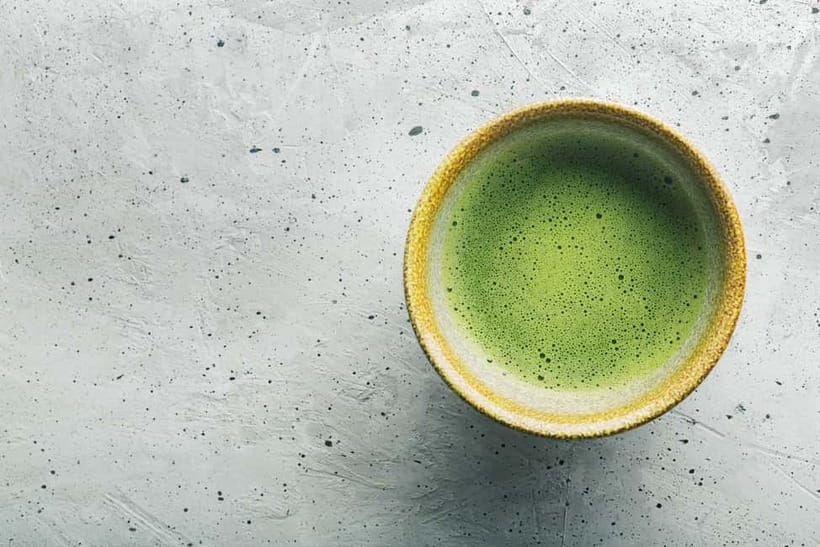
Reviewed · KANAZAWA TOURS
Kanazawa: Kenrokuen Tea Ceremony Experience
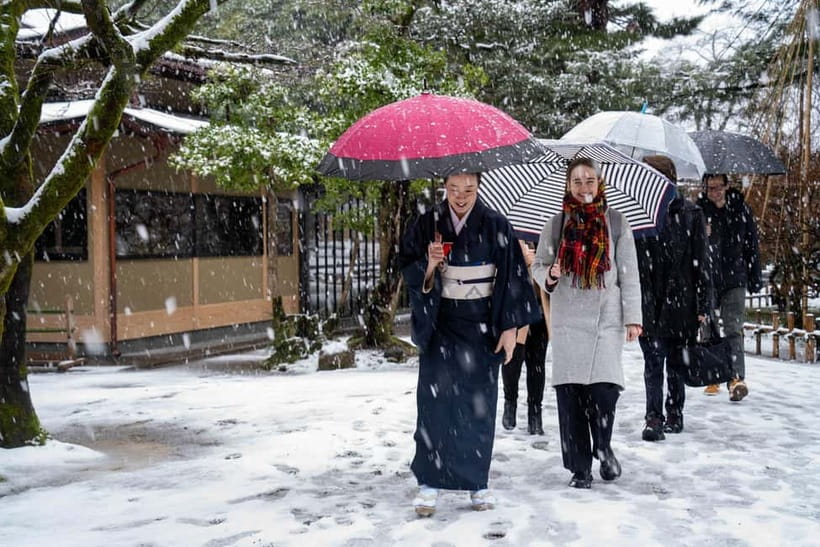
The best part of this Kenrokuen tea ceremony is its balance: you watch a master perform the ritual, then try making matcha yourself. The setting matters, too. Kenrokutei is a historic place where the Maeda lords entertained important visitors, so this is more than a quick cup of green tea.
I like the calm, careful instruction, especially when an English-speaking guide explains why each movement matters. I also like the wagashi sweets, made by traditional confectioners, because they soften matcha’s bitter edge. The main thing to know is that the tea room does not look out onto the garden, so plan time to explore Kenrokuen before or after the ceremony.
Key points to know before booking
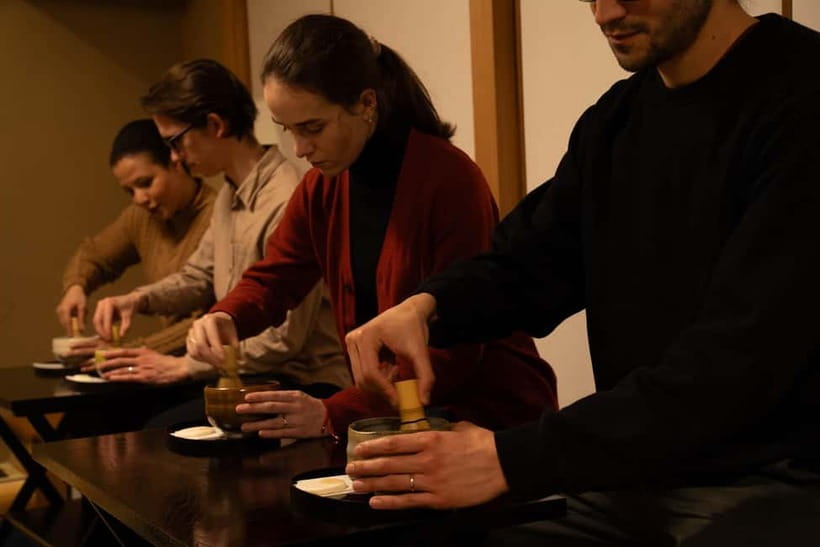
- Watch first, then whisk your own matcha: The ceremony is not just a demonstration. You take part under guidance.
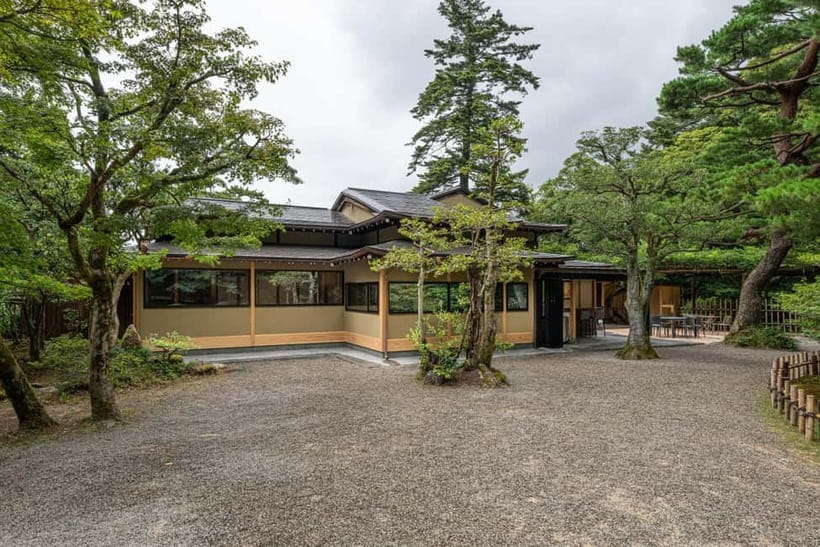
- Historic Kenrokutei setting: Meet inside Kenrokuen at a former reception place linked to the Maeda lords.
- Traditional wagashi included: Sweets from established Japanese confectioners are served with the tea.
- Clear English explanations: Guides including Nana and Océane have helped explain etiquette, history, and each step.
- One hour, with garden admission extra: The activity costs $35 per person, plus the 320-yen Kenrokuen entrance fee.
- A chair can be requested: You do not have to sit on the floor if kneeling is difficult.
Why this short ceremony works so well in Kanazawa
A full Japanese tea ceremony can last several hours. This one-hour version gives you the central ideas without asking you to devote half a day to ritual. You see the formal procedure, learn how to behave, eat wagashi, and prepare your own matcha.
That shorter format is useful in Kanazawa, where you will likely want time for Kenrokuen, the Kanazawa Castle area, Higashi Chaya, and the city’s craft museums. I would treat this as a focused cultural stop rather than a complete study of tea practice.
The ceremony also has a good pace. It is quiet and deliberate, but the English explanation keeps you from sitting there wondering what is happening. Several guides have been praised for answering questions patiently and explaining the cultural meaning behind the gestures instead of simply telling you to copy them.
The activity is held with other groups, so it is not a private lesson. That helps keep the price reasonable, but you should follow the request for quiet. This is not a loud, casual tasting where people come and go.
More tea ceremonies in Kanazawa:
- Kyoto: Tea Ceremony in a Traditional Tea House in Kiyomizu
★ 4.9 · 3,519 reviews - Kyoto: Tea Ceremony Ju-An at Jotokuji Temple
★ 4.9 · 3,207 reviews - Kyoto: 45-Minute Tea Ceremony Lesson Experience
★ 4.3 · 2,378 reviews
Finding Kenrokutei inside Kenrokuen Garden
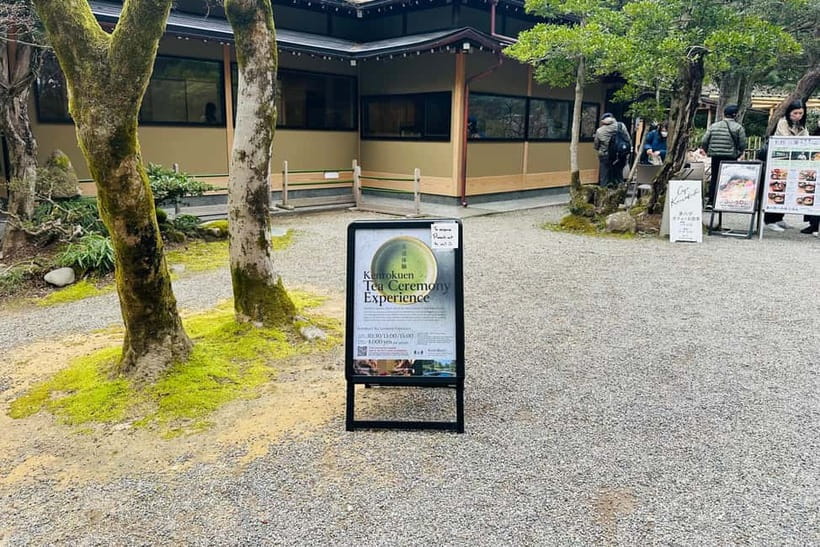
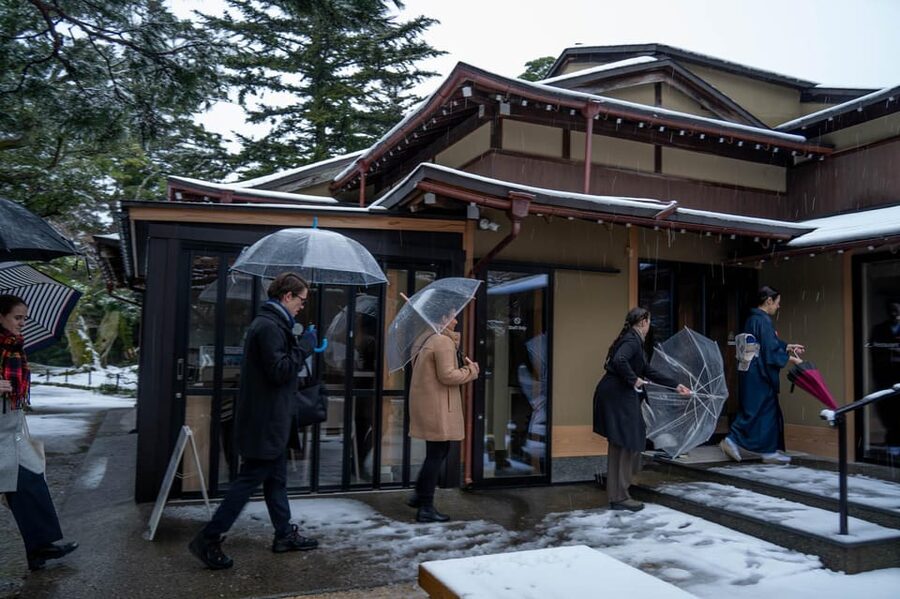
Your meeting point is Kenrokutei, in front of the fountain inside Kenrokuen Garden. The practical catch is simple but important: you must pay the garden entrance fee separately. The stated fee is 320 yen, and the activity ticket does not cover it.
Allow enough time to enter the garden and find the fountain. One useful improvement would be clearer directions to the tea room itself, since the meeting instructions focus on the fountain and signboard. Read the Tea Ceremony signboard when you arrive, then check that you are at the correct building.
Kenrokuen is worth visiting before or after the activity even though you cannot see it from inside the tea room. The garden was developed by the Maeda family, the ruling family of the former Kaga domain, and Kenrokutei’s connection to that household gives the ceremony a fitting setting.
I would arrive early enough to enjoy a portion of the garden first. If you schedule the ceremony near the middle of your Kenrokuen visit, the extra entrance fee feels less like a surcharge and more like the cost of entering one of Kanazawa’s main sights.
The historic welcome at Kenrokutei
Kenrokutei is not presented as a modern café. It is a historic reception place where important visitors were entertained by the Maeda lords. The introduction connects the tea ritual with the political and social world in which it developed.
That background gives the ceremony more weight. You are not only learning how to whisk powdered tea. You are seeing how hospitality, discipline, design, and social manners came together in traditional Japan.
The opening explanation covers the way of tea and the historical setting. The English guide then prepares you for the basic etiquette. You are shown how to act, what to watch for, and how to take part without worrying that you will make a serious mistake.
That last point matters. Many first-time participants feel nervous about sitting in the wrong way, turning the bowl incorrectly, or missing a gesture. The instruction is designed for beginners, and the atmosphere is encouraging rather than strict.
The ceremony is conducted by a tea practitioner while the guide explains what is happening. Some sessions have included a Japanese host with an English-speaking assistant, while other guides lead more of the explanation themselves. Nana and Océane are among the names mentioned positively in connection with the teaching, though the guide for your booking may be different.
Watching the formal matcha preparation
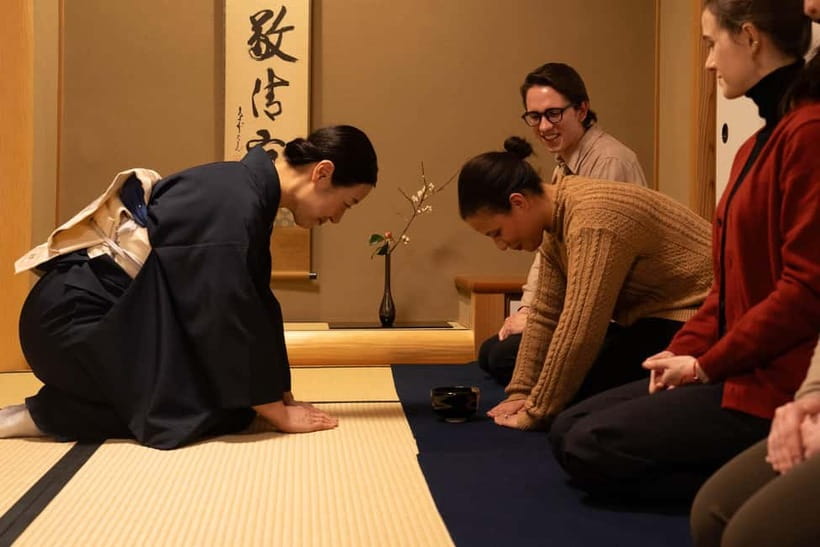
The most graceful part is the demonstration. The tea master handles the utensils with controlled, repeated movements. Water, bowl, whisk, and matcha each have their place, and the order is part of the meaning.
You are asked to watch closely rather than treat the first half as a photo opportunity. The point is to notice the care in the process. Reviews of the activity repeatedly praise the explanations of why gestures and movements matter, which makes the ritual easier to understand.
The tea room is intentionally separated from outside views. That means you do not get a garden panorama while drinking, but it also removes visual distractions. Once seated, you can focus on the host, the utensils, and the quiet rhythm of the ceremony.
A nearby room may occasionally create some noise. One session had this minor issue, and the hosts apologized and offered a small gift. It is not a reason to avoid the experience, but it is worth keeping expectations realistic. The tea room is calm, not necessarily soundproof.
Photography is allowed, so you can take pictures to remember the occasion. Still, I would keep your camera away during the most delicate movements and ask the guide if you are unsure. Quiet attention is part of the experience.
A few more Kanazawa half-days to weigh up
- World Heritage Shirakawa-go and Experience Tours from Kanazawa
★ 5.0 · 4,049 reviews - Kanazawa Half Day Tour (Private Guide)
★ 5.0 · 361 reviews - Kanazawa Full Day Tour (Private Guide)
★ 5.0 · 323 reviews - 1 Day Private Charter Tour to Shirakawa-go & Takayama
★ 4.5 · 253 reviews
Wagashi first, matcha second
Traditional wagashi sweets are served as part of the ceremony. These are not just a small extra. Their sweetness prepares your mouth for matcha, which can taste grassy, bitter, or intense if you have only tried sweetened green tea before.
The sweets come from traditional confectionery shops, and their careful appearance fits the setting. You may receive more than one sweet during the session, depending on the format of your group. The pairing is one of the most accessible parts of the experience for first-time matcha drinkers.
I especially like this sequence because it teaches you how the tea is meant to be enjoyed. The wagashi is not a dessert after the tea. It works with the tea, making the matcha taste smoother and more balanced.
If you have tried matcha elsewhere in Japan and found it harsh, this may be a pleasant surprise. Several people have described the matcha as smooth, full, and especially good alongside the sweets. Taste is personal, of course, but the pairing clearly helps newcomers.
Making your own matcha
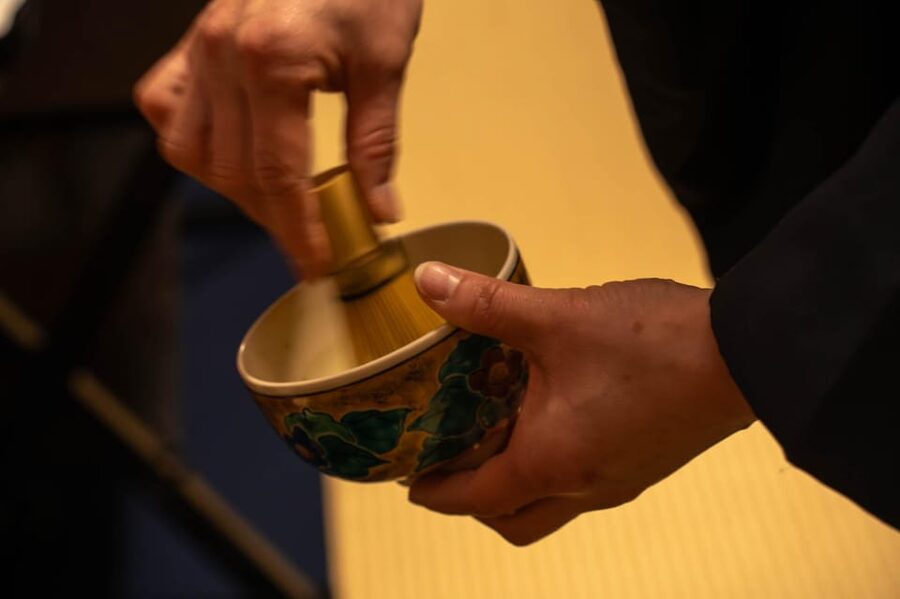
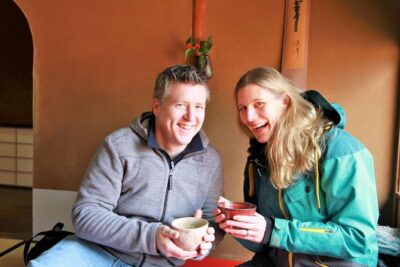
After watching the master, you get to prepare matcha yourself. The guide helps you measure the tea, add water, and whisk it into a froth. You then drink what you made.
This is where the one-hour activity becomes hands-on rather than passive. Whisking looks easy when a professional does it. In practice, creating the right texture takes more control than most people expect. That small challenge makes the demonstration easier to appreciate.
The guide explains how to hold the whisk and how to move it. You do not need prior experience, and the atmosphere is patient. Some people leave feeling ready to make matcha at home, though your first bowl will probably not look as polished as the master’s.
The activity also helps you understand that the ceremony is not simply about getting caffeine into a cup. The motions slow you down. You pay attention to the bowl, the tea, the other people in the room, and the moment itself.
That quiet focus is why the experience works well after a busy day of sightseeing. It offers a change of speed without requiring a long meditation session or advanced cultural knowledge.
What the English guidance adds
The English instruction is one of the strongest reasons to book this particular activity. Without explanation, a tea ceremony can be beautiful but opaque. With explanation, you begin to see the link between etiquette, hospitality, history, and mindfulness.
The guides have been praised for clear English, friendly manners, and patient answers. One guide explained the ceremony throughout, while another helped translate the Japanese host’s actions. This shared approach can be helpful because you receive both the performance and the context.
The best explanations do not bury you in technical terms. They tell you what to do, when to do it, and why the action matters. That is the right level for a first encounter.
If you need translation from English into another language, the provider asks you to make a private reservation by email. A standard shared session is conducted in English, so do not assume that other languages will be available on the day.
Sitting, age limits, and group etiquette
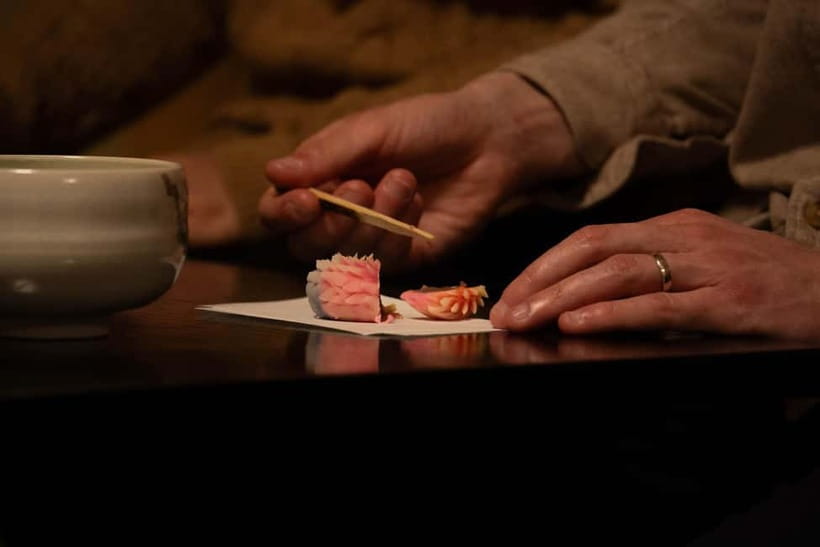
The ceremony normally involves sitting on mats. If kneeling or sitting on the floor is difficult, you can request a chair. I would make that request in advance rather than wait until the session begins.
The age information needs care. One part of the activity information says participants must be at least seven, while another says the experience is not suitable for children under eight. Because those instructions conflict, families should confirm the minimum age before booking.
The activity is held at the same time as other groups. Children must be old enough to remain quiet and follow instructions, since the ceremony depends on a peaceful room. It is better suited to adults, older children, and anyone who enjoys careful cultural demonstrations.
Punctuality matters. Arriving more than ten minutes after the scheduled start can lead to cancellation of your reservation. Give yourself extra time for the garden entrance, the walk to the fountain, and locating Kenrokutei.
Is $35 a fair price?
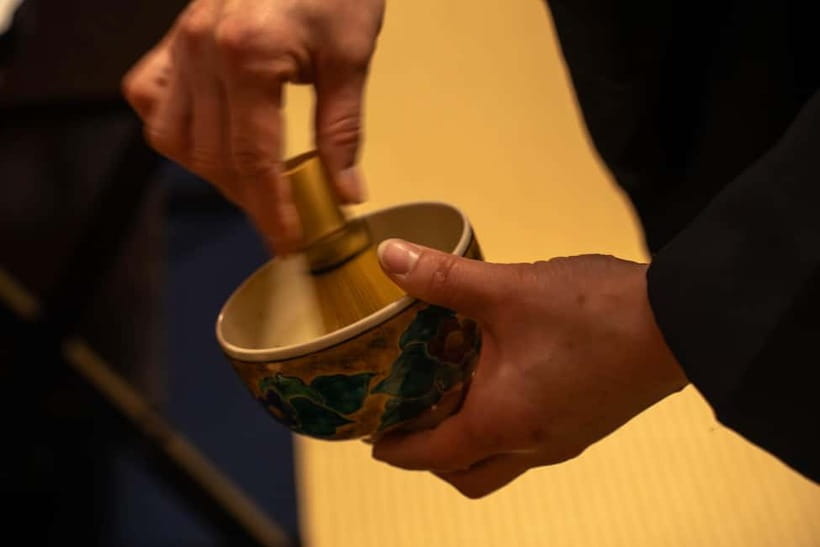
At $35 per person, this is not the cheapest way to drink matcha in Japan. You can find a bowl of tea for far less. The value here comes from the setting, the formal demonstration, the sweets, the history, and the chance to make the tea yourself.
The separate 320-yen garden admission brings the total cost up slightly. Since the garden is one of Kanazawa’s essential sights and the ticket can support a longer visit, that extra charge is reasonable if you were planning to see Kenrokuen anyway.
I would not book this solely for the quantity of tea. You receive a cultural lesson and a carefully guided activity, not a long tasting menu. The one-hour duration keeps the price manageable and lets you fit the ceremony into a full sightseeing day.
For couples, solo visitors, and small groups who want a calm cultural experience, the cost is fair. It is less compelling for anyone who dislikes ritual, powdered tea, quiet group settings, or sitting on mats.
Who will enjoy this most
I would recommend the ceremony to you if you want a clear introduction to Japanese tea culture without committing to a three-hour formal event. It is also a good choice if you enjoy learning by doing.
First-time matcha drinkers are well served because the guide explains the taste and pairs it with wagashi. People interested in Japanese history will appreciate the Maeda connection and the setting inside Kenrokuen.
Photographers can take pictures, but the main reward is not a garden view from the room. If you want uninterrupted views of Kenrokuen during tea, this is not the right expectation. Explore the garden separately, then enter the tea room ready to focus on the ceremony.
The session also suits anyone looking for a peaceful pause. The quiet room, repeated movements, and careful pace can feel restorative after walking through Kanazawa. It remains an organized public activity, though, not a private spiritual retreat.
Should you book the Kenrokuen tea ceremony?
Book it if you want a compact, well-explained introduction to matcha, traditional sweets, and Japanese etiquette in a historic setting. The strongest reasons are the hands-on tea making, the patient English guidance, and the chance to connect the ritual with the Maeda family and Kenrokuen.
Skip it if you only want a quick drink, need a private room, or expect to sip tea while looking out across the garden. Also confirm the age requirement if you are booking for a seven-year-old, since the supplied rules are not fully consistent.
For most first visits to Kanazawa, I would pair this with a proper walk through Kenrokuen. Pay the garden fee, see the grounds, then spend an hour inside Kenrokutei learning how much thought can go into one bowl of tea.
FAQ
How long does the Kenrokuen tea ceremony last?
The experience lasts one hour.
How much does the activity cost?
The listed price is $35 per person. Kenrokuen Garden admission is separate and is stated as 320 yen.
Is entrance to Kenrokuen Garden included?
No. You must pay the garden entrance fee separately to reach Kenrokutei inside the garden.
Where do I meet the guide?
Meet in front of the fountain inside Kenrokuen Garden, then read the information on the Tea Ceremony signboard for directions.
Is the ceremony held in English?
Yes. English instruction is provided.
Can I request a chair?
Yes. You can request a chair if sitting or kneeling on the floor is difficult.
Are children allowed to join?
The information says participants must be at least seven years old, but another instruction says the activity is not suitable for children under eight. Confirm the minimum age before booking.
Just added around Kanazawa
- Kanazawa: Sushi & Japanese Cooking Class at a Historic School★ 5.0 · 66 reviews
- Shirakawago & Kanazawa from Kanazawa★ 5.0 · 51 reviews
- Takayama and Shirakawago/Photoshoot by professional photographer★ 5.0 · 67 reviews
- Taste of Kanazawa (Food tasting in Omicho Market & Higashi Chaya)★ 5.0 · 58 reviews
- Kanazawa private 1 day/Photoshoot by professional photographer★ 5.0 · 33 reviews
- Photoshoot session by professional photographer in Kanazawa★ 5.0 · 42 reviews
- Private Tour Kanazawa, Shirakawago, Hida Furukawa,Takayama★ 5.0 · 108 reviews
- Kanazawa private half day/Photoshoot by professional photographer★ 5.0 · 38 reviews
Kanazawa Tours, compared.
World Heritage Shirakawa-go and Experience Tours from Kanazawa
Read our review →
![[One-day bus tour departing from Kanazawa Station] Shirakawa-go and Gokayama – Two World Heritage Villages Enjoyable Bus Tour](https://media3.thejapanesetraveller.com/wp-content/uploads/one-day-bus-tour-departing-from-kanazawa-station-shirakawa-go-and-gokayama-two-world-heritage-villages-enjoyable-bus-tour-400x267.jpg)
[One-day bus tour departing from Kanazawa Station] Shirakawa-go and Gokayama – Two World Heritage Villages Enjoyable Bus Tour
Read our review →
World Heritage Shirakawa-go Perfect Guided Tour from Kanazawa
Read our review →
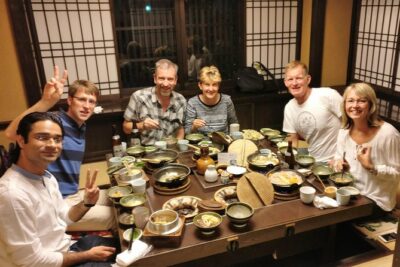
Kanazawa Night Tour with Local Meal and Drinks
Read our review →Browse the lists this tour appears in