
Reviewed · HAKONE TOURS
Hakone Adventure: Explore Nature’s Beauty and Tranquility
Hakone’s appeal is that you get four kinds of travel in one day: a slow mountain train, a high cable route, a ropeway over volcanic ground, and a boat across Lake Ashi. I like the way this trip shows you Hakone from several angles, and I like having a guide such as Yumiko, Taku, or Yuuki handle the connections and explain what you’re seeing. The main catch is cost: the $139 tour price does not include train, cable car, ropeway, cruise, or bus fares.
This is a strong choice if you want Hakone’s major sights without spending your first visit studying route maps. Just leave room in your schedule. Crowds can delay the ropeway, clouds can hide Mt. Fuji, and one traveler missed Hakone Shrine after transport queues used up the day.
Key points at a glance
- Japan’s only mountain railway: The Hakone Tozan Railway climbs through wooded slopes with switchbacks and seasonal scenery.
- A four-part transport adventure: You move by train, cable car, ropeway, and sightseeing boat instead of simply riding a coach from stop to stop.
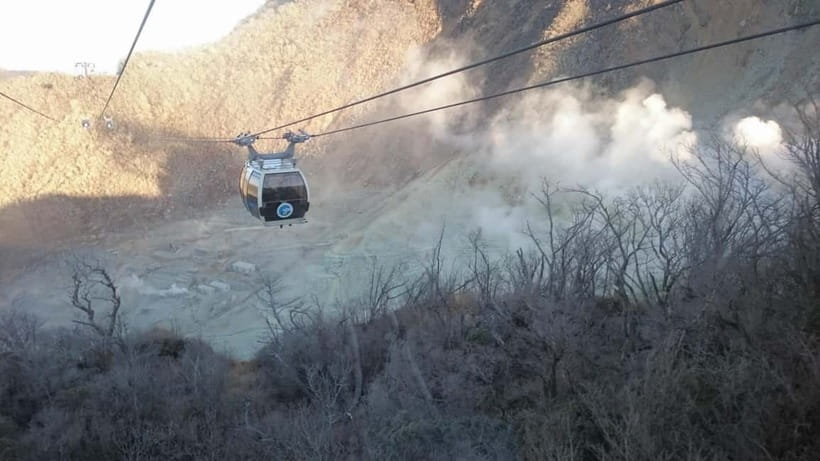
- Owakudani’s active vents: Steam rises from the volcanic valley, and the air can carry a clear sulfur smell.
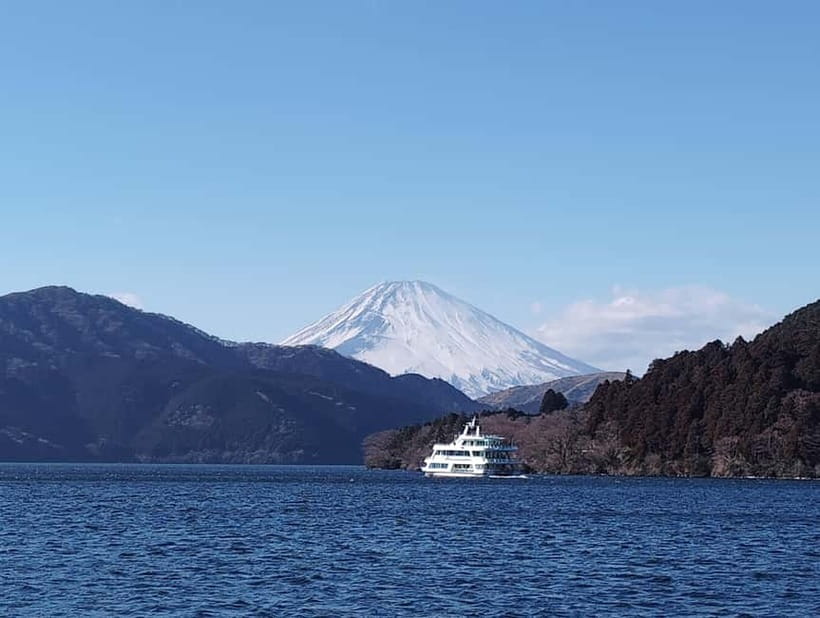
- Lake Ashi by boat: The cruise gives you views of forested hills, torii gates, and Mt. Fuji when the sky cooperates.
- A private English-speaking guide: Your guide helps with changes between transport systems and adds local context.
- A full day with a variable length: The trip lasts about 270 to 570 minutes, depending on the chosen departure and route timing.
Why Hakone works so well as a day out
Hakone sits in the mountains of Honshu, within the broad crater formed by ancient volcanic activity. That geology is not tucked away in a museum. You see it in steaming vents at Owakudani, in the high route above the crater, and in the lake occupying part of the old volcanic basin.
The area also has a cultural side. Hakone developed as a checkpoint town on the old Tokaido Road, the major route between Tokyo and Kyoto. The Hakone Shrine adds a spiritual stop beside the lake, while the old mountain resort atmosphere gives the region a slower feel than Tokyo.
I like this tour because it does not treat Hakone as one single viewpoint. The train gives you a close look at the forest. The cable car and ropeway open up the high country. The boat changes the view again, placing the lake, shrine, and mountains in the same frame.
The guide matters here. Hakone’s transport system is enjoyable, but it involves several changes and separate fares. An English-speaking guide can help you find the right platform, board in the right direction, and keep the day moving. Taku was praised for assisting with transport and making the route easier for someone with slight mobility issues. Yuuki was described as friendly, attentive, and strong on local information. Those are useful qualities on a day built around connections.
A few more Hakone half-days to weigh up
- Hakone 6 hour Private Tour with Government-Licensed Guide
★ 5.0 · 218 reviews - Custom Private Tour in Hakone with a Certified Local Guide
★ 5.0 · 91 reviews - Hakone 8 hour Private Tour with Government-Licensed Guide
★ 5.0 · 63 reviews
Starting from Tokyo, Hakone, or Odawara
You can begin from several points, but the choice affects the shape and length of your day. Departures are available from Shinjuku, Hakone-Yumoto, Odawara, and a park meeting point listed as Mukoyama Park.
The Shinjuku option is useful if you are based in Tokyo and want the day arranged from the start. The listed Shinjuku meeting point is the Shinjuku Station East Exit Police Box, at the Shinjuku Police Station. Check the exact meeting point attached to your booking, since it changes by option.
Starting in Hakone or Odawara may suit you better if you are already staying in the area. It also avoids adding the Tokyo to Hakone journey to an already busy sightseeing day. One of the strongest practical points about this experience is that you do not have to travel back and forth from Tokyo during the main sightseeing route.
Arrive 15 minutes early. That matters more than usual because a missed departure can affect every later connection. You should also confirm your drop-off choice. The listed endings are Hakone-Yumoto Station or the Shinjuku police box.
The Hakone Tozan Railway, a slow climb through the hills
The first major ride is the Hakone Tozan Railway, described as Japan’s only mountain railway. It takes about one hour and climbs through wooded mountain country, with the view changing as the train gains height.
This is not a high-speed ride designed to get you out of the way. The pleasure is in the climb. The train works through steep grades, switchbacks, and narrow valleys, giving you a close view of the terrain. Seasonal changes also affect the scenery, with different colors and textures through the year.
Your guide can add useful background here, explaining Hakone’s growth as a mountain resort and its position between major regions. I find that context worthwhile because the railway then feels like part of Hakone’s story, not just a way to reach the next attraction.
The practical drawback is that this is shared public transportation. You may not get a perfect window position, especially at busy times. Keep your expectations realistic: the ride is scenic and atmospheric, but it is not a private photo platform.
Cable car and ropeway above the volcanic crater
After the railway, the route continues higher by cable car and ropeway. The cable car ride is listed at about 40 minutes, and the full route gives you a broad look across Hakone’s volcanic basin.
This is one of the tour’s best features. You experience the steep mountain setting without having to work out separate connections on your own. From above, the view opens across valleys and rough volcanic ground. The change from enclosed train to elevated transport makes the day feel varied rather than repetitive.
The ropeway is also the part most affected by crowds and weather. One Monday, a participant waited a long time to board, and the delay meant there was no time left for Hakone Shrine. That is an important warning. A private guide can organize your route, but cannot remove queues or control the operating conditions.
If your priority is Hakone Shrine, Mt. Fuji, or a relaxed lunch, ask your guide early how the timing is looking. You may need to accept less time at one stop if the ropeway backs up. If your priority is the volcanic valley, the route still gives you a strong experience even when the schedule slips.
Same base, a completely different sort of day:
- Private Tour – Hakone Day Trip! A Tour to Explore All Must-Sees!
★ 5.0 · 58 reviews - Private Hakone Half-day Car Tour with Hotel Pickup – Local Guide
★ 5.0 · 48 reviews - Hike Hakone Hachiri
★ 5.0 · 48 reviews - Hike Japan Heritage Hakone Hachiri with certified mountain guide
★ 5.0 · 46 reviews
Owakudani, where Hakone shows its volcanic side
Owakudani is the day’s most unusual stop. Steam rises from vents in the ground, and the sulfur smell makes it clear that this is an active geothermal area rather than a normal mountain viewpoint.
The planned visit is about 20 minutes, so do not expect a long hike or a quiet half-day in the valley. You get a concentrated look at the steam, the rough ground, and the signs of heat below the surface. The guide explains the natural forces at work, along with local stories and traditions tied to the site.
The famous black eggs are another local detail associated with Owakudani. You may have a chance to see or try them, depending on the timing and what is available during the visit. The supplied information does not promise food, and food and drinks are not included, so carry money if you want to buy something.
The sulfur air may be strong. Wear comfortable shoes, follow your guide’s instructions, and dress for exposed mountain conditions. The area can feel cooler than Tokyo, and the weather can change quickly. People with heart problems, pregnant women, and those with mobility impairments are advised not to take this activity.
Lake Ashi by sightseeing boat
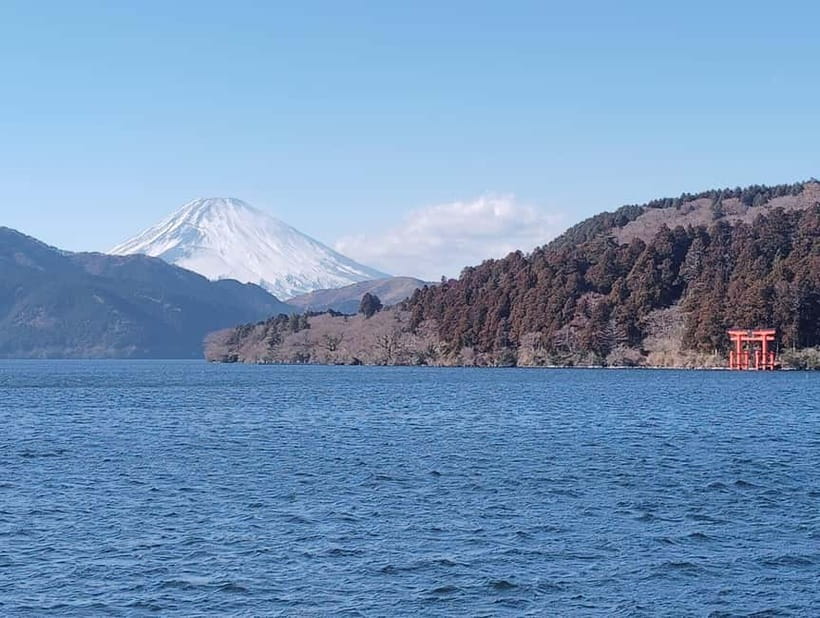
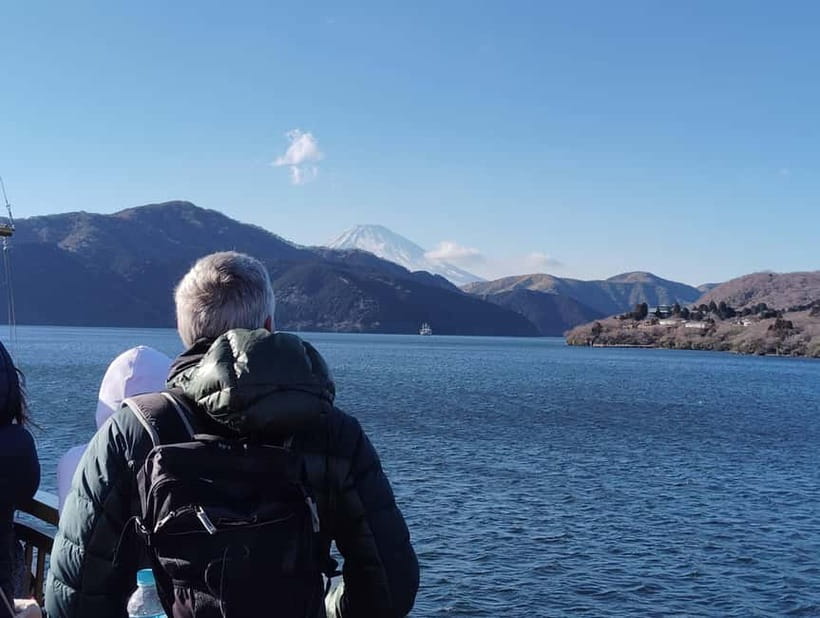
The route then reaches Lake Ashi, a calm body of water inside Mount Hakone’s volcanic crater. The sightseeing cruise lasts about 50 minutes, long enough to change the pace after the train and ropeway.
From the boat, you can look back at wooded slopes and the surrounding mountains. The famous red torii gate associated with Hakone Shrine is one of the key sights, and clear weather may bring Mt. Fuji into view. One November departure got lucky with Fuji, while another day had too much cloud. That is normal here, so treat the mountain as a bonus rather than a promise.
I especially like the contrast between Owakudani and Lake Ashi. One stop smells of sulfur and rising steam. The other is quiet water, forest, and distant peaks. The cruise gives you time to sit, look around, and let the scenery come to you.
The boat is also a good reason to keep your camera ready, but do not spend the whole ride staring at a screen. The views shift as the vessel moves, and the torii gate may be easy to miss if you are not watching the shoreline.
Hakone Shrine and the red torii gate
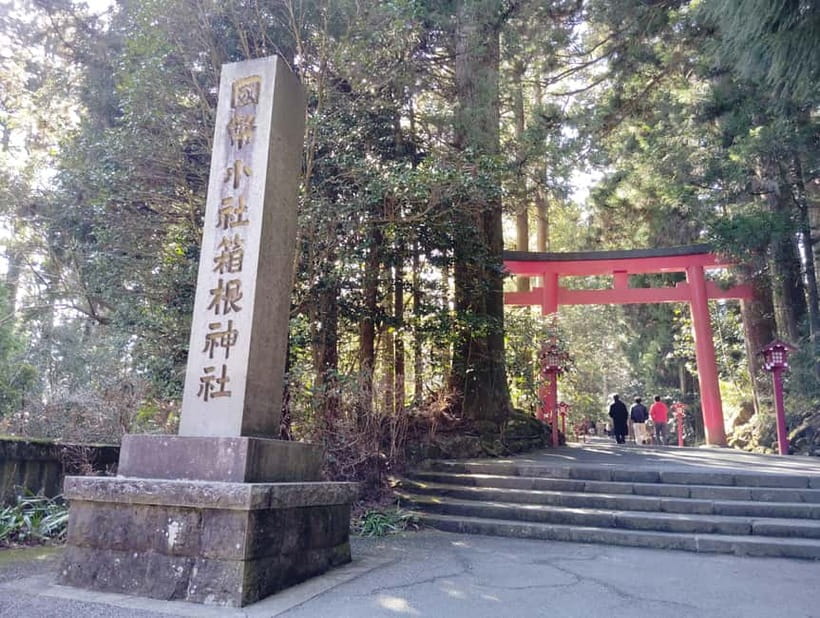
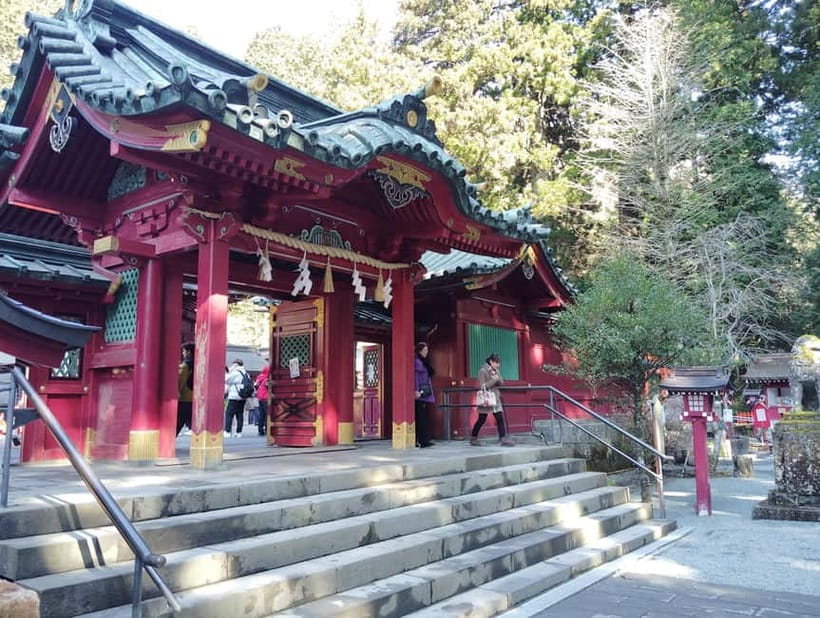
The visit to Hakone Shrine is scheduled for about 45 minutes, with another short 10-minute stop listed around Lake Ashi. The shrine is tied to Hakone’s spiritual traditions and is one of the area’s most recognizable cultural sights.
The setting is the key attraction. The shrine and its torii gate connect the wooded mountain setting with the lake below. After the mechanical excitement of the railway and ropeway, this stop gives the day a quieter cultural finish.
Timing is the issue. Because the ropeway can be crowded, the shrine may receive less time than planned. One participant missed it entirely after transport delays and had a train to catch back to Tokyo. If the shrine matters greatly to you, do not book a tight evening train from Hakone or Tokyo. The listed duration can stretch from 270 to 570 minutes, and that wide range tells you the route is not equally long for every departure option.
The final bus ride and the shape of the day
A bus or coach ride of about 45 minutes brings you toward the end of the route. The final drop-off is either Hakone-Yumoto Station or the Shinjuku police box, depending on the option selected.
The day includes a lot of movement, but that is also the point. You are not merely looking at Hakone from one roadside stop. You are riding through it, above it, across it, and along the lake. I would describe the pace as efficient rather than leisurely.
That difference matters. If you want to linger at Owakudani, browse around the lake, eat a long lunch, and spend a full hour at the shrine, this schedule may feel tight. If you want to cover the headline sights in one organized day, the pace makes more sense.
What the $139 price really buys you
The price is $139 per person, and the trip is arranged as a private group with an English-speaking guide. That price does not include transportation fares, food, or drinks.
The extra fares are the most important budget point. You pay separately for the train, cable car, ropeway, sightseeing cruise, and bus. One person felt the tour offered poor value after realizing that a round-trip transport ticket could cost about one-third of the tour price. That criticism is fair if you are comfortable reading Japanese transport signs, checking schedules, and managing changes yourself.
You are paying for guidance and organization, not simply admission to the sights. The value improves if you are short on time, new to Japan, traveling with a small private group, or uneasy about the number of transfers. It also improves if your guide is as attentive as Yumiko, Taku, Yuuki, or Kyo were described in their feedback.
I would compare the tour with the cost of arranging the route yourself before booking. Add the separate fares, then ask how much you value an English-speaking person who stays with you through the changes. If you already understand Hakone’s transport system and enjoy planning, the tour may feel expensive. If you want help and local explanation, the premium may be reasonable.
Who should book this Hakone experience?
I would recommend it to a first-time Hakone visitor who wants the main sights in one day and prefers help with public transportation. It is also a good fit if you want cultural explanation rather than a simple ride-and-photo outing.
The trip suits you best if you can walk comfortably, handle stairs and boarding areas, and tolerate a full schedule. Wear comfortable shoes, bring warm clothing, sunscreen, and a camera. Check the forecast before leaving. Mt. Fuji is weather dependent, and high mountain stops may feel cool even when Tokyo is warm.
I would think twice if you have limited mobility, a heart condition, or are pregnant, since the activity is specifically not recommended for those situations. I would also avoid booking it around a hard train deadline. The transport changes are part of the experience, but crowds can make the day run long.
A private group gives the guide more room to respond to your needs than a large coach tour. Still, private does not mean every stop is private. You will use public trains, cable cars, ropeways, boats, and buses, so other passengers and queues remain part of the day.
Tips for getting more from the route
Go on a clear weekday if your schedule allows. One Monday was already crowded, so a weekday alone does not guarantee quick boarding, but weekends can add more pressure.
Keep some cash available for transport and any food or drinks you want to buy. Those costs are separate from the tour fee.
Do not dress only for Tokyo. Warm clothing is specifically recommended, and the higher parts of Hakone can feel exposed. Comfortable shoes matter because there is walking at the stations and sightseeing stops.
Tell your guide what matters most at the start. If your top priority is Hakone Shrine, the ropeway delay risk is worth discussing. If you care most about Owakudani, Mt. Fuji, or the lake cruise, your guide can help you understand how much time remains.
Finally, avoid treating the Mt. Fuji view as guaranteed. The cruise and elevated routes offer fine scenery even when clouds block the mountain, but clear weather makes the day notably better.
FAQ
How long does the Hakone Adventure last?
The stated duration ranges from 270 to 570 minutes. The exact length depends on the selected starting option and schedule.
Where can I start the tour?
Starting points include Mukoyama Park, the Shinjuku Station East Exit Police Box, Hakone-Yumoto Station, and the Odawara Tourist Information Center. The meeting point varies by option booked.
Where does the tour finish?
The listed drop-off points are Hakone-Yumoto Station and the Shinjuku Station East Exit Police Box.
Are transportation fares included in the $139 price?
No. Train, cable car, ropeway, sightseeing cruise, and bus fares are paid separately during the activity.
Is food included?
No. Food and drinks are not included.
What language does the guide speak?
The activity includes a live English-speaking guide.
Is this suitable for people with mobility impairments?
No. The activity is listed as not suitable for people with mobility impairments, pregnant women, or people with heart problems.
Should you book it?
Book this tour if you want Hakone’s major sights in one organized day and value an English-speaking guide who can help with several transport changes. The railway, Owakudani, ropeway, Lake Ashi cruise, and Hakone Shrine create a varied introduction to the region.
Skip it if your main goal is the lowest possible price or a slow, flexible day. You can pay less by arranging the transport yourself, but you will take on the planning and navigation. For many first-time visitors, the real question is not simply $139 versus a cheaper ticket. It is how much you want to pay for time, help, and local explanation.
Just budget for the extra fares, dress for mountain weather, and leave flexibility after the tour. With those points understood, this is a useful way to see Hakone’s volcanic ground, lake views, and shrine culture without spending the day lost between connections.
Just added around Hakone
- Traverse Outer Rim of Hakone Caldera and Enjoy Onsen Hiking Tour★ 5.0 · 30 reviews
- Private Hakone Half-day Car Tour with Hotel Pickup – Local Guide★ 5.0 · 48 reviews
- Hike Japan Heritage Hakone Hachiri with certified mountain guide★ 5.0 · 46 reviews
- Hike Japan Heritage Hakone Hachiri (Half Day)★ 5.0 · 18 reviews
- Hike Hakone Hachiri★ 5.0 · 48 reviews
- Easygoing Nature Walk in Hakone Tour★ 5.0 · 15 reviews
- Odawara: Guided Ninja & Samurai Tour of Odawara Castle★ 5.0 · 25 reviews
- Odawara: Odawara Castle Tenshukaku Entrance Ticket★ 4.2 · 30 reviews
Hakone Tours, compared.
Hakone 6 hour Private Tour with Government-Licensed Guide
Read our review →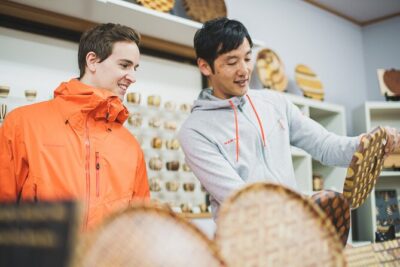
Custom Private Tour in Hakone with a Certified Local Guide
Read our review →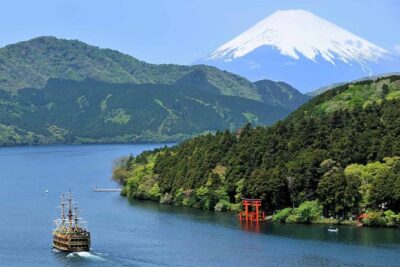
Hakone 8 hour Private Tour with Government-Licensed Guide
Read our review →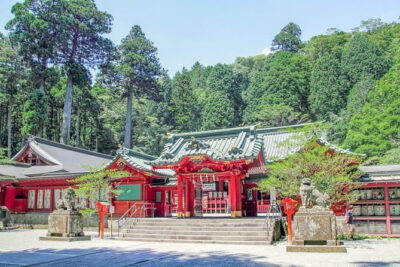
Private Tour – Hakone Day Trip! A Tour to Explore All Must-Sees!
Read our review →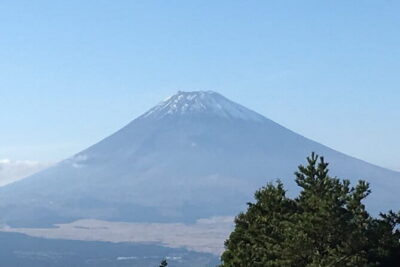
Private Hakone Half-day Car Tour with Hotel Pickup – Local Guide
Read our review →
Hike Japan Heritage Hakone Hachiri with certified mountain guide
Read our review →
Odawara: Odawara Castle Tenshukaku Entrance Ticket
Read our review →Browse the lists this tour appears in