
Reviewed · NAGOYA TOURS
From Nagoya: Eihoji, Enakyo, Magomejuku & Tsumagojuku Day Tour
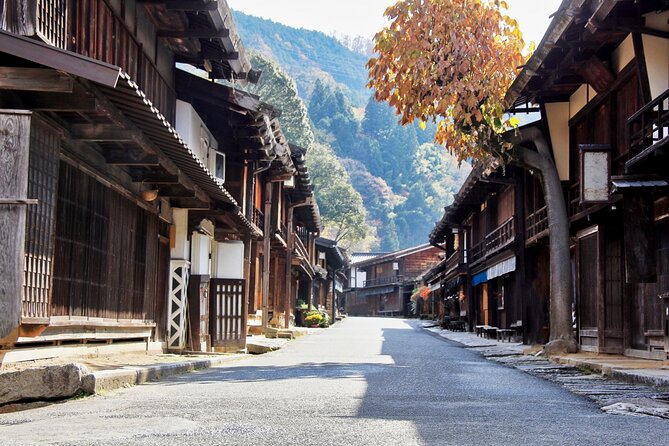
Magome and Tsumago give you a rare look at old Japan without sending you far from Nagoya for several days. Their wooden inns, stone lanes, and quiet post-town streets follow the old Nakasendo route between Edo and Kyoto. Add Enakyo’s mountain views and the calm grounds of Eihoji Temple, and this becomes a full day of scenery and history rather than another city tour.
I especially like the mix of preserved Edo-era towns and open countryside. I also like that the $63.04 price includes the coach, guide, entrance fees, and taxes, which makes the long distances easier to handle.
The main thing to consider is the language setup. English and Chinese commentary may share one bus, and some English-speaking customers have received less explanation than expected when the group was mainly Mandarin-speaking. The tour is still useful for the sights, but clear language support is important to you.
Key points to know before booking
- Magome-juku gets about two hours: Enough time for the cobbled main street, small shops, local snacks, the pond with Mt. Ena views, and the Waki-honjin museum.
- Tsumago-juku adds another preserved post town: You have roughly one hour and 10 minutes to explore its quiet streets and reconstructed historic buildings.
- Eihoji offers a peaceful start or finish: The temple garden is beautiful, but some slopes are steep and require care.
- Enakyo supplies the big nature stop: The Oi Dam created a lake and gorge with unusual rock formations, walking trails, and views from the observatory.
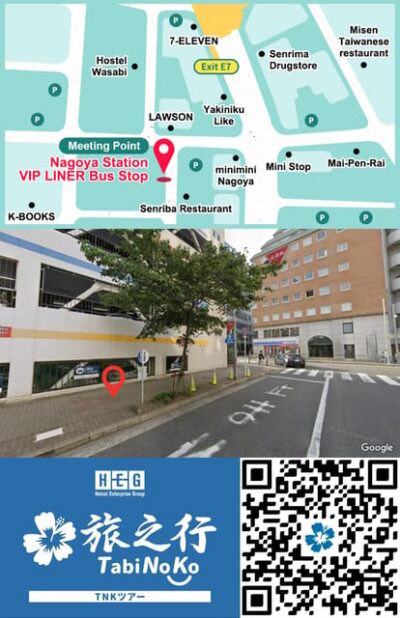
- The day begins and ends in Nagoya: Departure is at 8:30 a.m. from the VIPLINER Nagoya bus stop, and the coach returns there.
- Lunch is your responsibility: Personal expenses and meals are not included, so plan to buy food during the town stops.
Four central Japan sights in one long day
This is a sightseeing loop into Gifu and Nagano prefectures, with several hours spent on the road between Nagoya and the Kiso Valley. The payoff is variety. You see a Zen temple, a dam lake and gorge, and two historic post towns that once served people moving between Kyoto and Edo, now Tokyo.
The day lasts roughly nine to 10 hours. That is a serious outing, but it saves you the trouble of arranging separate trains, buses, and local connections. The air-conditioned coach matters here. Magome and Tsumago are not difficult to reach independently, but fitting both towns and Enakyo into one day takes planning.
The schedule can change because of traffic, weather, holidays, or other road conditions. If you want a relaxed, unhurried look at every site, independent travel may suit you better. If you want to see a lot beyond Nagoya in one shot, this coach format is efficient.
A few more Nagoya half-days to weigh up
- From Nagoya: Gujo, Hida Takayama, and Shirakawa-go Day Tour
★ 4.4 · 398 reviews - Ghibli Park 1-Day Bus Tour from Nagoya
★ 4.5 · 277 reviews - From Nagoya: Hida Takayama & Shirakawa-go Tour w/Opt. Lunch
★ 4.5 · 256 reviews
Eihoji Temple and its quiet garden
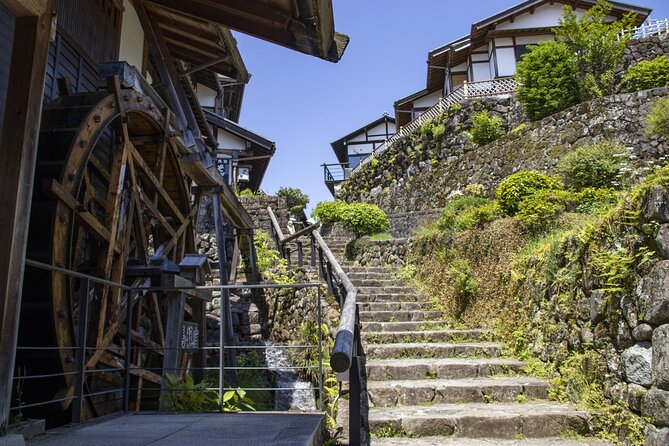
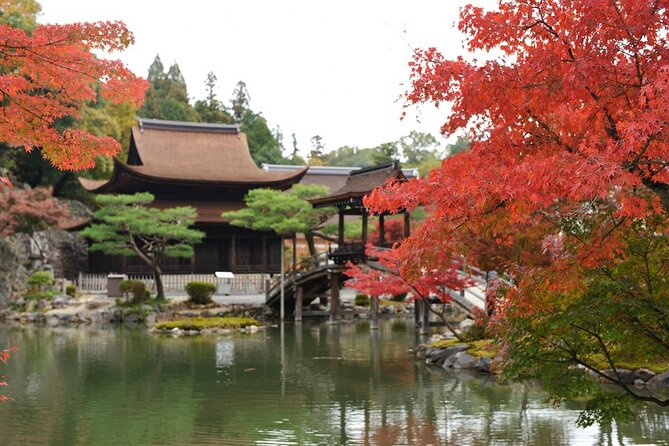
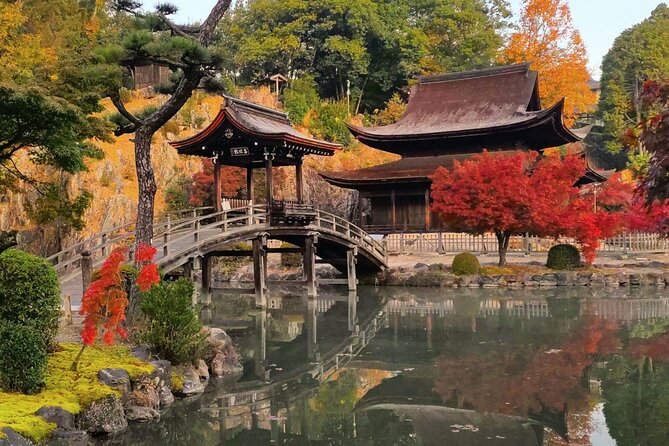
Kokeizan Eihoji Temple is in the northern part of Tajimi, in Gifu Prefecture. The Rinzai Zen temple dates from the Kamakura period, and two of its structures are designated National Treasures. That gives the first major stop real historical weight, but the pleasure here comes from the setting as much as the buildings.
Plan on about one hour. The temple grounds include a garden with a solemn, peaceful feel, and the scenery changes as you move through the grounds. Water, trees, old structures, and carefully arranged views give you a welcome pause before the bus continues into the mountain areas.
There are steep slopes in parts of the garden, so watch your footing. Most people can participate, but this is not a flat, effortless stroll. Wear shoes with a secure sole, especially if the paths are wet.
The one-hour visit is long enough to see the main grounds and enjoy the quiet. It is not enough for a slow temple study or extensive photography at every angle. I would treat this as a focused introduction rather than a complete visit to the temple complex.
Enakyo Gorge from the observatory
Enakyo is a reservoir and gorge area created by the Oi Dam. The lake is framed by distinctive rock formations, and sightseeing boats operate on the water. The tour includes an observatory stop, where you can look over the winding water and surrounding mountains.
This is the day’s main nature break. The views work especially well in clear weather, when the gorge, lake, and mountain ridges are easy to pick out. Sakura season can add another layer of color, as one account of the trip specifically praised the cherry trees and the Enakyo Bridge.
You may also have access to lakeside park areas and established walking trails. The exact amount of walking depends on the day’s timing, so do not assume the schedule includes a long trail outing or a boat ride. The tour information describes the boats as operating in the area, but it does not list a boat ride as an included activity.
The observatory is a good fit if you want a clear, quick view without a strenuous hike. In poor weather, the panorama will be less impressive, and traffic can reduce time at planned stops without a refund. That is worth keeping in mind if Enakyo is your main reason for booking.
Magome-juku and the Nakasendo Trail
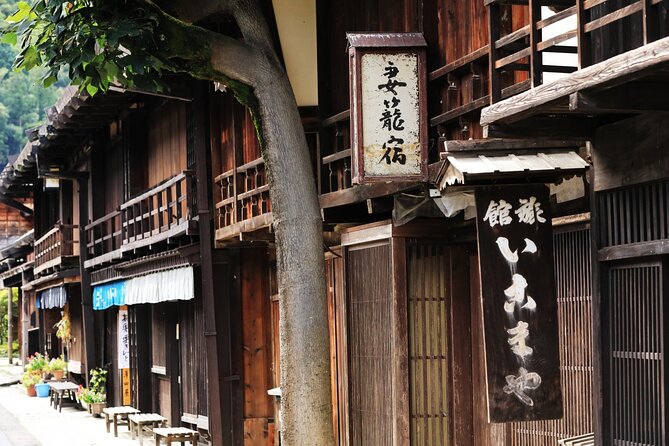
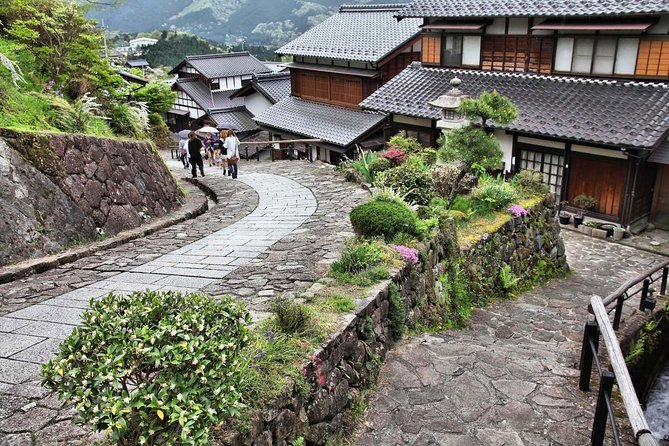
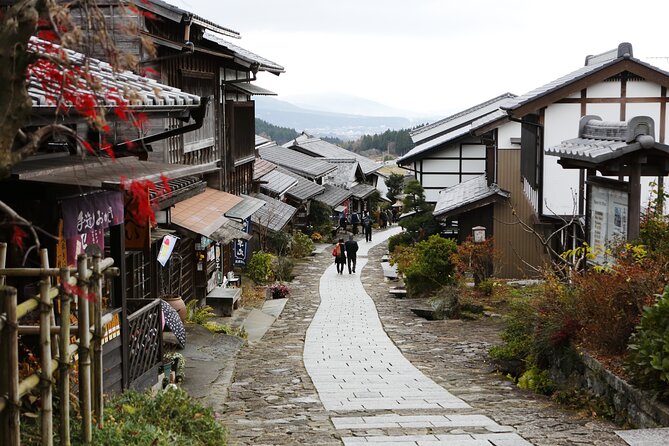
Magome is the most atmospheric stop for many people. It was one of the post towns along the Nakasendo, the old inland route linking Edo and Kyoto during Japan’s feudal period. Today, its traditional wooden buildings line a carefully preserved street with stone paving and a strong sense of its former role.
You have about two hours here, the longest single town visit. That gives you time to walk the main street, browse small shops, look for handmade goods, and stop for a local bite. The route is scenic rather than museum-heavy, so your best approach is to wander slowly and look above the shopfronts at the wooden construction.
At Magomekan, you can buy gohei-mochi, a regional snack made from skewered rice cakes coated in a sweet miso and walnut sauce. It is a useful choice if you want something local rather than a standard packaged lunch. Since lunch is not included, this stop may also be your chance to buy a more substantial meal, depending on what is available and how much time the group has.
The pond in Magome offers a view toward Mt. Ena. It is an easy detail to miss if you only follow the busiest stretch of the street, so keep an eye out for it. The town’s appeal is not one single monument. It is the combination of the old road, buildings, mountain views, shops, and small historic corners.
The Magome Waki-honjin History Museum adds context. A waki-honjin was a secondary lodging facility used by feudal lords and shogunate officials. This museum reconstructs part of the former building and displays household goods and furnishings from the period. It helps explain how the post town functioned, beyond its modern appeal as a pretty street.
The tradeoff is that Magome can feel more commercial than Tsumago because it has more shops and food stops. That is not necessarily a fault. It simply means Magome is the better place for snacks and souvenirs, while Tsumago usually feels more subdued.
Same base, a completely different sort of day:
- Hiking the Historic Nakasendo Trail [1 Day Tour from Nagoya]
★ 5.0 · 104 reviews - Nagoya Highlight Tour guided by a friendly local
★ 5.0 · 86 reviews - Nagoya: Japanese Traditional Sweets making and Tea Ceremony
★ 4.9 · 76 reviews - Magome-juku, Tsumago-juku & Ena-kyo 1d Bus Tour from Nagoya
★ 4.6 · 75 reviews
Tsumago-juku and the Edo-period atmosphere
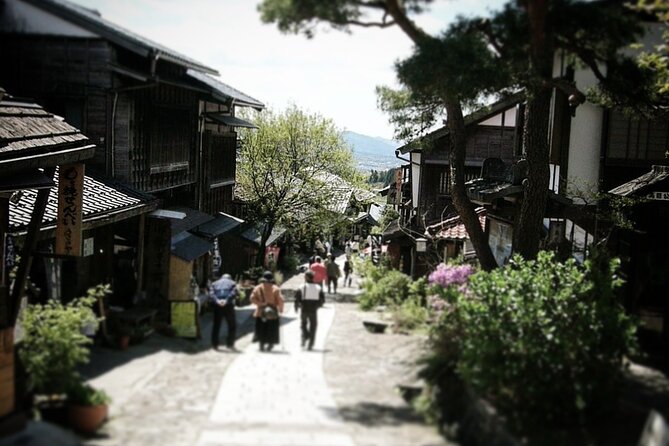
Tsumago, in Nagiso in Nagano Prefecture, is another Nakasendo post town. Residents worked to preserve its old appearance, and the result is a compact historic area where traditional buildings and quiet streets take center stage.
The scheduled visit lasts about one hour and 10 minutes. That is enough to walk through the main area, take photographs, and visit the historic lodging museum if it is open as planned. It is not a lot of time for a long walk between Magome and Tsumago. The tour visits both towns by coach, so you should not assume it includes the famous full Nakasendo hike between them.
One historic site was once used as lodging for feudal lords and officials of the shogunate. It is now open as a museum, reconstructed to reflect the original buildings. This offers a useful look at travel in the Edo period, when post towns supported officials, merchants, and other people moving along the route.
Tsumago’s strength is atmosphere. The streets are quieter and less focused on shopping, making it easier to picture the town as a stop for travelers centuries ago. If you have only a short time, walk the central street first, then use any remaining minutes for a museum or shop.
Because the stop is short, keep track of the meeting time. The coach cannot wait for late arrivals at departure, and the day has several scheduled movements. Tsumago rewards a calm walk, but you will need to keep that walk focused.
A practical look at the $63.04 price
At $63.04 per person, this is a strong value if you want all four areas in one day. The price includes an air-conditioned coach, an English- or Chinese-speaking guide, entrance fees, and taxes. You avoid paying separate fares for several regional legs and avoid having to connect local transport between the towns.
The value is less about luxury and more about coverage. You are paying to reach places that sit well outside central Nagoya, with a guide providing background along the way. Eihoji’s admission is included, and the historic areas themselves do not require separate admission according to the schedule.
You still need money for lunch, drinks, snacks, souvenirs, and other personal expenses. Do not budget the tour as an all-inclusive day. Gohei-mochi at Magome is one local food option, but the exact lunch arrangement is not fixed.
The group can be as large as 99 people, so the experience may feel like a standard coach excursion rather than a small personal tour. The minimum group size is 10, and the departure can be canceled if that number is not reached. You should receive notice roughly three to four days before departure if that happens.
Guide quality and the English-language question
The guide can make a major difference on a history-focused day. Guide names associated with this departure include Liu and Janet, along with Xiao Liu and Mr. Kamihara. Accounts of the tour describe Liu as kind, caring, and informative, while Janet is described as friendly and good at keeping the day moving.
The important caution is not the individual guide. It is the language arrangement. English and Chinese commentary may be provided on the same bus when participant numbers are low. In a mostly Mandarin-speaking group, English explanations may receive less time, and that has left some English-speaking customers feeling that they missed important background.
If you book, confirm your name with the guide or staff on the participant list when you arrive. If you need clarification about the language arrangement or departure details, contact the provider in advance. The listed contact number may not be available outside Monday to Friday business hours, from 9:30 a.m. to 6 p.m. Japan time.
For you, the right expectation is this: the sights are the main attraction, and the guide adds useful context, but the amount of English commentary can vary. If detailed English interpretation is essential, ask before committing.
Meeting in Nagoya and handling the long day
The meeting point is the VIPLINER Nagoya bus stop at 20-20 Tsubakicho, Nakamura Ward, Nagoya. Departure is at 8:30 a.m., and you should arrive at least 10 minutes early. The bus will not wait for late arrivals.
The activity ends back at the same meeting point. Because return times depend on road traffic, weather, holidays, and other delays, do not schedule a restaurant reservation, cruise departure, or train connection immediately afterward. The tour operator specifically warns that the planned attractions may be reduced in severe traffic or poor weather, with no refund for those changes.
You may bring one piece of luggage per person. Luggage stored in the trunk cannot be reached between stops, and the combined height, width, and depth should not exceed 155 centimeters. Keep passports, medication, electronics, and other valuables with you on the coach.
The day involves walking on old streets and some slopes at Eihoji. Comfortable shoes are more important than stylish ones. The tour is described as suitable for most people, but anyone who has difficulty with uneven or steep paths should plan carefully.
Who should book this day tour?
I would choose this tour if you are based in Nagoya and want to see historic rural Japan without arranging several regional connections. It suits first-time visitors who want a broad introduction to the Nakasendo towns, as well as anyone who values scenery and historic streets more than long museum visits.
It is also a good choice if your time in Japan is limited. In one outing, you get a Zen temple, a gorge viewpoint, two old post towns, local food opportunities, and a coach ride through central Japan.
I would hesitate if you dislike fixed schedules or large groups. You will not have unlimited time in either Magome or Tsumago, and the schedule may shift with traffic. I would also ask about language support before booking if you are paying mainly for English historical commentary.
FAQ
Where does the tour start and finish?
The tour starts at the VIPLINER Nagoya bus stop at 20-20 Tsubakicho, Nakamura Ward, Nagoya. It finishes back at the same meeting point.
What time does the tour leave?
Departure is at 8:30 a.m. You should arrive no later than 10 minutes before departure because the bus will not wait for late arrivals.
Is lunch included?
No. Lunch and personal expenses are not included. You can look for light meals such as gohei-mochi at Magomekan, a local snack made with a sweet miso and walnut sauce.
Are entrance fees included?
Yes. The tour price includes all entrance fees and taxes. This includes admission to Eihoji Temple and the listed historic facilities where admission applies.
Is the guide’s commentary in English?
The tour offers English- or Chinese-speaking guides. When participant numbers are low, both languages may be used on the same bus. English commentary can be limited if the group is mainly Mandarin-speaking, so confirm the language arrangement if this matters to you.
Can I cancel for a full refund?
You can cancel at least 24 hours before the local start time for a full refund. Cancellations or changes made less than 24 hours before departure are not accepted for a refund. If the tour is canceled because the minimum group size is not reached, you will be offered another date or experience, or a full refund.
Should you book it?
Book this tour if you want the most straightforward way to combine Magome, Tsumago, Enakyo, and Eihoji from Nagoya for $63.04. The itinerary gives you a lot for the money, and the best moments are the old Nakasendo streets, the mountain views, and the quiet temple garden.
Before paying, accept that this is a long coach day with a potentially large group, limited time at each site, no included lunch, and variable English commentary. If those conditions work for you, this is a practical and reasonably priced trip into central Japan’s old towns and countryside.
Just added around Nagoya
- Walking Small-Group Nagoya City Tour★ 5.0 · 13 reviews
- Nagoya Endoji Food and Cultural Tour★ 5.0 · 12 reviews
- Pub Crawl in Nagoya★ 5.0 · 15 reviews
- Sumo Tournament Experience in Nagoya★ 5.0 · 12 reviews
- Nagoya Street Food Walking Tour of Osu★ 5.0 · 28 reviews
- Nagoya: 2026 Hida Takayama Shirakawa-go Light-up Winter Tour★ 3.5 · 16 reviews
- Private Full-day Nagoya City Tour★ 5.0 · 22 reviews
- Specialties of Nagoya Food Tour★ 5.0 · 12 reviews
Nagoya Tours, compared.

![Hiking the Historic Nakasendo Trail [1 Day Tour from Nagoya]](https://media3.thejapanesetraveller.com/wp-content/uploads/hiking-the-historic-nakasendo-trail-1-day-tour-from-nagoya-400x267.jpg)
Hiking the Historic Nakasendo Trail [1 Day Tour from Nagoya]
Read our review →
Nagoya Highlight Tour guided by a friendly local
Read our review →
Japanese Traditional Sweets making and Tea Ceremony
Read our review →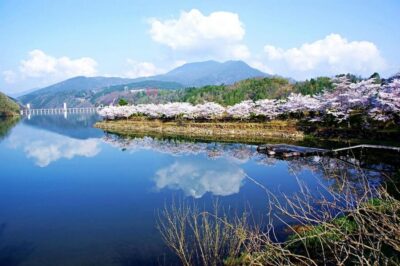
Magome-juku, Tsumago-juku & Ena-kyo 1d Bus Tour from Nagoya
Read our review →
Nagoya Full-day Private Custom Tour with National Licensed Guide
Read our review →Browse the lists this tour appears in