
Reviewed · NAGOYA TOURS
Nagoya: Japanese Traditional Sweets making and Tea Ceremony
Nagoya’s sweetest cultural lesson begins with nerikiri, delicate Japanese sweets shaped like seasonal flowers, leaves, and fruit. You color white bean paste, form two designs, then whisk your own Uji matcha to eat with them. It is a hands-on way to understand Japanese taste and craft without committing half a day.
I like the use of bean paste from long-established Kyoto shops, and I like that the sweets change with the season. The price is also unusually gentle at $18 for 95 minutes. The main consideration is that this is a workshop with a tea ceremony section, not a full formal tea ceremony, and English support may need to be requested in advance.
Key points to know before booking
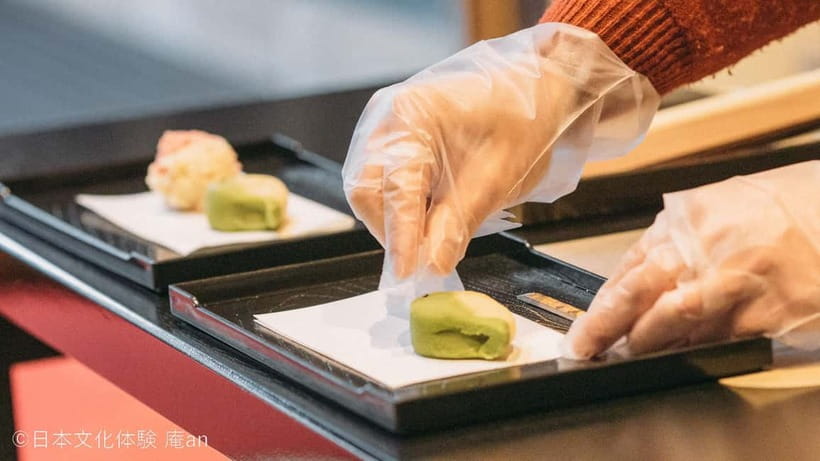
- Two seasonal sweets: Make a flower-shaped nerikiri and a kinton nerikiri, with designs that may reflect the time of year.
- Premium ingredients: The class uses white and red bean paste from established Kyoto makers and single-origin Uji matcha.
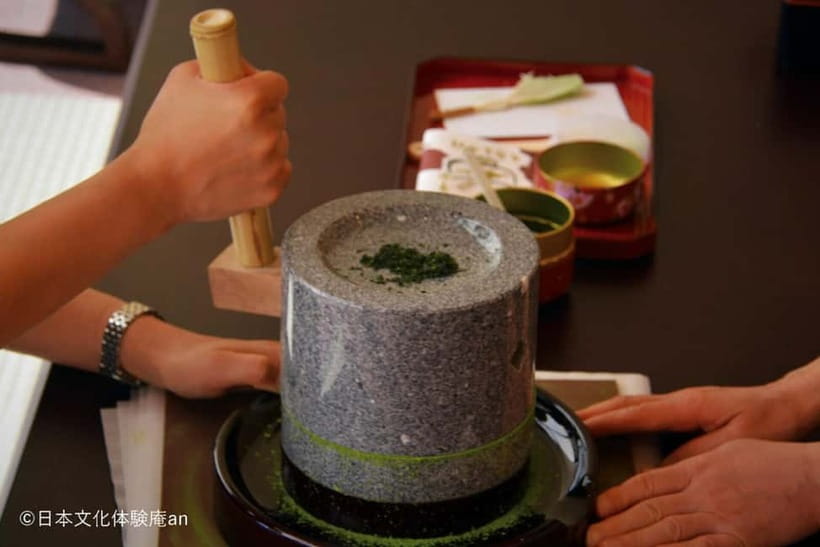
- Hands-on tea preparation: You do not just watch the tea being served. You grind matcha in a demonstration and prepare your own cup.
- Central location: The studio is one minute from Exit 3 of Kokusai Center Station and about 13 minutes on foot from Nagoya Station.
- English requires planning: The instructor language is Japanese, but English translation can be provided as much as possible if you contact the provider.
- A calm family activity: Children have taken part successfully, including a six-year-old, and children under two sitting on a parent’s lap are free.
Why making nerikiri gives you a better feel for Japan
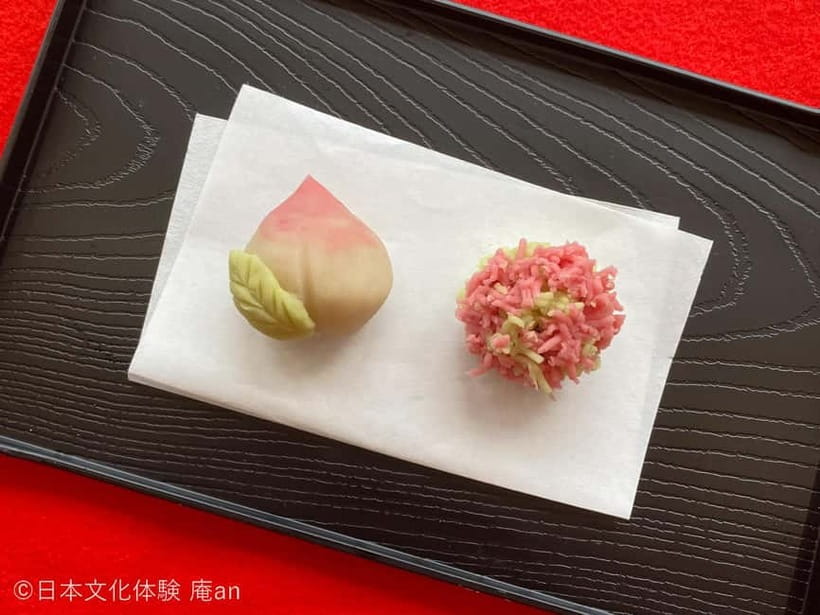
Many food activities leave you with something to eat and little sense of how it fits into local culture. This one gives you a small lesson in Japanese aesthetics. Nerikiri is not simply sweet bean paste pressed into a mold. The color, shape, season, and serving style all matter.
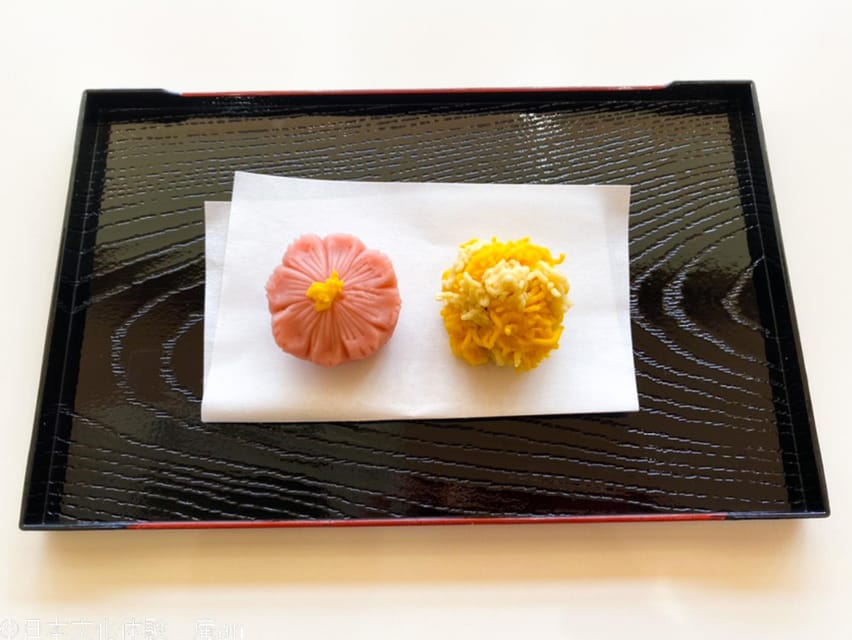
You begin with white bean paste and add color yourself. That makes the first stage more interesting than a standard cooking demonstration. You are not just following a recipe. You are trying to make a flower, leaf, fruit, or another seasonal form look balanced and refined.
The results may not look perfect. That is part of the fun. The shaping takes a light touch, and the class gives you a chance to laugh at your own first attempts. The activity is creative without demanding serious artistic skill.
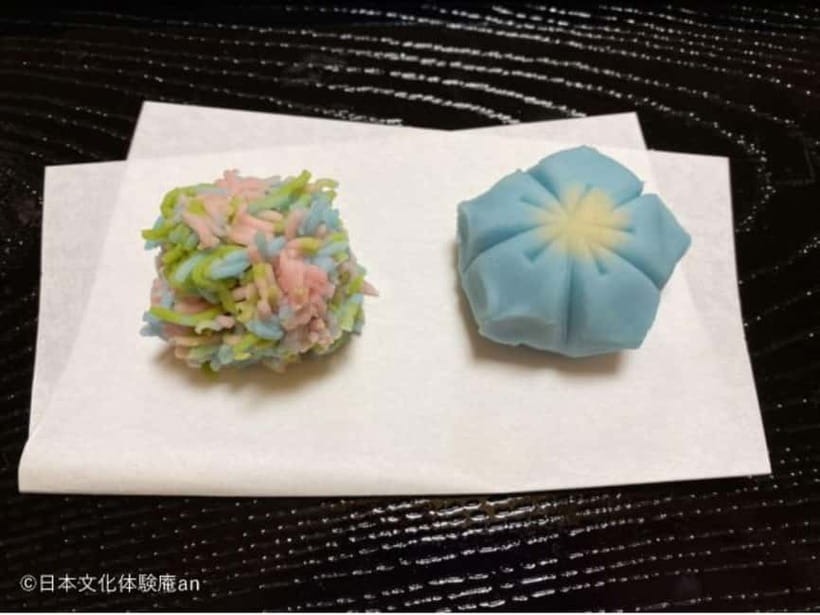
The second sweet is a kinton nerikiri. This style has a looser, textured appearance, giving you a different challenge from the flower-shaped sweet. Making two types helps you see that traditional Japanese sweets are built around fine detail rather than a long list of ingredients.
The seasonal angle matters. A session held in autumn may feature a ginkgo leaf or chestnut design, while another time of year may bring different flowers or fruit. You should not expect a fixed menu. The changing designs are one reason this experience can feel tied to your visit rather than like a generic craft class.
More tea ceremonies in Nagoya:
- Experience Japanese calligraphy & tea ceremony at a traditional house in Nagoya
★ 5.0 · 16 reviews - Kimono Rental and Tea Ceremony Experience in Inuyama
★ 5.0 · 15 reviews - Kyoto: Tea Ceremony in a Traditional Tea House in Kiyomizu
★ 4.9 · 3,519 reviews
Kyoto bean paste and Uji matcha at an $18 price
At $18 per person, this is a strong value for a central Nagoya activity. The cost includes both parts of the experience: making two traditional sweets and taking part in the tea ceremony activity. You also eat the sweets and drink the matcha you prepare.
The ingredients add value. The white and red bean paste comes from long-established Kyoto shops, and the matcha is Uji matcha from a single origin. That does not turn the session into a luxury tasting, but it does give you a chance to notice how good bean paste balances the bitter, grassy taste of matcha.
You can buy a take-out box for 100 JPY if you want to carry the sweets away. An experience completion certificate costs 300 JPY, and you need to provide names in advance for nominative certificates. These are optional extras, so the advertised price remains easy to understand.
The class is also a useful choice for a short stay. It lasts 95 minutes, making it easier to fit around Nagoya Castle, the railway museum, shopping, or a train departure. You will need to allow extra time for the walk to the studio and for finding the entrance, but the activity itself does not consume a full morning or afternoon.
The 95-minute schedule, from bean paste to tea
The class begins with an explanation of Japanese traditional sweets. This opening gives you the basic context before you start handling the ingredients. You then make the flower-shaped nerikiri, beginning with coloring the white bean paste.
This is the most tactile part of the session. You work with the paste, adjust the color, and shape it into a seasonal design. The instructor demonstrates the process, then guides you through your own version. The goal is not to produce identical sweets. It is to learn the method and create something presentable enough to enjoy.
Next comes the kinton nerikiri. Its texture and form differ from the flower-shaped sweet, so you get two distinct examples of wagashi making. The first 55 minutes are devoted mainly to the sweets, followed by a short break.
At about the 65-minute mark, the focus changes to tea. You receive an explanation of the ceremony and watch a demonstration of matcha grinding. Then you prepare your own matcha and take part in the tea ceremony experience.
The final stage is the payoff. You eat the two sweets with your tea, take pictures, and finish the session at around 85 minutes. Room departure is scheduled at 95 minutes. This leaves a clear end point, useful if you have a reservation or train to catch afterward.
The timing is well judged for a first introduction. You have enough time to make the sweets without turning the activity into a long technical course. The tea section is long enough to explain the basic process, but anyone expecting a formal, highly ritualized ceremony should adjust their expectations.
What the tea ceremony section really offers
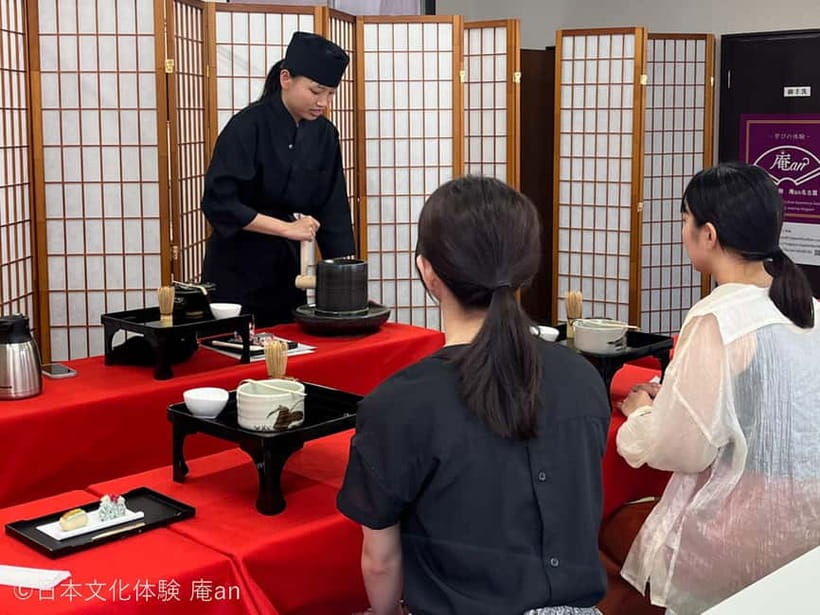
The tea portion introduces you to the relationship between matcha and wagashi. The sweet is not an afterthought. Its gentle sweetness softens the bitterness of the tea, while the tea keeps the bean paste from feeling too heavy.
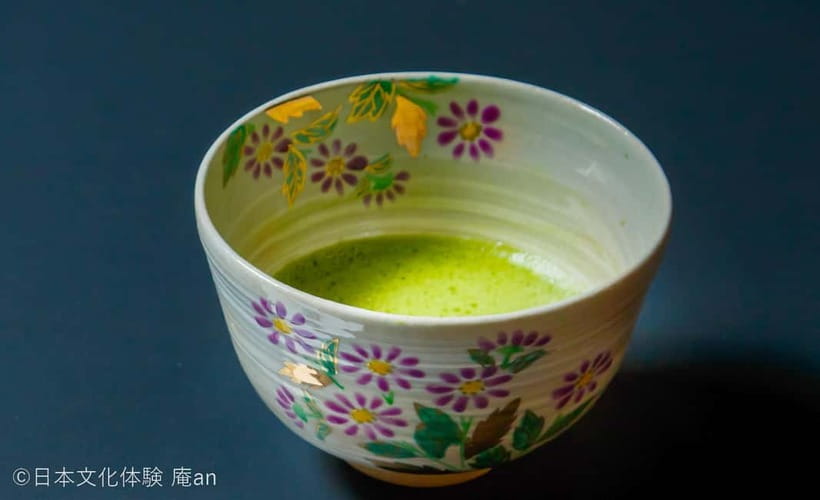
You will learn how matcha is prepared and how it is enjoyed in a tea setting. The grinding demonstration helps explain the work behind the powder, and preparing your own cup makes the experience more memorable than simply being handed a bowl.
There is also a small etiquette lesson. You learn the proper way to drink matcha, including the behavior expected in a tea setting. The exact level of ceremony depends on the instructor and session, but the activity provides a clear introduction rather than pretending to be a full tea-school performance.
That distinction is important. One participant described it as worthwhile but not a full traditional tea ceremony. I think that is the fair way to view it. You are getting a compact cultural workshop, with sweets as the main hands-on craft and tea as the calm second half.
The instructors can add useful background about the sweets, tea, and ingredients. Mariko has led sessions with clear explanations of the ingredients and their production, while Saki has been praised for making newcomers feel welcome and comfortable. Since the official language is Japanese, contact the provider before booking if English explanation matters to you.
A few more Nagoya half-days to weigh up
- Nagoya: Traditional Japanese Sweets-Making Workshop
★ 4.6 · 14 reviews - Matcha Making Class in Tokyo with Authentic Japanese Sweets Set
★ 5.0 · 744 reviews - Matcha Making Class in Osaka with Authentic Japanese Sweets Set
★ 5.0 · 509 reviews - Tokyo: Matcha Making Experience with Mochi Sweets in Asakusa
★ 4.9 · 388 reviews
Getting to the studio from Nagoya Station
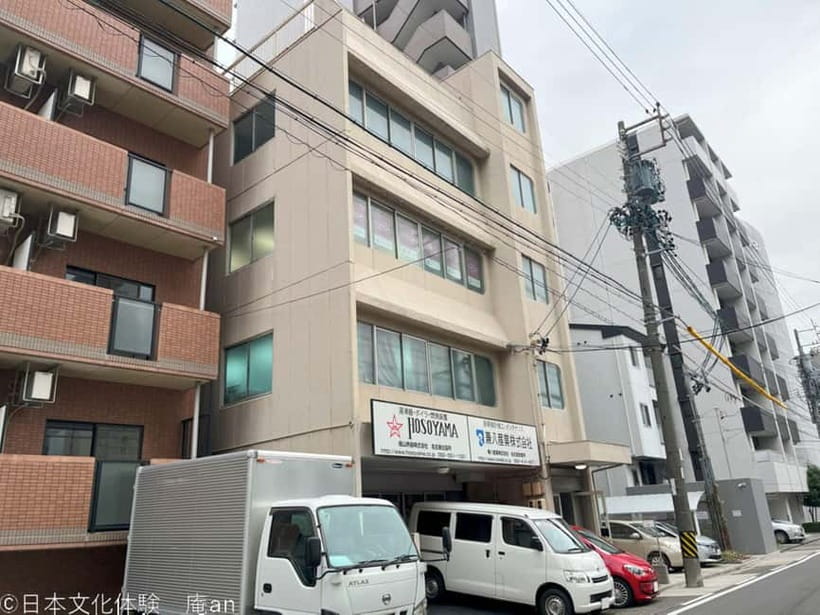
The meeting point is convenient for a city-center activity. From Kokusai Center Station on the Subway Sakura-dori Line, it is a one-minute walk from Exit 3. From the Sakura-dori side of Nagoya Station, the walk takes about 13 minutes.
The listed coordinates are 35.1715323, 136.891893. You should use them with the meeting instructions rather than relying on a last-minute search, especially if you are coming from the huge Nagoya Station complex.
The venue is on the third floor, and there is no elevator. That is a practical issue for anyone with limited mobility, a stroller, or bulky luggage. Contact the provider before reserving if the stairs may be a problem.
The operating hours are 10:00 to 17:00. Reservations received after 17:00 are processed the next day. Arrive early. The class cannot be held for late arrivals, and the provider does not compensate you for travel costs if you miss the activity.
Is it good for families and first-time visitors?
This is a strong family choice because it gives everyone a task. Adults can focus on the cultural details, while children can enjoy coloring and shaping the paste. A six-year-old has taken part successfully with support from the hosts, and the format allows a family to work side by side rather than sit through a long lecture.
Young children under two who sit on a parent’s lap are free. Other participants need to join the experience and pay the applicable rate. Children who do not take part are not allowed to enter, so this is not a good choice if one adult plans to watch while another person participates.
The class also suits solo visitors and couples. It offers an easy way to meet a Japanese instructor and take part in something quieter than a food market or crowded sightseeing stop. The craft gives you a focus, so you do not need prior knowledge of wagashi or tea.
If you are looking for a serious confectionery course, this will feel short. If you want to learn professional shaping, recipe development, or advanced tea ceremony movements, choose a longer specialist class. For a first taste, the 95-minute format works well.
Language, teaching style, and what you should expect
The official instructor language is Japanese, with English translation provided as much as possible when requested. English delivery has been clear in some sessions, including classes led by instructors who were fluent and patient. Still, do not assume that every session will operate fully in English without contacting the provider.
Send your language request before the day of the activity. That gives the provider a chance to prepare support. The visual demonstrations also help, since the process is shown step by step rather than explained only through spoken instructions.
The teaching style is supportive rather than strict. You will receive guidance while making the sweets, but you still get to shape and color them yourself. That balance matters. Too much help would reduce the creative part, while too little would leave beginners guessing.
The class is also educational without feeling like a lecture. You learn what nerikiri is, why seasonal shapes matter, how matcha is prepared, and how the sweet and tea are meant to work together. The best part is that each fact connects to something you are doing with your hands.
Small extras and practical details
If you want to take your sweets away, bring or buy a container. The venue offers a take-out box for 100 JPY. Since the normal ending includes eating and drinking time, the box is not required for the standard experience.
A completion certificate is available for 300 JPY. For a certificate with your name, provide the names in advance. Otherwise, a blank space is left for you to fill in.
The venue may also sell matcha and matcha equipment. That can be useful if the tea portion sparks an interest in preparing it at home. The available equipment and stock are not specified, so ask on site rather than planning your shopping around it.
Cancellation is free up to 24 hours before the activity for a full refund. After that point, a fee applies, and changing the date or time after a fee has been incurred can also bring an additional charge. The provider treats requests received after 17:00 as arriving the next day, so do not leave a change or cancellation until late evening.
Who should book this Nagoya experience?
I would choose this class for anyone who wants a manageable cultural activity near Nagoya Station. It is especially useful on a busy Japan trip, when you want to slow down for an hour and a half without giving up a full day of sightseeing.
It suits:
- First-time visitors curious about wagashi and matcha
- Families with children old enough to follow simple instructions
- Couples looking for a quieter shared activity
- Food lovers who care about ingredients and presentation
- Visitors with a free gap between city sightseeing plans
I would be more cautious if stairs are difficult for you, if you need guaranteed English throughout, or if your main goal is a formal tea ceremony. You should also avoid booking a tight connection afterward, since late arrival means the class will not wait.
Should you book it?
Book this Nagoya traditional sweets and tea ceremony experience if you want to make something, eat something, and learn something in the same short session. The Kyoto bean paste, seasonal designs, Uji matcha, central location, and $18 price make it an easy activity to justify.
Go in expecting a friendly workshop, not a grand ceremonial performance. Contact the provider about English, arrive early for the third-floor venue, and consider the inexpensive take-out box if you want to save your sweets. For most first-time visitors, this is a practical and enjoyable way to add a little Japanese craft and tea culture to a Nagoya stay.
FAQ
How long does the experience last?
The full experience lasts 95 minutes. The scheduled program includes sweets making, a short break, tea explanations and preparation, picture time, and eating and drinking time.
How much does the experience cost?
The listed price is $18 per person. Optional extras include a 100 JPY take-out box and a 300 JPY completion certificate.
What sweets will I make?
You will make two Japanese traditional sweets. The program includes a flower-shaped nerikiri and a kinton nerikiri, with designs matched to the season.
What ingredients are used?
The class uses white and red bean paste produced by long-established shops in Kyoto. The tea is single-origin Uji matcha.
Do I prepare the matcha myself?
Yes. You will watch a matcha grinding demonstration, learn about the tea, and prepare your own matcha to enjoy with the sweets.
Is this a full formal tea ceremony?
No. It is a tea ceremony experience within a hands-on sweets workshop. It introduces tea preparation and etiquette but should not be booked as a complete formal tea-school ceremony.
Is the experience offered in English?
The official instructor language is Japanese. English translation can be provided as much as possible if you contact the provider and request it.
Where is the meeting point?
The venue is one minute from Exit 3 of Kokusai Center Station on the Subway Sakura-dori Line. It is about a 13-minute walk from the Sakura-dori side of Nagoya Station.
Is the venue accessible by elevator?
No. The venue is on the third floor and has no elevator.
Can I cancel for a full refund?
You can cancel up to 24 hours in advance for a full refund. Cancellation fees apply after that point, and the provider does not cover travel expenses if you miss the venue.
Just added around Nagoya
- Walking Small-Group Nagoya City Tour★ 5.0 · 13 reviews
- Nagoya Endoji Food and Cultural Tour★ 5.0 · 12 reviews
- Pub Crawl in Nagoya★ 5.0 · 15 reviews
- Sumo Tournament Experience in Nagoya★ 5.0 · 12 reviews
- Nagoya Street Food Walking Tour of Osu★ 5.0 · 28 reviews
- Nagoya: 2026 Hida Takayama Shirakawa-go Light-up Winter Tour★ 3.5 · 16 reviews
- Private Full-day Nagoya City Tour★ 5.0 · 22 reviews
- Specialties of Nagoya Food Tour★ 5.0 · 12 reviews
Nagoya Tours, compared.

![Hiking the Historic Nakasendo Trail [1 Day Tour from Nagoya]](https://media3.thejapanesetraveller.com/wp-content/uploads/hiking-the-historic-nakasendo-trail-1-day-tour-from-nagoya-400x267.jpg)
Hiking the Historic Nakasendo Trail [1 Day Tour from Nagoya]
Read our review →
Nagoya Highlight Tour guided by a friendly local
Read our review →
Magome-juku, Tsumago-juku & Ena-kyo 1d Bus Tour from Nagoya
Read our review →
Nagoya Full-day Private Custom Tour with National Licensed Guide
Read our review →
Ise’s Sacred Shrines and Captivating Coastlines – From Nagoya
Read our review →Browse the lists this tour appears in