
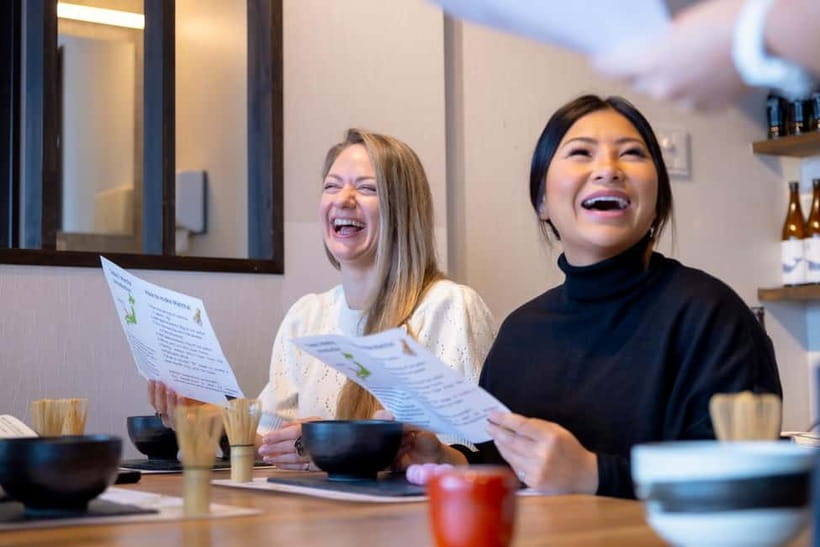
Reviewed · TOKYO TOURS
Tokyo: Matcha Making Experience with Mochi Sweets in Asakusa
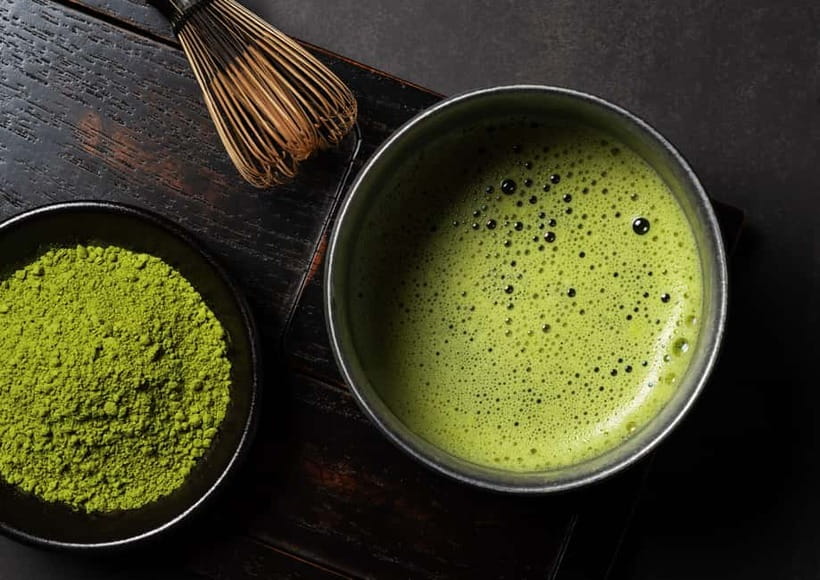
Making matcha is the heart of this one-hour Asakusa class. You learn where the tea comes from, watch the correct whisking method, then make your own bowl with a bamboo whisk before drinking it with Japanese sweets.
I like the short format and the cheerful teaching style. The quiz makes the history easy to remember, while instructors such as Mana, Ken, Hiyo, and Yui turn the lesson into a friendly cultural exchange. The main consideration is that this is an introduction, not a long, formal tea ceremony.
Key points to know before you book
- Whisk your own bowl of matcha: You use traditional tools and follow a live demonstration.
- Learn through a light quiz: The history and customs are presented in an easy, interactive way.
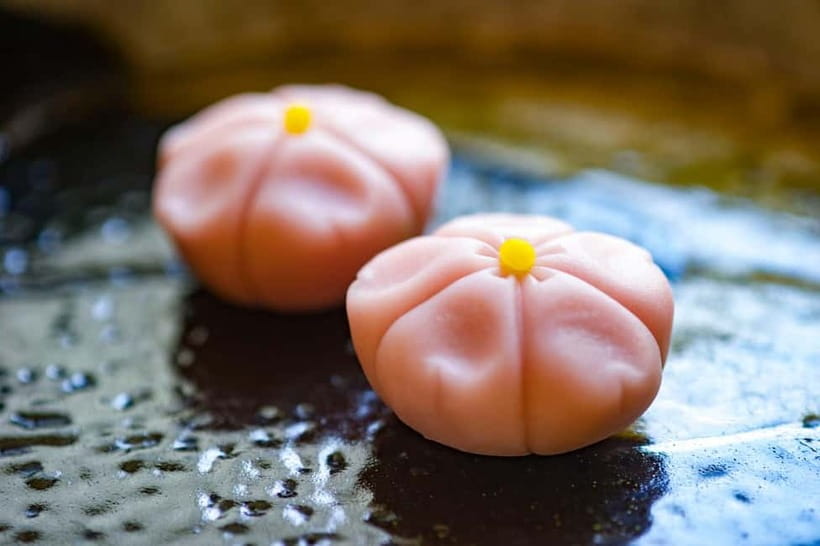
- Enjoy sweets with the tea: Japanese confections balance matcha’s strong, grassy flavor.
- Sit comfortably for the lesson: The class works well if kneeling on the floor is difficult.
- Meet in central Asakusa: The Relink KAMINARIMON building is about one minute from Asakusa Station.
- Pay $22 for a compact cultural lesson: Ingredients, instruction, and the class are included.
A practical matcha lesson in central Asakusa
I see this experience as a smart small activity for a Tokyo day. It gives you a taste of Japanese tea culture without asking you to spend half a day in a formal ceremony or travel far from the major sights.
The setting in Asakusa adds useful context. This is one of Tokyo’s best areas for traditional streets, temples, old-style food, and local customs, while Tokyo Skytree is close by. You can fit the class between sightseeing stops rather than planning your day around it.
The class costs $22 per person. That includes the cooking class, ingredients, and instructor, so the price covers the central parts of the experience. Hotel pickup and drop-off are not included, but that is hardly a concern here because the meeting point is so close to the station.
A few more Tokyo half-days to weigh up
- Matcha Making Class in Tokyo with Authentic Japanese Sweets Set
★ 5.0 · 744 reviews - Japanese Traditional Sweets making and Tea Ceremony
★ 4.7 · 50 reviews - Tokyo: Two Types of Japanese Sweets Making and Tea Ceremony
★ 4.6 · 26 reviews
Finding the Relink KAMINARIMON building
The meeting point is Relink KAMINARIMON building, 6F, at coordinates 35.710774, 139.7956532. It is listed as one minute from Asakusa Station, which makes this easy to add to a day around Kaminarimon Gate and Sensoji.
I recommend allowing a few extra minutes to find the correct entrance and reach the sixth floor. In a city where some activities require a long walk from the station, this central location is a real advantage.
The class is offered in English. That matters here because matcha preparation has small details in the hand movements, the order of steps, and the way the tea is presented. Clear spoken instructions make the lesson far more useful than simply watching someone prepare a bowl.
The opening quiz makes tea history easy to follow
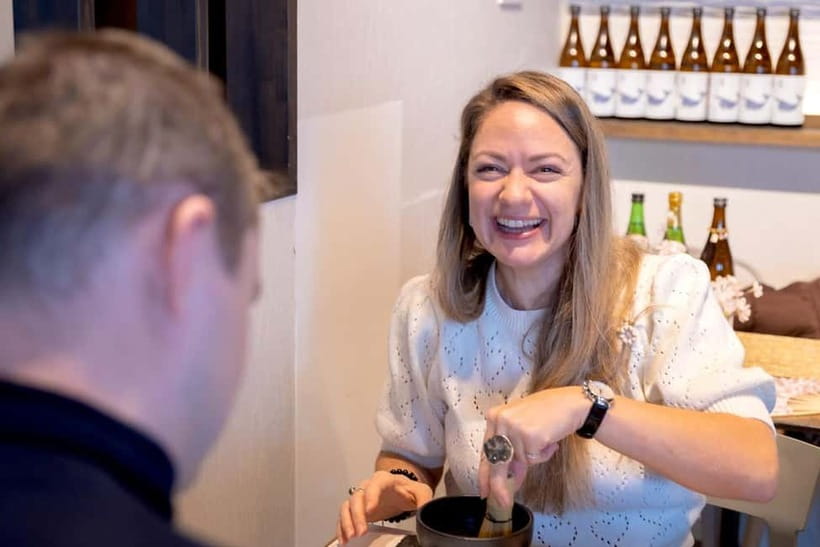
The class begins with an introduction to matcha history and culture. Instead of turning this into a lecture, the instructors use an interactive and lighthearted quiz.
I like this approach because it gives the background a clear purpose. You are not just memorizing dates or terms. You are learning why matcha is prepared in a particular way and how it fits into Japanese customs.
The quiz also helps the room feel social. Solo participants can talk with people from other countries, while families and couples have something easy to do together from the start. Instructors such as Mana and Ken are praised for keeping the mood funny and active while still explaining the subject clearly.
The class covers the origins of matcha and parts of tea ceremony etiquette. It is enough to give you a better understanding of what you are doing, but it does not try to cover every school or rule of Japanese tea practice in one hour.
Watching the demonstration before you make tea
After the history section, the instructor demonstrates how to prepare matcha. This is an important part of the class because the technique is simple in principle but easy to get wrong if you have only seen a finished bowl.
You learn how to use the traditional tools, including the bamboo whisk. The demonstration shows the basic preparation before you try it yourself, so you are not left guessing how much energy to use or what the finished tea should look like.
The class is designed for complete beginners. You do not need previous experience with matcha, and the instructors guide you through the process in English.
The hands-on section is where the activity earns its price. You are not merely tasting a prepared drink. You make your own bowl, see how the powder changes as you whisk it, and get an immediate sense of how preparation affects the final texture.
Same base, a completely different sort of day:
- Mt Fuji and Hakone 1-Day Bus Tour Return by Bullet Train
★ 5.0 · 26,383 reviews - 1-Day Tokyo Bus Tour
★ 5.0 · 14,250 reviews - Tokyo: TOKYO SKYTREE® Admission ticket
★ 4.5 · 11,192 reviews - Tokyo: teamLab Planets TOKYO Digital Art Museum Entry Ticket
★ 4.6 · 9,779 reviews
Whisking your own matcha
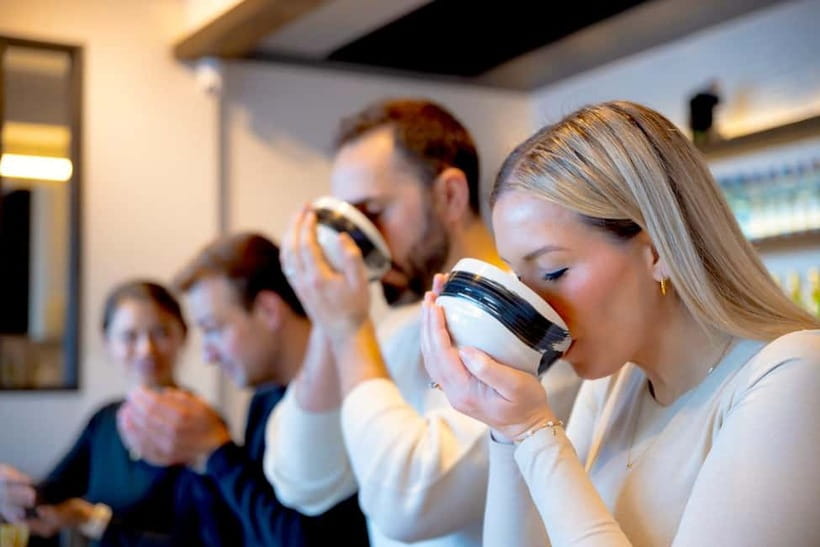
Your turn comes after the demonstration. With the ingredients and tools provided, you prepare matcha under the instructor’s guidance.
This is not a speed contest. The friendly tone helps you pay attention to the process rather than worry about making a perfect bowl. The instructors are there to explain, correct, and encourage, which is especially helpful if you have never used a bamboo whisk.
The preparation is also a good lesson in flavor. Matcha is not normally sweetened in this setting, so you taste the tea as it is meant to be served here. Expect a strong, vegetal flavor with a distinctive bitterness. That may be a surprise if your only experience with matcha has been in sweet lattes, cakes, or ice cream.
The class gives you a chance to appreciate that difference. Several participants leave feeling ready to make matcha at home, and the instruction is practical enough to make that seem realistic.
Japanese sweets soften matcha’s bitterness
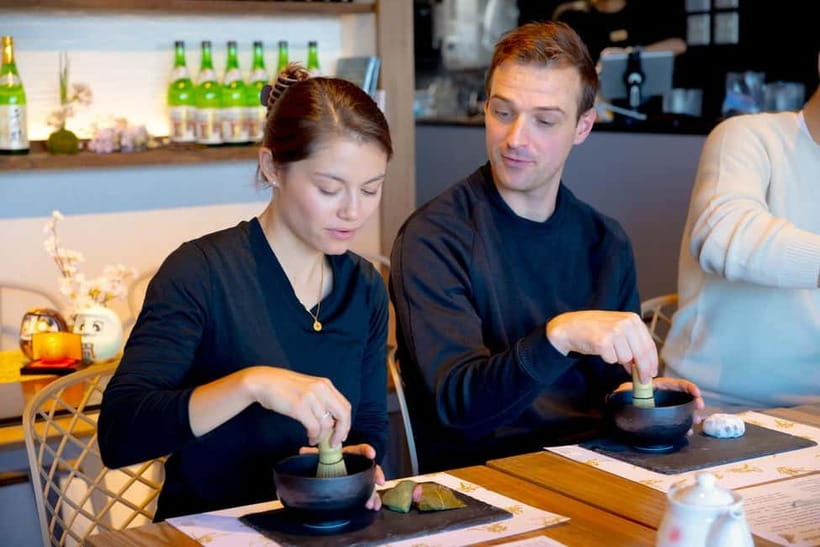
Once the tea is ready, you drink it with Japanese sweets, including mochi-style confections. This pairing is more than a snack at the end of the lesson.
The sweetness balances matcha’s bitterness and helps you understand why traditional tea service includes carefully chosen confections. The contrast makes both the tea and the sweets easier to appreciate.
The sweets also give the class a pleasant finish. After concentrating on the technique, you can sit back, taste what you made, and ask questions. The session remains relaxed rather than becoming a rushed demonstration followed by a quick exit.
If you already enjoy matcha, this is likely to be the most satisfying part. If you are unsure about the flavor, the sweets give you a gentler way to try it without adding sugar directly to the tea.
Why the seated format works well
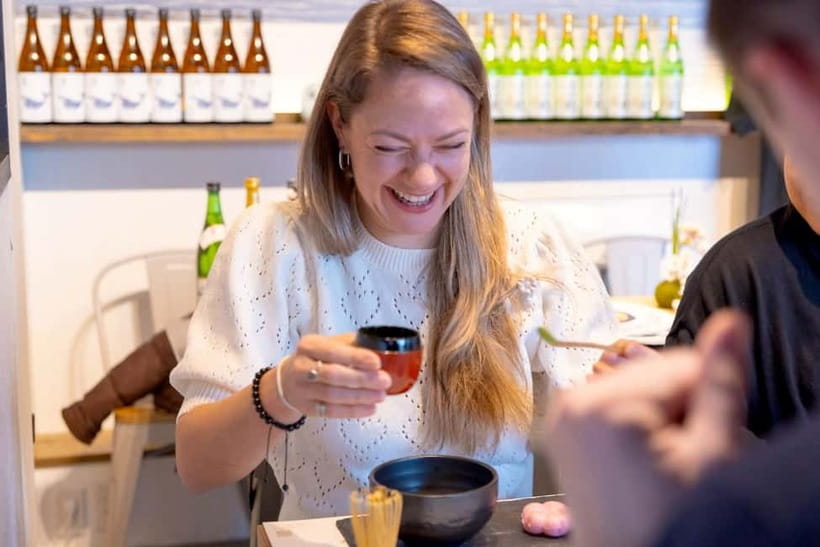
This is a seated activity, and that makes it accessible to more people than a traditional floor-based tea ceremony. One participant specifically appreciated not needing to kneel, while another family found that a 74-year-old parent and a young adult enjoyed the same lesson.
That does not mean every physical need is addressed, since the supplied details do not describe full accessibility facilities. It does mean you can expect a seated class rather than a session built around kneeling.
The compact schedule is another advantage. At one hour, the class is long enough to teach the basics but short enough to fit into a busy Tokyo itinerary. I would place it before or after your Asakusa sightseeing, rather than treating it as the only reason to visit the district.
The teaching style is the main strength
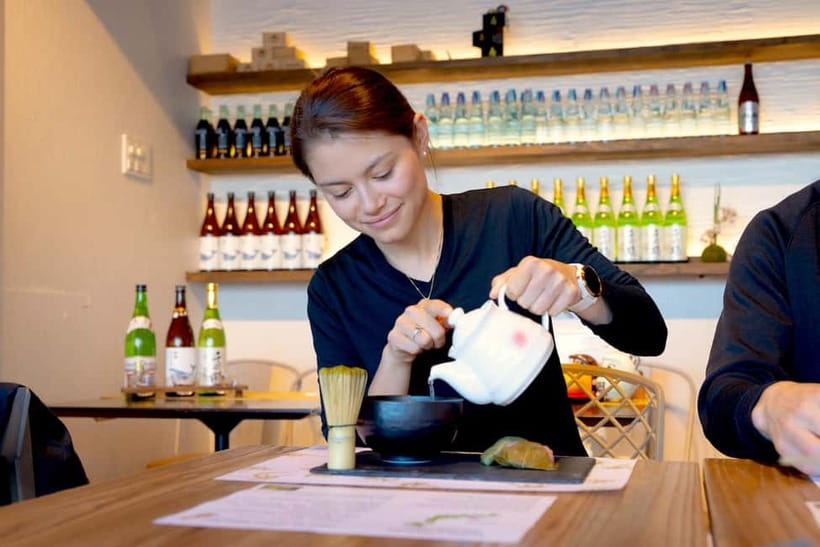
The strongest feature here is the instructors’ ability to make a short lesson feel personal. Mana is repeatedly described as energetic, funny, and clear. Ken is noted for his engaging teaching style, while Hiyo and Yui are praised for explaining the subject warmly and patiently.
Other instructors named in the feedback include Midori, Honoka, Hayato, Rino, Moe, Miyu, and Hiya. Your specific instructor will depend on the session, but the common thread is an English-speaking local team that combines instruction with conversation.
I value that balance. A dry explanation of matcha would be easy to forget. A purely playful class might leave you without useful skills. Here, the quiz, demonstration, practice, and tasting give the hour a clear shape.
The instructors also welcome solo participants. If you are traveling alone, this is an easy activity in which you can meet people without needing to force conversation. The shared quiz and preparation naturally create a little interaction.
What the one-hour schedule can and cannot do
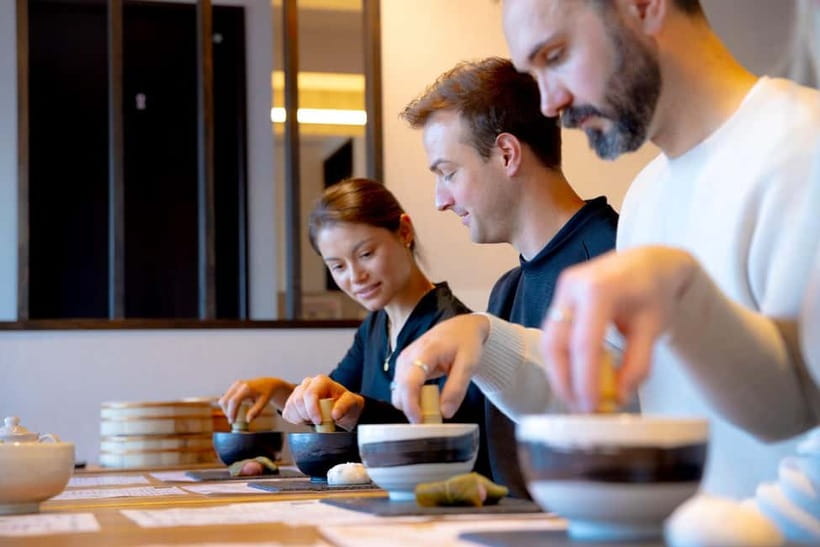
The class covers a surprising amount for its length:
- Matcha’s background and cultural role
- Basic tea etiquette
- A demonstration by the instructor
- Hands-on preparation with traditional tools
- Drinking your own matcha
- Japanese sweets
- Time for questions and conversation
That is a good amount for an introduction. You should not expect an advanced lesson in tea ceremony, a long meditation session, or a detailed study of regional matcha production.
The short format is both a benefit and a limit. I would recommend it to someone who wants a first step into Japanese tea culture. If you already study tea ceremony or want a full formal ritual, you may find the lesson too brief and informal.
Who will enjoy this most
I would put this class high on the list for:
- First-time visitors curious about matcha
- Families looking for a child-friendly cultural activity
- Solo travelers who want a social experience
- Anyone who prefers a seated class
- Visitors with a free hour in Asakusa
- Matcha fans who want to learn proper preparation
- People who want an activity that does not depend on good weather
Children appear to respond well to the quiz and hands-on section. The format gives them something to do, rather than asking them to sit quietly through a formal ceremony.
It also suits mixed-age groups. The combination of video, spoken explanation, practice, and tasting makes the lesson approachable for both younger participants and older family members.
You may want to choose another activity if you dislike earthy tea flavors, want a large meal, or are searching for a full-length tea ceremony with strict formal rules. This experience is friendly and educational, not solemn or elaborate.
Is $22 good value?
At $22, the class offers a useful amount for the time. You receive instruction, ingredients, equipment for the session, tea, and sweets, all in a central Tokyo neighborhood.
I especially like the fact that you leave with a skill rather than only a souvenir. The lesson may change how you prepare matcha at home, and there is an opportunity to buy matcha-making equipment afterward if you want to continue.
The price does not include transportation or hotel service, but neither is necessary for most people staying in Tokyo. You simply make your own way to Asakusa Station and the building.
For a one-hour activity, the value depends on your interests. If you are already visiting Asakusa, the class is an efficient cultural addition. If you must cross Tokyo only for this lesson, the travel time may reduce the value, though the nearby sights can make the outing worthwhile.
Booking details that matter
The activity lasts one hour, and you need to check availability for the start time. English is the listed instruction language.
You can cancel up to 24 hours in advance for a full refund. A reserve-now, pay-later option is also available, which helps if you are still adjusting your Tokyo schedule.
Solo participants and groups are welcome. Since the class has become popular, I would book ahead if you have a fixed Asakusa day, especially if you are traveling with family and need several places together.
Should you book the Asakusa matcha class?
I would book this if you want a friendly, practical introduction to Japanese tea culture rather than a long ceremonial performance. The location, one-hour schedule, English instruction, seated format, and $22 price make it easy to fit into a Tokyo itinerary.
The best reason to choose it is the combination of context and practice. You learn the story and etiquette, watch the method, make your own tea, then taste it with sweets.
Skip it if your priority is an advanced tea ceremony or a substantial cooking class. For everyone else, especially families, solo visitors, and first-time matcha drinkers, this is a useful and enjoyable hour in Asakusa.
FAQ
How long does the matcha-making experience last?
The experience lasts one hour.
How much does the activity cost?
The listed price is $22 per person.
Where does the class meet?
The meeting point is Relink KAMINARIMON building, 6F, about one minute from Asakusa Station. The coordinates are 35.710774, 139.7956532.
Is the class conducted in English?
Yes. The instructor language is English, and English-speaking local staff guide you through the activity.
Do I need previous matcha-making experience?
No. The class is suitable for beginners, and the instructor demonstrates the process before you prepare your own matcha.
What is included in the price?
The price includes the cooking class, ingredients, and instructor.
Are Japanese sweets included?
Yes. You drink your prepared matcha with Japanese sweets, including mochi-style sweets.
Is hotel transportation included?
No. Hotel pickup and drop-off are not included.
Can solo participants join?
Yes. Solo participants and groups are both welcome.
Can I cancel for a refund?
Yes. You can cancel up to 24 hours in advance for a full refund. A reserve-now, pay-later option is also available.
Just added around Tokyo
- Private Transfer from Narita Airport to Yokohama Port and City★ 4.5 · 17 reviews
- Private Arrival Transfer : Narita International Airport to Central Tokyo City★ 4.5 · 12 reviews
- Narita Airport(NRT): Private Transfer to Tokyo/Yokohama 1-9pax★ 5.0 · 47 reviews
- [Narita Airport Terminals 1, 2] 40-60km Sawara Itako Historic Bike Tour★ 5.0 · 13 reviews
- 3 Day Japan Highlights Tour: Tokyo, Mt.Fuji, Nara, Kyoto, Osaka★ 5.0 · 22 reviews
- Small Town in the Big City: Tasting Tokyo’s Kichijoji★ 5.0 · 195 reviews
- Small Town in the Big City: Tasting Tokyo’s Kichijoji★ 5.0 · 16 reviews
- The 10 Tastings of Tokyo With Locals: Private Street Food Tour★ 5.0 · 48 reviews
Tokyo Tours, compared.

Mt Fuji and Hakone 1-Day Bus Tour Return by Bullet Train
Read our review →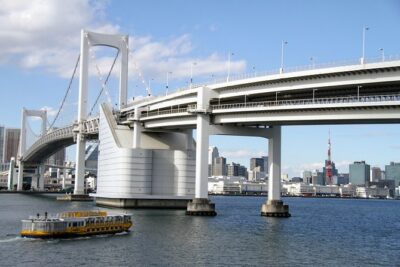
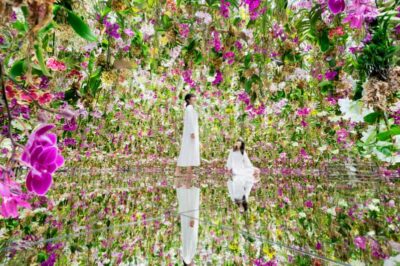
teamLab Planets TOKYO Digital Art Museum Entry Ticket
Read our review →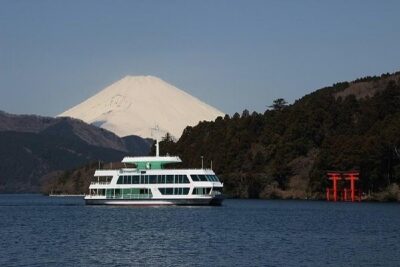
Mt Fuji & Hakone Cruise, Drum Show Bullet Train 1 Day from Tokyo
Read our review →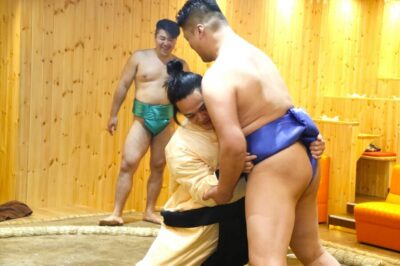
Sumo Show Experience with Chicken Hot Pot and a Photo
Read our review →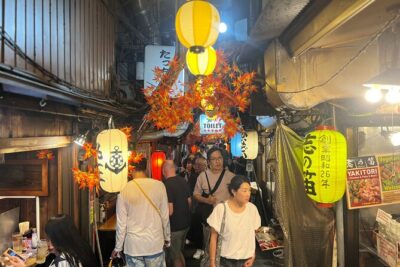
Shinjuku Food Tour (13 Dishes at 4 Local Eateries)
Read our review →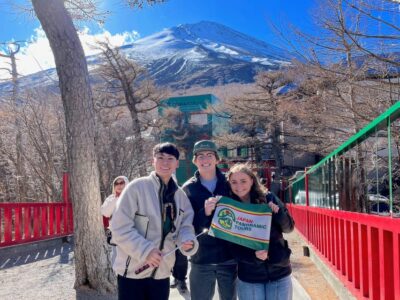
Tokyo Mt Fuji 5th St & Hakone Cruise Bus Tour w/Bullet Train
Read our review →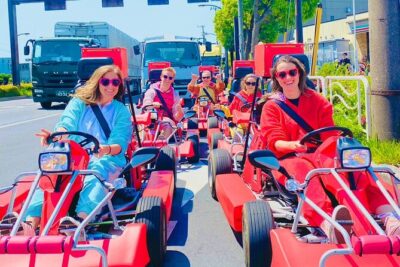
Flagship 2-Hours Official Street Go-Kart Tour – Tokyo Bay Shop
Read our review →Browse the lists this tour appears in