
Reviewed · KANAZAWA TOURS
Kanazawa: City Highlights & Hidden Gems Private Walking Tour
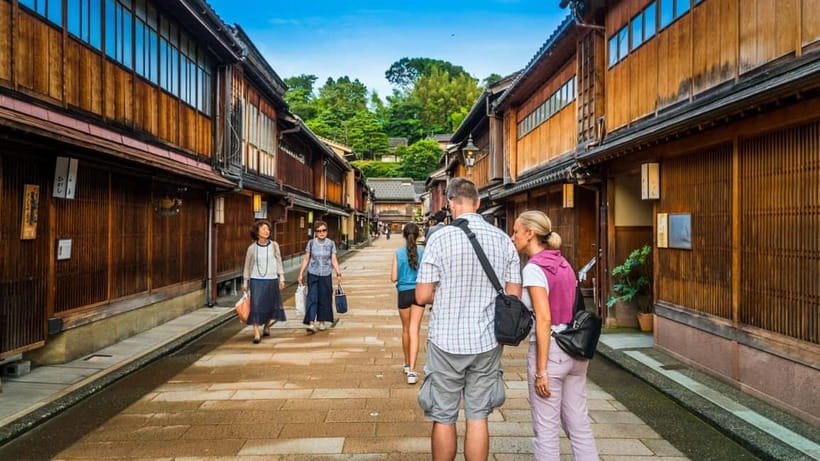
Kanazawa is best understood on foot, one neighborhood at a time. This private tour lets you shape the day around the city’s samurai lanes, garden paths, teahouses, markets, and craft workshops instead of following a fixed checklist. Your host may guide you through Nagamachi, Kenrokuen, Higashi Chaya, Omicho Market, or less visited streets, depending on what you want to see.
I like the custom route and the chance to ask questions as you go. I also like the relaxed pace: past hosts such as Akari, Saki, Megumi, and Mouri have adjusted walks to fit short visits, solo schedules, and specific requests. The main consideration is that this is a walking tour, and tickets, food, drinks, and transport are extra.
Key points at a glance
- Nagamachi samurai district: Walk along preserved lanes and hear how samurai families lived.
- Kenrokuen Garden: See one of Japan’s Three Great Gardens at a pace that allows time for questions and photos.
- Kanazawa craft culture: Visit artisan studios or gold leaf workshops if traditional handwork interests you.
- Higashi Chaya District: Explore old teahouse streets, quiet alleys, shops, and cafés.
- Two to eight hours: Choose a short orientation walk or a longer outing that links several areas.
- Private planning: Share your interests in advance, then communicate directly with your host about the route.
Why a private walk suits Kanazawa
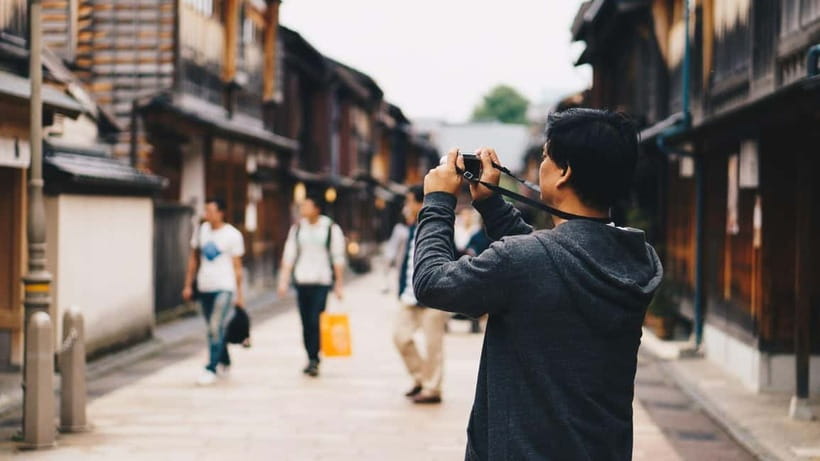
Kanazawa rewards visitors who slow down. Its main sights are spread across several districts, and the city’s appeal lies as much in the transitions as in the famous stops. A narrow lane, a small shrine, or a traditional workshop can tell you something that a quick photo stop cannot.
This experience is useful because you are not locked into one route. You can ask for major sights if it is your first visit, or skip them if you have already seen the basics. One guest used a short evening tour to make the most of limited time in Kanazawa. Another specifically asked to avoid the main attractions and was shown places they would likely have missed alone.
Your host is matched after you complete a short questionnaire. Use it well. Mention your walking pace, must-see sites, interest in food or crafts, and any places you have already visited. A clear request gives your host something practical to work with.
The tour is private, so you are not sharing the day with strangers. That matters if you are traveling alone, with children, or with family members who need frequent pauses. It also makes it easier to spend extra time on one subject, such as Japanese garden design or the city’s gold leaf tradition.
More off-the-list walks in Kanazawa:
- Kanazawa Private Tour with a Local – Highlights & Hidden Gems
★ 5.0 · 116 reviews - Kyoto Geisha Walking Tour: Gion District & Hidden Gems
★ 4.7 · 3,273 reviews - Private Kyoto Tour with a Local, Highlights & Hidden Gems, Personalised
★ 5.0 · 1,543 reviews
Beginning at Kanazawa Station
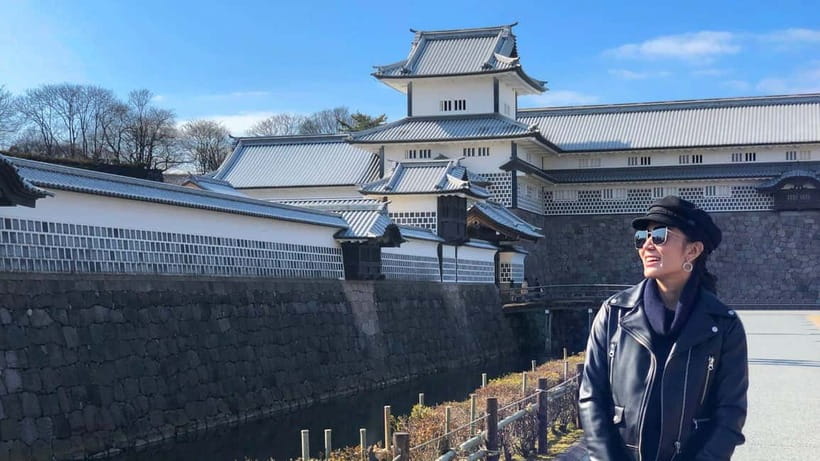
You can arrange pickup from a centrally located hotel. Otherwise, the standard meeting point is the Kanazawa Station Information Center at 1-1-1 Kinoshinbomachi. This is a sensible place to start, since your host can help you get oriented before you head into the historic districts.
The station meeting point also works well for a short visit. If you have only two hours, tell your host in advance. A compact route might include one historic district and one major sight, rather than trying to cross the whole city.
For longer walks, local public transport or a taxi may be used between areas. These costs are not included, so discuss the plan and likely fares with your host after booking. The experience is primarily on foot, not a private vehicle tour.
Wear comfortable shoes. Bring water, sunscreen, a hat, and a camera. Kanazawa’s streets and gardens are more enjoyable when you are prepared for several hours outside.
Nagamachi and the samurai quarter
Nagamachi is one of the most rewarding choices for a history-focused route. Its preserved streets recall the samurai families who once lived here, with old walls, traditional homes, and a quieter feel than a major city center.
The value of having a local host here is context. A guide can explain what you are seeing and help connect the streets to everyday samurai life, rather than leaving you with a row of attractive walls and little background. You can also stop to ask how the district changed over time and how its buildings are cared for.
The neighborhood suits travelers who prefer atmosphere to a long list of formal admissions. If you want to enter specific samurai residences or museums, remember that attraction tickets are not included. Ask your host which paid stops fit your interests and budget.
Nagamachi can also be paired with Kenrokuen or Kanazawa Castle on a longer outing. One two-hour route included the samurai area and a teahouse district, then ended at Omicho Market. That kind of handoff is useful if you want to continue exploring or stop for food after the tour.
Kenrokuen Garden at an unhurried pace

Kenrokuen is one of Japan’s Three Great Gardens, and it deserves more than a quick walk around the edge. Its appeal comes from carefully arranged views, water, trees, paths, and seasonal details. The garden is a good place to ask about Japanese ideas of balance and borrowed scenery while you walk.
Your host can help you see the garden as a designed composition rather than simply a pleasant park. The pace is important here. One guide was praised for walking slowly and allowing time to take in the surroundings, which is exactly the right approach for Kenrokuen.
The tradeoff is admission. Entry tickets are not part of the tour price. You should also tell your host if you want the garden to be a central part of the day, since a short tour may not leave enough time for a full visit plus other districts.
For first-time visitors, Kenrokuen pairs naturally with samurai history. A longer route can show you both the private world of Nagamachi and the formal beauty of a major garden. For repeat visitors, ask to spend less time at standard sights and more time on craft, food, or local streets.
More walking tours in Kanazawa:
- Kanazawa: Private Walking Tour with a Local
★ 4.8 · 141 reviews - Kanazawa Private/Group Walking Tour: Local & Major Highlight
★ 4.8 · 113 reviews - True Kanazawa: Private Walking tour with a Local guide
★ 5.0 · 66 reviews - Kanazawa: Private Food Tasting Walking Tour
★ 4.7 · 25 reviews
Higashi Chaya’s teahouse streets
Higashi Chaya District is one of Kanazawa’s most recognizable areas. Its preserved streets and traditional teahouses give the neighborhood a distinct sense of place, but the experience is better when you look beyond the main road.
A host can point out side lanes, small shops, cafés, and details you might pass without noticing. One guide also helped communicate with shop owners, a useful service when you want to ask questions or understand what you are buying.
The district is a strong choice for travelers interested in architecture, traditional entertainment, and local crafts. It is also a practical option for a short tour because you can see a memorable part of Kanazawa without committing to a full day.
Keep your expectations realistic. A walking tour does not guarantee entry to every teahouse or workshop, and purchases, food, drinks, and attraction tickets cost extra. Tell your host if you want time to browse rather than simply pass through.
Gold leaf and Kanazawa’s artisan traditions

Kanazawa is closely associated with gold leaf and other forms of skilled craft. The tour can include artisan studios and gold leaf workshops, giving you a chance to see how the city’s traditional identity continues in working businesses.
This is where the private format has real value. You can ask to focus on the making process, shopping, or the wider role of craft in local life. If you are buying a souvenir, your host may help explain what you are looking at and communicate with shop staff.
Do not assume workshop fees or hands-on activities are included. The description promises access to artisan studios and gold leaf craft experiences, but tickets and purchases are separate. Confirm with your host what kind of visit is planned before setting aside time or money.
Craft is also a good choice for travelers who have already seen Kanazawa’s headline sights. You might spend the morning in Kenrokuen and Nagamachi, then use a longer afternoon for workshops and smaller streets.
Omicho Market and a flexible finish
Omicho Market is another possible stop, especially if food is high on your list. The market offers a way to connect Kanazawa with its daily life, rather than seeing the city only through historic districts and formal gardens.
Food is not included, so consider this a chance to plan your own tasting budget. You can ask your host for local recommendations, but the exact stalls, cafés, and food stops depend on the route you arrange.
The market also makes a practical ending. A short tour finished there, allowing the guest to continue independently after parting from the guide. If you are catching a train, meeting friends, or heading to dinner, tell your host so the final stop works for your schedule.
A longer tour might use Omicho as one part of the route. A two-hour experience should focus tightly, while four to eight hours gives you more room to combine the market with historic streets, gardens, and craft stops.
What the guides add
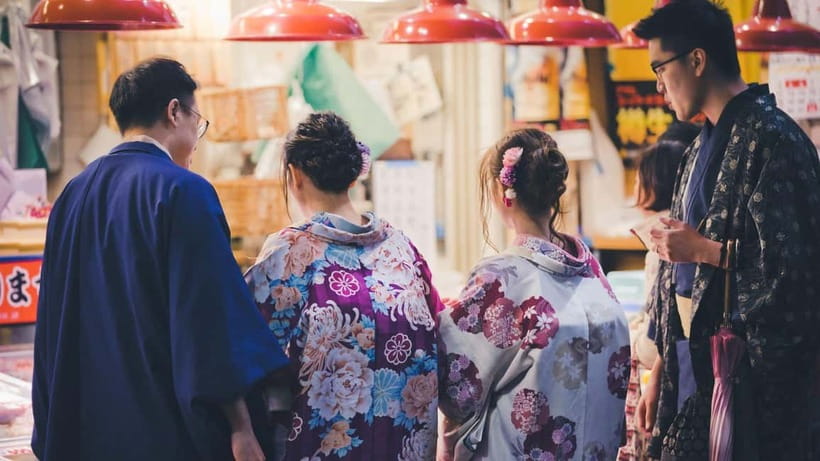
The strongest feature is not simply access to Kanazawa’s sights. It is the human explanation between them. Hosts have been praised for warmth, flexibility, local stories, and the ability to adjust the route when an interest changes during the walk.
Akari has led routes at a leisurely pace and adapted plans to exact requests. Saki has been described as attentive to both wishes and tempo. Megumi has helped guests learn about the city’s culture and history, while Mouri has created a more personal evening experience for a solo visitor with limited time.
These examples show what you should expect from the format, but they do not guarantee a particular host. You receive a host after completing the questionnaire. If guide style matters to you, explain whether you prefer history, food, crafts, conversation, photography, or a quiet walk.
The best use of a private guide is to keep asking questions. You can ask why a district looks the way it does, how a craft is made, or where to continue after the tour. The experience is designed for conversation, not just movement from one stop to the next.
Choosing two, four, or eight hours
The two-hour option works as an introduction. It can cover one or two nearby themes, and a flexible host may still connect you with a tea district, samurai residence, or market. It is a good choice for a stopover or a first orientation, but you will need to keep the route focused.
Four hours is the most useful middle ground for many visitors. You have time to combine major sights with conversation and pauses, without turning the day into a long march. This duration should suit you if you want Kenrokuen plus one historic district, or a mix of culture, food, and shopping.
The eight-hour option is best for a full city day, especially if you want several districts or need transfers between them. It offers the most room for a slow pace, but remember that you may use buses or taxis between areas and pay those costs separately.
Start time is flexible, subject to availability. A morning route, afternoon walk, or evening outing may each suit a different visit plan. Share your schedule clearly when arranging the tour.
Price, inclusions, and overall value
The price is listed at $64 per person. For a private experience lasting two to eight hours, that can be good value if you want personal planning and local guidance rather than a standard group route.
The value is strongest for solo visitors and small groups who would otherwise spend time working out transport, finding districts, and deciding which paid stops are worthwhile. It is also useful for a first visit when you want an overview without giving up the freedom to ask questions.
The price does not cover food, drinks, attraction tickets, public transport, or taxis. That makes the final cost higher if your plan includes several admissions, a meal, or transfers. I would ask your host to outline the route and likely extra costs before the day begins.
The flexibility also helps control spending. You can request free outdoor sights and neighborhoods, or choose to pay for a particular garden, residence, or workshop. You are not forced into a package of admissions you do not want.
Free cancellation is available up to 24 hours before the experience, and you can reserve now and pay later. These terms are useful when your Japan itinerary is still shifting.
Accessibility and practical limits
The activity is marked wheelchair accessible, but it is also described as unsuitable for people with mobility impairments. That is an important inconsistency. Since this is mainly a walking experience across streets, districts, and garden paths, contact the provider before booking if you use a wheelchair, walker, or need a route with minimal walking.
A private host can adjust pace and route, but that does not remove every surface, distance, or transport issue. Ask exactly which areas can be covered comfortably and whether public transport or taxis would be needed.
The tour is offered in English and Japanese. Smoking is not allowed. Hotel pickup can be arranged from central Kanazawa hotels, while guests staying elsewhere should plan to meet at the station information center.
Who should book this Kanazawa walk?
I would choose this tour if you want a local introduction without surrendering control of your day. It suits first-time visitors who want the main sights explained, repeat visitors who want less familiar streets, and solo travelers trying to make limited hours count.
It is especially good for:
- Travelers interested in samurai culture, gardens, and traditional craft
- Visitors who want a slower pace and plenty of questions
- Solo guests who would like company and local advice
- Families or private groups with different interests
- People who want help communicating in shops
- Anyone with only two hours who needs a focused route
I would think twice if you prefer a fixed schedule with every ticket included. I would also avoid booking without clarification if mobility is a concern or if you expect a private vehicle.
Should you book it?
Book this Kanazawa walking tour if the freedom to shape the route matters more to you than a guaranteed list of stops. Ask for the samurai district and Kenrokuen if you want the classic introduction, or request Higashi Chaya, Omicho Market, and gold leaf craft if you want more local culture and shopping.
For a short visit, choose two hours and name your top priorities. For a deeper first look, four hours gives you a better balance. Choose a longer duration only if you are happy walking for much of the day and paying separately for transport and admissions.
The tour’s best qualities are its private format, flexible pacing, and hosts who can turn a broad interest into a useful route. At $64 per person, it is a sensible buy for visitors who want context, conversation, and a plan shaped around them. It is less suitable for anyone seeking an all-inclusive sightseeing package.
FAQ
How long does the tour last?
You can choose a duration from two to eight hours, depending on availability and your plans.
What languages are offered?
The tour is available with a live guide in English or Japanese.
Is this a private tour?
Yes. It is arranged for a private group rather than a shared group.
Where does the tour start?
Hotel pickup can be arranged from any centrally located Kanazawa hotel. Otherwise, the meeting point is the Kanazawa Station Information Center at 1-1-1 Kinoshinbomachi.
Can I choose what to see?
Yes. After booking, you complete a questionnaire about your interests, preferences, and must-see places. You can communicate with your host to help shape the route.
Are food and attraction tickets included?
No. Food, drinks, and tickets to attractions are not included in the price.
Is transportation included?
No private vehicle is included. The experience is mainly on foot, and public transport or local taxis may be used at an additional cost.
What should I bring?
Bring comfortable shoes, a hat, sunscreen, water, and a camera.
Can I cancel the tour?
You can cancel up to 24 hours in advance for a full refund. The reserve-now, pay-later option lets you book without paying immediately.
Just added around Kanazawa
- Kanazawa: Sushi & Japanese Cooking Class at a Historic School★ 5.0 · 66 reviews
- Shirakawago & Kanazawa from Kanazawa★ 5.0 · 51 reviews
- Takayama and Shirakawago/Photoshoot by professional photographer★ 5.0 · 67 reviews
- Taste of Kanazawa (Food tasting in Omicho Market & Higashi Chaya)★ 5.0 · 58 reviews
- Kanazawa private 1 day/Photoshoot by professional photographer★ 5.0 · 33 reviews
- Photoshoot session by professional photographer in Kanazawa★ 5.0 · 42 reviews
- Private Tour Kanazawa, Shirakawago, Hida Furukawa,Takayama★ 5.0 · 108 reviews
- Kanazawa private half day/Photoshoot by professional photographer★ 5.0 · 38 reviews
Kanazawa Tours, compared.
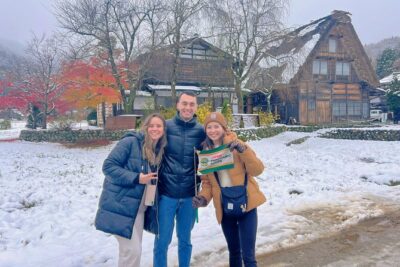
World Heritage Shirakawa-go and Experience Tours from Kanazawa
Read our review →


![[One-day bus tour departing from Kanazawa Station] Shirakawa-go and Gokayama – Two World Heritage Villages Enjoyable Bus Tour](https://media3.thejapanesetraveller.com/wp-content/uploads/one-day-bus-tour-departing-from-kanazawa-station-shirakawa-go-and-gokayama-two-world-heritage-villages-enjoyable-bus-tour-400x267.jpg)
[One-day bus tour departing from Kanazawa Station] Shirakawa-go and Gokayama – Two World Heritage Villages Enjoyable Bus Tour
Read our review →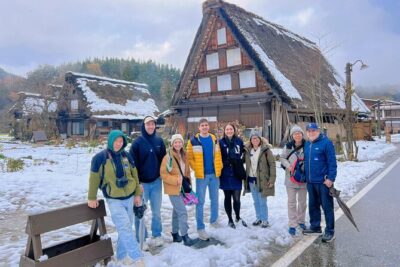
World Heritage Shirakawa-go Perfect Guided Tour from Kanazawa
Read our review →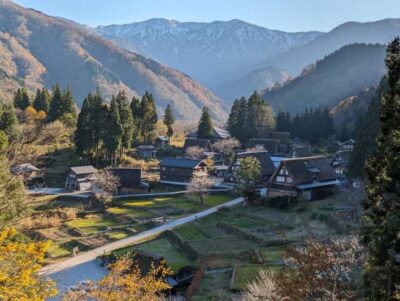
Browse the lists this tour appears in