
Reviewed · YOKOHAMA TOURS
Authentic Sumo Experience in Tokyo: Enter the Sanctuary
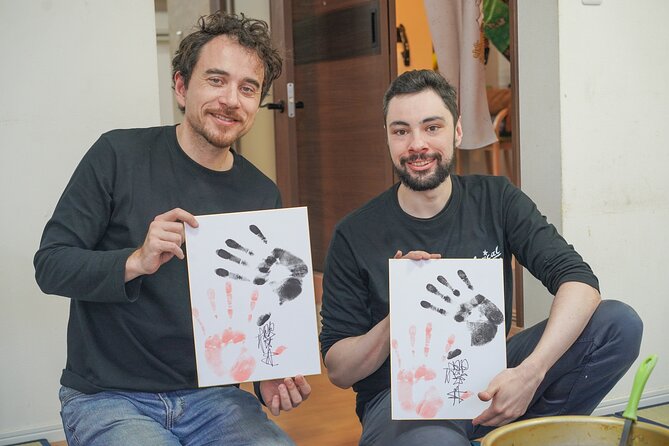
Sumo becomes much more interesting when you leave the spectator seats and enter the wrestler’s world. This four-hour visit takes you from Shin-Kawasaki Station to a former sumo stable, where you see the dining room, bath, and practice area before sitting beside the ring for training.
I like the hands-on format, especially the chance to try sumo movements with retired wrestlers. I also like the shared chanko-nabe lunch, prepared with chicken dumplings and served around a table once used in the stable. The main consideration is timing: the group starts at 9:30 a.m. sharp, and a delay of more than five minutes without contact can mean losing the tour and refund.
Key points to know before booking
- A real former stable: Visit a facility officially used for sumo until 2022, with access to its dining room, bath, and practice space.
- Training beside the ring: Watch a morning practice session from a seat right in front of the dohyo.
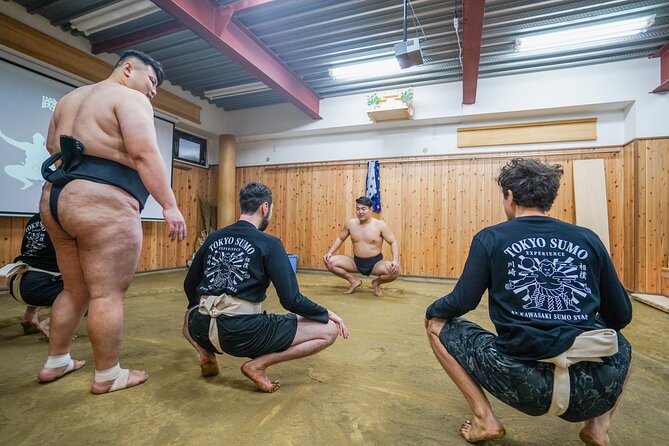
- Try the wrestler exercises: Join demonstrations and, if you wish, step into the ring to test your strength with a retired wrestler.
- Lunch is part of the lesson: Make chicken dumplings for chanko-nabe and eat together at a genuine stable table.
- Small group setting: The maximum is 15 people, which helps the guide manage questions and participation.
- Plan for strict timing: Meet at Shin-Kawasaki Station at 9:30 a.m., with no large suitcases and no late arrival.
Why this Kawasaki sumo visit feels different
Tokyo offers many ways to see sumo, from tournament tickets to museum displays and staged demonstrations. This experience takes a different route. You are not simply watching a bout. You are learning how the wrestlers live, train, eat, and follow the customs of the sumo world.
The stable is in Kawasaki, not central Tokyo, but that change of setting is part of the appeal. You meet at Shin-Kawasaki Station in the morning, then head to a quieter part of the city. Several past participants describe being met at the station by guides such as Charlie, who helped with the transfer and explained the sport along the way.
The facility was officially used as a sumo stable until 2022. That gives the visit a practical sense of place. You are seeing rooms connected to the daily routine of wrestlers, rather than a set built only for tourists.
The activity lasts about four hours and ten minutes. That is long enough for a proper introduction, a room tour, practice viewing, physical demonstrations, and lunch without feeling like a quick photo stop. It is also a sizeable block in a Tokyo itinerary, so you should give yourself the full morning and early afternoon.
More sumo mornings and shows:
- Tokyo: Sumo Show Experience with Chicken Hot Pot and a Photo
★ 4.8 · 6,678 reviews - Tokyo: Sumo Show and Dining Experience
★ 4.8 · 2,742 reviews - the SUMO show
★ 5.0 · 1,960 reviews
Meeting at Shin-Kawasaki Station at 9:30
Your day begins at Shin-Kawasaki Station, with the official meeting point listed at 1-chome-2-1 Kashimada, Saiwai Ward, Kawasaki. The tour ends back at the meeting point.
The strict start time matters. The group leaves together, and if you are more than five minutes late without contacting the operator, the booking can be treated as a cancellation. You will not be able to join later, reschedule, or receive a refund after missing the group.
I would arrive early enough to find the correct station exit and meeting place without rushing. Shin-Kawasaki is served by public transportation, but you should still allow time for station navigation. Large luggage is not permitted, so this is best done between hotel stays only if you can leave your suitcase elsewhere.
The group limit is 15 people. That is small enough for direct questions and a fair chance to participate, though the amount of ring time each person receives will depend on the group and the schedule.
Seeing the dining room, bath, and practice area
The first part of the visit explains the customs and daily life of sumo. Your guide provides commentary on the tradition and history of the sport, then leads you through the stable.
The room tour covers the dining room, bath, and practice area. These spaces help explain sumo in a way that a tournament seat cannot. Sumo wrestlers do not simply appear for a match, compete, and go home. Their training, meals, communal routines, and living arrangements are tied closely to the stable.
This is also where a good guide makes a real difference. Charlie, Jim, Lily, and Fugi are among the guides named in past experiences, and the guide team uses explanations, visual material, and light humor to make the customs easier to follow. Jim has been praised for detailed explanations, while Lily has been noted for clear English and enthusiasm for the sport.
If you know little about sumo, do not worry. The format is designed to give beginners a foundation. If you already follow the sport, you will likely get more from the questions and direct access to the wrestlers than from the introductory material.
Watching morning practice from beside the ring
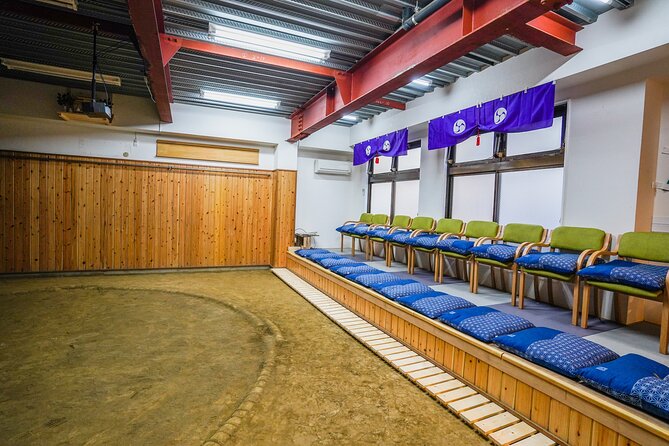
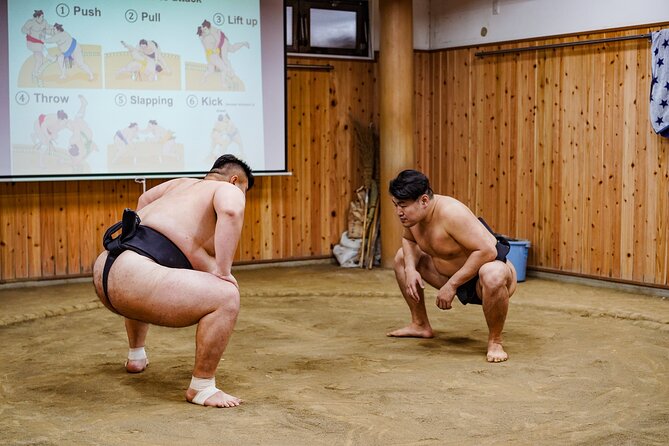
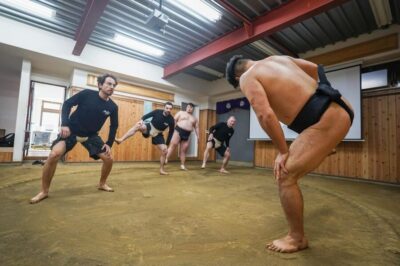
After the room tour, you sit directly in front of the sumo ring for a morning practice session. This is the quietest and most serious part of the experience.
Sumo practice commonly begins around 7 a.m. and can continue for three to four hours. Since this activity starts at 9:30, you should not assume you will see every part of a full training day. You are joining a practice session already underway, with the exact amount of action depending on the stable’s schedule.
That uncertainty is worth keeping in mind. Sumo stables are working environments, not theaters, and unexpected cancellations by a stable can happen a few days before the tour. The operator will offer another date or experience, or a full refund, if the activity is canceled because the required minimum number of participants is not reached. Stable-related changes are a separate possibility and are one reason not to place this tour on the same day as an important, nonrefundable booking.
Still, sitting near the ring gives you a close view of the discipline behind the sport. The demonstrations show that sumo is not only about size and force. The repeated movements, formal habits, and demanding exercises connect today’s training to a tradition said to have continued since the samurai era.
A few more Japan half-days to weigh up
- EVO, WRX, Skyline – JDM Night Run to Daikoku Car Meet
★ 4.9 · 478 reviews - Tokyo: Best Price Daikoku Parking Area JDM Car Meet
★ 4.9 · 192 reviews - Daikoku & Tokyo Private JDM Tour by 700HP R34 GT-R
★ 4.9 · 101 reviews - Tokyo: Authentic Sumo Wrestling Experience with Lunch
★ 4.9 · 88 reviews
Trying sumo exercises with retired wrestlers
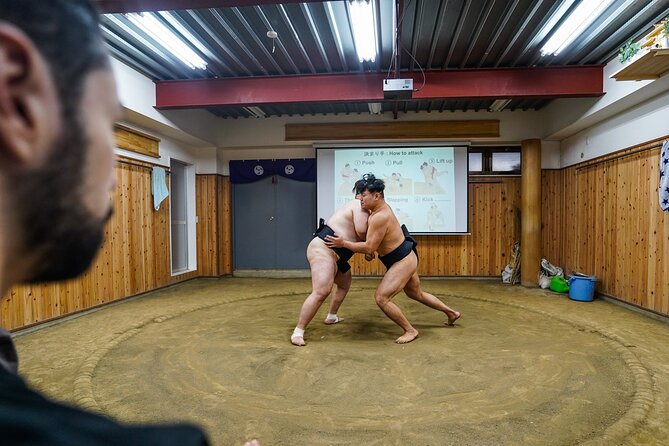
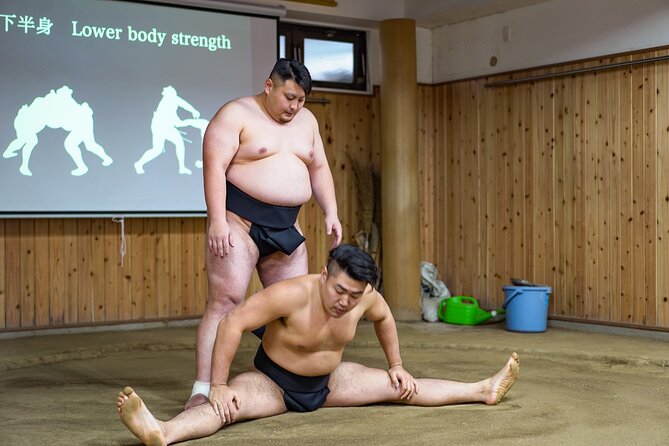
The visit becomes more playful after the serious practice viewing. Participants who want to join can try sumo movements with the wrestlers. You may practice the basic exercises, learn how a wrestler positions the body, and possibly challenge a retired sumo wrestler in the ring.
This is the part that suits families especially well. Children and teenagers can take part in a physical activity instead of only listening to a lecture, while adults can join without needing previous experience. The wrestlers are described as friendly and willing to answer questions, and their humor helps ease the nerves that often come with stepping into the ring.
You should keep your expectations sensible. This is an entertaining introduction, not a formal wrestling class or a competitive bout. One participant described the practice as less useful for serious technique but very amusing, particularly for younger people. That is a fair way to see it. The value is in feeling the effort, balance, and body control involved, then talking with people who have lived the sport.
Wear clothes that allow easy movement. The supplied information does not specify a dress code, but you should avoid arriving in restrictive clothing if you plan to participate. In summer, Kawasaki can be hot and humid, so bring water and wear a hat for the time spent outside or traveling between the station and stable.
Making chanko-nabe at a former stable table
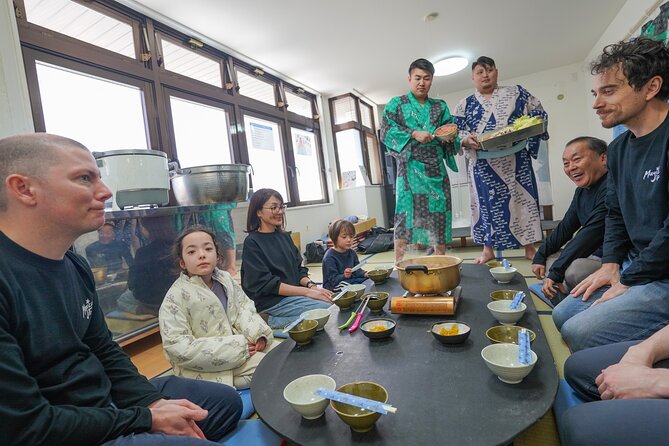
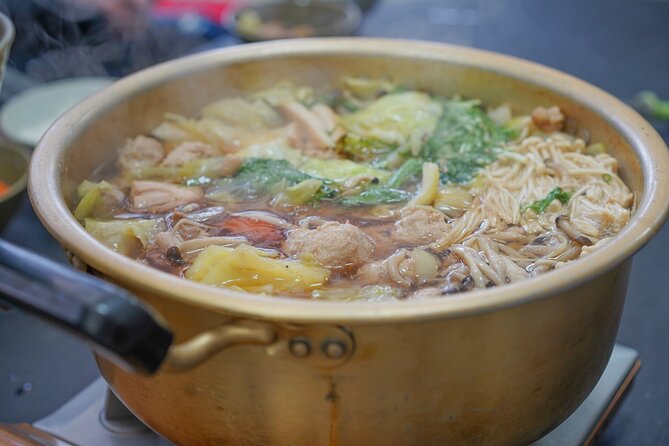
Lunch is not an afterthought here. You help make chicken dumplings for chanko-nabe, the hot-pot dish commonly associated with sumo wrestlers, then eat with the group around a table actually used in the sumo room.
This is one of the smartest parts of the experience because food gives you another way to understand the sport. Chanko-nabe is filling, communal, and practical. It shows how meals support the wrestlers’ demanding routine while giving you a relaxed setting for questions and conversation.
The lunch includes the sumo wrestler’s meal, and additional food and drinks are not included. The dish has received some of the strongest praise, with participants calling it delicious and one child reportedly eating four bowls. The meal can be a highlight even if you arrive more interested in the sport than in Japanese cooking.
You must report allergies or dietary requests at least one day before the tour. The operator cannot guarantee an allergy-free meal or promise that every restriction can be handled, since the food is prepared in kitchens outside its control. Same-day requests cannot be accommodated, and substitutions may not be possible at every stop.
What the $171.12 price includes
At $171.12 per person, this is not a budget sightseeing stop. The price makes more sense when you count what is bundled into the morning: a certified MagicalTrip guide, transportation arrangements connected with the stable visit, access to the former stable, the sumo program, wrestler lunch, tour photos, and an original designed T-shirt.
The strongest value comes from the access. A standard sumo match lets you watch professionals compete, but it does not normally show you the dining room, bath, or practice area. Nor does it give you a chance to try the movements with retired wrestlers and ask questions over lunch.
The value is weaker if you only want to see a live bout. This is a cultural and hands-on visit, not a tournament ticket, and the morning practice may not provide the drama or scale of a formal match. You are paying for proximity, explanation, participation, and the setting.
The included photos and T-shirt are useful extras, but I would not make them the reason to book. The real purchase is the small-group access to a former stable and the chance to meet wrestlers in a setting linked to their working life.
Who will enjoy this most
I would recommend this to families, couples, solo visitors, and long-time sumo fans. Families get an activity that mixes education, food, and movement. Couples and friends get plenty of shared moments, from making dumplings to trying a bout in the ring.
Long-time sumo followers should appreciate the chance to see the stable routine up close and speak with experienced wrestlers. The experience is also a good choice if you are new to sumo, since the guide begins with the basics and explains the customs before asking you to participate.
You should think twice if you dislike group activities, physical demonstrations, or a fixed schedule. The experience is social and interactive. You can choose whether to participate in the exercises, but the tour itself moves as a group, and the morning is built around shared explanations and lunch.
It is also not the right choice for anyone carrying large luggage or relying on a flexible arrival time. The start is firm, and the operator does not offer a late-join option.
Practical tips for a smoother morning
Book only when you can reach Shin-Kawasaki Station early. The free cancellation window closes 24 hours before the 9:30 a.m. start, based on local time. Cancellations made later, changes made later, and no-shows are not refunded.
Tell the operator about food allergies or dietary needs at least one day ahead. Do not wait until breakfast on the morning of the tour, since the kitchen may not be able to change the meal.
Bring water during the summer months and wear a hat. Japan’s summer heat and humidity can be tiring, particularly if you are already moving around Tokyo each day.
Keep your phone and camera ready for the tour photos, but listen during the explanations. The short talks about stable life and sumo customs add meaning to what you see in the rooms and ring.
Finally, remember that sumo stables can cancel unexpectedly a few days or a couple of days before the date. That is frustrating, but it reflects the fact that the stable remains connected to the sport rather than operating only as a visitor attraction.
Should you book this sumo experience?
Book it if you want more than a match and like the idea of getting involved. The former stable, close-up practice viewing, retired wrestlers, and chanko-nabe lunch create a full picture of sumo in about four hours.
I think the best reason to go is the balance between access and participation. You learn how the wrestlers live, watch the work behind the sport, test a few movements, and then sit down to eat together. That combination is hard to find in a normal Tokyo sightseeing schedule.
Skip it if your main goal is a professional tournament bout, if you need a loose schedule, or if the price feels high for a morning activity. For everyone else, especially families and sumo fans, this is a strong choice. Arrive early, come ready to ask questions, and leave room for a very filling lunch.
FAQ
Where does the sumo experience meet?
The meeting point is at Shin-Kawasaki Station, at 1-chome-2-1 Kashimada, Saiwai Ward, Kawasaki, Kanagawa 212-0058, Japan.
What time does the activity start?
The activity starts at 9:30 a.m. It ends back at the meeting point after approximately four hours and ten minutes.
Is lunch included?
Yes. A sumo wrestler’s lunch is included. You help make chicken dumplings for chanko-nabe and eat together around a table used in the sumo room.
Can I participate in sumo training?
Yes. Participants who wish to join can try sumo movements and training exercises with the wrestlers. The experience may also include a chance to wrestle a retired sumo wrestler.
Are large suitcases allowed?
No. Large luggage such as suitcases is not permitted on the tour.
What happens if I arrive late?
The tour starts on time. If you are more than five minutes late without contacting the operator, it is treated as a cancellation, and you cannot join later, reschedule, or receive a refund.
Can I cancel for a full refund?
Yes, if you cancel at least 24 hours before the experience start time. Cancellations or changes made less than 24 hours before the start are not accepted for a refund.
Just added around Japan
- Private Arrival Transfer : Narita International Airport to Central Tokyo City★ 4.5 · 12 reviews
- Narita Airport(NRT): Private Transfer to Tokyo/Yokohama 1-9pax★ 5.0 · 47 reviews
- Private Transfer from Narita Airport to Yokohama Port and City★ 4.5 · 17 reviews
- [Narita Airport Terminals 1, 2] 40-60km Sawara Itako Historic Bike Tour★ 5.0 · 13 reviews
- 3 Day Japan Highlights Tour: Tokyo, Mt.Fuji, Nara, Kyoto, Osaka★ 5.0 · 22 reviews
- All must-sees in 3 hours – Nara Park Classic Tour! From JR Nara!★ 5.0 · 108 reviews
- Private Nara Tour and Sake Tasting (Departing from Kyoto/Nara)★ 5.0 · 40 reviews
- Hammer a Pattern on Your Ring Workshop★ 5.0 · 57 reviews
Yokohama Tours, compared.

EVO, WRX, Skyline – JDM Night Run to Daikoku Car Meet
Read our review →


R34Skyline Daikoku PA Fast & Furious Private Experience
Read our review →
Guided Cup Noodles Museum Tour & Make Your Own Cup
Read our review →
Daikoku & Tokyo JDM Night Tour in R34 or TopSecret R35 GT-R
Read our review →
【R34 GTR Over 400 hp】Tokyo: Private Daikoku Tour in R34 GTR
Read our review →Browse the lists this tour appears in