
Reviewed · YOKOHAMA TOURS
Tokyo: Best Price Daikoku Parking Area JDM Car Meet
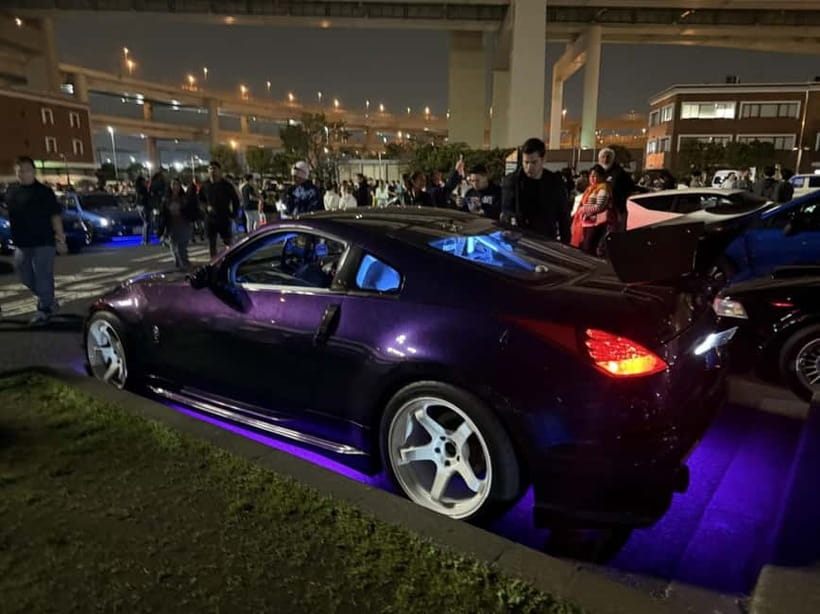
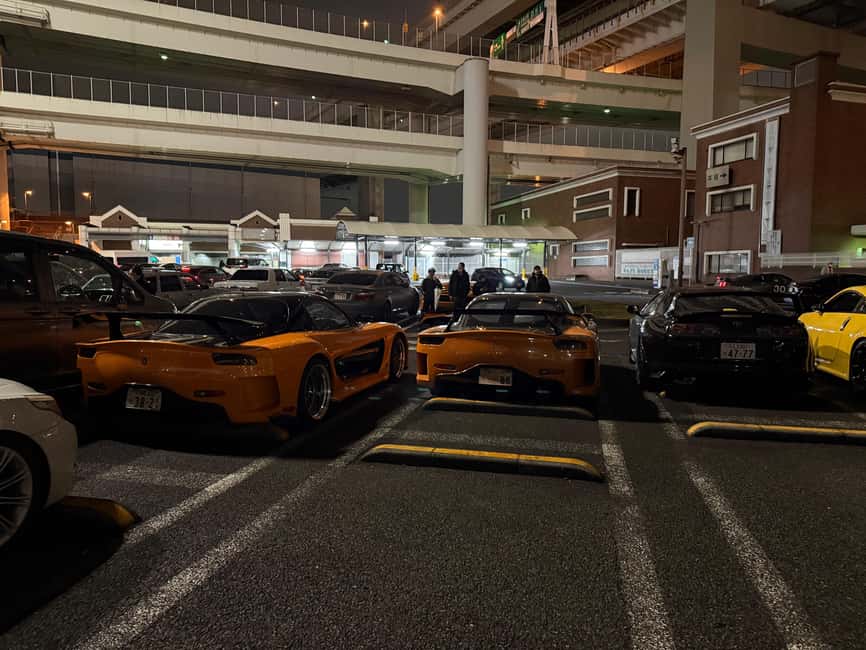
Daikoku Parking Area is not a polished museum or a staged car show. It is a working highway rest stop that turns into a Japanese car-culture meeting place, often filled with tuned Skylines, GT-Rs, exotic supercars, classics, and cars you simply will not see parked together elsewhere. The ride there is part of the fun, with Tokyo expressways, the Rainbow Bridge, Haneda Airport, and Yokohama views along the way.
I like the honest flat price of $76 for the standard shared ride, with no solo surcharge or minimum group size. I also like that the guides, including Joshua and Kai, are car fans who can make the drive more interesting with talk about Japanese motoring and city sights. The catch is simple: Daikoku is unpredictable. Police closures, quiet weekdays, weather, and the random nature of the meet mean nobody can promise a certain car or crowd.
Key points before you book
- Daikoku PA is a real public meeting spot: You explore independently rather than follow a formal guided walk.
- The 210-minute outing includes driving time: Plan on about 90 minutes at Daikoku itself, with the rest spent on Tokyo and Yokohama expressways.
- Joshua and Kai are among the hosts: English, Japanese, Traditional Chinese, and Indonesian support is available.
- The standard ride is a normal vehicle: Depending on group size, you may ride in a Toyota Aqua, Toyota Noah, Voxy, Nissan Serena, or Toyota Hiace.
- The car lineup changes every time: Weekends and holidays often bring larger crowds, but weekday visits can feel calmer and still produce excellent cars.
- A backup plan matters: If Daikoku closes or is unusually quiet, the team switches to another car-culture stop when possible.
Why Daikoku PA feels different from a normal car show
Daikoku Futo sits on a man-made pier in Yokohama, reached through the web of expressways around Tokyo Bay. The parking area serves ordinary drivers, trucks, and commuters, but it has also become famous as a gathering point for Japanese car enthusiasts.
That difference shapes the experience. You are not walking into a ticketed exhibition where every vehicle is placed for display. Cars arrive and leave on their own schedule. Some owners may be happy to chat, while others are simply stopping for a break. You get to look, photograph, and enjoy the setting, but you need to treat the cars and their owners with care.
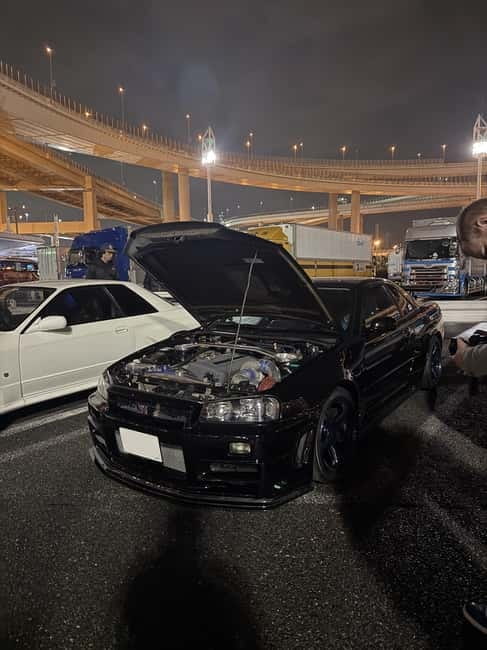
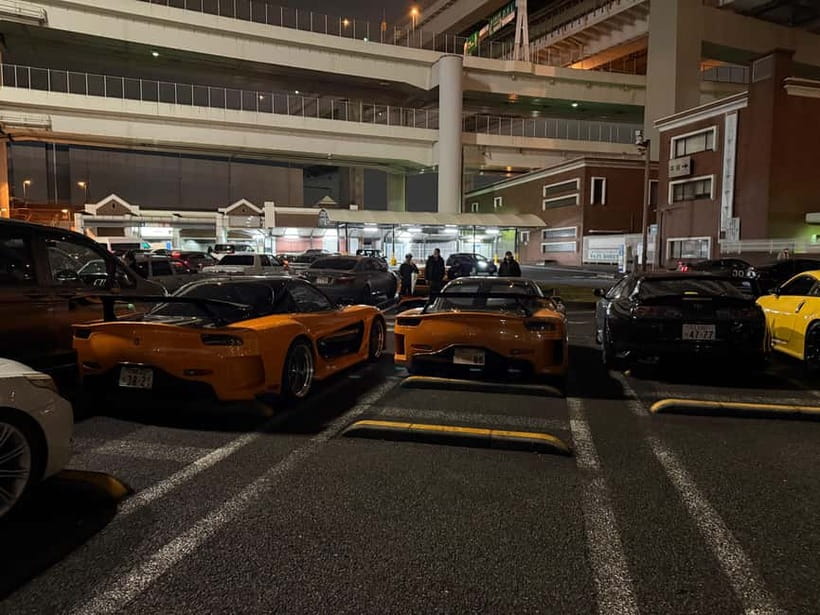
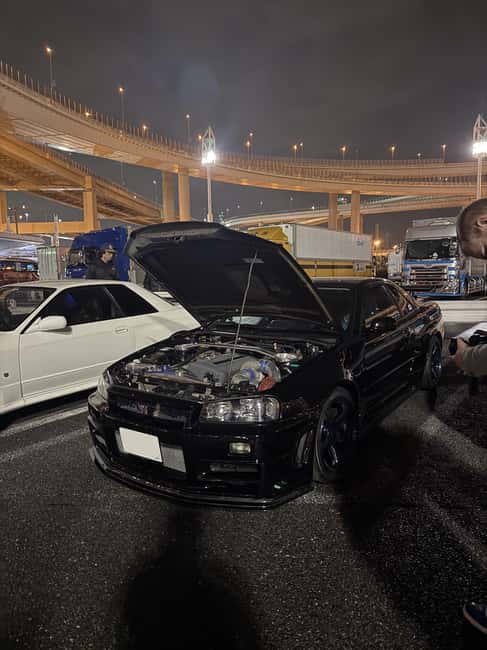
The reward is a more genuine slice of car culture. On a good evening, you might find modern sports cars, heavily altered tuners, rare older models, luxury vehicles, and JDM favorites sharing the same parking area. The mix is never fixed, which makes the visit more exciting than a predictable showroom.
You should come for the setting and possibility, not for one particular model. If you must see a specific Skyline, Supra, RX-7, or Ferrari, this outing cannot promise it. If you enjoy spotting what appears in front of you, the uncertainty is part of the appeal.
A few more Japan half-days to weigh up
- Authentic Sumo Experience in Tokyo: Enter the Sanctuary
★ 5.0 · 603 reviews - EVO, WRX, Skyline – JDM Night Run to Daikoku Car Meet
★ 4.9 · 478 reviews - Daikoku & Tokyo Private JDM Tour by 700HP R34 GT-R
★ 4.9 · 101 reviews
The drive from Tochomae through Tokyo Bay
The usual starting point is Tochomae Station in Nishishinjuku, though the exact meeting point depends on the option you book. You are responsible for reaching the starting point, and hotel pickup is not included, so leave enough time to get there.
Once in the vehicle, the drive gives you a look at Tokyo that trains and walking tours do not provide. You pass through the city’s expressway system toward the bay, cross the Rainbow Bridge, and continue in the direction of Haneda Airport and Yokohama. At night, the roads, towers, ramps, and water views create a very different picture of the capital.
This is also the best time to talk with the host. Joshua is often praised for his English, easy manner, and ability to explain Japanese car culture. Kai has also hosted the outing, bringing a relaxed style and useful conversation about the route, the city, and the scene at Daikoku.
Do not expect a tuned JDM sports car for the transfer. The standard shared option uses an ordinary vehicle, not a race car. That is worth knowing before you book. The attraction is getting to Daikoku and sharing the ride with other people who want to see the scene, not being driven in a supercar.
The vehicle depends on group size. A small group may use a Toyota Aqua, while larger groups can ride in a Toyota Noah, Voxy, Nissan Serena, or Toyota Hiace. The tour accepts no more than six participants, but a full vehicle may feel snug. The operator says it does not exceed vehicle capacity and aims to keep the ride comfortable.
Crossing the Rainbow Bridge and passing Haneda
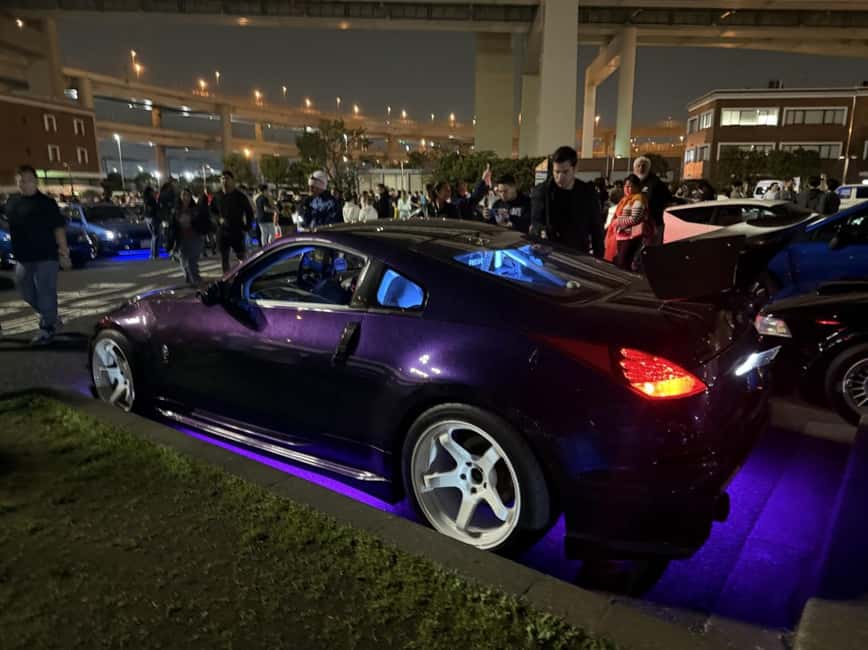
The itinerary includes a pass by the Rainbow Bridge rather than a dedicated photo stop. That distinction matters. You can enjoy the view from the vehicle, but you should not expect time to get out, frame a photograph, and explore the bridge.
The same applies to Haneda Airport. It adds to the route and gives you a sense of Tokyo Bay’s scale, but it is not a separate attraction on this trip. The focus remains the expressway ride and the car meet.
I see these drive-by sights as useful extras rather than the main reason to pay $76. If you want a structured Tokyo sightseeing tour with long stops at major landmarks, choose something else. If you want to reach a place that is difficult to access without a car, the route makes good sense.
The expressway journey also helps explain why Daikoku is hard to visit independently. It is not a simple walk from a central station, and public transport does not provide the same direct access. The shared ride solves that problem while adding a night drive through the city.
About 90 minutes among the cars
The scheduled visit at Daikoku PA lasts about 1.5 hours. That gives you enough time to walk around, scan the rows, take photographs, and wait to see what arrives. The car park can change noticeably during your stay. A quiet first few minutes do not always mean the evening will stay quiet.
Several people have found that cars continued arriving after the initial group. That is why I would resist rushing through the first lap. Walk slowly, check different sections, and give yourself time to watch the flow of cars.
This is not a guided lecture. You are free to explore because everyone has different favorites. One person may want to study engine work, another may care about classic body lines, and someone else may be there for a particular badge. You can ask the host for explanations of the parking area and the local scene, but the visit is intentionally informal.
Bring a camera, but remember that public car culture still calls for good manners. Ask before touching a vehicle. Avoid blocking cars or owners. Follow any instructions from the host or local authorities. Smoking and pets are not allowed on the activity.
Comfortable shoes help. You will be walking around the parking area rather than sitting in the vehicle the whole time. If rain is expected, bring an umbrella. There is no meal or drink included, so plan around your own needs.
Same base, a completely different sort of day:
- Mt Fuji and Hakone 1-Day Bus Tour Return by Bullet Train
★ 5.0 · 26,383 reviews - 1-Day Tokyo Bus Tour
★ 5.0 · 14,250 reviews - PERFECT KYOTO 1-Day Bus Tour
★ 5.0 · 13,518 reviews - Tokyo: TOKYO SKYTREE® Admission ticket
★ 4.5 · 11,192 reviews
Weekdays, weekends, and the luck factor
The best day depends on what you want. Weekends and holidays generally offer a better chance of a larger gathering, and the extra crowd can create a stronger car-show feeling. They can also be less relaxed and harder to navigate.
A weekday visit may have fewer cars, but the mood can be calmer and more local. Tuesday and Thursday evenings have still produced strong selections, including JDM and sports cars. A slower start can turn into a good night as more owners arrive.
There is no guaranteed number or type of vehicle. That is not a minor footnote. It is the central condition of the outing. Daikoku can be full of memorable cars, or it can be quiet. Police may also clear the area, sometimes shortly after arrival.
The operator has a backup plan for closures or an empty parking area. Past outings have shifted to another location when police shut Daikoku or when the visit ended early. That does not recreate the exact Daikoku experience, but it can prevent the entire evening from becoming a wasted trip.
The guides have also shown flexibility when plans change. In one case, a participant needed to leave early, and the group was reorganized so the remaining people could continue. That kind of practical help is valuable on a shared ride, where one person’s change can affect everyone else.
Returning through Tokyo at night
After Daikoku, the vehicle returns toward central Tokyo. The route passes the Rainbow Bridge again and goes by Tokyo Tower before ending near Shinjuku Station.
The return can be as entertaining as the outward drive. You may see some of the cars from Daikoku heading back onto the expressway, though this is never promised. Either way, the city looks different after dark, with the road network opening into views of towers, bridges, and illuminated buildings.
The tour ends near Shinjuku Station, not at your hotel. That makes the finish useful for dinner or onward travel, but you should be ready for a late evening. The full activity lasts 210 minutes, including travel, so a typical start around 5 pm can put you back in Shinjuku around 9 pm or later if conditions change.
Is $76 good value?
For $76 per person, the value rests on three things: access, transport, and the host’s flexibility. Daikoku is difficult to reach without a car, and the fee covers the shared drive there and back, the expressway route, and time at the parking area. It also removes the need to arrange a rental car or figure out a complicated route late at night.
The flat pricing is a genuine advantage. The standard shared ride has one stated price, with no higher rate for a solo booking and no minimum number of participants. That makes the cost easier to judge than a low advertised starting price that rises during checkout.
Still, you are not paying for a guaranteed exhibition. If Daikoku is quiet or closed, the value depends heavily on the backup stop and the quality of the drive. I would consider the price fair for a car fan who sees the transport and access as part of the experience, but less compelling for someone only interested in a certain model.
There is also a new Toyota GR86 option, but it has different pricing from the standard shared ride. Check the selected option carefully if that vehicle matters to you. The standard experience does not promise a sports car transfer.
Who will enjoy this most?
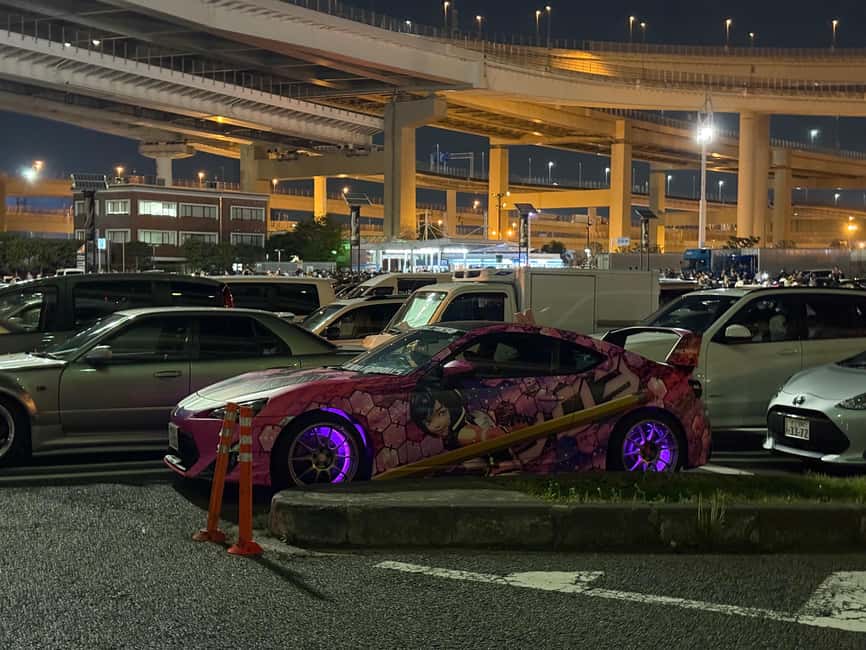
This outing is ideal for you if Japanese car culture is high on your Tokyo list, especially if you enjoy tuning, classic Japanese models, supercars, or car photography. It also works for casual fans who want a different side of the city and enjoy conversation during a long evening drive.
Families can join, and a group of four has enough room within the stated six-person limit. The experience is wheelchair accessible, though the vehicle type and available space should still be considered when booking. People over 280 pounds, or 127 kilograms, should not book this activity.
You may not enjoy it if you want a tightly planned sightseeing program. There is no set presentation for each car, no guaranteed lineup, and no promise of illegal racing or drifting. This is a legal visit to observe car culture, not a ride-along with street racers.
The independent format also matters. If you prefer a guide who leads you from car to car and explains every detail, you may find the free-roaming approach too loose. If you like choosing your own pace, it gives you room to focus on the vehicles that interest you.
Booking details worth knowing
The standard shared group is limited to six people. Host support is offered in English, Traditional Chinese, Japanese, and Indonesian. The meeting point may vary by booking option, so check it before setting out from your hotel.
You can cancel up to 24 hours ahead for a full refund, and the reserve-now, pay-later option keeps your plans flexible. Those policies are useful here because the car lineup and local conditions cannot be controlled.
Bring a camera, comfortable shoes, and an umbrella in wet weather. Keep your expectations realistic, respect owners and vehicles, and do not book this as a drifting excursion. The more you treat it as a chance to observe an unpredictable local meeting, the more likely you are to enjoy it.
Should you book the Daikoku ride?
Book it if you want access to a famous car-spotting location that is awkward to reach on your own, and if a night drive through Tokyo and Yokohama sounds like part of the fun. Joshua, Kai, and the other hosts add real value through friendly conversation and practical help when the evening changes course.
Skip it if you need a guaranteed lineup, a luxury vehicle, or a formal guided tour. Daikoku can surprise you, but it cannot be controlled. For car fans and curious visitors who accept that uncertainty, the $76 shared ride is a sensible way to see an unusual, hard-to-reach side of Tokyo.
FAQ
How long does the activity last?
The total duration is 210 minutes, including travel time. The scheduled visit at Daikoku PA lasts about 1.5 hours.
Where does the experience start?
One listed starting point is Tochomae Station at 2-chōme-7-2 Nishishinjuku. The meeting point may vary by the option you book.
Where does the activity finish?
The ride finishes near Shinjuku Station.
Is transportation to the starting point included?
No. You need to make your own way to the starting point, and hotel pickup is not included.
What vehicle is used for the shared ride?
The vehicle depends on group size. A small group may use a Toyota Aqua. Larger groups may use a Toyota Noah, Voxy, Nissan Serena, or Toyota Hiace.
How many people can join?
The activity is limited to six participants.
Are the cars at Daikoku guaranteed?
No. The number and type of cars depend on the impromptu meeting. Weekends and holidays often have larger crowds, while weekdays can be quieter.
What happens if Daikoku PA closes?
The operator may switch to a prepared backup location so the evening can still include a car-culture experience.
Is this a drifting or illegal racing tour?
No. The activity visits Daikoku PA to observe car culture and does not include drifting or illegal racing.
What languages are available?
Host or greeter support is available in English, Traditional Chinese, Japanese, and Indonesian.
Just added around Japan
- Private Arrival Transfer : Narita International Airport to Central Tokyo City★ 4.5 · 12 reviews
- Narita Airport(NRT): Private Transfer to Tokyo/Yokohama 1-9pax★ 5.0 · 47 reviews
- Private Transfer from Narita Airport to Yokohama Port and City★ 4.5 · 17 reviews
- [Narita Airport Terminals 1, 2] 40-60km Sawara Itako Historic Bike Tour★ 5.0 · 13 reviews
- 3 Day Japan Highlights Tour: Tokyo, Mt.Fuji, Nara, Kyoto, Osaka★ 5.0 · 22 reviews
- All must-sees in 3 hours – Nara Park Classic Tour! From JR Nara!★ 5.0 · 108 reviews
- Private Nara Tour and Sake Tasting (Departing from Kyoto/Nara)★ 5.0 · 40 reviews
- Hammer a Pattern on Your Ring Workshop★ 5.0 · 57 reviews
Yokohama Tours, compared.

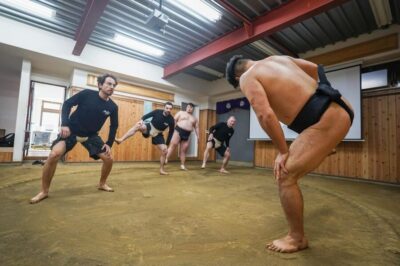
Authentic Sumo Experience in Tokyo: Enter the Sanctuary
Read our review →
EVO, WRX, Skyline – JDM Night Run to Daikoku Car Meet
Read our review →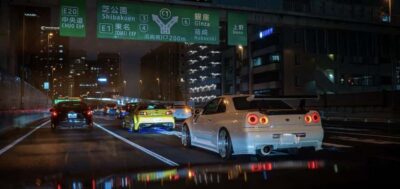
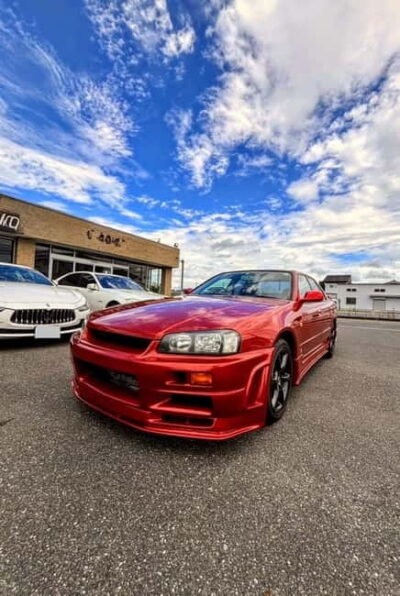
R34Skyline Daikoku PA Fast & Furious Private Experience
Read our review →
Guided Cup Noodles Museum Tour & Make Your Own Cup
Read our review →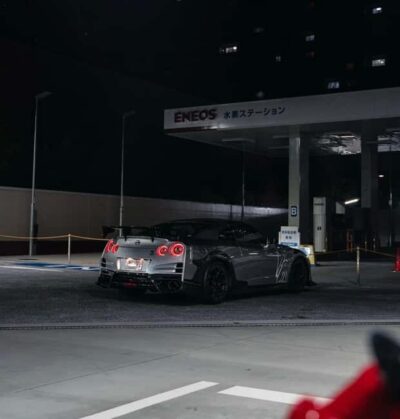
Daikoku & Tokyo JDM Night Tour in R34 or TopSecret R35 GT-R
Read our review →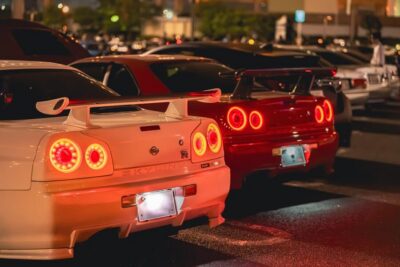
【R34 GTR Over 400 hp】Tokyo: Private Daikoku Tour in R34 GTR
Read our review →Browse the lists this tour appears in