
Reviewed · OSAKA TOURS
Food crawl: Discover Osaka’s soul with every step!
Osaka’s food culture makes the most sense one small stop at a time. This three-hour crawl takes you through local shopping streets and less obvious eateries, with an English-speaking guide helping you order, chat with shop staff, and understand what you are eating. Guides such as Victor, Marino, Kota, Kuni, and Sebastiano have led this experience.
I like the custom route, since you can request a style of food or area you already have in mind. I also like the small group size, limited to eight people, which makes it easier to ask questions and talk with local customers. The main catch is the meeting point: Namba Walk can be confusing, and food and transportation are not included in the $51 price.
Key points at a glance
- Local food beyond obvious tourist stops: Visit places that may be hard to find online, including small eateries and back-street food spots.
- A flexible three-hour route: Tell the guide what you want to eat, or let the team suggest places popular with local people.
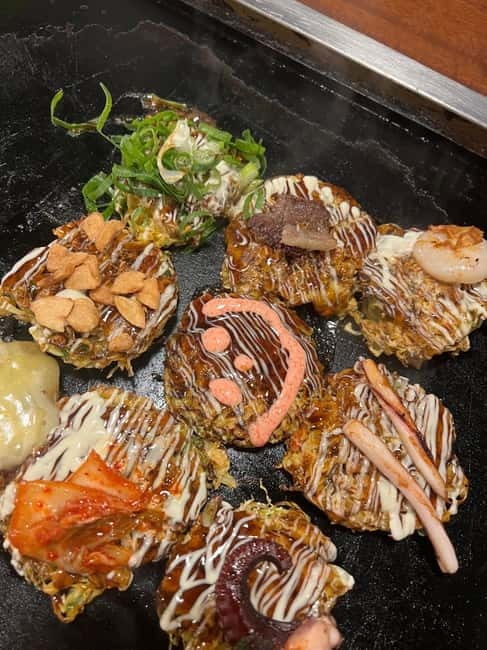
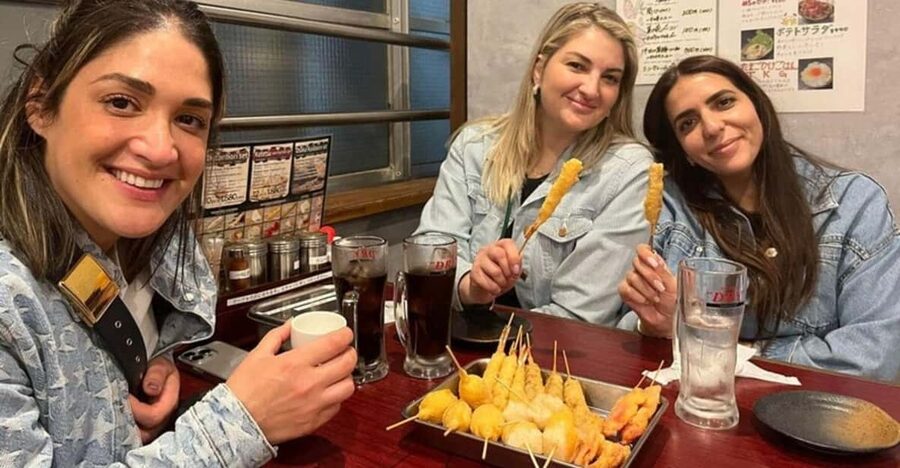
- Classic Osaka dishes: Expect possible stops for okonomiyaki, kushikatsu, gyoza, sushi, and other street foods.
- Small groups of up to eight: The size is friendly and practical for ordering food and keeping the group together.
- Cash is essential: Some food shops accept cash only, and food costs are paid separately.
- Allow extra time for Namba Walk: The underground meeting point has two main walkways and can take time to locate.
Why this food crawl feels different from a standard food tour
Many food tours follow a fixed path and hand you a neat list of dishes. This one is looser. You can arrive with a strong idea, such as wanting Osaka specialties, or you can ask the guide to choose places that local people use.
That flexibility matters in Osaka. The city’s food culture is not limited to one market or one famous restaurant street. A small storefront, a neighborhood shopping arcade, or a compact counter restaurant may provide a more useful sense of daily life than a polished destination built for sightseeing.
The guide is there to bridge the gap. You can ask how to order, what a dish contains, or why one preparation is typical of Osaka. You also have a chance to speak with shop staff and local customers, rather than simply eating and moving on.
The experience is offered in English and Japanese, and the group is limited to eight participants. That is small enough for a guide to adjust the pace and respond to food preferences. It also means the experience depends partly on the group. A friendly mix can make the meal stops more enjoyable, while a group with very different tastes may require a little give and take.
More food tours in Osaka:
- Osaka: Shinsekai Food Tour with 13-15 Dishes at 5 Eateries
★ 4.8 · 2,204 reviews - Osaka Food Tour: 13 Dishes at 5 Local Eateries
★ 5.0 · 2,149 reviews - Hungry Osaka Street Food Tour:15 Tastings & 3 Drinks with a Local
★ 5.0 · 1,727 reviews
Starting underground at Namba Walk
The meeting point is Osaka JOINER, inside Namba Walk at 5-2 Nijinomachi, 1-chome Sennichimae, Chuo-ku, Osaka. The storefront is underground, between an NTT docomo shop and Travelex.
This is the one practical weakness you should take seriously. Namba Walk is a large underground shopping area with two walkways, and finding one specific storefront is not always quick. Give yourself about 30 minutes to get oriented, especially if you are unfamiliar with Namba Station or arriving with luggage.
Do not treat the stated meeting time as the moment to enter Namba Walk. Arrive early, find the storefront, and then use the spare minutes to check your cash and meet the guide. Missing the beginning could mean losing one of the food stops.
The location is useful once you find it. Namba is a natural starting point for an Osaka food walk, with shopping streets, restaurants, department stores, and side lanes close by. The tour can begin with food and shopping, then move toward a sit-down dish or another local stop.
The daytime route from 11:00 to 14:00
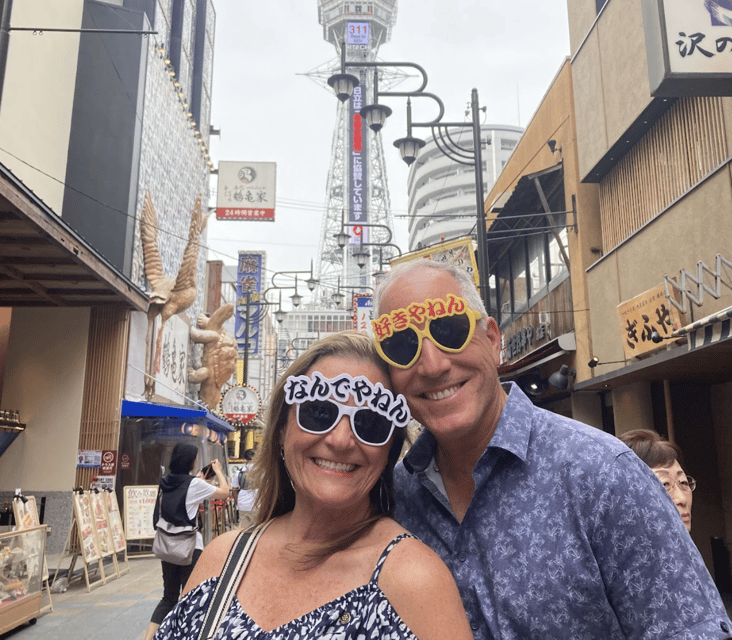
The daytime example begins at 11:00 and finishes at 14:00. At about 11:10, you begin eating and shopping around local shopping streets and nearby areas.
This opening section gives the guide room to read the group. If you have asked for specific foods, this is when the route can start heading in that direction. If you have no firm plan, the guide can recommend places that are less obvious to someone searching in English.
Shopping streets are useful for more than snacks. They show you how Osaka combines everyday shopping with casual eating. You may pass small food counters, souvenir shops, and businesses serving local customers rather than sightseers. The pace is also more relaxed than a restaurant-hopping schedule because you can stop, look, and ask questions.
Around 12:10, the example schedule includes a local meal such as okonomiyaki or kushikatsu. Okonomiyaki is a savory dish cooked on a hot plate, while kushikatsu consists of skewered food that is battered and deep fried. Both are closely associated with Osaka, but they offer very different eating experiences.
The timing is sensible. You get a little walking and grazing before sitting down for a more substantial local dish. Since the food bill is not included, you should keep enough money available for every stop rather than spending your cash at the first shop.
The evening route from 17:00 to 20:00
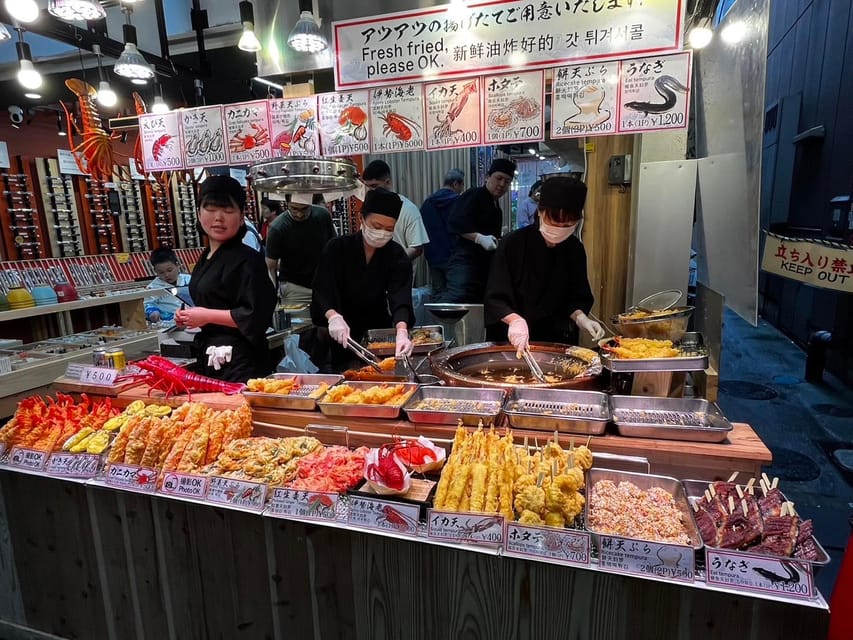
The evening version starts at 17:00 and ends at 20:00. The first part includes a walk around the local town, food stops, souvenir shopping, and an attempt to show you back streets.
This timing suits people who spend the day visiting Osaka’s major sights. It also gives the food a natural evening setting. The route may feel less like a formal meal and more like a guided introduction to how people eat and shop after work.
At about 18:10, the sample schedule moves to local okonomiyaki, kushikatsu, or similar food. The actual choices can change, which is part of the appeal and also something to understand before booking. You are paying for local guidance and access to a flexible route, not a guaranteed list of named restaurants.
The evening option may work especially well for couples, families, and small groups who want to eat without planning every stop themselves. You can tell the guide what you already enjoy, and the group can discuss what to try next. If you want a strict tasting menu with exact portions and fixed restaurants, this is probably not the right format.
Same base, a completely different sort of day:
- Osaka Go Karting Tour with Funny Costume
★ 5.0 · 2,658 reviews - Osaka Castle: Museum and Tower Entry Ticket
★ 4.5 · 2,380 reviews - Osaka: teamLab Botanical Garden Entry Ticket
★ 4.5 · 1,710 reviews - Osaka: Tea Ceremony Experience
★ 4.9 · 1,426 reviews
What you may eat: Osaka classics and local surprises
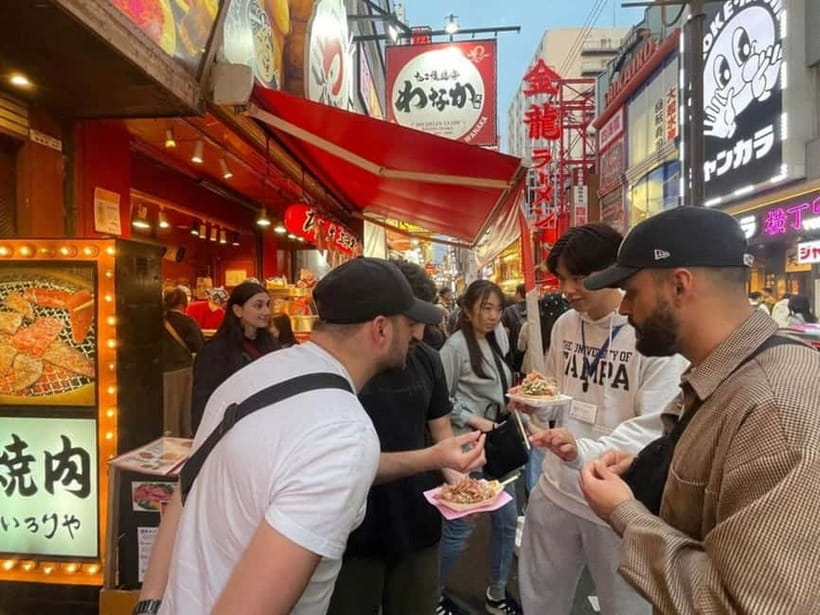
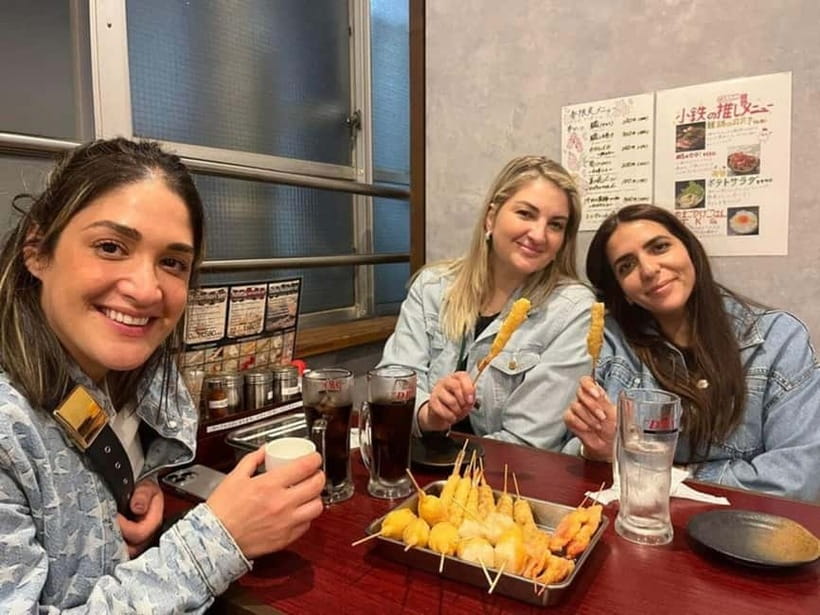
The food examples cover several sides of Osaka eating. Okonomiyaki gives you a filling, cooked-to-order specialty. Kushikatsu offers the city’s fondness for skewered, deep-fried food. Gyoza and sushi add familiar Japanese dishes, but the appeal comes from the particular local places chosen for them.
One especially strong possible combination is a gyoza stop, a sushi stop, and a typical skewer restaurant. That mix gives you different textures and settings instead of repeating the same type of snack. The gyoza stop can be a highlight, while sushi provides a change of pace. The deep-fried skewers offer a classic Osaka street-food moment.
You should not assume that every dish is included in the price. The $51 covers the guide and the customized experience, but food expenses are separate. Transportation is separate too. Carry cash because some of the shops may not accept cards.
The exact amount you spend depends on the places selected and how much you order. A careful eater may spend less than someone who wants to sample freely at every stop. Ask the guide at the start how the food budget is likely to work for your group.
Why the guide matters more than the food list
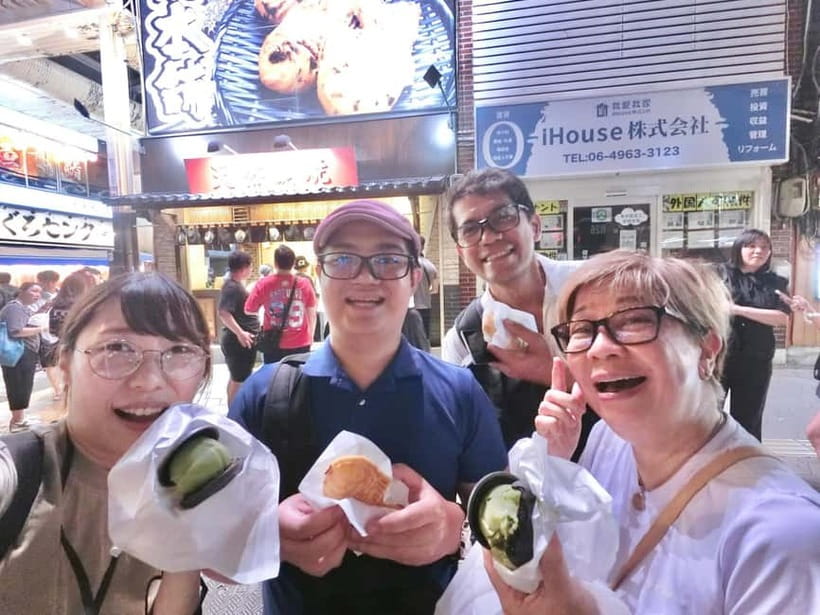
The guide is the main reason to choose this experience over simply following a food map. A local escort can help you get through small shops, explain what is available, and adjust the plan when a dish does not suit you.
Victor has led the route with explanations of local culture and history. Marino has been praised for creating a fun connection within the group and choosing enjoyable food stops. Kota has tailored an evening for family preferences, while Kuni has been friendly and helpful throughout a food-focused visit. Sebastiano has helped with recommendations and made the food choices easier to navigate.
Those names also point to an important strength: this is a people-centered tour. The guide is not only carrying you from one restaurant to the next. You can use the time to ask about Osaka, talk with shop staff, and learn how the food fits into local life.
English ability is part of the experience. If food vocabulary worries you, the guide can make ordering less stressful. If you have a particular interest, such as a favorite dish or a desired neighborhood, say so before the route gets underway.
Customization is useful, but it has limits
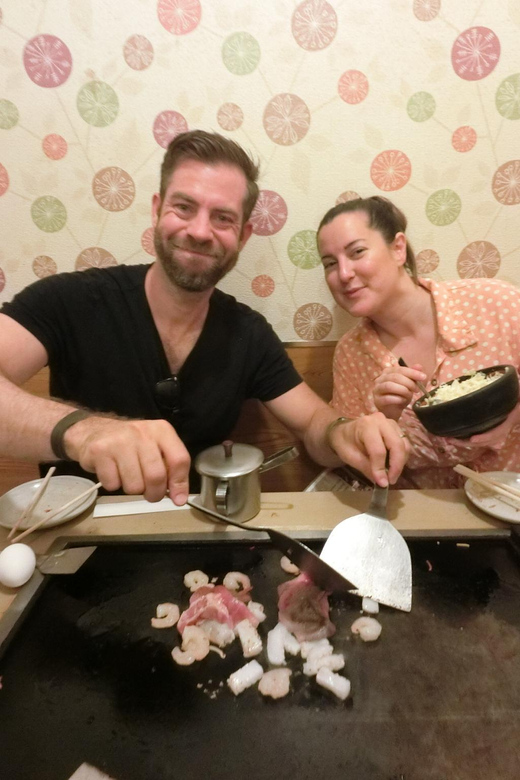
The tour promises customization, and that is valuable for a short visit. You might request okonomiyaki, kushikatsu, sushi, gyoza, shopping, or a certain kind of local neighborhood. You can also arrive without a detailed plan and let the guide recommend stops.
I would be specific about your priorities. Tell the guide if you care most about Osaka specialties, small shops, street food, souvenirs, or conversation with local people. The more clearly you explain your interests, the easier it is to shape three hours around them.
Dietary restrictions need advance notice, especially allergies or religious requirements. That is not a minor detail in a food crawl, where ingredients and cooking methods can change from one shop to the next. Share the restriction before the tour rather than hoping to solve it at the counter.
Customization does not mean every requested restaurant can be guaranteed. The route still depends on opening hours, the group’s preferences, and what can be reached during three hours. Think of it as a guided food neighborhood visit, not a private restaurant reservation service.
Is $51 a fair price?
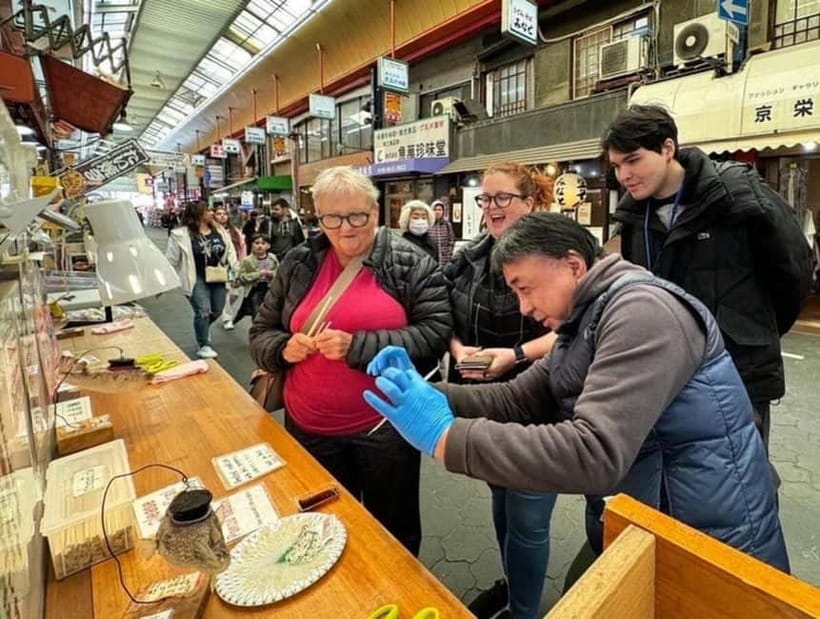
At $51 per person, the price is reasonable if you want help finding places and prefer a social, guided experience. It is less attractive if your only goal is to buy a few cheap snacks, since food and transportation are extra.
The value comes from the local connection. You are paying for an English-speaking guide, route planning, cultural explanations, help with ordering, and access to places you might not find through a quick internet search. For a first visit to Osaka, that can save time and reduce the chance of choosing a restaurant based only on its location near a major sight.
The small group limit also supports the price. Eight people is not private, but it is more manageable than a large coach-style food tour. You can ask questions without needing to interrupt a crowd, and the guide has a better chance of remembering your preferences.
Budget for the food separately. Since the route is flexible, the final spending can vary. Bring enough cash for several stops, and ask early if you are trying to keep the meal within a certain amount.
Who will enjoy this Osaka food walk most
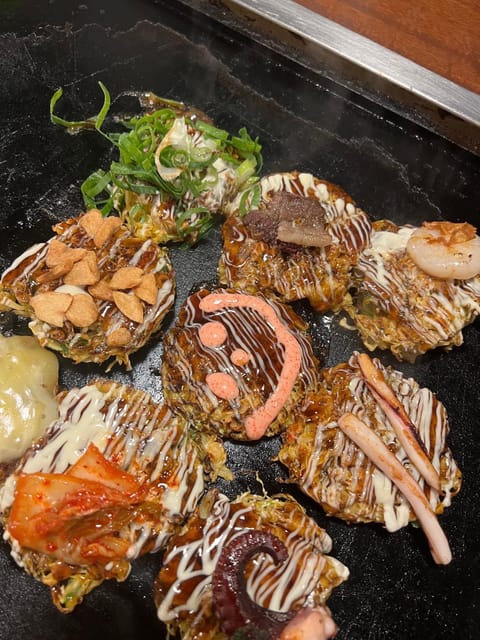
I would recommend it to a first-time Osaka visitor who wants a friendly introduction without having to plan every restaurant. It is also a good match for people who enjoy talking with locals and trying food in small, everyday settings.
Families can benefit from the flexible format, since the route may be adjusted around different tastes. Couples and friends who want a relaxed evening can use the guide’s suggestions instead of spending the afternoon comparing menus online.
It may be less suitable for a strict food enthusiast who wants fixed restaurants, detailed tasting notes, or guaranteed dishes. It may also frustrate anyone who dislikes walking, spontaneous choices, or paying separately at each stop. The tour centers on discovery and conversation rather than a tightly controlled culinary program.
The group size matters here. With up to eight people, you should expect to share decisions and accommodate other appetites. That is part of the social experience, but it is worth considering if you have very narrow food preferences.
Practical advice for a smoother three hours
Arrive early at Osaka JOINER and use the NTT docomo shop and Travelex as visual markers. Since the storefront is underground in Namba Walk, finding it is the first small challenge of the experience.
Bring cash. Some shops may only accept it, and you will need money for food because meals are not included. Keep a little extra available if the group finds a stop you especially like.
Wear comfortable shoes for the shopping streets and local town walks. The route examples include several food stops, but the experience is still a walking tour through an active part of Osaka.
Tell the guide about allergies, religious food rules, or strong dislikes before you begin. Also explain what you hope to eat. A clear request can turn a general food crawl into a much more personal three hours.
The tour offers free cancellation up to 24 hours before departure for a full refund. You can also reserve now and pay later, which helps if your Osaka schedule is still changing.
Should you book it?
Book this food crawl if you want local guidance, flexible food choices, and conversation more than a fixed tasting menu. The strongest reasons are the small group, English-speaking guides, and chance to reach places that are not easy to find online.
Go in with realistic expectations. You pay $51 for the guide and experience, then add food and transportation. The meeting point takes patience, so arrive 30 minutes early. If you do that, bring cash, and tell the guide what you want, this is a practical way to make Osaka’s food culture easier to approach.
FAQ
How long is the Osaka food crawl?
The experience lasts three hours. A daytime example runs from 11:00 to 14:00, while an evening example runs from 17:00 to 20:00. Starting times can vary, so check availability when booking.
Where does the tour meet?
The meeting point is Osaka JOINER inside Namba Walk, at 5-2 Nijinomachi, 1-chome Sennichimae, Chuo-ku, Osaka. The storefront is underground, between an NTT docomo shop and Travelex.
Is food included in the $51 price?
No. Food expenses are not included, so you pay for the dishes separately. Transportation costs are also separate.
What languages does the guide speak?
The tour is offered in English and Japanese. The experience includes an English-speaking guide.
How many people are in the group?
The tour is limited to eight participants. It is described as a small-group experience.
Should I bring cash?
Yes. Some of the shops may only accept cash, so you should carry enough for the food you plan to buy. If you have allergies or religious dietary requirements, tell the tour provider in advance.
Just added around Osaka
- Discover Real Osaka: A Cultural Walk with Food & Drink★ 5.0 · 13 reviews
- From Osaka/Kyoto: Kyoto & Nara Day Trip with Optional Lunch★ 4.5 · 79 reviews
- Osaka 6hr Private Walking Tour with Government Licensed Guide★ 5.0 · 174 reviews
- Private Airport transfer Kansai Intl. Airport(KIX) to OSAKA CITY★ 4.5 · 12 reviews
- Osaka: Namba Local Food Walking Tour (Taste 15 Dishes)★ 5.0 · 20 reviews
- Osaka Delights: Traditional Japanese Food Tour★ 4.5 · 33 reviews
- Badminton in Osaka & Kyoto with Locals!★ 5.0 · 15 reviews
- From Osaka or Kyoto: Kyoto and Nara 1-Day Bus Tour★ 3.5 · 141 reviews
Osaka Tours, compared.
Shinsekai Food Tour with 13-15 Dishes at 5 Eateries
Read our review →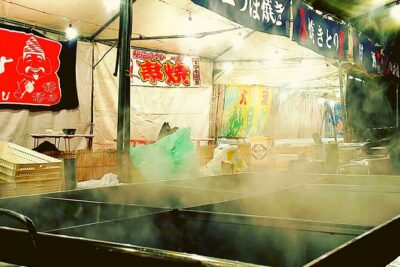
Osaka Food Tour: 13 Dishes at 5 Local Eateries
Read our review →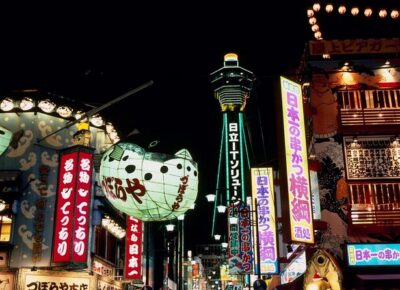
Hungry Osaka Street Food Tour:15 Tastings & 3 Drinks with a Local
Read our review →
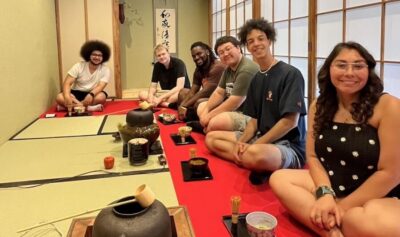
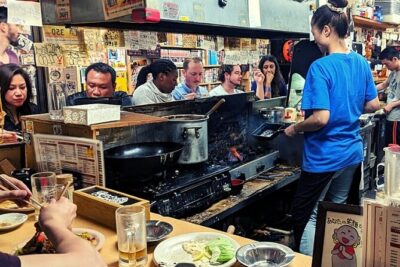
Hotspots & Hidden Gems Walking Tour Private or Group
Read our review →Browse the lists this tour appears in