
Reviewed · KANAZAWA TOURS
From Kanazawa: Shirakawa-go, Gokayama and Wood Carving Village
The best part of this nine-hour outing is the mix of places: Shirakawa-go and Gokayama show old mountain villages with steep thatched roofs, while Inami introduces you to a living craft town where wood carving is still central to the streetscape. You get rural Japan, not just another city temple.
I like two things especially. First, the day includes hands-on washi paper-making, with paper inserts and three postcard-sized souvenirs to take home. Second, the early stops in Inami and Ainokura tend to feel calmer than Shirakawa-go, giving you time to look closely before reaching Japan’s most famous thatched-roof village.
The main consideration is pace. Four substantial stops must fit into one day, and Shirakawa-go can be busy with large tour buses. A small vehicle may also feel cramped, and lunch is not included, so you need to plan your meal during the day.
Key points to know before you book
- Four very different stops: See Inami wood carving, Zuisenji Temple, Gokayama’s Ainokura Village, washi paper-making, and Shirakawa-go in one long day.
- A hands-on souvenir: Make a small sheet of Japanese paper and collect three postcard-sized pieces after roughly 10 to 15 minutes of drying.
- Small-group format: The maximum group size is 17, though some departures have been much smaller, even becoming a private outing.
- Guides can shape the day: Daniel, Garrett, Mike, Ellie, Lee, and Mohamed have led departures, with the strongest feedback focusing on clear explanations and personal help.
- Shirakawa-go is the busiest stop: Gokayama usually offers a quieter village visit, while Shirakawa-go has more shops, buses, and people.
- A useful Kanazawa base trip: Transport, temple entry, guided visits, and the paper-making fee are included for $202.17 per person.
Why this Kanazawa day trip is worth your time
Kanazawa has plenty to keep you occupied, but this tour gives you a change of rhythm. Instead of spending another day among urban sights, you head toward Toyama Prefecture, where mountain villages, traditional houses, temples, and handmade crafts take center stage.
The appeal is not simply checking off two UNESCO-related villages. You get several views of traditional Japanese life. Inami shows skilled carving and religious art. Gokayama offers a quieter village setting. The paper workshop lets you make something yourself. Shirakawa-go then provides the grandest and most famous version of the thatched-roof village experience.
That range gives the day real value. If you booked separate transport to each place, the planning would be awkward, especially because the villages are rural and spread out. Here, you meet at Kanazawa Station, ride between the stops, and return to the same meeting point.
The price is $202.17 per person. That is not a cheap sightseeing bus, but it covers transportation for the full day, an English-speaking guide, entry to Zuisenji Temple, guided visits in Inami and Shirakawa-go, and the washi activity. For you, the value comes from combining several difficult-to-reach places without having to organize regional buses or fit the timing together yourself.
The tour has a rating of 4.9 from 90 reviews, with 98 percent recommending it. Those numbers suggest a strong experience overall, but the occasional criticism matters too: one departure was described as mostly transport with limited explanation, and one complaint focused on the guide’s attitude. Guide quality can vary, so I would judge this as a well-planned route with the guide playing a major role in how satisfying the day feels.
A few more Kanazawa half-days to weigh up
- World Heritage Shirakawa-go and Experience Tours from Kanazawa
★ 5.0 · 4,049 reviews - Kanazawa: Kenrokuen Tea Ceremony Experience
★ 4.8 · 1,139 reviews - Kanazawa Half Day Tour (Private Guide)
★ 5.0 · 361 reviews
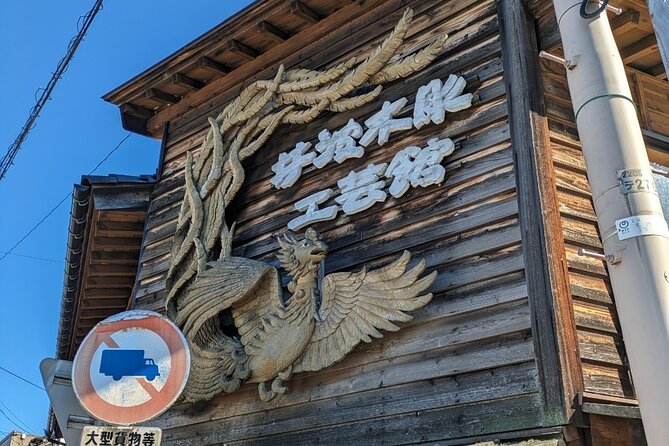
Inami, where wood carving shapes the town
The day begins in Inami, with about two hours allocated to the town and Zuisenji Temple. This is a smart opening stop because it introduces a craft tradition before the larger village visits begin.
Inami’s main street is filled with woodcarvers and carved work displayed around the town. You are not just entering a shop or watching a short demonstration. The craft is part of the town’s character, and the walk lets you see how detailed carving appears in the local setting.
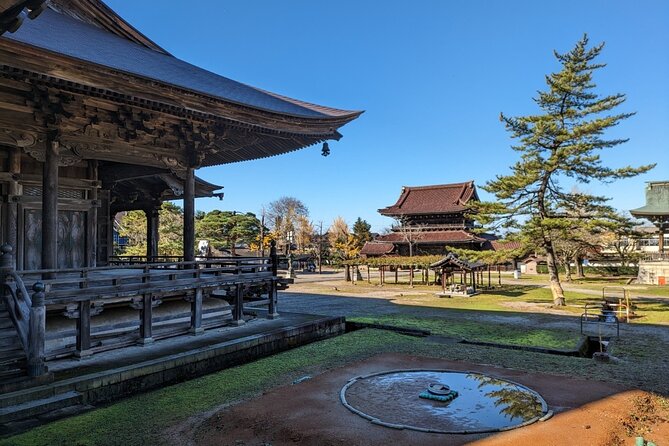
The visit also includes Zuisenji Temple, with admission covered. The temple was a favorite stop for some people on the tour because it offers a quiet place to look at Japanese religious architecture without the heavy crowds found at more famous sites.
Your guide leads the walk and explains the connection between the temple, the town, and the carving tradition. Guides Daniel, Garrett, Mike, and Lee received especially warm praise for making the information clear and responding to questions. If you have an interest in architecture, religious art, or traditional crafts, this first stop may be more rewarding than you expect.
Two hours sounds generous, but it includes both the town walk and temple visit. You will probably want time to look at carved objects and perhaps buy something. Keep in mind that opening hours can change around the New Year period. From December 28 through January 5, many Inami shops close, which makes this part of the tour less complete.
Ainokura in Gokayama, the quieter village stop
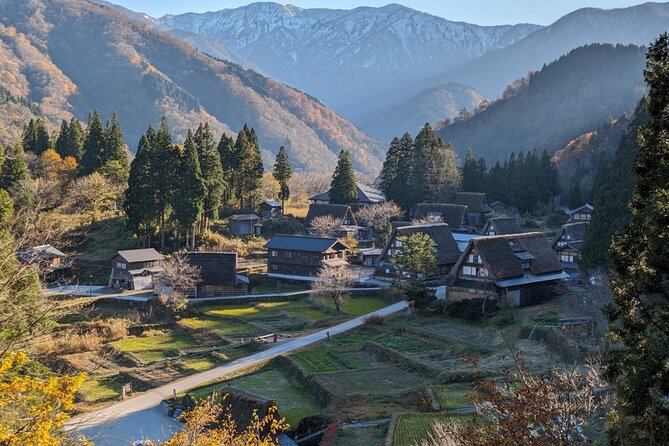
The first Gokayama visit is Ainokura Village, with about one hour to walk and take photographs. This is a shorter stop, so you should listen carefully to the guide’s meeting instructions and avoid wandering too far from the group.
Ainokura is a good counterpoint to Shirakawa-go. You see the distinctive gassho-zukuri houses, built with steep thatched roofs suited to heavy mountain snow, but the setting generally feels less commercial and less crowded. The tour guide can point out a good photo location, including a viewpoint reached by a climb.
That climb is worth considering if you want the classic village view from above. One person specifically found the uphill walk rewarding in snowy conditions, but weather can change the experience. Rain, cold, or snow may make the path slower, and sturdy shoes are sensible.
The one-hour schedule works for a first look, not a long independent visit. You will have time for a village walk and photographs, but not an in-depth exploration of every house. I see this as a carefully chosen introduction rather than a full day in Ainokura.
The short stop also helps the wider schedule. Since the tour includes four destinations, you get a taste of each instead of spending the whole day in one village. If your main goal is quiet rural photography, a separate, slower visit to Gokayama might suit you better. If you want variety from Kanazawa, this compact stop works well.
Making washi postcards in Gokayama
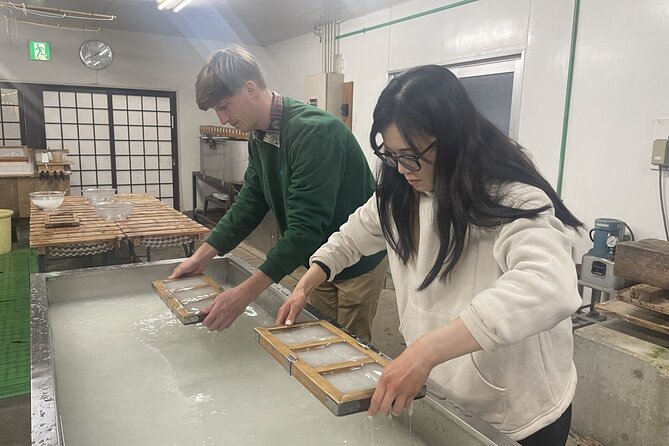
The paper-making workshop lasts about 30 minutes and is one of the tour’s most useful touches. Before making the paper, you choose inserts to place inside it. After around 10 to 15 minutes of drying, you receive a small souvenir of three postcard-sized pieces.
This activity is brief, but it is not merely a filler between villages. It gives you a direct connection with a traditional Japanese material and leaves you with something more personal than a standard shop purchase. Families and teenagers have found it particularly easy to enjoy, and it adds variety after walking around Ainokura.
You should not expect a long craft course or a detailed masterclass. The session is designed for a group schedule, so the value is in trying the process, selecting the inserts, and taking home the finished pieces. For many people, that is enough.
The workshop is not available during the New Year period from December 28 through January 5 because many local businesses close. The supplier notes that all scheduled activities depend on availability, so you should treat the paper-making session as planned but subject to confirmation.
This stop also gives the day a better balance. Inami lets you observe expert carving. Ainokura lets you walk through an old mountain village. The paper workshop lets you make something yourself.
Same base, a completely different sort of day:
- Kanazawa Full Day Tour (Private Guide)
★ 5.0 · 323 reviews - 1 Day Private Charter Tour to Shirakawa-go & Takayama
★ 4.5 · 253 reviews - [One-day bus tour departing from Kanazawa Station] Shirakawa-go and Gokayama – Two World Heritage Villages Enjoyable Bus Tour
★ 5.0 · 253 reviews - World Heritage Shirakawa-go Perfect Guided Tour from Kanazawa
★ 5.0 · 220 reviews
Shirakawa-go, the grand finale
Shirakawa-go receives about two hours, beginning at an observation point before the group heads into the village. From above, you get the broad view of the clustered thatched houses and surrounding mountains. Then the guide leads you through the historic area and takes you inside one of the homes to explain how the houses were built and used.
This is the tour’s headline stop, and it is easy to see why. The steep gassho-zukuri roofs are instantly recognizable, but the visit is better when you understand the practical reason for their shape and the way these large homes supported mountain communities.
The included house visit adds useful context. From the outside, the roofs make a striking photograph. Inside, you can learn more about the building style and daily life instead of treating the village as a scenic backdrop.
You should also adjust your expectations about peace and quiet. Shirakawa-go is famous, and the village can attract many large tour buses. Even on a cold and rainy day, it may feel busy. The crowds are not necessarily overwhelming, but the stop is more commercial and active than Ainokura.
That contrast is helpful. Gokayama gives you a quieter look at the same broad building tradition. Shirakawa-go shows how a major heritage attraction functions today, with shops, organized visits, and plenty of people taking photographs. I prefer seeing both because you can compare preservation with popularity.
Weather matters here. Rain, snow, and cold can make the village look atmospheric, but they also make paths slippery and reduce comfort. The schedule includes walking, and one guide even helped a parent through snowy conditions, but you should still dress for the forecast and bring shoes with a good grip.
The guide can make or break the day
The tour company uses different guides, so your experience will not be identical from one departure to another. Daniel received repeated praise for being approachable, clear with instructions, and attentive to comfort breaks. Garrett was described as engaging with both adults and teenagers, while Mike was praised for his enthusiasm and help beyond the planned sightseeing, including assistance with train tickets.
Those details matter on a nine-hour outing. You need someone who can explain the sites, keep the group moving, answer questions, and tell you where to meet again after free time. The route has several transitions, so clear instructions are as valuable as historical facts.
Many departures are small. The maximum is 17 people, but some groups have had eight, 14, or even only one paying participant. A small group makes it easier to ask questions and can make the day feel more personal. It also means the vehicle may be a small van rather than a roomy coach.
That van is the main comfort concern. One person found the microbus tight, while another called the transport adequate but cramped. If you dislike close quarters, remember that you will spend substantial time riding between rural stops. The advantage is a more intimate group and access to places that may be harder for a large bus.
One negative experience focused on a guide who spoke disrespectfully about Japan and its rules. That is not consistent with the many positive comments about the staff, but it is a fair reminder that guides differ. I would book the route for its strong itinerary and ask for a well-regarded guide if the company allows requests, though a particular person cannot be guaranteed.
Lunch, timing, and what to bring
Lunch is not included. The schedule provides opportunities to eat, and one outing included a traditional floor-seated restaurant serving udon, but the exact meal location can vary. Bring a flexible appetite and be ready to follow the guide’s timing rather than plan a long, leisurely restaurant stop.
The tour begins at Kanazawa Station and returns there at the end. From June 1 onward, the stated start time is 8:30 a.m. Since this is a full-day trip, arrive early and keep the morning simple.
I would bring:
- Comfortable shoes for village streets and possible viewpoint climbs
- Rain protection and warm layers, especially outside summer
- A phone or camera for the observation points
- A little time and patience for the paper-making session to finish drying
- Money for lunch and optional purchases in Inami or the villages
The tour is near public transportation at its meeting point, and most people can participate. Still, the route includes walking, stairs or uphill sections may occur, and weather can affect the ground. The information provided does not promise a fully step-free experience, so ask the operator if you have specific mobility concerns.
Who will enjoy this tour most
I would recommend this outing to you if you want rural Japan without renting a car or managing several regional connections. It suits first-time visitors who want to see the famous thatched villages but also care about crafts, temples, and local traditions.
Families can get good value from the mix of activities. The paper workshop gives children and teenagers something practical to do, while the village walks and temple visit provide enough variety to prevent the day from becoming a string of similar viewpoints.
It also works for photographers, particularly if you appreciate contrasts. Inami offers carved details, Ainokura offers a quieter village scene, and Shirakawa-go offers the broadest views and most recognizable roofs. Weather can make the images harder, but mist, rain, and snow may add atmosphere.
I would hesitate if you want a slow, meditative visit to one village. The route is full, and each stop has a fixed window. I would also think twice if you need lots of legroom or prefer to choose every meal and sightseeing pause yourself.
The mobile ticket is convenient, and free cancellation is available up to 24 hours before the local start time. Within 24 hours, the cost is not refunded and changes are not accepted, so check the forecast and your Kanazawa plans before that deadline.
Should you book this rural Japan day trip?
Book it if you want to pack several hard-to-reach experiences into one organized day. The combination of Inami’s wood carving, Zuisenji Temple, Ainokura, handmade paper, and Shirakawa-go gives you far more range than a simple transfer to the famous village.
The strongest reasons to go are the efficient transport, hands-on paper souvenir, small-group format, and guides such as Daniel, Garrett, and Mike, who have made the day especially engaging. The main tradeoffs are the long schedule, un included lunch, possible van crowding, and the busy feel of Shirakawa-go.
At $202.17, this is a fair choice for you if convenience and variety matter more than finding the absolute cheapest transport. Pack for changing weather, wear practical shoes, and treat the day as a broad introduction to mountain Japan rather than an unhurried village stay.
FAQ
Where does the tour start and finish?
The tour starts at Kanazawa Station in Kanazawa and ends back at the same meeting point.
How long does the experience last?
The tour lasts approximately nine hours.
What is included in the price?
The price includes transportation to and from Shirakawa-go and the other destinations, an English-speaking guide, entry to Zuisenji Temple, guided visits in Inami and Shirakawa-go, and the Japanese paper-making experience.
Is lunch included?
No. Lunch is not included, so you need to pay for your own meal during the day.
How large is the tour group?
The maximum group size is 17 people. Some departures may be much smaller.
Is the washi paper-making activity available all year?
The paper-making activity is not available from December 28 through January 5 because many businesses in Inami and Gokayama close during the New Year period. Activities are also subject to venue availability.
What is the cancellation policy?
You can cancel up to 24 hours before the experience starts for a full refund. Cancellations or changes made less than 24 hours before the local start time are not accepted and are not refunded.
Just added around Kanazawa
- Kanazawa: Sushi & Japanese Cooking Class at a Historic School★ 5.0 · 66 reviews
- Shirakawago & Kanazawa from Kanazawa★ 5.0 · 51 reviews
- Takayama and Shirakawago/Photoshoot by professional photographer★ 5.0 · 67 reviews
- Taste of Kanazawa (Food tasting in Omicho Market & Higashi Chaya)★ 5.0 · 58 reviews
- Photoshoot session by professional photographer in Kanazawa★ 5.0 · 42 reviews
- Kanazawa private 1 day/Photoshoot by professional photographer★ 5.0 · 33 reviews
- Private Tour Kanazawa, Shirakawago, Hida Furukawa,Takayama★ 5.0 · 108 reviews
- Kanazawa private half day/Photoshoot by professional photographer★ 5.0 · 38 reviews
Kanazawa Tours, compared.
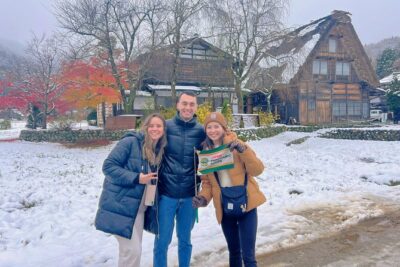
World Heritage Shirakawa-go and Experience Tours from Kanazawa
Read our review →

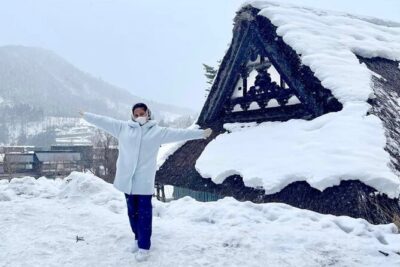
![[One-day bus tour departing from Kanazawa Station] Shirakawa-go and Gokayama – Two World Heritage Villages Enjoyable Bus Tour](https://media3.thejapanesetraveller.com/wp-content/uploads/one-day-bus-tour-departing-from-kanazawa-station-shirakawa-go-and-gokayama-two-world-heritage-villages-enjoyable-bus-tour-400x267.jpg)
[One-day bus tour departing from Kanazawa Station] Shirakawa-go and Gokayama – Two World Heritage Villages Enjoyable Bus Tour
Read our review →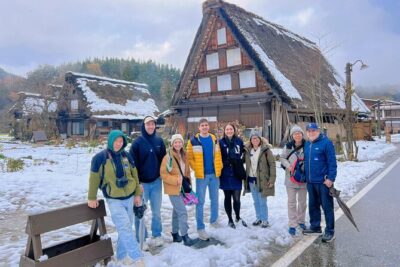
World Heritage Shirakawa-go Perfect Guided Tour from Kanazawa
Read our review →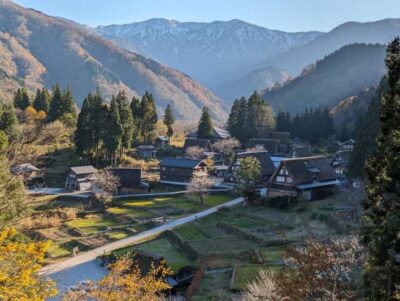
Browse the lists this tour appears in