
Reviewed · OSAKA TOURS
From Osaka: Nara Private Tour with Meet-Up at Your Hotel
Nara’s deer are the cheerful hook, but the Great Buddha at Todai-ji is the moment that gives this day real weight. You also get Kofuku-ji, Himuro Shrine, Yoshikien Garden, and time for lunch, all with a private English-speaking guide who meets you at your Osaka hotel.
I like the ease of having Masa handle the route and explain the customs behind the temples. I also like the private format, which lets you pause for photos, rest when needed, or ask for a small change, such as a visit to Nara’s old town. The main consideration is that six hours includes about 140 minutes of train travel, and lunch and transportation fees are not included.
Key points to know before you book
- Masa earns repeated praise for clear explanations, kindness, and flexibility, including help with photos, restaurant suggestions, and vacation planning.
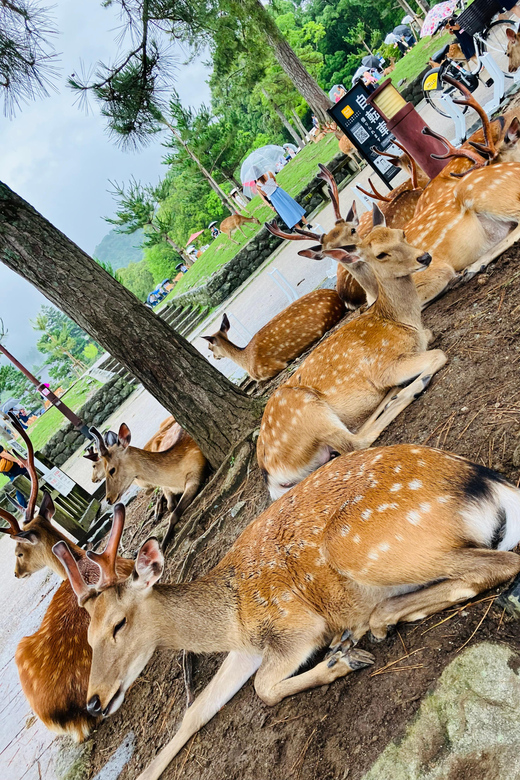
- The deer are fun but not always gentle, so follow the guide’s advice when feeding them.
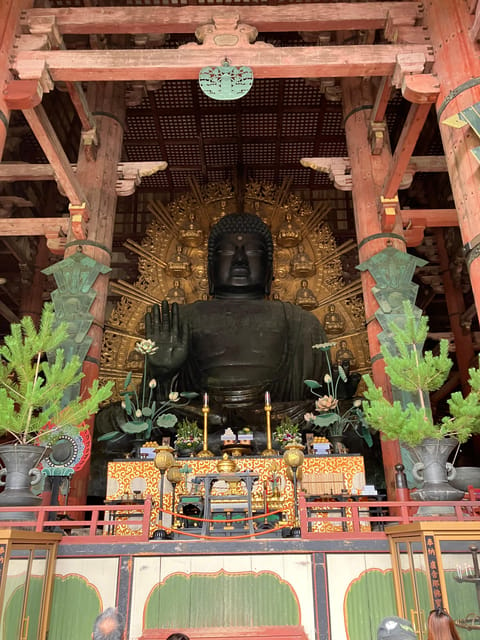
- Todai-ji is the day’s major sight, with its huge bronze Buddha inside one of Japan’s most impressive temple buildings.
- The private group format keeps the day calm and adjustable, rather than locking you into a large group’s pace.
- The route mixes famous sights with quieter stops, including Himuro Shrine and Yoshikien Garden.
- Check the transport arrangement before booking, since the description refers to car transportation while the schedule lists local trains and excludes transport fees.
Why this Nara day trip works from Osaka
Nara makes an easy cultural escape from Osaka, but it is much easier to enjoy when somebody else handles the order of sights. The city’s main attractions spread through a large park area, and a first visit can turn into a lot of map checking, ticket handling, and backtracking.
This tour gives you a local guide from the moment you leave your hotel. Masa has been praised for meeting people punctually, communicating clearly before the outing, and explaining both Japanese history and everyday customs in accessible English.
The price is listed at $140 per person. That is not the cheapest way to reach Nara, especially since transportation and food are extra. Still, the value improves if you want a private guide, hotel meet-up and return, entrance fees, and help with the day’s practical details.
A solo visitor may find the price harder to justify than a couple or family sharing a private booking. For parents, older adults, or anyone uneasy about using Japanese trains and temple ticket counters, the extra cost can buy a much less stressful day.
A few more Osaka half-days to weigh up
- Osaka Go Karting Tour with Funny Costume
★ 5.0 · 2,658 reviews - Osaka Castle: Museum and Tower Entry Ticket
★ 4.5 · 2,380 reviews - Osaka: Shinsekai Food Tour with 13-15 Dishes at 5 Eateries
★ 4.8 · 2,204 reviews
The Osaka departure and the 70-minute train ride
The day begins with a hotel meet-up in Osaka. From there, the route lists a train ride of about 70 minutes each way. That means roughly 140 minutes of the six-hour outing are spent getting to and from Nara, so this is a focused day trip rather than a slow, all-day exploration.
The train is part of the experience. You see the change from Osaka’s dense city setting to Nara’s more open, temple-centered surroundings. Travel time can vary according to your hotel location, so do not treat the stated schedule as exact.
One point needs clarification before you reserve. The tour information refers to car transportation in its highlights, but the detailed route specifies trains and says transportation fees are not included. Ask the operator which transport method applies to your booking and plan to pay train or other transport costs separately.
Higashimuki Shopping Street gives you a useful start
The first Nara stop is Higashimuki Shopping Street, with about 20 minutes for a guided walk. This covered shopping arcade is a practical place to get your bearings before entering the temple district.
You will not have time for a long shopping session. Instead, use this stop to notice the shift from modern shops and snacks to Nara’s older religious center. Your guide can help you understand what local foods or small gifts are worth a closer look, though purchases are not included.
The short visit also gives the day a gentle start. You are not rushed straight into a major temple before you know where you are.
Kofuku-ji and its famous pagoda
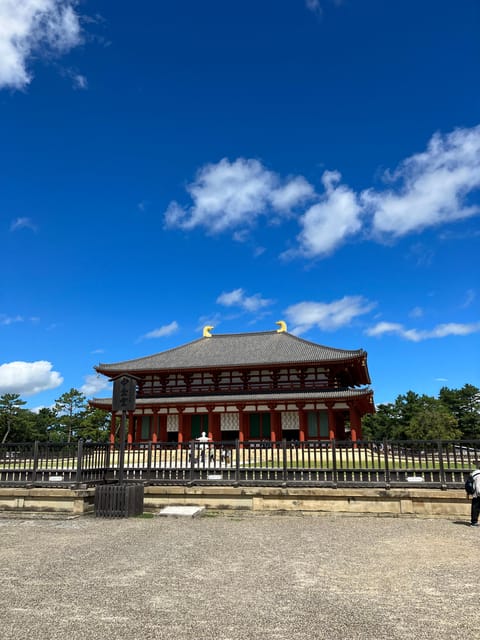
Kofuku-ji receives about 30 minutes. The temple is one of Nara’s key religious sites and is recognized as a UNESCO World Heritage Site. Its pagoda provides the classic visual moment, rising above the temple grounds and linking the present city to Nara’s early role as Japan’s first permanent capital.
I like having a guide here because temple buildings can blur together when you see several in one day. A good explanation helps you notice the purpose of each structure, the meaning of the religious setting, and the details that make Kofuku-ji different from Todai-ji later on.
Thirty minutes is enough for a guided look and photographs, but not enough for every building or museum collection. If Kofuku-ji is your main interest, tell Masa early so you can discuss how much time to give it.
Same base, a completely different sort of day:
- Osaka Food Tour: 13 Dishes at 5 Local Eateries
★ 5.0 · 2,149 reviews - Hungry Osaka Street Food Tour:15 Tastings & 3 Drinks with a Local
★ 5.0 · 1,727 reviews - Osaka: teamLab Botanical Garden Entry Ticket
★ 4.5 · 1,710 reviews - Osaka: Tea Ceremony Experience
★ 4.9 · 1,426 reviews
Meeting Nara’s famous deer in the park
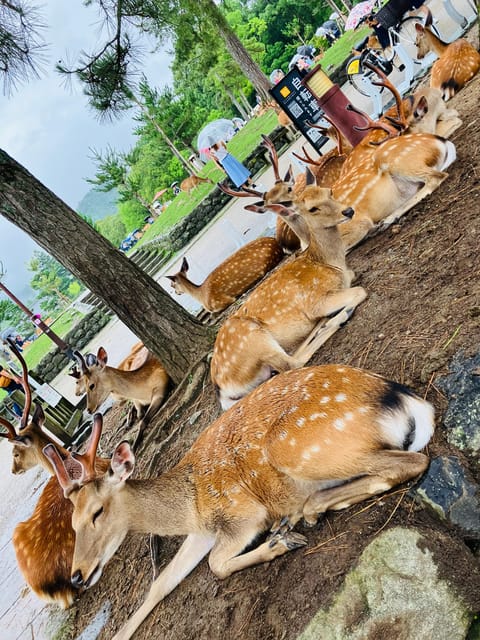
Nara Park is the most playful part of the outing. The deer move freely through the park, near paths and temple grounds, and you have the chance to feed them.
Buy deer crackers only when you are ready to use them. The animals quickly learn who has food, and some can become pushy once they see a full stack in your hand. One guide was specifically praised for helping visitors avoid the more aggressive deer, which is useful advice for children and anyone nervous around large animals.
After the crackers are gone, show the deer your empty hands. That simple gesture can help you avoid being followed by an increasingly impatient audience. Keep your belongings secure and take care with food and paper items.
The park is also a welcome pause between temples. You can walk, take photographs, and look toward the surrounding mountains. Wear comfortable shoes, since the route involves outdoor walking and standing.
Lunch at a local restaurant
Lunch lasts about one hour and is not included in the price. The restaurant itself may vary, so treat this as a flexible meal break rather than a fixed dining attraction.
This is one place where Masa’s local suggestions can add value. He has directed people to ramen, Japanese barbecue, okonomiyaki, and other local meals, depending on their preferences. One family was taken to an okonomiyaki restaurant, while another ended the day with Japanese barbecue.
Tell the guide what you want from lunch. You may prefer a quick, simple meal to protect sightseeing time, or you may want to sit longer and try a local specialty. Food and drinks are paid separately, so carry a payment method that works for your group.
Himuro Shrine brings a quieter temple moment
Himuro Shrine gets about 20 minutes. It is a smaller stop than Todai-ji, but that is part of its appeal. After the deer and the crowds around the main temple sights, a short visit here can feel more peaceful.
The value of a guide is especially clear at a shrine. Japanese shrine customs can seem confusing if you do not know when to bow, how to approach the worship area, or what the architectural details mean. Masa can explain the setting without turning the visit into a lecture.
This stop is brief, so expect an introduction rather than a full study. If you want time for a slower prayer or photographs, ask whether the schedule allows it.
Todai-ji and the Great Buddha
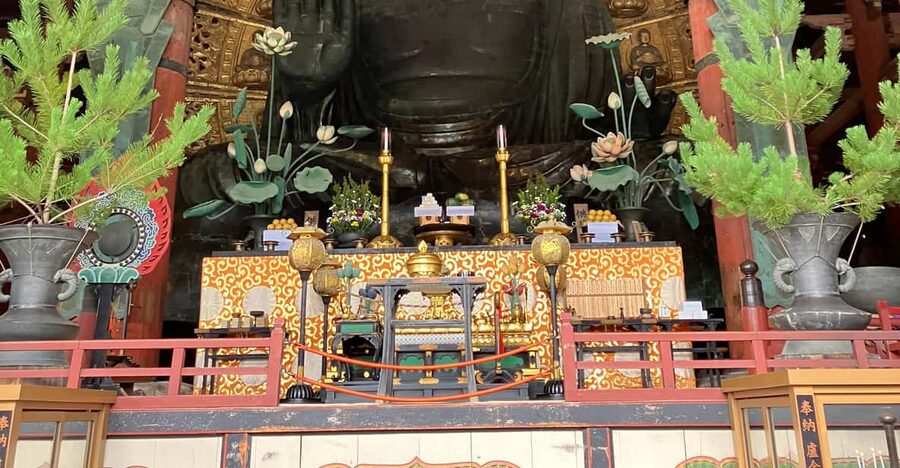
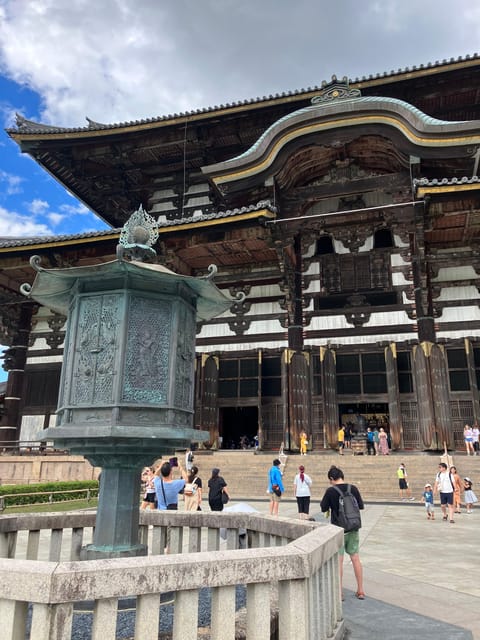
Todai-ji is the centerpiece of the day, with about one hour for a guided visit. The temple houses the Great Buddha, one of the largest bronze Buddha statues in the world. The sheer scale of the statue and the surrounding wooden hall makes this the stop most likely to stay with you after the tour.
The building is not just a container for the statue. Its size changes the way you experience the interior. Look up before focusing only on the Buddha, then give yourself a quiet moment to take in the relationship between the hall, the image, and the people moving through the space.
One hour gives you a solid visit, including explanations and photos, but the temple can be crowded. Masa has been praised for finding less congested routes and adjusting the pace when needed. That matters here, since a private guide can help you see the main points without wasting the whole visit in a slow-moving crowd.
Entrance fees to the mentioned sites are included. You should still budget for transport, lunch, drinks, and optional gratuity.
Yoshikien Garden closes the sightseeing loop
The final Nara stop is Yoshikien Garden, with about 20 minutes. This gives the outing a softer finish after the scale of Todai-ji.
Do not expect a long garden visit. The time is suited to a compact walk, photographs, and a final change of mood before returning to Osaka. Garden visits can be especially pleasant if you want a quieter end to the day rather than one more major monument.
The route’s mix is sensible. Kofuku-ji gives you a historic temple, Nara Park adds wildlife and open space, Himuro Shrine introduces shrine tradition, Todai-ji supplies the grand spectacle, and Yoshikien Garden slows the pace again.
What the private guide adds
The strongest part of this experience is the guide service. Masa is repeatedly described as warm, polite, organized, and easy to talk with. He has also been praised for excellent English, clear communication through WhatsApp before the tour, and a calm manner during the day.
That matters more than a memorized list of dates. At a site such as Todai-ji, you want to know why the building matters. At the shrine, you want help with customs. In Nara Park, you want practical advice about the deer. The guide can connect those pieces and answer questions as they come up.
The private format also helps families and mixed-age groups. Masa has been praised for engaging teenagers, checking when people wanted a break, and accommodating changes in pace. Another person arranged a visit to Nara’s old town, showing that small adjustments may be possible if you discuss them early.
Do not assume every change is guaranteed. The route is fairly full, and the listed stop times already leave limited room. Ask at the start of the day if you want to change a stop.
Timing, walking, and the real value of the price
The schedule lists 20 minutes at Higashimuki Shopping Street, 30 at Kofuku-ji, 30 in Nara Park, 60 for lunch, 20 at Himuro Shrine, 60 at Todai-ji, and 20 at Yoshikien Garden. Those stops total four hours, while the two train rides total about two hours and 20 minutes.
That adds up to a little over six hours, before delays or a hotel location farther from the usual route. In practice, the schedule should be treated as an outline. Start times and travel time can change, and the guide may shorten one stop to protect another.
You will walk outdoors, stand at temple and shrine sites, and deal with crowds at the best-known places. Comfortable shoes, water, sunscreen, and a camera are sensible. The tour does not list a separate accessibility plan, so contact the operator if your group has mobility needs.
At $140 per person, I see this as a convenience and interpretation purchase, not a bargain transport ticket. You are paying for a private guide, hotel meet-up and return, entrance fees, and local help. You are not paying for meals, transport fees, or a required tip.
The value is strongest for first-time visitors, families, and people who want cultural context without building the route themselves. Independent visitors who are happy using trains and reading signs may spend less on a self-guided day.
Who should book this Nara experience
I would choose this tour if you have one free day in Osaka and want to see Nara’s major sights without managing every detail yourself. It is also a good fit if you want a private pace, personal photographs, restaurant advice, and explanations that go beyond the basic facts.
Families should appreciate the ability to keep teenagers involved and pause when younger children need a break. Couples and solo visitors may like the relaxed conversation and help with photos.
I would hesitate if you want a very slow visit to each temple, extensive shopping, or a long garden walk. The train journey uses a large part of the day, and the schedule covers several stops. I would also confirm the transport plan before payment because the information is not fully consistent about trains and car travel.
Should you book it?
Book this Nara tour if your priority is an easy, well-explained first visit with a private guide. Masa’s calm manner, flexible approach, restaurant suggestions, and practical help are the strongest reasons to choose it.
Skip it if you prefer independent rail travel, want to control every minute, or are trying to keep costs as low as possible. For everyone else, the combination of the deer, Todai-ji’s Great Buddha, smaller religious sites, and hotel-to-hotel guidance makes the $140 starting price reasonable once you account for what is included.
FAQ
How long does the Nara tour last?
The stated duration is six hours. Travel time may vary depending on your Osaka hotel and the transport arrangements for your booking.
Where does the tour begin and end?
The guide meets you at your hotel in Osaka and returns you to Osaka at the end of the experience.
Is the tour private?
Yes. It is offered for a private group rather than as a shared group outing.
Which languages are available?
Live guiding is available in English and Japanese. The named guide, Masa, is described as an English-speaking guide born and raised in Japan.
Is lunch included?
No. The schedule includes a one-hour lunch stop, but meals and beverages are paid for separately.
Are entrance fees included?
Yes. Entrance fees to all the mentioned sites are included.
Are transportation fees included?
No. Transportation fees are listed as extra. The route specifies train travel of about 70 minutes each way, while the highlights also refer to car transportation, so confirm the exact arrangement before booking.
What should I bring?
Bring comfortable shoes, a camera, sunscreen, and water. An optional guide gratuity is not required but is appreciated.
Just added around Osaka
- Discover Real Osaka: A Cultural Walk with Food & Drink★ 5.0 · 13 reviews
- From Osaka/Kyoto: Kyoto & Nara Day Trip with Optional Lunch★ 4.5 · 79 reviews
- Osaka 6hr Private Walking Tour with Government Licensed Guide★ 5.0 · 174 reviews
- Private Airport transfer Kansai Intl. Airport(KIX) to OSAKA CITY★ 4.5 · 12 reviews
- Osaka: Namba Local Food Walking Tour (Taste 15 Dishes)★ 5.0 · 20 reviews
- Osaka Delights: Traditional Japanese Food Tour★ 4.5 · 33 reviews
- Badminton in Osaka & Kyoto with Locals!★ 5.0 · 15 reviews
- From Osaka or Kyoto: Kyoto and Nara 1-Day Bus Tour★ 3.5 · 141 reviews
Osaka Tours, compared.


Shinsekai Food Tour with 13-15 Dishes at 5 Eateries
Read our review →
Osaka Food Tour: 13 Dishes at 5 Local Eateries
Read our review →
Hungry Osaka Street Food Tour:15 Tastings & 3 Drinks with a Local
Read our review →



Hotspots & Hidden Gems Walking Tour Private or Group
Read our review →Browse the lists this tour appears in