
Reviewed · FUKUOKA TOURS
Hakata Old Town Walking Tour Tracing the True History of Fukuoka
Fukuoka’s best stories begin in Hakata Old Town, where trade with the Asian continent shaped local food, festivals, faith, and daily customs. This 3.5-hour walk connects those threads through temples, a tea stop, a traditional townhouse museum, and Kushida Shrine, ending near the heart of old Hakata.
I like the small maximum of 10 people, which gives an English-speaking guide room to answer questions. I also like the stop at Mitsuyasu Seikaen, a 300-year-old tea shop where you taste kabusecha from Yame with a Japanese sweet. The main drawback is the price, $190.49 per person, for a three-hour tour that covers about 3 kilometers on foot.
Key points at a glance
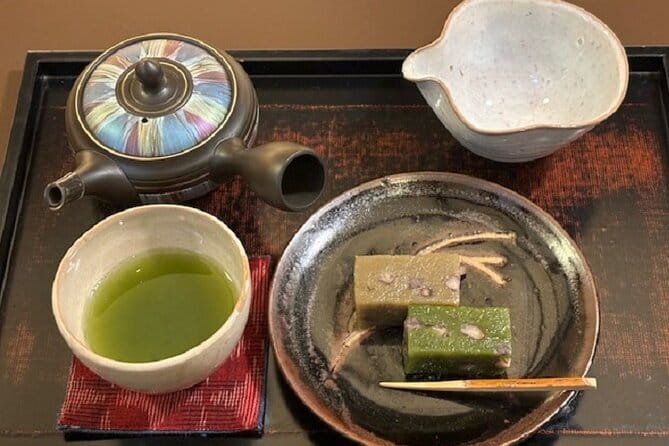
- Taste Yame kabusecha: A shaded green tea with low bitterness and a strong umami taste, served with a local confectionery.
- See the Fukuoka Daibutsu: Tochoji houses one of Japan’s largest Buddha figures, along with a five-story pagoda.
- Walk old Hakata’s religious center: Jotenji, Tochoji, and Kushida Shrine reveal how temples and festivals shaped the district.
- Explore a recreated Hakata townhouse: Hakatamachiya Furusatokan explains local crafts, annual events, and home life.
- Keep the group personal: The tour accepts no more than 10 people, and guide Miyoko has been praised for being punctual, kind, and ready to answer questions.
- Plan carefully: Meet at noon at Hakata Station, arrive on time, and wear shoes and clothing suited to a full walking route.
Why old Hakata is the right place to learn Fukuoka
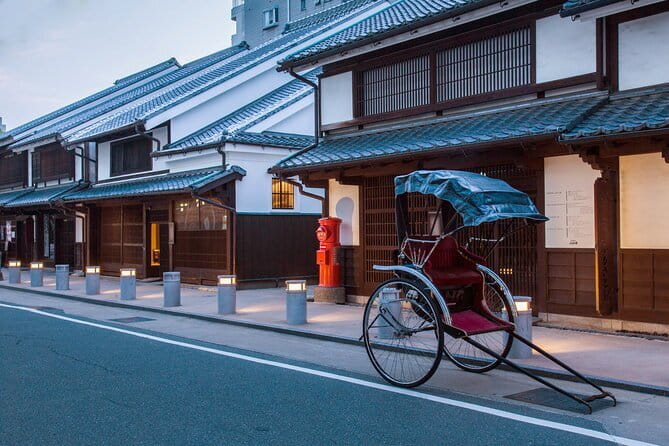
Fukuoka can feel modern at first glance, with a large rail station, shopping streets, and an easy urban rhythm. Hakata is the older side of the city, and its story is tied to ships, merchants, monks, shrines, and contact with nearby parts of Asia.
That background helps explain why local customs do not always fit a simple modern Japanese stereotype. Hakata developed its own festivals, craft traditions, food habits, and religious landmarks. A guide is useful here because the buildings alone do not tell you how the district grew or why certain places still matter.
The route is not a museum crawl. You move between outdoor streets, temple grounds, a tea shop, and an indoor cultural center. That mix keeps the afternoon varied, though it also means your pace depends on road conditions, walking ability, and the time spent at each stop.
The group size matters. With up to 10 people, you are not likely to be lost in a large crowd, and there is a better chance to ask about details that catch your eye. One guide named Miyoko is specifically praised for arriving on time, treating people kindly, and answering questions. Guides can vary, but that gives you a useful idea of the service standard to hope for.
More history-led days in Fukuoka:
- Fukuoka Essentials: History, Culture, & Charms
★ 4.8 · 39 reviews - Fukuoka’s Sacred Path: Temples, History & Culture
★ 5.0 · 17 reviews - World Heritage Shirakawa-go and Experience Tours from Kanazawa
★ 5.0 · 4,049 reviews
Jotenji Temple and the first steps into old Hakata
The walk begins at noon at the Fukuoka City Tourist Information Center inside Hakata Station. From there, you head into the old town area and pause at Sennen-no-Mon, a welcome gate marking the approach to Hakata’s historic quarter.
The opening section at Jotenji Temple is listed as 15 minutes for 2025 and 30 minutes for 2026. The difference matters because the first part of the route is not only a temple visit. You also stroll through the old streets on the way toward Tochoji, so the actual rhythm may change with the current schedule.
Jotenji is one of the places where the tour begins to show Hakata as a religious and trading center rather than just an old neighborhood. Your guide can give the setting meaning as you move through the streets, pointing out how the district’s past remains part of its present layout.
Do not expect a long, quiet temple visit here. The stop is brief, and the larger value is the transition from Hakata Station into the older quarter. If you want time for careful architectural study or extensive photography, you may find this section quick.
Tochoji Temple and the Fukuoka Daibutsu
Tochoji receives about 20 minutes in the 2025 schedule and 40 minutes in the 2026 schedule. The grounds are known for a five-story pagoda that locals regard as a newer symbol of Hakata, as well as the Fukuoka Daibutsu.
The Great Buddha is a major reason this stop earns its place. The statue is described as Japan’s biggest wooden seated Buddha, making Tochoji more than a quick temple photo stop. Your guide can explain why this temple is important to the city while you take in the scale of the figure and the surrounding grounds.
The timing here has a practical effect. A 20-minute visit calls for a focused look, while 40 minutes gives you more breathing room. Since the exact arrival time can shift, do not build a strict independent appointment immediately after the tour.
Temple access is not guaranteed. Religious sites can close or limit entry for reasons outside the tour company’s control. If that happens, the guide may take the group to Waka Hachimangu Shrine, Myoraku-ji Temple, Engaku-ji Temple, or Ryugu-ji Temple. No refund is offered if an alternative destination is used, so keep that condition in mind before booking.
A quiet tea break at Mitsuyasu Seikaen
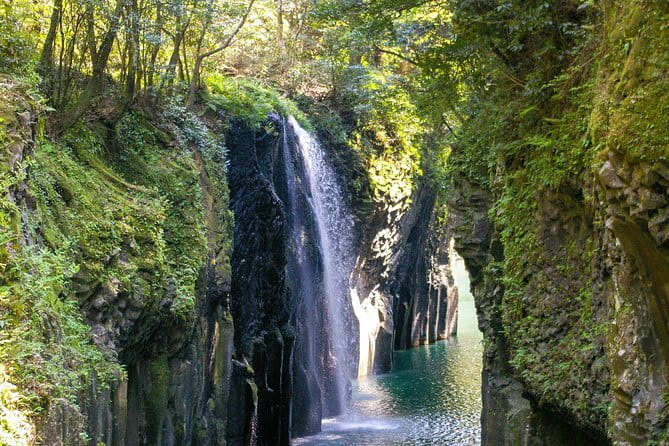
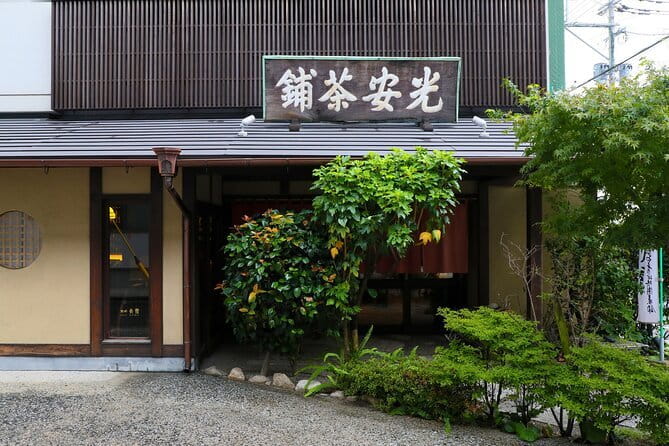
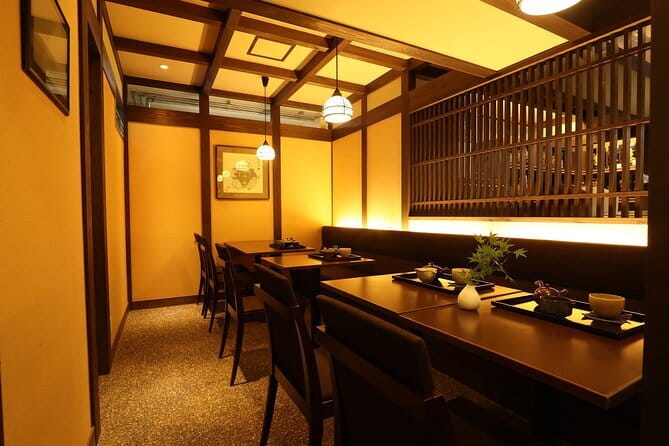
The tea shop is one of the most distinctive parts of the afternoon. Mitsuyasu Seikaen has been operating for about 300 years, and the stop gives you a chance to sit down in a traditional setting rather than spend the entire experience on your feet.
You receive kabusecha from Yame, one of Fukuoka’s noted tea-producing areas, along with a Japanese confectionery. Kabusecha is grown with shade before harvest, which helps produce a cup with less bitterness and more umami. If you usually find green tea sharp or grassy, this is a useful introduction to a softer style.
The tea and teacake charge are included for standard participants. Children aged 0 to 5 can join without a tour charge, but seating and the teacake are not included for them unless you book at the child rate.
The planned stop is 40 minutes in 2025 and 30 minutes in 2026. Either way, it is long enough to rest and ask questions, but this is not a formal tea ceremony. You are there to taste local tea, enjoy a sweet, and learn about a long-running Hakata business.
I see real value in this pause. The drink is tied directly to Fukuoka rather than being a generic refreshment, and the shop adds an everyday human scale to a route otherwise focused on major religious sites. The limitation is simple: if you do not drink tea or cannot eat the confectionery, this included feature will matter less to you.
More walking tours in Fukuoka:
- Fukuoka Private and Personalized Walking Tour with a Local
★ 4.7 · 46 reviews - Fukuoka: Private Walking Tour with Local Guide
★ 4.8 · 22 reviews - Kyoto Geisha Walking Tour: Gion District & Hidden Gems
★ 4.7 · 3,273 reviews - Tokyo Tsukiji Fish Market Food and Culture Walking Tour
★ 5.0 · 3,184 reviews
Hakatamachiya Furusatokan and local life indoors
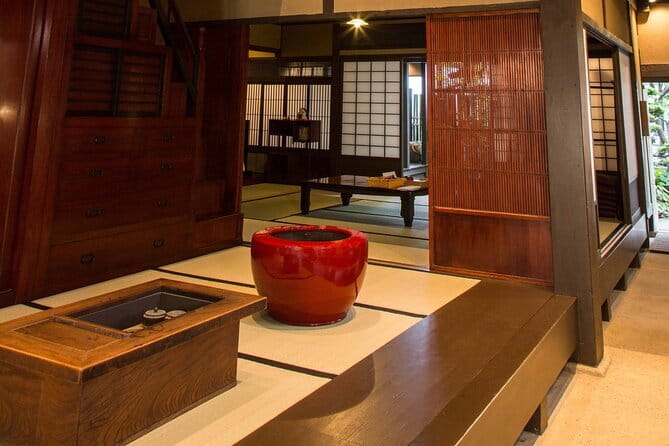
After the tea break, the group visits Hakatamachiya Furusatokan. This building is a replica of a traditional Hakata townhouse, designed to introduce the area’s annual events, handicrafts, and older ways of life.
This is where the tour shifts from grand religious buildings to domestic and community culture. You can see how Hakata’s identity was expressed through work, celebrations, craft, and household traditions. The setting also gives you a break from the weather and the pavement.
The planned time is 25 minutes in 2025 and 40 minutes in 2026. If your schedule allows the longer visit, the exhibits should be easier to appreciate without racing through them. The shorter version will still give you a useful overview, but you may need to rely more heavily on the guide’s explanation.
I like this stop because it prevents the tour from becoming a string of temples. Fukuoka’s past is not only religious or monumental. It also belongs to shopkeepers, craftspeople, families, and festival organizers. The townhouse museum gives those parts of the story a physical setting.
Kushida Shrine and the Hakata Gion Yamakasa
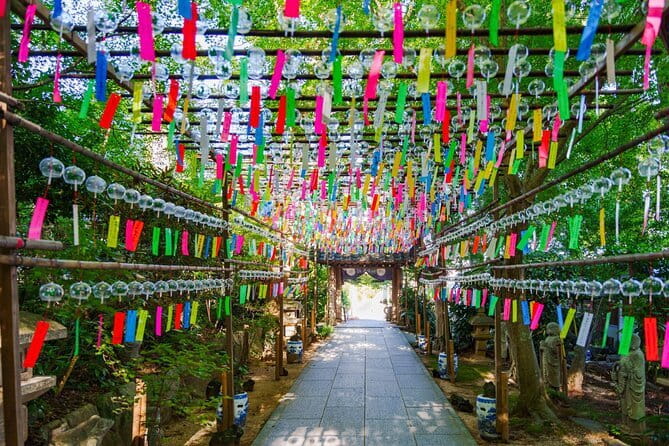
The walk finishes at Kushida Shrine, Hakata’s oldest tutelary shrine. Locals affectionately call it Okushida-san, and it is closely linked to the Hakata Gion Yamakasa festival.
The shrine is also where kazariyama floats are displayed throughout the year. These large decorative festival floats help you understand the scale and visual drama of the event even if your visit does not coincide with the festival itself.
This final stop works well because it brings the tour’s themes together. You have seen temples, tasted a regional product, learned about domestic customs, and now arrive at a shrine that remains closely tied to local identity and public celebration.
The tour ends in front of Kushida Shrine, not at Hakata Station. The shrine is about a 15-minute walk from JR Hakata Station, and the guide can explain how to return or continue to your next destination. If you choose public transportation during the route, you pay that fare yourself.
What $190.49 gets you
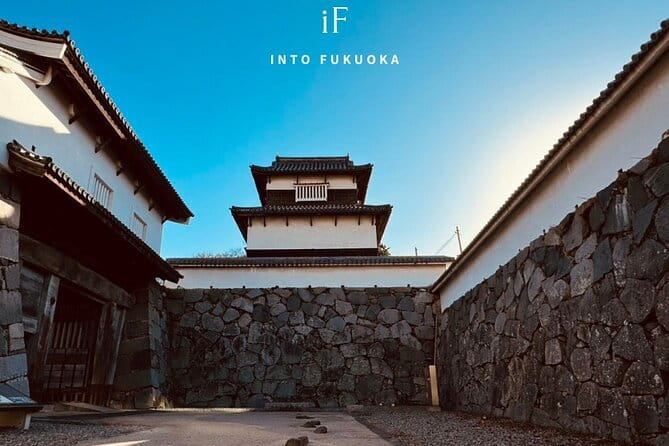
At $190.49 per person, this is not a bargain walking tour. The price includes an English-speaking guide, admission fees, and the tea and confectionery at Mitsuyasu Seikaen. The group limit of 10 also gives the experience a more personal format than a large bus excursion.
The value depends on how much context you want. You could walk past the temples and Kushida Shrine on your own, but you would not automatically understand the connections between Hakata’s trade, religious sites, tea culture, crafts, and festivals. The guide is the central product here, not transportation or luxury food.
For a first visit to Fukuoka, the tour can save you planning time. You meet at a clear location, follow a set route, and finish near a major sightseeing area. For repeat visitors who already know Hakata’s temples and shrines, the price may feel harder to justify unless you particularly want the tea shop and cultural explanations.
The free cancellation policy also reduces some booking risk. You can cancel for a full refund up to 24 hours before the start time. Within 24 hours, cancellation or changes are not accepted for a refund.
Timing, walking, and the small details that matter
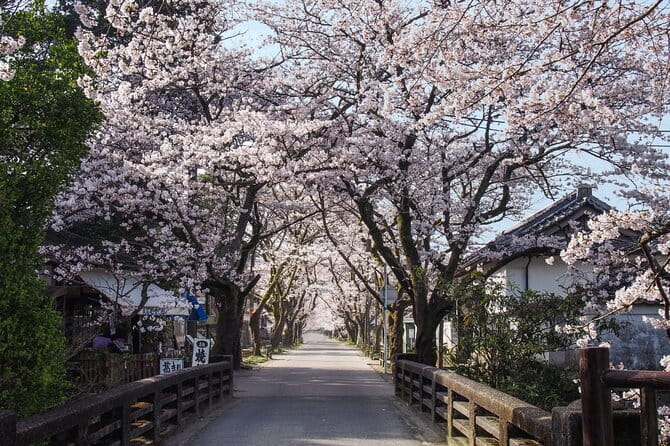
This is a genuine walking tour, not a sightseeing route with frequent vehicle transfers. You cover about 3 kilometers, and you walk for the day’s full itinerary. Wear comfortable shoes and clothing that works for several hours outdoors and on temple grounds.
The tour starts at 12:00 p.m. Late arrival is a serious issue. Participants cannot join partway through, and anyone late for departure may have the reservation canceled. Give yourself extra time to find the Fukuoka City Tourist Information Center inside Hakata Station.
The route is near public transportation, but that does not mean the tour is suitable for anyone who wants to avoid walking. Physical fitness should be at a moderate level. Arrival times at each stop can shift considerably because of road conditions and the stamina of the group.
The tour has a mobile ticket, which is convenient at the meeting point. Confirmation is sent within 48 hours of booking, subject to availability. Since the experience is booked an average of 67 days ahead, reserving early is sensible if your Fukuoka dates are fixed.
Anyone under 18 needs written parental permission. Children under 15, or children not yet enrolled in middle school, must be accompanied by a parent or guardian.
Who should book this Hakata walk
I would recommend this experience to you if you want a guided introduction to Fukuoka that combines famous sights with smaller cultural details. It suits first-time visitors, history-minded walkers, and anyone who prefers local explanation over rushing between photo stops.
It is also a good choice if you enjoy tasting regional food and drink in context. The Yame tea is not a full meal, but it adds a distinctly Fukuoka touch that you would not get from a standard shrine tour.
Families can join, though younger children may find the three-hour walking format demanding. Keep the distance, fixed start time, and no-partway-joining rule in mind. The route is not a good fit if you need frequent transportation, a flexible schedule, or a short sightseeing stop.
You should also book with realistic expectations about substitutions. Shrine or temple access can change on the day, and the tour may visit an alternative site without a refund. That is a normal concern when religious buildings remain active places of worship, but it is still important to accept before paying the higher price.
Should you book it?
Book this tour if you want the story behind Hakata, not just a checklist of landmarks. The best features are the small group, the link between temples and local customs, the 300-year-old tea shop, and the chance to finish at Kushida Shrine with a clearer sense of why it matters.
Skip it if $190.49 feels high for a walking tour, or if you prefer to explore at your own speed. You can see several of these places independently, but you will need to arrange the route and supply the historical context yourself.
For the right visitor, this is a focused way to understand Fukuoka’s older heart in one afternoon. Arrive early, wear good shoes, and leave your schedule open after the finish.
FAQ
Where does the Hakata Old Town tour begin?
The tour begins at the Fukuoka City Tourist Information Center at Hakata Station, located at 1-1 Hakataekichūōgai, Hakata Ward, Fukuoka.
What time does the tour start?
The scheduled start time is 12:00 p.m.
Where does the tour end?
The tour ends in front of Kushida Shrine at 1-41 Kamikawabatamachi, Hakata Ward, Fukuoka.
How long is the tour?
The experience lasts approximately 3 hours and 30 minutes.
How far do you walk?
The full route covers approximately 3 kilometers, and participants walk for the entire itinerary.
Is tea included?
Yes. The stop at Mitsuyasu Seikaen includes kabusecha from Yame and a Japanese confectionery. The teacake charge is included for standard participants.
What happens if a temple or shrine cannot be entered?
The guide may take the group to an alternative destination, such as Waka Hachimangu Shrine, Myoraku-ji Temple, Engaku-ji Temple, or Ryugu-ji Temple. No refund is provided if an alternative destination is used.
Can young children join?
Children aged 0 to 5 may join free of charge, but seating and the teacake at Mitsuyasu Seikaen are not included for them unless you book under the child rate. Participants under 18 need written parental permission, and anyone under 15 or not yet enrolled in middle school must be accompanied by a parent or guardian.
Can I cancel for a full refund?
Yes. You can cancel up to 24 hours before the experience start time for a full refund. Cancellations or changes made less than 24 hours before the start are not accepted for a refund.
Just added around Fukuoka
- Fukuoka Sumo Tournament November 2025 with a Sumo Expert Guide★ 5.0 · 21 reviews
- Tour Nagasaki or Fukuoka in Privacy and Comfort.★ 5.0 · 17 reviews
- From Fukuoka: Miyazaki, Takachiho Gorge And Shrine Day Tour★ 4.5 · 44 reviews
- Kyushu: Aso Vocano, Grassland,Onsen and Aso shrine 1-Day Tour★ 4.5 · 23 reviews
- Fukuoka Group/Private Tour by Local Professionals!★ 5.0 · 15 reviews
- Dazaifu and Yanagawa Canal Cruise Private Guide Day Tour by Train★ 5.0 · 13 reviews
- Fukuoka Full-Day Private Tour with Government Licensed Guide★ 5.0 · 55 reviews
- Fukuoka Evening Tours: Yatai, Izakaya, Karaoke and more★ 5.0 · 21 reviews
Fukuoka Tours, compared.

Mt. Aso & Takachiho Gorge Tour with Optional Boat Ride
Read our review →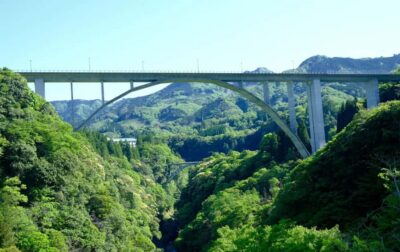
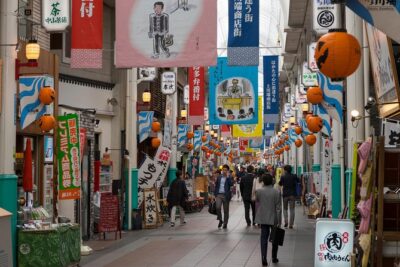
Private Fukuoka Tour with a Local, Highlights & Hidden Gems 100% Personalised
Read our review →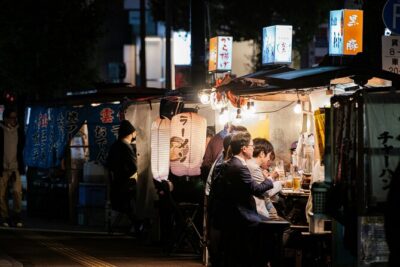
Fukuoka Your Way: 100% Customisable Private Tour with Local Guide
Read our review →
Day Tour to Miyazaki Takachiho Gorge & Shrine depart from Fukuoka
Read our review →
Fukuoka Full-Day Private Tour with Government Licensed Guide
Read our review →
Nakasu Food Stall Private Guided Tour with Tastings
Read our review →
Fukuoka Private and Personalized Walking Tour with a Local
Read our review →Browse the lists this tour appears in