
Reviewed · KAGOSHIMA TOURS
Kagoshima Nature and Food Culture Private Tour
Kagoshima’s food culture makes the most sense when you follow it back to the source: Sakurajima’s volcanic soil, Kinko Bay, local farms, and the people who turn regional ingredients into food, drink, and tableware. This day brings all of those pieces together, with a ferry ride, a farm visit, shochu blending, and a stop at a pottery shop.
I like the direct contact with local life, especially the chance to sit near the fields with tea, snacks, and conversation. I also like that the shochu stop is hands-on: you do not just hear about Kagoshima’s famous spirit, you create a blend to take home. The main drawback is the price, $534.77 per person, and the long day includes plenty of driving.
Key points to know before booking
- Sakurajima farming: Visit a working farm at the foot of an active volcano and learn how volcanic ash, drainage, and local conditions shape cultivation.
- Farm conversation and refreshments: Time at the farm may include tea, sweets, bread, and fresh produce in an open-air setting or indoor cafe.
- Shochu blending: At Wakashio Shuzo, create your own blend and take home one 720 ml bottle per person, subject to alcohol-import rules.
- Private transport: Your group travels by private vehicle, but some activities may be shared with other customers.
- Satsuma ware: Finish with a direct-sales shop beside a pottery studio, a useful stop if you want tableware tied to Kagoshima’s food traditions.
- Long travel day: The scheduled stops total about three and a half hours. The remaining time is used for transportation, including the ferry crossing and road travel.
Why this tour works as a food culture day
Many food tours stay at the table. This one asks you to look at the ground under the table, the farm that supplies it, the distillery that fills the cup, and the pottery that holds the meal. That wider view is the real reason to choose it.
Kagoshima’s setting helps explain the route. Sakurajima and the Kirishima Mountains have supplied volcanic ash that creates well-drained soil. The prefecture also has access to the waters of Kinko Bay, and Kagoshima’s position as a maritime trade hub brought outside crops, techniques, and customs into the region over time.
You will not spend nine hours eating. Lunch is not included, and the day is built more around conversation, observation, and tasting than around a long restaurant meal. If your idea of a food tour means several large courses, this may feel light. If you want to understand how local food is produced and presented, the format makes good sense.
The tour begins at 8:50 am at the Tourist Information Center in Kagoshima Chuo Station’s East Exit Station Square. It ends back there after about nine hours. That central start and finish are useful if you are staying in Kagoshima City and want a full day away from the usual city sights.
More food tours in Kagoshima:
- Tokyo: Shinjuku Food Tour (13 Dishes at 4 Local Eateries)
★ 5.0 · 6,603 reviews - Tokyo Tsukiji Fish Market Food and Culture Walking Tour
★ 5.0 · 3,184 reviews - Osaka: Shinsekai Food Tour with 13-15 Dishes at 5 Eateries
★ 4.8 · 2,204 reviews
Crossing to Sakurajima by ferry
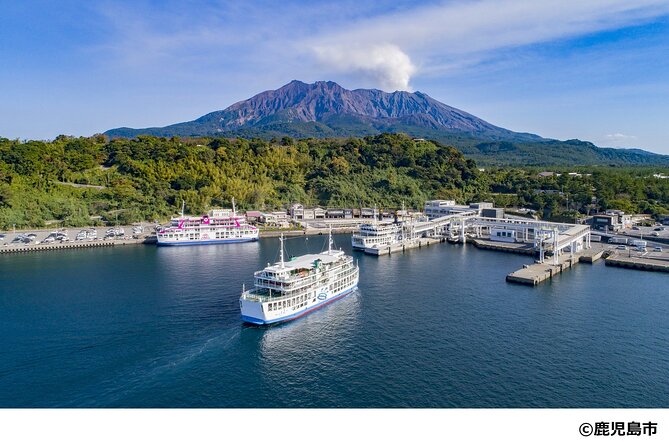
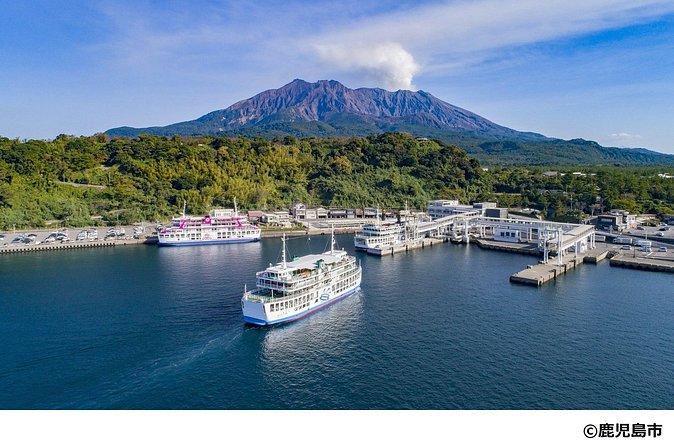
The first step is reaching the Sakurajima Ferry Terminal and boarding for Sakurajima. The ferry ride is short, listed at about 20 minutes, but it gives the day an important change of pace. You move from the station and city streets onto the water, with the bay and volcanic island setting the tone for the rest of the experience.
The ferry is not presented as a separate sightseeing cruise, so keep your expectations practical. It is transportation with a view, not a narrated boat tour. Still, it is a pleasant way to begin, and the crossing helps you see why Kagoshima’s food traditions are linked to both land and sea.
Transport costs are included, and you do not need to arrange the ferry yourself. Your guide handles the day’s movement, which matters because the route covers several places outside central Kagoshima.
At the foot of Sakurajima’s giant radish fields
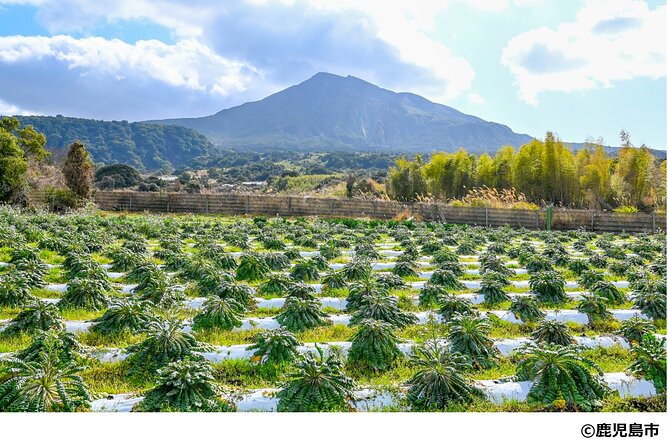
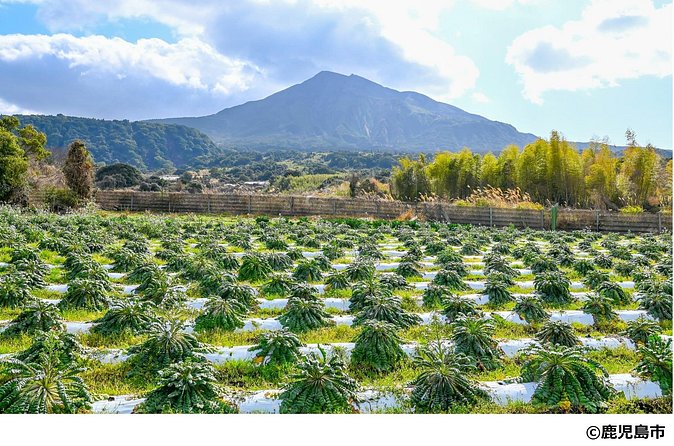
Farmland Sakurajima is the most distinctive stop. It is a farm at the foot of an active volcano, and its work reflects the effort to live with the area’s natural conditions rather than ignore them. The farm uses a regional circular farming method that makes use of the surrounding environment.
The focus includes Sakurajima daikon, the famous large radish associated with the island. You can learn how crops are grown, how volcanic soil affects farming, and what can be made from local produce. The visit is listed at about one hour, but the value comes from the human exchange rather than the clock.
This is where the tour feels most personal. Time may be spent sitting near the fields with warm tea, sweets, or bread while talking about agriculture and daily life. You may also encounter farm products such as mandarins and radish-based foods. Some of the tasting details can vary, so think of them as part of the farm welcome rather than a fixed menu.
A particularly appealing feature is the chance to discuss farming with people connected to the land. The conversation can cover cultivation, organic vegetables, the uses of daikon, and the work involved in maintaining a farm in a volcanic setting. If your family has farming ties, or if you simply want more than a quick photo stop, this portion may be the heart of the day.
Weather can change the setting. In poor conditions, the activity may move to the indoor cafe on the property. That does not remove the farm connection, but it can reduce the time spent beside the fields. Bring sensible walking shoes and clothing suited to the weather, even though the visit is not described as a demanding hike.
Tarumizu Roadside Station and your lunch choice
The next stop is Tarumizu Yuttarikan, a roadside station in Tarumizu. The area became connected to Sakurajima after a major eruption, and the stop gives you a chance to see another part of the region shaped by volcanic change.
You have about 45 minutes here. This is the practical break in the day, and it is also your chance to buy lunch. Food is not included in the tour price, so you pay directly for anything you choose to eat.
That arrangement gives you some freedom, but not a full restaurant experience. Forty-five minutes is enough for a straightforward meal or a look at local products, yet you should not expect an extended lunch with a set menu. If you have dietary needs, plan ahead as much as possible, since no specific lunch offerings are provided in the tour details.
The stop also prevents the day from becoming too tightly scripted. After the farm conversation and before the distillery, you have a little time to choose your own food and reset. I would budget for lunch and perhaps a small purchase here, but avoid bringing a large suitcase. Suitcases cannot be taken on the tour, so leave them at your hotel or in a station locker before meeting the guide.
Same base, a completely different sort of day:
- Sakurajima Century Lava Climb Journey with E-bike
★ 5.0 · 54 reviews - Discover the Wonders of Sakurajima Half Day Tour in Kagoshima
★ 5.0 · 34 reviews - Kagoshima Private & Custom Tour with Licensed Guide and Vehicle
★ 5.0 · 29 reviews - Sakurajima Century Lava Climb Journey with E-bike
★ 4.9 · 27 reviews
Blending shochu at Wakashio Shuzo
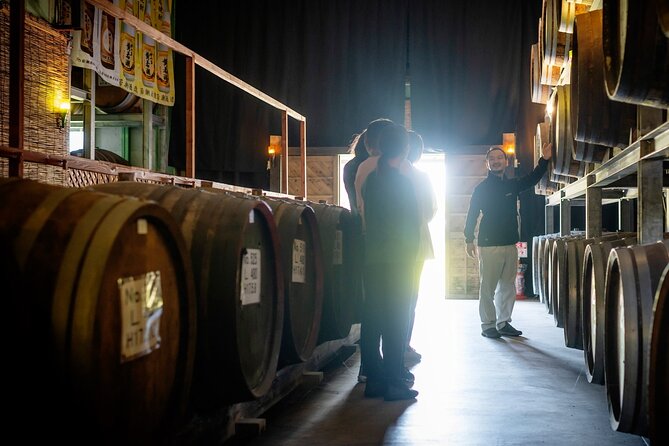
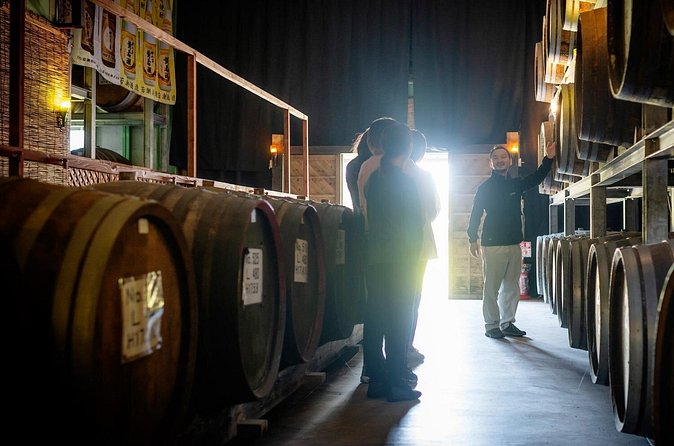
Kagoshima is widely associated with shochu, and Wakashio Shuzo gives you the day’s most active cultural experience. The prefecture has more than 100 breweries and over 2,000 brands, so one distillery cannot represent every style. It can, however, show you why shochu matters here and how the drink is produced and preserved.
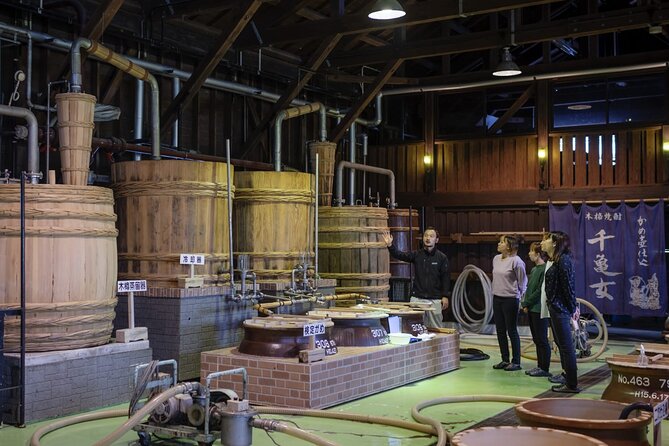
The visit lasts about one hour. You can learn about the production process, different types of alcohol, and the way alcohol is stored. The hands-on part is the blend-making session, where you create an original shochu mixture.
You receive one 720 ml bottle per person to take home. That is a real advantage over a tasting that disappears before you leave. Pack it carefully, and check the rules of your destination country before flying. Alcohol allowances and import restrictions vary, and the tour provider does not control those regulations.
The blending activity is likely to appeal to curious drinkers more than to people who only want a quick sample. You can ask questions and leave with a better sense of how a local spirit moves from regional ingredients to a finished bottle. The experience is also suitable for someone who is interested in Japanese culture but does not know much about sake or shochu, since the visit covers basic distinctions between types of alcohol.
Keep in mind that the distillery visit is shared with other customers even though your transportation is private. Your group has its own vehicle, but the activity itself may not feel like a completely private appointment. That distinction is worth noting when you compare this tour with a fully private food guide or a custom distillery visit.
Choosing Satsuma ware at Ryumonjiyaki Pottery
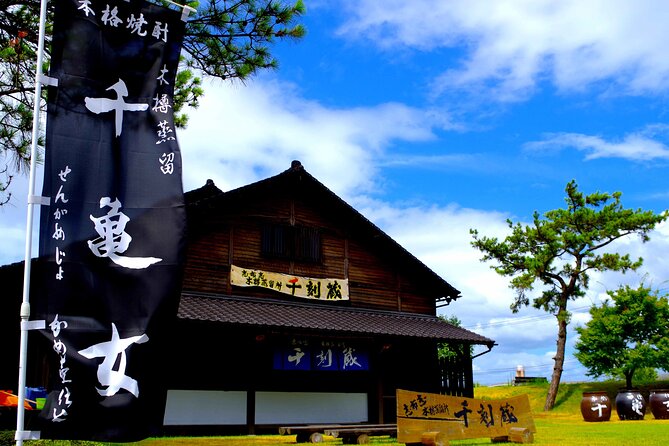
The final stop is Ryumonjiyaki Pottery, a direct-sales shop beside a pottery studio. Kagoshima is known for Satsuma ware, and this visit connects the day’s food theme with the objects used to serve it.
The stop is short, about 20 minutes. You will not have time for a long pottery lesson or an extended studio visit. Instead, you can look at tableware made for food and consider buying a piece to take home.
That short visit works best as a closing note rather than a major attraction. After seeing crops grow and shochu being made, you get to think about presentation and use. A bowl, cup, or serving piece can be a more lasting reminder of the region than a generic souvenir.
The shop is also a sensible place to learn about the two broad types of Satsuma ware mentioned in the tour description. The exact shopping selection can change, so do not book this expecting a guaranteed item or a particular design. If you enjoy ceramics, you may wish the stop lasted longer. If pottery is not your main interest, 20 minutes is enough.
The value of $534.77 per person
At $534.77 per person, this is an expensive day. The cost includes a national government licensed English guide interpreter, admission and experience fees, transportation, and the private vehicle for your group. It does not include lunch or personal purchases.
The price makes the most sense for a small group that wants a structured day beyond Kagoshima City and would otherwise need to arrange several connections, ferry travel, and visits independently. The guide also gives context to the farm, distillery, and pottery stops, which is hard to reproduce with a quick taxi ride and a translation app.
Still, you should compare the cost with your group size and interests. A couple may find the per-person price difficult to justify, especially if they are mainly interested in seeing Sakurajima or buying shochu. A family or private group that values door-to-door transport and an English-speaking guide may find the convenience more worthwhile.
Remember that the paid schedule includes long travel periods. The stops themselves total about three hours and 30 minutes, while the full experience lasts roughly nine hours. That is not a flaw in itself, since the destinations are spread out, but it means this is a road-based regional tour, not nine hours of continuous activities.
Who will enjoy this day most
I would recommend this experience to you if you enjoy meeting local producers, asking questions, and seeing how a region’s food culture is made. It suits people who want a slower, more human look at Kagoshima rather than a checklist of famous viewpoints.
It is also a good fit for:
- Couples or families who want private transportation for a full day
- Visitors interested in agriculture, organic produce, or regional cooking
- Shochu drinkers who want to blend and take home a bottle
- People who enjoy Japanese ceramics and practical souvenirs
- First-time visitors who prefer an English-speaking guide to manage the route
I would think twice if you want a large lunch included, a full day of sightseeing in central Kagoshima, or a long pottery workshop. The day asks for patience during road travel, and some of the stops may share activities with other customers.
Most travelers can participate, but the tour has clear rules for children. Children up to age five may join free, but no vehicle seat or activity is provided at that rate. If you need either one, book the child rate. Anyone under 18 needs written parental permission, and anyone under 15 or not yet in middle school must be accompanied by a parent or guardian.
Practical planning for the nine-hour route
Meet at 8:50 am at the Kagoshima Chuo Station East Exit Station Square Tourist Information Center, 37-1 Chuocho. You must join at the specified meeting point, and you cannot join partway through the day.
Wear comfortable clothes and shoes suitable for a farm setting. The visit is not described as strenuous, but outdoor conditions, weather, and uneven ground can affect comfort. If rain moves the farm activity indoors, the day still continues, but the feel of that stop will change.
Bring money or a payment card for lunch and shopping. Your shochu bottle is included as part of the blending activity, while pottery, roadside-station purchases, and other extras are not.
The order of stops and arrival times may change because of road conditions and congestion. That flexibility is normal for a route crossing by ferry and traveling around the bay, but you should avoid scheduling a tight evening commitment immediately afterward.
Free cancellation is available if you cancel at least 24 hours before the local start time. Changes or cancellations inside that window are not accepted for a refund. Confirmation is sent within 48 hours of booking, subject to availability, so do not assume the reservation is final until it arrives.
Should you book the Kagoshima Nature and Food Culture Private Tour?
Book it if you want to connect Kagoshima’s ingredients, farming, spirits, and ceramics in one carefully arranged day. The farm visit, relaxed tea conversation, and custom shochu bottle give the experience a personal edge that a standard sightseeing loop often misses.
The strongest parts are the agricultural setting at Sakurajima and the blending session at Wakashio Shuzo. The weakest point is the price, especially once you add lunch and shopping, plus the fact that much of the nine-hour day is spent traveling.
For an independent visitor focused on volcano views, this is probably more than you need. For a small group that values local conversation, private transport, and hands-on food culture, it offers a clear and unusual way to see the area beyond the city.
FAQ
Where does the Kagoshima Nature and Food Culture Private Tour start?
It starts at 8:50 am at the Tourist Information Center in Kagoshima Chuo Station’s East Exit Station Square, located at 37-1 Chuocho, Kagoshima, 890-0053.
Where does the tour end?
The tour ends back at the original meeting point at Kagoshima Chuo Station.
Is lunch included?
No. You can have lunch at Tarumizu Yuttarikan Roadside Station, but you pay for it separately.
Can I take home the shochu I make?
Yes. Each customer may take home one 720 ml bottle made during the blending experience. Alcohol-import rules differ by country, so check the regulations for your destination.
Is transportation private?
Transportation is by private vehicle for each group. Some individual activities may be shared with other customers.
Can children join the tour?
Children up to five years old may join free, but that rate does not include a vehicle seat or activity participation. If either is needed, book the child rate. Written parental permission is required for participants under 18, and those under 15 or not yet in middle school must join with a parent or guardian.
Just added around Kagoshima
- Port Pick-Up: Kagoshima Private Tour Licensed Guide & Vehicle★ 4.5 · 22 reviews
- Kagoshima Full-Day Private Tour with Government-Licensed Guide★ 5.0 · 21 reviews
- Kagoshima Highlights Private Tour, Sakurajima Volcano and more★ 5.0 · 20 reviews
- Kayaking in Anbo River★ 5.0 · 19 reviews
- Kagoshima: Ibusuki City and Mount Kaimon Dake Tour★ 5.0 · 14 reviews
- Kagoshima-city Sightseeing spot Private Tour★ 5.0 · 16 reviews
- Experience the blessings of volcanoes in Kagoshima, Kyushu★ 4.9 · 13 reviews
- Discover the Wonder of Sakurajima Half Day Tour in Kagoshima★ 4.8 · 24 reviews
Kagoshima Tours, compared.
Sakurajima Century Lava Climb Journey with E-bike
Read our review →
Discover the Wonders of Sakurajima Half Day Tour in Kagoshima
Read our review →
Kagoshima Private & Custom Tour with Licensed Guide and Vehicle
Read our review →Sakurajima Century Lava Climb Journey with E-bike
Read our review →
Discover the Wonder of Sakurajima Half Day Tour in Kagoshima
Read our review →
Port Pick-Up: Kagoshima Private Tour Licensed Guide & Vehicle
Read our review →
Kagoshima Full-Day Private Tour with Government-Licensed Guide
Read our review →
Kagoshima Highlights Private Tour, Sakurajima Volcano and more
Read our review →Browse the lists this tour appears in