
Reviewed · KAGOSHIMA TOURS
Kagoshima Full-Day Private Tour with Government-Licensed Guide
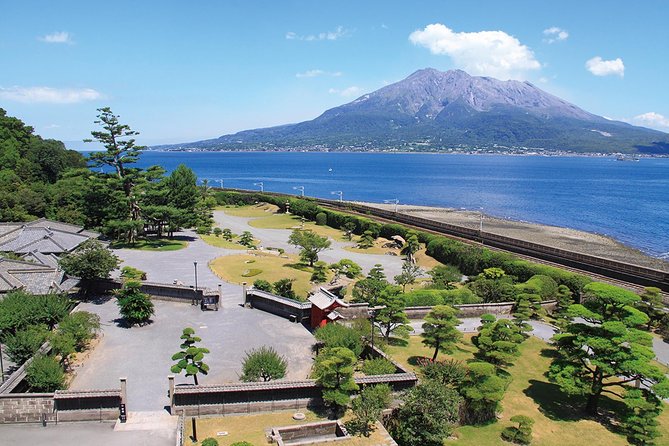
Kagoshima’s great appeal is that a smoking volcano sits just offshore, while samurai-era gardens, shrines, castle ruins, and Meiji Restoration sites fill the city behind it. This private tour lets you choose three or four stops, so you can build a day around Sakurajima, local history, gardens, or religious sites instead of following a fixed route.
I like the personal attention and the chance to shape the day around your interests. I also like that an English-speaking, government-licensed local guide can connect places such as Senganen Garden, Shiroyama, and the Shimazu clan to the larger story of Kagoshima. The main catch is cost control: transport, admission, lunch, and personal expenses are extra, and getting to Sakurajima can add a sizeable taxi or ferry bill.
Key points to know before booking
- Choose three or four sights: You can focus on volcano views, samurai history, gardens, museums, or shrines.
- Sakurajima is not a simple add-on: Ferry, taxi, and other transport costs are not included.
- Six hours goes quickly: A volcano visit plus several city sights may feel rushed.
- Private means genuinely private: Only your group takes part, with no combining of separate bookings.
- Pickup is on foot: You meet the guide within a designated Kagoshima area rather than receiving private vehicle pickup.
- Guide quality is a major strength: Past guides have included Tachi, Kiyoko, Jiejie, and Seizo Kamiuto.
A flexible way to see Kagoshima in six hours
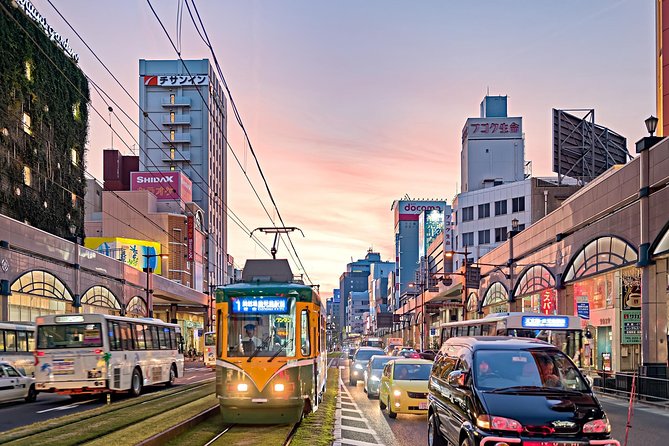
This is best understood as a custom city orientation rather than a conventional full-day bus tour. You meet your licensed local English-speaking guide on foot, discuss your priorities, then visit three or four places from the available menu.
That flexibility matters in Kagoshima. You may arrive wanting the volcano above all else, or you may care more about the Shimazu family, Christian history, Japanese gardens, or the political changes that created modern Japan. The guide can adjust the balance, though the tour still lasts about six hours.
I would settle the order of stops before the morning begins. If Sakurajima is essential, say so clearly, then ask how the ferry, taxi, or local transport will affect the remaining time and price. If you prefer a slower city day, use the hours for Senganen Garden, Shiroyama, Terukuni Shrine, and a museum.
The private format is particularly useful for families or small groups with different interests. You can ask for more explanation at a shrine, move on from a museum when you have had enough, or spend extra time at a viewpoint if the weather is good.
More licensed-guide days in Kagoshima:
- Kagoshima Private & Custom Tour with Licensed Guide and Vehicle
★ 5.0 · 29 reviews - Port Pick-Up: Kagoshima Private Tour Licensed Guide & Vehicle
★ 4.5 · 22 reviews - Tokyo 6hr Private Tour with Government-Licensed Guide
★ 5.0 · 3,902 reviews
Sakurajima: the volcano that shapes the whole city
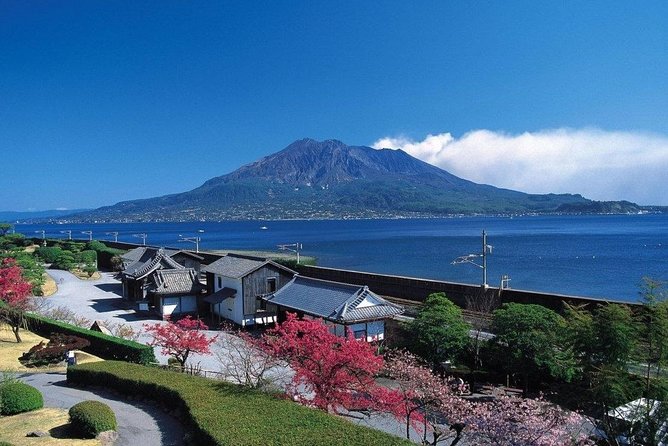
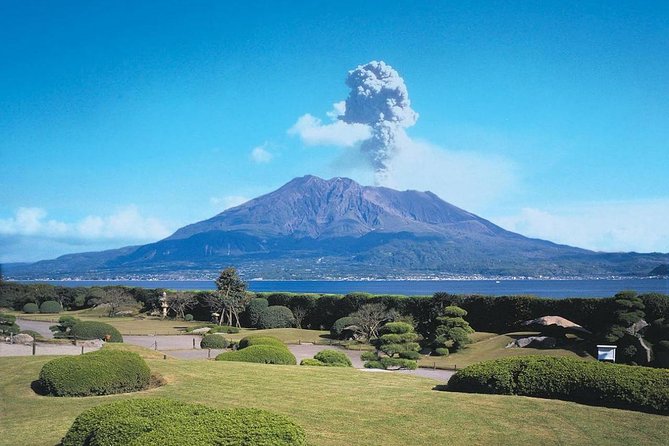
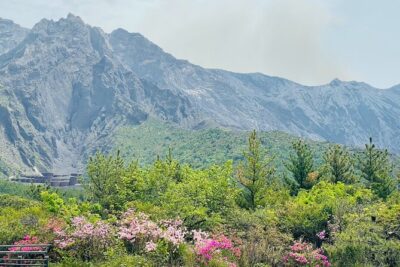
Sakurajima is Kagoshima’s defining sight and one of Japan’s most active volcanoes. Smoke rises from it constantly, and small eruptions can happen several times a day. Even from the city, the volcano gives Kagoshima a sense of place that few Japanese cities can match.
A visit can include views from the island and the Yunohira Observatory, the closest point to the crater available to the public. Do not book this expecting to walk into the crater area. The volcano is viewed from designated outlooks, and the experience is about scale, smoke, and the strange calm of an active mountain.
The practical issue is transport. Private vehicle service is not included. You may need a ferry, taxi, or other local transport, and the cost can rise quickly if you need a car on the island. One past party found its transport expense more than tripled the basic tour cost after arranging a car and ferry.
That does not make Sakurajima a poor choice. It means you should treat it as one of your main four-hour or half-day priorities, not something to squeeze in casually between several downtown stops. A lucky taxi connection once allowed a guide and party to spend extra time at Yunohira Observatory, but you should not count on that kind of timing.
The volcano is a strong choice for a first visit, especially if you want a memorable natural feature rather than a long museum stop. It is a weaker choice if your budget is tight or you want to see many central Kagoshima sites on foot.
Senganen Garden and the Shimazu family
Senganen Garden, also called Isoteien, sits along the coast north of central Kagoshima. This Japanese-style garden is known for its views toward Sakurajima and for the way its design uses the surrounding scenery.
The garden is also a useful place to understand the Shimazu clan, the powerful family that shaped Kagoshima during the Edo period and beyond. A guide adds real value here because the site is not only about clipped trees, ponds, paths, and a traditional residence. It also shows how an elite household used architecture and scenery to express status and connection to the region.
Past tours have included a traditional Japanese home, garden grounds, and a glassmaking shop. The glassmaking stop is not guaranteed, so ask if it matters to you when you discuss the itinerary.
I would give Senganen generous time. Rushing through it to reach one more minor stop would weaken the experience. The garden works well for first-time visitors because it combines scenery, architecture, family history, and volcano views in one place.
Admission is extra for you. Guide entry fees are covered only for sights listed in the tour’s expected-sights menu, so confirm the details before setting the final plan.
Reimeikan Museum for a wider view of local history
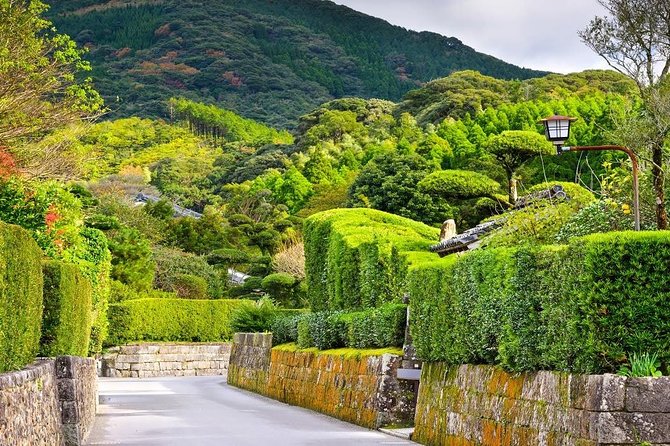
The Reimeikan Museum focuses on Kagoshima’s local history and culture. Its three floors cover the area from ancient times through the modern period, making it a useful choice if you want more context than a guide can provide during outdoor visits.
I would choose Reimeikan if you enjoy objects, displays, and a chronological explanation of the region. It can help connect the Shimazu era, local traditions, and the changes that came with the Meiji period.
The tradeoff is time. A museum visit asks you to spend part of a short private tour indoors, so it may not suit you if volcano views and gardens are your top goals. Tell the guide how much museum time you want rather than assuming the stop will be brief.
A few more Kagoshima half-days to weigh up
- From Tokyo: Mount Fuji Full-Day Sightseeing Trip
★ 4.5 · 4,970 reviews - Mount Fuji Full-Day Private Tour from Tokyo (Customizable)
★ 4.9 · 1,470 reviews - Hiroshima / Miyajima Full-day Private Tour with Government Licensed Guide
★ 5.0 · 1,298 reviews - Tokyo Private Full-Day Tour by Car or Van
★ 5.0 · 684 reviews
Shiroyama Park and the city view
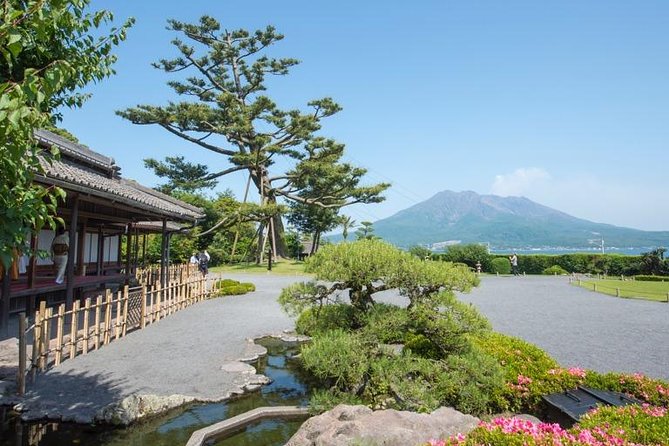
Shiroyama Park covers Mount Shiroyama in central Kagoshima. The hill rises 107 meters and once served as a castle fortification site. Its elevated position gives you a different view of the city and the surrounding area.
This is a good stop for anyone who wants to connect scenery with the final chapter of the samurai age. The park is not simply a lookout. Its location helps explain Kagoshima’s military and political importance, and it pairs naturally with Kagoshima Castle ruins and the Meiji Restoration Museum.
The walking aspect deserves attention. This is a walking tour, and the meeting point is reached on foot. The tour does not include private transportation, so ask how much walking and public transport the chosen route will involve.
Terukuni Shrine, Saigo Takamori, and the castle ruins
Terukuni Shrine lies at the foot of Shiroyama and honors Shimazu Nariakira, the 28th head of the Shimazu clan. Its large scale makes an immediate impression, even if you are not deeply interested in religious architecture.
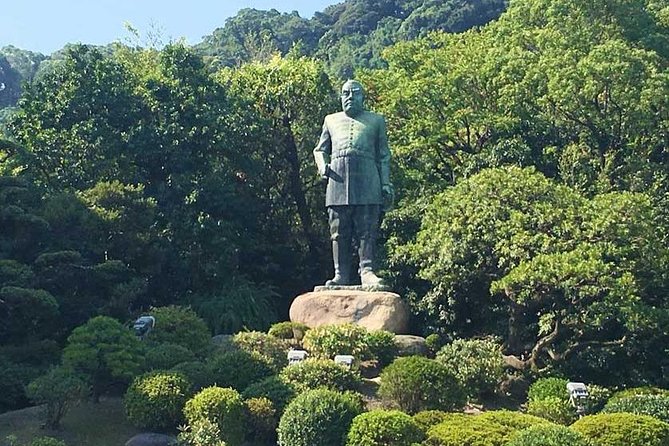
From there, the Statue of Saigo Takamori is about a 10-minute walk away. Saigo was a major figure in the movement that helped bring Japan into the modern age. The statue gives your guide a natural opening to explain the tension between old samurai loyalties and the new government.
Kagoshima Castle, also called the Tsurumaru Castle Ruins, adds another layer. The castle was built in 1602 and burned in 1873. You will not find a fully preserved castle complex here, so set your expectations accordingly. The value lies in the site itself and in the story of how Kagoshima changed.
These three stops fit together well. You can see a major shrine, walk to a key public statue, and then consider the political world that surrounded the former castle. They are especially worthwhile if you prefer an active city walk to a long indoor visit.
Ishibashi Park and the story of stone bridges
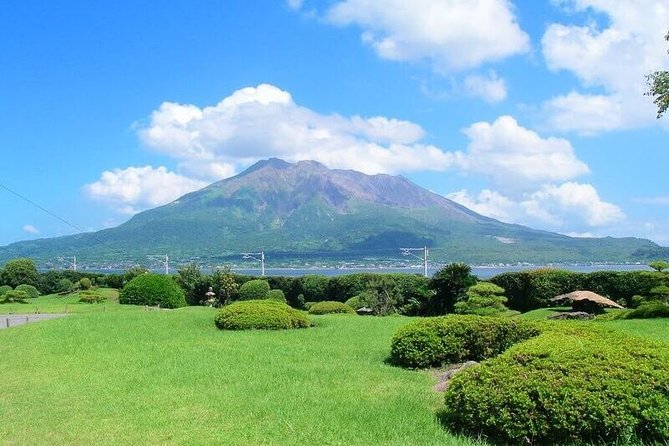
Ishibashi Park contains Ishibashi Memorial Hall, a museum devoted to the stone bridges built during the Edo period and the techniques used to construct them.
This is a more specialized choice than Senganen or Sakurajima. It suits you if you enjoy engineering, public works, and the practical side of Japanese history. It also offers a change of pace from shrines, gardens, and major political figures.
With only six hours, I would choose Ishibashi Park because the subject genuinely interests you, not simply because it is nearby. A private guide can explain why the bridges mattered, but the stop may feel too narrow if you are looking for Kagoshima’s broadest introduction.
The Xavier connection and the Meiji Restoration
The tour menu also includes sites connected with Francisco Xavier, the Jesuit monk who came to Japan in 1549 and is said to have lived in Kagoshima for nearly a year. This gives you a look at the city’s early contact with Christianity and foreign culture.
Another possible focus is the Museum of the Meiji Restoration. In 1868, the Tokugawa Shogunate, which had ruled Japan for more than 250 years, fell and the Meiji Government took shape. Kagoshima played an important role in the people and events that pushed Japan into this new era.
These subjects can be rewarding with a guide because the names and dates are easier to follow when tied to actual places. They also help explain why Kagoshima appears so often in accounts of Japan’s move from feudal rule to a modern state.
You will need to choose carefully. A day built around Xavier, Meiji history, the castle, and Shiroyama will feel very different from one built around Sakurajima and Senganen Garden.
What the guides add to the day
The guide roster varies, so you cannot request a particular person unless the operator confirms it. Past tours have been led by Tachi, Kiyoko, Jiejie, and Seizo Kamiuto.
The strongest pattern is personal service. Guides have met parties with a name sign, adjusted plans around port schedules, and shaped the day for couples, families, and first-time visitors. Kiyoko has led tours that combined Senganen, Sakurajima, Shiroyama, and downtown stops, while Tachi has worked around ferry and taxi timing.
English ability can vary by guide, but several past accounts specifically praised clear English and detailed explanations. If history is your priority, say that when booking or in your pre-tour messages. If you want less talk and more walking, say that too.
A private guide is most useful when you ask questions. Do not be shy about stopping to clarify the Shimazu family tree, the Meiji changes, or the purpose of a shrine. The tour’s value comes less from checking off four locations than from making those places understandable.
Price, extra costs, and real value
The listed price is $154.37 per person. That is not the final cost because transport, entrance fees, lunch, and personal spending are excluded.
For a small group, the price can be fair. You are paying for a private licensed guide and a plan built around your group, rather than joining a large fixed excursion. Group discounts may also be available, so compare the per-person cost for your party.
The value is strongest if you are visiting Kagoshima for the first time, have limited time, or want help making sense of local history. It is weaker if you are happy using public transport, reading independently, and choosing only free city sights.
Sakurajima is the main budget warning. Ferry and car or taxi costs can add substantially to the basic price. Ask for a transport estimate before confirming an itinerary that includes the island.
Who should book this Kagoshima tour
I would recommend it to first-time visitors who want a human introduction to the city and do not want to spend their limited time working out routes. It also suits cruise or port visitors, since a guide can work around your available hours.
Families may appreciate the ability to change pace and skip places that are not holding anyone’s attention. Couples and small groups can build a day around gardens, shrines, and volcano views without waiting for strangers.
I would think twice if you want a true vehicle tour, since pickup is on foot and private transportation is not provided. I would also look elsewhere if you need a guaranteed crater experience. Sakurajima offers viewpoints, not access inside the crater.
Free cancellation is available if you cancel at least 24 hours before the start time. Changes made inside that period are not accepted, and the cancellation cut-off uses Kagoshima local time.
My booking advice
Book this tour if your main goal is to understand Kagoshima rather than simply collect photographs. Before you pay, send a clear wish list with your top two priorities, then ask how the guide would use the remaining time.
For most first visits, I would compare two plans. One combines Senganen Garden, Sakurajima, and one or two central historical sites. The other stays in town with Shiroyama, Terukuni Shrine, the castle ruins, and a museum. The first offers more scenery but higher transport costs. The second is easier to manage on foot and gives you more historical depth.
FAQ
How long does the tour last?
The experience lasts approximately six hours.
Is the tour private?
Yes. Only your group participates, and separate tour groups cannot be combined.
How many sights can I choose?
You can select three or four attractions from the available list.
Is transportation included?
No. Transportation fees and private transportation are not included. The tour is a walking tour, and you meet the guide on foot within the designated Kagoshima area.
Are entrance fees included?
Your entrance fees are not included. Guide entry fees are covered only for sights listed under the expected-sights section.
Can I visit Sakurajima?
Yes, Sakurajima is one of the possible stops. Ferry, taxi, car, and other transport costs are extra, and the tour provides viewing points rather than access inside the crater.
Is an English-speaking guide provided?
Yes. The tour includes a licensed local English-speaking guide.
What is the cancellation policy?
You receive a full refund if you cancel at least 24 hours before the experience start time. Cancellations or changes made less than 24 hours before the start are not accepted for a refund.
Just added around Kagoshima
- Kagoshima Nature and Food Culture Private Tour★ 5.0 · 15 reviews
- Port Pick-Up: Kagoshima Private Tour Licensed Guide & Vehicle★ 4.5 · 22 reviews
- Kagoshima Highlights Private Tour, Sakurajima Volcano and more★ 5.0 · 20 reviews
- Kayaking in Anbo River★ 5.0 · 19 reviews
- Kagoshima: Ibusuki City and Mount Kaimon Dake Tour★ 5.0 · 14 reviews
- Kagoshima-city Sightseeing spot Private Tour★ 5.0 · 16 reviews
- Experience the blessings of volcanoes in Kagoshima, Kyushu★ 4.9 · 13 reviews
- Discover the Wonder of Sakurajima Half Day Tour in Kagoshima★ 4.8 · 24 reviews
Kagoshima Tours, compared.
Sakurajima Century Lava Climb Journey with E-bike
Read our review →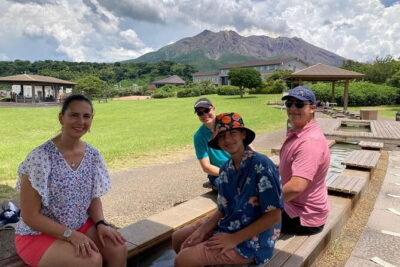
Discover the Wonders of Sakurajima Half Day Tour in Kagoshima
Read our review →
Kagoshima Private & Custom Tour with Licensed Guide and Vehicle
Read our review →Sakurajima Century Lava Climb Journey with E-bike
Read our review →
Discover the Wonder of Sakurajima Half Day Tour in Kagoshima
Read our review →
Port Pick-Up: Kagoshima Private Tour Licensed Guide & Vehicle
Read our review →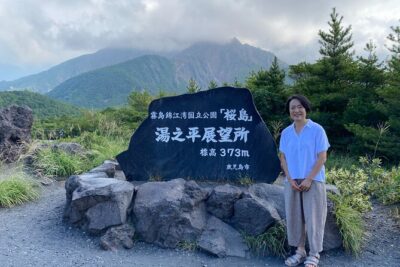
Kagoshima Highlights Private Tour, Sakurajima Volcano and more
Read our review →
Browse the lists this tour appears in