
Reviewed · HIROSHIMA TOURS
Hiroshima / Miyajima Full-day Private Tour with Government Licensed Guide
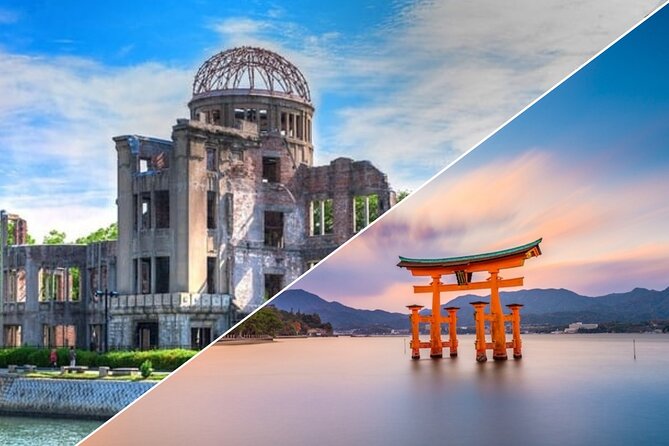
Hiroshima’s Peace Memorial Park and Miyajima’s floating torii gate make a powerful pair: one asks you to face the past, the other gives you an island of temples, deer, sea views, and old streets. This private tour links both in one carefully managed day, using local trains, trams, and the ferry rather than a private car.
I like the freedom to choose three or four main sights, and I like having a local guide handle the complicated public transport between Hiroshima and Miyajima. Guides such as Sei, Yuji, Minori, Emmy, Lisa, and Mari have been praised for clear explanations, personal stories, good timing, and help with meals or reservations. The main drawback is that transport, ferry rides, admissions, lunch, and the ¥100 Miyajima visitor tax are extra, and eight hours on foot can be tiring.
Key points to know before booking
- You choose the focus: Build the day around memorial sites, gardens, castles, shrines, or Miyajima views.
- The tour uses public transport: Expect walking, trams or trains, and a ferry, not a private vehicle.
- The Peace Memorial area needs quiet attention: The museum and park are moving, serious stops rather than quick photo calls.
- Miyajima adds a completely different mood: Itsukushima Shrine, the torii gate, deer, pagodas, and sea views balance the city’s memorial sites.
- Guides can make a major difference: Sei, Yuji, Minori, Emmy, Lisa, Mari, and others are noted for preparation and personal care.
- Plan your extra costs: Admissions, transport, ferry tickets, lunch, and the cash-only visitor tax are not included.
What this private Hiroshima day is really like
This is not a coach tour with a fixed route and a guide speaking through a microphone. You meet your licensed local English-speaking guide in Hiroshima and spend the day moving around on foot and by public transportation. Only your own group joins, so the pace and subject matter can be adjusted.
The standard plan is about eight hours, changed from seven hours for bookings made from November 6, 2024 onward. The available stops suggest a full menu of choices: Peace Memorial Museum, Hiroshima Castle, Shukkeien Garden, Itsukushima Shrine, and Tenshinkaku on Miyajima. In practice, you select three or four sites, so do not expect to cover every listed place in detail.
That flexibility is useful. You might want a serious morning at the Peace Memorial Museum, then spend the afternoon on Miyajima. Or you might prefer Hiroshima Castle and Shukkeien if you have already visited the museum. Families may want a gentler balance, while history-focused visitors may give more time to the memorial area.
The tradeoff is that customization requires honest planning. Hiroshima and Miyajima are close enough to combine, but not so close that you can linger everywhere. Tell the guide your priorities before the day begins.
More licensed-guide days in Hiroshima:
- Hiroshima City 4hr Private Walking Tour with Licensed Guide
★ 5.0 · 437 reviews - Hiroshima & Miyajima: Full-Day Private Tour & Licensed Guide
★ 4.8 · 252 reviews - Miyajima Half-day Private Tour with Government Licensed Guide
★ 5.0 · 184 reviews
Peace Memorial Park and Museum: the essential first stop
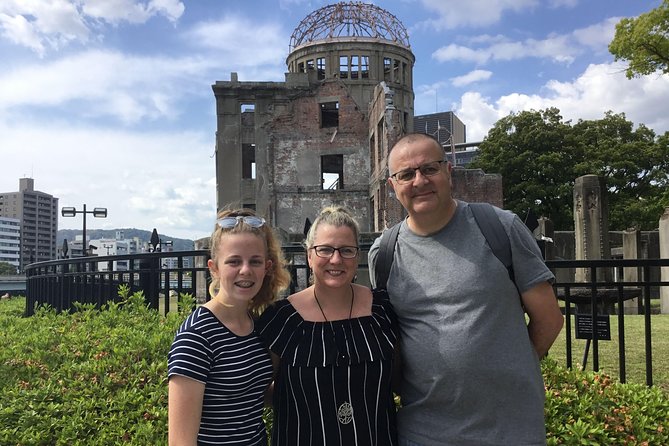
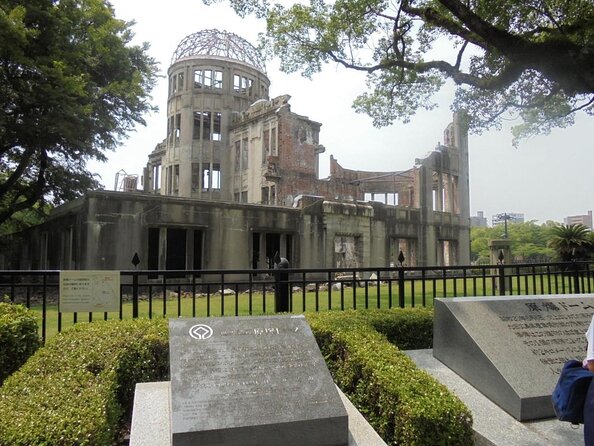
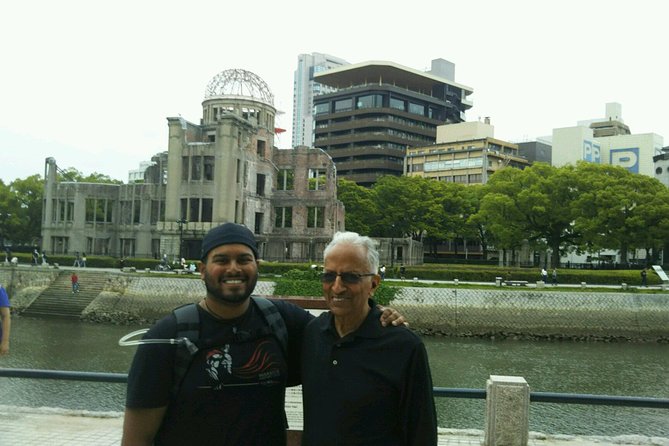
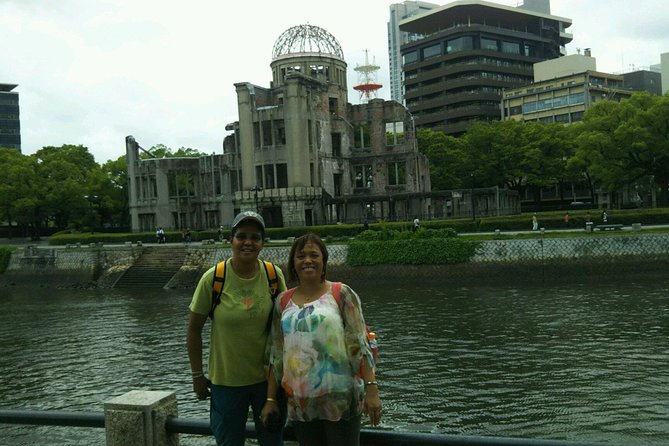
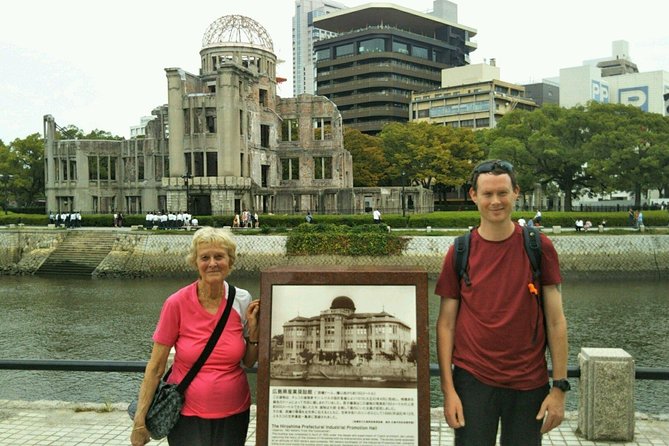
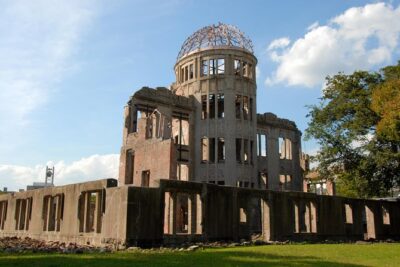
For most people, Hiroshima’s Peace Memorial Park is the emotional center of the day. The park covers more than 120,000 square meters, with paths, memorials, the Children’s Peace Monument, and the A-Bomb Dome. The dome is especially direct: its damaged structure remains as a physical reminder of the August 6, 1945 bombing.
The museum admission is not included, and the planned visit is about 90 minutes. That is enough for a serious introduction, though you may wish for more time if you read every display carefully. One practical warning: the museum can become very busy, and a tight schedule may force you to move on before you have seen everything.
This is where a guide earns the fee. A good guide gives you the historical setting before you enter, then helps explain what you are seeing without turning the visit into a lecture. Sei, for example, has shared a film about the bombing and its aftermath, while other guides have added family connections and local memories. You should not assume every guide offers the same film or personal story, but you can ask about the approach when booking.
The subject is painful. The best guides handle it with care and leave room for silence. You may also fold an origami crane during the day, as guides such as Lisa and others have taught visitors to do, then leave it near the Children’s Peace Monument. It is a small activity, but it gives younger visitors a thoughtful way to take part.
Hiroshima Castle and Shukkeien: a lighter side of the city
Hiroshima Castle offers a useful change of pace after the memorial park. Also called Carp Castle, it is a five-story castle in the center of the city, built on flat ground rather than on a hill. The site helps show Hiroshima as a feudal city before its modern destruction.
The planned stop is about 90 minutes, with admission extra. You can expect a cultural and historical visit rather than a grand original fortress experience. The castle has been rebuilt, so its value lies in its exhibits, setting, and place in the city’s story.
Shukkeien Garden gives you another 90-minute option. This formal Japanese garden is designated as a National Scenic Spot and is listed among Japan’s top 100 historical parks. Its ponds, bridges, paths, and carefully arranged views provide a quiet pause from the city streets.
I would not try to force both the castle and Shukkeien into a day that also includes a substantial Miyajima visit unless your group walks easily and is happy with short stops. Choose the garden if you want calm scenery and traditional design. Choose the castle if you want more context about Hiroshima before 1945.
The flexibility also allows unusual choices. One guide, Hayato, helped an art-focused group visit the Hiroshima Museum of Art, Orizuru Tower, wall art, and a project called 2045 Nine Hopes. Those places are not guaranteed parts of the standard route, but they show what a custom private day can do when you explain your interests clearly.
The journey to Miyajima is part of the tour
Getting to Miyajima is not a minor transfer. It is one of the practical reasons to hire a guide. You may use a tram or train and then a ferry, paying the fares as you go. The tour does not include transportation, and there is no private vehicle.
A guide keeps the group together, points out what to do next, and helps protect your limited time. This matters most if you are visiting from a cruise ship or making a day trip from Osaka by Shinkansen. Emmy has helped visitors choose trains, met them with a welcome sign, and planned the local connections. That kind of support can remove much of the day’s friction.
Still, allow for crowds and changing conditions. Miyajima is a popular destination, and ferry or shrine lines can affect your timing. Lisa has arranged advance reservations and watched the tide so her group could see the torii gate when it appeared to float. You should ask your guide in advance what can be reserved, since arrangements depend on the guide, site, and date.
The Miyajima visitor tax is ¥100 per person and cash only. Carry it separately so this small charge does not catch you unprepared.
A few more Hiroshima half-days to weigh up
- Full Day Hiroshima and Miyajima Bus Tour from Hiroshima
★ 4.5 · 371 reviews - Hiroshima & Miyajima: Private Full-Day Tour with a Local Guide
★ 5.0 · 39 reviews - Private Full Day Hiroshima Tour
★ 4.5 · 29 reviews - Hiroshima and Miyajima Full Day Private Tour
★ 4.5 · 19 reviews
Itsukushima Shrine and the floating torii gate
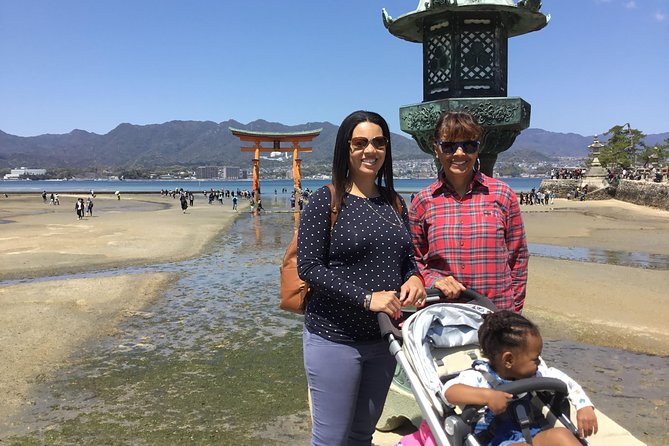
Itsukushima Shrine is Miyajima’s signature sight. At high tide, its large torii gate appears to float in the Seto Inland Sea. The effect changes with the tide, so the view is not identical all day. If the gate is a priority, share that before the tour so the route can be timed as well as possible.
The shrine admission is extra, and the suggested visit is about two hours. That allows time to look at the shrine buildings, absorb the setting, and walk through the surrounding area rather than simply photograph the gate and leave.
Miyajima has a spiritual side that deserves more than a quick stop. The island includes temples, shrines, pagodas, and Buddhist statues, including figures wearing red hats. Your guide can explain the customs and symbols that are easy to miss when you are moving alone.
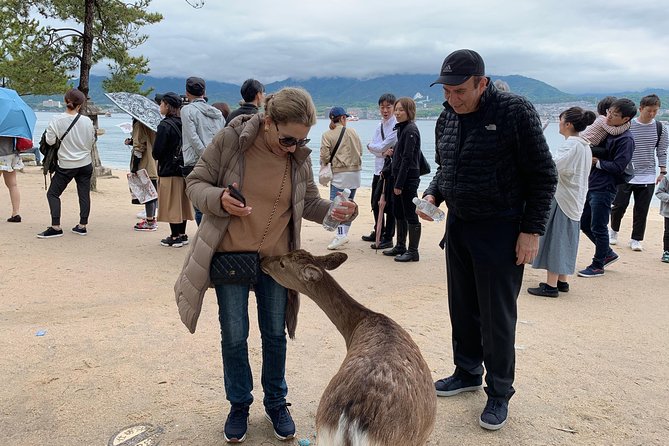
You will also encounter free-roaming deer. They are part of the island’s familiar character, but they can add unpredictability to a walk, especially for families with young children. Keep food and paper items secure and follow local guidance.
Tenshinkaku and the best reason to slow down
Tenshinkaku is described as an old Japanese house converted into a single-story café on a hill. The setting gives you views of Toyokuni Shrine, the five-story pagoda, and the Seto Inland Sea at once. The planned time is about 90 minutes, and any food or personal spending is extra.
This stop is less about checking off a famous monument and more about sitting down with a view. After the Peace Memorial Museum and the shrine, that pause can make the whole day feel more human. It is also a good choice if your group wants photographs and a quieter conversation.
The hill setting means this is not the easiest stop for every group. The tour is described as a walking experience, and one guide has adapted routes for a person with mobility challenges. Tell the operator about mobility needs before you go so the route can be adjusted where possible.
Guides are the heart of the experience
The strongest part of this tour is not a particular monument. It is the person walking beside you. The guide roster includes local English-speaking professionals with different personalities and interests, so your experience may vary by assignment.
Sei is noted for deep local context, strong communication, and an ability to keep families and larger groups on schedule. Yuji is praised for organization and thoughtful explanations. Minori is described as warm, prepared, and good at finding photo spots and answering questions. Emmy has helped with Shinkansen planning, vegan dining, and pre-tour communication.
Lisa is known for watching tide times, arranging advance tickets, and teaching paper-crane folding. Mari has been praised for careful historical explanations, strong English, and selecting a local restaurant. Other guides, including Naomi, Hayato, Nob, Kazuhisa To, Shuji, Hiroko, and Eiji, have also led days built around individual interests.
That range is encouraging, but it also means you should not book based on one particular guide unless the company confirms availability. If you have a serious interest in art, food, family history, photography, mobility, or the atomic bombing, state it clearly before the tour.
Food, walking, and the extra costs
Lunch is not included, which gives you freedom but requires planning. Some guides have taken groups to local restaurants, helped choose authentic Japanese dishes, or researched vegan options. Ask about lunch early in the day, especially if someone in your group has dietary needs.
The price is listed at $202.29 per person. That is a significant outlay once you add public transport, ferry tickets, admissions, food, and the Miyajima tax. Yet the value can be strong for a family or small private group that wants help with an emotionally difficult site and a complicated cross-city route.
You are paying for planning, interpretation, flexibility, and the ability to adjust the day around your interests. You are not paying for a car, meals, entrance tickets, or a fixed package of admissions. Compare the cost with the time you would spend researching train connections, ferry access, tide times, museum timing, and restaurant options.
The tour is best for people who want a full day and can walk for long periods. Most people can participate, and service animals are allowed, but this is not a vehicle-based sightseeing tour. Wear comfortable shoes and keep your schedule realistic.
Is eight hours enough for Hiroshima and Miyajima?
Yes, if you accept that this is an introduction rather than an exhaustive visit. A focused day can give you the Peace Memorial area, one or two Hiroshima sights, and a meaningful Miyajima visit. It cannot guarantee a long museum session, a relaxed shrine visit, a castle, a garden, a café, and every extra attraction.
If the museum matters most, put it first and do not rush through it. If Miyajima matters most, ask for enough island time and consider dropping Hiroshima Castle or Shukkeien. The private format helps because you can make that decision with the guide during the day.
Cruise passengers and people based in Osaka should pay particular attention to timing. The tour can work as a day trip, but train and ferry connections leave less room for delays. Tell the guide when you must be back, and avoid adding too many optional stops.
Who should book this tour?
I would recommend it to first-time visitors who want both Hiroshima’s memorial sites and Miyajima in one day. It also suits families with older children, couples who want local context, and small groups that dislike fixed sightseeing routes.
It is especially useful if you are uneasy about discussing the atomic bombing alone or if public transport in Japan feels intimidating. A careful guide can explain the history, help you move between sites, and keep the day from becoming a string of disconnected visits.
I would hesitate if you prefer to wander slowly, spend several hours in the museum, or avoid walking and public transport. Independent visitors with plenty of time can also arrange the main sights themselves for less money.
Should you book it?
Book this tour if your priority is a meaningful, well-organized first day that connects Hiroshima’s difficult past with Miyajima’s temples, sea views, and island life. The guide’s local insight is the main value, and the private format lets you shape the day.
Before booking, confirm the guide’s availability, explain your top three priorities, ask about lunch and advance reservations, and budget separately for transport, admissions, ferry fares, and the ¥100 cash-only tax. With those details settled, this is a strong choice for seeing the two places without spending your day lost between them.
FAQ
How long does the tour last?
The tour lasts approximately eight hours. Reservations made before November 6, 2024 remain seven-hour tours.
Is the tour private?
Yes. Only your group participates, and you cannot combine your group with another tour group.
Is hotel pickup included?
Pickup is offered on foot in Hiroshima. This is a walking tour, not a private vehicle tour.
Is transportation included in the price?
No. Public transportation fees and the ferry are paid separately on the day.
Are entrance tickets included?
Entrance fees are not generally included. Guide entry fees are covered only for sights listed under the tour’s expected stops.
What sights can I visit?
You can choose three or four sites from the available options, including the Hiroshima Peace Memorial Museum, Hiroshima Castle, Shukkeien Garden, Itsukushima Shrine, and Tenshinkaku.
Can I cancel for a full refund?
Yes, if you cancel at least 24 hours before the experience start time. Cancellations or changes made less than 24 hours in advance are not accepted for a refund.
Just added around Hiroshima
- The Peace Memorial to Miyajima : Icons of Peace and Beauty★ 4.5 · 31 reviews
- Shore Excursion from Hiroshima Port : Private Tour in Hiroshima★ 5.0 · 17 reviews
- Hiroshima Saijo Sake Tasting Tour with visit to 7 Breweries★ 5.0 · 104 reviews
- Hiroshima & Miyajima All-Inclusive Tour w/Licensed guide Pancho★ 5.0 · 54 reviews
- Okunoshima Rabbit Island Cycling Tour with Local Guide★ 4.5 · 17 reviews
- Private Full Day Hiroshima Tour★ 4.5 · 29 reviews
- Hiroshima Country Cycling: Explore Rural Life 1 HR from City★ 5.0 · 22 reviews
- Hiroshima Private Tour with a Local – Highlights & Hidden Gems★ 4.5 · 24 reviews
Hiroshima Tours, compared.
Peaceful Hiroshima & Miyajima UNESCO 1 Day Bus Tour
Read our review →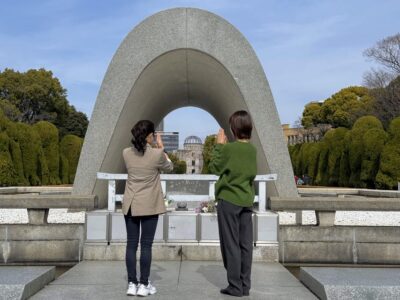
Hiroshima and Miyajima UNESCO Sites 1-Day Tour
Read our review →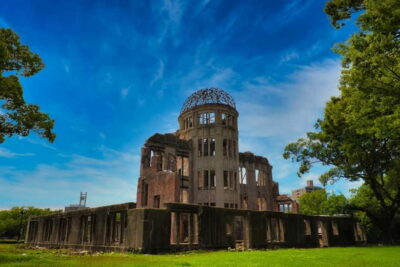
Hiroshima Historical Walking Tour – Why A-Bomb was Dropped
Read our review →
Hiroshima Peace (Heiwa) Walking Tour at World Heritage Sites
Read our review →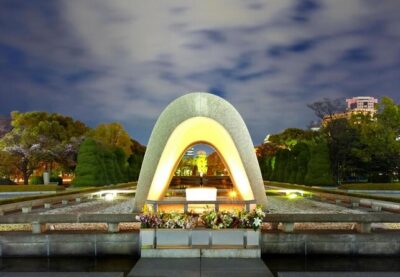
Hiroshima in a Nutshell: Morning Bike Adventure
Read our review →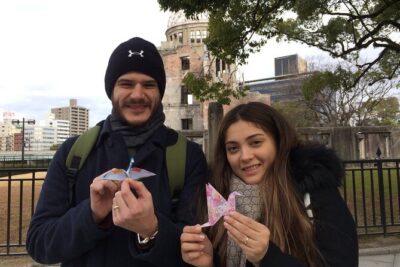
Hiroshima City 4hr Private Walking Tour with Licensed Guide
Read our review →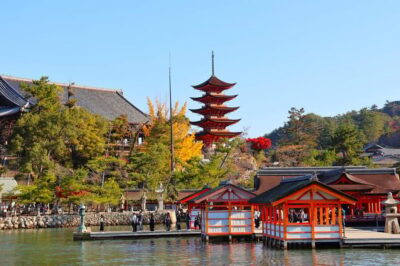

Japanesel Archery Experience HIROSHIMA CASTLE SHARAKU
Read our review →Browse the lists this tour appears in