
Reviewed · HIROSHIMA TOURS
Hiroshima Historical Walking Tour – Why A-Bomb was Dropped
Hiroshima’s bomb story makes more sense when you begin before the blast. This 150-minute walk starts at Gokoku Shrine and Hiroshima Castle, where military history and wartime planning come into view, then moves toward the Atomic Bomb Dome and Peace Memorial Park.
I like the clear route from cause to consequence, and I like that the tour ends at the Peace Memorial Museum, where you can continue at your own pace. Guides such as Chihiro, Thomas, and Emi are praised for patient answers and personal insight. The subject is heavy, and two and a half hours on foot may feel intense, especially in poor weather.
Key points to know before booking
- The story begins at a shrine and castle: You first see Hiroshima’s military role before facing the destruction of 1945.
- The walking route links major memorial sites: Gokoku Shrine, Hiroshima Castle, Hiroshima Gate Park, the Atomic Bomb Dome, and Peace Memorial Park all fit into one connected lesson.
- The tour tackles the difficult question directly: You learn about the military and strategic reasons behind Hiroshima’s selection, not only the aftermath.
- Local and international perspectives may both appear: Guides include Hiroshima locals such as Chihiro and Emi, along with long-term Japan residents such as Thomas.
- The museum comes at the right moment: You finish outside the Hiroshima Peace Memorial Museum, ready to put its exhibits into context.
- The value is strong at $35: For a live English guide, a 150-minute route, and several major sites, the cost is modest.
Why starting before the bombing matters
Many first visits to Hiroshima begin at the Peace Memorial Park. That is understandable, but it can leave you with a story focused almost entirely on one terrible morning.
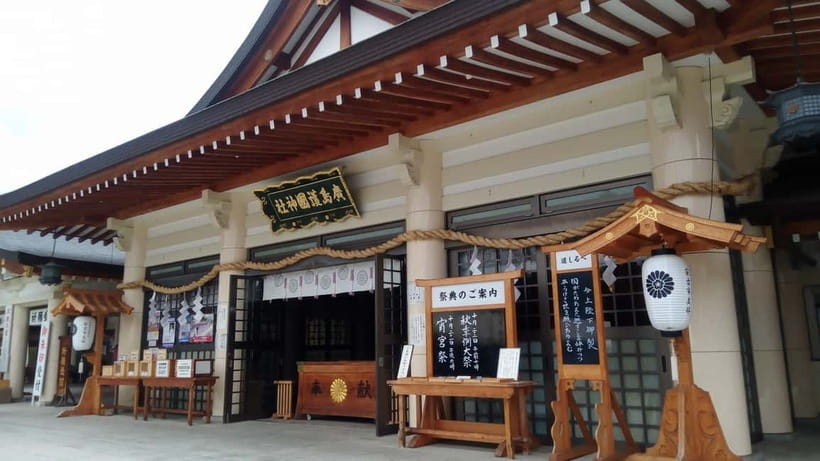
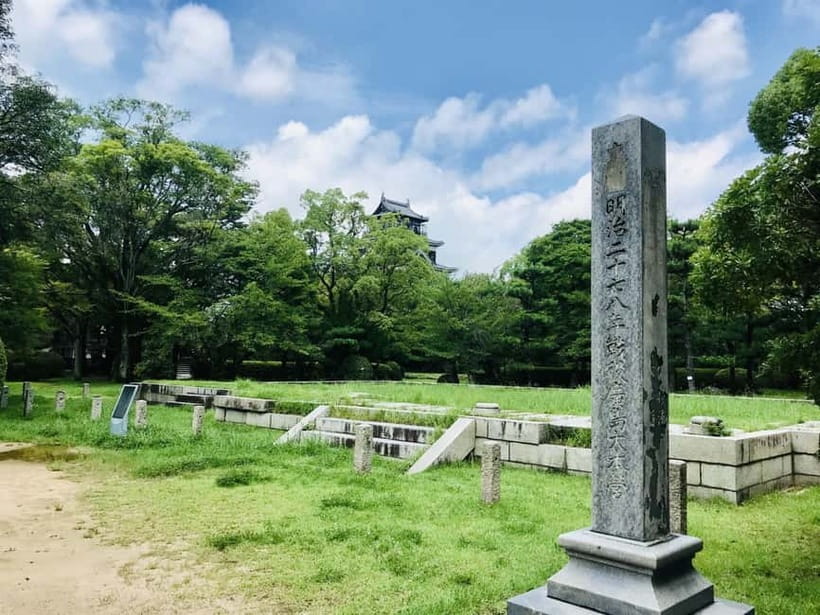
This tour takes a different path. It starts at Hiroshima Gokoku Shrine, near the main hall and its torii gate, then heads to Hiroshima Castle. The opening section gives you a sense of Hiroshima before the atomic bomb, including its military role during World War II.
That order matters. You first consider why Hiroshima had strategic importance and why the city was selected as a target. Later, at the dome and park, you see the consequences for civilians, buildings, families, and the city’s culture.
I appreciate that the tour does not reduce the bombing to a single sentence. The title asks why the bomb was dropped, but the useful answer involves military planning, the city’s role, target selection, and the human cost. A guide can connect those subjects in a way that a quick visit to a memorial plaque cannot.
More history-led days in Hiroshima:
- Hiroshima Peace (Heiwa) Walking Tour at World Heritage Sites
★ 5.0 · 872 reviews - Miyajima Half-day Trip Historical Walking Tour
★ 5.0 · 284 reviews - Hiroshima: History of Hiroshima Group Walking Tour
★ 4.8 · 266 reviews
Gokoku Shrine and Hiroshima Castle: Hiroshima before August 6
Meet in front of the torii gate at Hiroshima Gokoku Shrine near the main hall. This is a practical starting point because the shrine and castle area introduces the city’s wartime identity before the route turns toward remembrance.
Gokoku Shrine is associated with the commemoration of fallen soldiers. Here, the guide sets up the military side of the story and explains how Hiroshima fit into Japan’s wartime system.
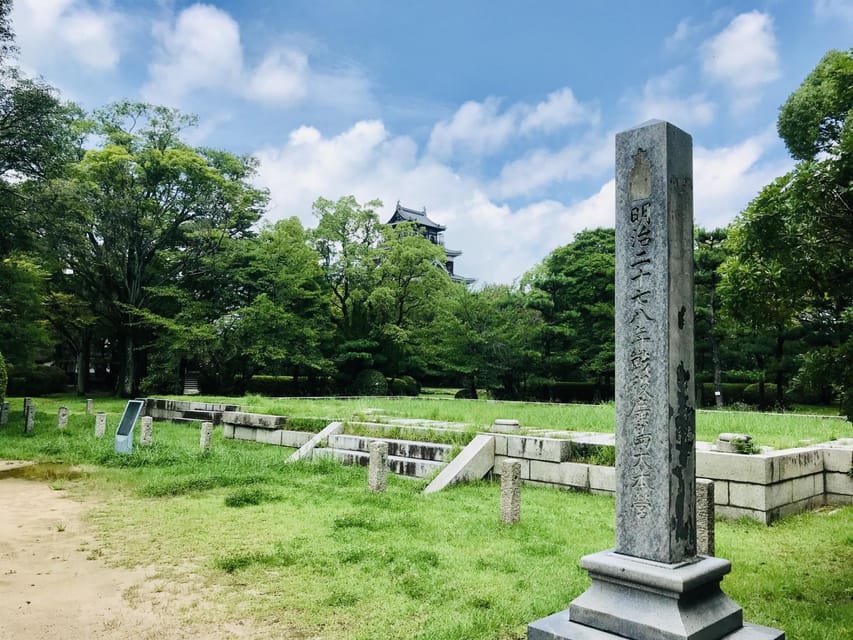
The next stop is Hiroshima Castle. You have a photo stop and a guided visit, with about 20 minutes listed for this section. The castle grounds provide a strong visual break from the later memorial sites, but the subject remains serious. You are looking at a place connected to Hiroshima’s military command and history, not simply a pretty Japanese castle.
This part can be easy to rush. If you have already read about Hiroshima, you might find the opening material familiar. Still, it gives the later stops a clear frame. Guides such as Thomas and Chihiro are praised for answering side questions, so this is a good point to ask about the city before 1945, its military role, and the reasons behind its selection.
The castle also helps you understand how much of Hiroshima’s built environment changed. The tour does not treat the city as a memorial site alone. It shows you a living place with an older identity, wartime importance, and a postwar future.
Hiroshima Gate Park and the route toward the river
The itinerary includes a 30-minute guided visit at Hiroshima Gate Park. This stop helps bridge the older castle district and the main memorial area.
The value here is less about one famous object and more about the movement between parts of the city. You are walking through modern Hiroshima while the guide builds the story toward the bombing. That change in setting can make the history easier to follow.
A walking tour also lets you notice the distance between sites in a way a bus tour cannot. The route is not presented as an exhausting hike, and one guide described the walking distance as manageable. Even so, wear comfortable shoes. You will be outside for much of the 150 minutes, and Hiroshima’s weather can affect the experience.
This is also a useful moment to ask about Hiroshima’s culture. The advertised themes include more than military history. Guides have offered local food suggestions, restaurant help, and ideas for other museums and places of interest after the walk. Those tips are a welcome counterweight to the solemn subject.
The Atomic Bomb Dome: from military target to world symbol
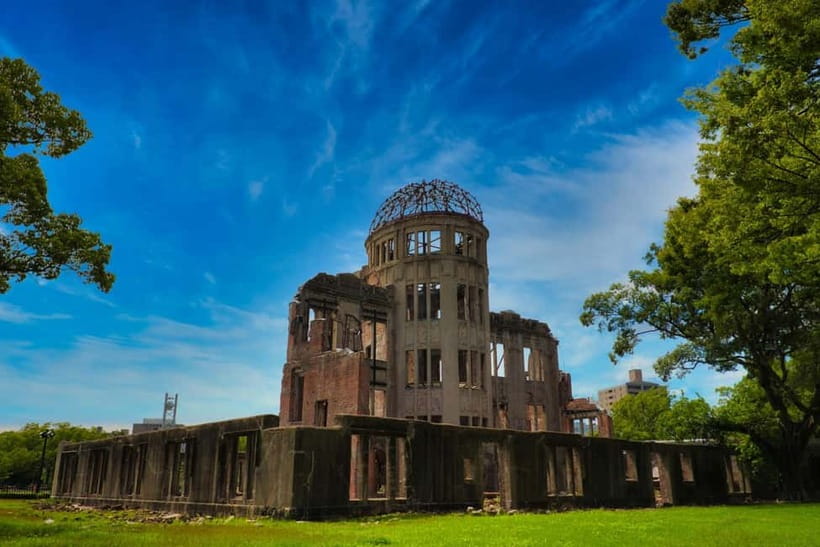
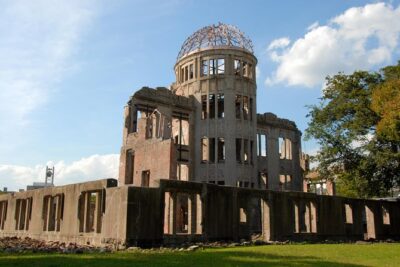
The Atomic Bomb Dome receives about 20 minutes of guided attention. This is one of the most powerful stops because the building gives the bombing a physical shape.
The structure’s damaged form is instantly recognizable, but a guide can explain what you are seeing and why the site matters. You are not simply taking a photograph of a ruined building. You are standing near the former Hiroshima Prefectural Industrial Promotion Hall, close to the center of the city’s memorial story.
The tour’s progression makes this stop more effective. You have already discussed Hiroshima’s military importance and the decision behind the attack. At the dome, the discussion turns toward destruction and survival.
Expect a quiet, serious stretch of the walk. The group may pause for photographs, but the setting calls for restraint. The guide’s role is especially important here. Several guides, including Thomas, Chihiro, and Emi, have been praised for explaining difficult material with care and clarity.
Do not expect the dome to answer every question by itself. Its strength is visual and emotional. The detailed human stories come later at the Peace Memorial Museum.
More walking tours in Hiroshima:
- Hiroshima City 4hr Private Walking Tour with Licensed Guide
★ 5.0 · 437 reviews - Hiroshima Walking Tour Why A Bomb was dropped to Hiroshima
★ 5.0 · 347 reviews - Hiroshima: Food and Culture Guided Walking Tour with Dinner
★ 4.9 · 212 reviews - Hiroshima: Peace Walking Tour of World Heritage Sites
★ 4.9 · 190 reviews
Peace Memorial Park and the meaning of the paper cranes
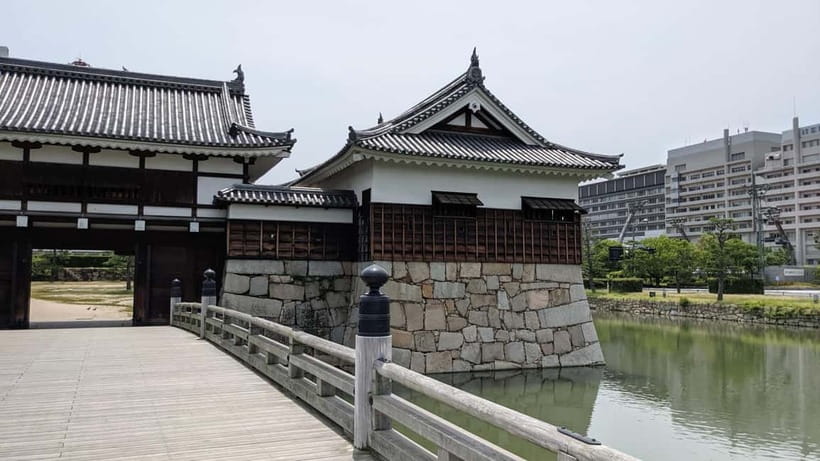
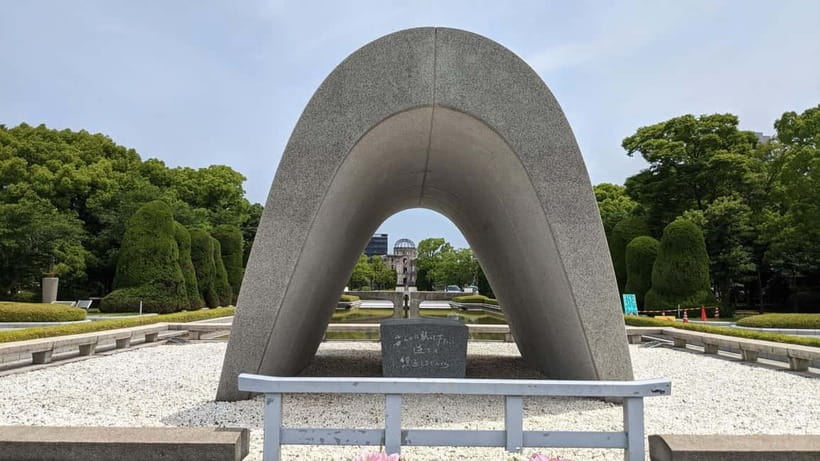
The tour then spends about 30 minutes in Hiroshima Peace Memorial Park. This is the heart of the memorial route, with monuments and spaces that connect individual loss to Hiroshima’s continuing call for peace.
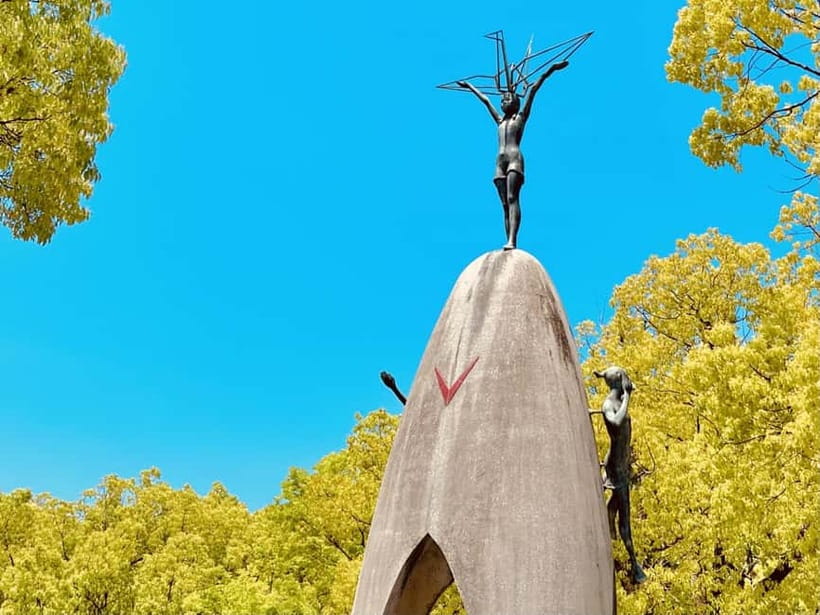
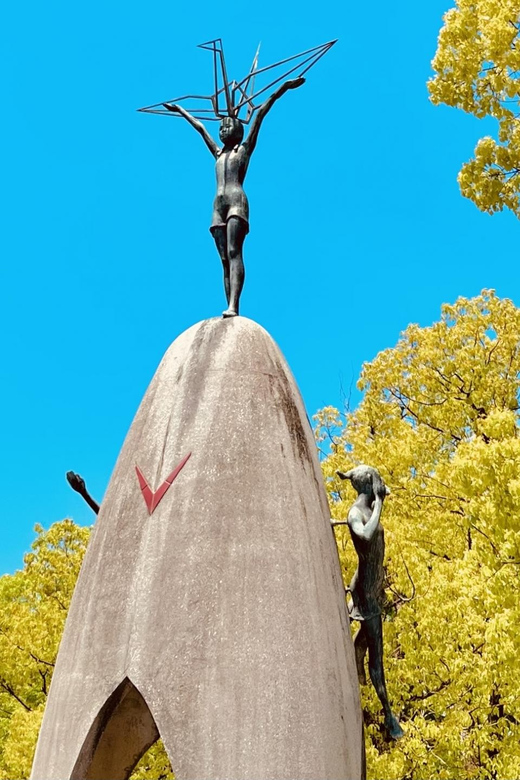
The park is not one single exhibit. It is a broad area where your guide explains the meaning behind several memorial points. The Children’s Peace Monument and the paper cranes are especially important parts of the story. One account of the tour included a look at origami cranes at Hiroshima Orizuru Tower, while the park itself is associated with millions of cranes made in remembrance and hope.
Your guide may also explain how Hiroshima’s culture changed after the bombing. The tour presents the city not only as a place marked by tragedy, but also as a place committed to peace and reconciliation.
That balance is one of the tour’s best features. The subject is confronting, and it should be. But the walk does not end in despair. You are given space to consider how memorials, rituals, and public education keep the event present without letting it define every part of modern Hiroshima.
Families should think about the age and temperament of children before booking. A 12-year-old has enjoyed the tour with an engaging guide, but the topic includes war, mass death, and the effects of an atomic bomb. The guide can make the material clear, but cannot make it light.
Finishing at the Peace Memorial Museum
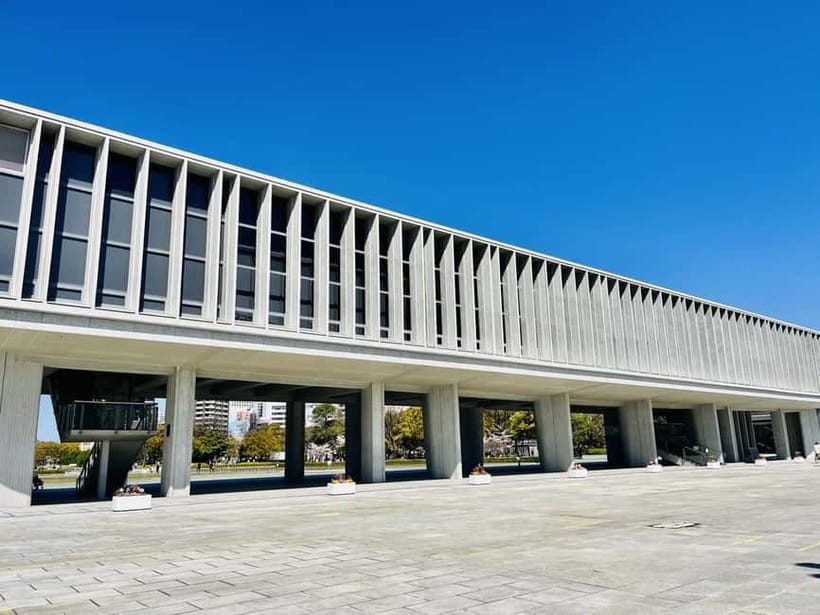
The tour finishes at the Hiroshima Peace Memorial Museum. This is excellent planning. You arrive with a timeline, a map in your head, and a clearer idea of why the city was targeted.
The walk itself does not include the museum visit as part of the guided time. Instead, you finish there so you can enter afterward and explore the exhibits on your own. Check the museum’s current admission details and opening hours separately when planning your day, since they are not included in the tour information.
I recommend allowing extra time after the walk if your schedule permits. The tour gives you the setting and narrative. The museum adds personal belongings, photographs, records, and individual stories. Together, they create a fuller visit than either stop would provide alone.
There is also a practical benefit to finishing at the museum. You do not need to retrace the entire route to continue your Hiroshima visit. After the museum, you can decide how much more memorial material you want to see, or shift toward food and other city sights.
The guides make the difference
The guide is the most important variable in an experience like this. Dates can bring different guides, including Chihiro, Thomas, Emi or Emmy, Chisa, Katja, and Kasha.
Chihiro is from Hiroshima and has shared family experiences and her commitment to peace education. That local connection can give the tour a personal quality, especially at the memorial sites.
Emi has been praised for strong English, careful storytelling, and a Japanese perspective explained with honesty and feeling. Thomas is not Japanese, but he has lived in Japan for years and brings an outside perspective shaped by daily life there. That can be useful when you want Japanese history and customs explained in plain English.
The common thread is not a single scripted personality. It is the ability to answer questions and connect the city’s past with its present. Guides have also helped with restaurant suggestions and reservations, which makes the tour useful beyond its formal subject.
Do keep expectations realistic. A 150-minute walk cannot cover every political argument, military detail, and personal story connected to Hiroshima. The route gives you a solid framework, then points you toward the museum for closer study.
Is $35 a fair price?
At $35 per person, I consider this good value for Hiroshima. You receive a live English-speaking guide for two and a half hours and visit a chain of major sites that would be easy to see without fully understanding their relationship.
A self-guided walk costs less, of course. You can reach the shrine, castle, dome, park, and museum with a map. But you would need to prepare the historical background yourself, decide what deserves attention, and find answers to questions as they arise.
The tour earns its price through explanation rather than entry tickets or special access. The guided museum visit is not included, and tips are not included either. If you value context, the fee is modest. If you prefer to move silently and study every site alone, you may get more from an independent visit.
The high overall rating of 4.8 from 893 bookings points to strong satisfaction, but your experience will still depend on the guide, weather, walking comfort, and how ready you are for the subject.
Who should book this Hiroshima walk?
I would choose this tour if you are visiting Hiroshima for the first time and want the major historical sites connected into one story.
It suits you especially well if:
- You want a clear explanation of why Hiroshima was selected as a target.
- You prefer learning through places rather than reading a guidebook alone.
- You plan to visit the Peace Memorial Museum and want background first.
- You value local perspectives and the chance to ask questions.
- You want practical food and city suggestions after the tour.
- You have 150 minutes and can manage a moderate city walk.
You might skip it if you have already spent a full day studying Hiroshima’s history and prefer private reflection. You might also choose a shorter visit if the subject feels too heavy for a long guided session.
The tour is wheelchair accessible, though the information does not specify the exact route conditions at every stop. If you use a wheelchair, confirm the practical details before booking.
Practical details that shape the day
The meeting point is precise: in front of the torii gate at Hiroshima Gokoku Shrine, near the main hall. Arrive with enough time to locate the gate without hurrying.
The tour lasts 150 minutes and is conducted in English. Starting times vary, so check the available options for your date. The guide is included, but gratuities are not.
You can cancel up to 24 hours before the activity for a full refund, and you can reserve now while paying later. Those terms help if your Japan route is still changing.
Bring comfortable shoes and prepare for an outdoor walk. Small sitting breaks may be included, but you should not expect a seated lecture. Rain does not necessarily stop the tour, so check the forecast and dress for the conditions.
My verdict: book before or after the museum?
Book this tour before entering the Peace Memorial Museum if you want the strongest use of your time. The route starts with Hiroshima’s military background, shows the physical destruction, explains the memorial symbols, and ends at the museum door.
The main reason to book is not simply the list of stops. It is the order. Gokoku Shrine and Hiroshima Castle help explain the city before the bombing. The Atomic Bomb Dome and Peace Memorial Park then show what was lost and how Hiroshima chose to remember.
At $35, the tour offers a lot for visitors who want context, a live English guide, and a thoughtful introduction to one of the hardest chapters of modern history. Go with an open mind, comfortable shoes, and enough time afterward for the museum. If that sounds like your kind of Hiroshima visit, I would book it.
FAQ
How long does the Hiroshima Historical Walking Tour last?
The tour lasts 150 minutes, or two and a half hours.
What language is the tour conducted in?
The live guided tour is conducted in English.
How much does the tour cost?
The listed price is $35 per person.
Where does the tour begin?
It begins in front of the torii gate at Hiroshima Gokoku Shrine near the main hall.
Where does the tour finish?
The tour finishes at the Hiroshima Peace Memorial Museum.
Does the tour include the museum entry?
The included service is the guided tour. Museum admission is not listed as included.
Which places does the tour visit?
The route includes Hiroshima Gokoku Shrine, Hiroshima Castle, Hiroshima Gate Park, the Atomic Bomb Dome, Hiroshima Peace Memorial Park, and the Hiroshima Peace Memorial Museum as the finishing point.
Is the tour wheelchair accessible?
Yes, the activity is listed as wheelchair accessible.
Can I cancel for a refund?
You can cancel up to 24 hours in advance for a full refund.
Do I have to pay when I book?
The reserve-now, pay-later option allows you to book without paying immediately.
Just added around Hiroshima
- The Peace Memorial to Miyajima : Icons of Peace and Beauty★ 4.5 · 31 reviews
- Shore Excursion from Hiroshima Port : Private Tour in Hiroshima★ 5.0 · 17 reviews
- Hiroshima Saijo Sake Tasting Tour with visit to 7 Breweries★ 5.0 · 104 reviews
- Hiroshima & Miyajima All-Inclusive Tour w/Licensed guide Pancho★ 5.0 · 54 reviews
- Hiroshima Country Cycling: Explore Rural Life 1 HR from City★ 5.0 · 22 reviews
- Okunoshima Rabbit Island Cycling Tour with Local Guide★ 4.5 · 17 reviews
- Private Full Day Hiroshima Tour★ 4.5 · 29 reviews
- Cultural Activities :Kimono, tea ceremony, Calligraphy and Amulet★ 5.0 · 44 reviews
Hiroshima Tours, compared.
Peaceful Hiroshima & Miyajima UNESCO 1 Day Bus Tour
Read our review →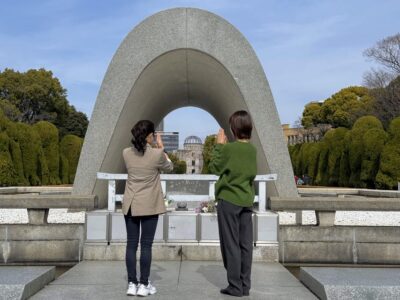
Hiroshima and Miyajima UNESCO Sites 1-Day Tour
Read our review →
Hiroshima Peace (Heiwa) Walking Tour at World Heritage Sites
Read our review →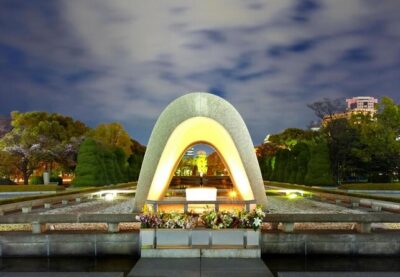
Hiroshima in a Nutshell: Morning Bike Adventure
Read our review →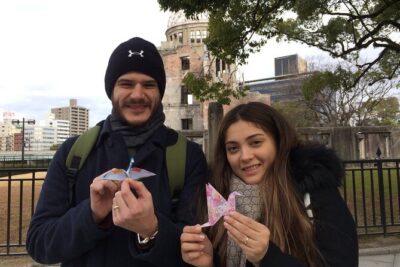
Hiroshima City 4hr Private Walking Tour with Licensed Guide
Read our review →

Japanesel Archery Experience HIROSHIMA CASTLE SHARAKU
Read our review →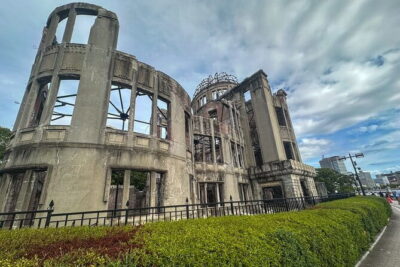
Hiroshima and Miyajima Day Trip with Itsukushima Shrine & Ferry
Read our review →Browse the lists this tour appears in