
Reviewed · HIROSHIMA TOURS
Cultural Activities :Kimono, tea ceremony, Calligraphy and Amulet
At Tokuju-ji Temple on Miyajima, you can try three hands-on Japanese traditions in about two hours: write your name in Japanese, take part in a tea ceremony, and make a protective amulet. The unusual amulet lesson gives this experience more substance than a standard dress-up and photo session.
I like the chance to wear a kimono throughout the activities, and I like that the teachers take photos during the lessons and email them to you. The setting is also special, with temple buildings and gardens rather than a plain studio. The main consideration is price: at $171.73 per person, this is a premium short activity, so it makes the most sense if you want guided instruction and a cultural keepsake, not just a quick costume photo.
Key things to know before you book
- Three traditions in one visit: Spend roughly half an hour on calligraphy, tea ceremony, and amulet making.
- A 300-year-old setting: Lessons take place at Tokuju-ji Temple, a Soto Buddhist temple with lovely gardens.
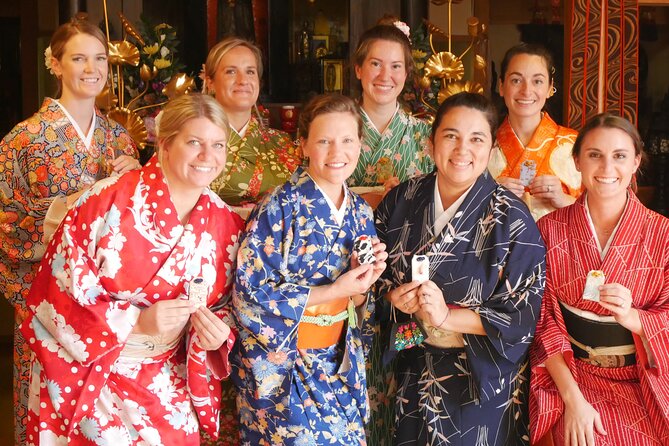
- Kimono included: You wear a provided kimono and traditional apron during the activities.
- A rare amulet lesson: Making an amulet is not offered in many places in Japan, giving this short program a distinctive feature.
- Small-group format: The maximum group size is 10 people, though the session may be smaller.
- Easy to fit into a Miyajima day: The activity lasts about two hours and returns you to the same meeting point.
What this Miyajima cultural experience actually offers
This is a compact introduction to Japanese customs, designed for visitors who want more than sightseeing but do not want to spend a full day in a formal class. You move through three activities, each lasting about 30 minutes, while dressed in a kimono and apron supplied by Okeiko Japan.
The program is held at Tokuju-ji Temple, not far from the main sights of Miyajima. That setting matters. You are not learning tea etiquette in a hotel conference room or practicing brushwork in a generic classroom. The temple gives the activities a sense of place, and the garden provides a natural backdrop for photographs.
The program is also practical for a busy itinerary. Two hours is long enough to learn the basic purpose and movements behind each activity, but short enough to leave room for Miyajima’s shrine, shopping streets, walking paths, and waterfront. You will not become a calligrapher or tea master in one morning. You will, however, leave with a better understanding of how these traditions work and several physical reminders of the session.
The experience is capped at 10 participants. That is small enough for a personal lesson in principle, though the amount of individual attention can depend on how many people book your time. The supplied information does not name the teachers, but the staff lead each stage and take photographs as you work.
More tea ceremonies in Hiroshima:
- Hiroshima Local guided Hiking Tour&Open-air Tea Ceremony
★ 5.0 · 213 reviews - Kimono and Tea Ceremony in Miyajima
★ 5.0 · 73 reviews - An Amazing set of Cultural experience: Kimono, Tea Ceremony and Calligraphy
★ 5.0 · 69 reviews
Starting at Tokuju-ji Temple
The meeting point is Okeiko Japan, at 741-1 Miyajimacho, Hatsukaichi, Hiroshima 739-0588. The activity begins and ends there, which makes planning easier if you are combining it with other time on Miyajima.
Your first impression is likely to come from the temple itself. Tokuju-ji was founded about 300 years ago and belongs to the Soto school of Buddhism. Its principal Buddha is Kinseki Jizo, a figure associated with protection for children and pregnancy.
The temple’s story centers on an older couple who prayed to Jizo for a child. Their wish was answered with the birth of a healthy boy, and they later built the temple as an expression of thanks. You do not need to know this story in advance, but it gives the site a human connection that helps explain why the temple matters.
Miyajima has an unusual religious character because Buddhist temples and the Shinto tradition connected with Itsukushima Shrine exist close together. The temple includes features that you might normally associate with a Shinto shrine, reflecting the way Japanese religious practices have overlapped over time.
The temple portion is listed as about 20 minutes, so do not expect a long historical tour. Think of it as an introduction to the setting and its religious meaning before the practical lessons begin. The temple is part of the experience, but the central focus is participation.
Wearing a kimono for the full session
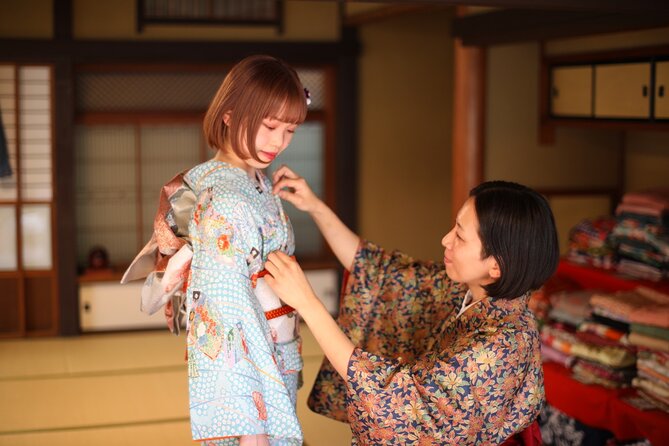
The kimono is one of the program’s biggest attractions, and it is used during every activity rather than only for a few posed photographs. You also wear a traditional apron during the lessons, which helps protect the clothing while you handle ink, tea utensils, and amulet materials.
For many visitors, the clothing changes the tone of the afternoon. You are not simply watching someone demonstrate customs. You are sitting down and performing them while dressed in traditional clothing, which makes the gestures feel more memorable and gives the photographs a natural purpose.
The supplied information does not specify the range of kimono sizes, the exact dressing process, or how much time is allowed for changing. If fit or changing time is important to you, ask Okeiko Japan before booking. The minimum age is 6, and children must be accompanied by an adult.
The kimono also adds a practical point: this is not an activity built around speed. You will want to move carefully and listen to the instructors, especially during the tea ceremony. The apron is useful, but it is still wise to treat the clothing with care.
Writing your name in Japanese
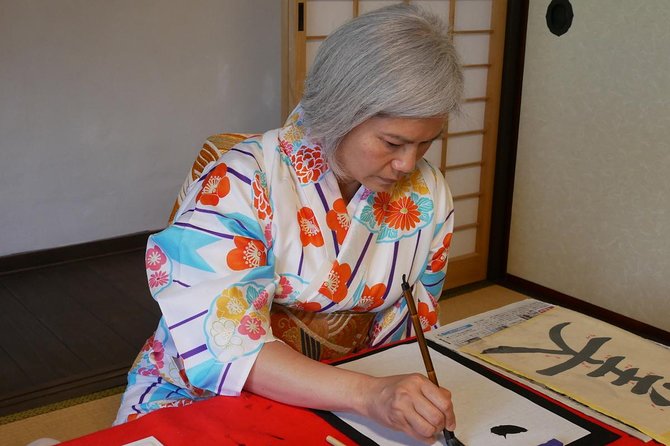
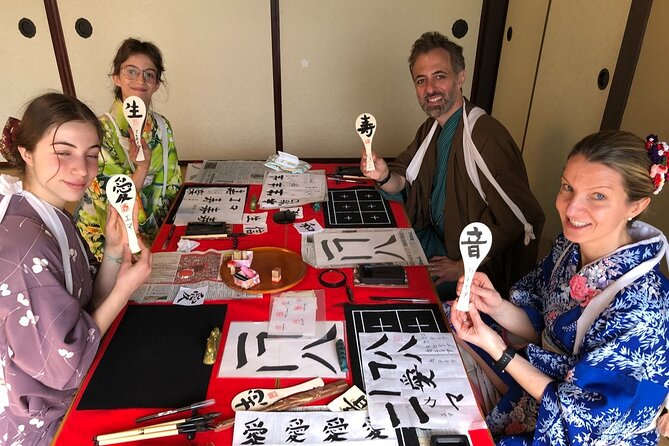
The calligraphy lesson gives you a personal result to take away. Rather than practicing random characters with no connection to you, you learn how to write your name in Japanese.
Calligraphy is not just handwriting with a brush. The order and direction of strokes matter, and the shape of each character depends on controlled movement, spacing, and pressure. In a short lesson, the aim is not perfection. It is learning how a name can be represented in Japanese writing and gaining a feel for the discipline behind the art.
This part should suit families especially well because it creates a clear task with an immediate result. Children can take part from age 6, provided an adult accompanies them. Adults who usually skip craft activities may also find calligraphy approachable because the lesson has a personal goal.
The main limitation is time. Roughly half an hour gives you an introduction, not a full study of Japanese writing. If you already practice calligraphy, you may want more technical detail. If you are new to it, the short format keeps the lesson from becoming tiring.
More kimono rentals in Hiroshima:
- Kimono and Calligraphy Experience in Miyajima
★ 5.0 · 16 reviews - Kimono Tea Ceremony at Kyoto Maikoya, NISHIKI
★ 5.0 · 911 reviews - Kyoto: Kimono Rental with Hairstyling and Accessories
★ 4.8 · 653 reviews - Kyoto: Kimono Tea Ceremony at Orizuruya Gion
★ 4.9 · 618 reviews
Learning the rhythm of a tea ceremony
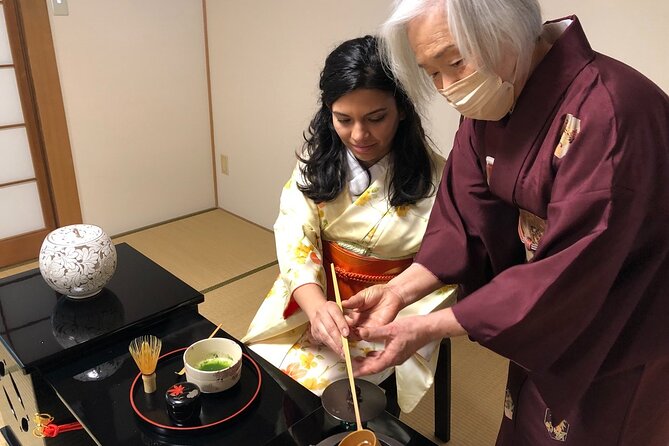
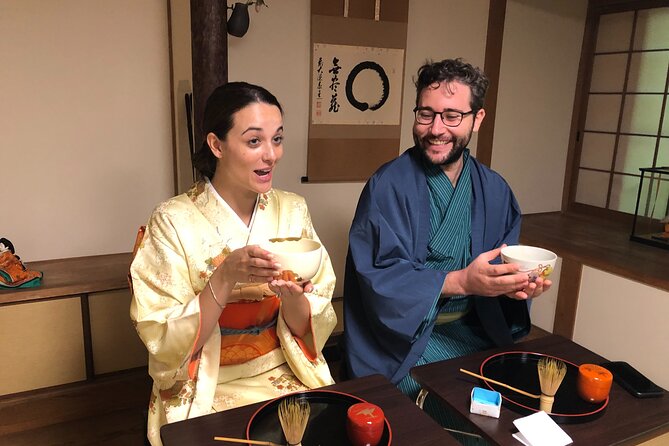
The tea ceremony is the most formal part of the session. You learn how to prepare matcha and take part in the ceremony rather than simply drinking a cup of tea.
The value here is in the order of the actions. Tea preparation involves attention to utensils, movement, presentation, and respect between the person preparing the tea and the person receiving it. Even a brief lesson can show you why the ceremony is treated as a careful social practice rather than an ordinary beverage service.
You should expect instruction and demonstration, followed by your chance to perform the steps. The tea portion is also a good reason to slow down. Miyajima can become a busy stop on a sightseeing day, so the quiet structure of the ceremony offers a different pace from walking between major sights.
The experience does not claim to make you an expert, and it should not be judged by that standard. You are getting a beginner’s introduction. The benefit is that later, if you encounter matcha or tea equipment elsewhere in Japan, you will recognize more of the purpose behind the movements.
Making an amulet at the temple
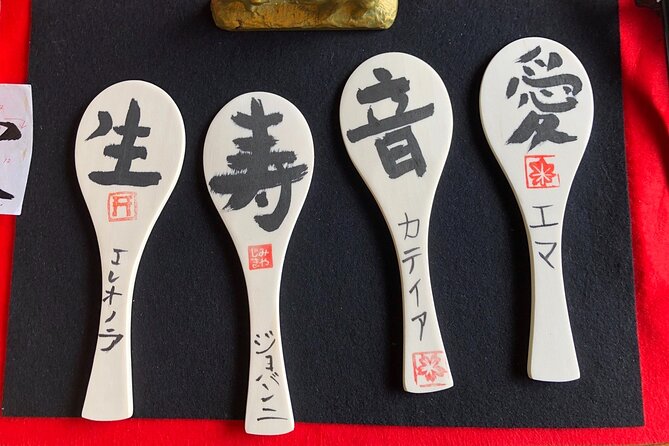
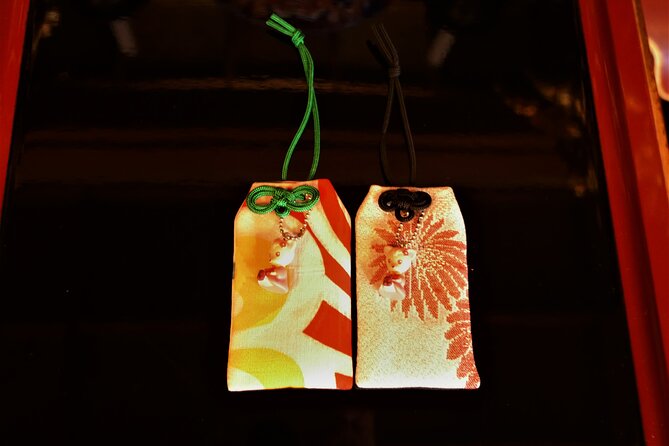
Amulet making is the most distinctive activity in the program. You do not merely receive a ready-made souvenir. You take part in making one, which gives the object a stronger connection to the time you spent at Tokuju-ji.
In Japan, amulets are associated with protection and good wishes. The temple’s connection with Kinseki Jizo, known for protection related to children and pregnancy, adds meaning to this portion of the visit. The supplied details do not explain the exact materials or finished design, so you should treat the activity as a guided introduction rather than a chance to choose from a large menu of charms.
This lesson may be especially appealing if you prefer a useful keepsake to a standard souvenir. Calligraphy gives you a written memento, photographs preserve the occasion, and the amulet gives you a small object connected to the temple and the activity itself.
The amulet lesson is also where the program differs most from many short cultural sessions in Japan. Kimono dressing and tea experiences are widely available. Amulet making is less common, so it may justify the booking for someone who has already done a tea ceremony elsewhere.
Photos, gardens, and the personal touch
Teachers take photographs during the lessons and send them to you by email. This is a useful feature because it lets you concentrate on the activity rather than handing your camera to another person or trying to pose between instructions.
The garden setting gives the photos a better sense of place than an indoor backdrop. You may have the opportunity to be photographed in your kimono before or during the activities, including in the temple garden. One account describes arriving early, putting on the kimono, and having photos taken before beginning the tea ceremony and calligraphy.
Do not book this as a professional portrait session. The photos are a record of your visit, not a separate studio package, and the exact number or delivery time is not provided. Still, including photographs by email adds real value to a short experience, particularly for couples, families, and friends who want images of everyone together.
The personal tone also matters. The instructors are described as friendly and attentive throughout the stages, with explanations about both the activities and Japanese customs. The program works best when you ask questions and take part fully instead of treating it as a series of quick photo opportunities.
Is $171.73 a fair price?
At $171.73 per person, this is not a low-cost stop. You are paying for about two hours, but the price includes more than entry to a temple. It covers instruction in three activities, a supplied kimono and apron, the amulet-making session, the garden setting, and photographs sent by email.
The value depends on what you would otherwise book. If you only want to rent a kimono for pictures, this program may feel expensive because the lesson content is part of the cost. If you want a guided cultural session with several activities and a finished amulet, the price is easier to justify.
The small maximum group of 10 helps. A large class could make calligraphy and tea practice feel rushed, while a smaller session gives the instructors more room to correct your movements and explain unfamiliar customs. The activity can also be a good use of limited time in Miyajima because it combines three separate cultural bookings into one visit.
I would compare the cost with your priorities. For a first visit to Japan, this gives you a broad introduction. For someone already experienced with calligraphy, tea, or kimono, the amulet lesson and temple setting may be the strongest reasons to pay for it.
Who will enjoy this most?
I would recommend this to families, couples, and first-time visitors who want an organized cultural activity with a clear beginning and end. The minimum age of 6 makes it suitable for children who can follow instructions and take part respectfully, though an adult must stay with them.
It also suits cruise passengers or anyone working with a tight Miyajima schedule. One person was able to take part on the day of arriving by cruise ship and still have time to find the location using the directions supplied by the provider. Do allow enough time for transport and finding the meeting point, since the activity begins at a specific address.
The program is a strong match for anyone who values photographs and souvenirs with a story. You leave with more than a purchased item: you have written your name, prepared matcha, and made an amulet while wearing a kimono.
I would be more cautious if you dislike structured lessons, formal etiquette, or changing into traditional clothing. The activity is participatory and guided. It is not a drop-in photo booth or a free-form temple visit.
Planning the two-hour visit
The activity is offered with a mobile ticket, and confirmation is provided when you book. It is near public transportation, and the group returns to the original meeting point at the end.
The schedule is built around three lessons of roughly 30 minutes each, with about 20 minutes connected to the temple introduction. Exact timing between sections is not provided, so keep the full two-hour window open rather than planning another booking immediately afterward.
The experience is available to most people, and no special fitness requirement is stated. You will need to be comfortable sitting or taking part in the lessons as directed. Since the activity takes place at a temple, respectful behavior and careful handling of clothing and equipment are sensible.
Cancellation is free if you cancel at least 24 hours before the local start time. A cancellation made less than 24 hours ahead is not refundable, and changes inside that period are not accepted.
Should you book the Okeiko Japan experience?
I would book this if you want a short, well-organized introduction to several Japanese customs and like the idea of doing rather than watching. The kimono, temple garden, emailed photographs, and unusual amulet lesson give the program a clear identity.
At the same time, $171.73 is a serious price for two hours. Book it because you want instruction and a personal keepsake, not simply because you want a kimono photo. If that sounds right, the combination of Tokuju-ji’s setting, three practical lessons, and a small group makes this one of the more worthwhile cultural additions to a Miyajima day.
FAQ
Where does the cultural activity take place?
It takes place at Okeiko Japan at Tokuju-ji Temple, 741-1 Miyajimacho, Hatsukaichi, Hiroshima 739-0588, Japan.
How long does the experience last?
The experience lasts about two hours. The three main activities take roughly half an hour each, with about 20 minutes connected to the temple visit.
What activities are included?
You learn Japanese calligraphy, take part in a tea ceremony, and make an amulet. You also wear a provided kimono and traditional apron during the lessons.
Is the kimono included?
Yes. A kimono and traditional apron are provided for use during the activities.
Are photographs included?
Yes. The teachers take photographs during the lessons and send them to you by email.
What is the maximum group size?
The activity has a maximum of 10 participants.
What is the minimum age?
The minimum age is 6. Children must be accompanied by an adult.
Does the activity return to the starting point?
Yes. The experience ends back at the original meeting point.
Can I cancel for a refund?
Yes, if you cancel at least 24 hours before the experience start time. Cancellations made less than 24 hours before the start time are not refundable.
Just added around Hiroshima
- The Peace Memorial to Miyajima : Icons of Peace and Beauty★ 4.5 · 31 reviews
- Shore Excursion from Hiroshima Port : Private Tour in Hiroshima★ 5.0 · 17 reviews
- Hiroshima Saijo Sake Tasting Tour with visit to 7 Breweries★ 5.0 · 104 reviews
- Hiroshima & Miyajima All-Inclusive Tour w/Licensed guide Pancho★ 5.0 · 54 reviews
- Hiroshima Country Cycling: Explore Rural Life 1 HR from City★ 5.0 · 22 reviews
- Okunoshima Rabbit Island Cycling Tour with Local Guide★ 4.5 · 17 reviews
- Private Full Day Hiroshima Tour★ 4.5 · 29 reviews
- Hiroshima Private Tour with a Local – Highlights & Hidden Gems★ 4.5 · 24 reviews
Hiroshima Tours, compared.

Peaceful Hiroshima & Miyajima UNESCO 1 Day Bus Tour
Read our review →
Hiroshima and Miyajima UNESCO Sites 1-Day Tour
Read our review →
Hiroshima Historical Walking Tour – Why A-Bomb was Dropped
Read our review →
Hiroshima Peace (Heiwa) Walking Tour at World Heritage Sites
Read our review →
Hiroshima in a Nutshell: Morning Bike Adventure
Read our review →
Hiroshima City 4hr Private Walking Tour with Licensed Guide
Read our review →

Japanesel Archery Experience HIROSHIMA CASTLE SHARAKU
Read our review →Browse the lists this tour appears in