
Reviewed · KYOTO TOURS
Kyoto: Kimono Tea Ceremony at Orizuruya Gion
Kyoto’s Orizuruya Gion tea ceremony gives you more than a quick photo in traditional dress. You choose from over 200 kimono designs, get dressed with professional help, and learn the calm, precise steps of preparing matcha. I especially like the small maximum group of 10 and the chance to make your own tea instead of only watching a demonstration.
The simple hairstyling for women adds a polished touch, while the option to keep the kimono for a walk around Gion can make the $49 price feel surprisingly fair. The main consideration is comfort: a kimono is formal, fitted clothing, and the ceremony requires quiet attention and set movements.
Key points to know before booking
- Choose from more than 200 kimono designs: Staff help you select and put on the outfit.
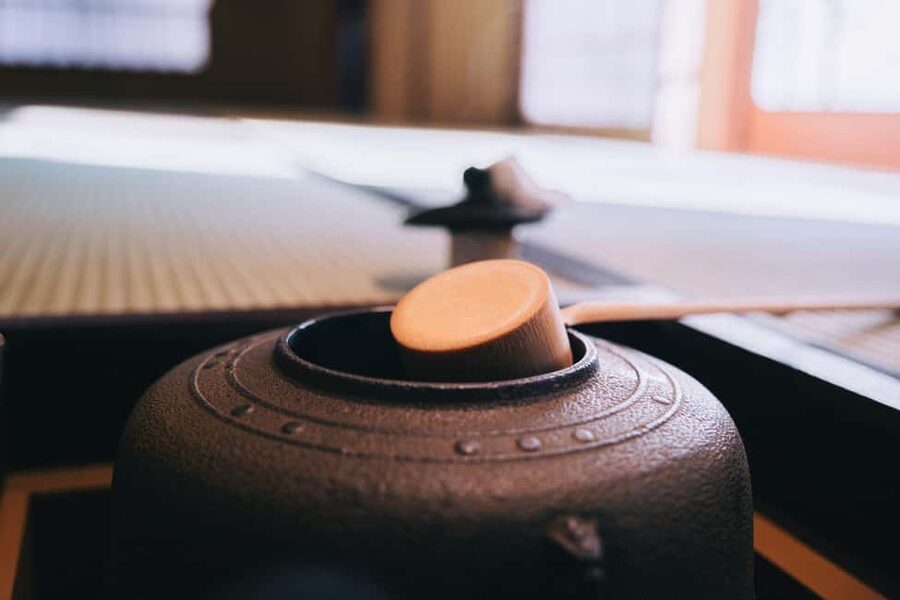
- Make your own matcha: You learn to use a bamboo whisk, then drink the tea with wagashi sweets.
- Small English-speaking group: The class is limited to 10 participants, with room for questions.
- Walk through Gion afterward: Kimono use may continue until 5 p.m., depending on your booking.
- Add calligraphy for two hours: The extended option includes a Japanese calligraphy lesson and supplies.
- Convenient Gion location: Orizuruya is a 7-minute walk from Gion-Shijo Station and 10 minutes from Kyoto-Kawaramachi Station.
Choosing a kimono at Orizuruya Gion
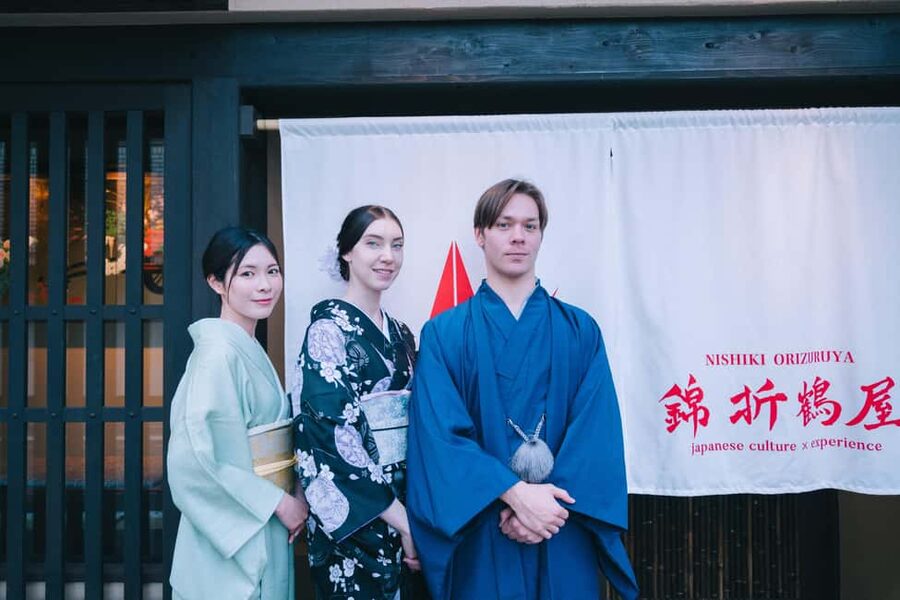
The experience begins at Gion Oritsuruya, at 572-7 Minamigawa in Gion-machi, Higashiyama-ku. You are right in one of Kyoto’s best-known traditional districts, so the setting fits the activity from the start.
Your first task is choosing a kimono. With more than 200 designs, you get real choice rather than a single standard outfit. That variety is useful if you are traveling with a friend or partner and want colors that work well together in photos.
The staff then help you dress. This is not a simple robe you slip on yourself. Traditional clothing has several layers and needs to be arranged correctly, so professional assistance keeps the process smooth and saves you from worrying about a cultural mistake.
For women, simple hairstyling is included. It is not presented as a full salon treatment, but it completes the traditional appearance and makes the photos feel more finished. If photographs matter to you, allow a little patience during this stage. Dressing and hair preparation are part of the experience, not a quick prelude to the tea room.
The fitting process is described as efficient and professional, but it can still take time. Wear comfortable clothing underneath and avoid planning a rushed attraction immediately before the appointment. The staff also take photographs during the experience, giving you a record of the finished look.
More Kimono Experiences in Kyoto
- Kimono Tea Ceremony at Kyoto Maikoya, NISHIKI
★ 5.0 · 911 reviews - Kyoto: Kimono Rental with Hairstyling and Accessories
★ 4.8 · 653 reviews - KYOTO Tea Ceremony with kimono near by Imamiya Jinjya Shrine
★ 5.0 · 343 reviews
What wearing the kimono really adds
The kimono is not only a costume for the ceremony. It changes how you move and how you pay attention to the setting around you. Sitting, walking, and handling tea become more deliberate, which suits the quiet rhythm of the activity.
The clothing also gives the tea ceremony a stronger sense of place. You are not simply attending a lesson in ordinary street clothes. You are taking part in a traditional presentation while dressed in a garment closely associated with Japan.
There is a practical bonus here. You may be able to keep the kimono on after the ceremony and walk around Gion, with many bookings allowing use until 5 p.m. One particularly useful pattern is to choose a morning appointment, then use the rest of the day for photographs and a walk to a nearby temple. Confirm the exact return time for your session before making plans.
This can change the value calculation. At $49 per person, you are paying for dressing assistance, hairstyling for women, the tea lesson, matcha, wagashi, equipment, and an English-speaking instructor. If you also spend several hours walking around Gion in the kimono, the activity can serve partly as a kimono rental.
There is a limit to the freedom, of course. You need to treat the clothing carefully and return it as instructed. A kimono is also less casual than everyday clothes, and it may not be the best choice if you want to cover a large part of Kyoto on foot.
Entering the tea room and learning the ritual
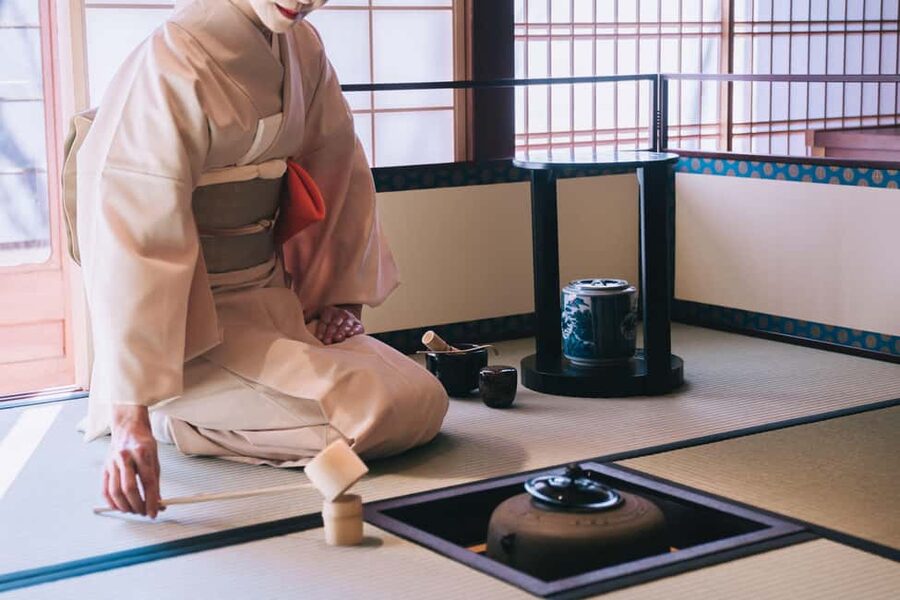
Once dressed, you move into the tea room. The instructor explains the ceremony step by step, including the purpose of the movements and the way the utensils are used.
This explanation matters because the tea ceremony can look mysterious if you only watch it from a distance. The gestures are controlled and modest, but they are not random. The instructor gives you enough context to understand why the bowl, whisk, tea, sweets, and serving actions are handled with such care.
The class is conducted in English, and the small group size helps. Ten people is still large enough to feel social, but small enough for questions and personal guidance. Some sessions may be much smaller. One booking even ended up with only one participant, creating a more private lesson.
The tone is calm rather than theatrical. You are not being asked to perform a comedy version of Japanese culture. Instead, the instructor guides you through the basic etiquette and gives you a safe way to try the ritual without worrying about a serious faux pas.
That makes this a good first cultural activity in Kyoto. You do not need prior knowledge of matcha or tea ceremony customs. The guide explains what to do, then gives you a chance to repeat it.
Making matcha with a bamboo whisk
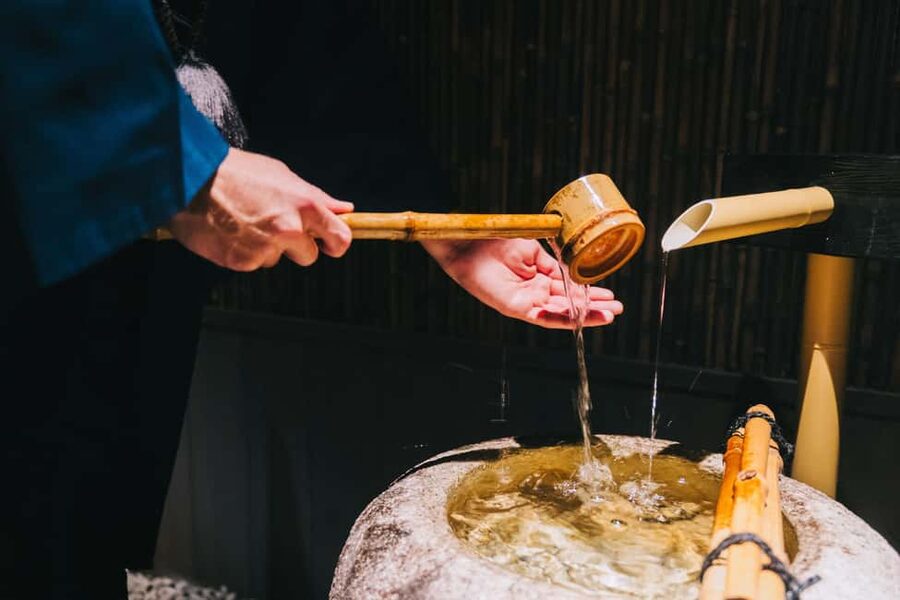
The most hands-on part comes when you prepare your own bowl of matcha. You use a traditional bamboo whisk, called a chasen, to mix the powdered tea with water.
At first, the motion may feel less natural than you expect. The whisk is light, and the aim is not simply to stir the drink like coffee. The instructor shows you the technique and encourages you to try it yourself.
I like this part because it turns the activity into a small practical lesson. You leave knowing more than the broad fact that matcha is powdered green tea. You have handled the tools, followed the method, and tasted a bowl made by your own hands.
The guide also explains the tea itself, including how different types can vary. That question-and-answer time is valuable, especially if you enjoy food culture and want to understand why matcha can taste different from one bowl to another.
Your tea is served with wagashi, traditional Japanese sweets from a century-old confectionery. The sweet balances the bitter, grassy taste of matcha and gives the ceremony a clear food pairing rather than treating the tea as a stand-alone drink.
The lesson is peaceful, but it is not empty or passive. You watch, listen, ask questions, and practice. That balance works well for couples, solo visitors, families with older children, and anyone who wants an activity with more substance than dressing up for photographs.
More Tea Ceremonies in Kyoto
- Kyoto: Tea Ceremony in a Traditional Tea House in Kiyomizu
★ 4.9 · 3,519 reviews - Kyoto: Tea Ceremony Ju-An at Jotokuji Temple
★ 4.9 · 3,207 reviews - Kyoto: 45-Minute Tea Ceremony Lesson Experience
★ 4.3 · 2,378 reviews - Kyoto: Table-Style Tea Ceremony at a Kyo-Machiya
★ 4.9 · 1,211 reviews
Adding Japanese calligraphy for the two-hour option

You can choose the kimono tea ceremony by itself, which lasts about 90 minutes, or select the tea ceremony and Japanese calligraphy option, which lasts about two hours.
The calligraphy portion includes the set and supplies. You practice with guidance from a patient teacher, and the lesson gives you another way to work with Japanese writing and brush technique.
This extension received especially warm attention from people who chose it. That makes sense: calligraphy adds a creative task after the tea ceremony, and it gives you something to focus on beyond clothing and photos. The brushwork can be challenging, but the teaching style is encouraging rather than demanding.
I would choose the calligraphy option if you enjoy crafts, want a longer cultural activity, or prefer learning by doing. It is also a good pick if you are already paying for the appointment and want to make the most of your time in Gion.
The shorter option is enough if your schedule is tight or the kimono and tea ceremony are your main goals. The calligraphy class is an add-on, not a requirement for understanding the tea ritual.
A small-group format that keeps the lesson personal
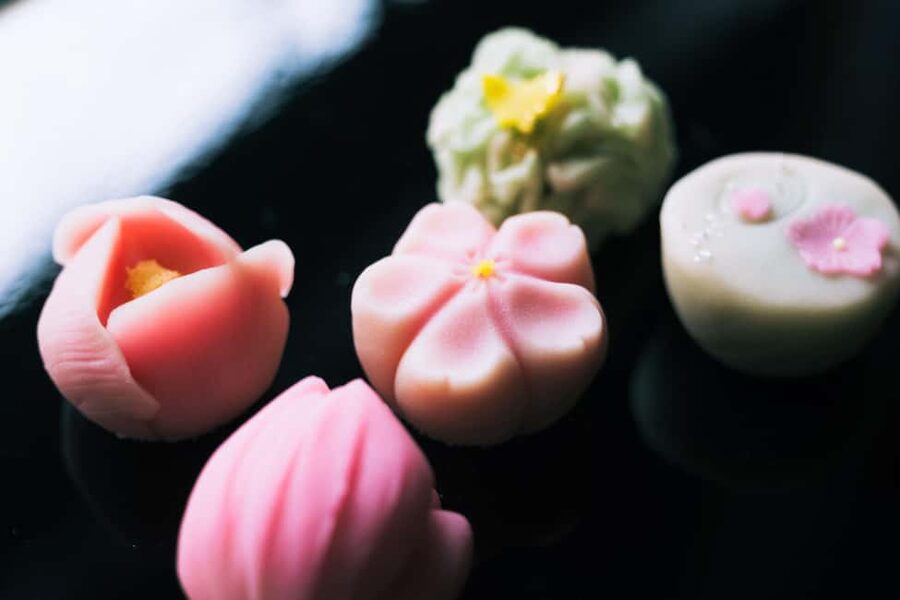
The maximum group size is 10 participants. That is a useful middle ground. You get the energy of a shared activity without the feel of a large tour where everyone simply watches from the back.
The English-speaking instructor leads the tea portion, and staff assist with dressing, hair, photographs, and directions. The people helping with the kimono may speak limited English, but the dressing process is practical and staff are described as warm and attentive.
The strongest feature here is the human attention. Staff help you feel comfortable in unfamiliar clothing, explain what is happening, and offer tips for photographs. That matters because the experience includes several moments when you might otherwise feel unsure: choosing a kimono, sitting correctly, handling the whisk, and moving through the ceremony.
Questions are welcome during the lesson. You can ask about matcha, the meaning of the gestures, or the clothing rather than simply copying the instructor in silence.
The experience has a polished presentation, but it does not need to feel stiff. The staff add small personal touches, including photos and, in at least one case, a little paper bird at departure. Details like that help the visit feel carefully handled without turning it into a forced show.
Walking from the station and planning your day
Orizuruya Gion is a 7-minute walk from Keihan Gion-Shijo Station and about 10 minutes from Hankyu Kyoto-Kawaramachi Station. You pay your own transportation costs, but the meeting point is easy to reach from central Kyoto.
The location is especially useful if you want to combine the activity with sightseeing in Gion. Afterward, you might walk through the district in your kimono, take photographs, or visit a nearby temple. One account specifically describes a temple about a 10-minute walk away, though you should plan your route around the kimono return time.
Think about weather and timing. A kimono can be pleasant for a gentle stroll, but it is not ideal clothing for a long day of fast walking. In cold weather, the option to keep it on can still be attractive, since you may want to spend extra time indoors or nearby rather than rushing back into the streets.
Morning appointments offer the most useful schedule if you want to use the kimono afterward. A later appointment may leave less time before the usual 5 p.m. return period.
The activity takes 90 minutes to two hours, depending on your selected option. Check the available start times when booking, then leave some space around the appointment. The dressing stage, photographs, questions, and transition into the tea room all form part of the visit.
Is $49 a fair price?
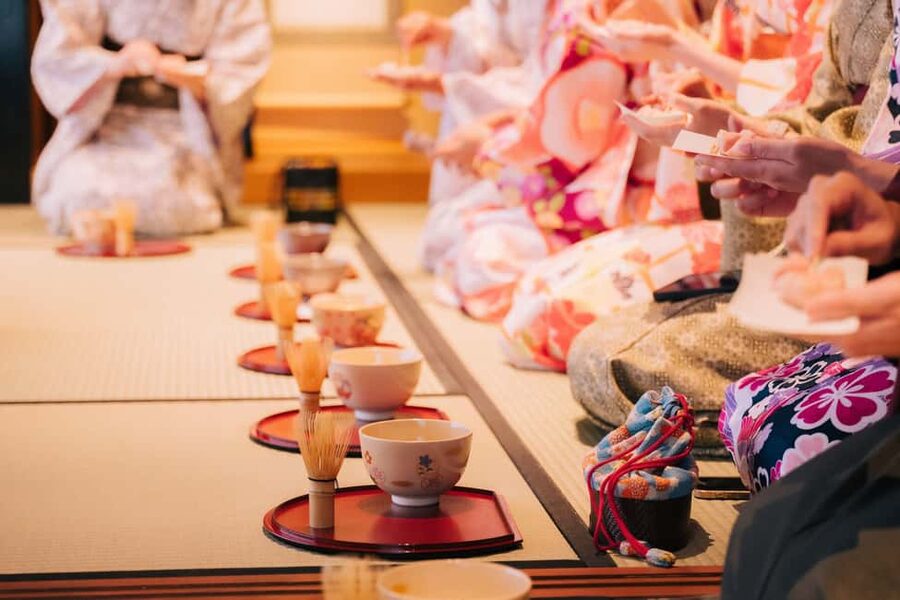
At $49 per person, this is a strong value for a bundled cultural activity in central Kyoto. The fee includes the kimono set, tea utensils, matcha, wagashi, simple hairstyling for women, an English-speaking licensed guide, and taxes.
The price becomes even more appealing if your booking lets you keep the kimono until 5 p.m. A separate kimono rental and a tea lesson could easily become two different expenses, while this combines them in one appointment.
The value is less clear if you only want a quick kimono photograph. In that case, the tea ceremony may feel like more instruction than you wanted. You are paying for the lesson and the cultural explanation, not just the outfit.
For someone who wants a calm, structured introduction to Japanese customs, the price is reasonable. The calligraphy option adds time and materials, and it is worth considering if you want a keepsake activity rather than a short demonstration.
Free cancellation up to 24 hours ahead and the option to reserve now and pay later also make the booking easier to fit into a changing Kyoto itinerary. You still need to arrange and pay for your own transportation to Gion.
Who will enjoy this Kyoto activity most?
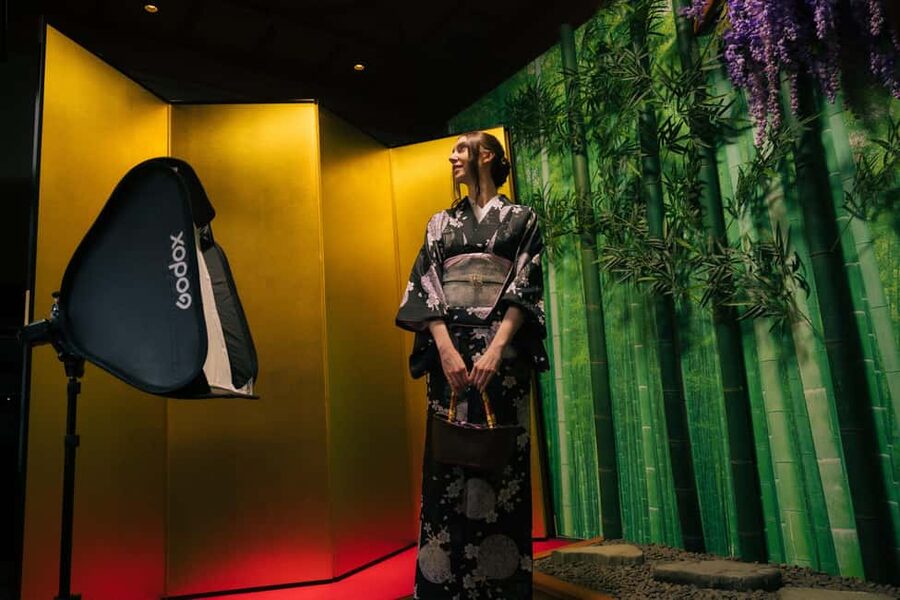
I would recommend Orizuruya Gion to you if you want a cultural activity that feels approachable and hands-on. It suits first-time visitors who worry about etiquette, since the instructor tells you what to do at each stage.
Couples will appreciate the shared dressing process and photographs. It can also make a thoughtful gift, especially if one person is interested in Japanese traditions and the other wants a memorable activity rather than another sightseeing stop.
Families with teenagers can find plenty to do here. The calligraphy lesson, in particular, adds a creative challenge, and the small group makes it easier for the instructor to help.
Solo visitors are not left out. The English guidance, staff photographs, and chance for questions make the experience workable on your own. The appointment can even become more personal if the group is small.
I would hesitate if you dislike fitted formal clothing, have a packed schedule, or want an entirely self-guided visit. The ceremony asks you to slow down and follow instructions. That is the appeal for many people, but it may not match every travel style.
Final verdict: book it for culture, not only costumes
Book this experience if you want to understand a little of Kyoto’s tea culture while wearing a carefully arranged kimono. The strongest reasons are the wide clothing choice, kind hands-on assistance, English instruction, and the chance to prepare your own matcha.
Choose the two-hour version if calligraphy interests you or you want a fuller afternoon activity. Pick an earlier time if you hope to walk around Gion in the kimono afterward.
Skip it only if your main goal is a fast photo stop or if you would rather spend your Kyoto hours moving between major sights. For most visitors, though, $49 buys a relaxed cultural lesson with several useful extras, and the setting in Gion makes the experience easy to add to a day in the historic district.
FAQ
Where is the Kyoto kimono tea ceremony held?
It is held at Gion Oritsuruya, 572-7 Minamigawa, Gion-machi, Higashiyama-ku, Kyoto.
How do I reach Orizuruya Gion?
The meeting point is about a 7-minute walk from Keihan Gion-Shijo Station and a 10-minute walk from Hankyu Kyoto-Kawaramachi Station.
How long does the experience last?
The kimono tea ceremony lasts about 90 minutes. The tea ceremony with Japanese calligraphy lasts about two hours.
Is the instruction available in English?
Yes. The activity includes an English-speaking instructor and licensed guide.
How many people are in the group?
The small-group experience is limited to a maximum of 10 participants.
Is hairstyling included?
Simple hairstyling is included for women. The kimono set, tea utensils, matcha, wagashi, guide, fees, and taxes are also included.
Can I keep the kimono on after the ceremony?
You may be able to wear the kimono around Gion after the activity, often until 5 p.m. Confirm the exact return time for your selected session.
More Geisha Experiences
- Kyoto Geisha Walking Tour: Gion District & Hidden Gems
★ 4.7 · 3,273 reviews - Kyoto: Gion Magical Night Walking Tour with Geisha Trivia
★ 4.9 · 2,393 reviews - Kyoto: Gion Geisha District Walking Tour – Stories of Geisha
★ 4.7 · 2,187 reviews - Best of Kyoto: Gion, Geisha, Pagodas & Cobblestones
★ 4.9 · 2,058 reviews
Just added around Kyoto
- Kyoto: Zen Meditation at a Private Temple with a Monk★ 5.0 · 25 reviews
- Kyoto: Gion Geisha District & Sake-in-Hand Walking Tour★ 5.0 · 37 reviews
- Private Pewter Sake Cup Experience with a Kyoto Artisan★ 5.0 · 31 reviews
- Your Private Vacation Photography Session In Kyoto★ 5.0 · 110 reviews
- Private Guided Traditional Buddhist Cooking in Japan★ 5.0 · 16 reviews
- Kyoto Wagashi(Japanese sweets) Cooking Class near Fushimiinari★ 5.0 · 60 reviews
- Traditional Japanese Music show & Experience Tour in Kyoto★ 5.0 · 57 reviews
- Kyoto:Family-Friendly Kimono & Yukata Experience at WARGO★ 5.0 · 147 reviews
Kyoto Tours, compared.
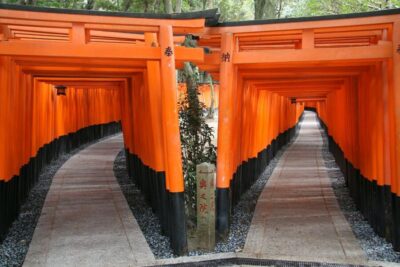
Fushimi Inari, Kinkakuji, Bamboo Grove 1 Day Bus Tour
Read our review →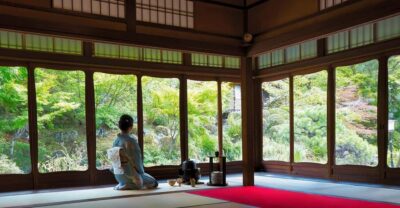
Tea Ceremony in a Traditional Tea House in Kiyomizu
Read our review →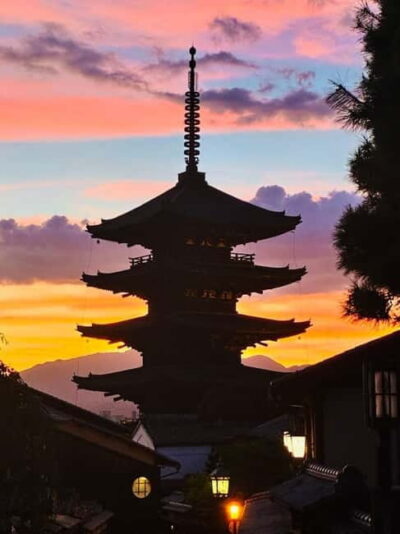
Kyoto Geisha Walking Tour: Gion District & Hidden Gems
Read our review →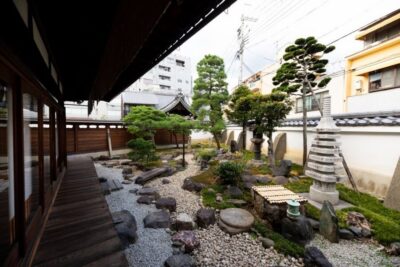
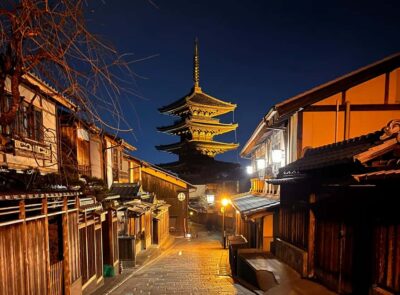
Gion Magical Night Walking Tour with Geisha Trivia
Read our review →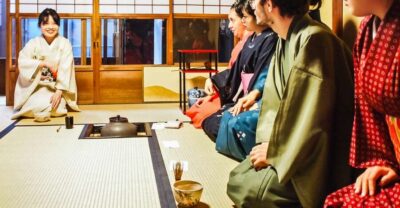
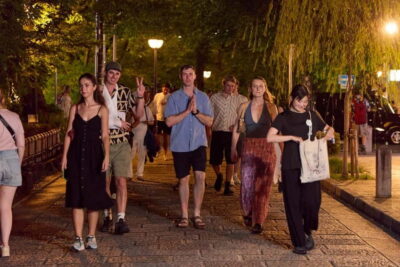
Gion Geisha District Walking Tour – Stories of Geisha
Read our review →Browse the lists this tour appears in