
Reviewed · KYOTO TOURS
Kimono Tea Ceremony at Kyoto Maikoya, NISHIKI
The most memorable part of this Kyoto experience is the pairing of kimono dressing and tea ceremony. You do not need to arrange a costume rental first, then find a separate tea room. The staff helps you dress, fixes your hair if you are a woman, and leads you into a traditional tatami room for the ceremony.
I like the hands-on format. You learn what the utensils mean, watch the host prepare matcha, then whisk your own tea. I also like the setting near Nishiki, which makes it easy to fit this 90-minute activity into a day of sightseeing. The main consideration is group size: the booking information says a maximum of two travelers, while firsthand accounts describe ceremonies with roughly 8 to 12 participants.
Key points to know before booking
- Kimono dressing comes first: Choose from several costumes, then receive help with the layers, accessories, and simple hairstyling.
- You make your own matcha: The host explains the tools and guides you through whisking the tea.
- Wagashi is included: The ceremony ends with matcha and small Japanese sweets.
- Nishiki is a useful location: The meeting point is in central Kyoto, near public transportation and the Nishiki Market area.
- Allow about 90 minutes: Morning and afternoon start times make this easy to add before or after other Kyoto plans.
- Expect a shared cultural lesson: The ceremony may include people from several countries, and the group size can vary.
Why the kimono and tea ceremony work well together
A tea ceremony can be hard to understand if you only watch from the side. The slow movements, bows, utensils, and quiet pauses have meaning, but without explanation they can feel like a formal performance.
Here, you take part. After choosing a kimono, you sit on the tatami floor and learn how the ritual is arranged. The host explains the background of tea in Japan, the purpose of the different tools, and the customs that shape the ceremony. You then prepare matcha yourself, rather than simply receiving a cup.
The kimono adds another layer. It changes the way you move and helps you notice the care given to clothing, presentation, and manners in traditional Japanese settings. It also makes the experience feel special without requiring you to book a full-day cultural program.
I would think of this as an introduction rather than a formal tea-school lesson. You will learn the basic sequence and ideas behind the ceremony, but the focus is friendly participation. That makes it a good choice if you want cultural context without committing to a more serious or lengthy study.
More Kimono Experiences in Kyoto
- Kyoto: Kimono Rental with Hairstyling and Accessories
★ 4.8 · 653 reviews - Kyoto: Kimono Tea Ceremony at Orizuruya Gion
★ 4.9 · 618 reviews - KYOTO Tea Ceremony with kimono near by Imamiya Jinjya Shrine
★ 5.0 · 343 reviews
Choosing a kimono at Maikoya Nishiki
The experience begins at Kimono Tea Ceremony MAIKOYA Nishiki, at 329 Ebiyacho, on Gokomachi-dori, Sanjo sagaru, in central Kyoto. You make your own way there, so check the address and allow time to find the entrance.
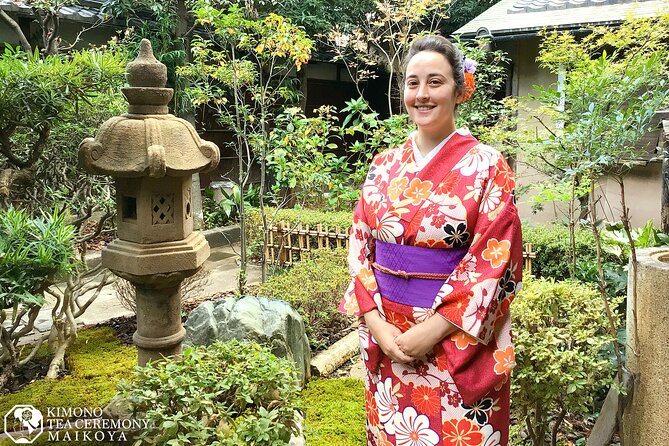
The staff helps you choose from a selection of kimonos and dresses you properly. Firsthand accounts describe a good range of colors and accessories, with some people especially enjoying the chance to select their own outfit. The clothing is not simply placed over your everyday clothes for a quick photograph. You are helped through the dressing process so the costume looks and feels more complete.
For women, simple hairstyling is included. Hair may be pinned up and finished with decorative flowers or other accessories. Men receive the kimono costume, though the included hairstyling is specified for women. A small purse for valuables has also been provided during the dressing process.
You should plan to be patient here. Several people may be getting ready at once, and the staff has to work through each costume carefully. That is part of the experience, but it means the first stage may feel more organized and practical than quiet or ceremonial.
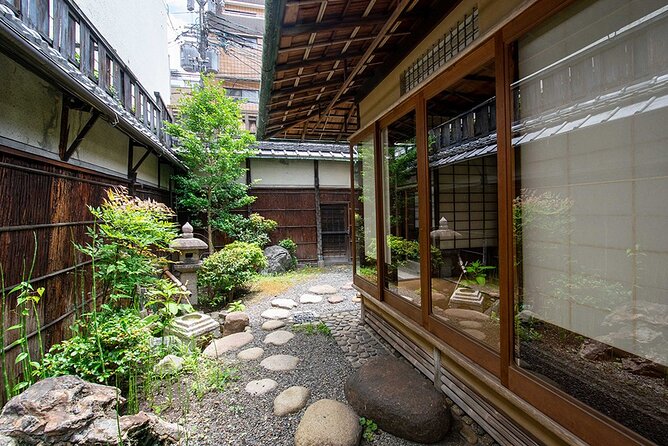
Take photos while you have the chance. The setting includes a garden area, according to firsthand accounts, and the staff may help take pictures. The costume, hair accessories, and traditional rooms give you more useful photographs than a quick selfie at a rental shop.
Sitting on tatami for the tea ceremony
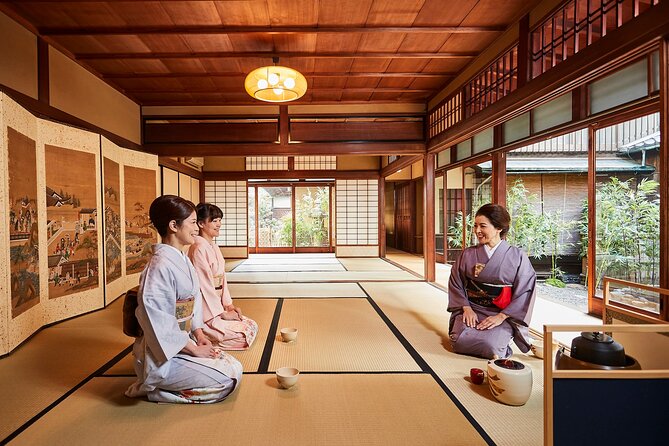
Once dressed, you move into the tea room and sit Japanese-style on the tatami floor. The room is decorated in a traditional manner, which helps create the right atmosphere for the lesson.
The host demonstrates the ceremony and explains what is happening as it unfolds. You learn about the origins and customs of tea, the order of the movements, and the role of the utensils. The presentation is intended for international visitors, so the explanation is accessible rather than filled with specialist language.
One named host in the firsthand accounts is Sono, who was praised for making the subject easy to follow and adding humor. Other sessions may have a different tea master or host, so do not assume Sono will lead every departure.
The pace matters. A tea ceremony is not designed to be rushed. The careful handling of the bowl, whisk, scoop, and tea powder gives you a small lesson in Japanese ideas of attention and hospitality. Even the pauses are useful, since they show why this ritual is about more than drinking green tea.
A short meditation period has also been part of at least one session. It is best to treat this as a possible element rather than a guaranteed feature of every departure.
Making matcha and tasting wagashi
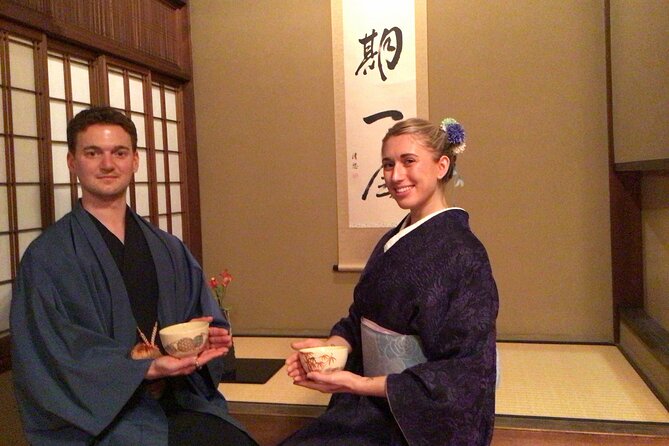
The most interactive section comes when you prepare your own matcha. The host shows you how to use the utensils and high-quality matcha powder, then guides you through mixing the tea.
You do not need previous experience. The point is to follow the method, notice the texture, and understand the care involved. Matcha has a strong, grassy taste that may surprise you if you usually drink sweetened tea. The small wagashi sweets help balance it.
Wagashi are traditional Japanese sweets, and they are served as a light snack with the tea. Do not expect a full meal. This is a cultural tasting, not a food tour or lunch replacement.
I like this part because it gives you something to remember physically. You have watched the host prepare tea, learned the sequence, and then tried it yourself. That small act turns an explanation into a personal memory.
The tea and snacks are included in the price, along with the costume, utensils, and simple hairstyling. There are no stated extra charges for the standard experience, though transportation and hotel pickup are not included.
More Tea Ceremonies in Kyoto
- Kyoto: Tea Ceremony in a Traditional Tea House in Kiyomizu
★ 4.9 · 3,519 reviews - Kyoto: Tea Ceremony Ju-An at Jotokuji Temple
★ 4.9 · 3,207 reviews - Kyoto: 45-Minute Tea Ceremony Lesson Experience
★ 4.3 · 2,378 reviews - Kyoto: Table-Style Tea Ceremony at a Kyo-Machiya
★ 4.9 · 1,211 reviews
What the 90-minute schedule means for your Kyoto day
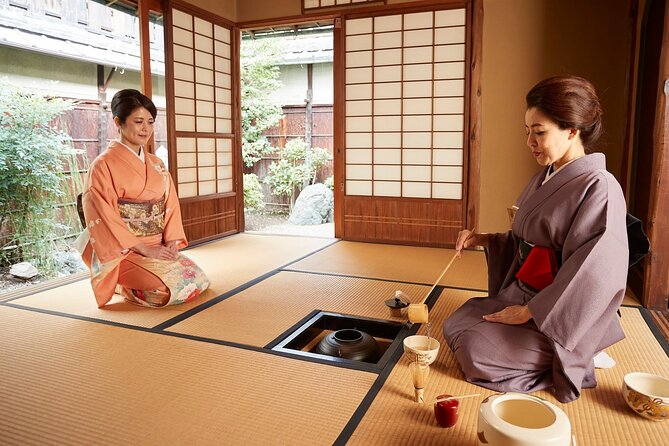
The activity lasts approximately one hour and 30 minutes. Morning and afternoon start times are offered, so you can place it around a visit to Nishiki Market, nearby shopping streets, or other central Kyoto sights.
Because you meet at the venue, you are responsible for reaching it. The location is near public transportation, but the information does not include hotel pickup or drop-off. If you are unfamiliar with Kyoto, leave a little spare time for navigation and check the mobile ticket before setting out.
The timing is short enough for most visitors to fit into a busy itinerary. At the same time, the costume stage, photographs, explanation, and tea preparation make it feel fuller than a simple 30-minute demonstration.
Do not schedule it too tightly against a train departure or another timed attraction. Dressing can take attention and care, and the ceremony itself works best when you are not watching the clock.
The activity ends back at the meeting point. That is convenient if you want to continue around Nishiki afterward, but you will need to plan your own route to the next stop.
Group size and the feel of the room
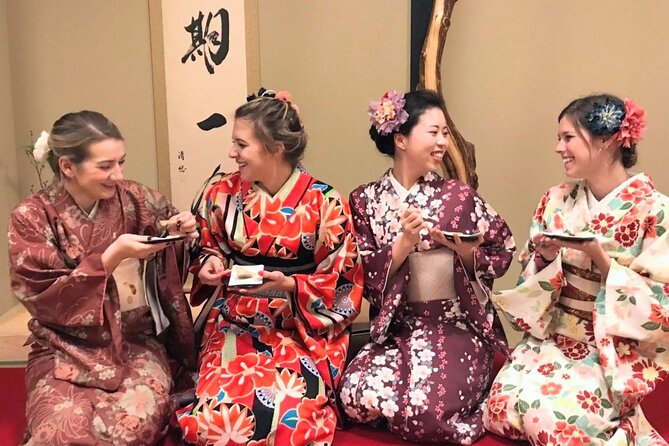
The booking information says you can reserve a maximum of two people through one booking channel, and it also describes a maximum of two travelers. Yet firsthand accounts describe shared ceremonies of about eight people and, in one case, roughly 10 to 12.
That difference is worth noticing. The actual room may include other participants, even if you book for one or two people. The experience can therefore feel intimate in a small session or more like a shared cultural class at a busy time.
A larger group has one advantage: you see people from different countries learning the same ritual together. It can create a friendly, international atmosphere. The drawback is that individual time for photographs or questions may be more limited.
If quietness and privacy matter most to you, contact the operator before booking and ask about the expected group size for your chosen time. If you enjoy meeting other people and comparing the different kimonos, a shared session should suit you well.
How authentic is the experience?
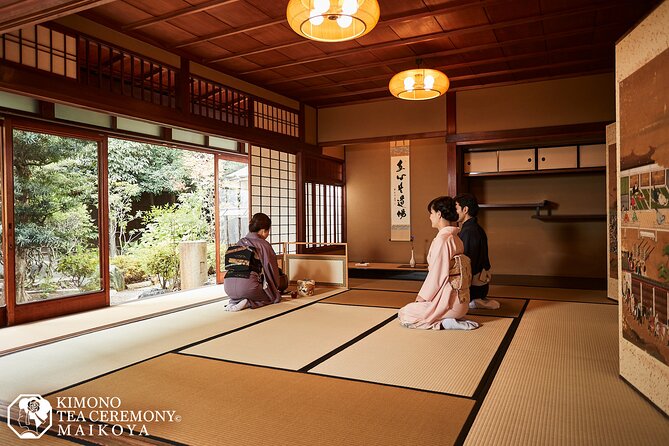
This is a visitor-friendly cultural activity, not a private ceremony conducted for a Japanese tea practitioner. The staff dresses you in costumes, explains the tradition in clear terms, and lets you prepare matcha. That makes the experience accessible, but it also means the session is designed around teaching and photography.
The traditional tatami rooms, utensils, kimono, sweets, and tea give the activity a strong sense of place. The ceremony is presented with respect, and the hosts explain why the movements matter rather than treating them as empty decoration.
I would recommend it to you if you want a first introduction to the tea ceremony and do not speak Japanese. It is also useful if you have limited time in Kyoto and want one activity that combines clothing, history, food, and participation.
If you have already studied tea ceremony in depth, you may find the lesson basic. A second-time participant has still found new information in a later session, but the main purpose remains a welcoming introduction.
Is $65.66 a fair price?
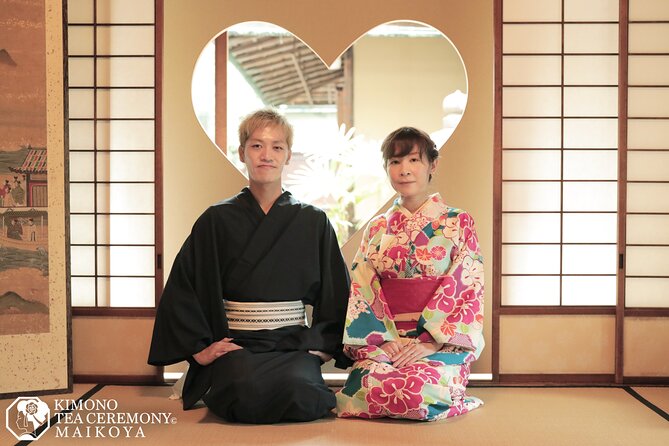
At $65.66 per person, this is not the cheapest way to drink matcha in Kyoto. You can buy a tea and sweet for far less. The price makes more sense when you count the costume, dressing assistance, simple hairstyling, utensils, instruction, photos, and the organized ceremony.
A kimono rental alone can require separate research, fitting, and travel. Here, the clothing and tea lesson are joined in one booking at one central location. That saves time, especially if this is your first visit to Kyoto.
The value is strongest for people who want photographs and a guided explanation. If you only want to taste matcha, this experience will be more than you need. If you want to understand the ritual and take part in it, the combined format is easier to justify.
The activity has a 4.8 rating from 911 published ratings, with 96 percent recommending it. Those figures point to consistent satisfaction, especially with the friendly staff, the dressing process, and the clear presentation. They do not remove the group-size uncertainty, so that remains the main practical question to check.
Who will enjoy this Kyoto activity most?
I would point this experience toward:
- First-time visitors who want a simple introduction to Japanese customs
- Couples or friends looking for a shared cultural activity and photographs
- Families with children aged seven or older
- Visitors who want both kimono dressing and tea without arranging two separate bookings
- People with a free morning or afternoon in central Kyoto
Children under seven cannot enter the venue. If one member of your party is younger than seven, the reservation cannot be made for the group.
The activity can also suit a 10-year-old who is interested in Japanese culture. One family session included a parent and child, with the tea master explaining the ceremony and adding a brief meditation.
You should be comfortable sitting on a tatami floor in a Japanese-style position. The supplied information does not describe special seating arrangements, so anyone who cannot sit this way for the duration should ask the operator before booking.
Practical details that can affect your choice
Confirmation is provided at booking, and the ticket is mobile, so you can show it from your phone. Bring the booking details with you and make sure you know the exact Nishiki address before leaving.
Morning and afternoon departures give you useful flexibility. I would choose a morning time if you want to spend the rest of the day around central Kyoto in your kimono, though the supplied information does not specify how long you may keep the costume after the ceremony. Do not assume the outfit can be worn elsewhere once the session ends.
Free cancellation is available if you cancel at least 24 hours before the start time. Changes made inside that 24-hour window are not accepted, and the amount paid is not refunded. Cut-off times follow local Kyoto time.
The activity requires good weather. If the operator cancels because of poor weather, you are offered another date or a full refund. Since much of the activity takes place indoors, check the operator’s instructions if rain is forecast rather than assuming the session will run normally.
Should you book the Maikoya Nishiki tea ceremony?
Book it if you want a hands-on cultural lesson rather than a quick cup of tea. The strongest parts are the careful kimono dressing, simple hair arrangement, traditional room, clear explanation, and chance to whisk your own matcha with wagashi afterward.
I would also book it for a first Kyoto visit when you want one compact activity that produces photographs and gives context to a familiar symbol of Japan. The central location and 90-minute length make it easy to add to a sightseeing day.
Think twice if you dislike dressing up, sitting on the floor, or sharing a room with other participants. Also ask about the expected group size if a quiet, private ceremony is important to you. For most first-time visitors, though, the $65.66 fee covers enough separate elements to make this a sensible cultural splurge.
FAQ
Where does the tea ceremony take place?
It takes place at Kimono Tea Ceremony MAIKOYA Nishiki, located at 329 Ebiyacho, Gokomachi-dori Sanjo sagaru, Nakagyo Ward, Kyoto, Japan.
How long does the activity last?
The experience lasts approximately one hour and 30 minutes.
What is included in the price?
The price includes a kimono costume, green tea, tea utensils, simple hairstyling, and snacks.
Is transportation included?
No. You make your own way to the meeting point, and hotel pickup and drop-off are not included.
Can I choose a morning or afternoon time?
Yes. Morning and afternoon timing options are available.
Can children attend?
Children under seven cannot enter the tea ceremony venue. If anyone in your party is under seven, you cannot reserve this experience for the group.
Do I prepare the matcha myself?
Yes. The host explains the utensils and guides you through making your own matcha green tea.
What happens if I need to cancel?
You can receive a full refund if you cancel at least 24 hours before the experience start time. Cancellations or changes made less than 24 hours in advance are not accepted for a refund.
Just added around Kyoto
- Kyoto: Zen Meditation at a Private Temple with a Monk★ 5.0 · 25 reviews
- Kyoto: Gion Geisha District & Sake-in-Hand Walking Tour★ 5.0 · 37 reviews
- Private Pewter Sake Cup Experience with a Kyoto Artisan★ 5.0 · 31 reviews
- Your Private Vacation Photography Session In Kyoto★ 5.0 · 110 reviews
- Private Guided Traditional Buddhist Cooking in Japan★ 5.0 · 16 reviews
- Kyoto Wagashi(Japanese sweets) Cooking Class near Fushimiinari★ 5.0 · 60 reviews
- Traditional Japanese Music show & Experience Tour in Kyoto★ 5.0 · 57 reviews
- Kyoto:Family-Friendly Kimono & Yukata Experience at WARGO★ 5.0 · 147 reviews
Kyoto Tours, compared.
Fushimi Inari, Kinkakuji, Bamboo Grove 1 Day Bus Tour
Read our review →
Tea Ceremony in a Traditional Tea House in Kiyomizu
Read our review →
Kyoto Geisha Walking Tour: Gion District & Hidden Gems
Read our review →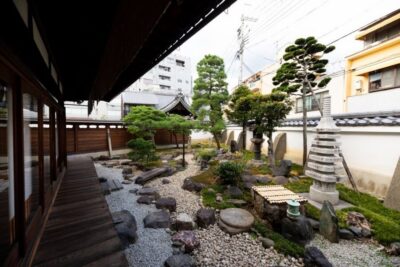
Gion Magical Night Walking Tour with Geisha Trivia
Read our review →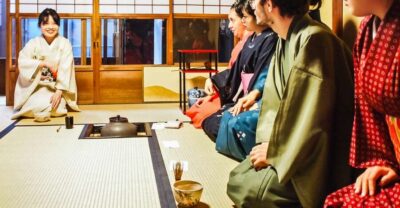
Gion Geisha District Walking Tour – Stories of Geisha
Read our review →Browse the lists this tour appears in