
Reviewed · KYOTO TOURS
KYOTO Tea Ceremony with kimono near by Imamiya Jinjya Shrine
The best part of this Kyoto experience is that the kimono is not just a costume for a quick photograph. You are dressed in several layers, shown how the patterns carry meaning, and then seated for a tea ceremony led by a master with 30 years of practice. I especially like the careful dressing process and the chance to prepare your own tea instead of only watching.
I also like the calm setting near Daitoku-ji, an area closely tied to Japanese tea culture, and the help with hair, posing, and photographs. The main consideration is time: 90 minutes goes quickly, and the kimono fitting can feel rushed if everyone arrives at once, so arrive early if you can.
Key points at a glance
- Three generations of tea-room tradition: The ceremony takes place in a room used by the same family for three generations.
- A real kimono fitting: Staff help you select a color and pattern, arrange your hair, and dress you in the layered garment.
- A tea master with 30 years of study: You first watch a formal demonstration before trying to prepare tea yourself.
- Photos are part of the experience: Staff help you pose and take pictures while you are dressed in the kimono.
- Small-group format: The experience accepts a maximum of 12 people, allowing room for questions and personal help.
- A useful Kyoto location: The meeting point is near Daitoku-ji and public transportation, with the activity returning to the same place.
Why the kimono fitting is more than a photo stop
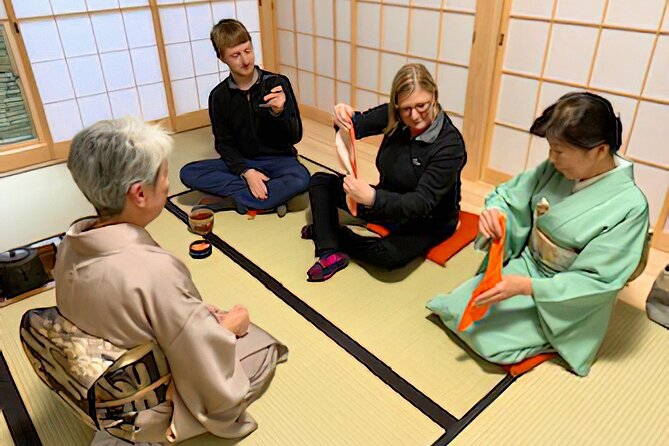
Many Kyoto activities let you rent a kimono for a stroll. This one takes a different route. You choose from a collection of traditional garments from Nishijin, Kyoto, then staff help put the clothing on properly. The process involves multiple layers and careful adjustment, which gives you a better sense of why formal Japanese dress is an art rather than a simple robe.
You can choose a favorite color and pattern, but be ready to decide fairly quickly. Staff work efficiently, especially when several people arrive together. If you already know whether you prefer a bright pattern, a subdued color, or something traditional, the fitting will be smoother.
Hair styling is included for women, according to the experience details and several personal accounts of the activity. Men and women can wear kimonos. The hair arrangement and accessories help the finished look feel complete, rather than like clothing borrowed for a few minutes.
The staff also make time for photographs. They help with poses and take pictures while you are dressed, which is useful if you are visiting alone or if everyone in your group wants to appear in the frame. This photo session is simple, not a full studio production, but it gives you a record of the experience beyond a few hurried phone snapshots.
One practical point: the kimono is fitted tightly and includes several layers. You may feel less flexible than usual, and sitting in the traditional position may take effort. That is part of the lesson, though. Once dressed, you understand why posture, movement, and manners matter so much in a tea ceremony.
More Kimono Experiences in Kyoto
- Kimono Tea Ceremony at Kyoto Maikoya, NISHIKI
★ 5.0 · 911 reviews - Kyoto: Kimono Rental with Hairstyling and Accessories
★ 4.8 · 653 reviews - Kyoto: Kimono Tea Ceremony at Orizuruya Gion
★ 4.9 · 618 reviews
The setting near Daitoku-ji and Imamiya Jinjya
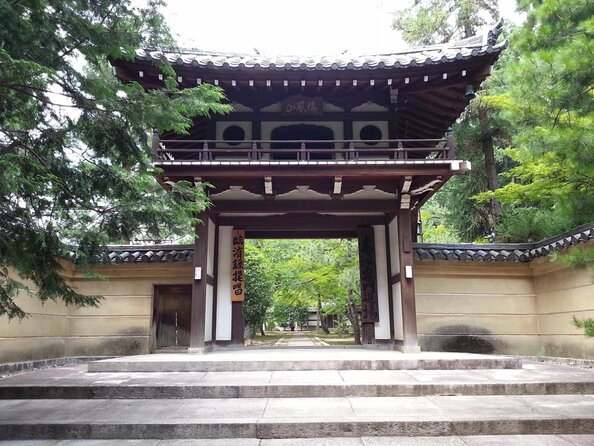
The meeting point is Tea Ceremony Caren, at 74-4 Murasakino Daitokujicho in Kyoto’s Kita Ward. The activity is near Daitoku-ji Temple, a place with strong links to Japanese tea culture. Some descriptions and personal accounts also refer to the experience as being near Imamiya Jinjya Shrine.
The room itself is old rather than polished and modern. I consider that a plus for this kind of activity. A tea ceremony is better suited to a modest, traditional room than a glossy entertainment venue, though you should not expect a large formal hall or luxury facilities.
The activity begins and ends at the meeting point. Private transportation is not included, so you need to make your own way there using public transportation or a taxi. The location is described as being near public transportation, but allow enough time to find the building and settle in before the dressing begins.
The setting matters because it gives the ceremony some context. You are not simply placed in a decorated room in the busiest part of Kyoto. You are in a neighborhood near temples and sites connected with the city’s tea traditions. The activity itself lasts about 90 minutes, so pairing it with Daitoku-ji or nearby sights can make good use of your day.
Watching the tea master prepare the first cup
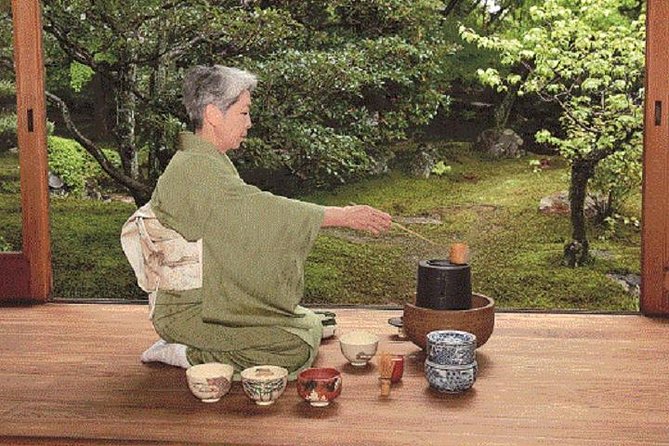
Once the kimono fitting and photographs are finished, you move to the tea room. A professional tea master demonstrates the ceremony while an instructor explains what is happening.
The presentation covers the history of Japanese tea ceremony and the manners expected during it. You learn how to receive the tea, how to treat the seasonal sweet, and why each movement is deliberate. The point is not speed. The quiet pauses and repeated gestures are part of the ceremony’s character.
The tea master has studied the practice for 30 years. That experience shows in the structure of the demonstration, where the movements are measured and precise. An interpreter provides explanations in English, and Akira is specifically praised for helping with interpretation, history, photographs, and posing.
The Japanese ceremony itself is conducted by the tea master, with English explanation alongside it. This arrangement preserves some of the original rhythm while still making the activity understandable. You will not simply watch a silent performance with no idea why the bowl is turned or how the tea is presented.
Seasonal sweets accompany the tea. They provide a small contrast to the bitter taste of matcha and are part of the traditional order of the experience. The portion is not presented as a meal, so eat beforehand if you need something substantial.
Preparing your own Japanese tea
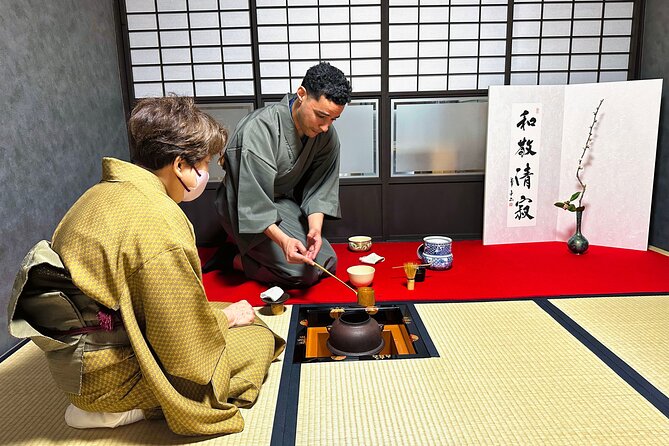
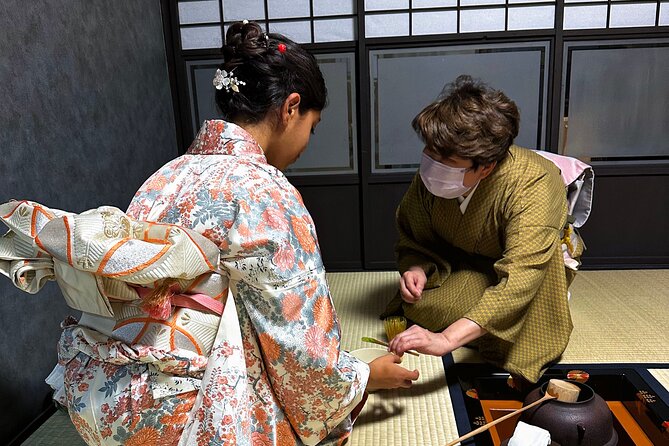
The most satisfying part for many people is the chance to make tea themselves. After watching the master, you receive guidance as you prepare a cup for another person in the group.
Do not worry about producing a perfect bowl. The activity is designed for beginners, and the value comes from trying the sequence with your own hands. You get a feel for the whisk, the bowl, the movements, and the attention required to serve someone else.
The ceremony also becomes more social at this point. Families can prepare tea for one another, couples can take turns, and solo visitors can still receive a chance to participate. One account describes a solo participant being included and encouraged, rather than left watching from the side.
This is also where the kimono becomes useful as a cultural lesson. Moving your hands and sitting properly while wearing layered clothing is different from doing the same thing in everyday clothes. You gain a small understanding of the discipline behind the ritual.
The tea-making portion is guided rather than private. With a maximum of 12 participants, you may need to wait briefly while others take their turn. That group size is still small enough for questions and personal assistance, but it is not a one-to-one lesson.
More Tea Ceremonies in Kyoto
- Kyoto: Tea Ceremony in a Traditional Tea House in Kiyomizu
★ 4.9 · 3,519 reviews - Kyoto: Tea Ceremony Ju-An at Jotokuji Temple
★ 4.9 · 3,207 reviews - Kyoto: 45-Minute Tea Ceremony Lesson Experience
★ 4.3 · 2,378 reviews - Kyoto: Table-Style Tea Ceremony at a Kyo-Machiya
★ 4.9 · 1,211 reviews
What makes this feel authentic, and what does not
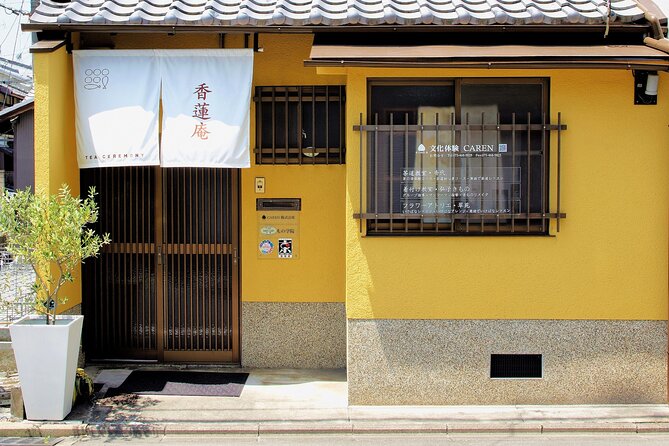
The experience uses authentic kimonos, a traditional tea room, a professional tea master, seasonal sweets, and an explanation of ceremony history and manners. Those details give it more substance than a simple dress-up session.
The room has been used for three generations, which adds a useful sense of continuity. You are learning in a place connected to the practice, not just hearing a short script about tea ceremony customs.
At the same time, this is still an activity created for international visitors. The photo session, English interpretation, quick fitting system, and beginner-friendly tea preparation are all designed to make the tradition accessible. That does not make the ceremony false, but it does mean you should expect a guided introduction rather than a private ceremony conducted entirely in Japanese.
I like that balance. A formal tea ceremony can be difficult to follow if you know nothing about the etiquette. Here, the explanations help you appreciate the details without requiring previous knowledge.
The most authentic element may be the attitude toward the clothing and the ceremony. You are shown how much work goes into wearing a kimono, then asked to slow down and pay attention. That is more meaningful than simply putting on a garment for a photograph and leaving.
Price, timing, and practical value
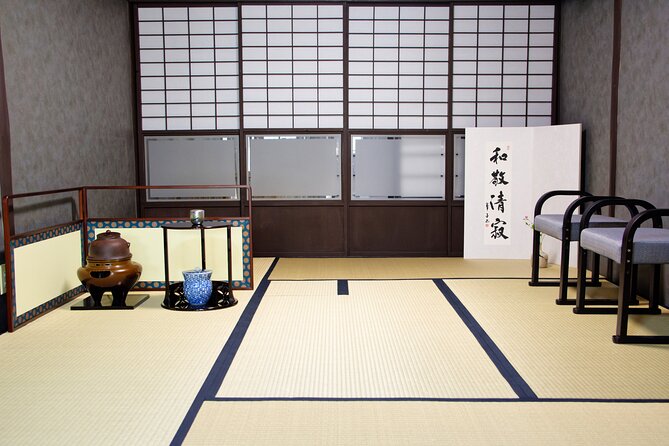
The listed price is $99.49 per person for approximately 90 minutes. That is not the cheapest kimono photograph in Kyoto, but the price covers several separate services: kimono selection, assistance with dressing, hair styling for women, photographs, a tea demonstration, English explanation, seasonal sweets, and the chance to prepare tea.
I think the value is strongest if you want several parts of Japanese culture brought together in one compact activity. Booking separate kimono rental, hair styling, a photographer, and a tea ceremony could take more time and cost more. This experience handles those pieces in one visit.
The value is weaker if you only want to walk around Kyoto in a kimono. In that case, a rental service with several hours of wear may suit you better. Here, the kimono is central to the ceremony, not a pass for sightseeing around town.
Plan on the full 90 minutes, and allow extra time before the start. The fitting can become hectic when everyone arrives together. Arriving early gives staff more room to dress you and may make the photo portion less hurried.
The group maximum is 12 people. That is small enough to keep the demonstration personal, though the experience will not feel completely private. If you are booking for a family, this format lets everyone participate. Teenagers have enjoyed it too, including young people who were not initially interested in a tea lesson.
The activity ends back at the meeting point. Since transportation is not included, build in time for getting to and from the Kita Ward location. A mobile ticket is provided, and confirmation is received when you book.
Who should book this Kyoto experience
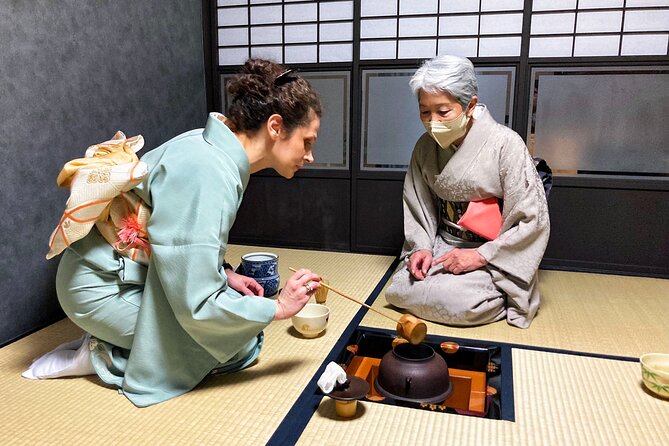
I would recommend it to first-time visitors who want a guided introduction to Japanese tea ceremony without committing to a long formal study session. You receive enough explanation to understand the basic history, manners, and movements, then get to try the process yourself.
It is especially well suited to:
- Couples who want photographs together in traditional clothing
- Families with children or teenagers who enjoy hands-on activities
- Solo visitors who want an organized cultural experience
- Anyone interested in Japanese clothing, design, or ceremony
- People who prefer a small group over a large staged show
- Visitors with only a short amount of time available
It can also be a good choice for a meaningful family occasion. The gentle pace, shared preparation, and photographs give grandparents, parents, and children something to do together.
You may want to skip it if you dislike being dressed by others, sitting formally, or following a quiet ritual. The kimono fitting involves several layers and close assistance. The tea ceremony itself is calm and structured, not a fast-paced attraction.
You should also keep your expectations realistic about photographs. Staff help you pose and take pictures, but the available information does not promise a professional photography package or a fixed number of edited images.
Cancellation and weather details
You can cancel up to 24 hours before the start time for a full refund. Changes or cancellations made within 24 hours are not accepted for a refund, and the cut-off is based on local Kyoto time.
The activity may also be canceled if poor weather affects the program or if the minimum number of participants is not reached. In those cases, you are offered another date or experience, or a full refund.
The weather policy is worth noting even though much of the activity takes place indoors. Check the forecast before your final day in Kyoto and avoid leaving this booking until the last possible moment if it is important to your schedule.
Is the 90-minute tea ceremony worth booking?
Yes, if you want more than a quick kimono photograph. The strongest reason to book is the combination of proper kimono dressing, a serious tea demonstration, and hands-on preparation in one short session.
The experience gives you a respectful introduction to a tradition that can seem mysterious from the outside. You learn why the clothing matters, how the ceremony is organized, and how much care goes into offering one bowl of tea.
Book it near the start of your visit if you want cultural context for the rest of Kyoto, or near the end if you want a quiet final memory. Arrive early, allow for the layered dressing process, and plan your route carefully to the Daitoku-ji area.
At $99.49, it is best viewed as a combined cultural lesson, portrait opportunity, and tea workshop. If that mix appeals to you, this is a strong use of 90 minutes in Kyoto. If your priority is extended kimono sightseeing or a private tea ceremony, choose a different format.
FAQ
Where does the tea ceremony take place?
The meeting point is Tea Ceremony Caren at 74-4 Murasakino Daitokujicho, Kita Ward, Kyoto, 603-8231, Japan. The room is near Daitoku-ji Temple, and the activity ends back at the meeting point.
How long does the experience last?
The activity lasts approximately 1 hour and 30 minutes.
Is a kimono included?
Yes. You can choose a kimono from the collection, and staff assist with putting it on. Hair styling is also provided for women.
Will I be able to make tea myself?
Yes. After watching the tea master demonstrate the ceremony and learning about its history and manners, you have the opportunity to prepare your own cup of tea.
How many people can join?
The activity has a maximum of 12 participants.
Can I cancel for a full refund?
Yes, if you cancel at least 24 hours before the scheduled start time. Cancellations or changes made within 24 hours are not refundable. If the experience is canceled because of poor weather or an insufficient number of participants, you are offered another date or a full refund.
Just added around Kyoto
- Kyoto: Zen Meditation at a Private Temple with a Monk★ 5.0 · 25 reviews
- Kyoto: Gion Geisha District & Sake-in-Hand Walking Tour★ 5.0 · 37 reviews
- Private Pewter Sake Cup Experience with a Kyoto Artisan★ 5.0 · 31 reviews
- Your Private Vacation Photography Session In Kyoto★ 5.0 · 110 reviews
- Private Guided Traditional Buddhist Cooking in Japan★ 5.0 · 16 reviews
- Kyoto Wagashi(Japanese sweets) Cooking Class near Fushimiinari★ 5.0 · 60 reviews
- Traditional Japanese Music show & Experience Tour in Kyoto★ 5.0 · 57 reviews
- Kyoto:Family-Friendly Kimono & Yukata Experience at WARGO★ 5.0 · 147 reviews
Kyoto Tours, compared.
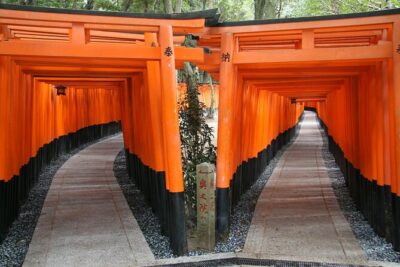
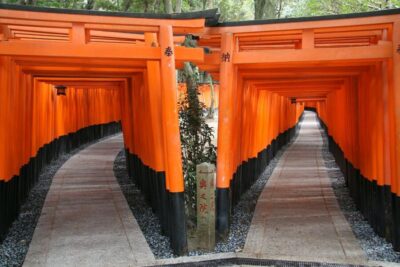
Fushimi Inari, Kinkakuji, Bamboo Grove 1 Day Bus Tour
Read our review →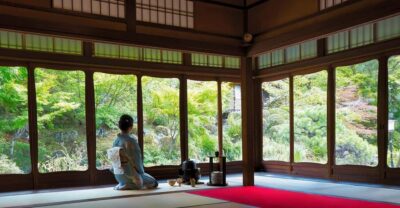
Tea Ceremony in a Traditional Tea House in Kiyomizu
Read our review →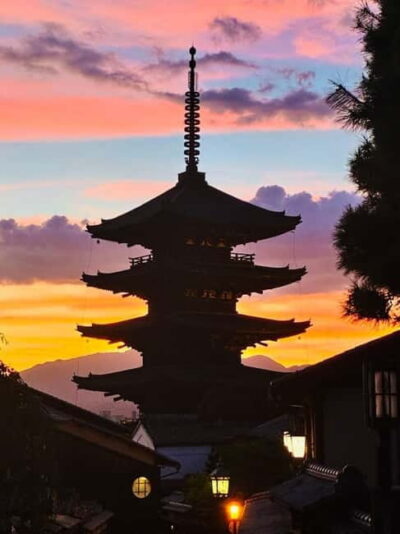
Kyoto Geisha Walking Tour: Gion District & Hidden Gems
Read our review →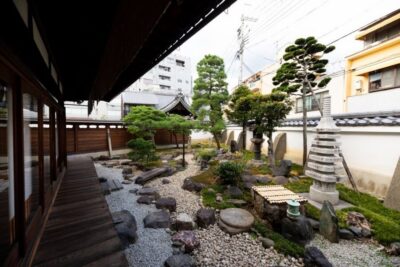
Gion Magical Night Walking Tour with Geisha Trivia
Read our review →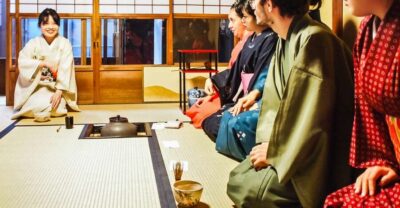
Gion Geisha District Walking Tour – Stories of Geisha
Read our review →Browse the lists this tour appears in