
Reviewed · HIROSHIMA TOURS
Hiroshima & Miyajima All-Inclusive Tour w/Licensed guide Pancho
Hiroshima’s past and Miyajima’s sacred beauty make an unusually powerful pair. In about seven and a half hours, Pancho leads your private group from the Atomic Bomb Dome and Peace Memorial Park to the shrine-lined island of Miyajima, using local trains, ferries, and buses rather than a private car.
I like the personal local perspective Pancho brings, including family stories and time for questions. I also like the flexibility: the pace can shift for your group, and he can help with vegan or gluten-free food choices. The main drawback is the amount of transit. With trains, ferry time, and walking between sites, parts of the day can feel like getting from place to place rather than sightseeing.
Key points at a glance
- A Hiroshima native named Pancho: Expect local context, family stories, and clear English throughout the day.
- Miyajima and Peace Park in one outing: You see Itsukushima Shrine, the famous torii gate, Daishoin Temple, the Atomic Bomb Dome, and key memorials.
- Public transport is included: JR trains, ferry travel, and essential buses are covered, but this is not a chauffeur-driven tour.
- The Peace Memorial Museum is not part of the guided visit: You receive context at the outdoor memorials, then keep museum time for private reflection if you choose to add it.
- Lunch is flexible but not included: You can choose ramen, sushi, okonomiyaki, tsukemen, or lighter food near Peace Memorial Park.
- Best for private groups with moderate fitness: Daishoin Temple is difficult for wheelchair access, and the full day involves walking and transfers.
Why this Hiroshima and Miyajima combination works
Many Hiroshima visits force you to choose between the city’s memorial sites and Miyajima’s religious landmarks. This tour puts both in one carefully timed day. That is the biggest reason to consider it, especially if your time in Hiroshima is short.
The two halves also balance each other. Peace Memorial Park is quiet, serious, and emotionally demanding. Miyajima offers shrines, temple grounds, views, deer, and the changing sea around the great torii gate. You do not get a lightweight sightseeing day, but you do get a fuller picture of Hiroshima.
The experience is private, so only your group participates. That matters here. You can stop for questions, slow down for a family member, or ask Pancho to explain a point again without holding up a busload of people. Past visitors have also appreciated his quick communication before the tour and his willingness to adjust plans when a group had a knee or mobility concern.
The cost is $340 per person, which is a serious price. Still, it includes Pancho’s guiding, admission to Itsukushima Shrine, and essential local transport by JR, ferry, and bus. You are paying for a full private day and personal attention, not just entry to a few sights. Lunch is extra, private transportation is not included, and the Peace Memorial Museum admission, listed as ¥200, is separate if you visit it independently.
More licensed-guide days in Hiroshima:
- Hiroshima / Miyajima Full-day Private Tour with Government Licensed Guide
★ 5.0 · 1,298 reviews - Hiroshima City 4hr Private Walking Tour with Licensed Guide
★ 5.0 · 437 reviews - Hiroshima & Miyajima: Full-Day Private Tour & Licensed Guide
★ 4.8 · 252 reviews
Starting with Miyajima and the great torii gate
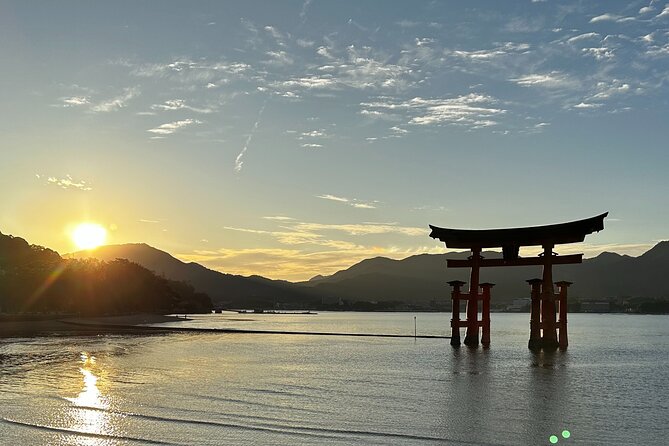
The Miyajima portion takes about three hours and ten minutes before the day shifts back to Hiroshima. The island’s most famous sight is the huge Itsukushima Shrine torii gate, often photographed with seawater beneath it.
The important detail is the tide. The gate appears to float only when the water is high enough. At lower tide, you may be able to see it from much closer on foot, but the classic floating view changes with the day’s schedule. Pancho can explain what you are seeing and help you find a useful photo position.
The gate is more than a pretty backdrop. It marks the approach to a sacred Shinto site, where the boundary between ordinary ground and holy space has traditionally been treated with care. That context makes the shrine visit more meaningful than a quick stop for a photograph.
Miyajima can also be crowded around its best-known sights. A private guide helps you spend your limited time sensibly, though no guide can remove the island’s popularity. You should expect walking, transfers, and time spent moving through public areas.
Entering Itsukushima Shrine
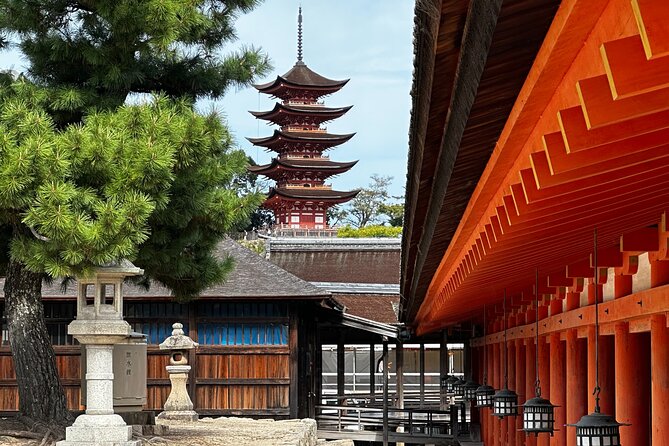
The tour includes admission to Itsukushima Shrine, with about 30 minutes set aside inside. Its design is unusual, built in relation to the water and the island’s sacred setting. As you walk through its corridors and open areas, the changing relationship between shrine, shore, and sea becomes the main attraction.
Thirty minutes is enough for an introduction and a look at the key spaces, but it is not a slow architectural study. If you love Japanese religious buildings and want extensive time for photography, the schedule may feel brisk. The benefit is that the tour still leaves room for Daishoin Temple and Hiroshima’s memorial sites.
Pancho’s role here is particularly useful if you want the difference between Shinto and Buddhist places explained in plain terms. He can also answer the small questions that are easy to miss on a self-guided visit, such as the meaning of gates, the purpose of shrine spaces, and how the torii relates to the island.
Daishoin Temple and the quieter side of Miyajima
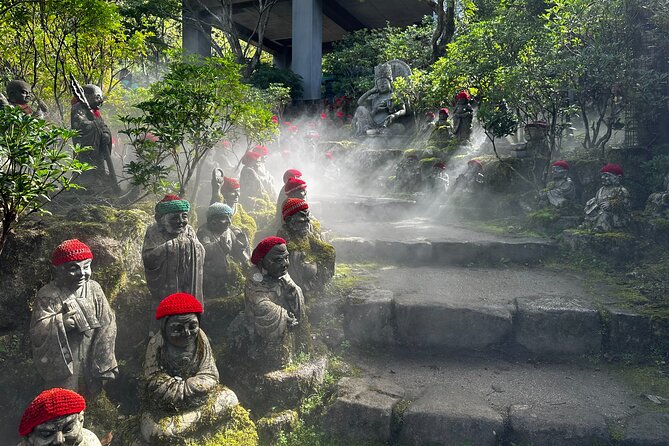
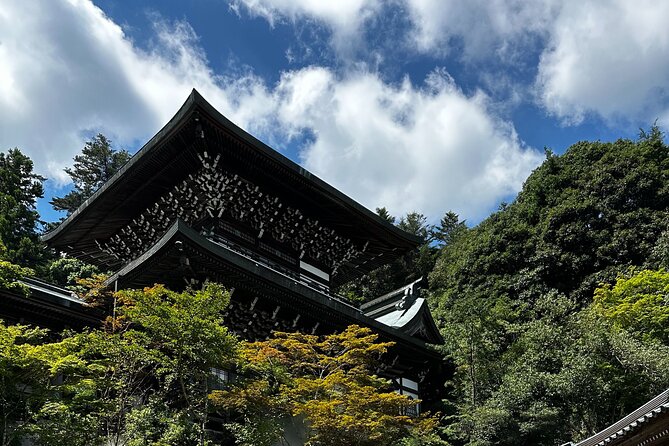
Daishoin Temple receives about 40 minutes. Pancho considers it one of his favorite temples, and the stop gives you a different mood from the shrine. The grounds are picturesque, with details that reward a slower look.
The itinerary allows time for optional nearby sights such as the five-story pagoda and Senjokaku Pavilion, depending on pace and conditions. The word optional matters. You should not assume every extra building will receive a full visit, especially if your group spends longer at the shrine or torii gate.
This is also the point where mobility deserves attention. Daishoin is difficult to access by wheelchair. The tour calls for moderate physical fitness, and the combined walking on Miyajima, station platforms, ferry routes, and Peace Park may be tiring for some people.
If someone in your group has a knee problem or may need mobility help, contact Pancho before the day. Advance messages can help him plan a more workable route, though the temple itself remains a limitation.
A few more Hiroshima half-days to weigh up
- Peaceful Hiroshima & Miyajima UNESCO 1 Day Bus Tour
★ 5.0 · 5,309 reviews - Hiroshima: Hiroshima and Miyajima UNESCO Sites 1-Day Tour
★ 4.9 · 2,330 reviews - Hiroshima Historical Walking Tour – Why A-Bomb was Dropped
★ 4.8 · 893 reviews - Hiroshima Peace (Heiwa) Walking Tour at World Heritage Sites
★ 5.0 · 872 reviews
Lunch near Peace Memorial Park
The lunch break lasts about 50 minutes near Peace Memorial Park. Food is not included, which gives you choice but adds another cost to the $340 tour fee.
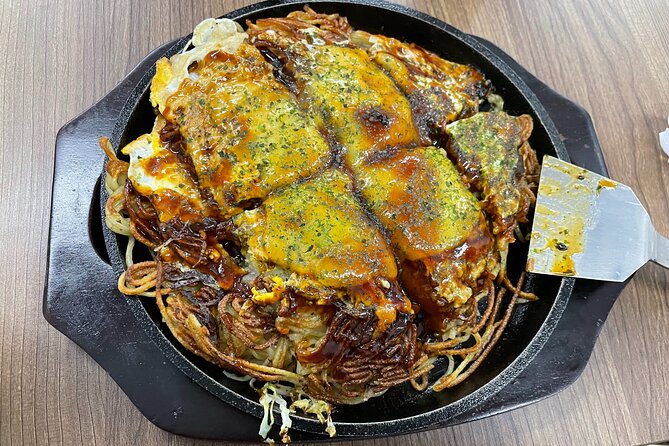
You may choose from ramen, casual sushi, okonomiyaki, tsukemen, and lighter meals. Pancho can advise on vegan and gluten-free options, a useful service in a city where sauces, broths, and noodles can contain ingredients you need to avoid.
The short lunch window favors a practical meal rather than a long restaurant experience. Hiroshima-style okonomiyaki is the obvious local choice, but you may prefer something faster if you want more time at the memorials. Tell Pancho your priorities early so lunch does not become a rushed decision.
I appreciate that the food stop is near the Peace Park rather than treated as a separate culinary detour. You eat, regroup, and continue with the city’s most important sights.
The Atomic Bomb Memorial Mound and the Dome
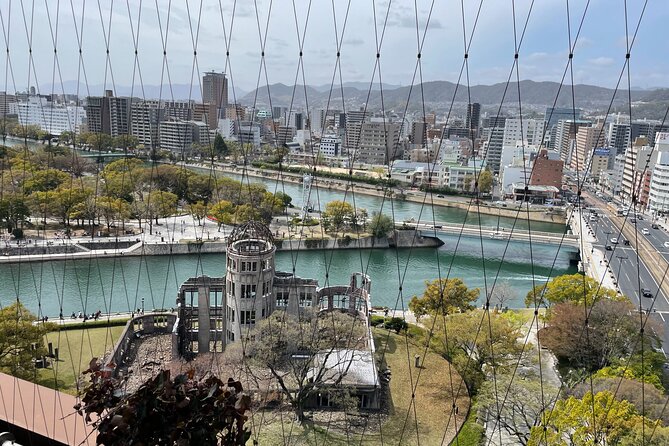
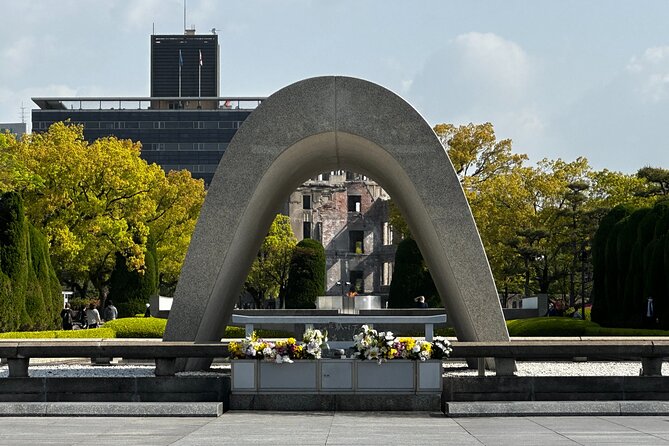
The Atomic Bomb Memorial Mound is a brief, 10-minute stop. It marks the location associated with the remains of victims whose ashes are held beneath the mound. It is not a grand monument, and that simplicity is part of its effect.
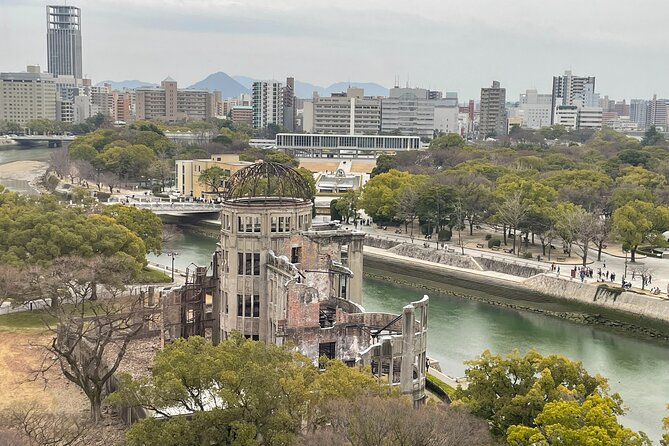
The Atomic Bomb Dome receives about 20 minutes. This is Hiroshima’s most recognizable surviving structure from the 1945 bombing. You view it from outside while Pancho explains why the building remained standing and how the bombing affected the city.
The tour’s value here comes from connecting a physical structure to the larger story. The Dome is not presented as an isolated ruin or photo stop. Pancho also discusses why Hiroshima was selected as a target and how local people experienced the destruction and the long recovery afterward.
Expect the Dome to be emotionally heavy. The stop is short, but the subject is not. The tour works best when you allow the place to be serious rather than trying to rush through it as another landmark.
Walking through Peace Memorial Park
About 1 hour and 20 minutes is devoted to Peace Memorial Park. This is where Pancho’s local connection matters most. He shares stories of resilience and hope, explains the major memorials, and takes you to the Children’s Peace Monument, associated with Sadako Sasaki and the paper cranes made in her memory.
Several groups have particularly enjoyed folding paper cranes with Pancho. It is a simple hands-on activity, but it gives the memorial a personal focus, especially for families and younger participants. It also offers a quiet change of pace during an intense historical section.
The park itself requires time on foot. You will move among outdoor monuments rather than remain in one place, and the emotional weight can build as the details connect. Pancho is described as patient and willing to answer questions, which helps if your group wants historical explanation rather than a quick list of dates.
He also tries to keep the tone human. Hiroshima’s story is tragic, but the tour is not designed to leave you with tragedy alone. The focus includes rebuilding, family experience, and the city’s movement toward peace.
Why the Peace Memorial Museum is handled separately
This tour does not conduct a guided visit inside the Peace Memorial Museum. Instead, Pancho gives historical context around the park and monuments, then leaves the museum experience to you.
That choice will suit some people and disappoint others. If you want a guide beside you explaining every exhibit, this is not the right format. If you prefer to view difficult material quietly and at your own pace, the arrangement has a clear advantage.
The museum can be intensely personal. Some people need to pause, read slowly, or step away without feeling they are delaying a group. Pancho’s approach gives you a stronger foundation before you enter, while preserving private time inside.
Museum admission is not included. The provided cost is ¥200 per person, and the itinerary notes that the tour generally does not stop there. If the museum is essential to your Hiroshima visit, ask about fitting it into your day before booking. Do not simply assume the seven-and-a-half-hour schedule includes it.
Riding trains, ferries, and buses instead of a private car
The advertised all-inclusive transport covers JR trains, the ferry, and essential buses. Private transportation is specifically excluded. That distinction is important when you compare this tour with a car-based private guide.
Public transport makes the day feel more like a real Hiroshima visit. You see how the city and island connect, and you avoid paying for a private vehicle. It also means station changes, waiting, boarding, and walking are part of the experience.
One three-star assessment found that the actual time at sites felt much shorter than the total tour length because of train, taxi, and ferry travel. That is a fair caution. The schedule is full, but seven and a half hours does not mean seven and a half hours standing at monuments.
The upside is that Pancho handles the essential ticket costs and route details. You can concentrate on the sights rather than sorting out each fare. If you dislike public transport or have limited stamina, a private car option elsewhere may suit you better.
Pancho’s guiding style and local connection
Pancho is a licensed local guide and a Hiroshima native. His actual name is Tetsuo Hamano, though he presents himself as Pancho. The strongest feature of the experience is his willingness to make the day conversational rather than deliver a fixed speech.
You can ask about Hiroshima’s history, Japanese culture, food, religion, family experience, or the practical details of getting around. His family perspective adds a personal layer, but it should not be mistaken for a substitute for every historical source. The best use of that perspective is alongside the memorial sites, where personal memory helps explain how the city rebuilt its daily life.
Pancho has also been praised for timely email and text communication before the tour. That is useful when you arrive by bullet train, need help coordinating a hotel meeting, or have a food or mobility request.
Pickup is offered, but the stated meeting point is at 1-2 Matsubaracho in Hiroshima’s Minami Ward, and the tour ends back at the meeting point. Confirm the exact pickup arrangement when you book, especially if you are arriving at Hiroshima Station or staying elsewhere.
Who should book this private day
I would choose this tour if you want one guide for the two major Hiroshima-area experiences and prefer conversation over a large group format. Families, couples, and mixed-age groups can benefit from the flexible pace, especially when some members want more explanation and others need short breaks.
It is also a good match for first-time visitors who do not want to build a Miyajima and Peace Park route from scratch. Pancho’s help with transport and food can save time and reduce small logistical hassles.
I would hesitate if you want long, unhurried visits at every site. The day covers a lot, and the travel between Hiroshima and Miyajima takes a meaningful share of the schedule. I would also hesitate if the Peace Memorial Museum is your main priority, since it is not included as a guided stop.
The tour is private, but the $340 per-person price can add up quickly for a larger family. Group discounts may be available, so ask about the final rate for your party. Because transport and shrine admission are included, the value improves when you have several people sharing the guide’s time and the day’s planning.
Should you book Pancho’s Hiroshima tour?
Book it if you want personal local guidance, a private group, and both Miyajima and Hiroshima’s memorial center in one day. The strongest reasons are Pancho’s family connection, his flexibility, his English communication, and the practical inclusion of JR, ferry, and bus fares.
Think twice if you need a private vehicle, a slow temple-focused itinerary, or a guided Peace Memorial Museum visit. You will also need to budget for lunch and possibly museum admission.
For many visitors with limited time, the price is justified by the amount of coordination and the chance to ask questions throughout the day. Just go in knowing that the day is emotionally weighty, physically active, and transit-heavy. Free cancellation is available up to 24 hours before the start time, which gives you some flexibility if your plans change.
FAQ
How long does the Hiroshima and Miyajima tour last?
The tour lasts approximately 7 hours and 30 minutes. It includes both Miyajima and Hiroshima’s Peace Memorial Park area, with travel by local transportation between them.
Is this a private tour?
Yes. Only your group participates in the activity, and the pace and itinerary can be adjusted to your group’s interests.
What transportation is included?
The price includes essential local transportation by JR train, ferry, and bus. Private transportation is not included.
Is Itsukushima Shrine admission included?
Yes. Admission to Itsukushima Shrine is included in the tour price.
Is lunch included?
No. Lunch and drinks are separate. The break near Peace Memorial Park offers choices such as ramen, casual sushi, okonomiyaki, tsukemen, and lighter meals.
Does the tour include the Peace Memorial Museum?
The tour does not provide a guided visit inside the Peace Memorial Museum. Museum admission is separate, listed as ¥200 per person, and the tour’s stated plan focuses on the outdoor memorials and park.
Just added around Hiroshima
- The Peace Memorial to Miyajima : Icons of Peace and Beauty★ 4.5 · 31 reviews
- Shore Excursion from Hiroshima Port : Private Tour in Hiroshima★ 5.0 · 17 reviews
- Hiroshima Saijo Sake Tasting Tour with visit to 7 Breweries★ 5.0 · 104 reviews
- Hiroshima Country Cycling: Explore Rural Life 1 HR from City★ 5.0 · 22 reviews
- Okunoshima Rabbit Island Cycling Tour with Local Guide★ 4.5 · 17 reviews
- Private Full Day Hiroshima Tour★ 4.5 · 29 reviews
- Hiroshima Private Tour with a Local – Highlights & Hidden Gems★ 4.5 · 24 reviews
- Cultural Activities :Kimono, tea ceremony, Calligraphy and Amulet★ 5.0 · 44 reviews
Hiroshima Tours, compared.

Peaceful Hiroshima & Miyajima UNESCO 1 Day Bus Tour
Read our review →
Hiroshima and Miyajima UNESCO Sites 1-Day Tour
Read our review →
Hiroshima Historical Walking Tour – Why A-Bomb was Dropped
Read our review →
Hiroshima Peace (Heiwa) Walking Tour at World Heritage Sites
Read our review →
Hiroshima in a Nutshell: Morning Bike Adventure
Read our review →
Hiroshima City 4hr Private Walking Tour with Licensed Guide
Read our review →

Japanesel Archery Experience HIROSHIMA CASTLE SHARAKU
Read our review →Browse the lists this tour appears in