
Reviewed · HIROSHIMA TOURS
Hiroshima Country Cycling: Explore Rural Life 1 HR from City
The best part of this Hiroshima outing is the sharp change of scene. In about an hour, you leave the city behind and pedal through rice fields, streams, and old farming villages in Oasa. The electric bike takes the sting out of the hills, so you can pay attention to the quiet countryside instead of counting every uphill turn.
I like the small group, capped at eight people, and the way the ride mixes scenery with everyday life. I also like the practical lunch stop, where you eat fresh vegetables and edible flowers at Aino Sato Herb Garden, or make sushi at a farmhouse from December through March. The main drawback is that the advertised price does not include the highway bus from Hiroshima or lunch, so your final cost will be higher.
Key points to know before booking
- Electric bikes handle the hills: You still need to ride independently, but the motor makes steep sections much easier.
- Oasa feels far removed from Hiroshima City: Expect traditional houses, rice paddies, streams, and a quiet old main street.
- Jonah is the guide to look for: He provides route help, local context, and clear bus and pickup information.
- Lunch is extra: Plan on 900 to 1,250 JPY for the herb garden meal, or 2,000 JPY for seasonal farmhouse sushi.
- The group stays small: A maximum of eight people gives the ride a personal, unhurried feel.
- Weather matters: The tour can be canceled in poor conditions, and rain gear may be needed even when the ride goes ahead.
Why this ride reveals a different Hiroshima
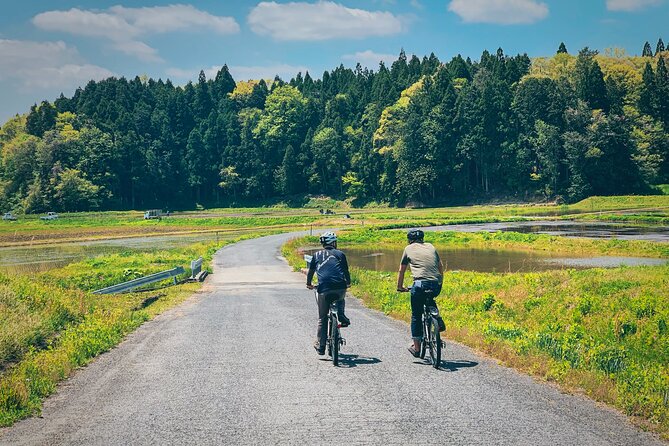
Most Hiroshima itineraries focus on the Peace Memorial Park, Miyajima, and the city’s food scene. Those places deserve their time, but they show only one part of the prefecture. This four-hour ride takes you into a slower rural setting where the main sights are working fields, older homes, small streams, and a town that has lost much of its former traffic.
That change is the point. You are not simply checking off monuments. You are seeing how people live beyond the city center, and you have time to ask questions as you go. A guide can explain what you are looking at in a way that a bus window cannot.
I especially like the fact that the route does not depend on one grand attraction. Kakeyama, Doitaya, Aino Sato, and Oasa each offer a different piece of rural life. The result is a useful half-day for anyone who wants Hiroshima to mean more than its best-known sights.
More bike days around Hiroshima:
- Hiroshima in a Nutshell: Morning Bike Adventure
★ 5.0 · 524 reviews - Hiroshima 2hr Peace Cycling Tour with Local Guide
★ 5.0 · 321 reviews - Hiroshima: Peace Cycling Tour with Local Guide
★ 4.8 · 286 reviews
Getting to Oasa from Hiroshima
The meeting point is the Oasa I.C. Bus Stop at 2310 Shinjō, Kitahiroshima, Yamagata District, Hiroshima 731-2103. The activity begins at 10:00 am and ends back at the same place.
The highway bus between Hiroshima and Oasa is not included. The round-trip fare is 3,560 JPY, so you need to add that cost to the tour price of $85.39 per person. The bus connection is an important part of the plan, not a small footnote. Set aside enough time to reach the correct stop and keep your return schedule in mind.
One reassuring detail is the clear transport support. Jonah has provided precise bus, schedule, and pickup information, which matters when you are heading out of the city to a less familiar part of the prefecture. Read the instructions carefully before departure, and arrive with your route to Oasa already sorted.
The experience is commonly booked well ahead, with an average of 61 days in advance. That is useful planning information if your Hiroshima dates are fixed, especially since the small group can hold no more than eight people.
Kakeyama: let the motor do the hard work
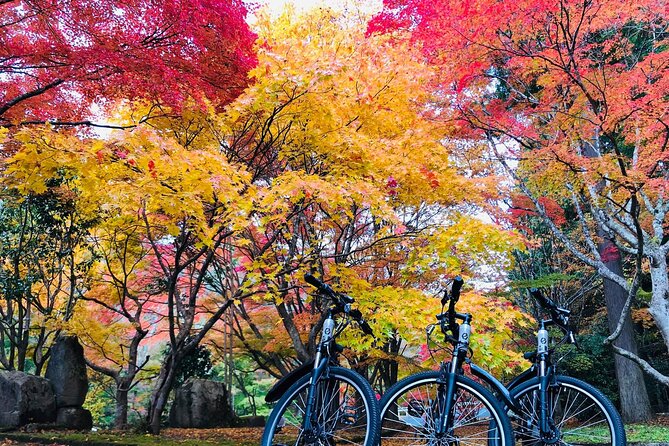
The first riding section takes you through Kakeyama. This is where the electric bike earns its keep. The route includes steep hills, but the motor gives you a strong assist and makes the climbs manageable for people who may not often ride in hilly areas.
You still need basic cycling ability. This is not a vehicle tour where you sit back and watch the countryside pass. You must ride your own bike, control it, and stay comfortable on the route. A minimum height of 140 centimeters applies, and the activity asks for moderate physical fitness.
For a first-time e-bike user, the power can feel surprising at first. Take a moment to get used to the controls before tackling the hills. Once you understand the assist, you can ride at a relaxed pace and save your energy for looking around.
The bikes, helmets, bicycle use, guide fee, and accident insurance coverage are included. Water refill stations are also placed along the route, but you need to bring your own bottle. That is a small practical point, yet it makes the ride easier and cuts down on disposable plastic.
Doitaya: rice fields, streams, and old homes
Doitaya offers the most direct look at a traditional farming community. Its houses, fields, and waterways have kept much of their older appearance, giving you a picture of rural Japan that is easy to miss on a standard city visit.
The rice fields are not just scenery. They explain the shape and rhythm of the community. Streams run through the area, with wildlife in and around the water, and the houses sit alongside the farmland rather than apart from it. Your guide can help connect these details to local life.
This is also the kind of stop where you should resist rushing for photographs. The appeal is in the small details: the arrangement of homes, the open fields, the sound of water, and the lack of city noise. There may not be a famous sight with a sign explaining everything. That makes Jonah’s guidance more useful.
The ride includes regular stops, which helps break up the cycling and gives you time to listen. If you are worried that four hours on a bike sounds demanding, the pauses make the pace less intense. If you want a fast athletic ride, you may find it too gentle. This tour is built around observation, conversation, and local access rather than speed.
A few more Hiroshima half-days to weigh up
- Peaceful Hiroshima & Miyajima UNESCO 1 Day Bus Tour
★ 5.0 · 5,309 reviews - Hiroshima: Hiroshima and Miyajima UNESCO Sites 1-Day Tour
★ 4.9 · 2,330 reviews - Hiroshima / Miyajima Full-day Private Tour with Government Licensed Guide
★ 5.0 · 1,298 reviews - Hiroshima Historical Walking Tour – Why A-Bomb was Dropped
★ 4.8 · 893 reviews
Aino Sato Herb Garden turns lunch into part of the tour
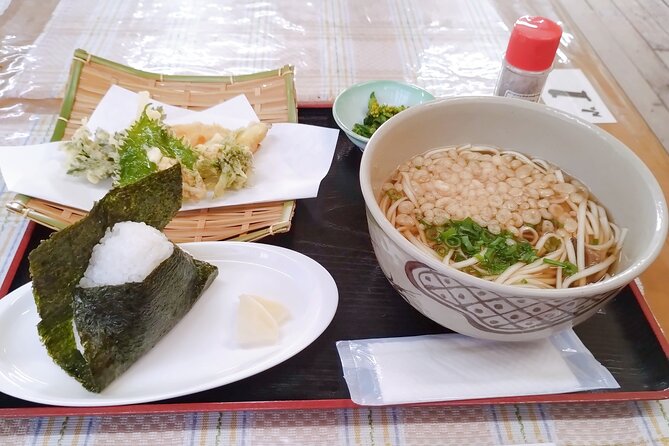
The lunch stop at Aino Sato Herb Garden is one of the strongest parts of the outing. The restaurant serves locally grown vegetables and edible flowers, with produce described as free of harmful pesticides. Lunch costs an additional 900 to 1,250 JPY per person.
The meal adds value because it continues the rural theme instead of interrupting it. You are not stopping at a generic roadside restaurant. You are eating food tied to the surrounding countryside, after seeing the fields and streams where rural life takes place.
A vegan lunch is available if you request it at least three days ahead. Make that request during booking rather than hoping it can be arranged on the day.
From December through March, the lunch plan changes to sushi at a farmhouse, costing 2,000 JPY per person. This seasonal option gives the tour a different flavor depending on the month. Check which meal applies to your date and budget for it before you book.
Lunch is not included in the headline price, so do not compare the $85.39 fare with an all-inclusive excursion. Once you add the bus and meal, the total is higher. Still, the price covers a quality electric bike, helmet, guide service, insurance, and a small-group experience. I see reasonable value here if you care about rural access and personal guidance, not just transportation.
Oasa’s quiet main street and fading commercial past
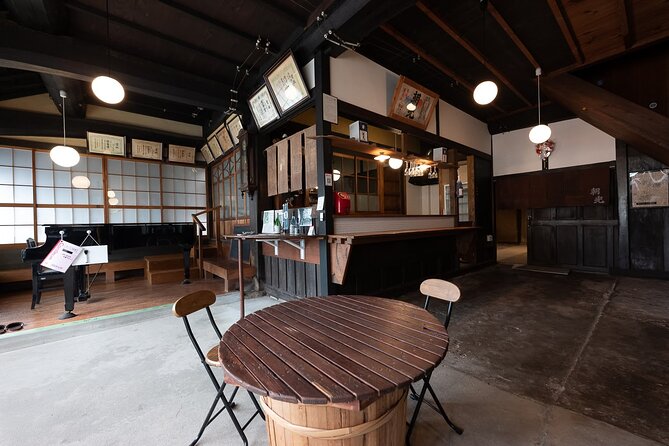
The final stop is Oasa, whose main street once served as a busier center for shops and local activity. Today, it is quiet and unhurried. Older buildings remain, along with a handful of shops, and the street gives you a sense of how the town has changed.
I find this kind of place more revealing than a polished tourist district. The quiet is not manufactured for visitors. It reflects the current pace of the town. You can look at the older structures and think about the role the street once played, while your guide fills in the local picture.
Do not expect a packed schedule of attractions here. Oasa is appealing precisely because it is modest. If you want shopping, major monuments, or a long list of formal sights, this stop may feel sparse. If you want to see a small Japanese town on its own terms, it gives the day a fitting finish.
The tour then returns to the Oasa I.C. Bus Stop. Since the start and end point are the same, you do not need to arrange a separate pickup at the end of the ride.
What the small group changes
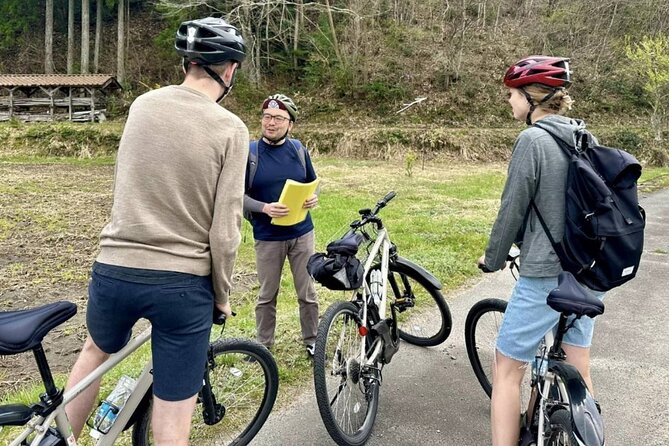
A maximum of eight people is a real advantage on a route like this. A guide can keep the pace manageable, answer questions, and make regular stops without trying to organize a large crowd. It also suits the quiet character of Oasa.
Jonah is the named guide associated with the experience, and his role goes beyond leading the bicycles. He helps explain local life and has supplied useful transport details for reaching the start. The personal tone matters here because rural areas often lack the English signs and visitor infrastructure found in central Hiroshima.
Jonah’s wife may also be involved in the experience, particularly around the local welcome and food. The available information does not promise a fixed guide team for every date, so confirm the guide arrangements if that is important to you.
One rainy outing still went ahead, with Jonah providing a poncho and keeping the route informative. That shows some flexibility, but it should not be read as a promise of all-weather operation. The experience requires good weather, and the operator can cancel for poor conditions. In that case, you are offered another date or a full refund.
How demanding is the cycling?
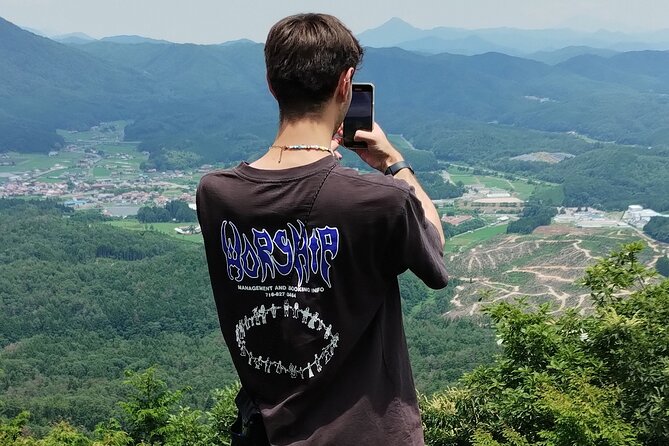
You need to be able to ride a bike on your own and have moderate physical fitness. The electric assist makes the steep hills easier, but it does not remove the need to balance, steer, brake, and stay alert.
The tour suits you if you enjoy active sightseeing but do not want a punishing ride. The regular stops and motor assistance keep the outing approachable. A height minimum of 140 centimeters applies, so check that requirement for younger riders.
Rain can change the feel of the day. One rider enjoyed the experience despite wet weather, helped by a poncho from the guide, but wet roads and rural hills are still worth considering. Wear clothing that can handle changing conditions and plan on bringing a water bottle for the refill stations.
This is not the best choice if you have no cycling experience, dislike hills, or want a completely passive excursion. It is also less suitable if you need a tightly packed sightseeing schedule. The ride works best when you are happy to move slowly and let the countryside set the pace.
Who will get the most from this Oasa outing?
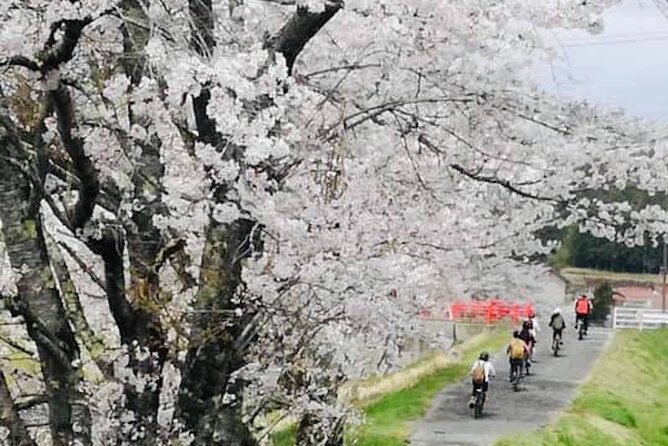
I would recommend this ride to you if you have already seen Hiroshima’s main sights and want a second view of the prefecture. It is also a good match for anyone interested in food, farming, small communities, and everyday traditions.
The experience suits active couples, friends, and solo visitors who enjoy a social small-group setting. Families can consider it if every rider meets the height requirement and can cycle independently. The group discount feature may help if you are booking with companions, though the exact discount is not provided.
You should choose another activity if your main goal is the lowest possible cost. Bus fare and lunch are extra, and the total can rise well above the listed tour price. You should also skip it if your schedule leaves no room for a bus journey to Oasa and back.
The strongest reason to book is the combination of access and scale. You get out of the city, but you do not have to solve the rural route on your own. You get a bicycle, but not just a rental. You get lunch, but not just a meal. Each part supports the same goal: seeing a quieter side of Hiroshima with someone who can explain it.
Practical details to keep in mind
Confirmation arrives when you book, and the meeting point is near public transportation. Free cancellation is available if you cancel at least 24 hours before the 10:00 am start. Changes or cancellations within 24 hours are not accepted for a refund.
If bad weather causes the operator to cancel, you can choose another date or receive a full refund. The cutoff uses local time, so keep that in mind if you are booking from another country.
Bring your own water bottle, allow extra money for the 3,560 JPY bus fare, and budget for the appropriate lunch. If you want vegan food, request it three days in advance. These are simple steps, but they prevent the most likely avoidable problems.
Should you book the Hiroshima countryside cycling tour?
Book it if you want to trade Hiroshima’s busy sights for quiet roads and working villages, and if you like learning through movement rather than looking from a coach window. The e-bike keeps the hills within reach, the group stays small, and the food stop gives the day a strong local focus.
I would be cautious only if you are counting on the $85.39 price to cover everything, or if you are not comfortable riding a bicycle. Add the bus and lunch costs before deciding.
For the right person, this is a thoughtful half-day trip with real local character. It gives you a reason to travel beyond the city and enough time to notice what you would otherwise pass by.
FAQ
How long does the Hiroshima country cycling tour last?
The experience lasts approximately four hours. It starts at 10:00 am and ends back at the Oasa I.C. Bus Stop.
Where does the tour meet?
The meeting point is Oasa I.C. Bus Stop at 2310 Shinjō, Kitahiroshima, Yamagata District, Hiroshima 731-2103, Japan.
Is transportation from Hiroshima City included?
No. The highway bus between Hiroshima and Oasa costs 3,560 JPY for a round trip and is paid separately.
Is lunch included in the tour price?
No. Lunch at Aino Sato Herb Garden costs 900 to 1,250 JPY per person. From December through March, the sushi lunch at a farmhouse costs 2,000 JPY per person.
Can I request a vegan meal?
Yes. A vegan lunch is available if you request it at least three days in advance.
Do I need to be an experienced cyclist?
You must be able to ride a bicycle on your own and have moderate physical fitness. The electric bike helps with steep hills, but you still need to control and ride the bicycle independently.
What happens if the weather is bad?
The activity requires good weather. If the operator cancels because of poor conditions, you can choose a different date or receive a full refund.
Just added around Hiroshima
- The Peace Memorial to Miyajima : Icons of Peace and Beauty★ 4.5 · 31 reviews
- Shore Excursion from Hiroshima Port : Private Tour in Hiroshima★ 5.0 · 17 reviews
- Hiroshima Saijo Sake Tasting Tour with visit to 7 Breweries★ 5.0 · 104 reviews
- Hiroshima & Miyajima All-Inclusive Tour w/Licensed guide Pancho★ 5.0 · 54 reviews
- Okunoshima Rabbit Island Cycling Tour with Local Guide★ 4.5 · 17 reviews
- Private Full Day Hiroshima Tour★ 4.5 · 29 reviews
- Cultural Activities :Kimono, tea ceremony, Calligraphy and Amulet★ 5.0 · 44 reviews
- Hiroshima Private Tour with a Local – Highlights & Hidden Gems★ 4.5 · 24 reviews
Hiroshima Tours, compared.

Peaceful Hiroshima & Miyajima UNESCO 1 Day Bus Tour
Read our review →
Hiroshima and Miyajima UNESCO Sites 1-Day Tour
Read our review →
Hiroshima Historical Walking Tour – Why A-Bomb was Dropped
Read our review →
Hiroshima Peace (Heiwa) Walking Tour at World Heritage Sites
Read our review →
Hiroshima in a Nutshell: Morning Bike Adventure
Read our review →
Hiroshima City 4hr Private Walking Tour with Licensed Guide
Read our review →

Japanesel Archery Experience HIROSHIMA CASTLE SHARAKU
Read our review →Browse the lists this tour appears in