
Reviewed · HIROSHIMA TOURS
Hiroshima 2hr Peace Cycling Tour with Local Guide
The most moving part of this two-hour Hiroshima bike tour is not simply seeing the A-Bomb Dome. It is hearing Hiroshima’s story from guides raised in the city, including Shin, whose family has a direct connection to the bombing, and Kana, who brings clear, personal explanations to the memorial sites. The electric bikes make the ride gentle, even if you are not a regular cyclist.
I like two things especially: you cover more ground than on foot, and you see Hiroshima as a living city rather than only as a memorial site. The ride includes the Cenotaph, Children’s Peace Monument, Peace Bell, suburban streets, and the A-Bombed Streetcars. The main drawback is time. Two hours gives you a strong introduction, but it can feel short if you want long museum visits or more conversation with your guide.
Key points to know before you book
- Local guides add a personal voice: Shin and other guides share family accounts connected to the bombing, while guides such as Kana and Bella explain the city with warmth and clarity.
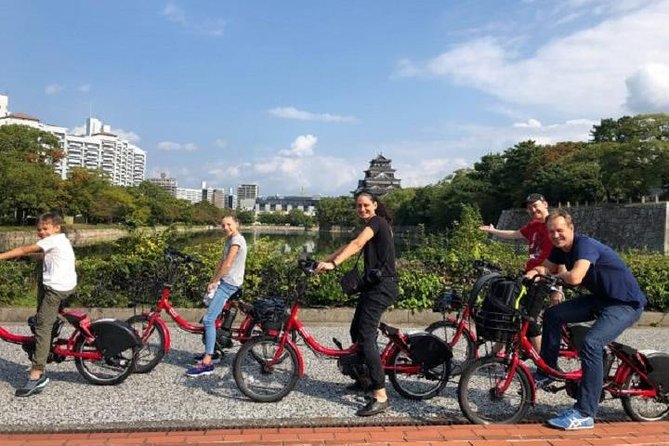
- Electric bikes keep the route easy: Hiroshima is largely flat, and the bikes require little effort, making this suitable for many people who do not cycle often.
- You see more than the Peace Park: The route includes city streets and the A-Bombed Streetcars, giving you a look at Hiroshima’s recovery and daily life.
- Small groups matter: Numbers are limited to 10 people, so the guide can stop, explain details, and help with the bikes.
- Rain does not always end the experience: The cycling route may change to a walking route covering the Hypocenter and nearby sites.
- The tour returns to its starting point: Meet at the Rest House in Hiroshima Peace Memorial Park at either 11:00 or 15:00.
Why cycling changes the Hiroshima experience
Hiroshima’s main memorial sites are easy to reach on foot, but the city is spread out enough that walking can limit what you see in a short visit. A bicycle gives you a wider view. You can spend time in the Peace Memorial Park, then ride beyond its lawns and monuments into the streets of the rebuilt city.
That change in setting matters. Hiroshima is not only a place of remembrance. It is also a functioning city with trams, schools, shops, residential streets, and ordinary daily routines. Cycling connects the memorial grounds with that present-day life.
The ride is designed to be leisurely rather than athletic. The bikes are electric, and the city is flat. Several people who do not consider themselves cyclists have found the route manageable, including one rider in their sixties. You still need to feel comfortable on a bicycle, but this is not a strenuous cycling excursion.
The group can include up to 10 people. That is large enough to give the tour a social feel, but small enough for the guide to keep the group together and answer questions. If someone in the group is inexperienced, the pace may be adjusted. That is considerate, though strong cyclists may occasionally find the pace slower than they would choose.
More bike days around Hiroshima:
- Hiroshima in a Nutshell: Morning Bike Adventure
★ 5.0 · 524 reviews - Hiroshima: Peace Cycling Tour with Local Guide
★ 4.8 · 286 reviews - Hiroshima and Miyajima by Bike and Boat
★ 5.0 · 172 reviews
Meeting at the Peace Park Rest House
The tour begins at the Rest House of Hiroshima Peace Park. This is a useful meeting point, since it sits within the main memorial area and is close to public transportation.
Arrive early. The tour has a firm policy on late arrivals, and missing the start without prior notice can result in cancellation with no refund. There is no luggage storage at the Rest House, so leave large bags elsewhere. Coin lockers are available at the Hiroshima International Conference Center and Hiroshima Peace Memorial Museum, about a six-minute walk away.
After meeting your guide, you receive your bicycle and get set for the ride. The tour includes bicycle accident insurance, which is a welcome practical detail. Child equipment is available, but the height and weight rules matter:
- Adult electric bicycles are for riders at least 145 centimeters tall.
- Children between 110 and 145 centimeters can use one of two available children’s bicycles or, for those under 15, an adult bicycle at the child rate.
- Electric bicycles with child seats are for children under 22 kilograms and under 115 centimeters.
The supplied information does not promise free Wi-Fi at the meeting point. Hiroshima Free Wi-Fi is available around the city, but you should not count on tour facilities providing it.
Peace Memorial Park: monuments with meaning
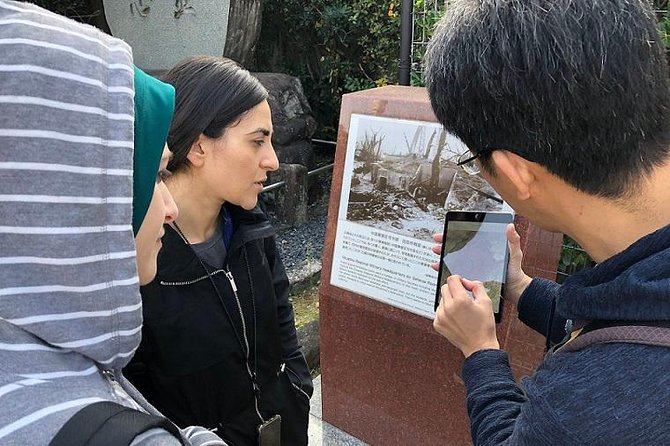
The first major section of the tour takes about 55 minutes in Hiroshima Peace Memorial Park. This is the emotional center of the experience, and the guide helps connect the monuments rather than treating them as a quick checklist.
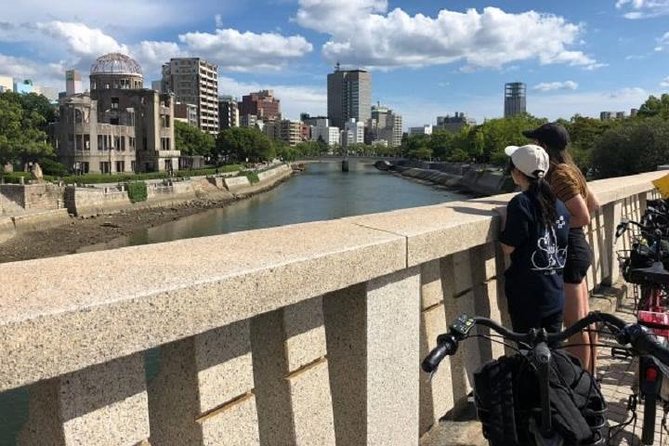
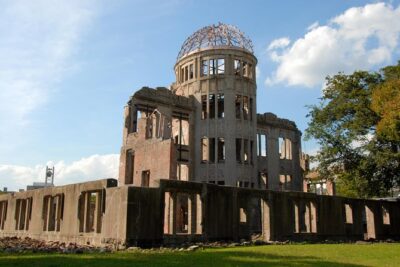
You will see the Atomic Bomb Dome, one of Hiroshima’s most recognizable sights and part of the UNESCO World Heritage site. The damaged building is powerful on its own, but its meaning becomes clearer when your guide explains what happened around it and how the city remembers the people who died.
The Cenotaph for the A-Bomb Victims is another key stop. The guide explains the purpose of the monument and the memories held within the park. You will also visit the Children’s Peace Monument and the Peace Bell, each carrying a different message about loss, remembrance, and the hope for peace.
This is not a replacement for the Hiroshima Peace Memorial Museum. The museum provides documents, objects, photographs, and a fuller account of the bombing. The cycling tour offers something different: movement between sites, local interpretation, and the chance to ask questions as you go.
That difference is important when planning your day. If you have already visited the museum, the bike tour adds places and stories you may have missed. If you have not visited it, the ride can give you context before you enter. The two experiences work well together, but the two-hour tour cannot cover the museum’s full material.
Some stops are quiet and serious. Your guide may discuss the bombing’s effect on residents, the damage to the city, and the long process of rebuilding. Guides such as Shin have shared family accounts, including stories connected to survivors and relatives who were affected by the blast. Those personal details can make the scale of the event easier to understand without turning the experience into a lecture.
Beyond the monuments, Hiroshima as a rebuilt city
After the Peace Park, the tour moves into Hiroshima itself. This section lasts about an hour and is one of the strongest reasons to choose cycling instead of a standard memorial-only visit.
The route includes a look at the A-Bombed Streetcars, trams that survived the atomic bombing and still run today. Seeing one in service links the past to the present in a direct, ordinary way. It is not an isolated artifact behind glass. It is part of the city’s transportation network.
You will also ride through parts of Hiroshima outside the central memorial area. The exact route may change on the day, but the stated focus is the wartime period, the bombing, post-war recovery, and the city’s present-day appearance. This gives you a better sense of how Hiroshima was rebuilt and how its peace message fits into everyday life.
The city streets also make the ride feel more active than a museum visit. You are not only looking at one monument from one angle. You are moving through the setting, noticing how the park relates to the surrounding neighborhoods and how quickly the memorial district gives way to normal city life.
The electric assist is especially useful here. You can pay attention to the guide and the streets instead of worrying about hills or tiring yourself out. Hiroshima is less congested than Tokyo or Osaka, according to the practical experience shared by riders, and the route has been easy for many people to follow. Still, you should remain alert around traffic, pedestrians, and other bicycles.
A few more Hiroshima half-days to weigh up
- Peaceful Hiroshima & Miyajima UNESCO 1 Day Bus Tour
★ 5.0 · 5,309 reviews - Hiroshima: Hiroshima and Miyajima UNESCO Sites 1-Day Tour
★ 4.9 · 2,330 reviews - Hiroshima / Miyajima Full-day Private Tour with Government Licensed Guide
★ 5.0 · 1,298 reviews - Hiroshima Historical Walking Tour – Why A-Bomb was Dropped
★ 4.8 · 893 reviews
Guides who make the subject personal
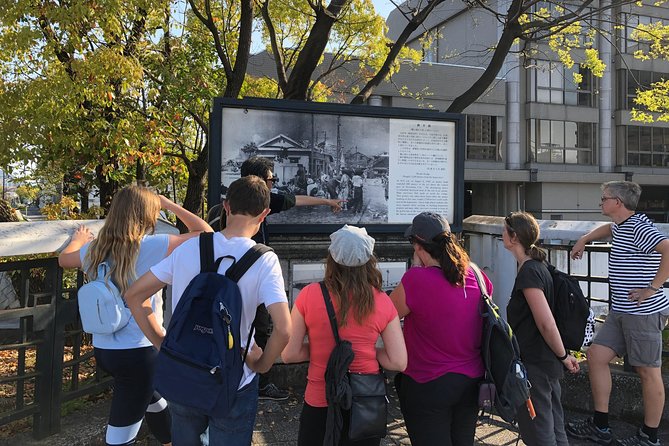
The guide is the heart of this experience. The operator uses several English-speaking guides, and the exact person depends on the date. Names that appear repeatedly in the tour details include Shin, Kana, Bella, Tomas, and Moet.
Shin is particularly associated with family stories. His relatives survived the bombing, and he has shared accounts involving his mother and grandparents. That connection gives his explanations a personal quality, especially when he discusses the city’s commitment to peace and the way families carried the memory forward.
Kana is praised for keeping the tour moving while answering questions at each site. She has also handled rainy-day changes, leading a walking version when cycling was unsafe. Bella is known for pointing out places beyond the best-known memorials and for explaining why those less obvious stops matter.
Guide quality can never be completely standardized, so you should not book on the assumption that one specific guide is guaranteed unless your reservation confirms it. The common strength is the format: a local guide, a small group, and time to ask questions. Some guides may have a direct family connection to Hiroshima’s bombing, while others may provide a strong local explanation without that personal background.
The tone is serious but not grim from start to finish. The best guides balance painful stories with accounts of survival, rebuilding, friendship, and the city’s continuing peace message. That balance helps the tour feel human rather than purely historical.
How much does the $59.69 price buy you?
At $59.69 per person, this is not the cheapest way to see the Peace Park. You can walk through much of the park at no cost, and the memorial grounds themselves do not require a cycling tour ticket. The value comes from combining transport, a local guide, interpretation, and access to parts of the city that are easy to skip on foot.
I think the price makes the most sense for a first visit, especially if you have only a day or two in Hiroshima. You cover the major memorials, learn how the sites relate to one another, and see the rebuilt city without arranging a bicycle rental yourself.
The value is also stronger for families and mixed-age groups. Electric bikes reduce the physical work, and the guide keeps the route organized. The maximum group size of 10 is another advantage over a large coach tour, where questions and personal attention are limited.
The calculation is less favorable if you already know Hiroshima well, prefer a slow museum-based visit, or want a long cycling day. Two hours passes quickly. One person wished the experience were longer, which is a fair criticism. The 3-hour version adds Hiroshima Castle and more detail about the pre-war city and post-war recovery, so that option may suit you if you want more time with the guide.
Rain, cold, and the practical limits
The cycling plan depends on safe weather. Rain, strong winds, or other conditions can lead to cancellation or a route change. If rain prevents cycling, you may be offered a Rainy Day Limited Peace Route or a refund.
The walking route follows the Peace Memorial Park, Atomic Bomb Dome, Hypocenter, Former Bank of Japan, Fukuromachi Elementary School, and the main street. It is scheduled to finish at the same time as the cycling tour, around 13:00 for the morning departure or 17:00 for the afternoon departure.
This alternative is more than a watered-down substitute. It includes the Hypocenter, the location directly beneath the atomic blast, along with buildings and streets connected to the destruction and recovery of Hiroshima. If you do not want to switch to walking, the provider offers a refund for a weather-related change.
Cold weather is another consideration. Cycling in January can be uncomfortable, particularly with wind or snow, although the electric bikes still make the physical effort modest. Dress for the forecast and remember that you will be outdoors for the full two hours.
The timetable can change according to conditions on the day. The tour begins at 11:00 or 15:00, and it returns to the Rest House after two hours. The activity includes data from photographs taken during the day, which is a nice extra, but you should still bring whatever camera or phone you normally use.
Who should choose this tour?
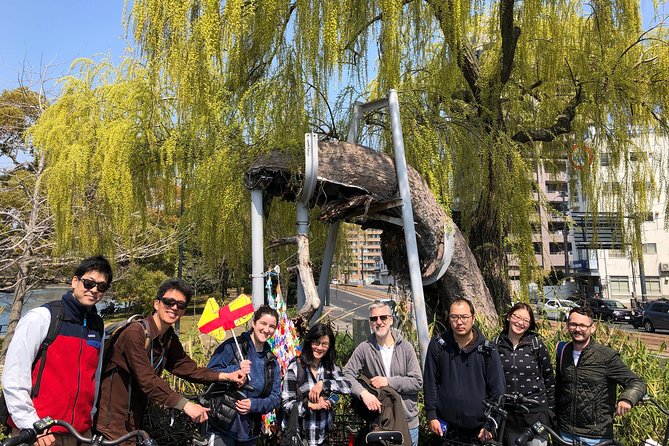
I would choose this tour if you want Hiroshima’s major memorial sites explained by a local person, but also want to see the city beyond the park. It suits couples, families, first-time visitors, and anyone who likes to learn while moving rather than sitting through a long guided talk.
It also works well for people who worry that a bike tour will be too demanding. The electric bikes and flat route make it accessible to many riders. You should still be able to mount and control an adult bicycle, and the age, height, and child-seat restrictions should be checked before booking.
This is not the best choice if you want complete solitude, a private guide, or a detailed museum tour. The group is shared and may include children or inexperienced cyclists, so the pace can be adjusted. You also cannot count on a particular guide unless that arrangement is confirmed.
For a fuller historical day, pair the ride with the Peace Memorial Museum. For a more detailed city tour, choose the 3-hour version if available. The 2-hour route is the better fit when you want a focused introduction without giving up most of your day.
Should you book the Hiroshima Peace Cycling Tour?
Yes, if you want an easy, personal, and efficient introduction to Hiroshima. The strongest reasons are the electric bikes, the small group, the route beyond the central monuments, and guides such as Shin and Kana who explain the city with feeling and local perspective.
Book it early if the schedule fits, since the group is limited to 10 people and the activity has been in regular demand. Leave time before or after for the Peace Memorial Museum, and arrive early at the Rest House with your luggage already stored elsewhere.
Skip it if your priority is a long museum visit, a private experience, or a purely self-guided day. But for most first-time visitors, this is a thoughtful way to connect Hiroshima’s painful past with its rebuilt present.
FAQ
Where does the Hiroshima cycling tour begin and end?
The tour begins at the Rest House in Hiroshima Peace Memorial Park and ends at the same meeting point.
How long does the experience last?
The cycling tour lasts approximately two hours. Morning departures are scheduled at 11:00 and afternoon departures at 15:00, with the tour ending around 13:00 or 17:00.
What sites are included?
The route includes Hiroshima Peace Memorial Park, the Atomic Bomb Dome, the Cenotaph, the Children’s Peace Monument, and the Peace Bell. It also includes parts of Hiroshima city and a view of the A-Bombed Streetcars.
Are electric bicycles provided?
Yes. Adult electric bicycles are provided for riders at least 145 centimeters tall. Children’s bicycles and electric bicycles with child seats are available under specific height and weight limits.
What happens if it rains?
The cycling route may change to a walking tour covering sites such as the Peace Memorial Park, Atomic Bomb Dome, Hypocenter, Former Bank of Japan, and Fukuromachi Elementary School. You can also choose a refund if the cycling plan cannot operate because of rain.
Can I cancel for a refund?
You can cancel at least 24 hours before the local start time for a full refund. Cancellations or changes made less than 24 hours before the start time are not refundable, and late arrival without notice can result in cancellation with a 100 percent fee.
Just added around Hiroshima
- The Peace Memorial to Miyajima : Icons of Peace and Beauty★ 4.5 · 31 reviews
- Shore Excursion from Hiroshima Port : Private Tour in Hiroshima★ 5.0 · 17 reviews
- Hiroshima Saijo Sake Tasting Tour with visit to 7 Breweries★ 5.0 · 104 reviews
- Hiroshima & Miyajima All-Inclusive Tour w/Licensed guide Pancho★ 5.0 · 54 reviews
- Hiroshima Country Cycling: Explore Rural Life 1 HR from City★ 5.0 · 22 reviews
- Okunoshima Rabbit Island Cycling Tour with Local Guide★ 4.5 · 17 reviews
- Private Full Day Hiroshima Tour★ 4.5 · 29 reviews
- Hiroshima Private Tour with a Local – Highlights & Hidden Gems★ 4.5 · 24 reviews
Hiroshima Tours, compared.
Peaceful Hiroshima & Miyajima UNESCO 1 Day Bus Tour
Read our review →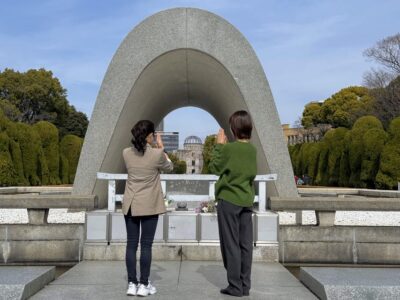
Hiroshima and Miyajima UNESCO Sites 1-Day Tour
Read our review →
Hiroshima Historical Walking Tour – Why A-Bomb was Dropped
Read our review →
Hiroshima Peace (Heiwa) Walking Tour at World Heritage Sites
Read our review →
Hiroshima in a Nutshell: Morning Bike Adventure
Read our review →
Hiroshima City 4hr Private Walking Tour with Licensed Guide
Read our review →

Japanesel Archery Experience HIROSHIMA CASTLE SHARAKU
Read our review →Browse the lists this tour appears in