
Reviewed · HIROSHIMA TOURS
Hiroshima Peace (Heiwa) Walking Tour at World Heritage Sites
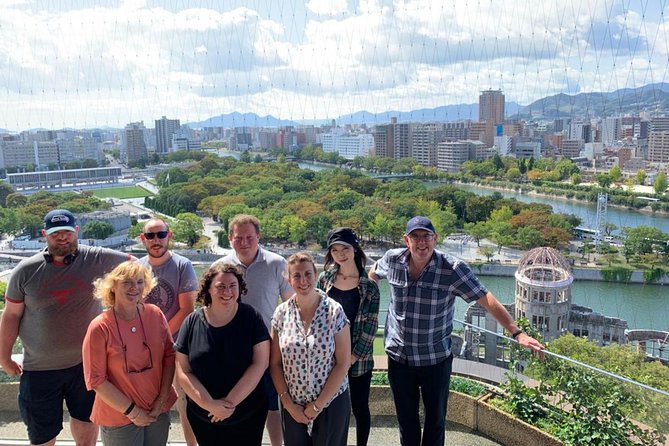
Hiroshima’s Peace Park is best understood on foot, where each monument, tree, and surviving structure adds another piece to the story. This small-group tour brings the main sites together with the Hiroshima Peace Memorial Museum, a local guide, lunch, and a high view over the rebuilt city.
I like the human scale of the experience. Guides such as Yuji, Kaori, Hiro, Etsuko, and Yasue explain the history with care, often adding local stories that museum labels cannot provide. I also like the contrast between the sobering museum and Orizuru Tower’s modern view, which helps you see both the destruction of 1945 and the city that rose afterward.
The main drawback is the pace inside the museum. One hour may feel short, especially during busy periods when the main exhibit can become difficult to reach. The tour also involves a fair amount of walking and is not recommended if you have mobility problems.
Key points to know before booking
- Small groups of up to eight people: This makes it easier to ask questions and stay close to your guide.
- The museum is the emotional center: Expect difficult exhibits and graphic images that may upset young children.
- A local guide adds meaning: Yuji, Kaori, Hiro, Etsuko, and other guides are praised for clear explanations, personal stories, and gentle handling of painful subjects.
- Lunch and tower admission are included: You do not need to pay for your guide’s food or drinks.
- The city’s past and present meet: The Atomic Bomb Dome and memorials are followed by a view from Orizuru Tower.
- Plan for heat and walking: Hiroshima summers can reach 40°C, and the tour is not suitable for people who have trouble walking.
Why a guided walk helps in Hiroshima
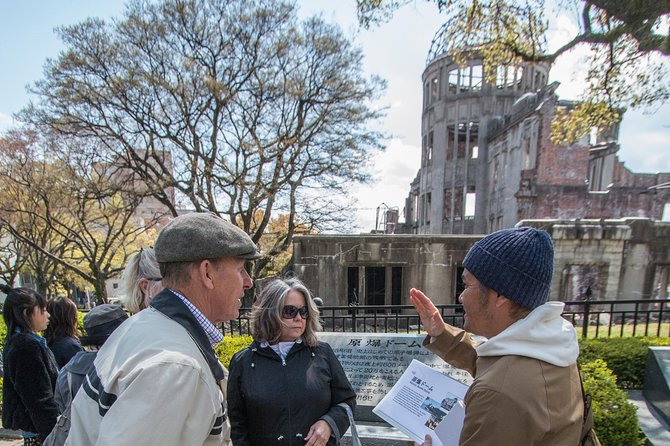
You can visit Hiroshima Peace Memorial Park on your own, and you should have time to do so if your schedule allows. But the park contains many memorials with meanings that are easy to miss. A guide gives you the order, background, and human stories that turn a collection of monuments into a clear story about loss, survival, and peace.
This five-hour outing is also practical. You do not need to work out the best route between the museum, memorials, Atomic Bomb Dome, and Orizuru Tower. The group moves from one place to the next on foot, while your guide handles the transitions and answers questions along the way.
The small maximum group size matters here. Hiroshima’s history can prompt difficult questions, and a group of eight gives you a better chance to ask them than a large coach tour would. The guides are MagicalTrip Certified Guides, and the strongest feedback centers on their patience, warmth, and ability to explain both the atomic bombing and ordinary life in Hiroshima.
More history-led days in Hiroshima:
- Hiroshima Historical Walking Tour – Why A-Bomb was Dropped
★ 4.8 · 893 reviews - Miyajima Half-day Trip Historical Walking Tour
★ 5.0 · 284 reviews - Hiroshima: History of Hiroshima Group Walking Tour
★ 4.8 · 266 reviews
Starting in Peace Memorial Park
The tour begins near Montbell Japan in Kamiyacho, a central Hiroshima location close to public transportation. From there, you enter the Peace Memorial Park and begin with the setting itself before spending serious time inside the museum.
The first park stop is brief, about 10 minutes. That short introduction gives your guide room to explain how the park is arranged and why the memorials sit where they do. You will begin to see that this is not simply a green public space. It is a place of remembrance, ceremony, and education.
Wear shoes you can walk in comfortably. The route is not described as strenuous, but the tour lasts about five hours and includes several outdoor stops. Hiroshima’s summer heat and humidity can make even an easy walk tiring, so carry water and wear a hat.
The Peace Memorial Museum: the tour’s hardest hour
The Hiroshima Peace Memorial Museum receives about an hour on the planned schedule. This is the portion that demands the most emotional energy and the most attention.
The exhibits show the effects of the atomic bombing on August 6, 1945, including personal belongings, photographs, and accounts of people affected by the blast and its aftermath. Some displays contain graphic imagery. If you are visiting with children, speak with your guide before entering or tell the guide if you have concerns.
A guide is especially useful here because the subject can feel overwhelming. The strongest guides do not simply repeat dates. They explain how people coped with the disaster, how families were affected across generations, and how Hiroshima rebuilt itself. Etsuko, Hiro, Yasue, and Yuji are among the guides praised for adding human stories and answering questions with patience.
The one caution is crowding. At busy times, you may not be able to see every section of the main exhibit within the tour’s allotted hour. One account described a wait of more than an hour for the main display near the end of the year. If the museum is your chief reason for booking, check the date carefully and consider returning independently for more time.
That does not make the guided visit pointless. The hour gives you a structured introduction, and you can use a later visit to study the exhibits at your own pace. Think of the tour as a strong first encounter, not necessarily your only museum visit.
The Cenotaph and the Children’s Peace Monument

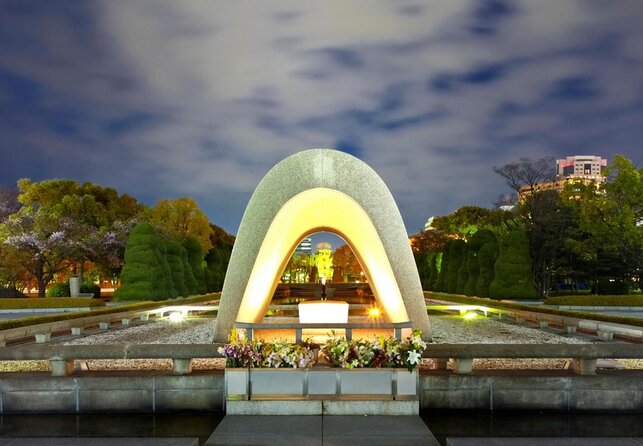
After the museum, the group visits the Cenotaph for the Atomic Bomb Victims. The planned stop lasts about five minutes, so this is more of a focused explanation than a long ceremony.
The cenotaph is one of the park’s central memorials. Your guide explains its purpose and helps place it within the larger story of those who died. This is a quiet point in the walk, and you will have a chance to pause after the museum’s heavy material.
The Children’s Peace Monument receives about 10 minutes. Your guide explains the meaning behind the monument and its connection to children affected by the bombing. The visit is short, but it gives the tour a clear focus on memory, young lives, and the wish for a peaceful future.
This is also where a personal guide can make a real difference. A sign can tell you what a monument represents. A careful explanation can show why it matters to the people of Hiroshima and to families who continue to remember the bombing.
More walking tours in Hiroshima:
- Hiroshima City 4hr Private Walking Tour with Licensed Guide
★ 5.0 · 437 reviews - Hiroshima Walking Tour Why A Bomb was dropped to Hiroshima
★ 5.0 · 347 reviews - Hiroshima: Food and Culture Guided Walking Tour with Dinner
★ 4.9 · 212 reviews - Hiroshima: Peace Walking Tour of World Heritage Sites
★ 4.9 · 190 reviews
The Atomic Bomb Dome and the view across the river
The Atomic Bomb Dome is the tour’s most recognizable site. The planned stop lasts about 15 minutes, enough for your guide to explain what the building represents and for you to view it from the surrounding area.
The preserved structure conveys the physical force of the atomic bomb in a way that photographs cannot. It is also a reminder that the city was not erased from history. The dome remains beside modern Hiroshima, creating a sharp visual meeting of destruction and renewal.
Your guide will explain the significance of the building, also known as the Hiroshima Peace Memorial. Allow yourself time to look carefully rather than treating it as a quick photo stop. The structure is powerful precisely because it is incomplete and exposed.
The walking route connects the dome with the other park sites, so you get a sense of the area rather than seeing each location in isolation. Your guide may also take tour photos, an included feature that lets you focus on the visit instead of arranging group pictures yourself.
Lunch and modern Hiroshima from Orizuru Tower
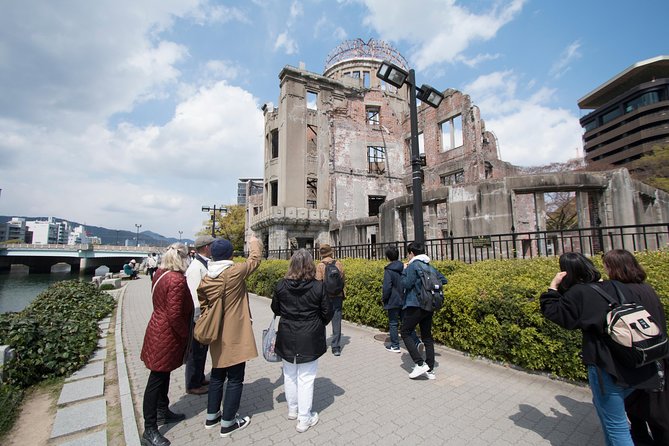
The tour then moves to Hiroshima Orizuru Tower, where lunch is included and the group visits the observatory. Admission to the tower is part of the tour price.
The view from above changes the mood. After hours spent with memorials and museum exhibits, you can look out over the city that now occupies the same broad area. This contrast is one of the tour’s best ideas. Hiroshima is not presented only as a site of tragedy, but as a living city with a future.
Lunch provides a natural pause for conversation and reflection. You do not need to cover the guide’s meal or drinks. Additional food and drinks are available for purchase, but they are not included.
The food arrangements require some planning. Gluten-free requests cannot be accommodated, allergy-free meals cannot be guaranteed, and vegetarian choices are limited because many Japanese restaurants do not offer full vegetarian menus. Tell the operator about allergies or dietary needs at least one day before the tour. Requests made on the day cannot be handled, and substitutions may not be possible at every stop.
One useful detail comes from the varied experiences of the guides and restaurants: the meal has been described as delicious, with some vegetarian and vegan choices available on a particular day. That is encouraging, but it is not a promise of a fixed menu. If your diet is strict, contact MagicalTrip before booking and bring a backup plan.
What the guide adds to the experience
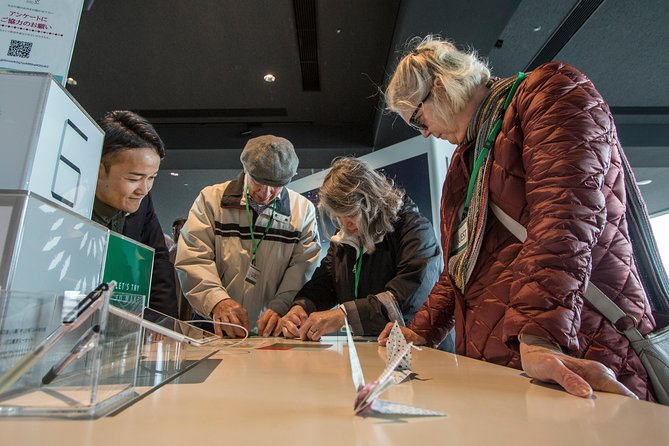
The guide is the most important variable in a tour like this. The company assigns a Certified Guide, but you cannot choose a specific person with certainty from the information provided.
The guides praised most often bring different strengths. Yuji is described as warm, passionate, and especially strong at explaining both Hiroshima’s history and Japanese culture. Kaori is praised for keeping groups organized and anticipating questions. Hiro adds local perspective and explains how the bombing affected later generations.
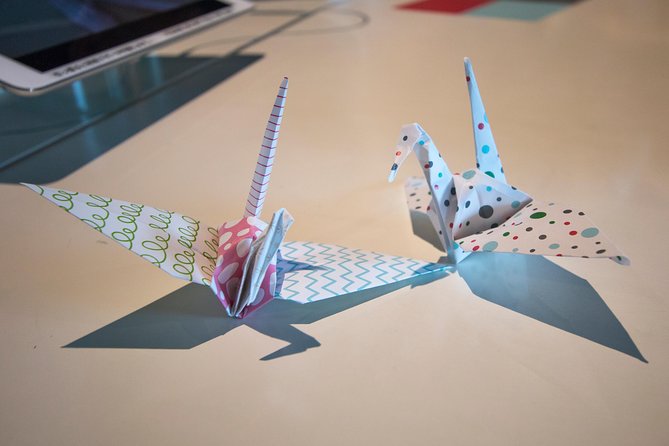
Etsuko is noted for personal stories, empathy, and thoughtful gestures, including a paper crane card with a handwritten message. Yasue is praised for patient answers and careful context. Other guides, including Kinnei, Kaz, Angela, Mariko, Tommy, Mizu, Yuri, and Tommi, are also described as friendly, attentive, and well prepared.
You should not expect the same exact style from every guide. That is normal with a group tour. The consistent theme is a respectful approach, clear historical explanation, and an effort to discuss Hiroshima as a city rather than only as the target of an atomic bomb.
Several guides also talk about everyday Japanese life and local culture. That wider view helps prevent the tour from becoming a single tragic chapter. Hiroshima suffered enormous destruction, but the people who rebuilt it did not stop living, working, raising families, and shaping a modern city.
Price, group size, and overall value
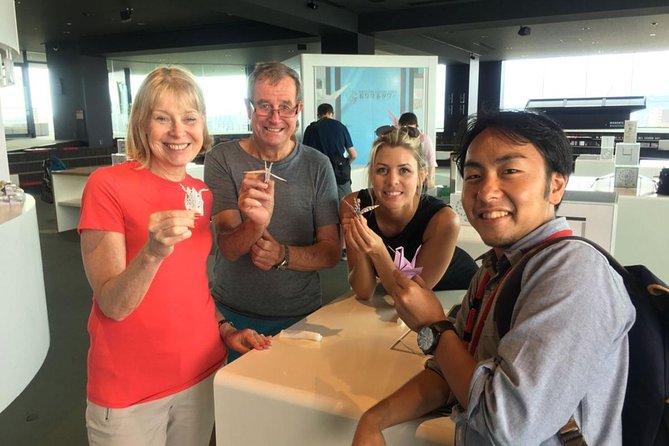
At $94.84 per person, this is not the cheapest way to walk through Peace Memorial Park. The price includes the Peace Memorial Museum entrance, Orizuru Tower admission, lunch, a certified guide, and tour photos.
That package gives the price reasonable value, especially for a first visit. Museum and tower admission are covered, lunch is handled, and you receive five hours of route planning and explanation. A private guide would normally cost more, while a self-guided visit costs less but requires you to manage the route and research.
The group limit of eight is another reason the price can make sense. You are paying for more than transportation, since the experience is built around walking and conversation. If the group is full, you may have less freedom to linger at each stop, but you should still have better contact with the guide than on a large group outing.
The 99 percent recommendation rate and 5 out of 5 score from 872 reviews indicate very strong satisfaction, though you should not ignore the museum crowding issue. The tour offers good value for a visitor who wants context, structure, and a calm guide. It offers less value if you prefer to spend several unhurried hours studying every museum display on your own.
Walking conditions, weather, and who should book
Most people who can walk comfortably for several hours can take part. The tour is near public transportation, but it is not recommended for people with mobility issues. If walking is difficult, a private tour is the better choice because the pace and route can be adapted more easily.
Hiroshima’s weather deserves attention. Summer can be very hot and humid, with temperatures reaching 40°C. Winter can fall to about -5°C. Bring water, wear suitable clothing, and use a hat in summer. The experience requires good weather, so poor conditions can lead to a new date or a full refund.
This tour suits first-time visitors, families with older children, couples, and solo visitors who want help processing a serious subject. It is especially useful if you want to learn about Hiroshima’s recovery and daily life, not just the bombing itself.
Young children may find the museum exhibits upsetting. The park monuments are easier to approach as a family, but you should decide in advance whether the museum’s graphic material is right for your children.
Free cancellation is available up to 24 hours before the start time. Changes or cancellations made later are not accepted or refunded.
Should you book the Hiroshima Peace Walking Tour?
I would book this tour if you want a thoughtful introduction to Hiroshima and prefer to have a local guide connect the sites. The combination of the museum, memorials, Atomic Bomb Dome, included lunch, and Orizuru Tower gives you a clear five-hour route with a useful shift from painful history to modern city life.
I would be more cautious if your priority is seeing every museum exhibit in detail. Crowds can make the one-hour museum visit feel rushed, so plan a separate return visit if the museum is central to your Hiroshima plans.
For most first-time visitors, the tour is a strong choice. Book it for the guide’s context and the human stories, not simply for a checklist of landmarks. Bring water, wear good shoes, advise the operator about food needs early, and leave room afterward for quiet reflection.
FAQ
How long does the Hiroshima Peace Walking Tour last?
The tour lasts approximately five hours.
What sites are included?
The route includes Hiroshima Peace Memorial Park, Hiroshima Peace Memorial Museum, the Cenotaph for the Atomic Bomb Victims, the Children’s Peace Monument, the Atomic Bomb Dome, and Hiroshima Orizuru Tower.
Is lunch included?
Yes. Lunch is included in the tour price. Additional food and drinks can be purchased separately.
Is admission to the museum and Orizuru Tower included?
Yes. Entrance fees for the Hiroshima Peace Memorial Museum and Orizuru Tower are included.
How large is the group?
The tour has a maximum of eight travelers.
Where does the tour start and finish?
The stated meeting point is Montbell Japan at 1-chome 2-22 Kamiyacho, Naka Ward, Hiroshima. The tour finishes at SOUVENIR SELECT HitotoKi Orizuru Tower 1F, near the lunch restaurant.
Is the tour suitable for people with mobility issues?
No. The activity is not recommended for people who have difficulty walking. A private tour is recommended in that situation.
Can the tour accommodate dietary restrictions?
Gluten-free requests cannot be accommodated, and allergy-free meals cannot be guaranteed. Vegetarian choices are limited. You should report allergies or dietary requests at least one day before the tour, since same-day requests cannot be accepted.
What happens if the weather is poor?
The activity requires good weather. If it is canceled because of poor weather, you will be offered another date or a full refund.
Just added around Hiroshima
- The Peace Memorial to Miyajima : Icons of Peace and Beauty★ 4.5 · 31 reviews
- Shore Excursion from Hiroshima Port : Private Tour in Hiroshima★ 5.0 · 17 reviews
- Hiroshima Saijo Sake Tasting Tour with visit to 7 Breweries★ 5.0 · 104 reviews
- Hiroshima & Miyajima All-Inclusive Tour w/Licensed guide Pancho★ 5.0 · 54 reviews
- Hiroshima Country Cycling: Explore Rural Life 1 HR from City★ 5.0 · 22 reviews
- Okunoshima Rabbit Island Cycling Tour with Local Guide★ 4.5 · 17 reviews
- Private Full Day Hiroshima Tour★ 4.5 · 29 reviews
- Hiroshima Private Tour with a Local – Highlights & Hidden Gems★ 4.5 · 24 reviews
Hiroshima Tours, compared.
Peaceful Hiroshima & Miyajima UNESCO 1 Day Bus Tour
Read our review →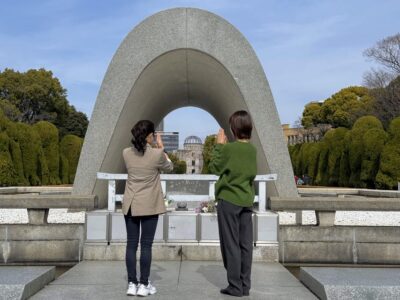
Hiroshima and Miyajima UNESCO Sites 1-Day Tour
Read our review →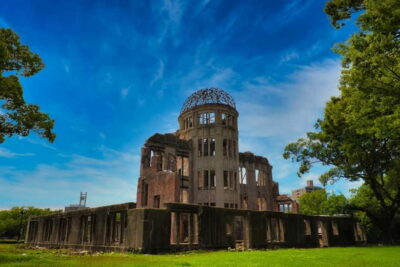
Hiroshima Historical Walking Tour – Why A-Bomb was Dropped
Read our review →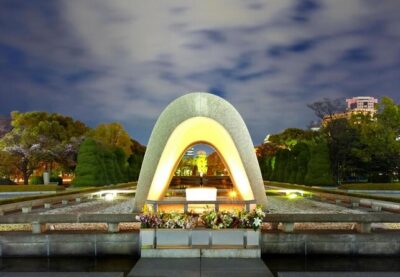
Hiroshima in a Nutshell: Morning Bike Adventure
Read our review →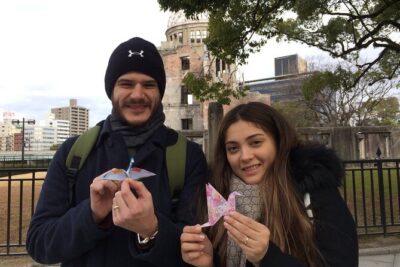
Hiroshima City 4hr Private Walking Tour with Licensed Guide
Read our review →

Japanesel Archery Experience HIROSHIMA CASTLE SHARAKU
Read our review →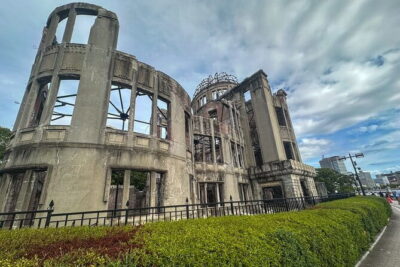
Hiroshima and Miyajima Day Trip with Itsukushima Shrine & Ferry
Read our review →Browse the lists this tour appears in