
Reviewed · HIROSHIMA TOURS
Miyajima Half-day Trip Historical Walking Tour
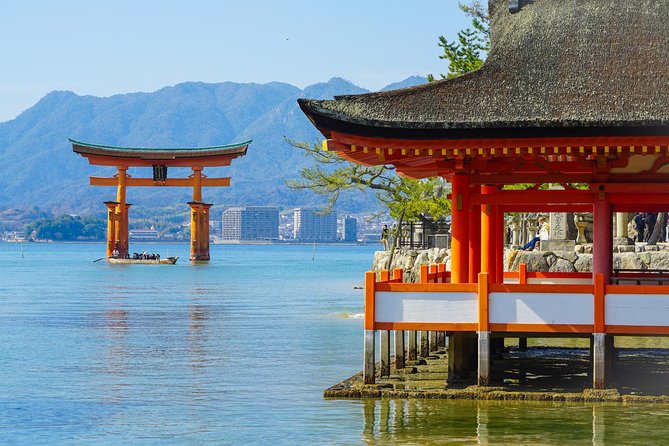
Miyajima’s great appeal is how much Japan fits into one small island: a sea-facing shrine, a giant torii gate, Buddhist temples, free-roaming deer, wooded paths, and snack stalls selling oysters and momiji dumplings. This small-group walking tour gives you a guide for the stories and a route through the island’s main sights.
I like the intimate limit of six people, which makes it easier to ask questions and adjust the pace. I also like that lunch is included, with local choices such as fresh or grilled oysters and momiji dumplings. The main drawback is that the tour involves several hours on foot, stairs, and hills, while the ferry fare is extra and food substitutions are limited.
Key points to know before booking
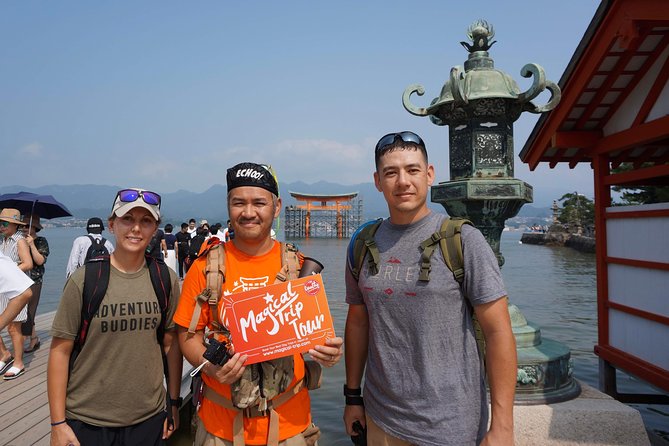
- See Miyajima’s essential sights in one organized route, from the Otorii Gate and Itsukushima Shrine to Daisho-in Temple and Senjokaku.
- Travel with no more than six people, although a smaller booking can sometimes feel like a private tour.
- Learn about Shinto and Buddhism from a certified local guide, rather than simply taking photos and moving on.
- Eat a Hiroshima-style lunch, including oysters and momiji dumplings, with extra food and drinks available for purchase.
- Allow 5.5 hours for walking, ferry travel, sightseeing, meals, and shopping along Omotesando Street.
- Plan for weather and dietary limits, especially summer heat, humidity, stairs, and the absence of gluten-free lunch options.
Why this Miyajima tour works well
Miyajima is easy to reach from Hiroshima, but it is not always easy to understand. You can walk to the famous torii gate, snap a picture at Itsukushima Shrine, and wander into a shop without learning why the island matters. A good guide changes that. The buildings become part of Japan’s religious story, and the route feels less like a checklist.
This experience is built around that added context. You walk along the coast, visit the shrine, continue to Daisho-in Temple, pause in Momijidani Park, see Senjokaku, and finish with food and shopping on Omotesando Street. It is a sensible order because it mixes major sights with quieter places and leaves room for local snacks.
The group maximum is six. That matters on a compact island where popular paths and photo spots can become crowded. You can ask a question without holding up a large bus group, and the guide can usually pay attention to individual needs. Several bookings have also ended up with only two people or one family, creating a private-tour feel, though you should treat that as a possibility rather than a promise.
Guides have included Mariko, Hiro, Yuji, Hika, Shun, Meri, Eri, Tommy, Kiki, and others. The guide you receive will vary, but the experience is designed around a local guide who can explain the island’s customs, point out good photo positions, and help you choose food.
More history-led days in Hiroshima:
- Hiroshima Historical Walking Tour – Why A-Bomb was Dropped
★ 4.8 · 893 reviews - Hiroshima Peace (Heiwa) Walking Tour at World Heritage Sites
★ 5.0 · 872 reviews - Hiroshima: History of Hiroshima Group Walking Tour
★ 4.8 · 266 reviews
Starting at Miyajimaguchi and crossing the Seto Inland Sea
The meeting point is at 1-chōme-3-26 Miyajimaguchi, Hatsukaichi, Hiroshima 739-0411. From there, you board a ferry for Miyajima. The ferry ticket is not included and costs 500 yen, or about $4, for a round trip.
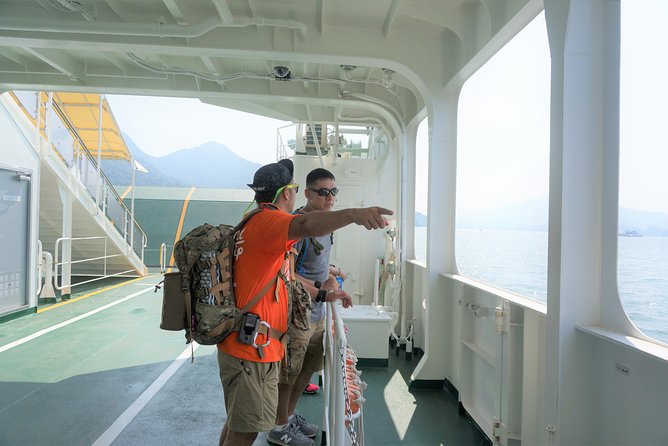
The crossing is part of the experience, not just a transfer. You get views across the Seto Inland Sea, and the Otorii Gate comes into sight as you approach the island. Have your camera ready, but do not spend the entire crossing looking through it. The approach gives you your first sense of why Miyajima is so closely tied to the water.
The ferry cost is small compared with the tour price, but it is easy to overlook because most major entrance costs are included. Keep the extra 500 yen in your transport budget, and bring water for the walking portion. Summer on the island can be hot and humid, with temperatures in Japan sometimes reaching 40 degrees Celsius.
Meeting the Otorii Gate along the coast
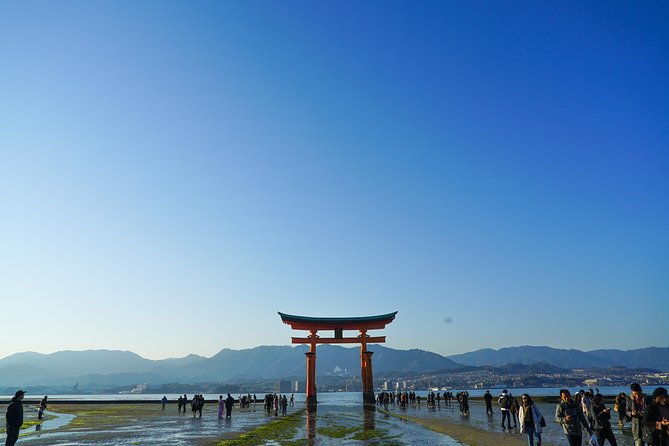
The first island walk follows the coast toward the Otorii Gate, Miyajima’s most recognizable sight. The gate belongs to the visual identity of the island, but its setting is what makes it memorable: water, shrine architecture, and the wooded slopes behind the town.
Tides change the experience. At low tide, you might be able to walk out toward the gate and see its weathered surface up close. At higher water, the gate appears to float offshore, which is the classic view. The exact conditions depend on the day, so do not book this tour expecting one fixed photo scene.
This is one place where a guide adds real value. You can learn how the gate relates to the sacred character of the island and why the approach from the sea matters. You also get help finding a practical place for photographs instead of spending time circling the waterfront.
Itsukushima Shrine and Japan’s sacred waterfront
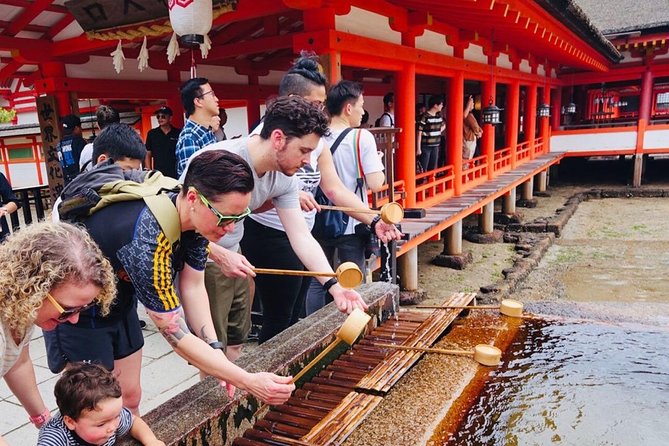
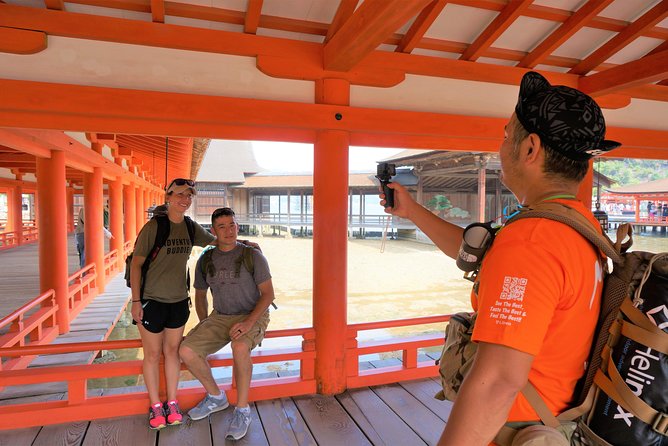
Itsukushima Shrine is the central cultural stop. Built during the Heian period, from 794 to 1192, it is famous for architecture designed around the tides. The relationship between the shrine, the sea, and the gate is not a decorative accident. Water shapes the way the complex is seen and understood.
The tour allows about an hour here, enough time for an explanation and photographs rather than a rushed pass through the grounds. Entrance to the shrine is included, along with admission to the other shrines, temples, and museums included in the route.
You will want comfortable shoes even though this is not a mountain hike. The tour keeps moving, and the day includes coastal walking, temple grounds, shopping streets, and steps. The shrine is also one of the island’s busiest areas, so your guide’s timing and meeting instructions can help keep the visit orderly.
More walking tours in Hiroshima:
- Hiroshima City 4hr Private Walking Tour with Licensed Guide
★ 5.0 · 437 reviews - Hiroshima Walking Tour Why A Bomb was dropped to Hiroshima
★ 5.0 · 347 reviews - Hiroshima: Food and Culture Guided Walking Tour with Dinner
★ 4.9 · 212 reviews - Hiroshima: Peace Walking Tour of World Heritage Sites
★ 4.9 · 190 reviews
Daisho-in Temple, the spiritual highlight
For many people, Daisho-in Temple becomes the most rewarding stop. The temple is the main temple of the Omuro school of Shingon Buddhism, and the guide explains Buddhist ideas, statues, and the role of the site.
This is not simply another beautiful building to photograph. The statues and details give you something to look at while your guide explains how Buddhist practice differs from the Shinto traditions connected with Itsukushima Shrine. Seeing both sites in the same half-day gives you a clearer picture of Japan’s overlapping religious traditions.
Daisho-in also requires effort. The route includes stairs and some uphill walking, and several people have especially valued guides who allowed breaks along the way. If you have knee problems or dislike hills, tell the guide early and keep your expectations realistic. The temple is worth the climb for many people, but this is not a flat, effortless stroll.
Momijidani Park and Senjokaku
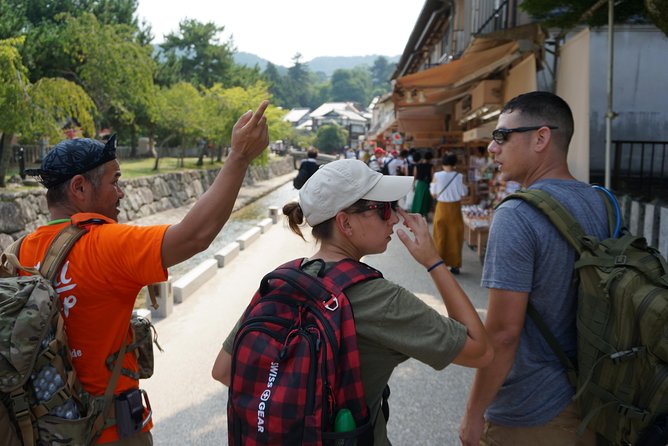
Momijidani Park is a 30-minute photo stop. Its name is associated with maple trees, and the park gives you a change of mood after the formal shrine and temple visits. Your guide can help you frame the natural scenery and may adjust the stop to the season and weather.
Senjokaku follows with another 30-minute visit and explanation. Senjokaku is the common name for the main hall of Toyokuni Shrine, also called Hokoku Shrine, on Itsukushima. Its broad interior and elevated position give the stop a different feel from the more intricate shrine buildings by the shore.
Neither stop is meant to be a long independent exploration. The value lies in seeing how the island’s religious buildings sit among trees, slopes, and open views. If photography matters to you, these pauses help break up the day and give you more than the standard torii-gate picture.
Lunch with oysters and momiji dumplings
The included Hiroshima local lunch is one of the tour’s strongest practical features. Depending on the arrangements of the day, you may try fresh or grilled oysters, a well-known local specialty, along with momiji dumplings. Some food experiences have also included items such as fried oysters, unagi, soft-serve ice cream, or a sweet stop at a favorite local cafe, though you should not assume every extra item is included.
The meal means you do not have to spend part of the day hunting for a place to eat. Your guide can direct you toward the island’s local food, explain what you are trying, and help keep the schedule moving. Extra food and drinks are available to buy, so bring some money if you want to sample more than the included meal.
Dietary planning needs care. Vegetarian and vegan lunches are available but limited. Gluten-free lunch is not available. The operator cannot guarantee allergy-free food because meals are prepared in kitchens it does not control, and substitutions may not be possible at every stop. Tell the operator at least one day before the tour about allergies or dietary requests. Same-day requests cannot be accommodated.
Omotesando Street and the island’s edible souvenirs
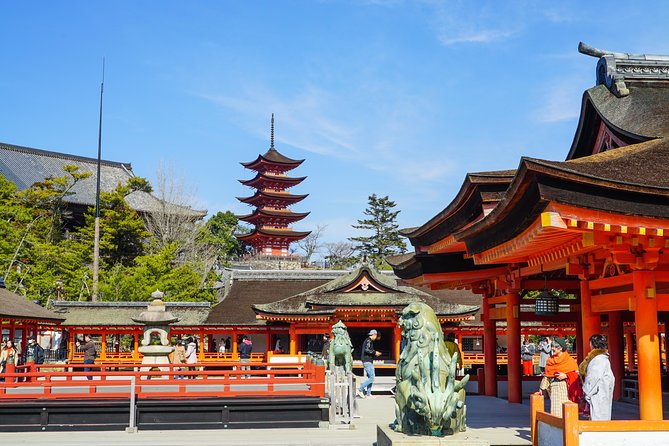
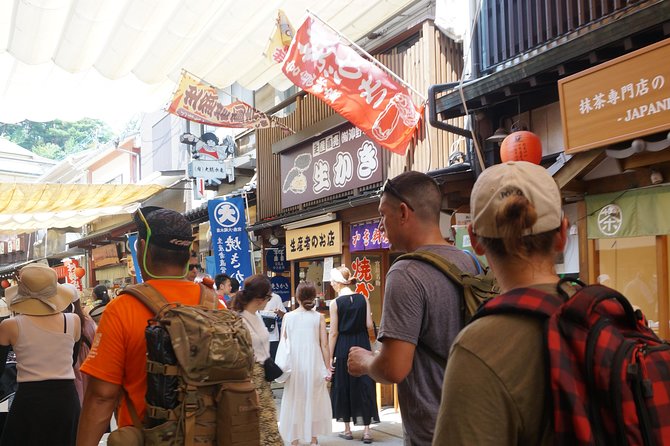
The final listed stop is Miyajima Omotesando Shopping Street, where you get about an hour for local street food and browsing. The street is lined with souvenir shops and food stalls, including places selling grilled oysters and other island specialties.
This is a good ending for the tour because you have already seen the sacred sites. Now you can enjoy Miyajima as a living town rather than only as a collection of historic buildings. Momiji dumplings are an obvious treat, and the guide can point you toward a preferred shop. Tommy, one guide featured in past tours, was especially helpful with a momiji manju recommendation.
Shopping can easily expand beyond the scheduled hour, so keep an eye on the time. The activity ends back at the original meeting point, and the tour does not include additional foods or drinks. If you want a slower browse, plan to return to Miyajima on your own after the tour, if your schedule allows.
What the $109.43 price includes
At $109.43 per person, this is not the cheapest way to see Miyajima. You can reach the island yourself for the cost of the ferry and visit public streets and viewpoints without paying for a guide.
The price makes more sense if you value explanation, meal planning, and efficient routing. It includes a certified MagicalTrip guide, entrance fees to the shrines, temples, and museums included in the experience, tour photos, and a Hiroshima-style lunch. The ferry is the notable extra cost at 500 yen round trip.
A self-guided visit can work well for independent planners who enjoy reading signs, choosing restaurants, and setting their own pace. This tour is better value if you have only one day in Hiroshima, want the major sights connected into a clear story, or prefer not to spend time figuring out where to go next.
The six-person limit also affects the value. A large group can make a guide feel distant, while this format gives you a better chance to ask about religion, food, photography, or local life. You are paying for access to a person who helps the island make sense, not simply for transport.
Walking, weather, and comfort
The tour lasts about five hours and 30 minutes. The schedule gives roughly one hour for the ferry and initial Miyajima visit, one hour for the waterfront and shrine area, one hour at Itsukushima Shrine, 30 minutes at Daisho-in, 30 minutes at Momijidani Park, 30 minutes at Senjokaku, and one hour on Omotesando Street.
That is a full half-day. Wear walking shoes, especially if you want to enjoy Daisho-in without worrying about the stairs. Carry water, use sun protection, and bring a hat in summer. Japan’s weather can be extreme, with very hot summers and cold winters, so dress for the forecast rather than relying on the mild appearance of a coastal island.
Rain does not cancel the cultural value of the route. The shrine and temple architecture can look especially atmospheric under gray skies, and the walk still operates in wet weather. Pack rain protection and accept that views of the Otorii Gate may be less dramatic. The gate can also be obscured by weather or tide conditions.
All ages are welcome, and most people can participate. The main question is not age but stamina. You should be comfortable walking for several hours and handling some stairs or hills.
Who should book this experience
I would choose this tour if you are visiting Hiroshima for the first time and want Miyajima explained rather than merely photographed. It suits couples, families, and solo visitors who like a personal guide but do not want a large group.
It is also a good match for anyone interested in Japanese spirituality. The combination of Itsukushima Shrine and Daisho-in Temple lets you compare Shinto and Buddhist settings in one compact outing.
Families can benefit from the food stops and flexible guide attention. One family of five had a private booking and found the guide patient and informative. Solo visitors may also get lucky with a very small group, as happened with Tommy’s booking.
I would hesitate if you need a gluten-free meal, have a serious food allergy, or want a slow, unstructured day. I would also think twice if long walks, stairs, or summer heat are difficult for you. The tour is friendly and manageable, but it is still an active walking experience.
Should you book the Miyajima half-day tour?
Book it if you want the island’s major sights, local food, and religious background handled in one well-shaped day. The best features are the six-person maximum, included lunch, shrine and temple admissions, and the chance to learn from guides such as Mariko, Hiro, Hika, Meri, Eri, Yuji, Shun, Tommy, and Kiki.
Skip it if you are a confident independent visitor who wants to set your own tide schedule, linger at one temple, or choose every meal yourself. In that case, the ferry and self-guided route may cost less.
For most first-time visitors with limited time in Hiroshima, I see solid value here. Just budget for the 500-yen ferry, alert the operator about food needs at least a day ahead, and arrive ready for heat, weather, and plenty of walking. Free cancellation is available up to 24 hours before the start time, which gives you some useful flexibility when planning around a Japan itinerary.
FAQ
How long does the Miyajima walking tour last?
The experience lasts approximately 5 hours and 30 minutes, including the ferry crossing, sightseeing, lunch, and time on Omotesando Shopping Street.
Is the ferry to Miyajima included?
No. The ferry costs 500 yen, or about $4, for a round trip, and is paid separately.
What food is included with the tour?
The tour includes a Hiroshima local lunch. Food may include fresh or grilled oysters and momiji dumplings. Additional food and drinks are not included but can be purchased.
Are vegetarian, vegan, or gluten-free meals available?
Vegetarian and vegan options are available but limited. Gluten-free lunch is not available. Allergy-free meals and all dietary substitutions cannot be guaranteed, so you should provide requests or allergy information at least one day before the tour.
How large is the tour group?
The maximum group size is six people. The actual group may be smaller, depending on bookings.
Where does the tour start and finish?
The tour starts at 1-chōme-3-26 Miyajimaguchi, Hatsukaichi, Hiroshima 739-0411, Japan, and ends back at the meeting point.
More 1-Day Tours in Hiroshima
- Peaceful Hiroshima & Miyajima UNESCO 1 Day Bus Tour
★ 5.0 · 5,309 reviews - Hiroshima: Hiroshima and Miyajima UNESCO Sites 1-Day Tour
★ 4.9 · 2,330 reviews - From Hiroshima: Hiroshima & Miyajima 1 Day Tour with Lunch
★ 4.7 · 395 reviews - Hiroshima and Miyajima Day Trip with Itsukushima Shrine & Ferry
★ 5.0 · 378 reviews
More Half-Day in Hiroshima
- Miyajima Half-day Private Tour with Government Licensed Guide
★ 5.0 · 184 reviews - Hiroshima: Miyajima Half-day Historical Walking Tour
★ 4.7 · 100 reviews - Hiroshima: Miyajima Island Half-Day Tour with Guide
★ 4.9 · 71 reviews - Kyoto Arashiyama Bamboo forest & Garden Half-Day Walking Tour
★ 5.0 · 413 reviews
Just added around Hiroshima
- The Peace Memorial to Miyajima : Icons of Peace and Beauty★ 4.5 · 31 reviews
- Shore Excursion from Hiroshima Port : Private Tour in Hiroshima★ 5.0 · 17 reviews
- Hiroshima Saijo Sake Tasting Tour with visit to 7 Breweries★ 5.0 · 104 reviews
- Hiroshima & Miyajima All-Inclusive Tour w/Licensed guide Pancho★ 5.0 · 54 reviews
- Okunoshima Rabbit Island Cycling Tour with Local Guide★ 4.5 · 17 reviews
- Private Full Day Hiroshima Tour★ 4.5 · 29 reviews
- Hiroshima Country Cycling: Explore Rural Life 1 HR from City★ 5.0 · 22 reviews
- Hiroshima Private Tour with a Local – Highlights & Hidden Gems★ 4.5 · 24 reviews
Hiroshima Tours, compared.
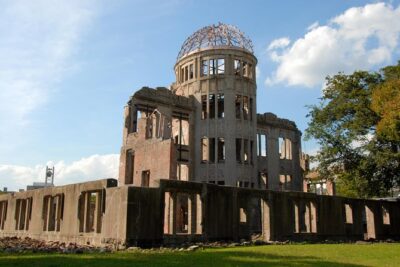
Peaceful Hiroshima & Miyajima UNESCO 1 Day Bus Tour
Read our review →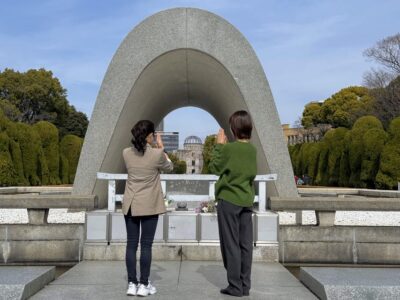
Hiroshima and Miyajima UNESCO Sites 1-Day Tour
Read our review →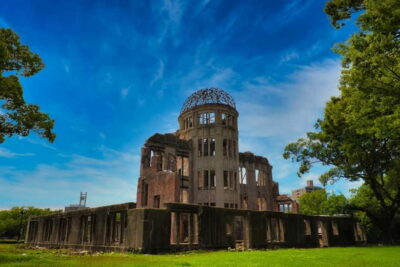
Hiroshima Historical Walking Tour – Why A-Bomb was Dropped
Read our review →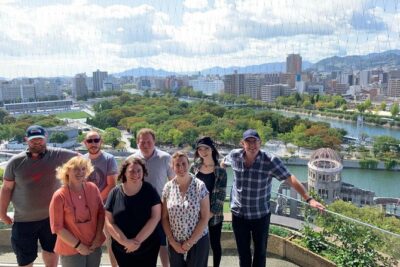
Hiroshima Peace (Heiwa) Walking Tour at World Heritage Sites
Read our review →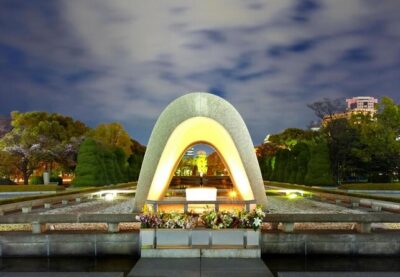
Hiroshima in a Nutshell: Morning Bike Adventure
Read our review →
Hiroshima City 4hr Private Walking Tour with Licensed Guide
Read our review →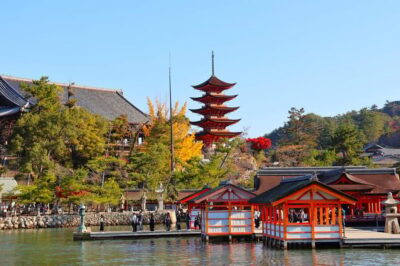

Japanesel Archery Experience HIROSHIMA CASTLE SHARAKU
Read our review →Browse the lists this tour appears in