
Reviewed · HIROSHIMA TOURS
Hiroshima: Food and Culture Guided Walking Tour with Dinner
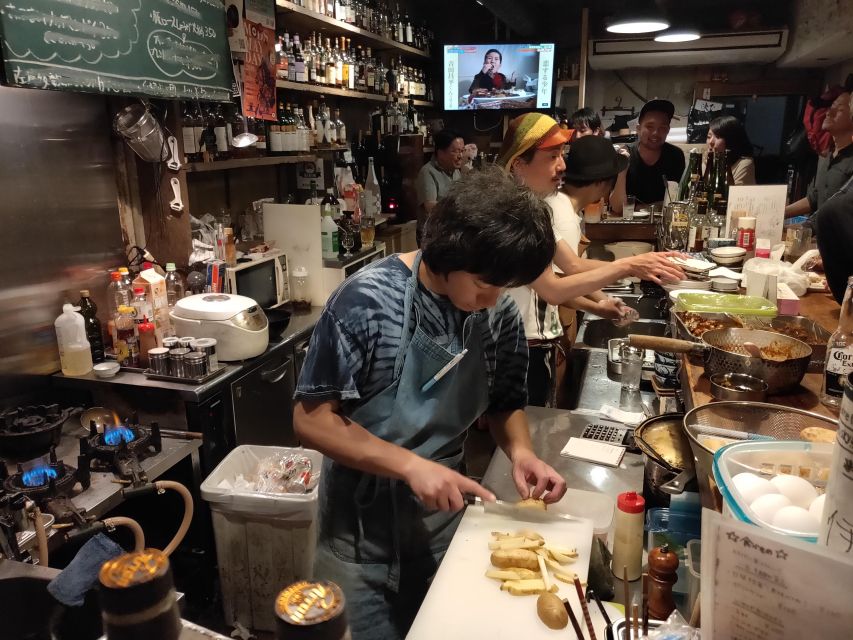
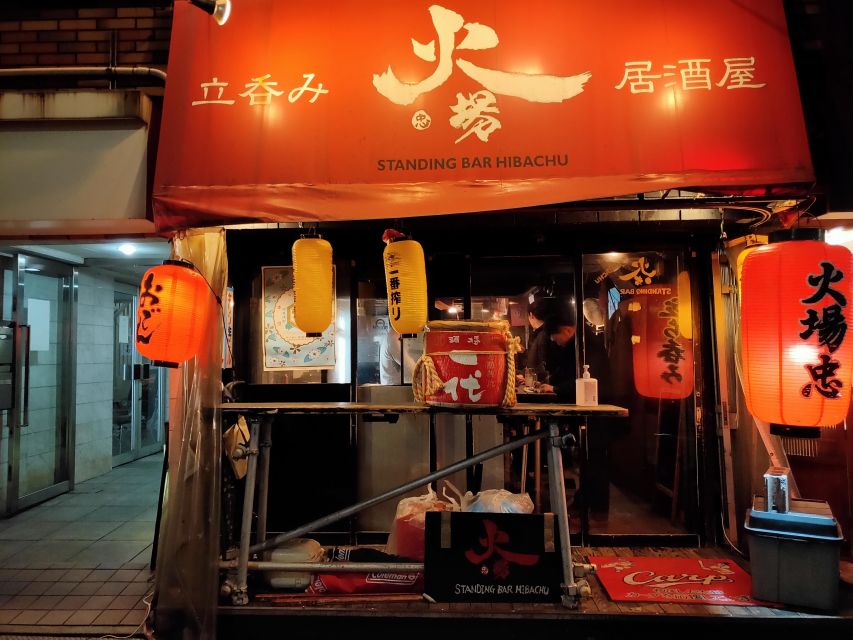
Hiroshima’s best food experience here is not one long dinner. It is a three-stop evening through small local restaurants, with fresh seafood, grilled dishes, tempura, simmered food, and the city’s famous okonomiyaki appearing along the way. The tachinomi-style format keeps things moving and gives you a look at how locals eat and socialize after dark.
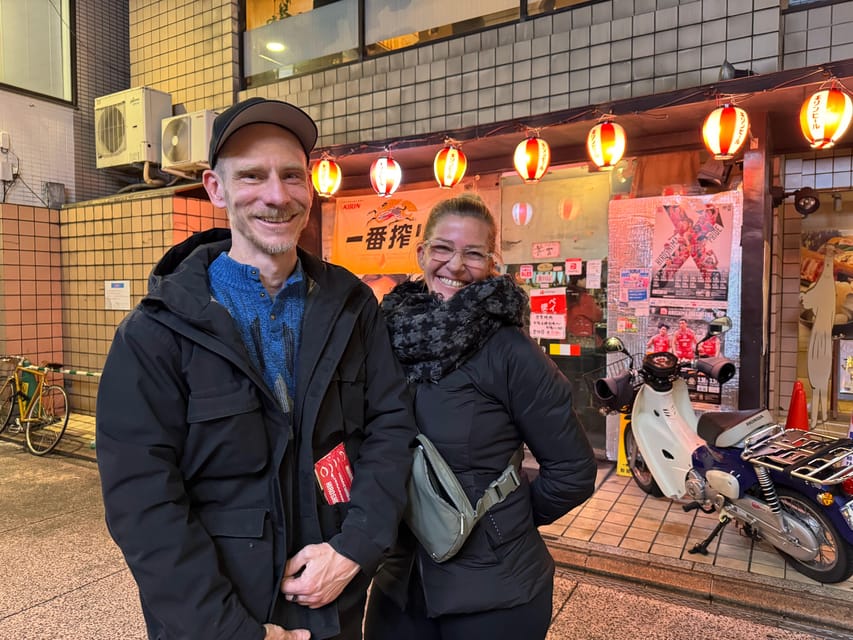
I like the wide range of dishes, since you can sample far more than you would at a single restaurant. I also like the local feel: guide Ken, also known as Kensuke, has taken people into backstreet izakaya they would likely skip on their own, while guides such as Alex have helped make the evening friendly and easy to follow.
The main thing to consider is the standing-room format. All or part of the three stops may be tachinomi, meaning you eat at a counter or table while standing, and each restaurant visit is usually less than 30 minutes. That suits curious eaters who like variety, but it may not suit anyone wanting a slow, formal dinner.
Key points at a glance
- Three restaurant stops: Eat at different local venues instead of spending the whole evening in one dining room.
- At least ten dishes: Expect small plates covering seafood, tempura, grilled, steamed, and slow-cooked food.
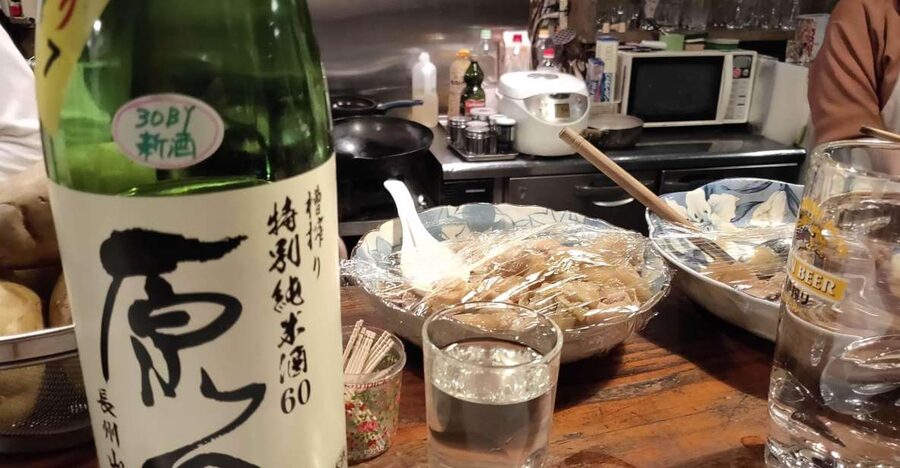
- Three included drinks: Choose one alcoholic or non-alcoholic drink at each restaurant.
- Hondori and Nagarekawa: Walk through Hiroshima’s shopping and nightlife districts between meals.
- Friendly local guiding: Ken and Kensuke are frequently named guides, with Alex also leading some departures.
- A good value at $94: The price covers a full dinner, three drinks, guiding, and access to places that can be hard to enter alone.
Why this three-stop format works in Hiroshima
I like food tours that let you taste broadly rather than fill up on one signature dish. This one is built around that idea. You move from restaurant to restaurant, ordering several small portions at each stop, so the meal becomes a tour of Hiroshima’s casual food culture.
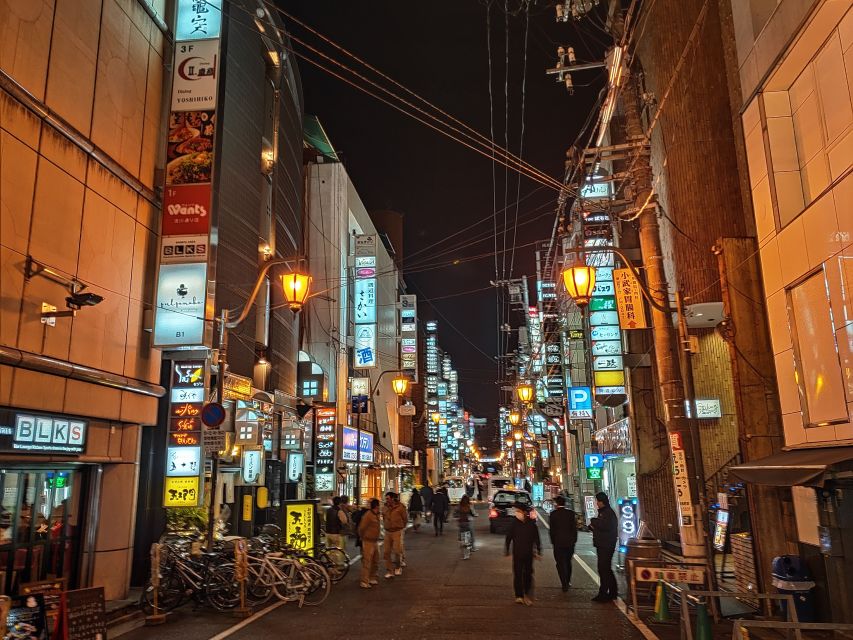
The food may include fresh seafood, tempura, grilled items, steamed dishes, and food cooked slowly in flavorful broth or sauce. At least ten different dishes are served over the three hours, and some evenings have included around 15. The exact selection changes with the season and with restaurant availability, so you should think of the menu as a guide rather than a promise.
That uncertainty is part of the appeal, but it is also worth noting. You might get Hiroshima-style okonomiyaki, which has been a highlight for several people, but it is not guaranteed by the listed menu. The same goes for particular fish, meat, or unusual dishes. Come ready to try unfamiliar food, not expecting a fixed tasting menu.
The three drinks help the price make sense. You receive one drink at each stop, choosing from alcoholic or non-alcoholic options. Beer, sake, cocktails, spirits, plum wine, and soft drinks may be available depending on the restaurant. Extra drinks are not included and usually cost about 500 yen each, paid directly to the restaurant.
More dinners out in Hiroshima:
- Dinner Cruise on HANAIKADA (Raft-Type Boat) with Scenic View of Miyajima
★ 5.0 · 21 reviews - Tokyo Bar Hopping Tour in Shinjuku (All-You-Can-Drink + Dinner)
★ 5.0 · 3,587 reviews - Tokyo: Sumo Show and Dining Experience
★ 4.8 · 2,742 reviews
Starting at Don Quijote in central Hiroshima
The meeting point is on the street in front of Don Quijote Hiroshima Hatchobori. This is a practical central spot, but you should allow a few minutes to find the exact street-side meeting place rather than assuming you will meet inside the store.
The tour begins with a walk toward Hiroshima Hondori Shopping Street. This gives you time to meet the guide and the other people in your group before sitting down to eat. It also lets you see the center of town at the point when shops, restaurants, and evening activity begin to overlap.
The group may be private or small, which matters here. Small restaurants and standing counters are easier to manage with fewer people, and a small group gives you more room to ask about ingredients, customs, and ordering. Several people have particularly enjoyed the personal feel when only one couple or one solo participant joined the departure.
Walking Hiroshima Hondori Shopping Street
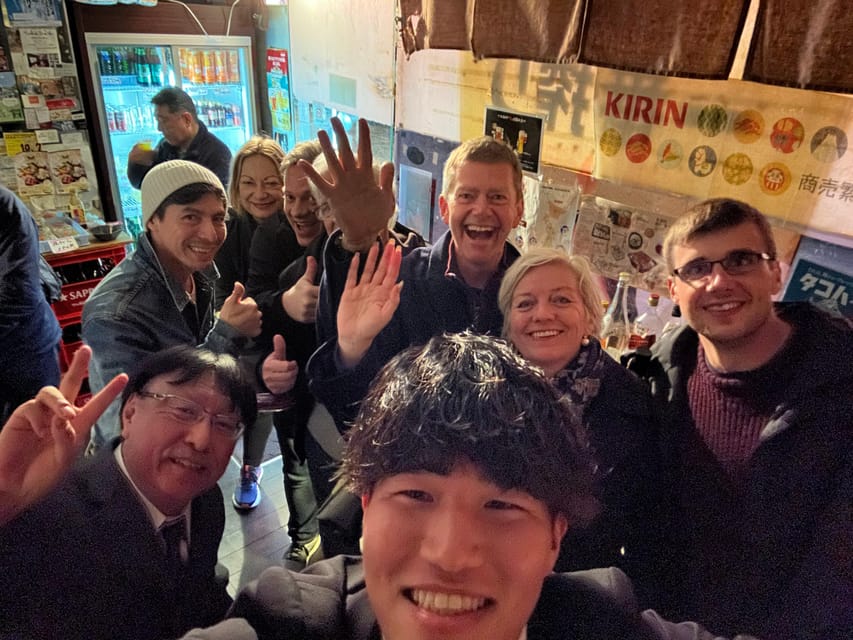
The Hondori section lasts about 30 minutes and is a guided walk rather than a food stop. This is useful if you have just arrived in Hiroshima and want to get your bearings in the central shopping area before dinner.
You will not spend the whole evening walking. The route uses the streets as links between food stops, with short visits to the commercial and entertainment areas. I like this balance because the food remains the focus, while the city itself gets enough attention to give the meal some context.
A guide can also point out nearby places worth returning to later. Past participants have received suggestions for restaurants and activities during the rest of their time in Japan, so bring questions if you are still planning your Hiroshima stay.
First restaurant: small plates and an easy introduction
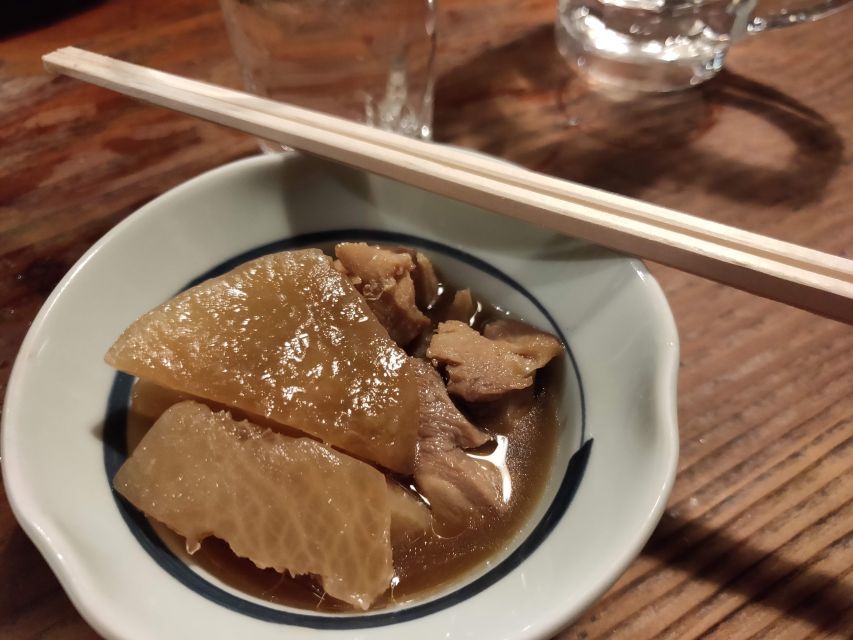
The first restaurant visit lasts roughly 30 minutes. It is designed as a quick introduction to the evening’s style: several dishes, one included drink, and enough explanation to help you understand what is in front of you.
You may eat at a tachinomi venue, where standing at a counter or table is part of the custom. These places are built for conversation and small plates, not for a long, quiet meal. I see this as a strength for a food walk because you can try several things without committing to a large serving.
The drawback is that you have limited control over the pace. If you like to study each dish or linger over a drink, half an hour can feel short. The tour works best when you accept that each stop is a sample of a neighborhood food scene, not a full restaurant review in miniature.
Food restrictions should be shared before or at the start of the tour. The local partner will do its best to adjust the order, and one person with allergies had many suitable dishes selected. Still, the menu changes, and the restaurants are casual local businesses, so you should explain your needs clearly.
More places to eat in Hiroshima:
- Tokyo: Samurai Restaurant Show Ticket with 2 Drinks
★ 4.5 · 1,307 reviews - Deep Backstreet Osaka Tours (Option to add Dinner)
★ 5.0 · 1,290 reviews - Osaka: Deep Backstreets Walking Tour with Dinner Option
★ 4.9 · 902 reviews - Sumida River: Japanese Traditional Yakatabune Dinner Cruise
★ 4.6 · 779 reviews
Second restaurant: more variety without overloading you
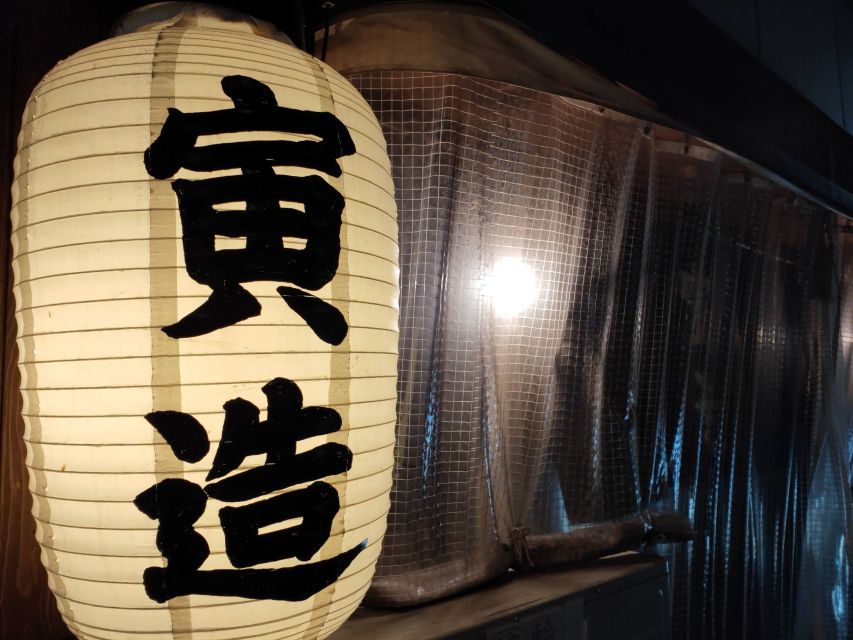
The second stop follows another short walk and lasts about 30 minutes. By this point, you have settled into the rhythm: enter a small place, order several dishes, choose a drink, ask questions, then move on before the meal becomes repetitive.
The portions are meant to be shared. That lets you sample fish, chicken, vegetables, fried food, and dishes you might not choose from a translated menu. One useful point is that the full evening is not necessarily too much food if you have eaten a light lunch, but arriving after a large dinner would defeat the purpose.
The food is not designed only for cautious eaters. Some dishes may be unfamiliar, and not everything will suit every palate. That is a fair trade for the chance to try foods you would likely overlook when ordering alone. I would book this for someone who treats a new dish as part of the fun, even when it is not an instant favorite.
At this stop, your included drink can be alcoholic or non-alcoholic. You do not need to drink alcohol to take part, which makes the experience more flexible for people who do not drink, are pacing themselves, or simply prefer soft drinks.
Nagarekawa Dori after dark
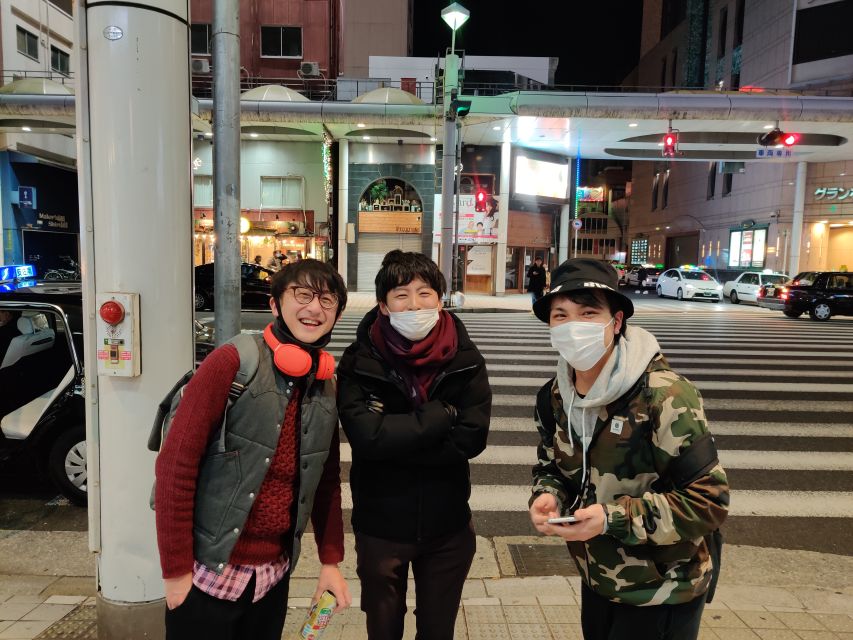
The route then reaches Nagarekawa Dori, Hiroshima’s main entertainment district. The guided walk here lasts around 30 minutes and adds a change of pace after the first two food stops.
This is not a sightseeing tour of major monuments. It is a look at the streets where people go for dinner, drinks, and casual nightlife. That distinction matters. If you want Hiroshima’s major historical sites, you need to see those separately during the day. If you want to understand how the city spends an ordinary evening, this part of the route is more useful.
The walk also serves a practical purpose. A short stroll between meals gives you time to digest and keeps the evening from feeling like three restaurant reservations stuck together. Wear comfortable shoes, since the experience combines walking, standing, and repeated transitions.
Third restaurant: the evening’s final local stop
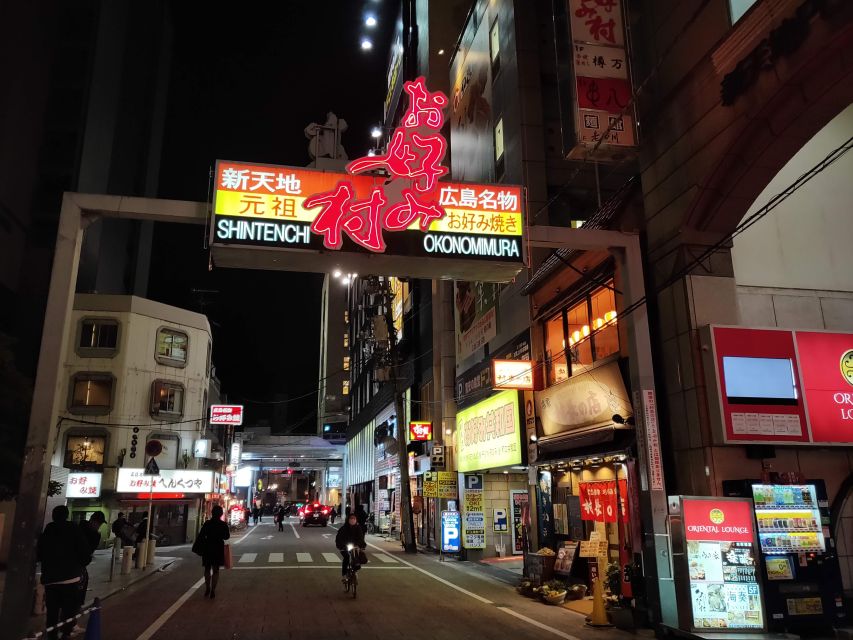
The last restaurant is another roughly 30-minute visit. This stop may be seated, since at least one of the three venues is usually seated, but you should not count on a long sit-down meal.
This is often where the evening feels most social. The guide has more time to answer questions about Japanese dining customs, local drinks, and the foods you have already tried. The setting may also create a memorable personal moment. One person met a former sumo wrestler who owned the final restaurant and received a signed photograph connected to a favorite wrestler. That sort of encounter cannot be scheduled, but it shows why entering small local venues with a guide can lead to more than a standard restaurant meal.
The final included drink is served here. By the end, you will have received three drinks total and eaten a full dinner’s worth of food across the evening. You then return to the Don Quijote meeting point.
What you are really paying for at $94
At $94 per person, this is not the cheapest way to eat in Hiroshima. You can certainly find individual meals for less. The value comes from the combination of food, drinks, guiding, and access.
The tour includes a full dinner across three restaurants and one drink at each stop. It also saves you from guessing where to go, how to order, and how to handle small restaurants where menus or customs may not be obvious. If you value those introductions, the price is reasonable.
The comparison is especially favorable if you plan to order widely. Ten or more dishes, and sometimes around 15, would take effort and appetite to reproduce on your own. You would also need to pay for three separate meals and drinks, then find your way between them.
The value is weaker for a light eater or someone who prefers to choose every dish independently. You also pay extra for drinks beyond the included three. Solo participants should read the minimum group condition carefully: if at least two people do not book, the options are changing dates, paying a 3,000 yen solo supplement, or receiving a full refund.
Guides Ken, Kensuke, and Alex
The guide is a major part of this experience. Ken and Kensuke are names that come up often, and Alex also leads some tours. The guide explains the food, translates the practical details, keeps the group involved, and provides background on Japanese customs and Hiroshima life.
The strongest descriptions of the experience focus on the guides’ warmth and ability to make the night feel like dinner with a friend. That is important in a small group, where a stiff or silent guide would make the restaurant stops feel awkward.
Ken is also described as particularly good at choosing places that are difficult to find or enter without local help. Alex has been praised for including everyone in the group and offering useful food suggestions for the rest of a Japan trip.
The advertised language is English, with English and Japanese-speaking guiding listed for the activity. If language support is central to your booking decision, confirm the guide arrangement for your date.
Who should book this food walk
I would choose this tour early in a Hiroshima visit. You can use the guide’s restaurant suggestions for later nights, and the walk gives you a useful introduction to the central dining districts.
It suits you best if you:
- Like trying several small dishes rather than ordering one main course
- Want local restaurants without having to find them yourself
- Enjoy casual dining and social conversation
- Are curious about Japanese food customs and nightlife
- Can manage some standing and short walks
- Are open to dishes that may be unfamiliar
It is less suitable if you need a quiet, seated dinner, dislike shared plates, or want a guaranteed menu. Children under 13 cannot join, and Japan’s minimum drinking age is 20. Participants aged 13 to 19 can take part, but should choose non-alcoholic drinks.
The tour can also work well for couples, families with older teenagers, and solo visitors. Small groups keep it personal, though the social side will depend on who joins that night.
Practical tips for a smoother evening
Eat a light lunch and avoid a large late-afternoon meal. You want enough appetite for at least ten dishes, but you do not need to arrive hungry enough to rush the first stop.
Tell the guide about allergies, restrictions, and strong dislikes as early as possible. The food can be adjusted where possible, but seasonal menus and restaurant availability limit what can be changed.
Wear shoes suited to walking and standing. Each venue visit is short, and the route includes Hondori Shopping Street and Nagarekawa Dori.
If you drink alcohol, pace yourself. Three included drinks across three restaurants can add up, especially with food you have not tried before. Non-alcoholic choices are available, and extra drinks cost about 500 yen each.
Allow flexibility in your plans afterward. The route, restaurant choices, and timing can change because of circumstances outside the operator’s control. Free cancellation is available up to 24 hours before the tour, and you can reserve now and pay later.
Should you book it?
Book this Hiroshima food and culture walk if you want a friendly introduction to local dining, especially if small izakaya and unfamiliar dishes appeal to you. The combination of three restaurants, at least ten dishes, three drinks, and an English-speaking guide gives you a lot for a three-hour evening.
I would skip it if your priority is a fixed menu, a long seated dinner, or major sightseeing landmarks. For most curious eaters, though, this is a strong way to spend one night in Hiroshima. Go with room in your appetite, comfortable shoes, and a willingness to let Ken, Kensuke, Alex, or your assigned guide order something you would not have chosen alone.
FAQ
Where does the Hiroshima food tour start and finish?
The tour starts and finishes on the street in front of Don Quijote Hiroshima Hatchobori. Hotel pickup and drop-off are not included.
How long does the experience last?
The tour lasts three hours. The schedule includes about 30 minutes walking through Hiroshima Hondori Shopping Street, 30 minutes at each of three restaurants, and about 30 minutes walking along Nagarekawa Dori.
How many dishes are included?
The tour includes at least ten different dishes across the three restaurants. The exact number and menu can change with the season and restaurant availability.
How many drinks are included?
You receive three drinks total, one at each restaurant. You can choose alcoholic or non-alcoholic options. Additional drinks usually cost about 500 yen each and are paid directly to the restaurant.
Can people with food allergies or dietary restrictions join?
The local partner will do its best to accommodate food restrictions and preferences. You should tell the guide about your needs, but the exact menu can change and accommodations cannot be guaranteed for every dish.
Can children join the tour?
All participants must be at least 13 years old. The minimum drinking age in Japan is 20, and non-alcoholic drinks are available for participants who do not drink alcohol.
More Walking Tours in Hiroshima
- Hiroshima Historical Walking Tour – Why A-Bomb was Dropped
★ 4.8 · 893 reviews - Hiroshima Peace (Heiwa) Walking Tour at World Heritage Sites
★ 5.0 · 872 reviews - Hiroshima City 4hr Private Walking Tour with Licensed Guide
★ 5.0 · 437 reviews - Hiroshima Walking Tour Why A Bomb was dropped to Hiroshima
★ 5.0 · 347 reviews
More Food Tours in Hiroshima
- Hiroshima Izakaya Food and Drink Night Tour
★ 5.0 · 297 reviews - Hiroshima Saijo Sake Tasting Tour with visit to 7 Breweries
★ 5.0 · 104 reviews - All-inclusive Hiroshima Nighttime Food and Cultural Immersion
★ 4.5 · 60 reviews - Best of Hiroshima Food Tour
★ 5.0 · 32 reviews
Just added around Hiroshima
- The Peace Memorial to Miyajima : Icons of Peace and Beauty★ 4.5 · 31 reviews
- Shore Excursion from Hiroshima Port : Private Tour in Hiroshima★ 5.0 · 17 reviews
- Hiroshima Saijo Sake Tasting Tour with visit to 7 Breweries★ 5.0 · 104 reviews
- Hiroshima & Miyajima All-Inclusive Tour w/Licensed guide Pancho★ 5.0 · 54 reviews
- Hiroshima Country Cycling: Explore Rural Life 1 HR from City★ 5.0 · 22 reviews
- Okunoshima Rabbit Island Cycling Tour with Local Guide★ 4.5 · 17 reviews
- Private Full Day Hiroshima Tour★ 4.5 · 29 reviews
- Hiroshima Private Tour with a Local – Highlights & Hidden Gems★ 4.5 · 24 reviews
Hiroshima Tours, compared.
Peaceful Hiroshima & Miyajima UNESCO 1 Day Bus Tour
Read our review →
Hiroshima and Miyajima UNESCO Sites 1-Day Tour
Read our review →
Hiroshima Historical Walking Tour – Why A-Bomb was Dropped
Read our review →
Hiroshima Peace (Heiwa) Walking Tour at World Heritage Sites
Read our review →
Hiroshima in a Nutshell: Morning Bike Adventure
Read our review →
Hiroshima City 4hr Private Walking Tour with Licensed Guide
Read our review →
Japanesel Archery Experience HIROSHIMA CASTLE SHARAKU
Read our review →Browse the lists this tour appears in