
Reviewed · HIROSHIMA TOURS
Hiroshima: History of Hiroshima Group Walking Tour
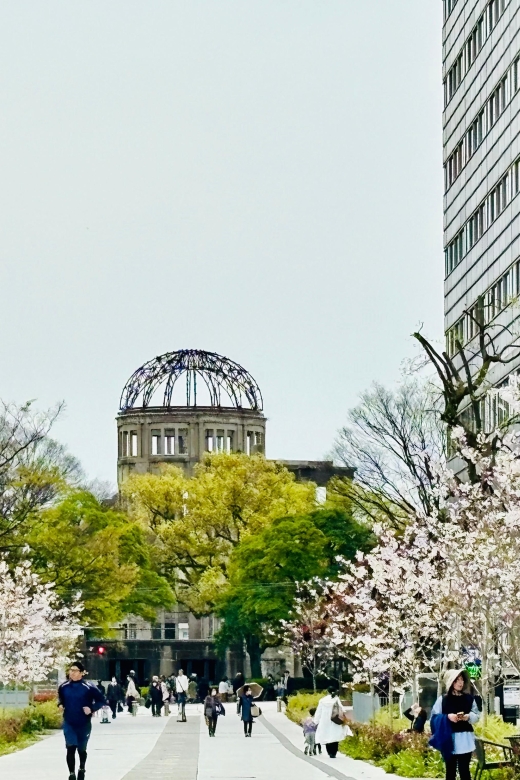
Hiroshima’s most powerful lesson is not confined to a museum. It unfolds outdoors, along a path lined with memorials, fountains, bells, children’s paper cranes, and the Atomic Bomb Dome, the ruined building left standing near the blast center. This two-hour walk connects those places to the people behind them.
I like two things right away. First, the route includes both famous sights and quieter monuments that are easy to miss on your own. Second, guides such as Cva, Moe, Tomas, and Sada bring strong English, careful storytelling, and, in some cases, family connections to survivors. The main consideration is emotional weight, and a large group can make some stops less personal.
Key points to know before you book
- The Atomic Bomb Dome comes at the end: You finish near one of Hiroshima’s most recognizable memorials, after gaining context for what you are seeing.
- Personal stories matter here: Several guides have family links to survivors, adding a human voice to the wider historical account.
- The route covers more than the headline sights: You visit the Korean Atomic Bomb Victims Cenotaph, burial mound, Peace Bell, Mother and Baby in the Storm, and other memorials.
- The Peace Memorial Hall is included: Admission to the Hiroshima National Peace Memorial Hall for Atomic Bomb Victims is part of the tour.
- Two hours gives you a useful first look: The pace is active but not meant to replace a full museum visit.
- The tour is in English and wheelchair accessible: Wear comfortable shoes and dress for the weather.
Why this walk works better than a quick look around the park
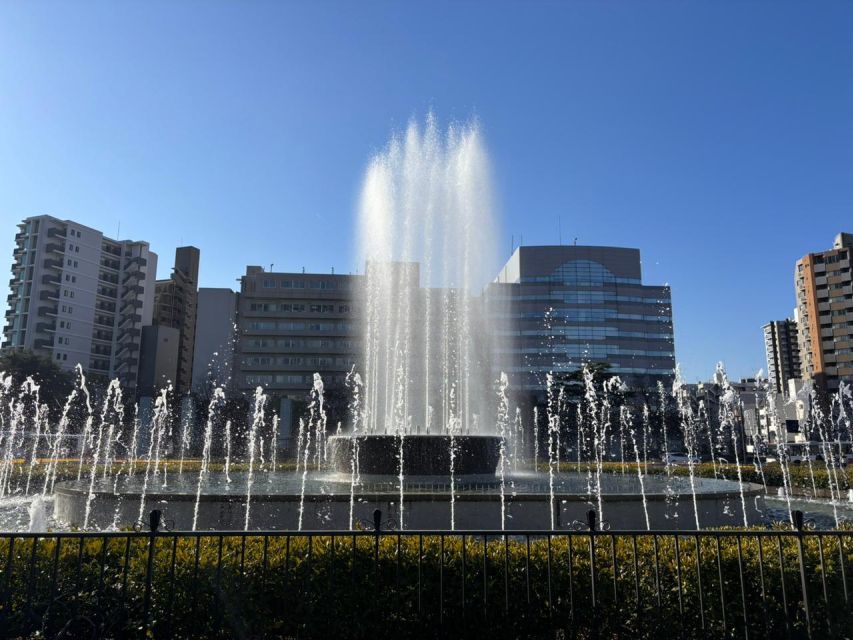
Hiroshima Peace Memorial Park is open, spacious, and easy to walk through, but its many monuments do not always explain themselves. A statue may honor a particular person. A bell may carry a message about peace. A cenotaph may use carefully chosen words that make more sense once you know the background.
This tour gives you that background as you move. Instead of treating the park as a collection of photo stops, the guide links each place to the bombing, the survivors, and Hiroshima’s later effort to speak for peace.
The route also deals with the city before August 6, 1945, the reasons Hiroshima was selected as the primary target, the events of the bombing, and the long rebuilding period afterward. That wider frame matters. You get more than a single terrible morning. You begin to see Hiroshima as a living city with a past before the bomb and a future shaped by what happened.
The guides come from varied academic backgrounds, including tourism, anthropology, history, and peace studies. The most praised quality is not simply their command of dates. It is their ability to explain difficult material with care, answer questions, and leave room for silence when the subject calls for it.
More history-led days in Hiroshima:
- Hiroshima Historical Walking Tour – Why A-Bomb was Dropped
★ 4.8 · 893 reviews - Hiroshima Peace (Heiwa) Walking Tour at World Heritage Sites
★ 5.0 · 872 reviews - Miyajima Half-day Trip Historical Walking Tour
★ 5.0 · 284 reviews
Starting at the Gates of Peace
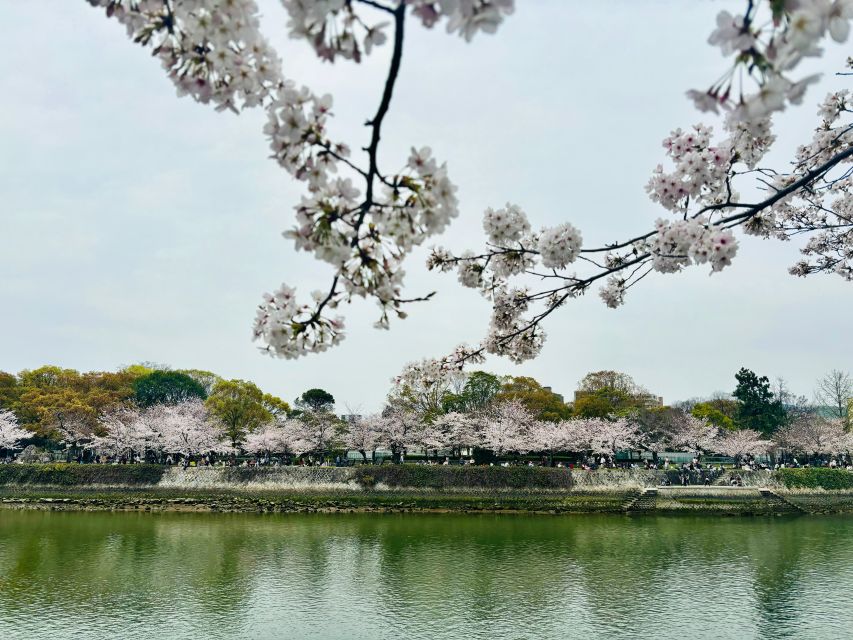
Meet your guide at the Gates of Peace, beside the Italian restaurant Mario. This is a useful starting point because the route immediately places you inside the memorial park rather than spending time on transportation or a distant meeting area.
The opening section introduces the park and the purpose of the walk. From here, you move through a series of memorials, generally stopping for a few minutes at each. Some stops are brief, while the Peace Hall receives more time.
A practical tip: confirm the meeting point carefully before you leave. One visitor specifically wished for a message confirming the exact location the night before. The stated meeting place is clear, but the park has many paths and entrances, so arriving with a little extra time is sensible.
Mother and Baby in the Storm, a small monument with a large subject
The first named stop is Mother and Baby in the Storm. You spend about five minutes here with a guided explanation.
A short stop does not mean an unimportant one. Memorials such as this help shift the subject away from military strategy and toward ordinary people caught in the blast and its aftermath. Your guide uses the monument to begin connecting public memory with individual suffering.
This is also a good point to settle into the tone of the experience. The tour is not designed as a light sightseeing circuit. Expect direct discussion, survivor accounts, and moments that may feel heavy.
Prayer Fountain and the walk through open memorial spaces
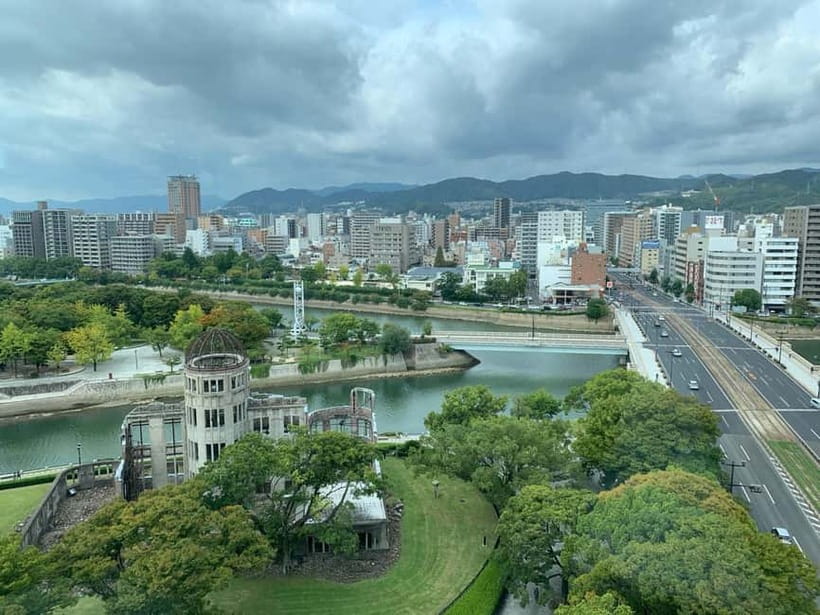
The Prayer Fountain receives about ten minutes, with time for views along the way. As you walk between monuments, your guide explains how the park’s layout and symbols relate to the people who died and those who survived.
The outdoor setting is one of the tour’s strengths. You are not only looking at displays behind glass. You are moving through the same broad memorial area where water, fire, bells, stone, and open space carry repeated messages about loss and peace.
The drawback is weather. This is a walking tour, so rain, heat, cold, or snow will affect your comfort. One January group continued in heavy snow, but that should remind you to bring weather-appropriate clothing rather than relying on the two-hour duration to make conditions unimportant.
More walking tours in Hiroshima:
- Hiroshima City 4hr Private Walking Tour with Licensed Guide
★ 5.0 · 437 reviews - Hiroshima Walking Tour Why A Bomb was dropped to Hiroshima
★ 5.0 · 347 reviews - Hiroshima: Food and Culture Guided Walking Tour with Dinner
★ 4.9 · 212 reviews - Hiroshima: Peace Walking Tour of World Heritage Sites
★ 4.9 · 190 reviews
The Cenotaph and Flame of Peace
The Hiroshima Victims Memorial Cenotaph is one of the central stops, with about ten minutes for a visit, explanation, and sightseeing. The guide explains the meaning of the memorial and ties it to the victims of the atomic bombing, including people affected indirectly.
The Flame of Peace follows, with about five minutes. This is a short presentation, but it helps you understand the park’s repeated focus on remembrance and the hope that nuclear weapons will no longer be used.
I find this middle section particularly useful because the guide can answer questions as the symbols appear. You do not have to wait until the end to sort out what you are seeing. Guides are also encouraged to involve the group, and Cva, in particular, was praised for asking questions and bringing people into the discussion without losing control of the pace.
Fifteen minutes inside the National Peace Memorial Hall
Admission to the Hiroshima National Peace Memorial Hall for Atomic Bomb Victims is included. The itinerary allows about fifteen minutes inside, followed by a longer twenty-minute period for a visit, guided discussion, and free time.
That inclusion adds real value to a $35 tour. You get a guided outdoor route plus entry to an important indoor memorial space without buying a separate ticket for this part of the experience.
Do not expect to master the full subject in fifteen minutes. The hall is best treated as a focused stop within a larger introduction. You may want to return later if your schedule allows, especially if you prefer reading quietly after hearing the guide’s spoken account.
The free time is useful. It gives you a chance to look more closely, ask follow-up questions, or simply pause. Several guides are praised for not rushing people, and that matters in a place where a strict sightseeing rhythm would feel out of place.
Children’s Peace Monument and the human scale of the story
The Children’s Peace Monument is scheduled for about ten minutes and includes a photo stop. The guide explains the monument and its connection to children affected by the bombing.
This is one of the park’s most recognizable areas, but the explanation adds meaning beyond the familiar images of paper cranes. You learn why children occupy such an important place in Hiroshima’s public memory and how the monument links private grief with a wider call for peace.
Families can manage this stop, but parents should decide how much historical detail is right for their children. The tour is respectful, yet it does not avoid the painful parts of the story.
Burial mound and Korean victims’ cenotaph
The Atomic Bomb Memorial Burial Mound receives about ten minutes. This stop brings attention to victims whose remains could not be individually identified or returned to families.
Next comes the Korean Atomic Bomb Victims Cenotaph, a shorter five-minute stop. Including it is one of the route’s better choices. It reminds you that the bombing affected people from beyond Hiroshima and that wartime history cannot be reduced to one national story.
This is also where a guide’s broader perspective can help. The tour is presented as an educational account of Hiroshima before, during, and after the bombing, rather than a simple list of monuments. The best guides address hard questions directly and keep the focus on people rather than slogans.
The Peace Bell and time for reflection
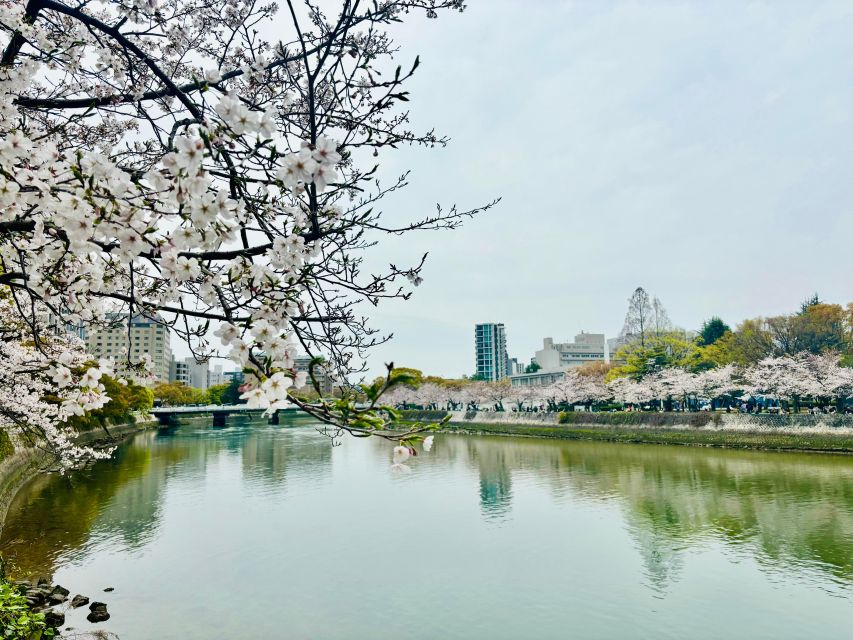
The Peace Bell gets about ten minutes, including a photo stop and guided explanation. Like the Flame of Peace, the bell is a clear symbol, but the guide supplies the context that makes it more than a quick photograph.
The route includes many stops in a small area, so the walk is not strenuous in the way a citywide tour would be. Still, you will be on your feet for most of the two hours. Comfortable shoes are a must, and wheelchair access is listed for the activity.
Group size may affect how this section feels. One person found a particularly large group uncomfortable and said it was harder to keep everyone’s attention. A strong guide can manage that, but you should expect less intimate conversation if your departure has many people.
The Atomic Bomb Dome, the final visual anchor
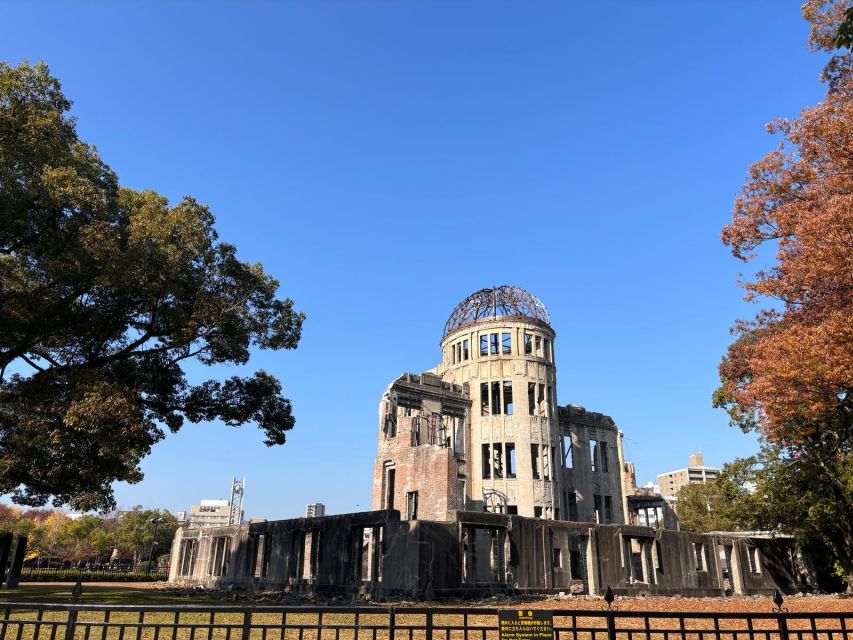
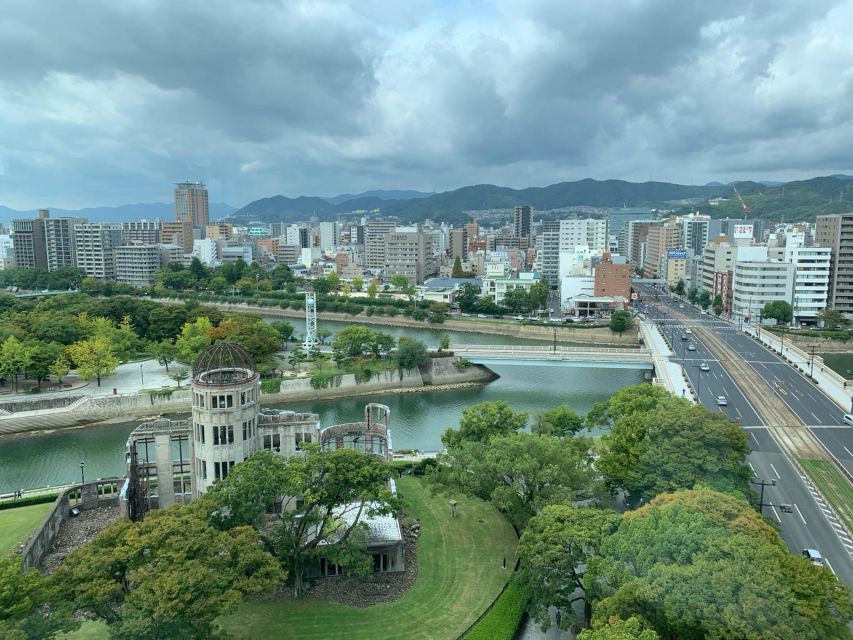
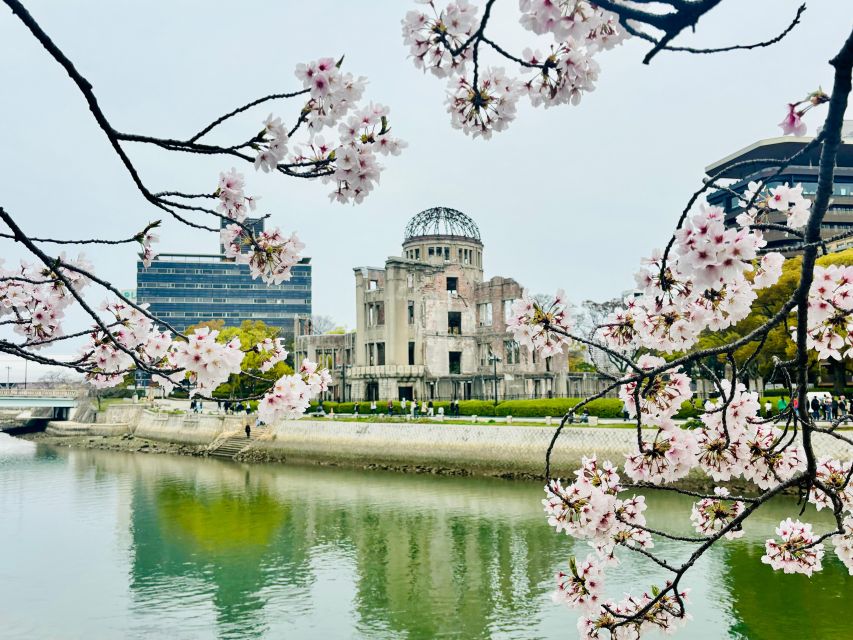
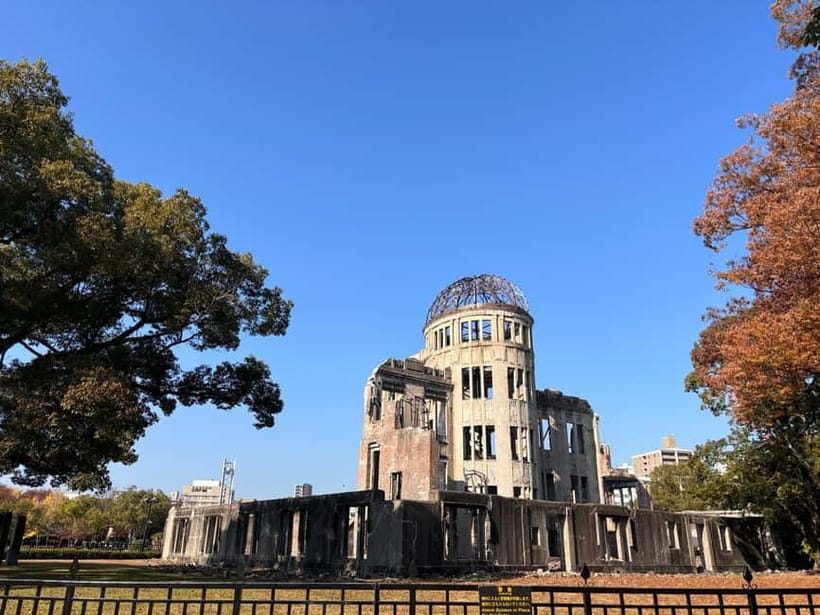
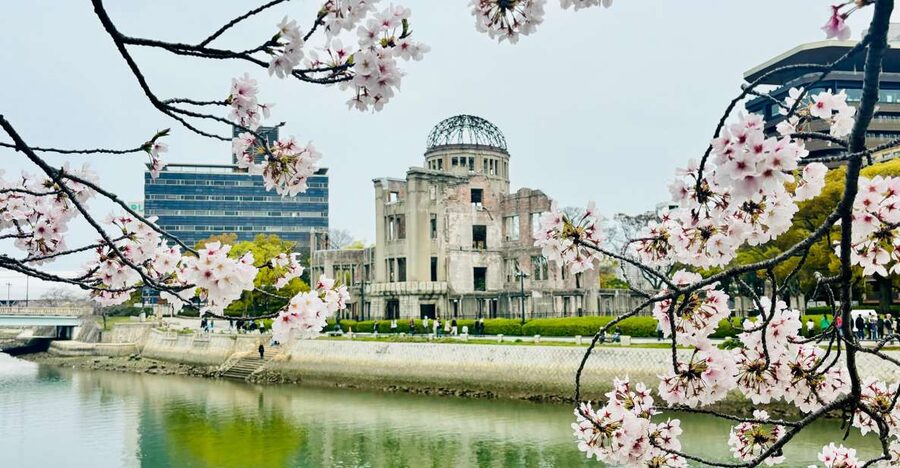
The walk reaches the Atomic Bomb Dome near the end, with roughly fifteen minutes for photos, sightseeing, and a guided explanation. The building’s damaged frame is visually stark, but it becomes more meaningful after you have walked through the memorials and heard about the bombing’s human cost.
The description of the Dome as the only structure left standing refers to the structure preserved at the blast site. Your guide explains its place in the story and why the ruin remains a memorial rather than being rebuilt or cleared away.
This stop works well at the end. You have already heard about victims, survivors, the city’s destruction, and Hiroshima’s peace message. The Dome then gives you a physical point to hold onto. It is not the whole story, but it is an unforgettable marker of the event.
The hypocenter, where the tour ends
The final stop is the Hypocenter, marked by the Hiroshima Atomic Bomb Hypocenter Monument. You receive about ten minutes of guided explanation and a photo stop.
Ending here gives the tour a clear structure. You begin with the park’s memorial language and finish at the place identified as the center of the blast. The route moves from remembrance and testimony toward geography, helping you understand how one location could affect an entire city.
The stop is brief, so do not expect a long closing lecture. Instead, use the final minutes to ask the questions that came up along the way. The best use of the tour is to listen closely, then continue your own visit with a better map of Hiroshima’s past and present.
The guides are the heart of the experience
The strongest part of this activity is the guide. Names that appear among the available guides include Cva, Moe, Tomas, Toma, Camille, Sada, Aya, Nisa, Ali, Han, Shiva, Syed, and Wajid. Your guide will vary, but the experience depends heavily on who leads your group.
The most consistently praised traits are clear English, warmth, strong storytelling, and a willingness to answer questions. Cva is noted for involving the group and keeping a good pace. Moe and Aya are associated with local family stories. Tomas and Sada are praised for passion, cultural knowledge, and a good sense of humor when the moment allows it.
Several guides share family connections to survivors. That can bring a personal quality to the walk, but it should be handled with respect. You are not being offered a sensational story. The value is in hearing how the bombing continued to affect families long after August 6, 1945.
The guides also receive credit for balancing emotion with facts. That balance is important. Hiroshima deserves neither a cold recitation of military details nor a performance built around shock. This activity aims for a serious, human account, and the strongest guides leave space for both questions and reflection.
Is $35 a fair price for two hours?
At $35 per person, this is a fair price if you want a structured introduction to Hiroshima’s memorial park. You receive an English-speaking guide, about two hours of walking and discussion, and entrance to the National Peace Memorial Hall.
The value is strongest for a first visit. You can walk through the park alone, but you may miss the meaning of smaller monuments or fail to connect them to the larger story. A guide also saves you from spending your first hour working out the park’s layout.
The price is less compelling if you want a full day of Hiroshima history. Two hours cannot replace a longer museum visit, extensive reading, or a return trip to the Peace Hall. Think of this as a well-organized foundation, not the final word.
Free cancellation up to 24 hours before the activity and the option to reserve now and pay later make it easier to fit into a changing Japan itinerary. Those policies are useful, but the real value is the human explanation that turns a set of memorials into a coherent visit.
Who should book this Hiroshima walk?
I would choose this tour if you are visiting Hiroshima for the first time, want English explanations, or prefer learning through conversation instead of reading every plaque alone. It also suits people who already know the basic story but want local perspectives, survivor accounts, and details about the city’s recovery.
Families can join, though adults should prepare children for serious subject matter. The walking route is also a good fit if you have only a short stay and want to cover the main memorial sites efficiently.
You may prefer exploring independently if you need a quiet, unhurried visit or dislike group pacing. A large departure can make it harder to hear and ask questions. You could also use the tour as your introduction, then return alone for the places that affected you most.
Bring comfortable shoes and clothing suited to the forecast. The route is outdoors, the subject is demanding, and the two hours pass through many stops. Give yourself time afterward before scheduling something crowded or carefree.
Should you book it?
Book this tour if you want Hiroshima explained with care, context, and a human voice. The route covers the essential memorials while also making room for less familiar sites, the Peace Hall, the hypocenter, and stories tied to survivors.
I especially recommend it when you value a guide who welcomes questions and can explain how Hiroshima changed before and after the bombing. Just keep your expectations realistic: this is a serious two-hour introduction, not a complete study of the city or the atomic age.
For $35, the combination of a thoughtful guide, a broad Peace Park route, and included Peace Memorial Hall admission makes it a sensible choice. Go ready to listen, walk, and reflect.
FAQ
How long is the Hiroshima history walking tour?
The tour lasts two hours.
What language is the tour conducted in?
The live guided tour is conducted in English.
Where does the tour begin?
Meet your guide at the Gates of Peace, next to the Italian restaurant Mario.
Where does the tour finish?
The tour finishes at the Hiroshima Atomic Bomb Hypocenter Monument.
Is admission to the Peace Memorial Hall included?
Yes. Entrance to the Hiroshima National Peace Memorial Hall for Atomic Bomb Victims is included.
Is the walking tour wheelchair accessible?
Yes, the activity is listed as wheelchair accessible.
What should I bring?
Bring comfortable shoes and clothing suited to the weather.
Just added around Hiroshima
- The Peace Memorial to Miyajima : Icons of Peace and Beauty★ 4.5 · 31 reviews
- Shore Excursion from Hiroshima Port : Private Tour in Hiroshima★ 5.0 · 17 reviews
- Hiroshima Saijo Sake Tasting Tour with visit to 7 Breweries★ 5.0 · 104 reviews
- Hiroshima & Miyajima All-Inclusive Tour w/Licensed guide Pancho★ 5.0 · 54 reviews
- Hiroshima Country Cycling: Explore Rural Life 1 HR from City★ 5.0 · 22 reviews
- Okunoshima Rabbit Island Cycling Tour with Local Guide★ 4.5 · 17 reviews
- Private Full Day Hiroshima Tour★ 4.5 · 29 reviews
- Hiroshima Private Tour with a Local – Highlights & Hidden Gems★ 4.5 · 24 reviews
Hiroshima Tours, compared.
Peaceful Hiroshima & Miyajima UNESCO 1 Day Bus Tour
Read our review →
Hiroshima and Miyajima UNESCO Sites 1-Day Tour
Read our review →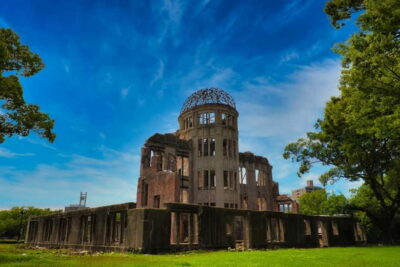
Hiroshima Historical Walking Tour – Why A-Bomb was Dropped
Read our review →
Hiroshima Peace (Heiwa) Walking Tour at World Heritage Sites
Read our review →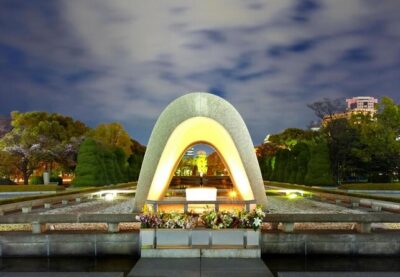
Hiroshima in a Nutshell: Morning Bike Adventure
Read our review →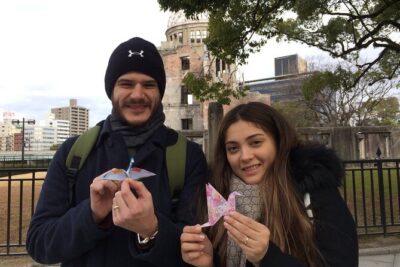
Hiroshima City 4hr Private Walking Tour with Licensed Guide
Read our review →

Japanesel Archery Experience HIROSHIMA CASTLE SHARAKU
Read our review →Browse the lists this tour appears in