
Reviewed · HIROSHIMA TOURS
Hiroshima: Miyajima Island Half-Day Tour with Guide
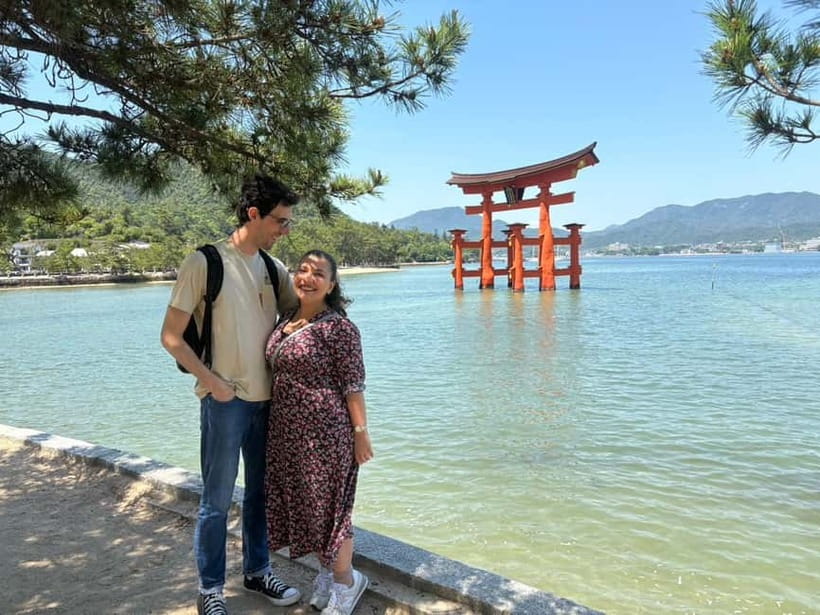
Miyajima’s famous torii gate changes character with the tide. At high water it appears to float offshore; at low water you may walk toward it. This four-hour outing gives you a practical way to see that gate, Itsukushima Shrine, Daisho-in Temple, and the island’s deer without spending a full day planning ferry times and shrine entry.
I like the way the guide handles the main logistics while still leaving room for food and shopping. I also like the personal touches: Sony, Kaku, Hendri, Ambar, and Aido have each guided departures, and guides may point out quieter corners, arrange photos, suggest dinner, or help you find the right bus back.
The main catch is that the $77 price does not include transportation or lunch. You also need to reach the meeting point outside Miyajimaguchi Station, so this is not a door-to-door tour from central Hiroshima.
Key points to know before booking
- Tide-aware sightseeing: Your guide checks the tide forecast and aims for the best torii-gate photo window.
- A compact Miyajima route: Four hours covers the ferry, Omotesando, Itsukushima Shrine, Daisho-in Temple, food stops, and a short extra visit.
- Local tastes included: You receive a momiji manju maple-leaf cake, with an oyster tasting built into the route.
- Guides add practical help: Sony, Kaku, Hendri, Ambar, and Aido are among the guides used for departures.
- Good for a short Hiroshima stay: The tour gives you a structured introduction without taking an entire day.
- Plan for extra costs: Ferry or other transportation fees and lunch are not included.
Meeting at Miyamaguchi and crossing the Seto Inland Sea
The tour begins outside the ticket gates at Miyajimaguchi Station, beside the coin lockers. That meeting point matters. You are not meeting in central Hiroshima, and you need to arrange your own transportation to Miyajimaguchi before the tour begins.
Once together, the guide takes care of the ferry and shrine tickets included in the experience. The ferry crossing takes about 15 minutes, a short ride that gives you time to look back toward the mainland and get your first view of Miyajima across the Seto Inland Sea.
I appreciate this setup because ferry connections and entry tickets can distract from a short visit. With a guide handling them, you can focus on the island instead of checking signs and counting minutes. Still, build in enough time to reach the station. The published duration is four hours, and a late arrival could cut into the island portion.
Miyajima is also known as the Island of the Gods, a name that fits its long religious importance. The opening ferry ride helps set the tone: you are leaving the ordinary city route for an island where shrine buildings, temple grounds, deer, food stalls, and sea views all share the same small area.
A few more Hiroshima half-days to weigh up
- Miyajima Half-day Trip Historical Walking Tour
★ 5.0 · 284 reviews - Miyajima Half-day Private Tour with Government Licensed Guide
★ 5.0 · 184 reviews - Hiroshima: Miyajima Half-day Historical Walking Tour
★ 4.7 · 100 reviews
Omotesando Street: snacks, shopping, and an oyster stop
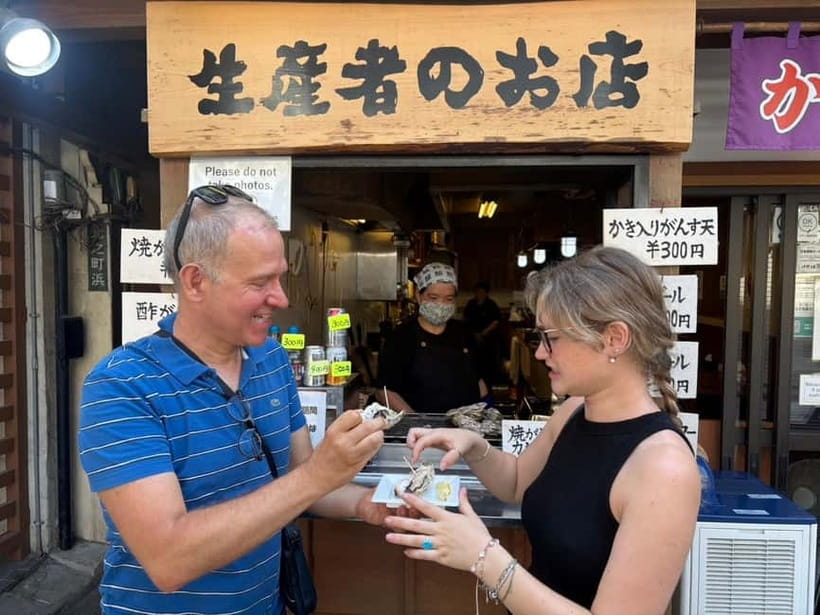
After the ferry, the tour moves through Miyajima Omotesando Shopping Street for about an hour. This is the island’s main shopping and food corridor, with souvenirs, sweets, street food, and local products packed into an easy walking route.
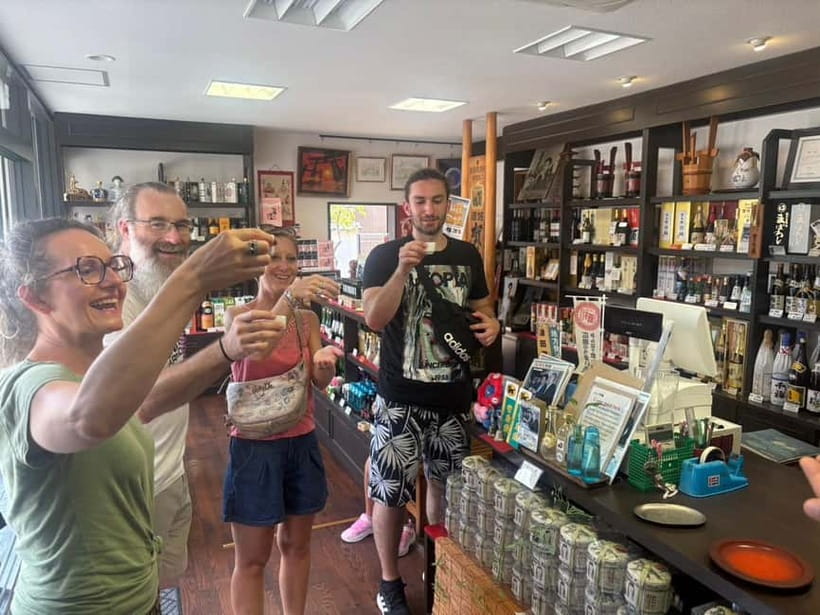
This part of the tour is more than a quick march toward the shrine. Your guide can explain what is worth trying, help you spend your limited time well, and introduce local flavors. The advertised tastings include a freshly prepared Hiroshima oyster, grilled when in season, and a momiji manju maple-leaf cake.
The oyster is a particularly useful inclusion for first-time visitors. Hiroshima is closely associated with oysters, and trying one on Miyajima connects the meal to the region rather than giving you a generic snack. Seasonal availability matters, so the preparation may vary. If you do not eat seafood, the cake still gives you one clear local taste to try.
Momiji manju is a sweet cake shaped like a maple leaf. It is a well-known Miyajima treat and makes an easy snack while walking. You may also encounter other island specialties, such as sake, lemon drinks, or additional sweets, but those are not included in the listed price.
The hour is useful, though it can pass quickly. If you enjoy shopping, you may want to return later after the guided portion. One advantage of a guide is that you can ask what deserves your attention before spending money. One limitation is that a group visit cannot give every shop equal time.
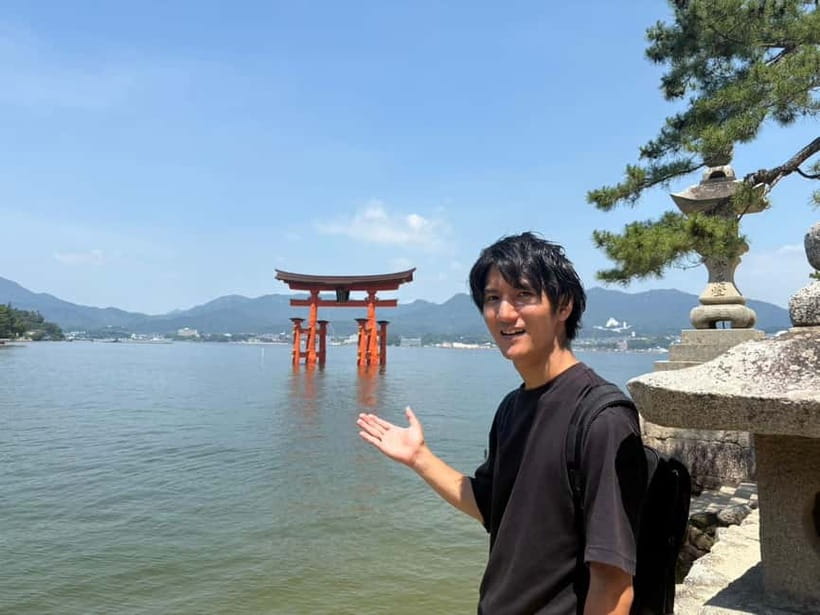
Itsukushima Shrine and the changing torii gate
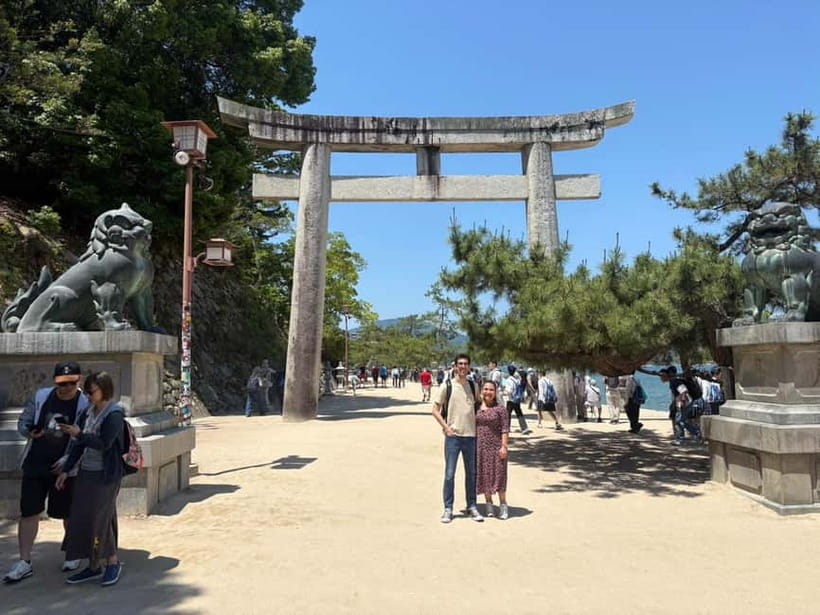
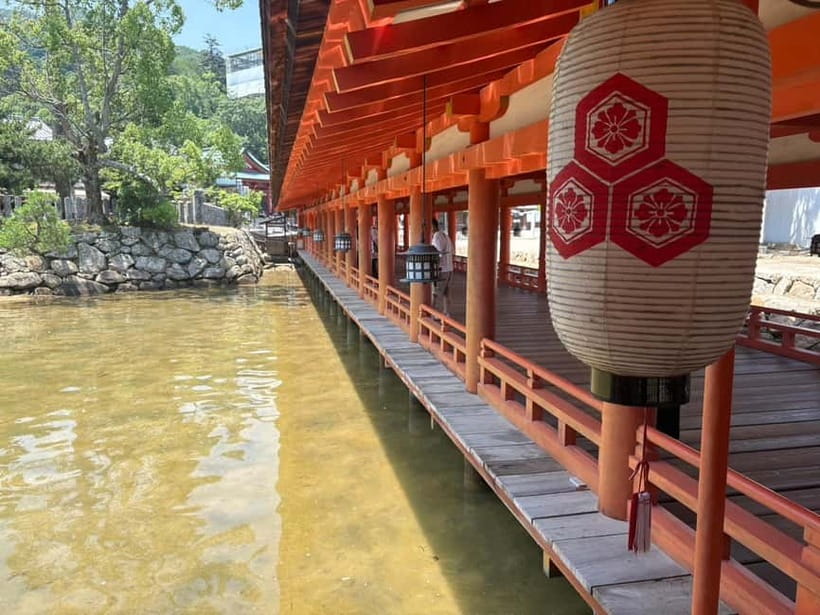
Itsukushima Shrine is the central sight, and the shrine ticket is included. The complex is UNESCO-listed, which signals its importance, but the real appeal is visual and atmospheric: vermilion buildings, water, mountain surroundings, and the large torii gate offshore.
Your guide explains how the tides alter the view. At high tide, the torii appears to float in the sea. At low tide, the water pulls back and you can walk toward it for a closer look, provided conditions and access allow. The exact photo experience depends on the day and the tide forecast, so the timing cannot be promised in one fixed form.
This is where the guide adds real value. You can see the gate on your own, but it is harder to understand why the same structure looks so different several hours apart. A guide can also explain how to read the shrine complex and point out details that are easy to pass without context.
The visit lasts about an hour. That is enough for a guided look at the major features, but it is not a leisurely architectural study. If you want extended time with every building, a long photography session, or a separate visit at both high and low tide, you will need to return independently.
The island can also be crowded around its best-known sights. Guides such as Kaku and Sony are praised for finding less crowded places and offering alternate photo spots, but no guide can remove the busiest periods from the schedule. Your best chance for a calmer experience comes from choosing your date and start time with care.
Daisho-in Temple and a more personal side of Miyajima
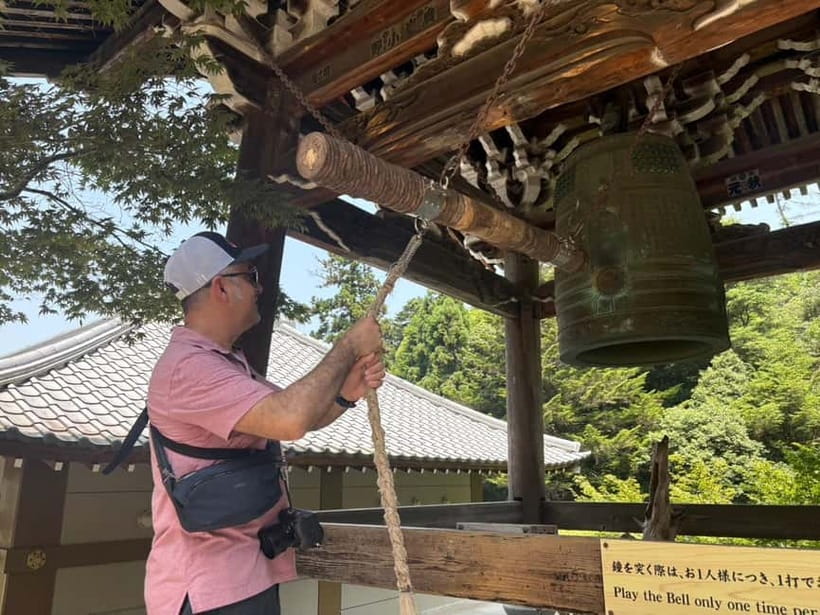
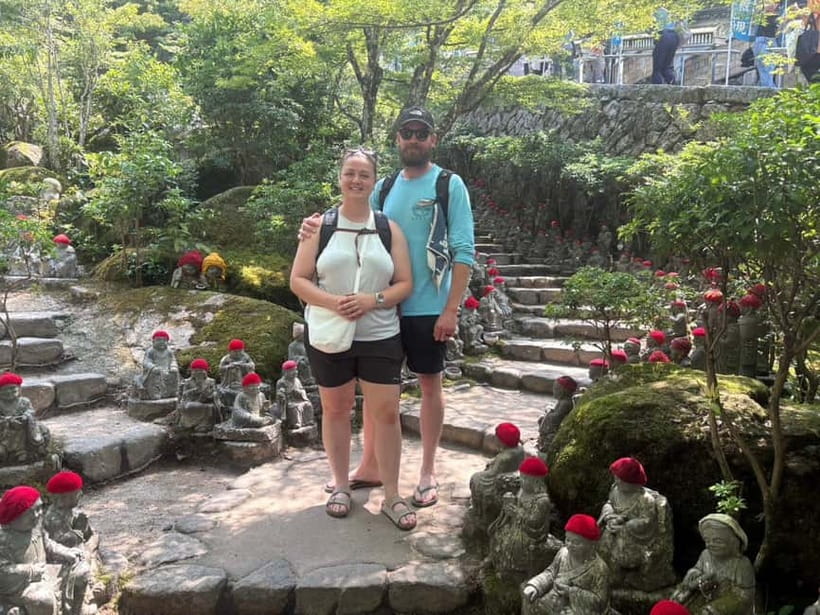
The route continues to Daisho-in Temple, a quieter and more reflective stop than the main shrine area. This gives the tour a useful balance. You see the famous sight everyone associates with Miyajima, then spend time in a temple setting where the focus shifts toward religious practice and smaller details.
Several guides use the temple to explain Japanese customs, including a purification ritual. One activity described by participants involves walking through darkness as part of the temple experience. Because the exact stop can vary, you should follow your guide’s instructions and treat the ritual respectfully rather than as a quick photo opportunity.
Daisho-in is also where a guide can turn unfamiliar objects and customs into something readable. Without help, you might notice statues, religious objects, or temple features but miss their purpose. A good explanation does not need to be long. It simply gives you enough context to look again with more care.
The temple portion may suit you especially well if you prefer cultural sites to shopping streets. It is also a welcome change of pace after the shrine and food corridor. The drawback is that four hours cannot cover every religious site on the island. This is an introduction, not a complete temple tour.
Same base, a completely different sort of day:
- Peaceful Hiroshima & Miyajima UNESCO 1 Day Bus Tour
★ 5.0 · 5,309 reviews - Hiroshima: Hiroshima and Miyajima UNESCO Sites 1-Day Tour
★ 4.9 · 2,330 reviews - Hiroshima / Miyajima Full-day Private Tour with Government Licensed Guide
★ 5.0 · 1,298 reviews - Hiroshima Historical Walking Tour – Why A-Bomb was Dropped
★ 4.8 · 893 reviews
The secret stop and the value of a local guide
About 30 minutes are set aside for a less specified stop, with sightseeing, walking, and a photo opportunity. The exact location can depend on the guide, the group’s interests, and the day’s pace. That flexibility is one of the strongest reasons to choose a guided visit rather than a rigid sightseeing circuit.
Sony is described as taking guests to unusual places and creating plenty of photo opportunities. Kaku is also associated with quieter corners and personal suggestions. Hendri has been praised for making the island’s story approachable, while Ambar has been described as warm and helpful for solo visitors. Aido is noted for showing cultural customs and keeping the group together, with assistance from Ram on one departure.
These names do not guarantee which person will lead your tour. Your guide is assigned by the operator, so book this experience for the route and format rather than for a specific individual unless the booking system confirms the name.
The photo service is a pleasant extra. Your guide takes pictures and shares them after the tour, which means you do not have to choose between photographing the island and appearing in the photographs. It is especially useful for solo visitors and couples who want more than quick arm’s-length phone pictures.
Do not expect a professional portrait session. The value is convenience and memory-making during a busy half-day. If you have a particular photo request, tell your guide early, especially if the tide or crowds create a narrow window.
Deer, food, and small practical lessons
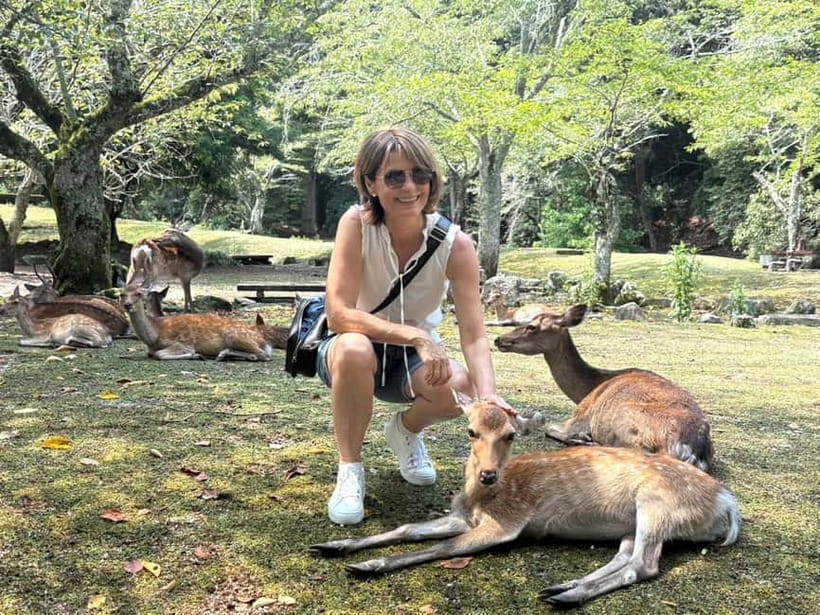
Miyajima’s free-roaming deer are part of the island experience. They are accustomed to people and often appear along the walking route. They look gentle, but keep your food and drinks close. A deer may try to take them, so do not leave snacks on the ground or hold food out while standing near the animals.
This is a small point, but it can prevent an awkward interruption during the tour. Your guide can help you understand how to behave around the deer, though you still need to use common sense.
The food stop is not a full meal. Lunch is specifically excluded, and the itinerary allows about an hour for lunch or dinner. Your guide may recommend a restaurant, explain local dishes, or help with a reservation. Kaku, for example, has helped arrange dinner and offered directions for the correct bus line after the tour.
That kind of help can be worth more than a fixed restaurant booking. You retain choice, and you can ask for advice based on your appetite and schedule. The tradeoff is that you pay for the meal yourself, and the final restaurant experience is not part of the $77 package.
Budget extra for lunch, drinks, additional sweets, shopping, and transportation. The included oyster and momiji manju tasting give you a start, but not a complete meal.
Is four hours enough for Miyajima?
For a first look, yes. The route gives you the island’s main themes in a sensible order: ferry crossing, local food, shrine, temple, deer, tide information, and a flexible photo stop.
The four-hour length works well if you are sleeping in Hiroshima and want to fit Miyajima around other plans. It also suits a short stop in the region, since you can see the essential sights without committing the whole day.
You will walk between the main stops, and the ferry adds a fixed travel segment. The tour is listed as wheelchair accessible, but you should still confirm the current route and conditions when booking if you need specific mobility arrangements. The island route includes shopping streets, shrine grounds, temple areas, and walking between stops.
If you want to hike, spend hours photographing the torii, visit more of the island, or linger over lunch, plan a longer independent visit. This tour is designed to make the key sights manageable, not to cover every possible activity.
What the $77 price really buys you
At $77 per person, the best value comes from time saved and local guidance, not from the food alone. The included shrine ticket, ferry and shrine logistics handled by the guide, maple-leaf cake, photo service, and English explanations form a useful package for a first visit.
Transportation fees are not included, so the advertised price is not your full Miyajima budget. Lunch is also extra. You should compare the cost with the time and confidence you would gain from having someone organize the route and explain the cultural sites.
I would consider it good value if you have only half a day, are uneasy about navigating an unfamiliar island, or want help with photos and local food. I would be less likely to book it if you already know Miyajima well, enjoy building your own shrine route, or want to stay until both high and low tide.
The flexible cancellation policy helps if your Hiroshima plans are still moving. You can cancel up to 24 hours ahead for a full refund, and the reserve-now, pay-later option lets you hold a place without paying immediately.
Who should book this Miyajima tour?
I would recommend it most to first-time visitors, solo visitors, couples, and families who want the major sights explained rather than simply photographed. Solo visitors may particularly appreciate having someone take pictures and help connect with a group.
It is also a good fit for people who want cultural details but do not want a long lecture. The best guide style here appears to be practical and responsive: answer questions, allow time for shopping, point out customs, and adjust the route when possible.
You may prefer independent sightseeing if you need a strict dietary plan, want a long restaurant meal, or dislike group pacing. The tour includes tastings, but it does not promise a full food tour or a complete meal. It also cannot guarantee a particular guide, exact secret stop, or perfect torii view if the weather, tide, or crowd levels work against the plan.
Should you book it?
Book this tour if you want a well-organized first visit to Miyajima and have about four hours to spare. The combination of Itsukushima Shrine, tide guidance, Daisho-in Temple, deer, local food, and photo help covers a lot without making you plan every step.
Before booking, check how you will reach Miyajimaguchi Station, set aside money for transportation and lunch, and look at the tide forecast if the torii photo is your main goal. If those details suit your schedule, $77 is a fair price for an efficient introduction with a local English-speaking guide.
FAQ
Where does the Miyajima tour begin?
Meet your guide outside the ticket gates at Miyajimaguchi Station, near the coin lockers.
How long is the tour?
The experience lasts four hours, including the ferry crossing and visits on Miyajima Island.
Is transportation included in the price?
Transportation fees are not included. The guide handles the ferry and shrine tickets listed as included, but you must arrange and pay for transportation to the meeting point and other transportation costs.
Is lunch included?
No. Lunch is not included, although the route allows time for lunch or dinner and the guide may suggest a restaurant.
What food is included?
You receive a momiji manju maple-leaf cake tasting. The tour also includes a Hiroshima oyster tasting, grilled when in season.
Is the tour offered in English?
Yes. The tour includes a live English-speaking guide.
Can the tour be canceled for a refund?
Yes. You can cancel up to 24 hours before the activity for a full refund. The reserve-now, pay-later option allows you to book without paying immediately.
Just added around Hiroshima
- The Peace Memorial to Miyajima : Icons of Peace and Beauty★ 4.5 · 31 reviews
- Shore Excursion from Hiroshima Port : Private Tour in Hiroshima★ 5.0 · 17 reviews
- Hiroshima Saijo Sake Tasting Tour with visit to 7 Breweries★ 5.0 · 104 reviews
- Hiroshima & Miyajima All-Inclusive Tour w/Licensed guide Pancho★ 5.0 · 54 reviews
- Hiroshima Country Cycling: Explore Rural Life 1 HR from City★ 5.0 · 22 reviews
- Okunoshima Rabbit Island Cycling Tour with Local Guide★ 4.5 · 17 reviews
- Private Full Day Hiroshima Tour★ 4.5 · 29 reviews
- Hiroshima Private Tour with a Local – Highlights & Hidden Gems★ 4.5 · 24 reviews
Hiroshima Tours, compared.

Peaceful Hiroshima & Miyajima UNESCO 1 Day Bus Tour
Read our review →
Hiroshima and Miyajima UNESCO Sites 1-Day Tour
Read our review →
Hiroshima Historical Walking Tour – Why A-Bomb was Dropped
Read our review →
Hiroshima Peace (Heiwa) Walking Tour at World Heritage Sites
Read our review →
Hiroshima in a Nutshell: Morning Bike Adventure
Read our review →
Hiroshima City 4hr Private Walking Tour with Licensed Guide
Read our review →

Japanesel Archery Experience HIROSHIMA CASTLE SHARAKU
Read our review →Browse the lists this tour appears in