
Reviewed · HIROSHIMA TOURS
Kimono and Calligraphy Experience in Miyajima
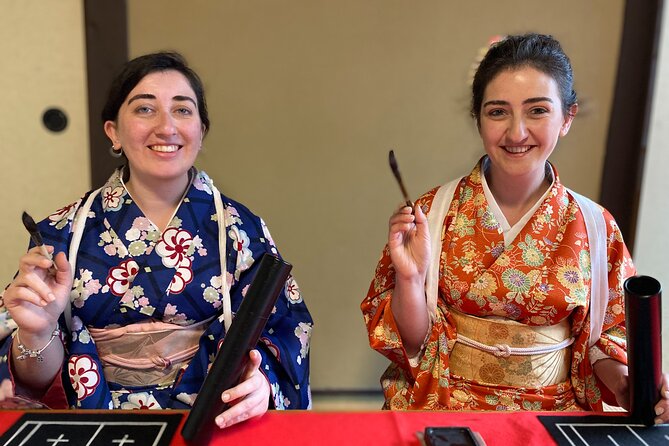
Putting on a kimono inside a quiet Miyajima temple is the heart of this experience. You choose from more than 100 kimono, receive help with the obi belt and other layers, then sit in a traditional-style room to practice Japanese calligraphy. Your final piece is not just a sheet of paper. You write on a wooden rice scoop, stamp it, and take it home as a good-luck keepsake.
I like the way this combines two hands-on activities in one short visit. I also like the small group limit of six, which gives the staff time to help with clothing, brush technique, and photographs. The main drawback is finding the temple. It is away from Miyajima’s busy tourist streets, and Google Maps or Apple Maps may guide you along a mountain-side road, so allow extra time.
Key details before you book
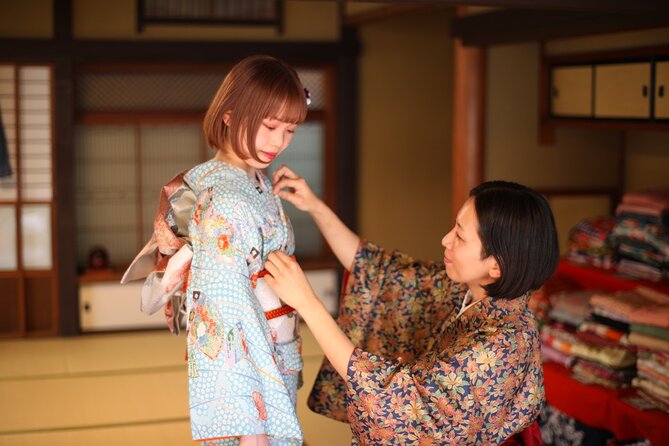
- Choose from more than 100 kimono: Staff help you dress, including the obi belt and other required pieces. Options are available for plus-sized participants.
- Write on a wooden rice scoop: You practice first, then create a finished souvenir with a kanji character, your name, a signature, and a stamp.
- A calm temple setting: The activity takes place at Tokujuji, away from the main tourist area and near a Japanese garden.
- One hour, morning or afternoon: The compact format works well around Itsukushima Shrine, ferry plans, or the island’s changing tides.
- Small groups of up to six: This matters during the dressing and calligraphy portions, when personal help makes a real difference.
- Photos are included: Staff take pictures during the lesson and share them after you complete a questionnaire.
Tokujuji Temple, away from Miyajima’s main streets
The meeting point is Tokujuji, a Soto Zen temple at 741-1 Miyajimachō, Hatsukaichi, Hiroshima 739-0513. The setting is part of the appeal. You are not squeezing into a busy rental shop near the busiest sightseeing streets. Instead, you change clothes in a quieter temple environment with a Japanese garden available for photographs.
That quiet setting changes the mood. Calligraphy is slow work, and it is easier to focus when you are not surrounded by passing crowds and shop noise. The temple also gives your photos a more natural sense of place than a quick studio backdrop.
Getting there is the one part that needs care. The activity is near public transportation, but the route can be confusing. Navigation apps may send you along a mountain-side road, and one booking party found the walk longer than expected. I would check the route before leaving the ferry area and avoid arriving at the last minute.
The location can also help you plan your day. One couple used the hour while waiting for high and low tide changes at Itsukushima Shrine. That is a smart use of time, since Miyajima’s shoreline and shrine views change noticeably with the tide. Book the activity as a break in your sightseeing rather than treating it as a separate full-day outing.
More kimono rentals in Hiroshima:
- Kimono and Tea Ceremony in Miyajima
★ 5.0 · 73 reviews - An Amazing set of Cultural experience: Kimono, Tea Ceremony and Calligraphy
★ 5.0 · 69 reviews - Cultural Activities :Kimono, tea ceremony, Calligraphy and Amulet
★ 5.0 · 44 reviews
Choosing a kimono from more than 100 options
The clothing portion begins with your choice of kimono. With more than 100 pieces in the collection, you have room to select a color and pattern that suit you rather than simply accepting the first available outfit.
Staff help you put on the kimono and arrange the obi belt and other needed items. This is useful because the clothing has several parts, and the finished look depends on how those pieces are placed. You do not need to arrive knowing how to dress yourself.
The experience is also more welcoming than the phrase kimono rental might suggest. Plus-sized participants have options, and age or body shape need not be a reason to skip it. One participant who felt uncertain about wearing a kimono because of age and a rounded middle area found the dressing process comfortable and enjoyable.
Keep your expectations realistic. This is a short cultural activity, not a full-day formal kimono styling session. You choose an outfit, receive assistance, take photographs, and then use the time in that outfit for calligraphy. That is enough for a memorable introduction, but not the same as a professional portrait package or a long walk around the island in traditional dress.
The kimono also adds a playful edge to the lesson. Practicing brush strokes in traditional clothing makes the activity feel connected to Japan rather than like a classroom exercise that could happen anywhere.
A beginner-friendly calligraphy lesson
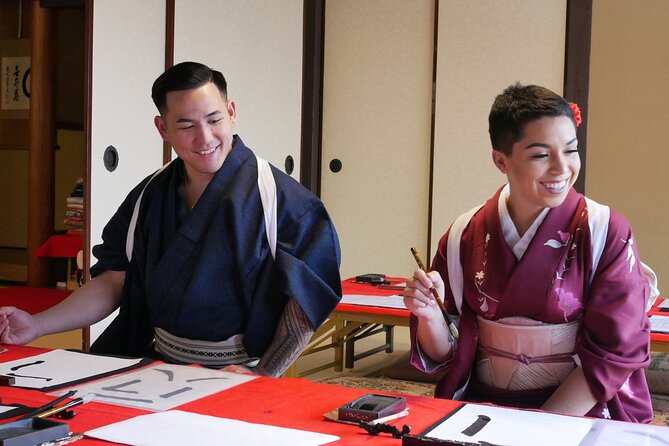
Once dressed, you move into the calligraphy lesson. The teacher starts with how to hold the brush, then introduces basic lines so you can get used to the movement and ink. This order is important. Japanese calligraphy can look simple when finished, but brush pressure and stroke direction take practice.
You then choose a kanji character from several examples. The character becomes a personal choice rather than a fixed class assignment. If you have a particular word in mind, it is worth asking about it, since one participant was allowed to select a character outside the suggested list.
The lesson also includes your name in Japanese. Staff prepare a sample using hiragana or katakana, the Japanese phonetic writing systems. You can practice your name before adding it to the finished work.
This is a good level for beginners. You are not expected to read Japanese, and you do not need previous brush-writing skills. The staff explain the process, demonstrate the strokes, and give you time to try. Patient instruction matters here, especially for children and adults who have never held a calligraphy brush.
The activity has a useful balance of guidance and choice. You learn the basics, but you still decide which kanji to use and how to present your name. The result may not look like a professional calligrapher’s work, but that is part of its charm. You can see your own progress from the first practice lines to the final piece.
The rice scoop is the best souvenir
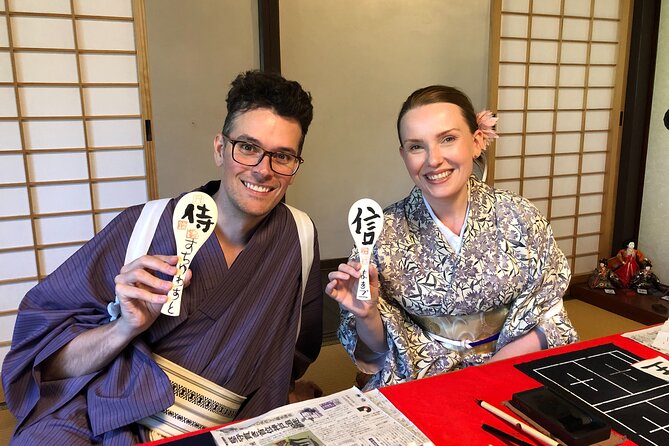
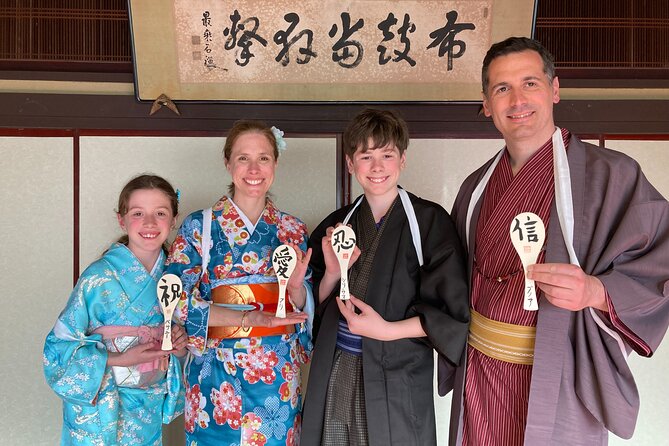
The most distinctive part of the activity is writing on a wooden rice scoop. Miyajima is associated with rice scoops, and this one becomes your personal souvenir rather than a generic item picked up in a shop.
You practice your kanji first. When ready, you write the character on the scoop, add your name in Japanese, sign the work, and stamp it. The stamp gives the finished object a traditional calligraphy touch, while the wooden scoop makes it easy to display at home.
You also receive a suitable container for carrying the work. That small detail matters. A wet or newly finished piece of calligraphy needs protection, particularly if you still have a full day of sightseeing ahead.
The rice scoop gives the lesson a clear purpose. You are not writing only to copy a character on practice paper. You are working toward an object you can keep. For children, that helps maintain interest. For adults, it creates a more meaningful reminder of Miyajima than a standard souvenir.
A few more Hiroshima half-days to weigh up
- Peaceful Hiroshima & Miyajima UNESCO 1 Day Bus Tour
★ 5.0 · 5,309 reviews - Hiroshima: Hiroshima and Miyajima UNESCO Sites 1-Day Tour
★ 4.9 · 2,330 reviews - Hiroshima / Miyajima Full-day Private Tour with Government Licensed Guide
★ 5.0 · 1,298 reviews - Hiroshima Historical Walking Tour – Why A-Bomb was Dropped
★ 4.8 · 893 reviews
Photos in the kimono and Japanese garden
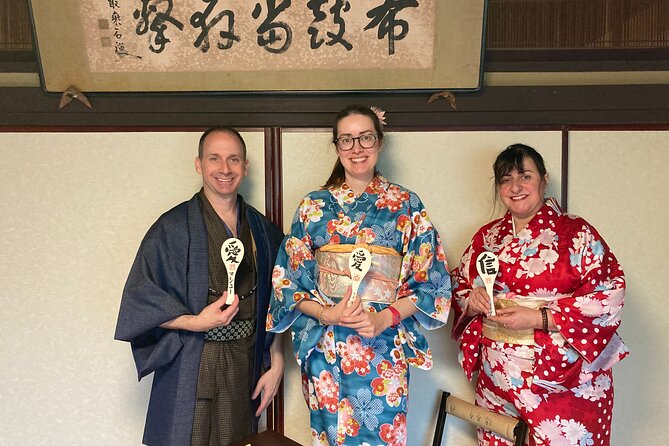
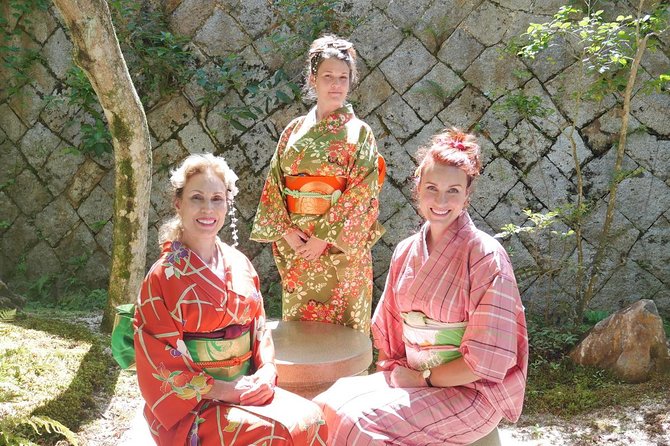
Photography is built into the activity. Staff take pictures while you are dressed and working through the calligraphy lesson. After answering a questionnaire, the pictures are shared with you.
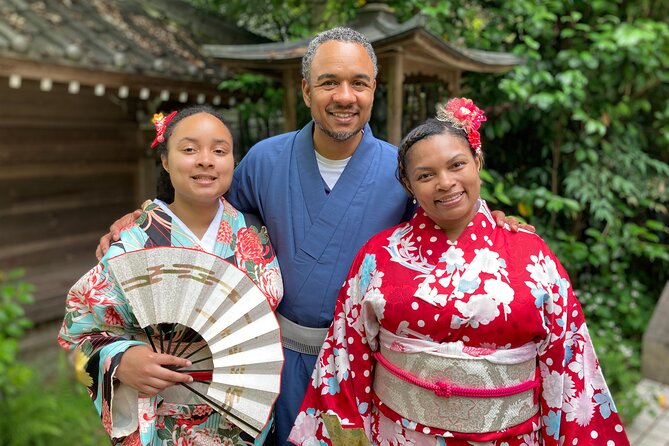
You can also take your own photos in the Japanese garden. This gives you time to enjoy the kimono without rushing through a single posed image. The temple setting and garden offer a calmer background than the crowded streets around the shrine.
The photography is practical rather than a separate elaborate photo shoot. A family did receive time for photographs before beginning the calligraphy lesson, but you should think of the pictures as a useful record of the experience, not a guaranteed studio session with a fixed number of edited portraits.
If you are traveling with a friend or family member, this part works especially well. You can photograph each other in the garden, then sit down together for the lesson. The small group size also helps keep the activity personal.
Why the one-hour format works
The session lasts about one hour, with morning and afternoon start times. That makes it easy to fit around ferry arrivals, shrine visits, food stops, and tide changes.
I would choose the time based on your Miyajima plan. A morning booking leaves the rest of the day open. An afternoon booking can provide a calm break after visiting the shrine and shopping streets. If your schedule is tight, remember to allow time to find Tokujuji. The class itself is short, but the walk to the meeting point may take longer than your map first suggests.
The hour moves through several stages:
- Choose a kimono and receive help dressing.
- Take photographs, including time in the Japanese garden.
- Learn brush handling and basic lines.
- Select a kanji character and practice it.
- Write your name in hiragana or katakana.
- Sign, stamp, and protect your finished rice scoop.
That is a lot for 60 minutes, but the structure keeps the activity moving. You get a taste of clothing, calligraphy, photography, and local craft without giving up half a day.
The value of $84.92 per person
At $84.92 per person, this is not a bargain activity if you judge it only by duration. One hour is brief, and the price is higher than simply renting a kimono for a quick walk or buying a rice scoop in a shop.
The value comes from what is bundled into that hour. You receive help dressing in traditional clothing, a guided calligraphy lesson, practice materials, a personalized wooden scoop, a container for carrying it, garden and lesson photographs, and a small-group setting. The finished item also gives you something personal to take home.
I see the price as reasonable for someone who wants a structured cultural activity rather than a photo-only rental. It is especially worthwhile for families, couples, and first-time visitors who want an activity that does not require Japanese language skills.
The value is weaker for visitors who mainly want to wear a kimono while walking around Miyajima. This experience takes place at the temple, and the supplied information does not promise a long town walk in costume. If your main goal is a full-day outfit rental, compare the format carefully before paying.
The activity is booked an average of 36 days ahead, so planning early is sensible if your dates are fixed. The maximum is six participants, which supports personal help but also means spaces can fill faster than in a large class.
Who will enjoy this most
I would recommend this for families with children aged six and up, couples, friends, and solo visitors who like making something with their hands. The minimum age is six, and the lesson is simple enough for complete beginners.
It is also a good choice if you want a quieter side of Miyajima. The temple location gives you a pause from the island’s busiest areas, and the activity connects clothing, writing, and a local-style souvenir in one setting.
Older adults should not rule it out. The clothing selection includes different sizes, and the staff help with the dressing process. The lesson is seated and paced around basic brush work, though anyone with specific mobility concerns should consider the route to the temple before booking.
This may not suit you if you dislike posed photographs, have no interest in wearing traditional clothing, or want a long, unstructured visit. The class follows a set sequence, and the kimono is central to the experience.
Booking, weather, and small practical points
Confirmation is provided at booking, and the activity ends back at the meeting point. You can cancel for a full refund up to 24 hours before the start time. Changes or cancellations inside that 24-hour window are not accepted for a refund.
The experience requires good weather. If poor weather causes cancellation, you are offered another date or a full refund. Since the class takes place at a temple and includes garden photographs, keep this policy in mind when building a tightly scheduled Miyajima day.
Most people can participate, and the stated minimum age is six. The listed group limit is six participants, so check the booking details if you are arranging a larger party. One larger group was accommodated, but you should not assume every date can handle more than the stated limit.
Should you book the Miyajima kimono and calligraphy experience?
Book it if you want a short, personal activity with a real take-home result. The personalized rice scoop is more memorable than a standard souvenir, and the combination of kimono dressing and calligraphy gives the hour a clear sense of place.
I would be cautious only about the price and the location. At $84.92, you are paying for instruction, assistance, photographs, and a keepsake, not simply an hour of sightseeing. And because Tokujuji is away from the main tourist streets, you should plan the walk instead of trusting your map app blindly.
For a first Miyajima visit, this fits neatly between shrine viewing and tide changes. It is calm, creative, and easy to understand even if you know no Japanese. If that sounds better than another crowded attraction, reserve ahead and allow extra time to reach the temple.
FAQ
Where does the kimono and calligraphy experience begin?
It begins at Tokujuji, a Soto Zen temple at 741-1 Miyajimachō, Hatsukaichi, Hiroshima 739-0513, Japan.
Where does the activity end?
The activity ends back at the meeting point at Tokujuji.
How long does the experience last?
The activity lasts approximately one hour.
Are kimono included?
Yes. Dressing up in a kimono is included, and you can choose from more than 100 kimono. Staff help with the obi belt and other required items.
What will I write during the calligraphy lesson?
You practice basic brush lines, choose a kanji character to write, and receive a sample of your name in hiragana or katakana. You sign and stamp the finished work.
What souvenir do I take home?
You write your calligraphy on a wooden rice scoop, personalize it, and take it home in a suitable container.
Can I cancel for a full refund?
Yes. You can cancel at least 24 hours before the experience start time for a full refund. If poor weather causes the provider to cancel, you are offered a different date or a full refund.
Just added around Hiroshima
- The Peace Memorial to Miyajima : Icons of Peace and Beauty★ 4.5 · 31 reviews
- Shore Excursion from Hiroshima Port : Private Tour in Hiroshima★ 5.0 · 17 reviews
- Hiroshima Saijo Sake Tasting Tour with visit to 7 Breweries★ 5.0 · 104 reviews
- Hiroshima & Miyajima All-Inclusive Tour w/Licensed guide Pancho★ 5.0 · 54 reviews
- Hiroshima Country Cycling: Explore Rural Life 1 HR from City★ 5.0 · 22 reviews
- Okunoshima Rabbit Island Cycling Tour with Local Guide★ 4.5 · 17 reviews
- Private Full Day Hiroshima Tour★ 4.5 · 29 reviews
- Hiroshima Private Tour with a Local – Highlights & Hidden Gems★ 4.5 · 24 reviews
Hiroshima Tours, compared.

Peaceful Hiroshima & Miyajima UNESCO 1 Day Bus Tour
Read our review →
Hiroshima and Miyajima UNESCO Sites 1-Day Tour
Read our review →
Hiroshima Historical Walking Tour – Why A-Bomb was Dropped
Read our review →
Hiroshima Peace (Heiwa) Walking Tour at World Heritage Sites
Read our review →
Hiroshima in a Nutshell: Morning Bike Adventure
Read our review →
Hiroshima City 4hr Private Walking Tour with Licensed Guide
Read our review →

Japanesel Archery Experience HIROSHIMA CASTLE SHARAKU
Read our review →Browse the lists this tour appears in