
Reviewed · KANAZAWA TOURS
Kanazawa Like a Local: Private & Personalized Experience 2-3 hrs
Kanazawa is easiest to appreciate once someone explains how its gardens, craft traditions, river districts, and old wooden streets fit together. This private local walk gives you that starting point, with a route shaped around your interests rather than a fixed checklist.
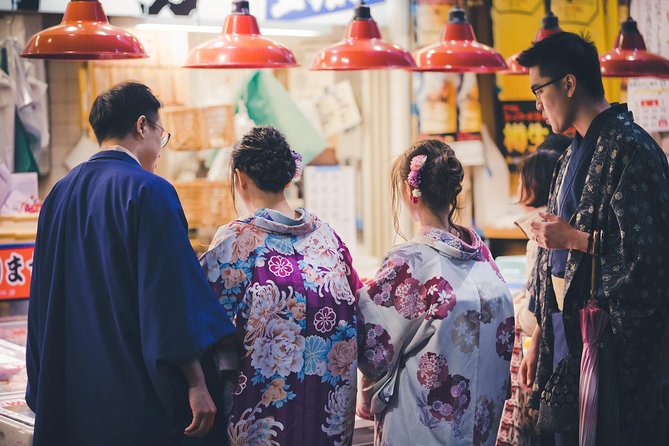
I like the flexible pace and the practical advice you get for the rest of your stay. I also like the personal touch: guides such as Megumi have helped solo visitors order sushi at Omicho Market, while Mo has included samurai homes, Zen gardens, pottery shops, and Kenrokuen in a custom afternoon.
The main consideration is that the advertised experience lasts 2 to 3 hours, yet one booking ran four hours. The final route depends on your questionnaire and conversation with your host, so you should confirm the plan, walking distance, and any added transport costs before setting off.
Key points at a glance
- Private walk from Kanazawa Station: Only your own group takes part, and the meeting point is the Tourist Information Center inside Kanazawa Station.
- A route shaped around you: You can focus on gardens, history, food, craft, geisha culture, local life, or less familiar corners of the city.
- Utatsuyama and Bokodai: Expect wooded paths, native wildflowers, city views, and an introduction to Kanazawa’s artisan traditions.
- Geisha culture without guesswork: A small museum helps explain the work, training, and performance traditions of geisha and maiko.
- Useful follow-up advice: Your host can suggest places to eat and visit after the walk, with some hosts offering help beyond the route.
- Walking first, transport second: Public transport or a taxi may be used, but those costs are extra and a private vehicle is not included.
A smart first walk in Kanazawa
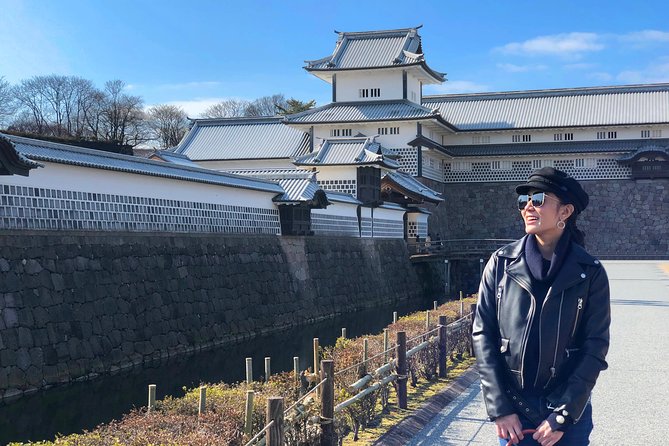
This experience works best as an orientation, not as a race through every major sight. You meet a local host, explain what interests you, and then spend a few hours connecting Kanazawa’s green hills, old districts, crafts, and daily rhythms.
That distinction matters. A standard city tour often gives you the same landmarks in the same order. Here, the route can shift toward what you actually want to understand. If you care about food, your host may steer the conversation toward markets and local eating. If you like traditional architecture, the walk can give more attention to samurai and teahouse districts.
The pre-tour questionnaire is important. Use it to name your must-sees, your walking comfort, and the subjects you want explained. It gives the host a useful starting point before you meet.
The guides have different personalities and interests. Megumi is described as warm, funny, and strong in English. Mo has led visitors to samurai homes, Zen gardens, Kenrokuen, and pottery shops. Criselda is proactive with suggestions, while Mouri has guided people through both main sights and quieter corners with local stories. One guide, Meguri, received a slightly more mixed assessment because some information was not available, though the overall experience remained positive.
That range is worth keeping in mind. The experience is personal, but the quality of the conversation can depend on the individual host and the match between your interests and their knowledge.
A few more Kanazawa half-days to weigh up
- World Heritage Shirakawa-go and Experience Tours from Kanazawa
★ 5.0 · 4,049 reviews - Kanazawa: Kenrokuen Tea Ceremony Experience
★ 4.8 · 1,139 reviews - Kanazawa Half Day Tour (Private Guide)
★ 5.0 · 361 reviews
What the 2 to 3 hours can include

The stated route begins with a broad introduction to Kanazawa’s nature, culture, and past. The stops below give you a sense of the intended flow, though your actual route may change after you speak with your host.
Utatsuyama Park for a quiet start
Utatsuyama Park offers a change of scene from the station and central streets. Its forested slopes have walking paths and more than 100 species of native wildflowers, making it a pleasant place to begin with a slower pace.
I like this choice because it gives you a feel for Kanazawa beyond its famous buildings. You are not simply moving from one photo stop to another. You are seeing how wooded hills and open green areas sit close to the city.
The park may also suit you if you want a calm start or a break from dense sightseeing. One booking included shaved ice during a stop in a beautiful park, so there may be room for a small local treat if your host suggests it. Food and drinks are not included, however.
A park visit can also affect the practical side of the tour. Paths and slopes mean you should wear comfortable shoes. The information does not promise a completely flat route, so tell your host about mobility concerns in advance.
Bokodai Observatory and the craft story
At Bokodai Observatory, you get broad views over Kanazawa. The appeal is not only the outlook. Your host is also expected to explain how this hillside area connects with local craftspeople and the effort to preserve Kanazawa’s artisan traditions.
This is where a local guide can add real value. A view by itself takes a few minutes. A good explanation helps you notice the relationship between the city, its hills, its workshops, and the traditional skills that still shape its identity.
If crafts interest you, say so in the questionnaire. Pottery shops were part of one custom route, and the city is known in this experience for its artisan culture. You may get more from the observatory if you ask about craft rather than treating it as a quick viewpoint.
The outlook also makes this a useful photo stop. Your host can help you understand what you are seeing, but the exact visibility and atmosphere will depend on the day and time.
Same base, a completely different sort of day:
- Kanazawa Full Day Tour (Private Guide)
★ 5.0 · 323 reviews - [One-day bus tour departing from Kanazawa Station] Shirakawa-go and Gokayama – Two World Heritage Villages Enjoyable Bus Tour
★ 5.0 · 253 reviews - 1 Day Private Charter Tour to Shirakawa-go & Takayama
★ 4.5 · 253 reviews - World Heritage Shirakawa-go Perfect Guided Tour from Kanazawa
★ 5.0 · 220 reviews
A bridge over the Asano River
The walk then reaches one of Kanazawa’s notable bridges, with views toward the Asano River and nearby buildings. It is a simple stop, but a good one for seeing the city at street level.
Rivers often explain why older districts developed where they did. Here, the bridge links scenic views with the rhythms of local life. You can pause for photographs, watch people crossing, and look at the older architecture around the river.
The route does not identify the bridge by name, so you should not book this expecting a particular landmark with a guaranteed interpretation. Its value is in the setting and in the way your host connects the river area with the nearby historic districts.
A small museum about geisha and maiko
One of the most useful stops is a small museum in one of Kanazawa’s historic geisha districts. It explains the training, daily life, and performance customs of geisha and maiko, the apprentices.
This kind of visit helps prevent a common problem: seeing a beautifully preserved district without understanding how it functioned. The museum gives context to the wooden buildings, the entertainment traditions, and the discipline behind the performances.
Tickets to attractions are not included, so ask your host which museum is planned and what admission will cost. The supplied details do not state an entrance fee or guarantee a particular museum, only that a museum visit may form part of the route.
If you are shy about asking questions, a private guide is helpful. You can ask about customs and history at your own pace, without trying to keep up with a large group.
Finishing in a traditional teahouse district
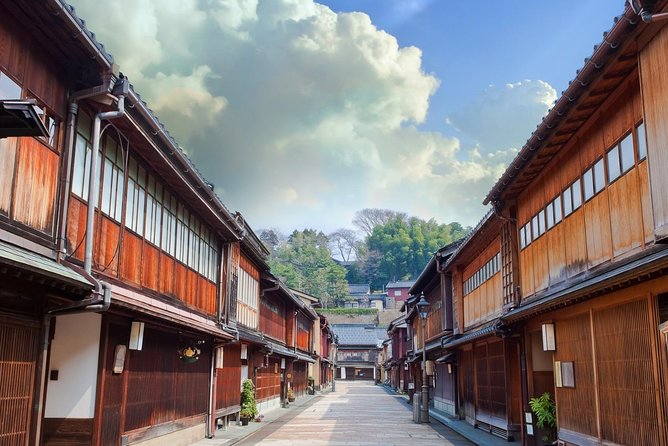
The experience ends in a preserved teahouse district along the Asano River. Expect narrow lanes, wooden buildings, and a quiet mix of traditional and modern Japan.
This is likely to be the most visually memorable part of the route. The architecture rewards a slow walk, and a local host can point out details you might pass without noticing. You may also receive suggestions for returning later on your own.
The itinerary describes this as the conclusion, while the activity information says the experience ends back at the meeting point. That wording is worth clarifying with the host, especially if you have a reservation, train, or dinner immediately afterward. The stated end point is the same Kanazawa Station meeting point.
A personal route can include much more
The listed stops are not the whole story. The questionnaire allows you to request a different mix, and previous custom routes have included Kenrokuen Garden, Kanazawa Castle, a samurai house, Zen gardens, pottery shops, the geisha area, and Omicho Fish Market.
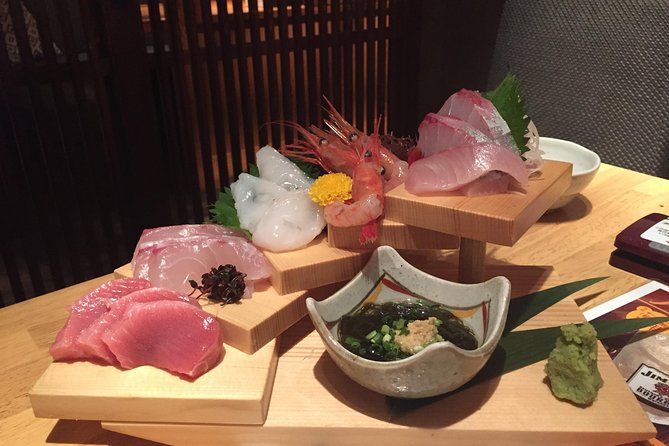
That flexibility can make this experience a better fit than a fixed tour for a first visit. One solo guest used the host’s help to order a first sushi meal at Omicho Market. That is the sort of small practical assistance that can make a new city easier to enjoy.
Still, do not assume every attraction listed in past routes will be included in your booking. Kenrokuen and Kanazawa Castle may be requested, but the official route also emphasizes Utatsuyama Park, Bokodai, the river, the geisha museum, and the teahouse district.
The best approach is to choose two or three priorities rather than asking for everything. A short walk cannot cover every major sight well. If you want the gardens, castle, market, geisha district, and craft shops in one outing, you may spend too much time moving between them.
Why the private format matters
The private setup is the clearest advantage. Only your group takes part, so you can ask basic questions, stop for photographs, adjust the pace, or spend longer on a subject that catches your interest.
For a solo visitor, this can feel especially useful. One host helped with sushi ordering, and the personal schedule made it easier to ask very specific questions. Couples and families also gain control over the route instead of following a group’s fixed rhythm.
The host will contact you before the tour after you complete the questionnaire. Use that conversation well. Mention your arrival time, food interests, interest in crafts or gardens, walking ability, and any places you have already seen.
The flexible start time is another practical plus. You can choose a preferred time when booking, though the tour itself remains roughly 2 to 3 hours. An early evening start is possible based on one past experience, and Kanazawa was particularly quiet and photogenic after dark.
You should not expect a formal lecture. The experience is built around conversation and local suggestions. That can be engaging when your host is a good match, but it also means the depth and structure may vary more than on a highly scripted historical tour.
Price, value, and extra costs
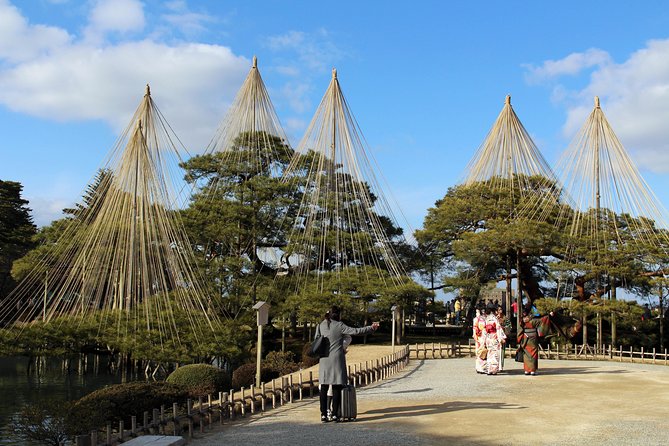
At $66.83 per person, the price is fair for a private introduction if you are sharing it with several people. A solo visitor pays more per person, but may value the one-to-one guidance and help with food, transport, and planning.
The fee covers the private host, the tailored route, flexible start time, direct pre-tour communication, and local recommendations. It does not cover meals, drinks, attraction tickets, public transport, taxis, or gratuities.
Those exclusions can affect your final budget. A route that uses buses or taxis will cost more, and a museum or other paid attraction may require an additional ticket. Ask for an outline before the day begins so you know whether the plan is mainly on foot or includes transfers.
The tour is also most valuable early in your Kanazawa stay. You can use the recommendations afterward, return to the teahouse district, visit a suggested restaurant, or add a craft shop to your plans. If you book it on your final morning, much of that advice arrives too late to use.
The experience is booked, on average, 50 days ahead. That does not guarantee that every date sells out, but it suggests you should reserve early if your schedule is fixed or you want a particular start time.
Walking, meeting point, and timing
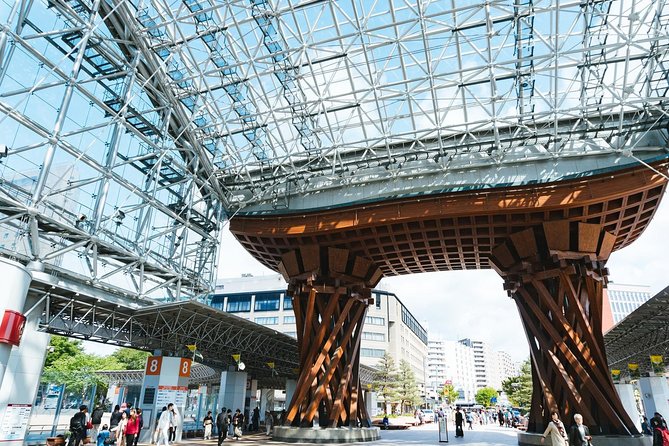
The official start is the Kanazawa Station Tourist Information Center at 1-1-1 Kinoshinbomachi. The activity is primarily a walking experience, and the stated end point is back at the meeting point.
Pickup is offered, but the practical details should be confirmed before you rely on it. A private vehicle is not included. Public transport or a local taxi may be used between sites, with those costs discussed with your host after the reservation is finalized.
Plan on comfortable shoes, especially if your route includes Utatsuyama’s slopes or several historic districts. Most people can participate, and service animals are allowed. Still, the available details do not promise a fully accessible route, so share any needs before the tour.
Because the route is private, you can ask for a gentler pace. You can also request a focus on places near the station or reduce the number of stops. That is one of the main reasons to communicate clearly before the day.
Who will get the most from this experience
I would choose this walk if you are visiting Kanazawa for the first time and want a clear sense of the city before exploring alone. It is also a good choice if you prefer conversation over a large group and want recommendations based on your actual interests.
Solo visitors may find the format particularly useful, especially if ordering food, navigating local districts, or asking personal questions feels awkward. Couples and small groups can shape the day around gardens, crafts, architecture, or food.
It suits visitors who enjoy a relaxed pace and do not need every fact delivered in a strict order. Hosts have been praised for being lively, polite, funny, and helpful, with strong English noted for Megumi and Mo.
I would be more cautious if you want a fully fixed historical tour with guaranteed access to named attractions. The flexible format is a strength, but it also means the final route and level of detail depend on your host. One experience included some information the guide did not know, so specialists may want to confirm the subject matter in advance.
Free cancellation is available up to 24 hours before the start time for a full refund. Changes or cancellations made less than 24 hours ahead are not accepted or refunded.
Should you book the Kanazawa local walk?
Book it if you want a personal orientation, useful city advice, and the freedom to shape a short walking route around your interests. It is especially good near the start of a Kanazawa visit, when recommendations about food, gardens, crafts, and old districts can guide the rest of your plans.
Before booking, decide what matters most and write it in the questionnaire. Ask about the expected route, transport, attraction tickets, walking distance, and whether the finish will return directly to the station.
Skip it if you already know Kanazawa well or want a tightly scripted tour with every ticket included. For everyone else, the combination of private attention, local suggestions, and flexible sightseeing makes the $66.83 price a sensible way to get your bearings without spending half a day in a bus.
FAQ
How long does the Kanazawa local experience last?
The experience lasts approximately 2 to 3 hours. One past booking lasted four hours, so confirm the expected duration with your host if your schedule is tight.
Where does the tour start?
It starts at the Kanazawa Station Tourist Information Center, located at 1-1-1 Kinoshinbomachi, Kanazawa, Ishikawa 920-0858, Japan.
Where does the experience end?
The stated end point is back at the meeting point. The route description also finishes in a teahouse district, so confirm the exact return arrangements with your host.
Is this a private tour?
Yes. Only your own group takes part in the activity.
Can I choose the start time?
Yes. Flexible start times are available, and you can select your preferred time when booking.
What places may be included?
The route may include Utatsuyama Park, Bokodai Observatory, a bridge over the Asano River, a geisha museum, and a preserved teahouse district. Custom routes have also included Kenrokuen Garden, Kanazawa Castle, samurai homes, Zen gardens, pottery shops, and Omicho Fish Market.
Are food, drinks, and attraction tickets included?
No. Food, drinks, and tickets to attractions are not included.
Is transportation included?
No private vehicle is included. The experience is mainly on foot, though public transport or local taxis may be used between sites at an additional cost.
What is the cancellation policy?
You can cancel up to 24 hours before the local start time for a full refund. Cancellations or changes made less than 24 hours before the start time are not accepted or refunded.
Just added around Kanazawa
- Kanazawa: Sushi & Japanese Cooking Class at a Historic School★ 5.0 · 66 reviews
- Shirakawago & Kanazawa from Kanazawa★ 5.0 · 51 reviews
- Takayama and Shirakawago/Photoshoot by professional photographer★ 5.0 · 67 reviews
- Taste of Kanazawa (Food tasting in Omicho Market & Higashi Chaya)★ 5.0 · 58 reviews
- Kanazawa private 1 day/Photoshoot by professional photographer★ 5.0 · 33 reviews
- Photoshoot session by professional photographer in Kanazawa★ 5.0 · 42 reviews
- Private Tour Kanazawa, Shirakawago, Hida Furukawa,Takayama★ 5.0 · 108 reviews
- Kanazawa private half day/Photoshoot by professional photographer★ 5.0 · 38 reviews
Kanazawa Tours, compared.
World Heritage Shirakawa-go and Experience Tours from Kanazawa
Read our review →

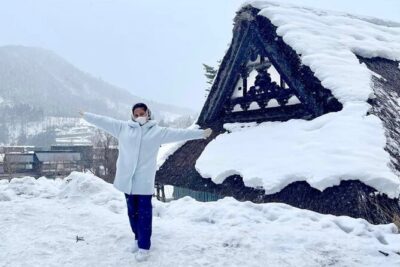
![[One-day bus tour departing from Kanazawa Station] Shirakawa-go and Gokayama – Two World Heritage Villages Enjoyable Bus Tour](https://media3.thejapanesetraveller.com/wp-content/uploads/one-day-bus-tour-departing-from-kanazawa-station-shirakawa-go-and-gokayama-two-world-heritage-villages-enjoyable-bus-tour-400x267.jpg)
[One-day bus tour departing from Kanazawa Station] Shirakawa-go and Gokayama – Two World Heritage Villages Enjoyable Bus Tour
Read our review →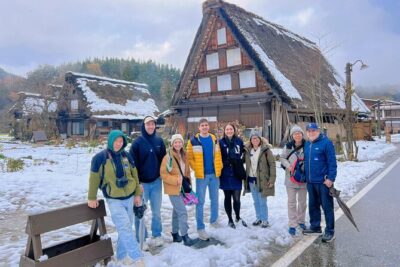
World Heritage Shirakawa-go Perfect Guided Tour from Kanazawa
Read our review →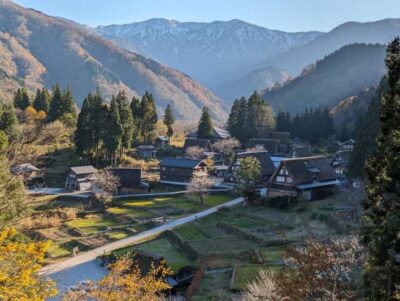
Browse the lists this tour appears in