
Reviewed · OKINAWA TOURS
Kintsugi Accessory Experience in Naha, Okinawa
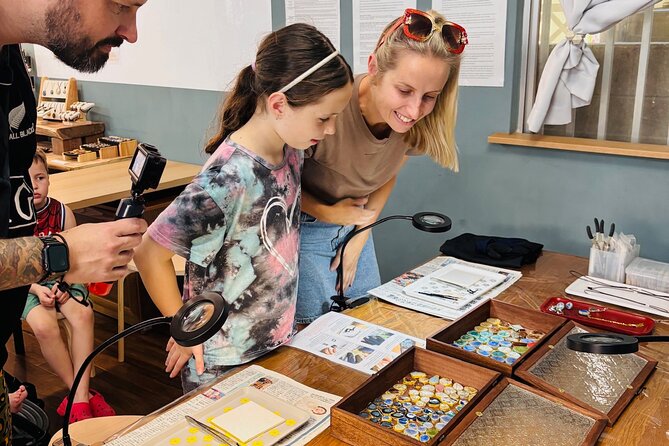
Broken pottery gets a second life here, and you get to give it a new purpose as a necklace or bracelet. This Kintsugi workshop teaches the Japanese idea of showing repair lines rather than hiding them, using gold or silver-colored lacquer in a safe, beginner-friendly format.
I like the calm, hands-on pace and the fact that you leave with something you designed yourself. I also like the small maximum of eight people, which gives the instructors room to help without turning the class into a production line. The main drawback is that 90 minutes goes quickly, especially if you enjoy taking your time with design choices.
Key points to know before booking
- Repair becomes wearable art: Turn a prepared ceramic piece into a necklace or bracelet rather than making a decoration that sits on a shelf.
- A 90-minute creative break: The workshop fits neatly into a Naha sightseeing day without taking up a whole afternoon.
- Beginner-friendly materials: Gold or silver-colored lacquer and all tools are provided, with no previous art experience required.
- Small group setting: The class accepts a maximum of eight people, useful for personal guidance and family visits.
- Central Naha meeting point: Begin and finish at Urushi Studio Kodemari, near public transportation.
- A flexible cancellation window: Cancel at least 24 hours before the local start time for a full refund.
What Kintsugi means beyond the gold lines
Kintsugi is often described as the Japanese art of repairing broken pottery with precious metal. Its appeal is simple: the break is not treated as something shameful or something to disguise. The repaired line becomes part of the object’s story.
This workshop presents that idea in a practical way. You are not only watching a demonstration or browsing finished pieces. You choose from prepared ceramic parts, learn a simplified repair method, and use the result to make jewelry.
The materials here are gold or silver-colored rather than described as precious metal. That matters if you are expecting a traditional museum conservation process. This is a hands-on craft workshop made for visitors, not a professional restoration course.
I like that distinction. You can think about the philosophy of Kintsugi while still enjoying a manageable activity with a clear result. The finished accessory has a personal connection to your time in Okinawa, and it does not demand specialist skills.
A few more Naha half-days to weigh up
- Official Street Go-Kart Tour – Okinawa Shop
★ 5.0 · 699 reviews - Naha: North Okinawa Sightseeing Tour & Churaumi Aquarium
★ 4.4 · 472 reviews - Okinawa: From Naha: Kerama Islands 1-day snorkeling tour
★ 4.4 · 423 reviews
Arriving at Urushi Studio Kodemari in Maejima
The meeting point is 漆工房 小手毬 Urushi Studio Kodemari, at 2-chōme-16-6 Maejima, Naha, Okinawa 900-0016, Japan. The location is near public transportation, so you do not need to build the activity around a long transfer or complicated route.
Take care with the name and address before setting out. Naha has plenty of places to visit, and the workshop is not described as a hotel pickup activity. You are responsible for reaching the studio at the stated meeting point.
The setting is part of the appeal. This is an urushi studio rather than a generic craft room, and the space includes repaired artworks for sale. That gives you a chance to see how Kintsugi looks when applied to larger or more decorative pieces, not only the small item in front of you.
The studio has been described as clean, which is important for a craft activity involving small pieces and detailed work. You should still arrive ready to focus. A workshop like this is more enjoyable when you are not rushing through the door.
Choosing your ceramic piece
The activity begins with a choice from pre-prepared ceramic pieces. This keeps the session practical. You do not need to wait for pottery to be broken, fired, or prepared, and you can move straight into the repair process.
Your choice affects the finished accessory, so take a little time here. Look at the shape, color, and existing break lines. A small ceramic fragment may suit a simple necklace, while another piece may work better as part of a bracelet.
The available format is described as necklaces or bracelets. The exact selection of pieces and fittings may vary, so you should not expect a particular color or design unless the provider confirms it before booking.
This is also where the personal nature of the activity begins. Two people can follow the same steps and leave with very different pieces. For couples or families, choosing separately gives each person a small creative decision before the practical work starts.
Learning a simplified Kintsugi method
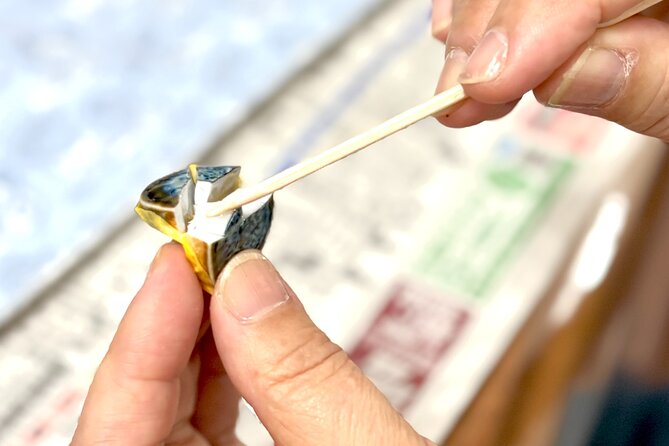
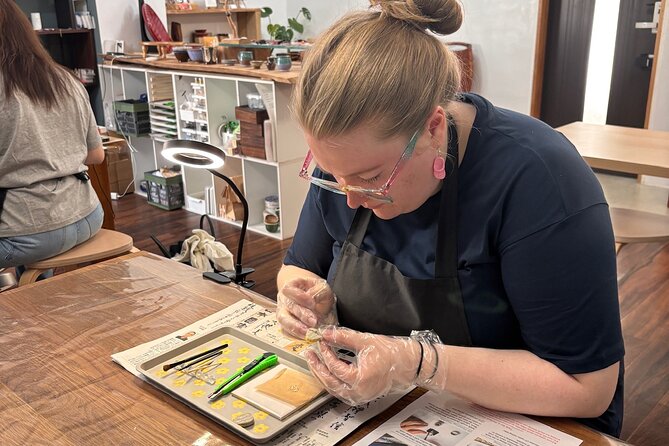
An instructor explains the traditional process of mending pottery, then guides you through a simplified version using gold or silver-colored materials. You do not need prior art experience, and all tools and supplies are included.
The word simplified is useful here. You are learning the idea and the basic craft process, not training as a restoration specialist. That makes the class accessible to first-time makers, children old enough to follow the activity, and adults who would rather create than sit through a formal lecture.
The instructors connected with the workshop include Mia, Asa, Mayo, and Keiko. The exact instructor for your session may vary, but the teaching style described is welcoming and hands-on. You can expect help with each stage rather than being left to guess what to do.
The process also has a quiet, almost meditative quality. You must pay attention to a small ceramic surface, follow the line of the repair, and assemble the piece with care. If your Naha schedule has been full of shops, sights, and transport, this change of pace can be welcome.
Same base, a completely different sort of day:
- From Naha: Tokashiki Island Day Trip by Boat
★ 4.3 · 385 reviews - Naha, Okinawa: Keramas Island Snorkeling Day Trip with Lunch
★ 4.7 · 370 reviews - Naha, Okinawa: Kerama Islands Half-Day Whale Watching Tour
★ 4.4 · 241 reviews - Naha, Okinawa: Kerama Islands Full-Day Intro-Diving Trip
★ 4.6 · 203 reviews
Assembling a necklace or bracelet
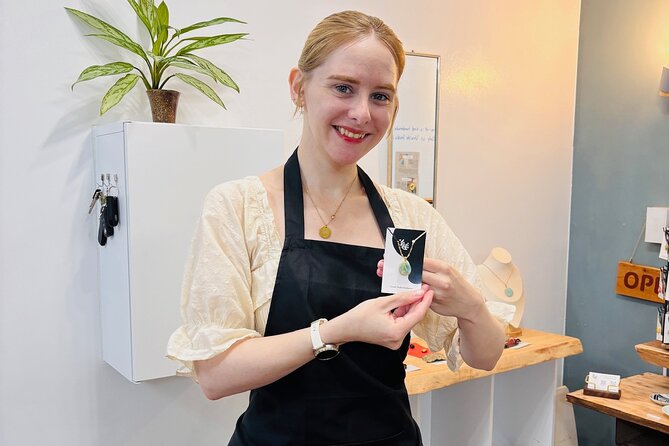
Once the ceramic piece is repaired, you turn it into wearable art. The activity specifically mentions necklaces and bracelets, so the final stage is not simply waiting for the lacquer to dry or admiring a repaired shard.
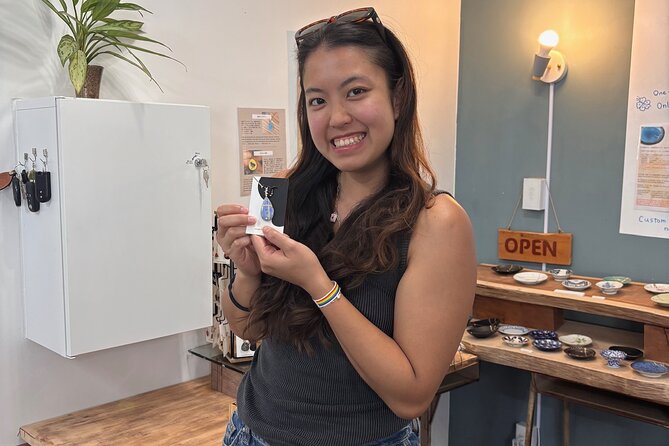
You will design and assemble your own original accessory. That makes the piece more useful as a souvenir than a ready-made object from a shop. It carries the memory of a particular afternoon, your own choice of ceramic, and the visible repair line you helped create.
Expect the finished item to be handmade rather than factory-perfect. That is the point of Kintsugi, but it is also a practical expectation to set. Small variations are part of the process, and the charm comes from seeing the work of the maker rather than receiving a flawless mass-produced accessory.
The format works well for solo visitors. You have enough structure to keep the class moving, but the task also allows room for your own design decisions. It can be just as suitable for a small group, especially when everyone wants to leave with a different keepsake.
What the 90-minute length means for your day
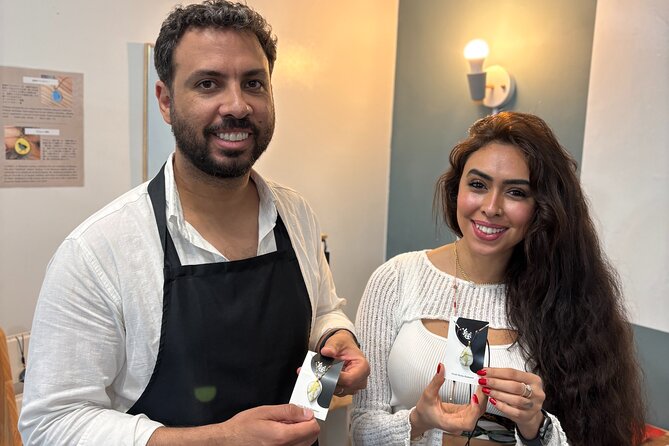
The stated duration is about one hour and 30 minutes. That is long enough to introduce the idea, choose a piece, complete the repair work, and assemble an accessory, but short enough to fit beside other plans in Naha.
Do not treat it as a quick 20-minute make-and-take stop. The value comes from the guided process, and rushing would take away from the careful, reflective quality of the craft.
At the same time, the limited duration is a useful boundary. If you are traveling with someone who is unsure about committing to a full art class, 90 minutes feels manageable. It also suits a family looking for a shared activity without giving up an entire day.
The session ends back at the meeting point. That makes planning easier because you do not need to arrange a separate return transfer. The workshop does not include a wider tour of Naha, so plan your sightseeing before or after it rather than expecting the class to carry you from place to place.
Is $50.30 a fair price?
At $50.30 per person, this is not the cheapest souvenir activity in Naha. You are paying for more than the ceramic fragment, though. The price includes instruction, tools, materials, studio time, and a finished accessory you take home.
I see the value most clearly if you want a personal keepsake rather than another purchased trinket. A necklace or bracelet made during your own session has a story attached to it, and the Kintsugi theme gives that story more meaning than a standard craft souvenir.
The small group limit also supports the price. With no more than eight participants, the instructors can offer individual help as you work through the repair and assembly. If the class were much larger, the hands-on guidance would matter less.
Value depends on what you want from your day. If your priority is seeing as much of Naha as possible for the lowest cost, this may feel expensive for a 90-minute activity. If you want a thoughtful cultural craft experience with a usable result, the price is easier to justify.
Who will enjoy this workshop most
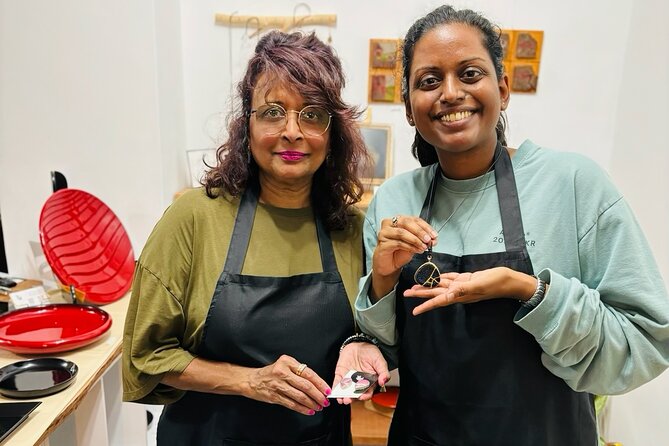
This is a good match for first-time craft makers. You do not need art training, and the instructor explains the steps. Curiosity matters more than technical skill.
It also suits families. One family group used the activity as a hands-on outing and left with handmade jewelry plus a better understanding of Japanese craftsmanship. That combination is useful: the class gives children and adults something to do, while the Kintsugi idea gives the activity cultural context.
Couples can enjoy it for the same reason. Each person makes an individual piece, but the shared setting gives you a common memory without requiring you to create identical souvenirs.
Solo visitors should not feel out of place. The activity has enough guidance to make going alone easy, and the work itself gives you a natural focus. You do not need to arrive with a group to get something from the experience.
You may want to skip it if you dislike detailed, careful work or if you want a polished luxury item with no visible variation. Kintsugi asks you to appreciate the repair, not pretend the break never happened.
What the praise gets right, and what to keep in mind
The strongest praise centers on the instructors. Mia and her team are described as welcoming and helpful, while Asa, Mayo, and Keiko are credited with making the experience enjoyable and showing the philosophy of Kintsugi clearly.
That personal guidance is important. The activity is not sold as a self-guided kit. The quality of your time depends partly on having someone explain the traditional process and then help you handle the simplified materials.
The studio itself has also been described as clean and includes repaired art for sale. You might find that display useful because it gives you a wider view of the craft before or after making your own small piece.
The experience has received a 4.7 rating from 12 reviews, with 92 percent recommended. That is a strong result, though the sample is small. One poor score came from a scheduling mistake rather than a complaint about the workshop itself, and the provider said it was able to accommodate a later visit.
That detail gives you a practical lesson: check your date and start time carefully. The cancellation terms allow a full refund only when you cancel at least 24 hours before the local start time. Changes or cancellations inside that window are not accepted for a refund.
Planning the activity around Naha
Because the class begins and ends at Urushi Studio Kodemari, pair it with nearby plans only if you have checked your transport timing. The meeting point is near public transportation, but the supplied details do not specify a station, route, or walking time.
A mobile ticket is provided, which makes entry simple once you have booked. Keep the booking information available on your phone and allow enough time to reach the studio without cutting into the 90-minute session.
The maximum group size is eight. That makes this a better choice for a small private-feeling outing than for a large tour party. If your group is bigger, confirm how the booking will be handled before you rely on this activity for everyone.
Most people can participate, and no previous art experience is needed. Specific accessibility details are not provided, so contact the provider if you have mobility, vision, or other support needs that could affect detailed hand work.
Should you book the Kintsugi accessory experience?
Book it if you want a quiet, creative activity that connects a practical souvenir with a Japanese artistic idea. The workshop is especially well suited to couples, families, solo visitors, and small groups who prefer making something to simply buying it.
The best reason to choose it is the combination of guided craft and personal meaning. You select the ceramic, help repair it, and leave with an accessory that shows its past instead of hiding it.
Think twice if $50.30 feels high for a 90-minute class, or if you want a larger Kintsugi object such as a plate. One participant planned to return for a plate, which suggests the accessory session may leave you curious about the wider craft, but the activity described here focuses on necklaces and bracelets.
For most visitors who enjoy hands-on cultural activities, I would book it, provided the timing works and you understand that this is a simplified beginner workshop, not professional pottery restoration.
FAQ
Where does the Kintsugi accessory experience take place?
It takes place at 漆工房 小手毬 Urushi Studio Kodemari, 2-chōme-16-6 Maejima, Naha, Okinawa 900-0016, Japan.
How long does the workshop last?
The experience lasts approximately one hour and 30 minutes.
Where does the activity end?
The activity ends back at the meeting point, Urushi Studio Kodemari.
How much does the experience cost?
The listed price is $50.30 per person.
What can I make during the workshop?
You can turn a prepared ceramic piece into a wearable accessory such as a necklace or bracelet.
Do I need previous art experience?
No. The workshop is beginner-friendly, and no prior art experience is required.
Are tools and materials provided?
Yes. All tools and materials needed for the activity are provided.
How many people can join the activity?
The maximum group size is eight participants.
Is the meeting point near public transportation?
Yes. The meeting point is described as being near public transportation.
Can I cancel for a full refund?
Yes, if you cancel at least 24 hours before the experience start time. Cancellations made less than 24 hours before the start time are not refunded, and changes inside that period are not accepted.
Just added around Naha
- Tokashiki Island Day Trip from Naha★ 4.0 · 15 reviews
- E-Bike Nature Tour in Shuri★ 5.0 · 25 reviews
- Zodiac Shrines and Naha Backstreets Cycling Tour★ 5.0 · 29 reviews
- Kintsugi Experience in Naha, Okinawa – Art from Broken Pieces!★ 5.0 · 28 reviews
- Sushi Making Experience Class in Naha Makishi Public Market★ 5.0 · 35 reviews
- Port Pick-Up: Naha Private Tour Licensed Guide& Vehicle★ 4.5 · 16 reviews
- Okinawa 2-Hours Genuine Kendo/Samurai Experience in Japan★ 5.0 · 28 reviews
- Okinawa:Kerama Islands experience Diving/Snorkeling/WhaleWatching★ 4.5 · 16 reviews
Okinawa Tours, compared.


North Okinawa Sightseeing Tour & Churaumi Aquarium
Read our review →
From Naha: Kerama Islands 1-day snorkeling tour
Read our review →

Naha, Okinawa: Keramas Island Snorkeling Day Trip with Lunch
Read our review →![[Miyako Island/Half Day] Sea Turtle Snorkeling](https://media3.thejapanesetraveller.com/wp-content/uploads/miyako-island-half-day-sea-turtle-snorkeling-400x267.jpg)


Snorkeling in the Blue Cave area【Okinawa Prefecture: Free feeding & photo images!English and Chinese speaking guide available!
Read our review →Browse the lists this tour appears in