
Reviewed · NAGOYA TOURS
Nagoya: Grand Sumo Tournament Tour
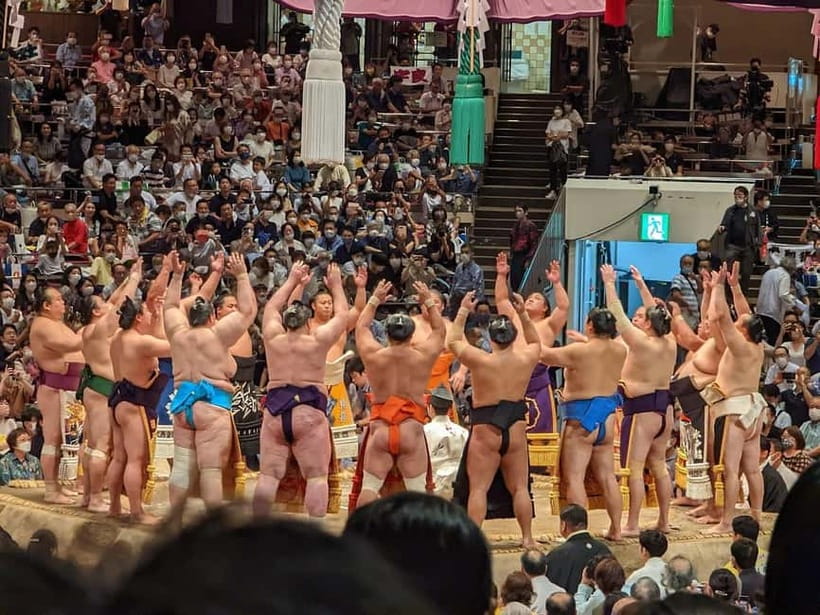
Nagoya’s grand sumo tournament is far more fun when you know what you’re watching. This small-group tour puts you in Chair S or Chair A seats for three hours of top-division bouts, then helps you follow the rituals, rivalries, rankings, and sudden bursts of action through live English commentary.
I especially like the wrestler profile pamphlet, which gives you faces and names to follow, and the cheering towel that lets you back one wrestler during his bout. The headset system is another smart touch. The main consideration is price: at $225 per person, you are paying much more than the ticket alone, so this makes the most sense if you want clear explanations and a planned cultural experience rather than simply entering the arena.
Key points to know before you book
- Three hours of top-division sumo begin around 3 p.m., when the bouts become the main event.
- English commentary comes through an earphone guide system, so you can hear the guide even from a distance.
- You receive wrestler profiles, a sumo booklet, and a cheering towel, useful tools for a first tournament.
- The optional Nagoya Castle walk adds historical context before the arena action.
- Guides such as Yuki, Keiko, Mari, Yummi, and Sunny Yoko have brought energy and strong sumo knowledge to past departures.
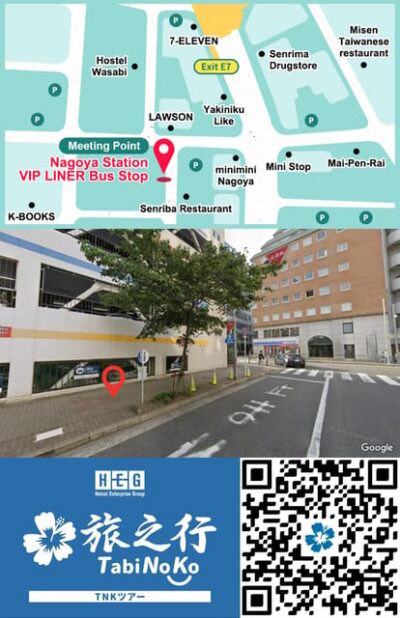
- The tour starts and ends at Meijo Line Nagoyajo Station Exit 7, with no hotel pickup or drop-off.
Why the 3 p.m. start works so well
A sumo tournament lasts much of the day, but the lower-ranked bouts can feel slow if you do not yet understand the sport. This tour begins with the top division at about 3 p.m. and keeps you there for three hours.
That timing is sensible. The highest-ranked wrestlers appear later, and the pace and excitement build toward the final bouts. If you arrive too early and sit through hours of preliminary matches, you may lose interest before the stars enter the ring. Here, you get the part most first-time visitors are eager to see.
You will watch from either Chair S or Chair A seating. The exact view depends on the assigned seat, but both are proper tournament seats rather than a distant screen-viewing arrangement. The tour does not promise ringside access, so set your expectations accordingly. You are attending a major Japanese sporting event with a guide, not receiving a private backstage experience.
More sumo mornings and shows:
- Sumo Tournament Experience in Nagoya
★ 5.0 · 12 reviews - Tokyo: Sumo Show Experience with Chicken Hot Pot and a Photo
★ 4.8 · 6,678 reviews - Tokyo: Sumo Show and Dining Experience
★ 4.8 · 2,742 reviews
Understanding sumo one bout at a time
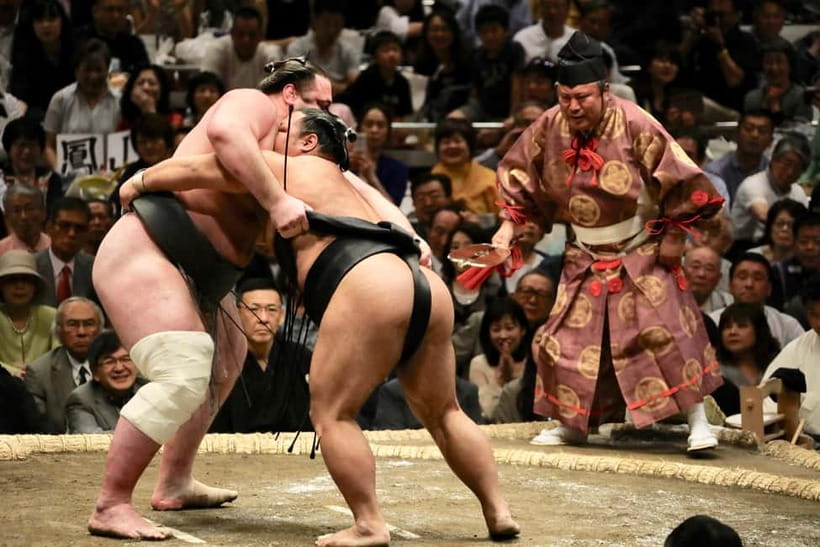
Sumo can look simple at first: two wrestlers meet in a ring, and one is forced out or touches the ground. The details are much more interesting. Rituals before the bout, the wrestler’s rank, stable affiliation, stance, timing, and technique all affect what you see.
That is where the guide earns the fee. Through the headset, your guide provides commentary while the tournament continues in front of you. You do not need to keep turning around or strain to hear a voice in a noisy arena. The system is particularly useful when the guide is explaining a bout from some distance away.
The commentary also helps you notice the small rituals that can pass unnoticed. A first-time spectator may simply see two large athletes staring each other down. With context, you begin to understand the ceremony and strategy before the brief clash.
The English pamphlet adds another layer. It includes photos and profiles of the wrestlers, letting you match names to faces and keep track of who is competing. That matters because sumo wrestlers can be difficult to distinguish when you are new to the sport. The guide can walk you through the profiles as each wrestler appears.
You also receive a sumo booklet covering the sport more broadly. It is a useful takeaway for anyone who wants to remember the rules and traditions after the tournament. The materials are not just souvenirs. They give you a way to follow the action instead of watching a series of unfamiliar bouts.
The cheering towel makes the arena more personal
The cheering towel is a small feature, but it changes your role. Rather than sitting quietly and trying to decode the action, you are assigned a particular wrestler to support. Your guide shows you when and how to raise the towel as that wrestler approaches his bout.
This adds a bit of friendly group spirit. You will cheer alongside the rest of the small group, and the guide may encourage support for favorite wrestlers. It gives the afternoon a shared rhythm and makes the event feel less like a passive performance.
You should not expect the towel to affect the result, of course. Sumo is decided in seconds, often before you have time to react. The point is the fun of choosing a side and taking part in the atmosphere.
Nagoya Castle puts the tournament in context
The optional walking tour at Nagoya Castle gives you a useful change of pace before the indoor sporting event. Nagoya grew around the castle built by the Tokugawa clan in the early seventeenth century, during the long period when that family ruled Japan.
The guide explains why the castle was built, how the Tokugawa leadership managed feudal lords who had once opposed it, and how the complex worked as a fortress. You will hear about defensive design and construction methods rather than simply walking past walls and taking photographs.
The castle also helps explain Nagoya’s place in Japan. Today, it is one of the country’s largest cities and is closely associated with Toyota. Its earlier identity began with the Tokugawa castle, so the visit offers a quick look at the political forces that shaped the city.
The Honmaru Palace is the visual highlight. Its decoration includes hinoki cypress, detailed metal fittings, and fine artwork on walls, ceilings, and sliding doors. The palace offers the polished, decorative side of Japanese castle architecture, while the guide’s explanation covers the practical side of defense.
The castle portion is optional, which is helpful if your priority is sumo. If you enjoy Japanese architecture and political history, I would include it. If you are already tired from a full day of sightseeing, you can focus on the tournament instead.
A few more Nagoya half-days to weigh up
- From Nagoya: Gujo, Hida Takayama, and Shirakawa-go Day Tour
★ 4.4 · 398 reviews - Ghibli Park 1-Day Bus Tour from Nagoya
★ 4.5 · 277 reviews - From Nagoya: Hida Takayama & Shirakawa-go Tour w/Opt. Lunch
★ 4.5 · 256 reviews - Hiking the Historic Nakasendo Trail [1 Day Tour from Nagoya]
★ 5.0 · 104 reviews
Getting to the meeting point from Osaka or Kyoto
The meeting point is Meijo Line Nagoyajo Station, Exit 7, on the ground level. The guide carries a recognizable signboard, and the activity ends back at the same meeting place.
Nagoya is well placed for a day trip from the Kansai area. The stated train time is about 50 minutes from Osaka and about 34 minutes from Kyoto. You will need to make your own way to the station because hotel pickup and drop-off are not included.
Build in enough time to find the correct station exit. Nagoya’s rail system can feel confusing if you arrive in a hurry, particularly when connecting from another line. Comfortable shoes are the only stated item to bring, but they are important if you join the castle walk and move through the station before and after the tournament.
The fixed meeting point has one advantage: you are not waiting for a vehicle or trying to coordinate a hotel pickup. It also means the tour is less convenient if your accommodation is far from Nagoya Station or the Meijo Line.
What the guides add to the day
The experience depends heavily on the individual guide because the commentary is central to the tour. Named guides associated with past departures include Yuki, Keiko, Mari, Yummi, and Sunny Yoko.
Yuki has been described as especially strong at explaining both the castle and the wrestlers, and as willing to wait when participants had trouble finding the meeting point. Keiko brought energy to a first-time sumo experience and explained rules, rituals, and traditions clearly. Mari was praised for her enthusiasm and for encouraging the group to support particular wrestlers.
Those details point to the kind of guide you should expect: not a silent escort, but someone who actively explains the event and helps you join in. Sumo has its own vocabulary and customs, so a guide who enjoys the sport can make a major difference.
The English language service is a practical benefit. You are not relying only on a written translation or trying to work out the rules from the crowd. The guide speaks as the bouts happen, which keeps the information tied to what you are seeing.
Is $225 a fair price?
At $225 per person, this is an expensive way to attend sumo. The ticket includes Chair S or Chair A seating, but the price also covers the small-group format, English-speaking guide, headset system, wrestler materials, cheering towel, sumo booklet, and optional castle tour.
The value depends on your aim. If you already understand sumo, speak Japanese, and are comfortable arranging your own ticket, you may prefer to attend independently. You would avoid paying for explanations you may not need.
For a first tournament, the calculation is different. The ticketing process, seating choices, unfamiliar rules, and timing can all be difficult to manage from outside Japan. The guide gives you a framework for understanding what happens, and the profile sheets help you identify the wrestlers. That support can turn an opaque sporting event into a memorable part of your Japan trip.
I would also count the cheering materials as part of the value, but not overstate them. A towel and booklet do not justify the full price on their own. The real benefit is the live commentary and the confidence of having an expert beside you during a major event.
The 4.8 rating from 44 reviews reflects strong satisfaction, but the price concern is real. One participant felt the guide was excellent yet questioned the large markup over the basic event cost. That is the right issue to consider before booking.
Who will enjoy this Nagoya sumo tour?
I would recommend it most strongly to:
- First-time sumo spectators who want the rules explained in English
- Visitors who want a cultural activity with more substance than simply watching a match
- Families or small groups who prefer a planned day
- People staying in Osaka or Kyoto who want an easy side trip to Nagoya
- Fans who want help following individual wrestlers and tournament storylines
It may be less suitable for an experienced sumo follower who wants maximum control over seating, timing, and itinerary. It also may not suit you if $225 feels too high for a guided sporting event.
The castle walk makes the tour appeal beyond sumo fans. You get Japanese architecture, Tokugawa history, and a major national sport in one afternoon. That combination is the strongest reason to choose this over a basic arena ticket.
Booking details worth remembering
You can reserve now and pay later, which helps if your Japan schedule is still changing. Cancellation is available up to 24 hours in advance for a full refund.
The tour is in English. It does not include hotel transportation. Wear comfortable shoes, especially if you plan to take part in the Nagoya Castle walk before the tournament.
Because the activity starts and finishes at the same station meeting point, check your route before the day begins. The guide will be holding a signboard at Exit 7, but you still need to reach the correct Meijo Line station entrance.
Should you book it?
Book this tour if you want your first grand sumo tournament to make sense from the opening ritual to the final bout. The live headset commentary, wrestler profiles, and cheering towel give you clear ways to follow and join the action. Adding Nagoya Castle makes the day more varied and gives you a look at the city’s Tokugawa roots.
Skip it if you are already well versed in sumo or want the cheapest possible ticket. At $225, you are paying for guidance, structure, and cultural context. For a first visit, that can be good value. For a seasoned fan, an independent ticket may be the better choice.
FAQ
Where does the tour meet?
The meeting point is Meijo Line Nagoyajo Station, Exit 7, on the ground level. The guide will be holding a recognizable signboard.
Where does the tour end?
The activity ends back at the same meeting point.
How long do I watch the sumo tournament?
You watch the top-division bouts for about three hours, starting at approximately 3 p.m.
What seating is included?
The tour includes either Chair S or Chair A seating at the sumo tournament.
Is the tour conducted in English?
Yes. The tour includes an English-speaking guide and real-time English commentary through an earphone guide system.
What materials do I receive?
You receive a pamphlet with photos and English profiles of the wrestlers, a sumo booklet, and a cheering towel for a particular wrestler.
Is the Nagoya Castle visit required?
No. The Nagoya Castle walking tour is optional.
Is transportation from my hotel included?
No. Hotel pickup and drop-off are not included. You must reach the meeting point at Meijo Line Nagoyajo Station Exit 7.
Can I cancel the booking?
Yes. You can cancel up to 24 hours in advance for a full refund. You can also reserve and pay later.
Just added around Nagoya
- Walking Small-Group Nagoya City Tour★ 5.0 · 13 reviews
- Nagoya Endoji Food and Cultural Tour★ 5.0 · 12 reviews
- Pub Crawl in Nagoya★ 5.0 · 15 reviews
- Sumo Tournament Experience in Nagoya★ 5.0 · 12 reviews
- Nagoya Street Food Walking Tour of Osu★ 5.0 · 28 reviews
- Nagoya: 2026 Hida Takayama Shirakawa-go Light-up Winter Tour★ 3.5 · 16 reviews
- Private Full-day Nagoya City Tour★ 5.0 · 22 reviews
- Specialties of Nagoya Food Tour★ 5.0 · 12 reviews
Nagoya Tours, compared.
![Hiking the Historic Nakasendo Trail [1 Day Tour from Nagoya]](https://media3.thejapanesetraveller.com/wp-content/uploads/hiking-the-historic-nakasendo-trail-1-day-tour-from-nagoya-400x267.jpg)
Hiking the Historic Nakasendo Trail [1 Day Tour from Nagoya]
Read our review →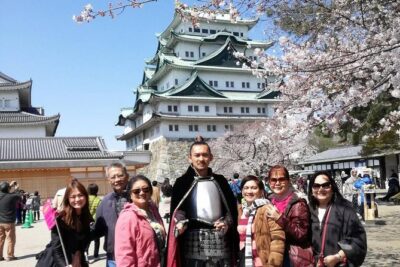
Nagoya Highlight Tour guided by a friendly local
Read our review →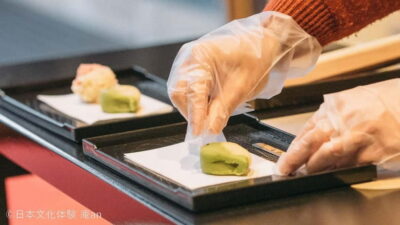
Japanese Traditional Sweets making and Tea Ceremony
Read our review →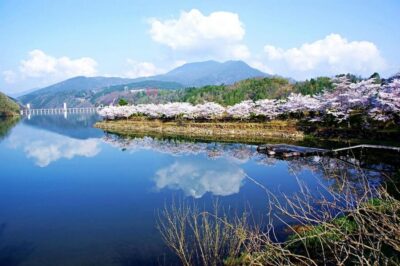
Magome-juku, Tsumago-juku & Ena-kyo 1d Bus Tour from Nagoya
Read our review →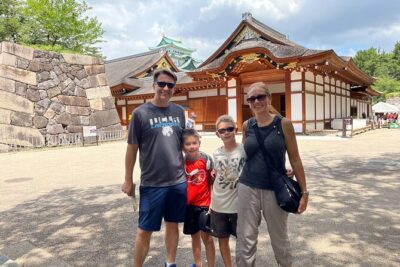
Nagoya Full-day Private Custom Tour with National Licensed Guide
Read our review →Browse the lists this tour appears in