
Reviewed · OSAKA TOURS
Osaka: Guided Food Tour with 12 Dishes at 4 Local Eateries
Osaka’s food culture makes the most sense one small plate at a time. This 150-minute evening walk takes you from the neon lanes near Dotonbori into local restaurants, a bar, and a street-food stop, with about 12 Japanese dishes along the way. Expect fresh fish, grilled food, fried specialties, traditional sweets, and Osaka-style okonomiyaki, though the exact menu changes by day.
I like the way the tour combines food with local guidance. Guides such as Mao, Spike, Ukyo, Nao, and Kenta explain what you are eating and point out bits of Osaka life that are easy to miss. I also like the social setup: small groups often share dishes and conversation. The main consideration is that the tour includes plenty of food, but extra orders cost cash, and anyone wanting a precise menu should know that dishes vary.
Key points at a glance
- Twelve dishes in 150 minutes: A useful first survey of Japanese food, with several small portions rather than one long meal.
- Three main food stops: Expect local restaurants, a bar or izakaya-style stop, and street food, with the route returning to Dotonbori.
- Osaka favorites included: Okonomiyaki, takoyaki, sashimi, fried chicken, skewers, sweets, and other regional dishes may appear depending on the day.
- Two drinks included: Beer, sake, cocktails, wine, tea, coffee, or soft options may be available, while extra drinks require cash.
- Friendly English-speaking guides: Guides including Mao, Spike, Ukyo, and others add food explanations, neighborhood history, and suggestions for the rest of your trip.
- Good for first-time diners: You get help with unfamiliar foods, restaurant customs, and ordering in busy Dotonbori.
Why this food walk works in Osaka
Osaka is often called Japan’s kitchen, and Dotonbori is its loudest dining room. Giant signs, packed sidewalks, narrow restaurant fronts, and sizzling food stalls can make the area exciting but confusing. A guide gives you a plan, so you spend less time staring at menus and more time tasting.
The strongest part of this experience is variety. Twelve dishes can introduce you to textures and flavors you would not likely order alone. You might try raw fish at an izakaya, fried chicken, grilled skewers, takoyaki from a street stall, okonomiyaki, and a sweet finish. The selection changes with the day, so you should see this as a broad food sampler rather than a fixed tasting menu.
I especially like that the food is not limited to famous tourist dishes. The route includes sake bars and small restaurants favored by locals, plus street food associated with Osaka. One stop may feature food recognized by the Michelin Guide, which gives the experience a useful connection to the city’s everyday food scene.
The tour also gives you a social evening. In many departures, you share tables with people from different countries. Solo visitors can find this particularly helpful, while couples get a guide who can handle the ordering and explain the dishes. One departure had only a couple and their guide, so the experience can sometimes feel almost private. That is a bonus if you prefer questions and personal attention, though you may enjoy the tour less if you hoped for a lively group every time.
More Food Tours in Osaka
- Osaka: Shinsekai Food Tour with 13-15 Dishes at 5 Eateries
★ 4.8 · 2,204 reviews - Osaka Food Tour: 13 Dishes at 5 Local Eateries
★ 5.0 · 2,149 reviews - Hungry Osaka Street Food Tour:15 Tastings & 3 Drinks with a Local
★ 5.0 · 1,727 reviews
Starting beneath the Dotonbori neon
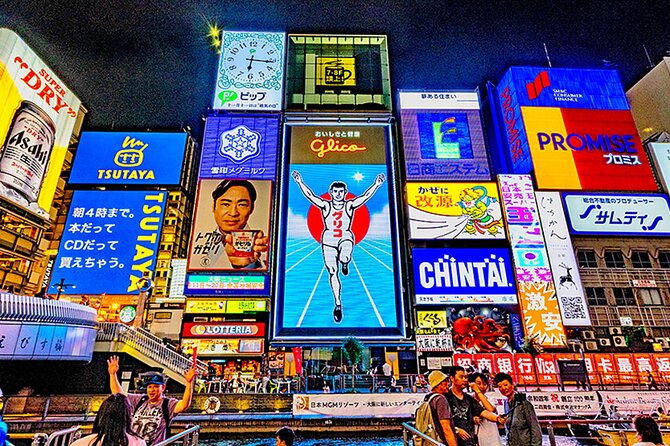
Meet in front of the Don Quijote Dotonbori Midosuji Store. Look for the Local Guide Stars sign. This is a practical meeting place in one of Osaka’s best-known areas, but allow extra time to find the exact storefront because Dotonbori can be crowded and visually noisy.
Wear comfortable shoes. You will walk between stops, and the tour includes more than simply sitting down for dinner. Bring a camera if you want to capture the signs, food displays, and nighttime streets, but keep it tucked away while eating in tight restaurant spaces.
The route begins around Dotonbori and returns to the same Don Quijote location. That makes it easy to continue your evening in the area, return to a hotel, or use the neighborhood as a base for more food afterward. In practice, you may not want another full meal, since the portions add up.
Stop one: local restaurant food with a guide
The first restaurant sets the tone. You receive an aperitif or drink and begin working through several recommended dishes. The selection may include regional food, grilled items, fish, skewers, fried specialties, or other Japanese plates.
This is where the guide’s role matters most. If you are new to Japanese food, a dish can be confusing without context. Your guide can explain what it is, how to eat it, and which flavors or textures to notice. Momo, Mao, and other guides have been praised for adapting explanations to the group, including helping people understand unfamiliar dishes.
The food is served as a sequence of shared tastes rather than a single formal course. That lets you sample more without committing to a large portion of one item. It also makes the meal more social. You can compare reactions, ask questions, and learn what other people enjoyed.
Do not expect the first restaurant to provide every famous Osaka dish. The exact places and menu change depending on the day. That flexibility helps the operator use different local spots, but it means you should not book solely for one promised dish unless it is specifically confirmed before departure.
Stop two: an izakaya or local bar
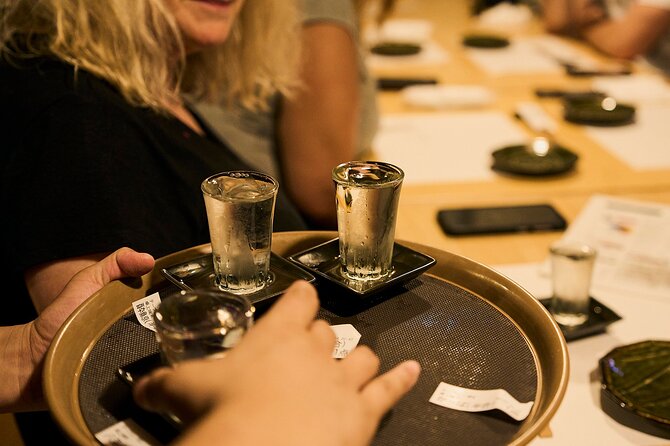
The second stop shifts the mood. You may visit a sake bar or an izakaya-style restaurant where the focus is on small plates and drinks. The food can include sashimi, fried chicken, grilled items, and other dishes that pair well with beer or sake.
One especially appealing combination reported from the route is fresh sashimi, fried chicken, and sake. The contrast is useful: delicate raw fish beside crisp, savory food gives you a better sense of how varied Japanese drinking food can be.
Two drinks are included in the tour price. Depending on the place and your choices, options may include beer, sake, cocktails, wine, spirits, tea, coffee, or another listed drink. You should confirm what is available on your departure, especially if you do not drink alcohol.
Anyone under 20 can join, but cannot consume alcohol. This makes the tour possible for families or mixed-age groups, though the bar setting and drink-centered stop may not suit every child. It is also wise to pace yourself. With several dishes and drinks in a short period, rushing is unnecessary.
Same base, a completely different sort of day:
- Osaka Go Karting Tour with Funny Costume
★ 5.0 · 2,658 reviews - Osaka Castle: Museum and Tower Entry Ticket
★ 4.5 · 2,380 reviews - Osaka: teamLab Botanical Garden Entry Ticket
★ 4.5 · 1,710 reviews - Osaka: Tea Ceremony Experience
★ 4.9 · 1,426 reviews
Stop three: street food and Osaka-style okonomiyaki
The final food section brings you back toward Osaka’s best-known casual specialties. Takoyaki may appear from a street stall, and okonomiyaki is a frequent highlight. These are foods strongly tied to Osaka, so trying them here gives the tour a clear local focus.
Takoyaki are hot batter balls usually associated with pieces of octopus and toppings. They are often served very hot, so follow the guide’s advice before taking a large bite. Okonomiyaki is a savory pancake prepared with a mixture of ingredients, and Osaka-style versions are a key part of the city’s food identity.
A stop at a street stall adds a different experience from the restaurants. You are eating food made for quick enjoyment in a busy neighborhood, not sitting through a long dinner service. The Michelin Guide connection also gives the street-food portion extra interest, although the exact vendor and dishes depend on the route that day.
The final stop may include dessert or a traditional sweet. After twelve tastes, this lighter finish can be welcome. Since the route takes about two and a half hours, rain or crowded streets can affect the pace. One group had to wait under cover during heavy rain before continuing, so bring suitable clothing if the forecast looks uncertain.
The guides make the difference
Food tours rise or fall on the person leading them, and this one has several named guides with strong feedback. Mao is repeatedly praised for her warmth, clear explanations, local anecdotes, and attention to individual preferences. Spike is described as energetic and funny, while Ukyo is noted for a good pace and useful information.
Other guides include Nao, Kenta, Nako, Momo, Mary, Diego, and Nammi. The style may differ from one departure to another, but the role stays much the same: choose or order the food, explain Japanese customs, keep the group moving, and help you feel at ease in unfamiliar places.
This is not only a meal. Guides have explained Dotonbori’s background, local traditions, and additional foods or sights to try later. That advice can be valuable early in a Japan trip, when you are still learning how restaurants work.
The experience seems especially suited to curious beginners. If you already know Japanese food well, you may still enjoy the access to local places, but the educational side may feel less necessary. The flexible menu is better for discovery than for culinary precision.
What the $73 price really covers
At $73 per person, the tour is not the cheapest way to eat in Osaka. You can buy takoyaki, noodles, or an inexpensive set meal for much less. The price makes more sense when you count the guide, the restaurant access, the route between stops, twelve recommended dishes, and two drinks.
You are also paying to avoid guesswork. In Dotonbori, it is easy to choose a restaurant based on a giant sign or a convenient location and miss smaller places nearby. A guide can take you somewhere you might not enter on your own, explain the menu, and help you try foods with less worry.
For a first evening in Osaka, I consider the price reasonable if you value variety and guidance. It is less attractive if you want a quiet, private dinner, have strict dietary needs, or prefer to choose every dish yourself. Gluten-free accommodation was handled successfully for one participant, but you should tell the provider about dietary requirements before booking rather than assume every menu can be changed.
Remember the cash rule. The included food and drinks are covered, but extras must be paid in cash. Bring enough Japanese yen if you think you may want another drink, an additional dish, or a snack along the way.
Pace, group size, and comfort
The 150-minute duration keeps the evening manageable. You move between several places without giving up an entire night, and the return to Dotonbori leaves you in a convenient location.
The pace has generally been described as comfortable, but the setting is not calm. Dotonbori is crowded, especially on Friday nights and during popular evening hours. You will walk through busy streets, wait briefly at some stops, and eat in casual spaces that may be compact.
Small groups are common and help with conversation and table sharing. A smaller departure can also give you more time with the guide. Still, group size is not guaranteed, so book this experience for the food and local help first, not for a promised private format.
Wheelchair access is listed, but crowded streets and restaurant layouts can still affect ease of movement. If you use a wheelchair, confirm the day’s route and restaurant access in advance. The provider lists English as the tour language.
Who should book this Osaka food tour?
I would recommend it to first-time visitors who want a broad introduction to Japanese food without spending hours studying menus. It is also a good fit for solo visitors, couples who like shared experiences, and anyone who wants practical food suggestions for later in the trip.
It works well near the start of your Osaka stay. You can use the guide’s recommendations afterward, return to dishes you liked, and feel more comfortable ordering in restaurants on your own.
You may want to skip it if you need a fixed menu, dislike shared dishes, avoid walking in crowded areas, or want a serious sake education. The tour includes drinks, but it is primarily a food-and-neighborhood introduction rather than a specialist tasting.
Book at least 24 hours ahead if your plans are firm, since cancellation is free up to that point. The reserve-now, pay-later option also helps if your schedule is still changing.
My verdict: a generous first taste of Osaka
I would book this tour early in an Osaka visit, especially if Japanese food feels unfamiliar. The large number of dishes, two included drinks, friendly English-speaking guides, and mix of restaurants and street food give you more than a simple dinner.
The changing menu is both its strength and its limitation. You get a wider range of Osaka flavors, but you cannot count on the same dishes every day. Bring cash for extras, wear comfortable shoes, and arrive ready to share food and conversation.
Choose it for guidance, variety, and a lively introduction to Dotonbori. Skip it only if you want complete control over the menu or a quiet meal. For most curious first-time visitors, the tour offers a practical and enjoyable way to get oriented through Osaka’s food.
FAQ
Where does the Osaka food tour meet?
Meet in front of the Don Quijote Dotonbori Midosuji Store. Look for the Local Guide Stars sign.
How long does the tour last?
The tour lasts 150 minutes, or two and a half hours.
How many Japanese dishes are included?
The experience includes 12 recommended Japanese dishes. The exact dishes can differ depending on the day.
How many drinks are included?
Two drinks are included in the tour price.
What kinds of food might be served?
Possible foods include fresh fish, sashimi, grilled skewers, fried chicken, takoyaki, okonomiyaki, street food, regional dishes, and traditional sweets. The menu changes by day.
Is the tour conducted in English?
Yes. The tour has a live English-speaking guide.
Can people under 20 join?
Yes. Participants under 20 may join, but they are not permitted to consume alcohol.
Do I need to bring cash?
Yes. Included food and drinks are covered, but extra orders must be paid for in cash.
Is the tour wheelchair accessible?
Yes, the activity is listed as wheelchair accessible. You may wish to confirm the route and restaurant access before booking.
Can I cancel for a full refund?
Yes. You can cancel up to 24 hours in advance for a full refund. The reserve-now, pay-later option is also available.
Just added around Osaka
- Discover Real Osaka: A Cultural Walk with Food & Drink★ 5.0 · 13 reviews
- From Osaka/Kyoto: Kyoto & Nara Day Trip with Optional Lunch★ 4.5 · 79 reviews
- Osaka 6hr Private Walking Tour with Government Licensed Guide★ 5.0 · 174 reviews
- Private Airport transfer Kansai Intl. Airport(KIX) to OSAKA CITY★ 4.5 · 12 reviews
- Osaka: Namba Local Food Walking Tour (Taste 15 Dishes)★ 5.0 · 20 reviews
- Osaka Delights: Traditional Japanese Food Tour★ 4.5 · 33 reviews
- Badminton in Osaka & Kyoto with Locals!★ 5.0 · 15 reviews
- From Osaka or Kyoto: Kyoto and Nara 1-Day Bus Tour★ 3.5 · 141 reviews
Osaka Tours, compared.


Shinsekai Food Tour with 13-15 Dishes at 5 Eateries
Read our review →
Osaka Food Tour: 13 Dishes at 5 Local Eateries
Read our review →
Hungry Osaka Street Food Tour:15 Tastings & 3 Drinks with a Local
Read our review →



Hotspots & Hidden Gems Walking Tour Private or Group
Read our review →Browse the lists this tour appears in