
Reviewed · TAKAYAMA TOURS
From Takayama: Guided Day Trip to Takayama and Shirakawa-go
Takayama’s old wooden streets and Shirakawa-go’s steep-roofed farmhouses make a fine one-day pairing. I like the way this tour gives you real historical context at Takayama Jinya, then lets you wander on your own for food and shopping. I also like the private group transport to Shirakawa-go, which saves you the trouble of chasing a crowded public bus.
The main drawback is the price, $158 per person, and the day is long. You cover a lot of ground, with walking in both towns and several hours on the road, so this suits you best if you want an efficient introduction rather than a slow, stay-put day.
Key points at a glance
- Takayama Jinya adds substance: Enter a 300-plus-year-old Edo-period government office rather than viewing history behind glass.
- Sanmachi is best explored on foot: The preserved merchant houses, narrow lanes, sake shops, and Hida food give Takayama its old-town character.
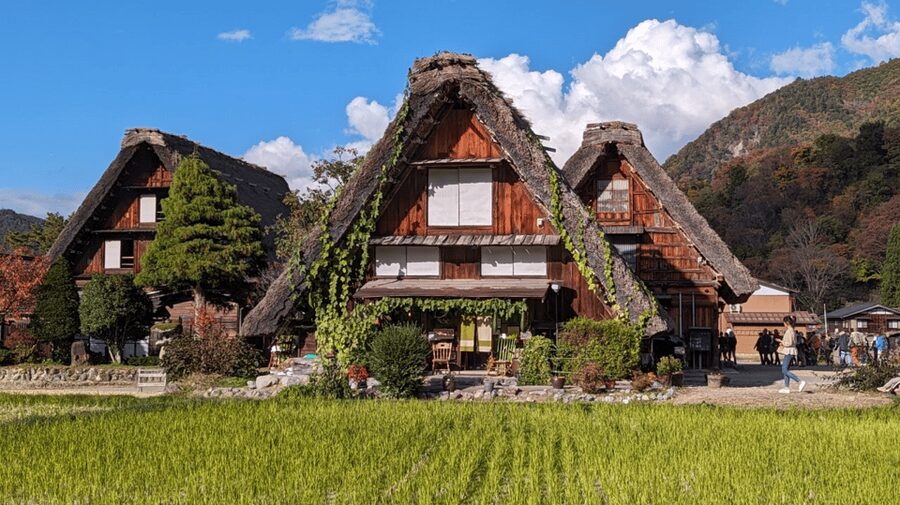
- Shirakawa-go begins with the classic view: The lookout lets you see the gassho-zukuri village before you walk down into its rice paddies and lanes.
- You get guided time and free time: The guide handles orientation and background, while you have time to eat, shop, take photographs, and revisit favorite spots.
- English-language guiding is a major benefit: Guides such as Hemi, Yoshi, Yuko, Hime, and Hemi have been praised for clear explanations, local suggestions, and help with photographs.
- Transport is practical, not luxurious: The bus or van is generally comfortable and well driven, but one traveler found the small bus less comfortable than expected and noted there was no phone charging.
Why this Takayama and Shirakawa-go pairing works
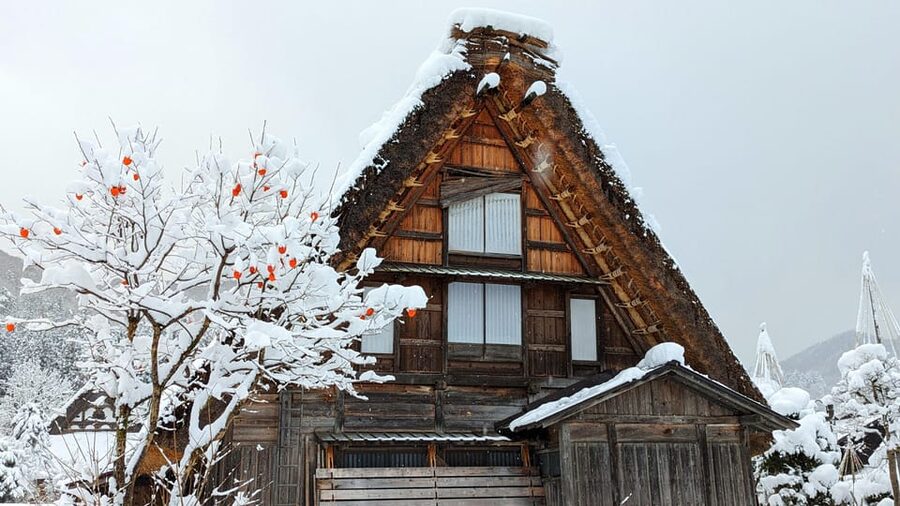
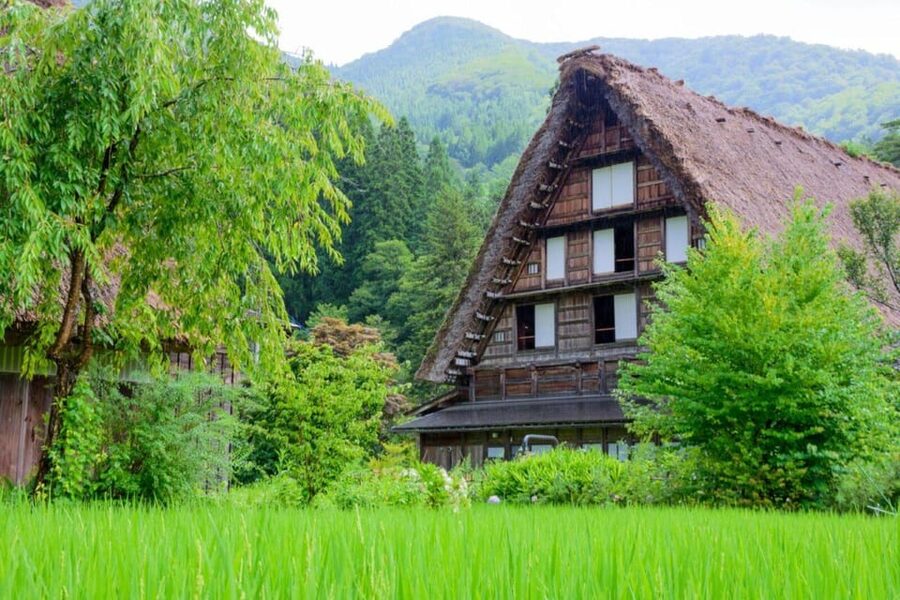
Takayama and Shirakawa-go show two different sides of the Hida region. Takayama gives you a compact historic town, with merchant houses, markets, food, and government buildings. Shirakawa-go gives you a rural settlement shaped by snow, farming, and distinctive architecture.
You could visit both independently, but the logistics are not quite as simple as the map suggests. The tour removes the need to work out the transport between them, then places a guide beside you for the sites where a little explanation makes a big difference.
I especially like the sequence. You start in Takayama with buildings and city history, take a break for lunch, then travel through the mountains to Shirakawa-go. By the afternoon, you are looking at traditional village life from a completely different angle.
The English-speaking guides vary by date. Names attached to particularly well-received tours include Hemi, Yoshi, Yuko, Hime, Yogi, Joyce, Kevin, Devon, and Takasan. The strongest pattern is clear: guides explain history in an approachable way, answer questions about Japanese culture, recommend food, and sometimes take photographs at good viewpoints.
That personal element matters here. Takayama’s streets are pleasant even without help, but a guide can point out why a building looks the way it does, explain the role of sake breweries, and connect the town to the Edo period. At Shirakawa-go, the guide helps you understand why the roofs are built in the gassho-zukuri style and how the village worked as a mountain community.
A few more Takayama half-days to weigh up
- Hida Takayama, Shirakawa-go+Observatory|Day Trip from Nagoya
★ 4.3 · 47 reviews - From Nagoya: Shirakawa-go & Hida-Takayama Full Day Trip
★ 4.3 · 24 reviews - Shirakawago&HidaTakayama&GujoHachiman 1 Day Tour from Nagoya
★ 4.5 · 14 reviews
Meeting at Takayama Station at 9:00
The day begins outside the ticket gates at JR Takayama Station. After leaving the gates, look to your left for a walkway and a carved ornate wagon. Your guide wears a Snow Monkey Resorts tour tag.
A waiting room with benches is nearby, which is useful if you arrive early. Still, you need to leave the waiting room and be at the meeting point by 9:00 AM. This is not the moment to linger over a station coffee.
From the station, you walk about 10 minutes to Takayama Jinya. That first walk is short, but it is worth wearing practical shoes. The tour includes guided walks in both Takayama and Shirakawa-go, and the day involves stairs and uneven surfaces at historic buildings.
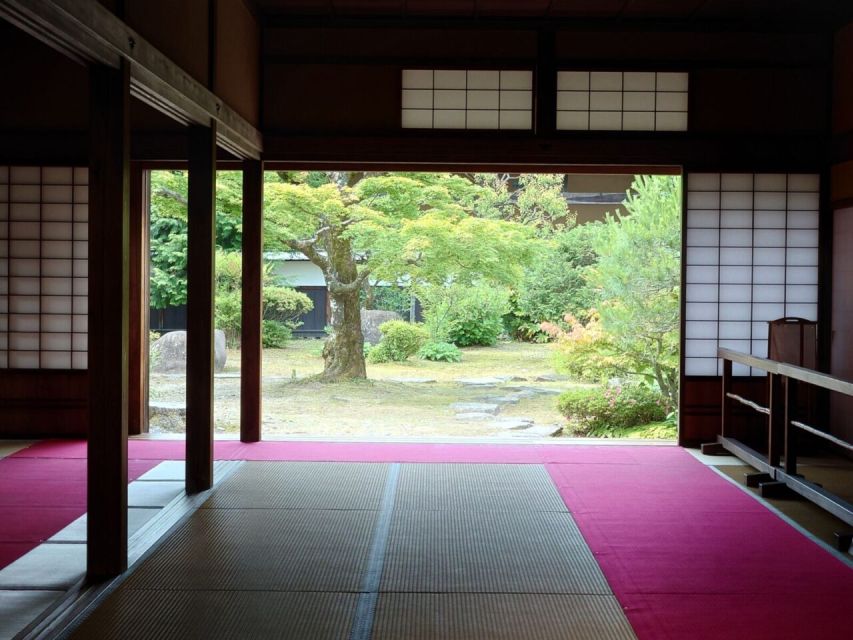
Inside Takayama Jinya, an Edo-period government office
Takayama Jinya is the first major stop, with about an hour for a guided visit. The building served as a local governor’s office during the Edo period and is more than 300 years old.
What makes the visit effective is the setting. You are not just looking at books, tools, artwork, and other objects in a modern display case. You see those items in the type of building where they were used, surrounded by rooms that still convey the order and formality of the old administration.
Your guide explains the building and the wider story of Takayama. The strongest guides, including Yoshi and Yuko, have been praised for walking through the rooms patiently and supplying background that is difficult to pick up by simply wandering around.
Expect a cultural site rather than a fast photo stop. You will get more from it if you pay attention to the layout, the objects, and the contrast between official government space and the merchant town you visit next.
The one practical concern is that traditional buildings may require you to move at a steady pace with the group. If you already know Takayama Jinya well, an hour here may feel longer than necessary. For a first visit, though, the guide gives the building purpose and keeps it from becoming a quick procession through old rooms.
Sanmachi’s preserved merchant streets
After Takayama Jinya, the group walks into Sanmachi, Takayama’s historic district. The guided portion lasts about 30 minutes and ends near the entrance to the Miyagawa Morning Market.
Sanmachi is made for walking. Dark wooden merchant houses line narrow streets, and the preserved facades give you a strong sense of the Edo-period town. The area is also where the tour becomes more sensory. You can browse traditional goods, pause at food shops, and look for local sake.
The guide points out the main sights first, which is a good use of limited time. You get your bearings before deciding what deserves a closer look. Guides have also supplied suggestions for souvenir shopping, dinner venues, sweets, and Hida specialties.
The short guided walk is both a strength and a limitation. It gives you useful orientation without eating into your free time, but it cannot explain every street and building. If Sanmachi interests you most, use the following break to return to the lanes at your own pace.
Same base, a completely different sort of day:
- Kanazawa: World Heritage Shirakawa-go Morning Guided Tour
★ 4.9 · 988 reviews - Kanazawa: World Heritage Shirakawa-go & Two Local Experience
★ 4.9 · 274 reviews - Kanazawa/Takayama: Shirakawago & Takayama Private Day Tour
★ 4.8 · 172 reviews - Departing from Takayama [Regular sightseeing bus] World Heritage Sites Shirakawago and Gokayama Ainokura
★ 4.5 · 137 reviews
Ninety minutes for Hida food and the morning market
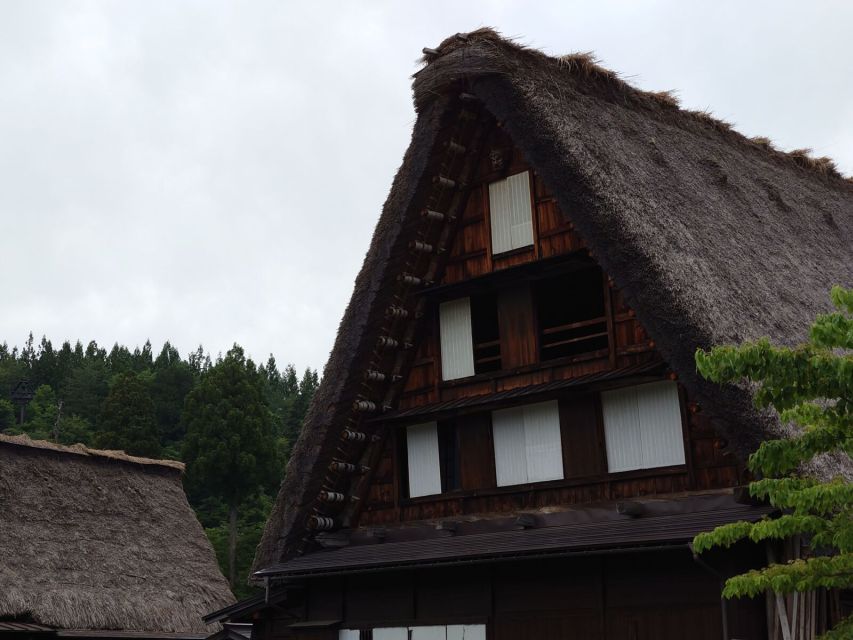
You have about 1 hour and 30 minutes of free time in Takayama. You can explore Miyagawa Morning Market, return to Sanmachi, shop, or find lunch.
Lunch is not included, so plan to pay separately. The time is generous enough for a proper meal, though the best choice depends on what is open and how busy the area is that day. You might look for Hida-region specialties, sake tasting, local sweets, or sushi topped with wagyu beef from nearby ranches.
This is one of the tour’s better design choices. A guide-led lunch can turn into a fixed restaurant stop, while free time lets you choose between a sit-down meal and small snacks. Guides such as Hemi and Yoshi have been especially useful for food suggestions, including sweet treats and local dishes.
If you have already spent a full day in Takayama before booking this tour, the free time may feel repetitive. One person found that portion less useful after exploring the town independently the previous day. If Takayama is new to you, though, 90 minutes gives you enough room to sample the town without rushing.
Keep an eye on the meeting time. Shirakawa-go is the second major part of the day, and the group cannot wait for late shoppers.
The bus ride from Takayama to Shirakawa-go
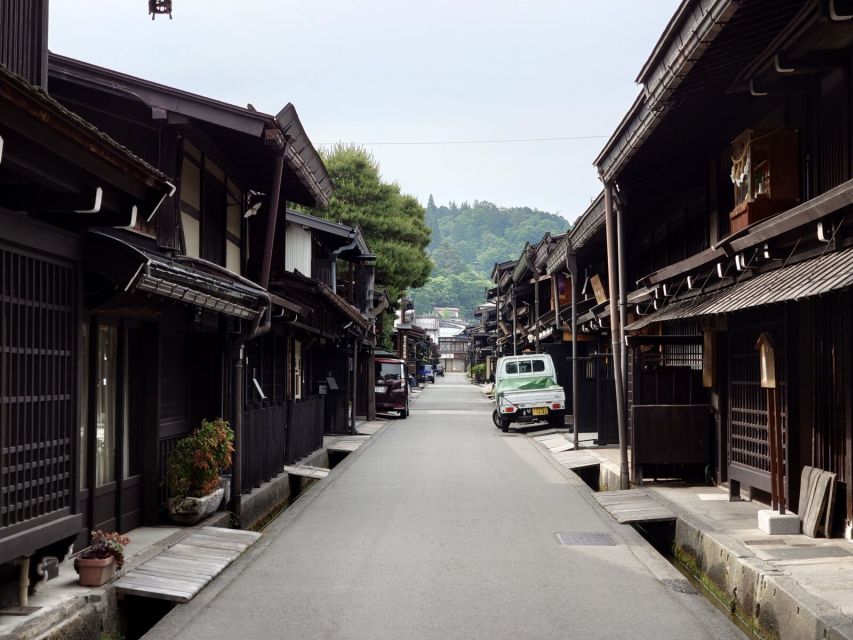
The ride to Shirakawa-go takes about 50 minutes. This is the practical heart of the outing: you travel as a group rather than trying to secure a public bus connection yourself.
Transport has generally been praised for being clean, safe, and well handled. The vehicle may be a bus or small van, depending on the departure. One traveler found the small bus less comfortable, while another noted the lack of power outlets for charging phones. Bring a charged phone, especially if you plan to take photographs throughout the day.
The road gives you a chance to rest after the morning walking. In winter, this transfer is particularly useful because snow can make independent connections more difficult. One January tour was valued for having a minibus in snowy weather, with the driver handling the bends smoothly.
The ride is not merely dead time. Your guide may continue explaining the region, Japanese customs, local food, and the villages ahead. Several guides have been praised for keeping the group interested with facts and stories during the longer portions of the day.
Shirakawa-go starts at the famous lookout
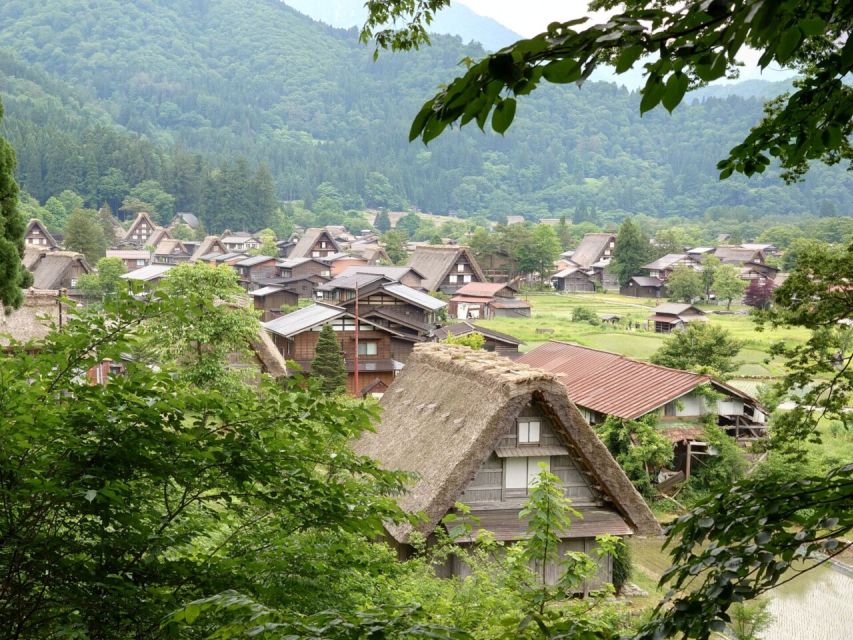
The Shirakawa-go portion begins with a climb or ride to a well-known lookout point. From above, you see the village spread among rice paddies, with rows of traditional gassho-zukuri houses and mountain scenery around it.
This is the view most people associate with Shirakawa-go, and the order is smart. You first understand the village as a whole, then follow the guide downhill into the streets. It gives the architecture a setting and helps you see how the settlement fits together.
The guided portion lasts about 1 hour and 30 minutes, including scenic views and stops. Your guide leads you down toward the paddies and explains the village’s main features. You will see the largest hamlet of gassho-zukuri houses in Japan.
The roofs are the visual signature of Shirakawa-go, but the important point is that they belong to working village architecture, not a decorative theme park. The tour gives you a chance to think about how local homes, farm buildings, and the surrounding fields fit together.
Weather can change the mood of the stop. Snow, rain, or cloud may soften the famous view, and no guide can control that. The village still has value in poor weather, but you should keep your expectations flexible if the photograph you want depends on clear mountain visibility.
Myozenji Museum and Kanda House
The walking tour includes photo stops and guided visits connected with the Myozenji Museum and Kanda House. These stops add interiors and household detail to the broad view from the lookout.
Kanda House is one of the traditional farmhouses associated with Shirakawa-go’s distinctive architecture. Inside, you can better understand the scale and construction of the buildings than you can from the road. The Myozenji Museum adds another look at local objects and village life.
The precise flow can depend on availability and conditions. The operator notes that some listed activities require confirmation and may need adjustment. If a particular house or museum is unavailable, the schedule can change, so treat the published stops as the planned shape of the visit rather than an absolute guarantee.
That said, the guided format remains useful even if the order shifts. The value is not only entering one named building. It is learning how to read the houses, lanes, paddies, and village layout.
One hour to explore Shirakawa-go independently
After the guided walk, you have about an hour for your own sightseeing. This is enough time to revisit a favorite house, browse shops, eat lunch or a snack, and take more photographs.
The main street offers snacks and shopping, while a traditional mountain farmhouse provides another possible stop. The free hour is not long enough for an unhurried exploration of every corner, so choose one or two priorities before the guide releases you.
I would use this time for the things that do not suit a group. Stop for a snack, linger at a view, browse at your own speed, or return to a detail you noticed during the guided walk. If you want to visit a particular interior, ask the guide about timing before setting off.
The itinerary also lists Shirakawago Three Houses and a hop-on hop-off stop. These entries suggest additional photo and transport points within the village area, but the exact operation may vary with the day’s schedule and availability.
The return trip and the real value of $158
The return ride takes about one hour, and the listed drop-off locations include Takayama Station and Kanazawa Station. Check the arrangement for your date if the final stop matters to your onward plans.
At $158 per person, this is not a bargain basement excursion. You are paying for roundtrip transportation, an English-speaking guide, entry to Takayama Jinya, guided walks in both destinations, and the convenience of combining two difficult-to-link places in one day.
The value improves if you are staying in Takayama and want to avoid arranging transport to Shirakawa-go yourself. One person specifically preferred this option to tours departing from Nagoya because it meant less travel time and more time at the sights.
The price may feel high if you are comfortable managing public transport, already know Takayama, or prefer to spend a whole day in one village. It is also worth remembering that lunch is extra. Still, the 4.9 rating from 113 ratings and the 94 percent perfect score for transport point to a service that is generally well organized.
The guides are the strongest reason to pay the premium. A good guide can explain the rooms at Takayama Jinya, point out food worth trying, answer questions about Japanese society, and show you better photo spots at Shirakawa-go. That is a meaningful upgrade over simply arriving, taking pictures, and leaving.
Who should book this day trip?
I would recommend it to first-time visitors who want a clear introduction to the Hida region. It works especially well if you have only one free day, want English explanations, or do not want to gamble on public transport connections to Shirakawa-go.
It is also a good fit for families and couples who value help with photographs and local food suggestions. Guides have adapted the pace and emphasis for different interests, and some small departures have felt quite personal when only a few people booked.
You should think twice if you dislike group schedules or want a slow photographic study of Shirakawa-go. The day has fixed meeting times, a long transfer, and limited independent time. It is also not the right choice if you want lunch included or prefer a luxury vehicle with charging facilities.
The walking is manageable for most reasonably active visitors, but the tour does not provide a detailed accessibility statement. Historic buildings, village streets, and the lookout route may involve uneven ground or stairs, so ask the operator before booking if that is important for you.
Cancellation is flexible up to 24 hours before departure for a full refund, and you can reserve now and pay later. Availability can change, particularly for named buildings and other scheduled stops, so confirm the final details for your date.
Should you book the Takayama and Shirakawa-go tour?
Book it if you want maximum sightseeing in one day without sacrificing explanation. The mix of Takayama Jinya, Sanmachi, local food time, Shirakawa-go’s lookout, traditional houses, and free exploration is well judged.
I would not book it solely for a quiet day in Shirakawa-go. You will spend much of the day moving between sights, and the price is higher than arranging a simple self-guided visit. But if you are based in Takayama, the transport is convenient, the guide adds genuine value, and the two destinations complement each other beautifully.
FAQ
Where does the tour begin?
The tour begins outside the ticket gates at JR Takayama Station. Look to the left after leaving the gates for a walkway and a carving of an ornate wagon.
What time should I meet the guide?
You should be at the meeting point by 9:00 AM. A nearby waiting room has benches if you arrive early, but you need to leave it before the meeting time.
How long does the tour last?
It is a full-day experience. The schedule includes morning and afternoon sightseeing, bus rides between destinations, and a return journey to the listed drop-off locations.
Is the tour conducted in English?
Yes. The tour includes a live English-speaking guide.
Is transportation included?
Yes. Roundtrip transportation from Takayama is included, with bus or coach transfers to and from Shirakawa-go.
Is lunch included?
No. Lunch is not included, but you have about 1 hour and 30 minutes of free time in Takayama and about one hour of free time in Shirakawa-go to choose and pay for food yourself.
Is entry to Takayama Jinya included?
Yes. Admission to Takayama Jinya is included in the tour price.
How much free time do I get in Takayama?
You have about 1 hour and 30 minutes after the guided walks in Takayama. You can visit the Miyagawa Morning Market, return to Sanmachi, shop, or eat.
How much free time do I get in Shirakawa-go?
You have about one hour of independent time after the guided portion. You can take photographs, shop, eat snacks, or revisit places you saw with the guide.
Can I cancel the booking?
You can cancel up to 24 hours in advance for a full refund. The reserve-now, pay-later option is also available.
Just added around Takayama
- Private Afternoon Cycling Tour in Hida-Furukawa★ 5.0 · 109 reviews
- Gifu Samurai Sword Town;Japanese Damascus Knife Making Experience★ 5.0 · 27 reviews
- Private-group Morning Cycling Tour in Hida-Furukawa★ 5.0 · 105 reviews
- Short Morning Cycling Tour in Hida★ 5.0 · 17 reviews
- Magome & Tsumago Nakasendo Full-Day Private Trip with Government-Licensed Guide★ 5.0 · 20 reviews
- Magome & Tsumago Nakasendo Trail Day Hike with Government-Licensed Guide★ 5.0 · 38 reviews
- Frozen fall trekking★ 5.0 · 21 reviews
- Explore Kiso Valley : Magome – Tsumago Mountain Trail Walk★ 5.0 · 33 reviews
Takayama Tours, compared.
World Heritage Shirakawa-go Morning Guided Tour
Read our review →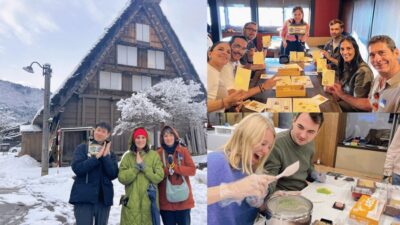
World Heritage Shirakawa-go & Two Local Experience
Read our review →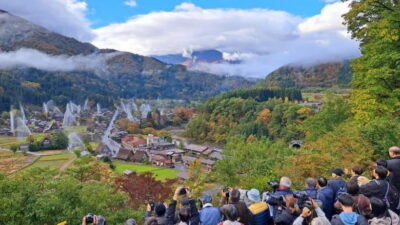
Kanazawa/Takayama: Shirakawago & Takayama Private Day Tour
Read our review →![Departing from Takayama [Regular sightseeing bus] World Heritage Sites Shirakawago and Gokayama Ainokura](https://media3.thejapanesetraveller.com/wp-content/uploads/departing-from-takayama-regular-sightseeing-bus-world-heritage-sites-shirakawago-and-gokayama-ainokura-400x267.jpg)
Departing from Takayama [Regular sightseeing bus] World Heritage Sites Shirakawago and Gokayama Ainokura
Read our review →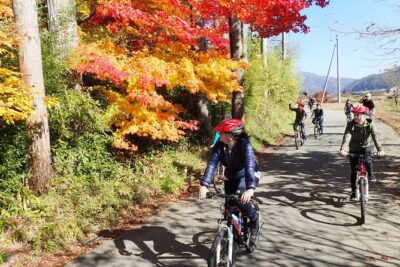
Private Afternoon Cycling Tour in Hida-Furukawa
Read our review →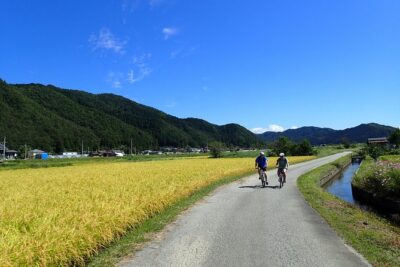
Private-group Morning Cycling Tour in Hida-Furukawa
Read our review →
Onigiri and miso soup making at a buddhist temple
Read our review →
Browse the lists this tour appears in