
Reviewed · OSAKA TOURS
Osaka: Main Sights and Hidden Spots Guided Walking Tour
Osaka’s story changes block by block on this four-hour tour. You begin with the grand stone walls of Osaka Castle, pass through the narrow streets of Tsuruhashi Korea Town, rise above the city at Harukas, and finish among the signs, food stalls, and odd little shops of Namba. It is a fast, useful introduction to old and modern Osaka.
I like two things in particular. First, the route shows neighborhoods you might not connect on your own, including Korea Town, Shinsekai, and Doguyasuji. Second, the guides bring more than dates and names. Guides such as Kevin, Ferdinand, Oisin, and Bryan have helped visitors understand local customs, Japanese society, food, and the city’s merchant roots.
The tradeoff is simple: this is a packed route, not a slow wandering tour. You use public transport between districts, pay for that transport yourself, and can expect more than 10,000 steps. There are no planned food stops, so bring water and a snack budget.
Key points at a glance
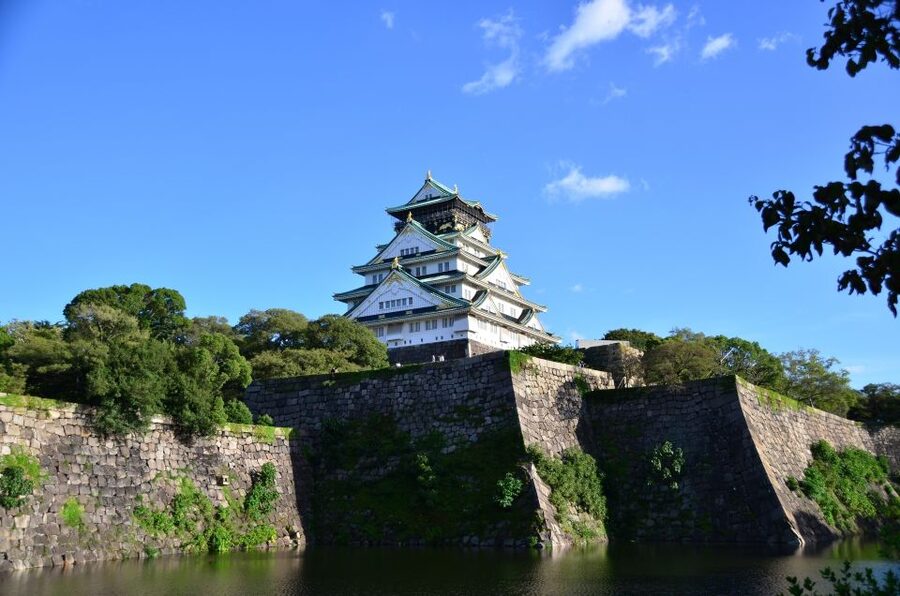
- Osaka Castle without the interior visit: Spend about 75 minutes in the park, learning how Osaka nearly became the prize of a 400-year-old power struggle.
- Tsuruhashi Korea Town: Walk narrow pre-war commercial lanes and see a side of Osaka often missed by first-time visitors.
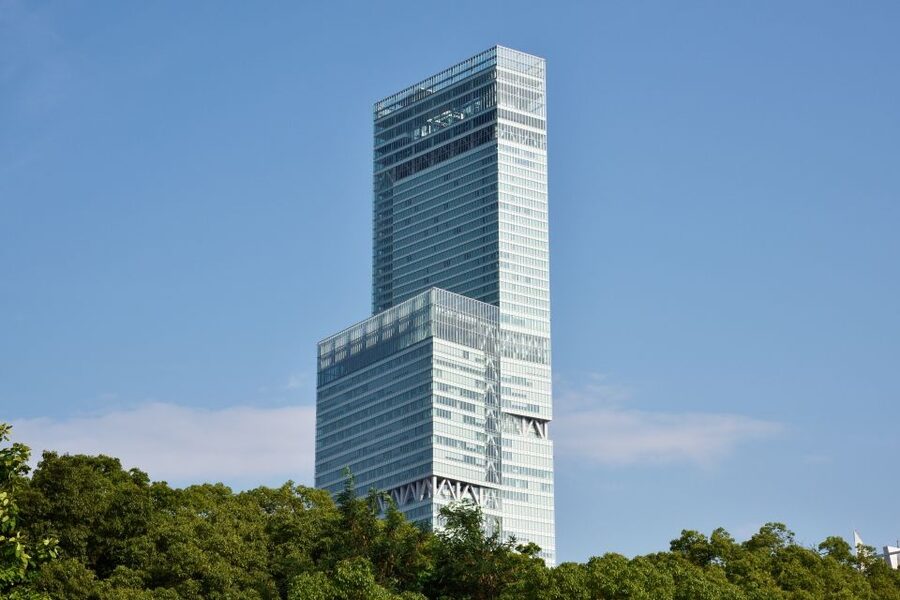
- Harukas city views: Look out from a high floor of Abeno Harukas before exploring the department store food hall below.
- Shinsekai and Namba together: Compare an aging entertainment district with the neon-heavy center of present-day Osaka.
- Dotonbori, Kuromon, and Doguyasuji: See Osaka’s famous food culture through signs, markets, kitchen tools, wax food displays, and giant pottery.
- A guide-led orientation: Expect history, cultural context, photo help, and practical advice for the rest of your Osaka stay.
Why this Osaka route works so well in four hours
Many Osaka tours stay inside one district. This one gives you a broad city sketch, linking major sights with less obvious neighborhoods. You do not spend four hours staring at the same type of attraction. Instead, the day moves from castle grounds to Korean streets, from a skyscraper view to an old entertainment quarter, then into the shopping and food heart of Namba.
That range is the main reason I see value in the $59 price. You are not paying for entry to a long list of paid attractions. The included product is a guide who helps you make sense of Osaka while handling the route between several districts. You still pay for trains, food, and any purchases, but the tour can save you the trial and error of finding these areas yourself.
The pace also makes sense for a first day. You get enough background to recognize Osaka’s big themes: power, trade, migration, food, entertainment, and practical urban life. Afterward, you can return to the neighborhood that caught your attention.
More walking tours in Osaka:
- Osaka: Hotspots & Hidden Gems Walking Tour Private or Group
★ 4.9 · 1,300 reviews - Osaka Local Foodie Walking Tour in Dotonbori and Shinsekai
★ 5.0 · 985 reviews - Osaka Bar Hopping Night Walking Tour in Namba (3 bars, 6 tastes)
★ 5.0 · 958 reviews
Starting at Tanimachiyonchome and meeting the guide
The tour begins above ground at Exit 2 of Tanimachiyonchome Station. This detail matters because Osaka’s stations can have several exits, and meeting underground or at the wrong street corner can waste the first part of a half-day tour.
If you arrive by taxi, use the Tanimachi 3-chome intersection name, written as 谷3交差点. Plan to reach the meeting point early. One past booking had a late guide, but the tour still went ahead, and the larger pattern is of guides who are attentive and easy to talk with.
The available tour languages are English, French, and Spanish. Private or small-group arrangements are available, which can be useful if you want more room for questions or need a little flexibility. The provider may offer different guides, so do not assume you will get Kevin, Ferdinand, Oisin, Bryan, or another particular person unless that is confirmed with your booking.
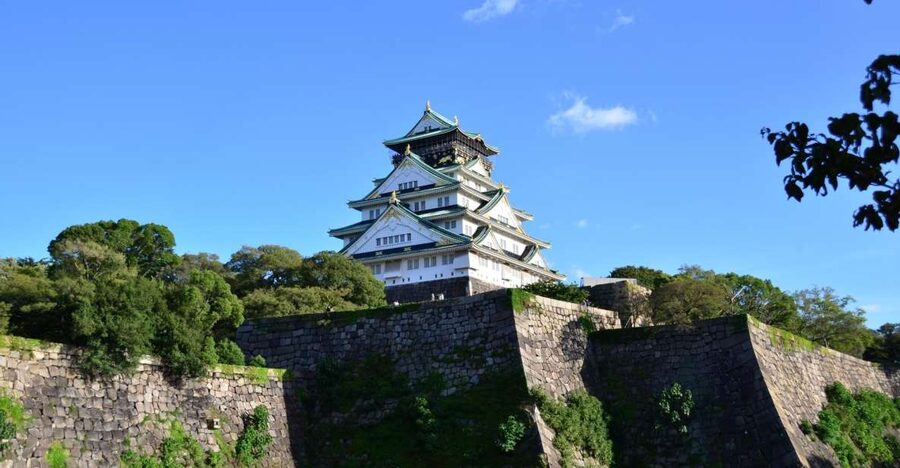
Osaka Castle Park: history outside the famous walls
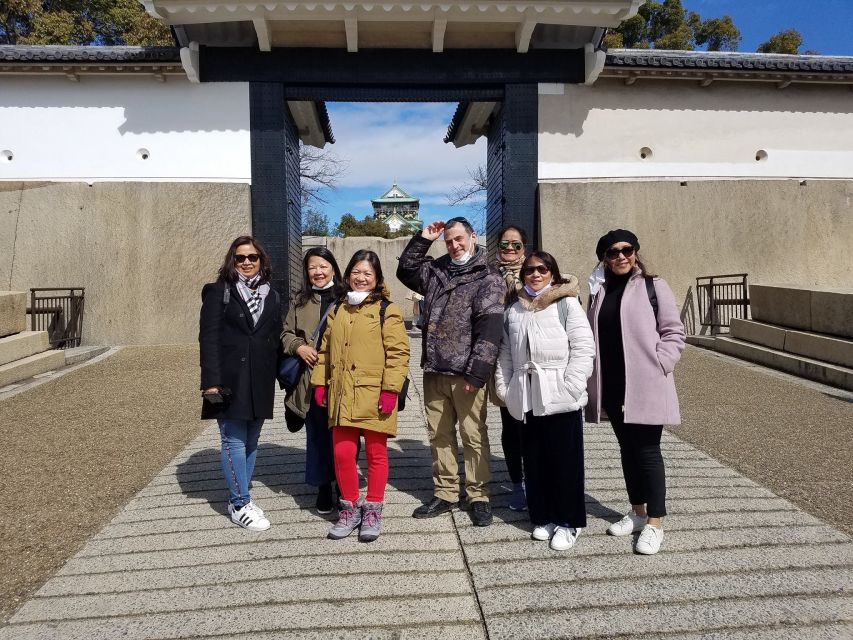
The first major stop is Osaka Castle Park, with about 75 minutes for guided sightseeing. You do not go inside the castle, so this tour is not a substitute for a museum visit or an interior castle tour.
You do, however, get time to admire the imposing exterior and walk through the broad park around it. The open grounds give your guide room to explain Osaka’s place in Japanese power struggles, including how the city was nearly taken from Japan about 400 years ago. That story gives the castle more weight than a quick photo stop.
The park is also a useful contrast to the districts later in the day. Here, Osaka feels ceremonial and spacious. Later, you will be squeezed into lanes built for commerce, food, and entertainment.
I like that the tour does not pretend the exterior is the whole castle experience. If you want to see the inside, you can return later on your own. For this tour, the value is the setting and the explanation, not an extended visit to the building.
Tsuruhashi: Osaka’s Korean neighborhood in narrow lanes
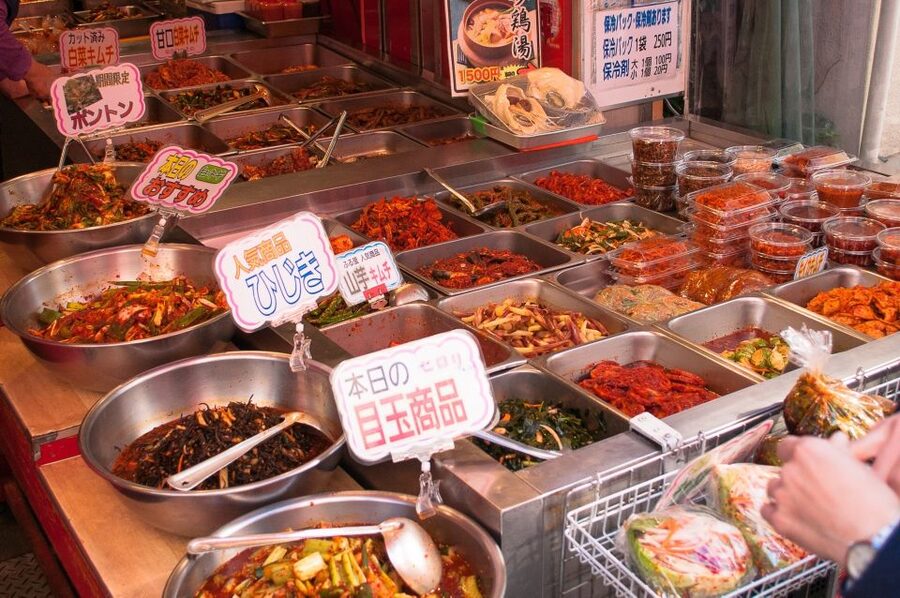
A short train ride takes you to Tsuruhashi, where the tour enters a maze of Korea Town streets. This is one of the route’s most distinctive stops because it changes the subject from feudal rulers to migration, commerce, and everyday city life.
You walk through a pre-war commercial district with tight alleys and small shops. The setting is less polished than Osaka Castle Park and far more intimate. Depending on the day and the businesses open, you might find Korean food, snacks, and local shopping along the way. The tour information does not promise a meal, so treat this as a neighborhood walk with possible snack opportunities, not a food tour.
The guides have been especially useful here because the area raises questions about Japanese and Korean culture and how different communities live within modern Japan. A good guide can provide context without reducing the neighborhood to a photo backdrop.
This is also a point where the walking pace matters. The streets are narrow, and the route involves public transport before and after the stop. Keep your group together and wear shoes that can handle several hours on pavement.
A few more Osaka half-days to weigh up
- Osaka Go Karting Tour with Funny Costume
★ 5.0 · 2,658 reviews - Osaka Castle: Museum and Tower Entry Ticket
★ 4.5 · 2,380 reviews - Osaka: Shinsekai Food Tour with 13-15 Dishes at 5 Eateries
★ 4.8 · 2,204 reviews - Osaka Food Tour: 13 Dishes at 5 Local Eateries
★ 5.0 · 2,149 reviews
Abeno Harukas: a high view and a look at Osaka’s food economy
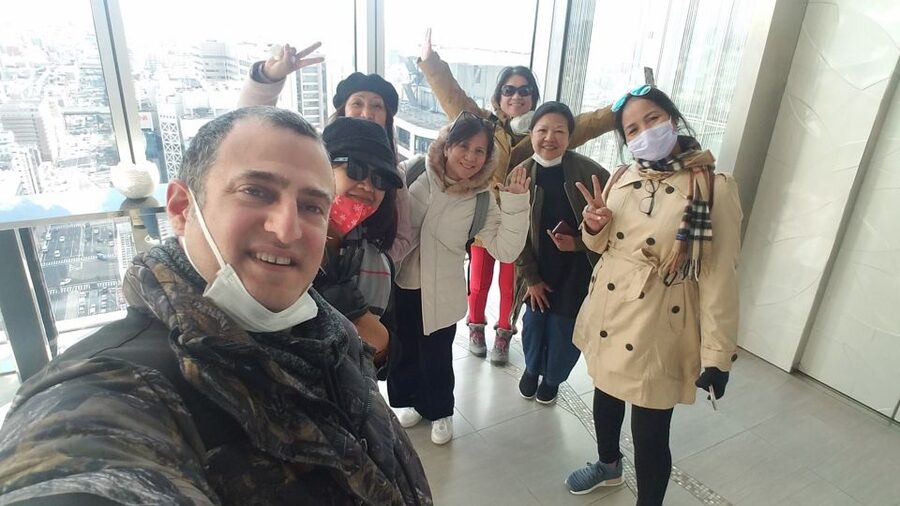
Next comes Abeno Harukas 300, Osaka’s well-known high-rise complex. The scheduled stop lasts about 30 minutes and includes a view from one of the upper floors.
The appeal is straightforward: after walking through dense streets, you see how wide Osaka really is. The high viewpoint helps you understand the city as a large connected urban area rather than a collection of separate tourist zones. It is also one of the tour’s strongest photo opportunities.
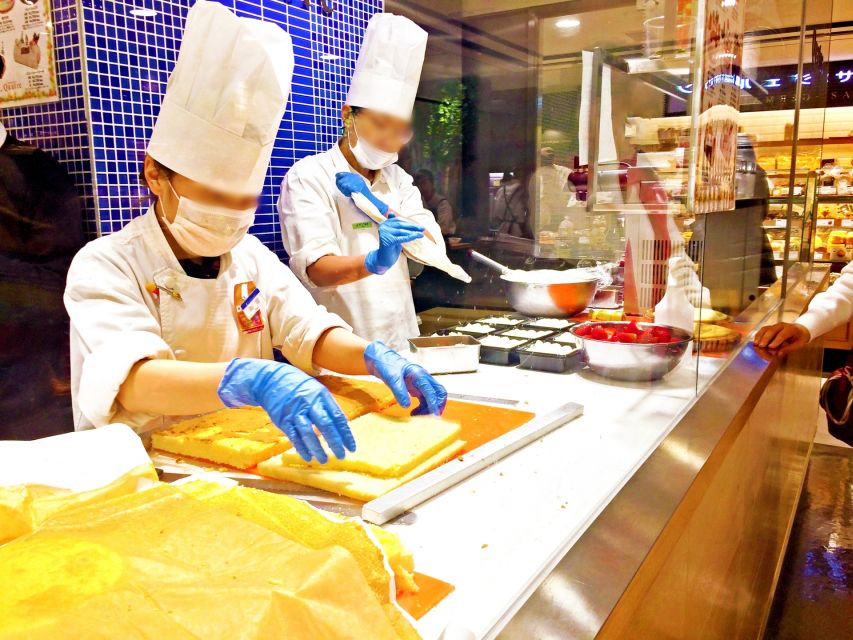
The stop then moves underground into the department store food hall. Here, you can look at premium Japanese ingredients and prepared foods, including puffer fish and Kobe beef. These displays are useful even if you do not buy anything. They show how much care, status, and presentation can surround food in Japan.
Do not count on this section as lunch. Food and drink are not included, and there are no formal food stops. You may be able to buy snacks along the way, but a proper meal should be planned before or after the tour.
Shinsekai: an older Osaka that feels slightly worn
Not far from Harukas is Shinsekai, a traditional entertainment district with a more weathered look. The route presents it as a place that has been left partly frozen in time, with local landmarks that are a little crumbling rather than freshly polished.
That is precisely why the stop works. Osaka is famous for its cheerful, informal character, and Shinsekai shows a less glossy version of it. The district helps explain how the city’s entertainment culture developed around inexpensive food, local amusements, and working neighborhoods.
Your guide’s commentary matters here. On your own, you might see an old-looking street and move on. With context, you can place Shinsekai within the wider story of Osaka’s 19th, 20th, and 21st-century development.
Do keep expectations realistic. This is guided sightseeing, not a long restaurant crawl or a scheduled visit inside every landmark. If you want to eat the district’s famous local dishes, save time for a separate visit.
Namba and Dotonbori: Osaka’s present-day stage
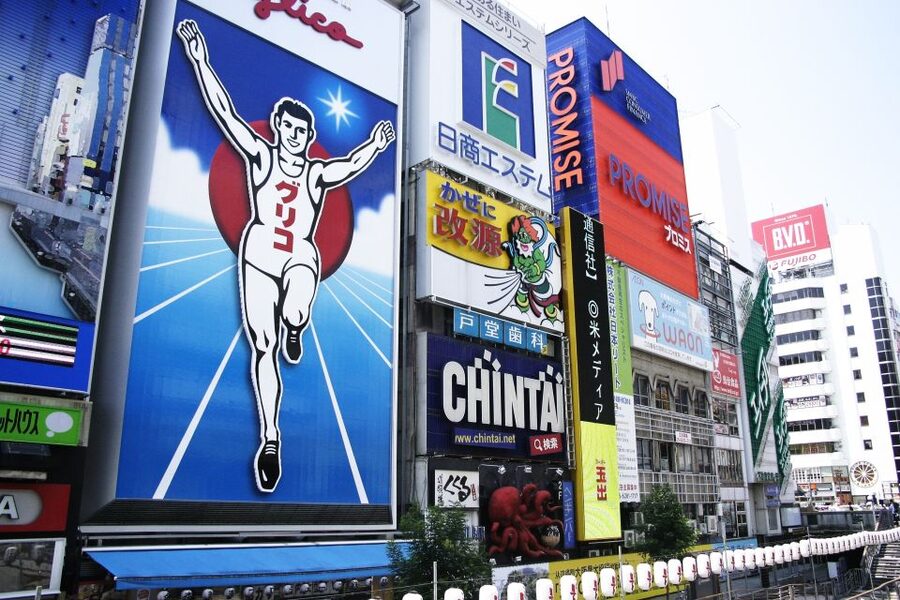
The tour then heads to Namba, the center of Osaka’s shopping, dining, and entertainment culture. This is where the city’s playful side takes over.
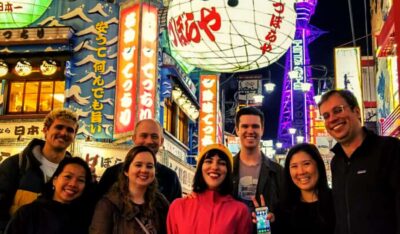
Dotonbori is often compared with Times Square because of its oversized signs, bright lights, and constant visual noise. The comparison is useful, but Dotonbori feels more compact and more tied to food and pedestrian lanes. You will see the famous canal-side area, then turn into back streets where each lane has its own mix of restaurants, signs, and small surprises.
This is a good place for your guide to point out photo angles. Several guides, including Kevin and Bryan, have been praised for helping with family photographs and showing people where to frame the city. That sort of help can be valuable when you are traveling with a group and want more than hurried snapshots.
Dotonbori is also the busiest section of the walk. You may encounter crowds, especially around the most photographed signs and restaurant strips. The guide helps you navigate, but the route cannot remove the crowds. Stay alert, keep personal items secure, and allow time after the tour if you want to eat here.
Kuromon Ichiba and Doguyasuji: food culture beyond a restaurant
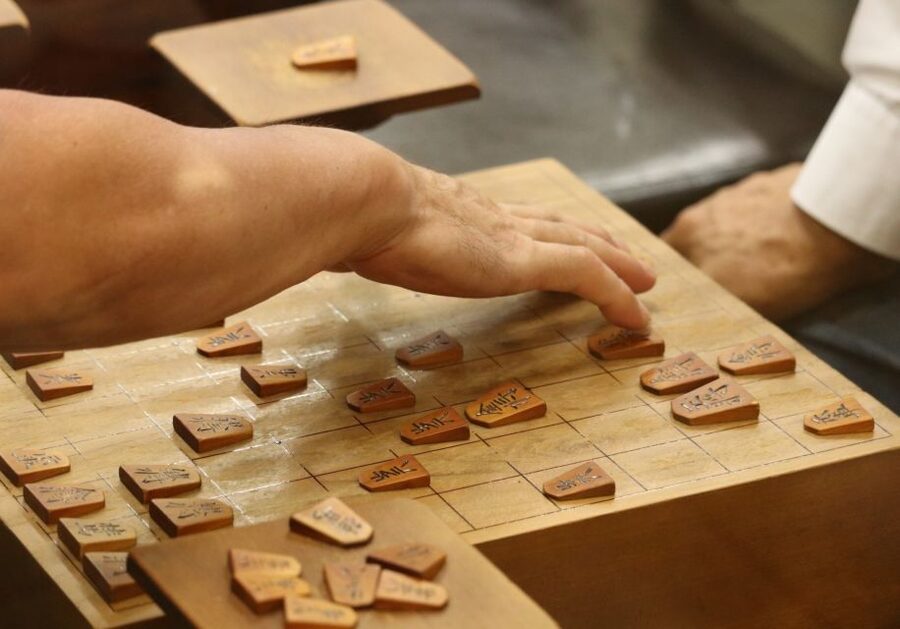
Kuromon Ichiba is a fresh fish market with more than 150 years of importance to Osaka’s food trade. The market gives you a chance to see ingredients and food businesses up close, although the tour does not include tastings or a set meal.
This stop is best understood as a look at how Osaka’s merchant culture works. You see the buying and selling of food, the importance of freshness, and the way the city’s identity is tied to eating well. If something catches your eye, you can buy a snack, but remember that purchases are your responsibility.
The final area is Doguyasuji, a kitchen and cooking district. Here you can browse wax food models, Japanese noren curtains, and oversized pottery. The displays are fun, but they are also practical. They show the tools, signs, and visual details that help restaurants operate and attract customers.
Doguyasuji is a particularly good finish because it takes you away from sightseeing icons and into the working side of Osaka. You see the supplies behind the restaurants you pass in Dotonbori and Namba.
The official finish is at 1-chome-4-2 Nanba, Chuo-ku, Osaka. From there, you are well placed for further shopping, dinner, or another look at the Namba streets.
What the guides add to the route
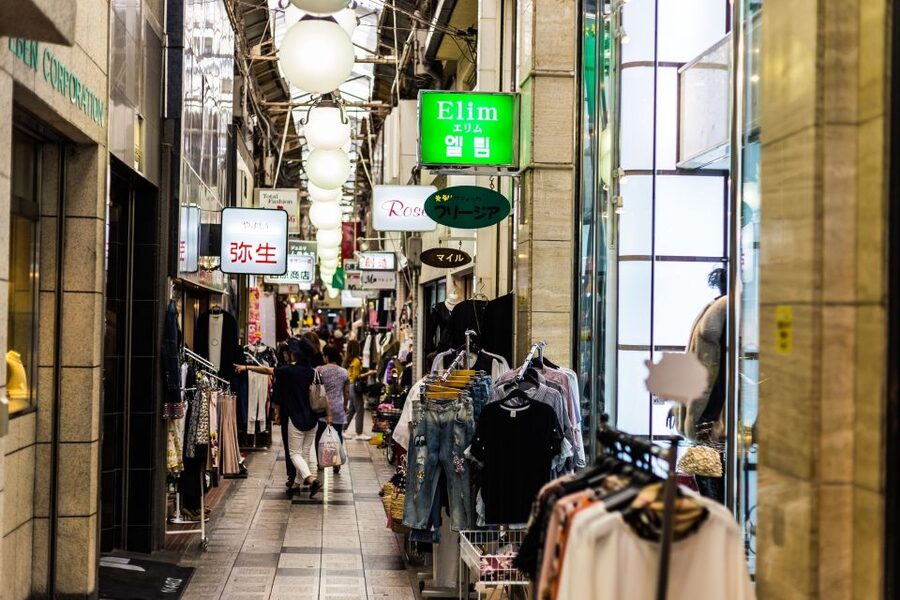
The strongest part of this experience is not simply the number of stops. It is the explanation connecting them.
Ferdinand has been described as an engaging storyteller at Osaka Castle and as someone who explains modern culture as well as Japanese history. Kevin has been praised for clear explanations of social customs, cultural differences, and local life, along with practical food suggestions. Oisin has been noted for giving the larger picture without drowning people in small details.
Bryan has helped visitors navigate Korea Town, markets, and Namba, and has kept teenagers interested. Other guides, including Jamie, Hugo, Ethan, Andrew, Joshua, and Lito, have been described as friendly, patient, and helpful with questions, photographs, and onward plans.
Those individual styles will vary. Still, the pattern points to a tour that works best when you ask questions. Ask about Osaka dialect, food etiquette, local neighborhoods, religion, migration, or where to eat later. The guide’s value grows when the tour becomes a conversation rather than a speech.
Walking, trains, weather, and the real pace
This is sold as a walking tour, but it is really a walking and public transport tour. Trains connect the districts, and transportation is not included in the $59 price.
The provider recommends buying a subway day pass for getting to the meeting point and moving around during the tour. That can make the day simpler, but you should check current fares and pass conditions before buying. The important point is to budget for transport separately.
Four hours sounds moderate, yet the route covers a lot. One booking described tired legs by the end, and another estimated more than 10,000 steps. Wear comfortable shoes, carry water, and do not schedule an exhausting evening immediately afterward if you know long walks wear you down.
The tour runs rain or shine. Osaka’s weather can change the feel of the route, especially in open castle grounds and crowded outdoor shopping streets. Bring suitable rain protection and keep your phone protected if the forecast is poor.
The information describes the activity as wheelchair accessible but also says it is not suitable for people with mobility impairments. Because the route includes substantial walking, narrow market streets, station changes, and public transport, you should contact the provider before booking if accessibility is important to you.
Who should book this Osaka tour?
I would choose this tour if you have one day in Osaka, are arriving for the first time, or want a clear orientation before exploring alone. It is also a good match if you like history but do not want four hours inside museums.
Families can benefit from the variety. Castle grounds, a high viewpoint, food halls, unusual shops, and bright Dotonbori signs give younger travelers several changes of scene. A guide such as Bryan or Kevin may also help keep children and teenagers involved, but the walking distance remains a real consideration.
Food-focused visitors should book with a small adjustment in expectations. You will see markets, ingredients, kitchen shops, and possible snack stops, but you will not receive a planned food tasting itinerary. Use the tour to learn where to return for meals.
I would skip it if you prefer a slow neighborhood walk, dislike trains, need frequent seated breaks, or already know Osaka well. The route is broad and efficient, not leisurely.
Pickup from a central Osaka hotel or from Tempozan Ferris wheel can be arranged for an additional 5,000 yen, payable in cash to the guide or through a secure payment link. Otherwise, make your own way to Tanimachiyonchome.
Is $59 good value?
At $59 per person, the price is reasonable for a four-hour guided introduction, especially if you use the guide’s advice for the rest of your stay. The tour covers several districts that would take planning to connect efficiently, and the historical and cultural commentary gives the route more purpose than a checklist of photo stops.
The price is not all-inclusive. Add subway or other public transport costs, food, drinks, shopping, and possibly the pickup fee. You also do not enter Osaka Castle, so budget for a separate interior visit if that is important to you.
The free cancellation window is practical: cancel up to 24 hours in advance for a full refund. You can also reserve now and pay later, which helps if your Osaka schedule is still shifting.
There is one unusual condition for solo visitors. If the minimum of two guests is not met, the provider may offer an alternate date, a 4,000-yen solo supplement, or a full refund. Check this before booking if you are traveling alone.
Final verdict: book it for orientation, not for a slow stroll
Book this Osaka walking tour if you want a smart first look at the city and enjoy moving between very different districts. The combination of Osaka Castle Park, Korea Town, Harukas, Shinsekai, Dotonbori, Kuromon, and Doguyasuji gives you far more range than a standard downtown walk.
The best reason to go is the guide’s local explanation. You see the main sights, but you also learn why Osaka feels different from Tokyo, how merchant culture shaped the city, and where modern food and entertainment fit into its past.
Just arrive ready to walk, pay for transport and food separately, and accept that the schedule is full. If that sounds like your kind of half-day, $59 is a fair price for getting your bearings fast and finding several places to revisit on your own.
FAQ
How long does the Osaka walking tour last?
The tour lasts four hours.
Where does the tour begin?
Meet above ground at Exit 2 of Tanimachiyonchome Station. If arriving by taxi, use the Tanimachi 3-chome intersection name, written as 谷3交差点.
Where does the tour finish?
The tour finishes at 1-chome-4-2 Nanba, Chuo-ku, Osaka, 542-0076, Japan.
Does the tour go inside Osaka Castle?
No. You visit Osaka Castle Park, admire the castle exterior, and learn about its history, but the interior is not included.
Is transportation included?
No. Transportation is not included. The provider recommends buying a subway day pass for reaching the meeting point and traveling during the tour.
Are food and drinks included?
No. There are no planned food stops, though you may have chances to buy snacks along the way.
Which languages are available?
The tour is offered in English, French, and Spanish.
Is hotel pickup available?
Hotel pickup in central Osaka and port pickup at the Tempozan Ferris wheel are available for an additional 5,000 yen. The fee can be paid in cash to the guide or through a secure payment link.
What should I bring, and does the tour run in bad weather?
Bring comfortable shoes. The tour runs rain or shine, so bring suitable rain protection when needed.
Just added around Osaka
- Discover Real Osaka: A Cultural Walk with Food & Drink★ 5.0 · 13 reviews
- Private Airport transfer Kansai Intl. Airport(KIX) to OSAKA CITY★ 4.5 · 12 reviews
- From Osaka/Kyoto: Kyoto & Nara Day Trip with Optional Lunch★ 4.5 · 79 reviews
- Osaka 6hr Private Walking Tour with Government Licensed Guide★ 5.0 · 174 reviews
- Osaka: Namba Local Food Walking Tour (Taste 15 Dishes)★ 5.0 · 20 reviews
- Osaka Delights: Traditional Japanese Food Tour★ 4.5 · 33 reviews
- Badminton in Osaka & Kyoto with Locals!★ 5.0 · 15 reviews
- From Osaka or Kyoto: Kyoto and Nara 1-Day Bus Tour★ 3.5 · 141 reviews
Osaka Tours, compared.
Shinsekai Food Tour with 13-15 Dishes at 5 Eateries
Read our review →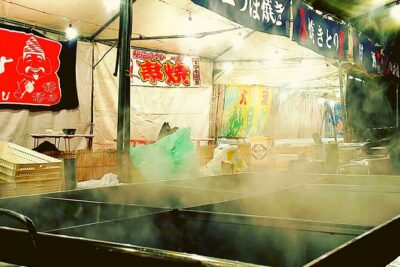
Osaka Food Tour: 13 Dishes at 5 Local Eateries
Read our review →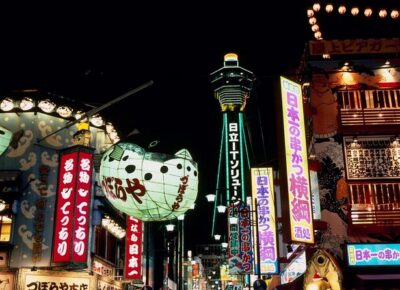
Hungry Osaka Street Food Tour:15 Tastings & 3 Drinks with a Local
Read our review →
Hotspots & Hidden Gems Walking Tour Private or Group
Read our review →Browse the lists this tour appears in