
Reviewed · OSAKA TOURS
Osaka: Shinsekai Food Tour with 13-15 Dishes at 5 Eateries
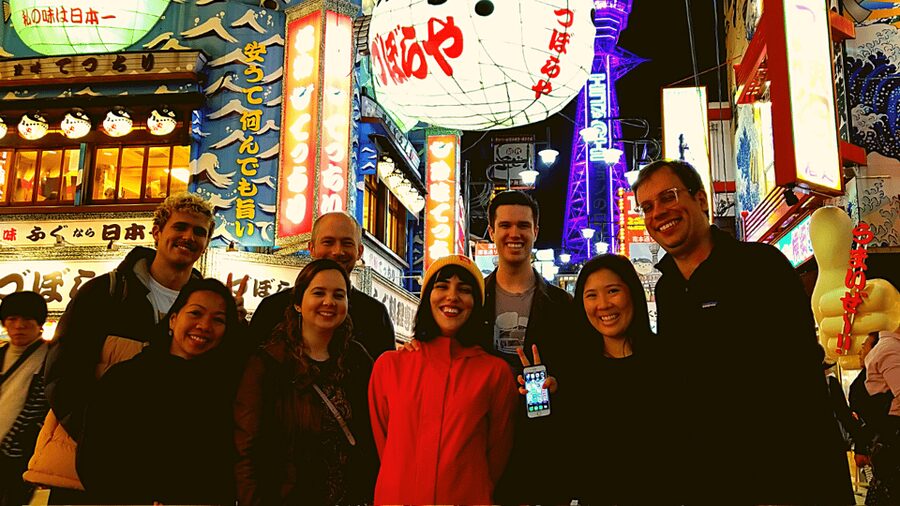
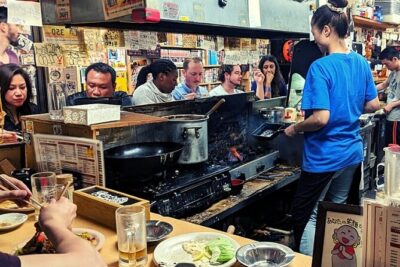
Shinsekai is the kind of Osaka neighborhood best explored with an appetite and a guide who knows which unassuming doorway leads to good food. This three-hour walk takes you to five small eateries for 13 to 15 dishes, including takoyaki, kitsune udon, kushikatsu, gyoza, yakitori, and tonpeiyaki. You eat in arcades and side streets where menus may be Japanese-only, which gives the evening a more local feel than a standard restaurant crawl.
I love the variety: you move from a food stall to an izakaya, a classic neighborhood restaurant, a gastrobar, and a specialist dumpling shop. I also like the small group limit of nine, since guides such as Kevin, Taka, Mio, and Tommy can explain the food, answer questions, and keep the group together without making the evening feel managed. The main caution is dietary: this tour is not suitable for vegans or people with gluten intolerance, and even pescatarians may need to skip a couple of dishes.
Key points before you book
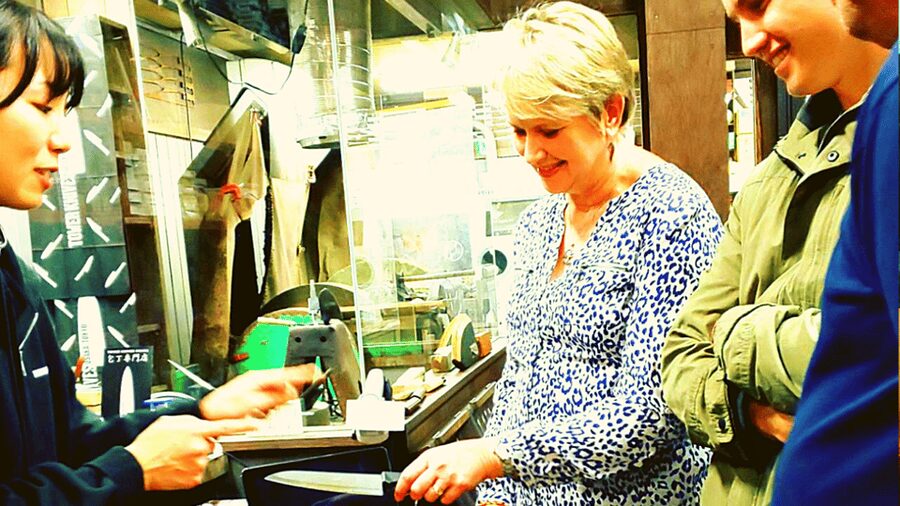
- Five stops, 13 to 15 dishes: The menu covers Osaka staples and casual dishes rarely found on a short sightseeing visit.
- Shinsekai beyond the main sights: You walk through arcades and side alleys, with food stops chosen for their local character.
- Two drinks included: Alcoholic and non-alcoholic choices are available during the tour.
- Small English-speaking group: The group is limited to nine people, with a live guide leading the evening.
- A filling three-hour walk: Expect plenty of food and some walking between stops, including stairs along the route.
- Strict dietary limits: Vegans and people with gluten intolerance cannot join this particular experience.
Why Shinsekai makes a good food-tour base

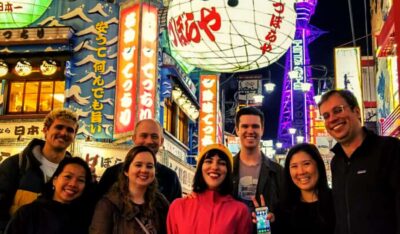
Shinsekai offers a different view of Osaka from the heavily visited streets around Dotonbori. Its covered arcades, narrow lanes, old-school restaurants, and flashy signs create a setting where food and neighborhood character are closely tied together.
That setting matters. You are not simply being handed a plate in a restaurant designed for tourists. You are walking between small establishments, often entering places with Japanese menus and limited space. The guide helps you understand what you are eating and handles the practical side of ordering.
The tour begins at Dobutsuen-mae Station on the Midosuji Line. Meet at Exit 1, in front of the 15 wall lanterns of the Daiichi Building. This is a useful landmark, but give yourself enough time to find the correct exit. Osaka stations can be sprawling, and arriving calmly is better than starting the evening by racing through underground corridors.
The group size is capped at nine. That is small enough for a guide to keep an eye on everyone and explain unfamiliar foods without shouting across a crowded table. It also suits solo visitors. Several guides, including Bernie, Dominic, and Tommy, have been praised for helping strangers relax and start talking to one another. One group even continued on to karaoke after the tour, though that is not part of the scheduled experience.
More Food Tours in Osaka
- Osaka Food Tour: 13 Dishes at 5 Local Eateries
★ 5.0 · 2,149 reviews - Hungry Osaka Street Food Tour:15 Tastings & 3 Drinks with a Local
★ 5.0 · 1,727 reviews - Hungry Osaka Street Food Tour: 15 Dishes & 3 Drinks
★ 4.9 · 694 reviews
Stop one: takoyaki and oden at a local stall
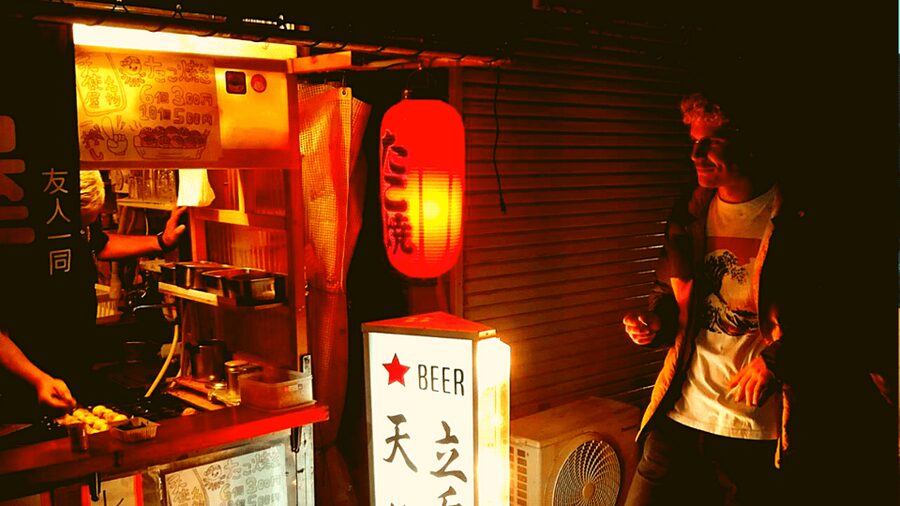
The first stop introduces two very different sides of casual Osaka food. Takoyaki are battered octopus balls cooked in a special molded pan, usually served hot with toppings. The outside is lightly cooked while the center can be soft and steaming, so take care with the first bite.
You also try oden, a comforting dish of ingredients simmered in seasoned broth. The exact selection can change, but the point is to sample food made for ordinary local eating rather than a polished tasting menu.
Starting with takoyaki makes sense. It is closely associated with Osaka, but eating it at a small stall gives you more context than picking up a paper tray at a major sightseeing area. Your guide can explain the dish, how it is prepared, and how it fits into the city’s casual food culture.
This stop is also a reminder to pace yourself. The meal has only just begun, and the portions may feel modest at first. Across five stops, though, those small plates add up quickly.
Stop two: an izakaya full of Osaka staples
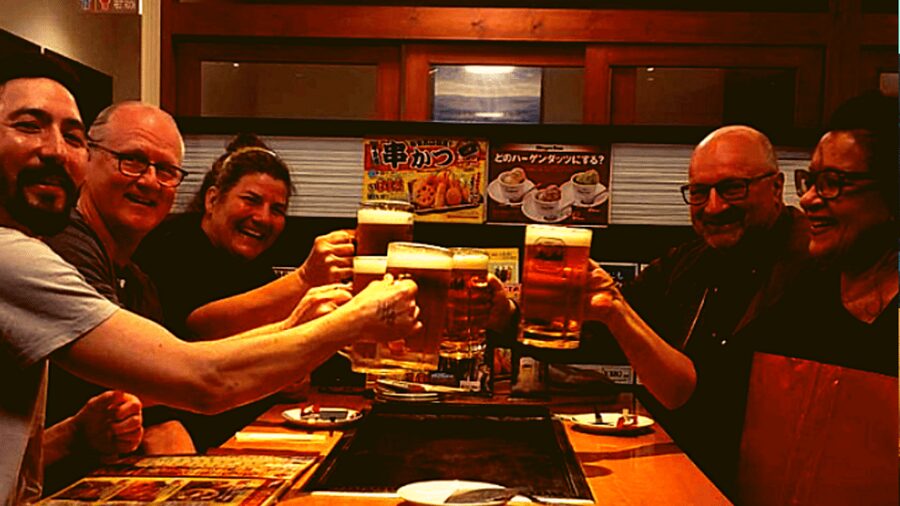
The next stop is an izakaya, the Japanese equivalent of a casual drinking and dining place. Here the menu expands to kitsune udon, yakitori, chicken wings, nagaimo, and kushikatsu.
Kitsune udon combines thick noodles with broth and a sweet piece of fried tofu. It is simple, soothing food, and a useful contrast to the crisp or fried dishes elsewhere on the route. Yakitori brings skewered chicken, while seasoned chicken wings offer another familiar flavor in a casual bar setting. Nagaimo, a mountain yam, adds a different texture to the meal and may be new to many people.
Kushikatsu is one of the important Osaka specialties on the tour. Meat and vegetables are placed on skewers, coated, and lightly deep-fried. It is the kind of food that works well in a relaxed neighborhood restaurant, especially when paired with a drink.
I like this part of the route because it shows how Osaka food is not just about one famous dish. You get noodles, skewers, vegetables, fried food, and bar snacks in one sitting. The drawback is that much of the menu includes wheat, meat, or both, which is why the tour cannot accept vegans or people with gluten intolerance.
Stop three: a traditional restaurant and home-style cooking
The third eatery is described as a cozy, traditional Japanese restaurant. Here you may receive nikudoufu, a beef and tofu stew, along with original yakitori or skewered beef assortments, mochi, and a drink.
Nikudoufu is especially useful for understanding the more home-style side of Japanese cooking. Beef and tofu simmer together in a savory-sweet sauce, creating a dish that feels less like street food and more like something served at a family table. After the sharper flavors of fried skewers and takoyaki, this warmer, softer course gives the meal some balance.
Mochi provides a sweet finish to this part of the evening. Its chewy texture is quite different from the crisp foods earlier in the meal, and your guide can help you understand how it is eaten.
This is also where the neighborhood setting becomes part of the experience. You are not moving through a chain of large restaurants. You may sit in a compact dining room where the food arrives in a planned sequence. Guides have included historical background about Shinsekai between stops, so the walking time is not simply a transfer from one meal to the next.
If you are cautious with unfamiliar food, this restaurant may be one of the easiest stops. The ingredients are recognizable, but the preparation still gives you something beyond the usual tourist menu.
Same base, a completely different sort of day:
- Osaka Go Karting Tour with Funny Costume
★ 5.0 · 2,658 reviews - Osaka Castle: Museum and Tower Entry Ticket
★ 4.5 · 2,380 reviews - Osaka: teamLab Botanical Garden Entry Ticket
★ 4.5 · 1,710 reviews - Osaka: Tea Ceremony Experience
★ 4.9 · 1,426 reviews
Stop four: specialist gyoza in a small setting
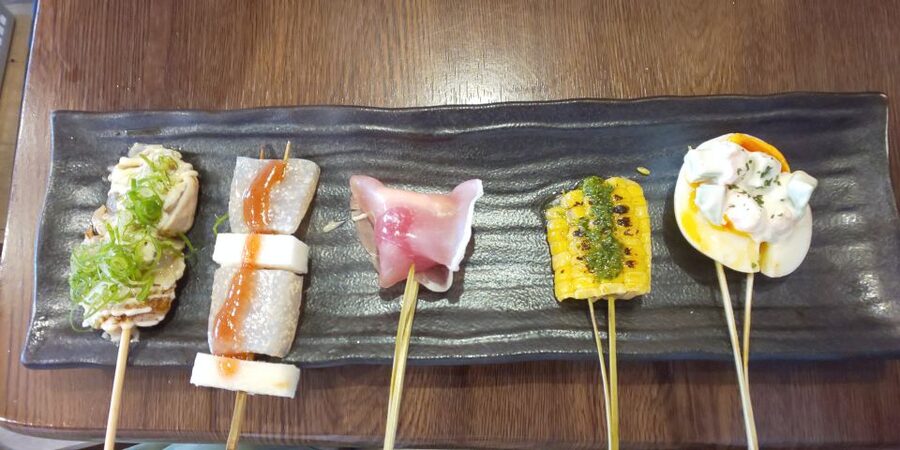
The fourth stop focuses on gyoza, Japanese dumplings that are typically filled, folded, and cooked until the base becomes crisp. The experience includes food from a specialized gyoza establishment, with the precise preparation subject to the restaurant and that day’s availability.
A specialist stop is valuable because it lets you compare a dish in its proper setting rather than treating it as one item among many. Gyoza can be familiar to people who have eaten Japanese food before, but a local shop may prepare them in a style you would not know to order yourself.
This is also a practical benefit of having a guide. Small Japanese establishments can be difficult to choose from the outside when you cannot read the menu. Your guide has selected the place and helps the group order efficiently, which saves you from spending part of your evening guessing at signs or relying only on photographs.
The pace may feel quick by this point. Three hours sounds generous, but five food stops require steady movement. You should expect to eat, listen, walk, and eat again rather than linger over one long dinner. That rhythm suits people who want a broad taste of Osaka, but it is less suitable if you prefer a slow meal with lots of time at each table.
Stop five: tonpeiyaki, fried chicken, and a final drink
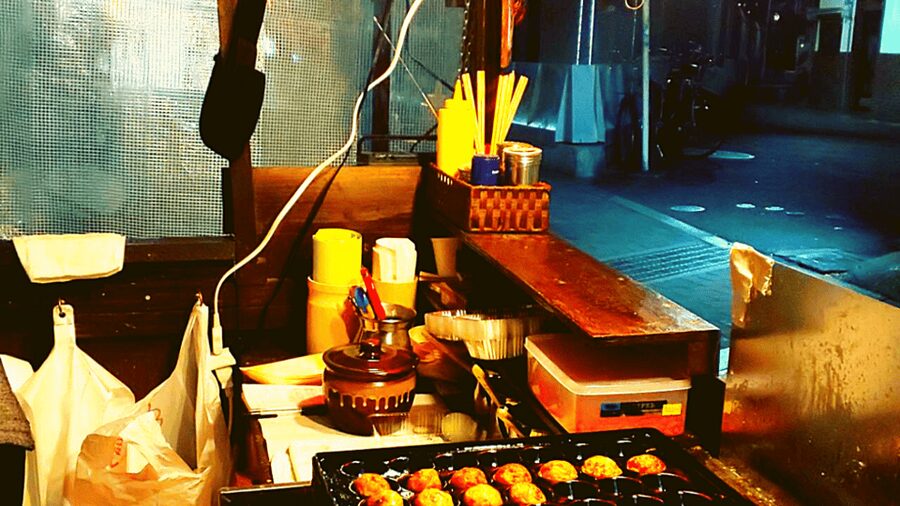
The final stop brings together tonpeiyaki, edamame, karaage, and a Japanese pancake or fruit dish. Tonpeiyaki is a pork omelette, while karaage is Japanese fried chicken seasoned before frying. Edamame adds a simple, salty vegetable snack to the table.
This last stop is deliberately generous. By now you have tried brothy food, noodles, skewers, dumplings, sweets, and fried dishes. The final combination feels more like a shared evening spread than a single dessert course.
You also receive another drink here, with alcoholic and non-alcoholic options available. Two drinks are included in total, but the experience is not designed as a drinking tour. The emphasis remains on food and the neighborhood.
Come hungry. That advice comes up repeatedly for good reason. People who are used to a standard three-course meal may underestimate how filling 13 dishes can be, even when the food arrives in tasting portions. One useful strategy is to eat lightly before meeting the group and avoid filling up on the first stop.
What the guide adds to the evening
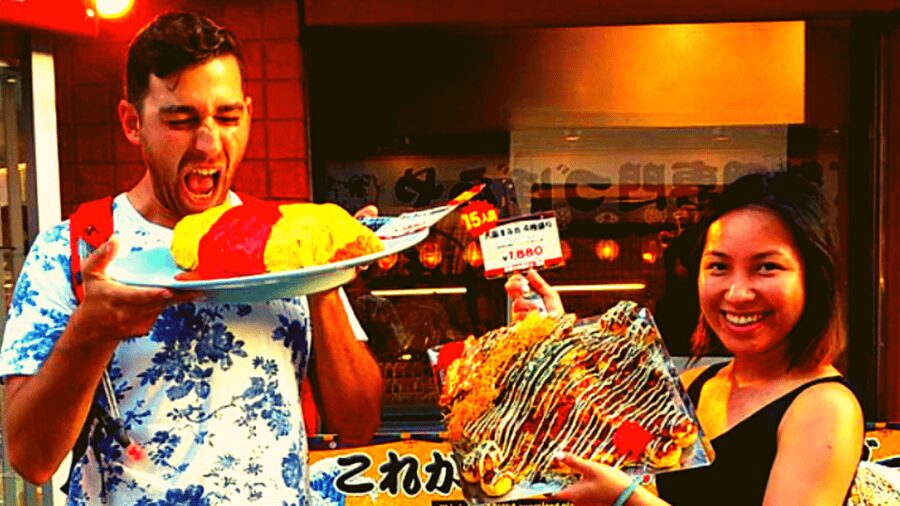
The guide is central to the value of this experience. The food is the draw, but the guide explains why the dishes matter, introduces the places, and provides the local context that is hard to get from a menu.
The guide team includes people such as Kevin, Taka, Mio, Tommy, Paul, Kiko, Mario, and Suga. The experience is conducted in English, and the feedback consistently highlights friendly, lively guiding. Taka is Osaka-born and raised, while Tommy has been praised for connecting food with local culture and for giving useful suggestions about places to visit after the tour.
Guide quality can vary from one departure to another, as it can on any group activity. Still, the structure helps: the same guide is responsible for moving the group, explaining the dishes, and keeping the atmosphere open. Guides have used trivia, local stories, and casual conversation to help solo visitors and couples feel included.
The historical material is not a separate lecture. You receive it while walking through Shinsekai. That approach works well for a food tour because it keeps the evening moving and connects the area’s past with the places where people eat now.
Price, portions, and overall value
At $53 per person, the tour includes food at five eateries and two drinks. That is a fair price if you would otherwise struggle to find these places, order from Japanese-only menus, and sample 13 dishes without buying full portions at each stop.
The value is not only the quantity. You are paying for access to a sequence of local establishments, the guide’s explanations, and the ease of moving through a part of Osaka that can feel confusing on a first visit. A self-guided evening could cost less, especially if you order one or two dishes, but it would not give you the same range.
The tour is also a good early-Osaka activity. Guides provide restaurant suggestions and neighborhood tips that can help shape the rest of your stay. If you book it near the start of your visit, you may find yourself returning to foods or districts you first encountered during the tour.
There are limits to the value. You do not receive hotel pickup or drop-off, and you need to reach the station meeting point yourself. The exact restaurants and dishes can change if a location is closed, fully booked, or out of certain seasonal foods. Alternative establishments may be used in those cases.
Who will enjoy this Shinsekai food tour
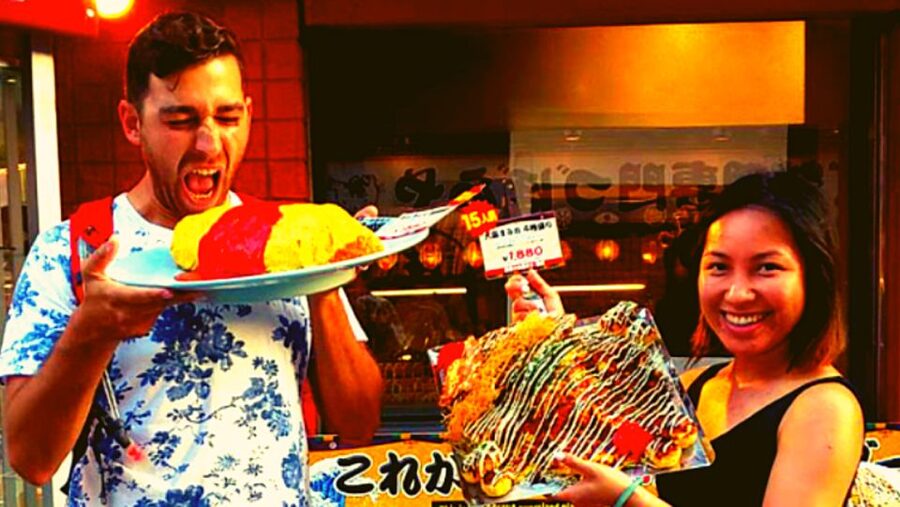
I would choose this tour if you want a broad introduction to Osaka food without spending hours researching restaurants. It works especially well for:
- First-time visitors who want help ordering local dishes
- Solo visitors who enjoy meeting a small group
- Couples and friends who prefer tasting many foods to eating one large meal
- Food-focused visitors who want neighborhood places rather than only major tourist streets
- Cautious eaters who want a guide to explain unfamiliar dishes
- People who want Osaka history and culture woven into a meal
It is less suitable if you need strict dietary control. The operator specifically excludes vegans and people with gluten intolerance because too few suitable dishes are available. Pescatarians should also check before booking, since some dishes may not fit their diet.
The tour involves walking through the district and some stairs. It is not a sit-down tasting in one building, so wear comfortable shoes and expect to remain on the move between courses.
Timing, group size, and useful planning tips
The experience lasts three hours, with starting times available according to the date you select. Evening departures are suggested by the food-and-drink format, but you should check the available time when booking rather than assume a particular hour.
Arrive at Dobutsuen-mae Station Exit 1 and look for the 15 wall lanterns in front of the Daiichi Building. The meeting point is specific, so save it before leaving your hotel.
Keep your schedule after the tour flexible. You should finish well fed, and the evening may run at a relaxed pace depending on the group and the restaurants. Some groups have continued chatting or gone for karaoke, but that is an optional extra, not part of the booking.
Free cancellation is available up to 24 hours before the activity for a full refund. You can also reserve now and pay later, which helps if your Osaka plans are still shifting.
Should you book it?
Book this Shinsekai food tour if you want to eat widely, walk through a less polished part of Osaka, and let an English-speaking guide handle the ordering. The combination of takoyaki, udon, kushikatsu, gyoza, nikudoufu, tonpeiyaki, and two drinks gives you a strong introduction to the city’s casual food culture.
Skip it if you are vegan, gluten-intolerant, or happiest choosing every dish yourself. For everyone else, $53 is sensible value for five eateries and a full evening of food, especially early in your Osaka stay. Just arrive hungry, wear good shoes, and expect the final course to find you already quite full.
FAQ
How many dishes are included?
The tour includes 13 dishes in total, with the advertised experience describing 13 to 15 dishes. The final selection depends on seasonal foods, restaurant availability, and what each establishment has available.
How many eateries do you visit?
You visit five establishments: a food stall, a gastrobar, a classic eatery, an izakaya, and a specialized restaurant.
What foods are included?
Possible dishes include takoyaki, oden, kitsune udon, yakitori, chicken wings, nagaimo, kushikatsu, nikudoufu, beef skewers, mochi, gyoza, tonpeiyaki, edamame, karaage, and a Japanese pancake or fruit dish.
Are drinks included?
Yes. Two drinks are included. You can choose alcoholic or non-alcoholic options.
Where is the meeting point?
Meet at Dobutsuen-mae Station on the Midosuji Line, Exit 1, in front of the 15 wall lanterns of the Daiichi Building.
How long does the tour last?
The tour lasts three hours.
Is the tour conducted in English?
Yes. The live guide conducts the tour in English.
How large is the group?
The group is limited to nine participants.
Can vegans join?
No. The tour is not suitable for vegans because there are too few suitable dishes available.
Can someone with gluten intolerance join?
No. The tour is not suitable for people with gluten intolerance because there are too few suitable dishes available.
Just added around Osaka
- Discover Real Osaka: A Cultural Walk with Food & Drink★ 5.0 · 13 reviews
- From Osaka/Kyoto: Kyoto & Nara Day Trip with Optional Lunch★ 4.5 · 79 reviews
- Osaka 6hr Private Walking Tour with Government Licensed Guide★ 5.0 · 174 reviews
- Private Airport transfer Kansai Intl. Airport(KIX) to OSAKA CITY★ 4.5 · 12 reviews
- Osaka: Namba Local Food Walking Tour (Taste 15 Dishes)★ 5.0 · 20 reviews
- Osaka Delights: Traditional Japanese Food Tour★ 4.5 · 33 reviews
- From Osaka or Kyoto: Kyoto and Nara 1-Day Bus Tour★ 3.5 · 141 reviews
- 1 Day Takoyaki Making and Osaka Castle Walking Tour★ 5.0 · 15 reviews
Osaka Tours, compared.

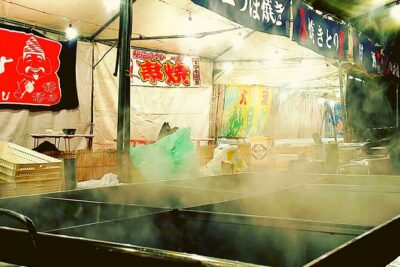
Osaka Food Tour: 13 Dishes at 5 Local Eateries
Read our review →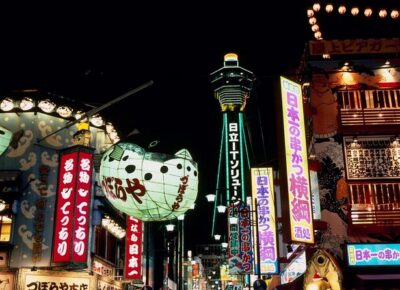
Hungry Osaka Street Food Tour:15 Tastings & 3 Drinks with a Local
Read our review →
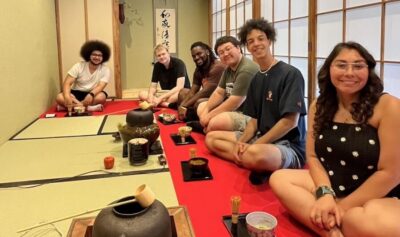
Hotspots & Hidden Gems Walking Tour Private or Group
Read our review →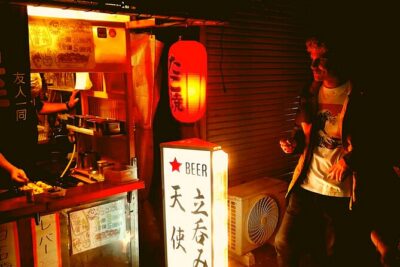
Deep Backstreet Osaka Tours (Option to add Dinner)
Read our review →Browse the lists this tour appears in