
Reviewed · TAKAYAMA TOURS
From Kanazawa: Shirakawago, Hida-Furukawa and Takayama Visit
The best thing about this day is the three-stop route through rural Gifu, where each town has a different character. I like the comfort of a private car and the chance to cross the Sho River into Shirakawago, then see Hida-Furukawa’s carp-filled canals and Takayama’s old streets. The main concern is time: with three stops and a long return to Kanazawa, the day can feel tight, especially if you want a slow lunch or a detailed look inside historic buildings.
I also like the personal feel. Your English-speaking driver meets you at your Kanazawa hotel, handles the mountain roads, and can point out small details along the way. The price is high at $850 for up to three people, but it makes more sense when shared by a small group that values a private vehicle over a large bus. One guest found the day rushed and returned earlier than expected, so I would confirm the planned timing before departure.
Key points to know before booking
- Shirakawago gets the most time: You have 2.5 hours to walk across the Sho River and explore the famous gassho-style village.
- Hida-Furukawa adds a quieter stop: One hour covers the canal-lined streets and lunch, but you will need to keep moving.
- Takayama brings Edo-period charm: Two hours gives you a useful introduction to old streets, sake brewing, and local carpentry.
- Private transport changes the day: You avoid public transit connections and travel directly from your Kanazawa hotel.
- Driving quality matters: Yuka received praise for careful driving and a comfortable Japan Taxi, while Yuta guided a pleasant day in heavy rain.
- The value depends on your group: At $850 for up to three people, the cost is easier to justify when shared, but less attractive for one person.
Why this Kanazawa day trip works
Kanazawa is an excellent base for reaching Shirakawago and the old towns of the Hida region, but the connections take planning. This tour puts the whole route into one private day. You are picked up at your hotel, driven through the mountain country, and returned to the same accommodation in Kanazawa.
That convenience is the heart of the experience. You do not need to work out separate bus tickets, match connection times, or carry your day around between stops. Your driver also takes care of the road portion, which matters on a nine-hour outing with several stretches between towns.
You should think of this as a private sightseeing circuit, not a slow village walk with a specialist historian. The guide speaks English and can explain what you are seeing, but the supplied details do not promise a full walking tour or entry into every building. Much of the pleasure comes from seeing the towns, walking at your own pace within the allotted time, and letting the driver connect the dots.
The route is appealing because the stops are not duplicates. Shirakawago is the famous mountain village. Hida-Furukawa is smaller and quieter, with canals and carp. Takayama has a more substantial old-town setting, shaped by timber work and sake brewing. In one day, you get three different views of the region.
A few more Takayama half-days to weigh up
- Kanazawa: World Heritage Shirakawa-go Morning Guided Tour
★ 4.9 · 988 reviews - Kanazawa: World Heritage Shirakawa-go & Two Local Experience
★ 4.9 · 274 reviews - Kanazawa/Takayama: Shirakawago & Takayama Private Day Tour
★ 4.8 · 172 reviews
Shirakawago and the Sho River crossing
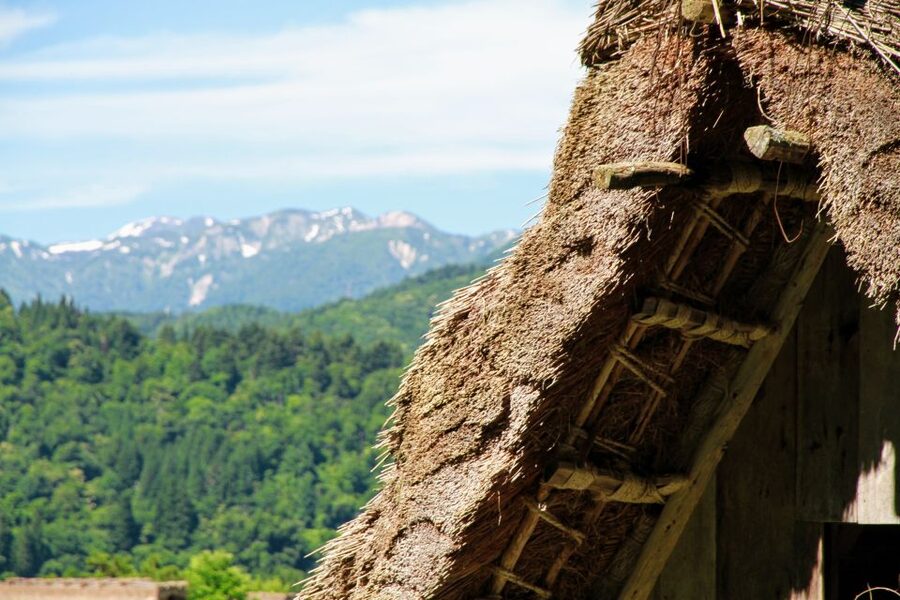
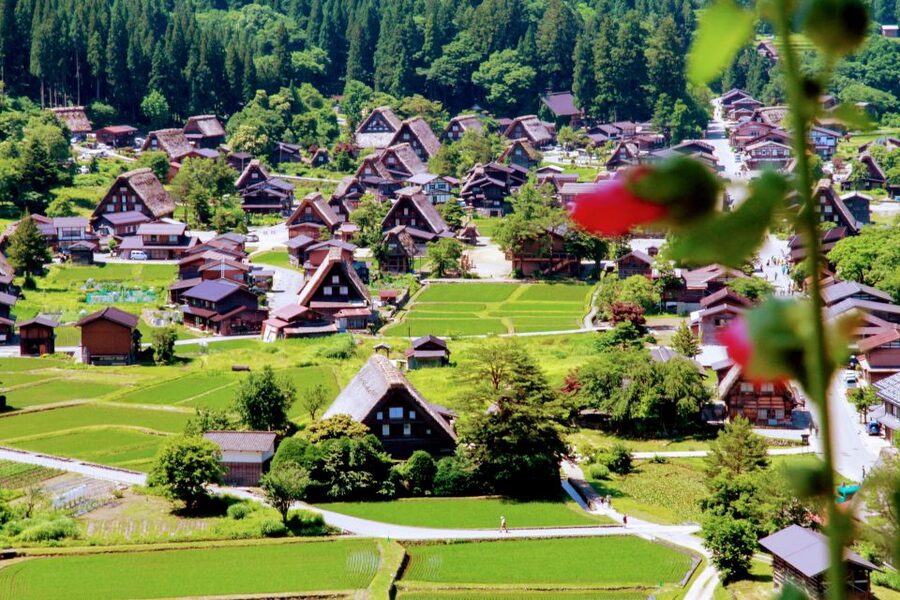
Shirakawago is the anchor of the day, and you get 2.5 hours here, more than at either of the later stops. The village is known for its steeply pitched gassho-style houses, built to cope with heavy mountain snow. The result is a storybook setting, but the real appeal is that this is a living village rather than a single museum building.
Your walk begins with the pedestrian bridge across the Sho River. The crossing gives you a strong first view of the village and its clustered roofs. It is also a useful place to pause, take photographs, and get your bearings before walking farther into the settlement.
I would use this first stop for the broad experience: the roofs, lanes, river, surrounding hills, and traditional construction. The tour includes admission to Shirakawago, which removes one extra cost from the day. Food and drinks are not included, so keep money available if you want something to eat or drink along the route.
Two and a half hours is enough for a meaningful visit, but not for an unhurried study of every corner. If you like taking photographs, reading signs, stopping for local food, and entering several buildings, the clock will move quickly. Comfortable shoes are a sensible choice, since the day involves walking in all three towns.
Weather can change the feel of Shirakawago. Rain does not cancel the mountain setting, but it can make the walking less comfortable. One outing remained enjoyable despite heavy rain, with the drive itself adding to the experience. Bring suitable clothing rather than assuming the village will be dry or mild.
Hida-Furukawa’s canals and carp
After Shirakawago, the route heads to Hida-Furukawa. This is the shortest stop, with one hour set aside for exploring and lunch. That makes it less of a full town visit and more of a compact pause in a quieter place.
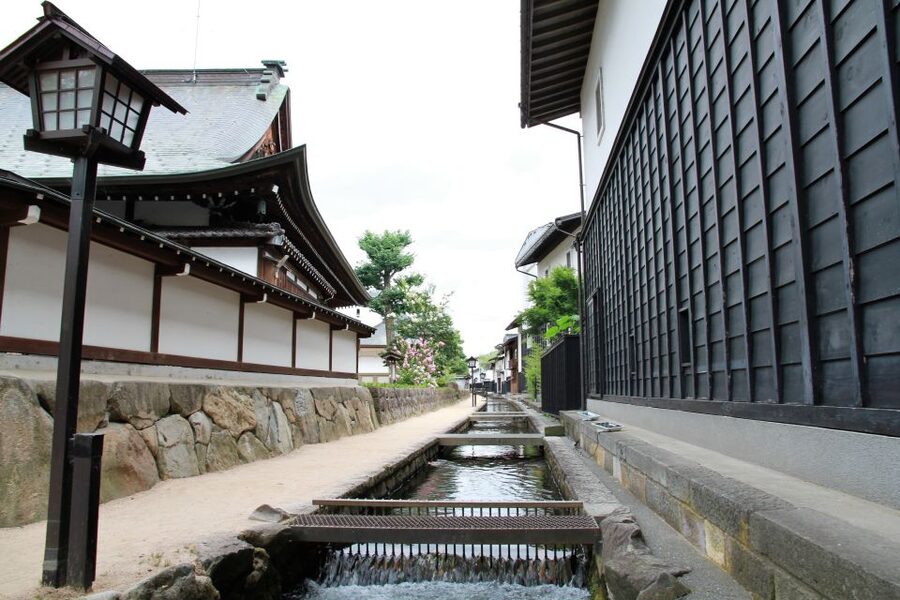
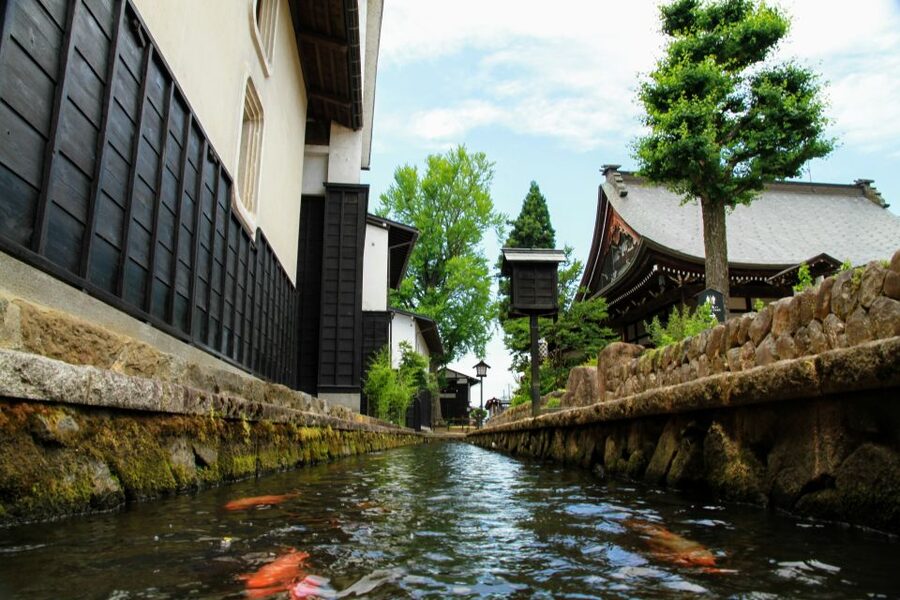
The canal-lined streets are the reason to stop. Carp swim in the clear waterways, creating one of the day’s most distinctive sights. One guest specifically asked for a quieter place and was taken to canals filled with large koi, so it is worth telling your guide what kind of stop you prefer. If you want calm streets and small details instead of another major sightseeing center, Hida-Furukawa may become your favorite part.
The town is also known for timber craftsmanship and festivals. That gives the stop a useful link to the wider Hida region, where carpentry is part of local identity. You will not have much time for a long museum visit or a leisurely meal, though. With only an hour, lunch needs to be simple and well timed.
This is the part of the itinerary most likely to feel rushed. You are being asked to explore a town and eat lunch in the same short block. If your priority is the canals, take a brief walk first and then eat. If lunch matters more, ask the guide where to stop and how much time remains for the streets.
The private format helps here. A guide can adjust the order or point you toward a quieter canal area, but the total day still has limits. Do not expect Hida-Furukawa to receive the same amount of attention as Shirakawago.
Takayama’s preserved old-town streets
Takayama is the final major stop, with two hours to explore. The town is known for preserved buildings dating from the Edo period, along with carpentry and sake brewing. Its old district offers a more urban version of traditional Hida culture, with timber-fronted streets and historic commercial buildings.
I like the contrast between Takayama and Shirakawago. Shirakawago feels like a mountain village shaped by snow and farming. Takayama feels like a historic town shaped by craft, trade, and brewing. Seeing both helps you understand that traditional Japan is not one fixed style.
Two hours is enough to walk through the old-town district and enjoy its atmosphere. It is less time than you might want if you plan to browse shops, sample sake, visit several buildings, and stop for a full meal. Since lunch is scheduled earlier in Hida-Furukawa, Takayama works best as a walking and sightseeing stop.
Sake brewing is one of the town’s signature traditions, but the supplied information does not guarantee a tasting or brewery admission. Treat it as something you may see or learn about during the walk, not as a promised part of the package. The same applies to detailed interior visits.
The timing also depends on the road conditions and how long you spend at earlier stops. One guest felt the day had been cut short and returned earlier than expected. That is not the experience everyone reported, but it is a useful warning. Before leaving Kanazawa, ask your driver to confirm the approximate departure and return plan for Takayama.
Same base, a completely different sort of day:
- Departing from Takayama [Regular sightseeing bus] World Heritage Sites Shirakawago and Gokayama Ainokura
★ 4.5 · 137 reviews - From Takayama: Guided Day Trip to Takayama and Shirakawa-go
★ 4.9 · 113 reviews - Private Afternoon Cycling Tour in Hida-Furukawa
★ 5.0 · 109 reviews - Private-group Morning Cycling Tour in Hida-Furukawa
★ 5.0 · 105 reviews
The private car and the mountain drive
The drive is not just dead time between attractions. The route connects Kanazawa with the mountain towns of Shirakawago, Hida-Furukawa, and Takayama, and the changing scenery gives the day a sense of movement. You can look out rather than focus on navigation.
A Japan Taxi was praised for comfort, including the ability to lower the front seat for a better view. That detail matters if you are sitting in the back and want to see the road ahead. The vehicle is private, but the exact model and seating arrangement are not specified for every booking.
The group limit is three people. That is a good size for a small family or a couple traveling with one companion. You get the flexibility of a private vehicle without sharing the day with a coachload of people. It also lets you discuss preferences directly with the guide.
The tradeoff is price. At $850 per group, the cost is about $283 per person for three people, before food and drinks. For two people, it is $425 each, and a solo booking carries the full group price unless the provider offers a different arrangement at checkout. Compared with public transport, this is a premium service. Compared with hiring a private car and guide separately, the value depends on what those alternatives cost during your dates.
I would book this mainly for convenience, privacy, and a full route in one day. I would not book it solely because it is the cheapest way to reach Shirakawago. It is not.
Your guide shapes the day
The English-speaking driver is an important part of the experience. Yuka was praised for warm, professional service and careful driving, while Yuta guided a successful outing in pouring rain. These details suggest that the human side of the tour can add real value, especially during the drives and short town visits.
Still, guide quality and guiding style can vary. The description confirms an English-speaking driver and guide, but it does not promise a particular person for every departure. You should see the guide as a helpful local escort and driver, not assume that the tour includes a specialist lecture at every stop.
Tell the guide what you care about early. You might prefer photographs, quiet canals, old architecture, food, or sake-related sights. One guest requested a peaceful place and received a stop at the koi canals, showing how a small request can improve the day.
The driver also needs to balance your wishes with the schedule. If you linger at Shirakawago, something later may receive less time. A clear conversation at pickup can prevent disappointment.
What to bring and how to pace yourself
Wear comfortable shoes and comfortable clothing. That advice sounds basic, but it fits the day: you will cross a bridge, walk village streets, explore canals, and stroll through an old-town district.
Bring cash. Food and drinks are not included, and cash may be useful for small purchases during the stops. The tour price includes taxes, fees, handling charges, transport, the driver-guide, hotel pickup and drop-off, and admission to Shirakawago.
You should wait in your hotel lobby ten minutes before pickup. The driver meets you at the reception area, so do not wait in your room or assume the car will find you outside the hotel.
Wheelchair access is listed, but the details of accessible paths, vehicle setup, and each historic street are not provided. If you use a wheelchair, contact the provider before booking to confirm how the bridge, village paths, canals, and old-town areas will work for you.
The tour lasts nine hours, though actual stop lengths can be affected by road conditions and the pace of the day. I would keep the evening after the tour flexible rather than booking a fixed dinner or train immediately after the stated return.
Who should book this experience?
This tour suits you if you want to see three regional highlights in one day and prefer a private car to a series of public buses. It is especially useful for a small group staying in Kanazawa that wants hotel pickup and a direct return.
It also suits people who value scenery and variety. You get a major heritage village, a quiet canal town, and a preserved old-town district. The route gives you a broad taste of the Hida region without requiring a hotel change.
Families and older visitors may appreciate the private vehicle and the ability to avoid transfers. The day still involves walking, so mobility and weather should guide your decision.
You may want a different plan if you prefer slow travel. Hida-Furukawa receives only one hour, and Takayama receives two. A longer stay in Takayama or an overnight in the region would give you more time for shops, meals, museums, and historic interiors.
Should you book the Kanazawa to Takayama route?
Book it if your priority is comfort, privacy, and route coverage. Sharing the $850 price among three people makes the cost more reasonable, and the private driver saves you the work of arranging a complicated day.
Think twice if you are traveling alone, watching your budget, or hoping for a relaxed guided walk in each town. The schedule works best when you accept that Shirakawago is the main stop and Hida-Furukawa and Takayama are focused introductions.
Before departure, confirm the expected return time and explain your top priority to the guide. That small step may help protect the time you care about most. With that understanding, this is a strong choice for a one-day taste of rural Japan from Kanazawa, but it is not a substitute for spending several nights in the Hida region.
FAQ
How long does the tour last?
The tour lasts nine hours, including transportation between Kanazawa, Shirakawago, Hida-Furukawa, Takayama, and your Kanazawa accommodation.
Where does pickup take place?
Pickup is included from your accommodation in Kanazawa. You should wait in the hotel lobby ten minutes before the scheduled pickup, and the driver-guide meets you at reception.
How much time is spent in Shirakawago?
You have 2.5 hours in Shirakawago to explore the village and cross the Sho River on the pedestrian bridge.
How long is the stop in Hida-Furukawa?
The planned stop in Hida-Furukawa lasts one hour and includes time to explore the canal-lined streets and enjoy lunch.
How long is the Takayama visit?
You have two hours in Takayama to explore the preserved old-town area, known for carpentry and sake brewing.
Is food included?
No. Food and drinks are not included, so bring cash for lunch and any refreshments.
Is the tour private?
Yes. This is a private group experience for up to three people, with transport by private vehicle.
Is the tour wheelchair accessible?
Yes, the activity is listed as wheelchair accessible. Since specific access details for the vehicle and each stop are not provided, confirm your needs with the provider before booking.
Just added around Takayama
- Private Afternoon Cycling Tour in Hida-Furukawa★ 5.0 · 109 reviews
- Gifu Samurai Sword Town;Japanese Damascus Knife Making Experience★ 5.0 · 27 reviews
- Private-group Morning Cycling Tour in Hida-Furukawa★ 5.0 · 105 reviews
- Short Morning Cycling Tour in Hida★ 5.0 · 17 reviews
- Magome & Tsumago Nakasendo Full-Day Private Trip with Government-Licensed Guide★ 5.0 · 20 reviews
- Magome & Tsumago Nakasendo Trail Day Hike with Government-Licensed Guide★ 5.0 · 38 reviews
- Frozen fall trekking★ 5.0 · 21 reviews
- Explore Kiso Valley : Magome – Tsumago Mountain Trail Walk★ 5.0 · 33 reviews
Takayama Tours, compared.
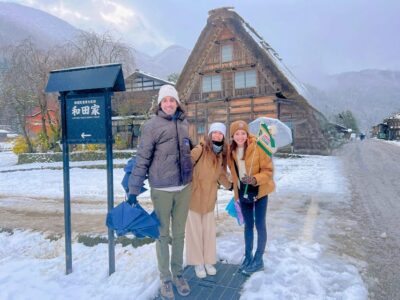
World Heritage Shirakawa-go Morning Guided Tour
Read our review →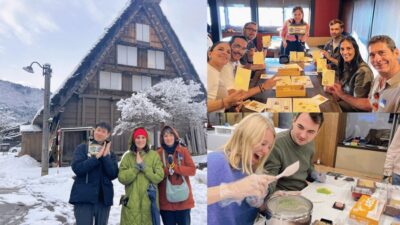
World Heritage Shirakawa-go & Two Local Experience
Read our review →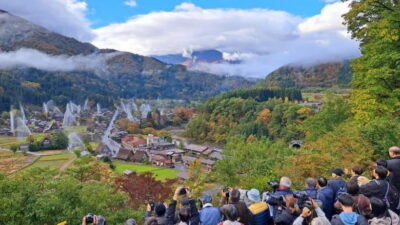
Kanazawa/Takayama: Shirakawago & Takayama Private Day Tour
Read our review →![Departing from Takayama [Regular sightseeing bus] World Heritage Sites Shirakawago and Gokayama Ainokura](https://media3.thejapanesetraveller.com/wp-content/uploads/departing-from-takayama-regular-sightseeing-bus-world-heritage-sites-shirakawago-and-gokayama-ainokura-400x267.jpg)
Departing from Takayama [Regular sightseeing bus] World Heritage Sites Shirakawago and Gokayama Ainokura
Read our review →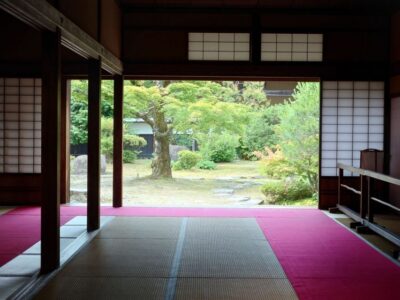
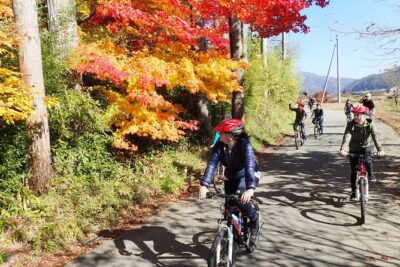
Private Afternoon Cycling Tour in Hida-Furukawa
Read our review →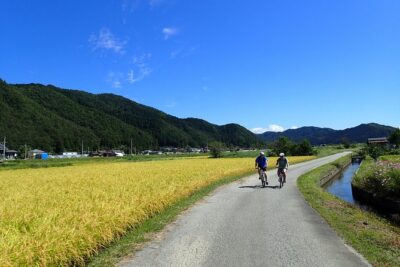
Private-group Morning Cycling Tour in Hida-Furukawa
Read our review →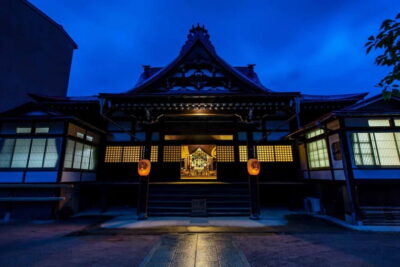
Onigiri and miso soup making at a buddhist temple
Read our review →Browse the lists this tour appears in