
Reviewed · TAKAYAMA TOURS
Shirakawago&HidaTakayama&GujoHachiman 1 Day Tour from Nagoya
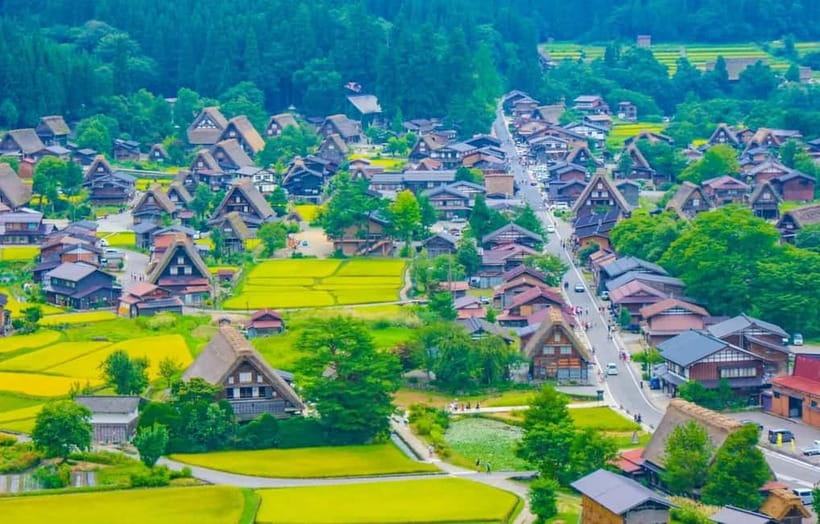
Shirakawago’s steep, folded roofs are the star here, but this tour gives you more than one famous photo stop. In a single day, you see Gassho-style farmhouses, old Takayama, and Gujo Hachiman, a town shaped by clear waterways and its famous Bon dancing tradition. I like the broad sweep of the route and the low $61 price.
I also like that you can bring luggage on the bus, and that guide Hao has been singled out for kind, helpful service. The catch is simple: this is a long day, with hours on the road and just one hour in Shirakawago. You need to stay on schedule.
Key points at a glance
- Three very different stops: See a castle town, Edo-period Takayama, and the thatched village of Shirakawago.
- Shirakawago in one hour: Enough time for a focused walk and photographs, but not a slow village visit.
- Long scenic transfers: The route includes about two and a quarter hours going out and three and a quarter hours returning.
- A practical $61 outing: Round-trip transport and a guide are included, while meals and personal spending are not.
- Guide Hao may lead your group: The tour supports Japanese, English, and Chinese guide service, with Japanese and English listed for the driver.
- Strict departure times: Arrive at the JR Nagoya Station Taiko-dori Exit Fountain Front by 8:15 for the 8:30 departure.
Why this route works from Nagoya
Nagoya is a useful base for central Japan, but the mountain towns north of the city are not easy to link by local transport in one day. This outing solves that problem with a coach, a fixed route, and a guide who helps you keep moving.
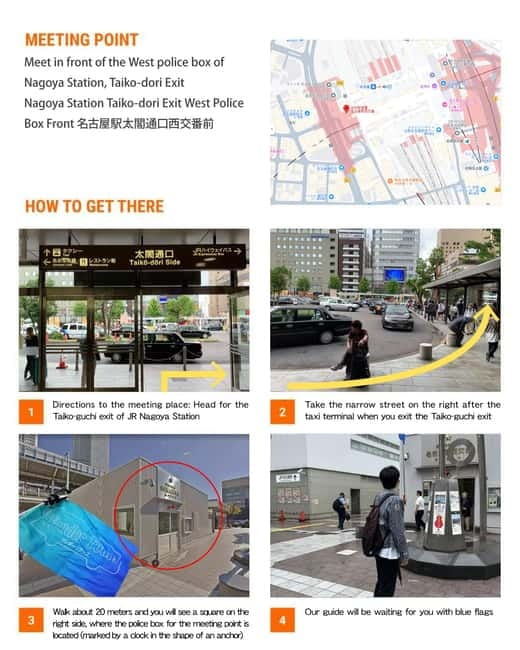
You leave from the area beside the Nagoya Station Taiko-dori Exit, at the fountain in front of the west-side police box. The meeting time is 8:15, with departure at 8:30. Look for the guide holding a Wonder Tours sign. This is not the morning to wander around the station hoping to spot the group at the last minute.
The tour lasts 12 hours. That sounds generous, but the distances explain the length. The outward coach ride is listed at about two hours and 15 minutes, while the return takes about three hours and 15 minutes. Traffic and weather can change the schedule, so keep the evening free after the stated return time.
I see the transport as the main value. At $61 per person, the price covers round-trip transfers and guide service to places that would take more planning to reach independently. You still pay for meals, drinks, and personal expenses, but the basic cost is modest for such a wide route.
A few more Takayama half-days to weigh up
- From Takayama: Guided Day Trip to Takayama and Shirakawa-go
★ 4.9 · 113 reviews - Hida Takayama, Shirakawa-go+Observatory|Day Trip from Nagoya
★ 4.3 · 47 reviews - From Nagoya: Shirakawa-go & Hida-Takayama Full Day Trip
★ 4.3 · 24 reviews
Gujo Hachiman Castle and a town shaped by water
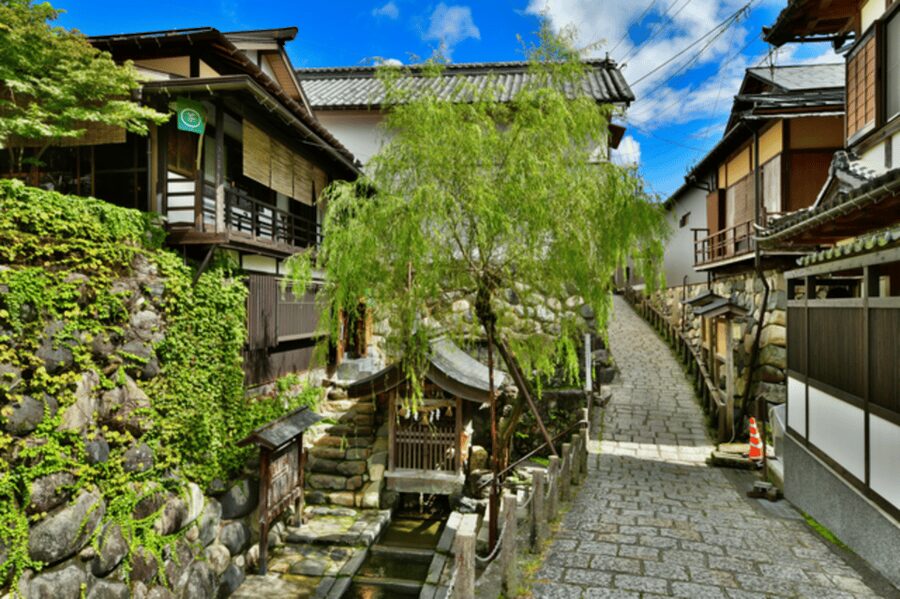
The first major stop is Gūjo Hachiman Castle, with about one hour for a guided visit, photographs, sightseeing, and free time. This gives you a quick introduction to the Gujo Hachiman area before the tour continues to Takayama.
Gujo Hachiman is known for its waterways and for traditional Bon dancing festivals. Those details matter because the town offers a different kind of Japanese atmosphere from the other two stops. It is not simply another old street district. Water and local festival customs are part of its identity.
With one hour, plan to focus. Follow the guide’s route, take your castle photographs, and save time to look around rather than trying to see every corner. The schedule does not promise a long independent visit, so this stop works best as a compact taste of the town.
The castle stop also breaks up the long drive nicely. You get out, walk, and see something with a clear cultural focus before reaching Takayama. If castles are your chief interest, the limited time may feel short. If you want a sampler of central Japan, it adds useful variety.
Two hours in Takayama’s Edo-period streets
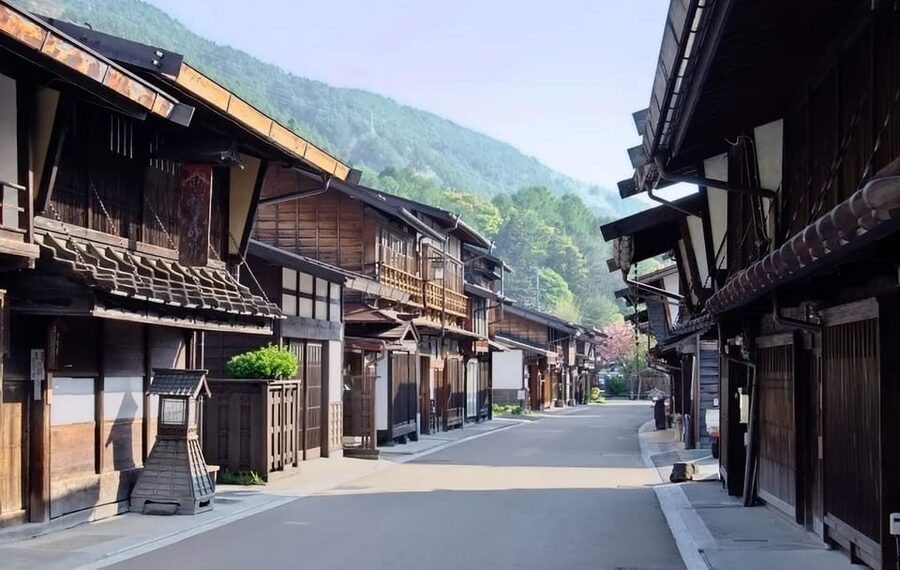
Takayama receives about two hours, including a break, guided time, walking, and self-guided exploration. This is the longest town visit on the route, and it is likely to feel more relaxed than the castle and Shirakawago stops.
Takayama is valued for its preserved Edo-period streets and traditional wooden houses. As you walk, pay attention to the details that make the district feel old: timber fronts, narrow street lines, and the presence of traditional sake breweries. The point is not only to take photographs. It is to see how a historic town still presents its older character through ordinary streets and working businesses.
I like the balance here. A guide can orient you, then you have time to walk at your own pace. That matters in a place such as Takayama, where a short wander often tells you more than a rushed list of monuments.
The two-hour block is still not enough for every sight in town. You may need to choose between lingering in the old district, browsing shops, and taking a proper break. Meals are not included, so budget for your own food and drinks. If you want a full Takayama visit, an overnight stay would make more sense. For a day tour, this stop gives you a useful introduction without pretending to cover everything.
Shirakawago’s Gassho roofs in one focused hour
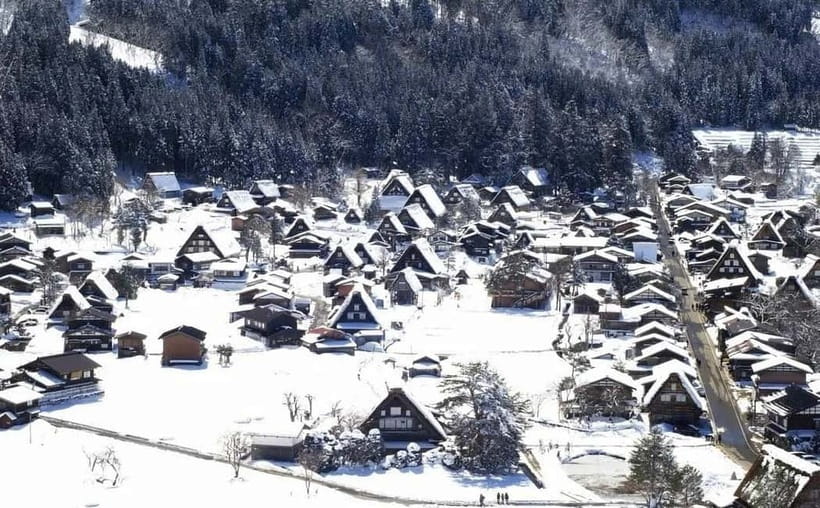
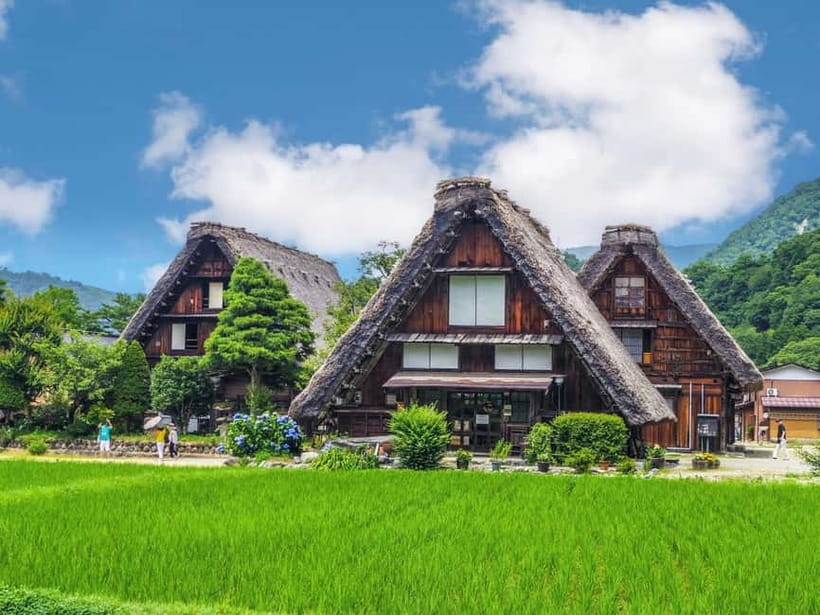
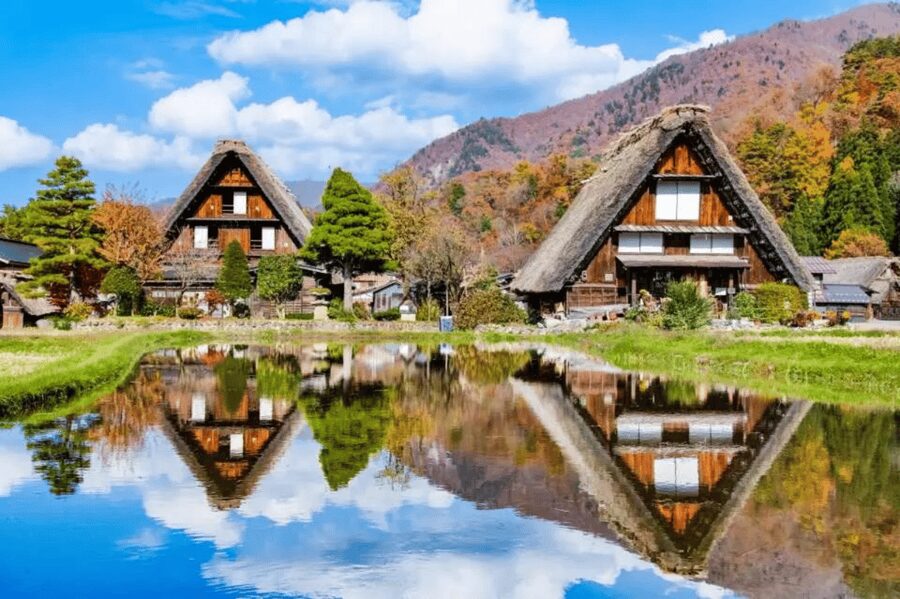
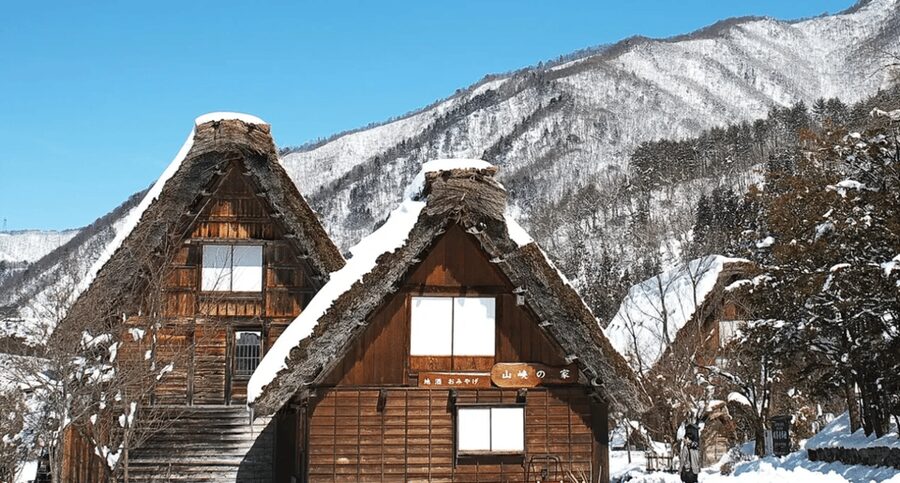
Shirakawago is the headline stop. The village is UNESCO-listed and known for its Gassho-style houses, with sharply angled thatched roofs built for heavy snow. Their shape gives the village its unmistakable look and explains why this rural community has become one of Japan’s best-known cultural sights.
You receive about one hour here for a break, photographs, guided sightseeing, free time, and walking. Use it well. The most sensible plan is to stay close to the village area, follow the guide’s advice, and leave enough time to return to the bus.
This is a stop for atmosphere and photographs rather than a full study of village life. You can see the conic thatched architecture, walk through the rural setting, and get a clear sense of why Shirakawago is protected as a World Heritage site. You should not expect a slow visit to every house or a long period of quiet exploration.
The short stay is the main compromise of the tour. Shirakawago deserves more time if you want to examine the buildings closely, visit several interiors, or simply walk without checking the clock. Still, reaching it by coach from Nagoya for this price is practical. You trade depth for access.
Weather will shape this stop. The tour notes that the schedule can change with weather and traffic. Snow, rain, or road delays may affect how long you actually have on site, so bring sensible clothing and footwear for walking. The information provided does not specify a seasonal guarantee or a particular viewing platform, so do not book expecting one exact photograph or viewpoint.
Same base, a completely different sort of day:
- Kanazawa: World Heritage Shirakawa-go Morning Guided Tour
★ 4.9 · 988 reviews - Kanazawa: World Heritage Shirakawa-go & Two Local Experience
★ 4.9 · 274 reviews - Kanazawa/Takayama: Shirakawago & Takayama Private Day Tour
★ 4.8 · 172 reviews - Departing from Takayama [Regular sightseeing bus] World Heritage Sites Shirakawago and Gokayama Ainokura
★ 4.5 · 137 reviews
What the coach ride means for your day
The bus is both the tour’s strength and its challenge. You avoid arranging several train and bus connections, but you spend a large part of the day seated. The route includes roughly five and a half hours of listed coach travel, before accounting for boarding, traffic, and stops.
I would choose this tour when convenience matters more than a slow pace. You can rest between destinations, look out at the changing scenery, and let someone else handle the route. You do not need to navigate rural connections or worry about getting back to Nagoya after visiting three separate areas.
I would not choose it if you dislike long rides or need generous time at each sight. The day has a clear rhythm: ride, walk, ride, walk, then ride home. That is normal for a far-reaching day trip, but it is worth accepting before booking.
If you are carrying luggage, the available information says you can bring it on the bus. That is useful if you are changing hotels or moving on after Nagoya. Keep essential items with you, since the schedule may not leave time to retrieve something stored away during each stop.
If only a small number of people book, a minivan may be used for the departure trip, with rental-car and driver service. That can mean a smaller vehicle rather than a full-size coach. The exact vehicle is not fixed, so book for the route and schedule, not for a guaranteed bus style.
Guides, languages, and the human side of the day
The tour includes a Japanese, English, or Chinese-speaking guide according to the activity details. The driver is listed as Japanese and English-speaking. Language arrangements can vary, so check the current booking details if communication is especially important to you.
Guide Hao is the one specific guide name connected with this experience. Her service is described as kind, and she helped make the day feel complete for one recent booking. You should still expect the usual group-tour style: a set meeting point, timed stops, guided portions, and instructions about when to return to the vehicle.
A guide is especially useful on a route with three different cultural settings. At Gujo Hachiman, you get context for the castle and local traditions. In Takayama, you receive an introduction before exploring the streets. In Shirakawago, the guide helps you make the most of a short visit.
The tour is listed as wheelchair accessible. Since the day includes walking at multiple sites and a long vehicle ride, you should confirm the practical details of your own mobility needs before booking. The information does not specify the exact accessibility arrangements at each stop.
Food, spending, and what to bring
Meals and drinks are not included. You need to bring money for food, beverages, and any personal purchases. The schedule includes a break in Takayama and Shirakawago, but it does not promise a specific restaurant or meal arrangement.
I would carry water and a few easy snacks, especially because the day begins early and the return to Nagoya is long. Keep your phone, wallet, tickets, and any medication easy to reach. A small bag is more convenient than something bulky when you are getting on and off the vehicle.
Wear shoes suitable for walking. The route includes historic streets, village paths, and sightseeing around a castle. The tour does not list a dress code or special equipment, so ordinary comfortable clothing is enough, adjusted for the weather.
A camera is useful, but do not let it dictate the whole day. Gujo Hachiman’s castle, Takayama’s wooden streets, and Shirakawago’s roofs each offer a different kind of photograph. The best use of your limited time is to pause, look around, and then take a few careful shots.
Who will get the most from this $61 tour?
This outing suits first-time visitors to central Japan who want to see several well-known places without arranging rural transport. It is also a good match for anyone staying in Nagoya who has only one free day and wants a broad sample of old towns and mountain villages.
Families can bring children, but note the age policy. Children aged three and older pay the adult rate. Children from zero to two are free only if they do not occupy their own separate seat. A 12-hour day with long vehicle sections may be tiring for very young children, even with that pricing.
The tour also suits visitors carrying luggage, since bags can be brought onto the bus. That is a practical benefit for a transfer day, though you still need to keep the items manageable.
It is less suitable for anyone who wants an unhurried cultural visit. One hour in Shirakawago and one hour at Gujo Hachiman Castle leave little room for detours. Takayama offers two hours, but even that is an introduction rather than a full exploration.
The $61 cost is strongest when you compare it with the time and effort saved. You pay extra for a fixed schedule and less freedom, but you gain direct transport, guide support, and access to three difficult-to-link places. Since meals and personal purchases are separate, set aside a little more than the advertised price for the day.
Practical booking advice before you commit
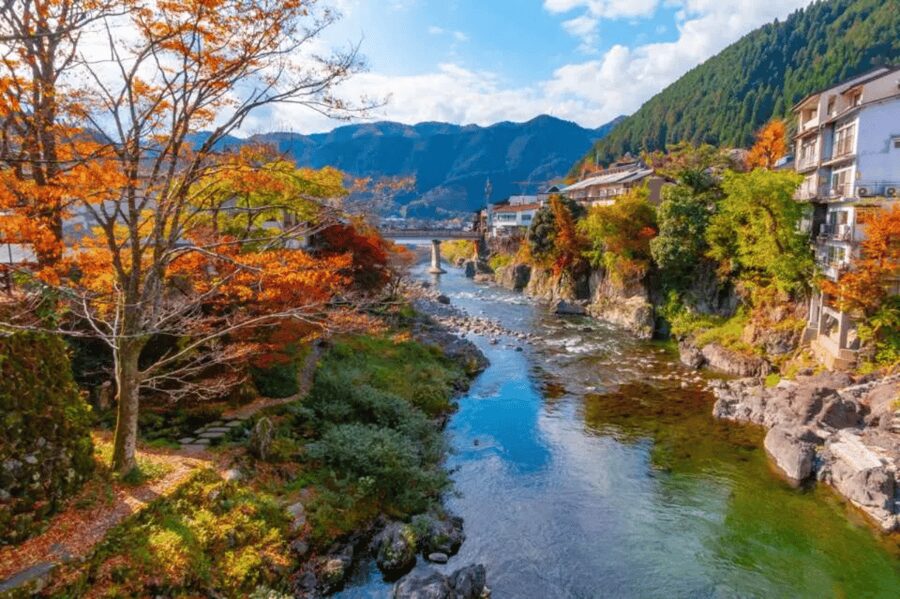
Be at the fountain in front of the Taiko-dori Exit of JR Nagoya Station by 8:15. The departure is at 8:30, and the tour states clearly that late arrivals will not be waited for and will not receive a refund.
Check the availability calendar for the exact starting time, since the activity page lists a 12-hour duration but also says start times can vary. Traffic and weather may alter the schedule, so avoid booking an important evening connection immediately after the expected return.
Cancellation is free up to 24 hours in advance for a full refund. The reserve-now, pay-later option lets you hold a place without paying at the time of booking, which is helpful when your Nagoya plans are still shifting.
Should you book this Nagoya day trip?
Book it if you want maximum reach with minimum planning. For $61, the combination of coach transport, guide service, Takayama, Gujo Hachiman, and Shirakawago is a strong deal. The chance to bring luggage and the option of support in Japanese, English, or Chinese add practical value.
Skip it if your priority is slow travel. Shirakawago gets only one hour, the rides are long, and the schedule leaves little space for spontaneous stops. For most people with one free day in Nagoya, though, this is a sensible sampler of central Japan, especially if guide Hao is leading the group and you are ready for an early start and a full day.
FAQ
Where does the tour meet in Nagoya?
Meet at the JR Nagoya Station Taiko-dori Exit Fountain Front, near the Nakamura Police Station Nagoya Station West Police Box. Arrive at 8:15 and look for the guide holding a Wonder Tours sign.
What time does the tour depart?
The scheduled departure is 8:30. You must arrive on time because the vehicle may leave without late arrivals, and no refund is provided in that situation.
How long does the tour last?
The tour duration is 12 hours. The listed return journey to Nagoya takes about three hours and 15 minutes, while the outward coach ride takes about two hours and 15 minutes.
Which places does the tour visit?
The route visits Gūjo Hachiman Castle, Takayama, and Shirakawa-go. It includes sightseeing, walking, guided time, and free time at the scheduled stops.
How much time is provided at each stop?
The schedule gives about one hour at Gūjo Hachiman Castle, two hours in Takayama, and one hour in Shirakawa-go.
Are meals included?
No. Meals and beverages are not included, so you must pay for your own food and drinks.
What languages are supported?
The tour information lists Japanese, English, and Chinese-speaking guide service. The driver is listed as Japanese and English-speaking.
Can children join the tour?
Yes. Children aged three and older pay the adult rate. Children aged zero to two can join free if they do not occupy a separate seat.
Just added around Takayama
- Private Afternoon Cycling Tour in Hida-Furukawa★ 5.0 · 109 reviews
- Gifu Samurai Sword Town;Japanese Damascus Knife Making Experience★ 5.0 · 27 reviews
- Private-group Morning Cycling Tour in Hida-Furukawa★ 5.0 · 105 reviews
- Short Morning Cycling Tour in Hida★ 5.0 · 17 reviews
- Magome & Tsumago Nakasendo Full-Day Private Trip with Government-Licensed Guide★ 5.0 · 20 reviews
- Magome & Tsumago Nakasendo Trail Day Hike with Government-Licensed Guide★ 5.0 · 38 reviews
- Frozen fall trekking★ 5.0 · 21 reviews
- Explore Kiso Valley : Magome – Tsumago Mountain Trail Walk★ 5.0 · 33 reviews
Takayama Tours, compared.
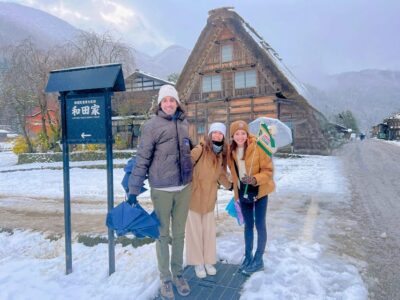
World Heritage Shirakawa-go Morning Guided Tour
Read our review →
World Heritage Shirakawa-go & Two Local Experience
Read our review →
Kanazawa/Takayama: Shirakawago & Takayama Private Day Tour
Read our review →![Departing from Takayama [Regular sightseeing bus] World Heritage Sites Shirakawago and Gokayama Ainokura](https://media3.thejapanesetraveller.com/wp-content/uploads/departing-from-takayama-regular-sightseeing-bus-world-heritage-sites-shirakawago-and-gokayama-ainokura-400x267.jpg)
Departing from Takayama [Regular sightseeing bus] World Heritage Sites Shirakawago and Gokayama Ainokura
Read our review →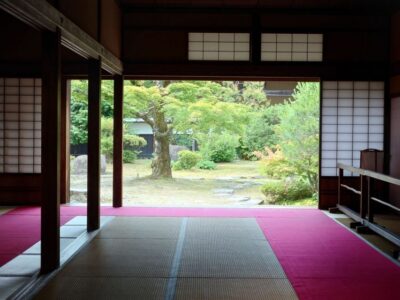
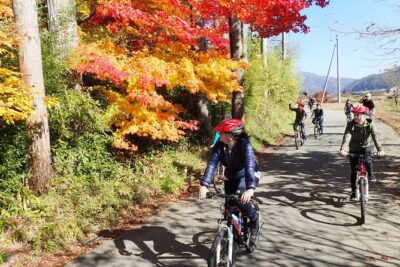
Private Afternoon Cycling Tour in Hida-Furukawa
Read our review →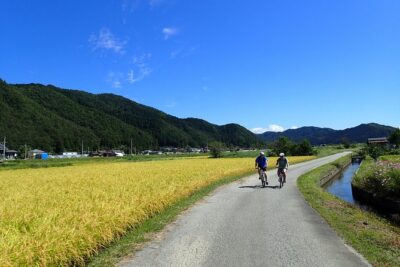
Private-group Morning Cycling Tour in Hida-Furukawa
Read our review →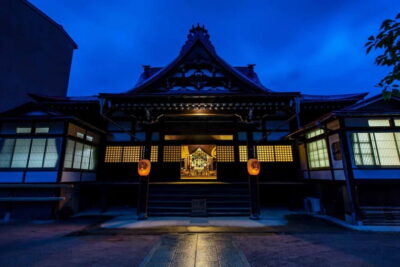
Onigiri and miso soup making at a buddhist temple
Read our review →Browse the lists this tour appears in