
Reviewed · OSAKA TOURS
(Ticket Included) Explore Osaka Castle & Museum of History
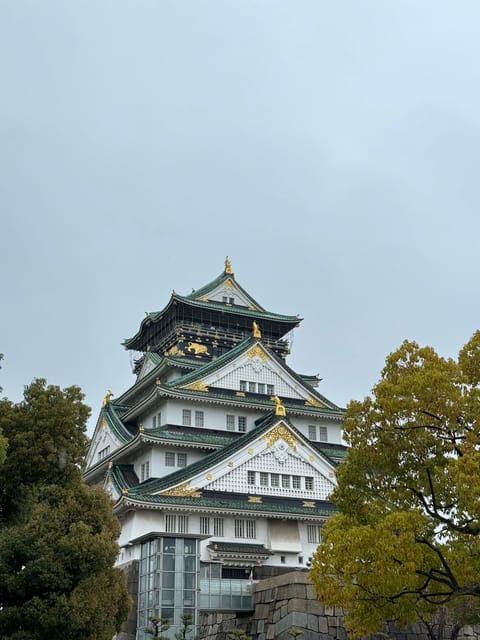
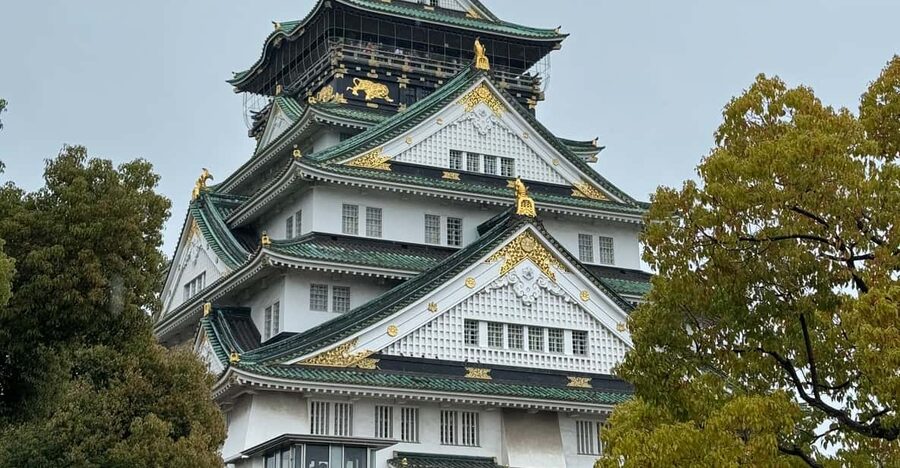
Osaka Castle is more than a photogenic tower. This tour connects the castle to the city around it, then carries you back to ancient Naniwa Palace and the merchant streets of the Edo period. The Museum of History gives you the wider story, while the castle provides the grand finish.
I like the small groups of up to 10 and the practical mix of guided time and free exploration. I also like having two choices: an early park walk for a calm start, or the longer 10:00 tour with museum and castle admission included.
The main thing to consider is walking. The tour involves outdoor paths, stairs, and time on your feet, and the castle can still have a queue during peak season even with the QR ticket.
Key points to know before booking
- Two different tour styles: Pick a 07:30 to 09:00 park walk or the 10:00 to 12:30 historical option.
- Naniwa Palace dioramas: The Museum of History’s 10th floor uses detailed models to show Osaka’s ancient political center.
- Edo merchant life: Exhibits on the 7th floor portray homes, shops, and daily town life.
- Osaka views from above: The museum’s 8th-floor observation area gives you a broad city outlook.
- Castle entry is self-guided: You receive a QR ticket, then explore Osaka Castle’s interior at your own pace.
- Strong guide feedback: Laila and Utahn are specifically praised for clear explanations and helpful support.
Two ways to see Osaka Castle Park
This experience is really two related tours rather than one fixed program. That matters because your choice changes the pace and the amount of history you receive.
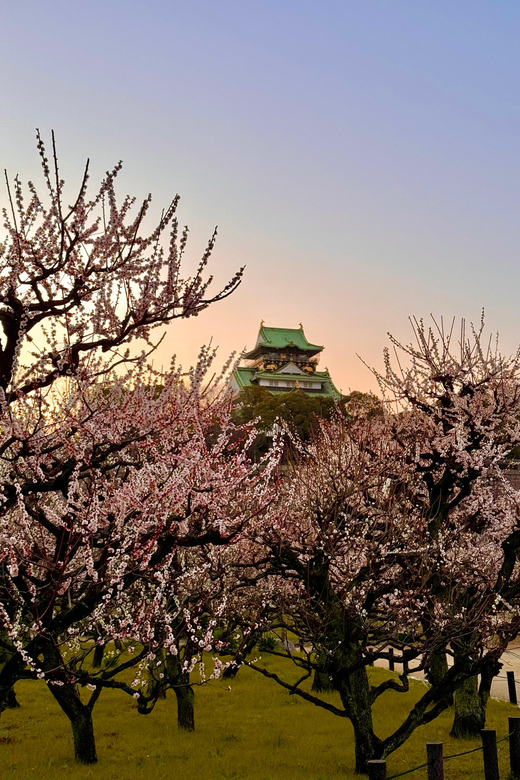
The early option runs from 07:30 to 09:00. It does not include entry to the castle or museum. Instead, you walk around Osaka Castle Park with a guide, taking in quiet paths, photo locations, and the castle’s setting before the day gets busy.
I can see the appeal. Osaka Castle Park is a better place for an unhurried walk early in the morning than later in the day, when more people arrive and the paths feel less peaceful. You receive historical context without committing to a museum visit, and you can use the rest of the morning for another part of Osaka.
The early walk is best for people who want orientation, photographs, and a gentle start. It is not the right choice if your main goal is to see the castle interior or understand Osaka’s story across several centuries.
The longer choice begins at 10:00 and lasts until about 12:30. This includes a guided visit to the Museum of History, a walk through the castle surroundings, and self-guided entry to Osaka Castle. At $22 per person, this is the stronger value if you want both major sights in one compact morning.
More museums and galleries in Osaka:
- Osaka Castle: Museum and Tower Entry Ticket
★ 4.5 · 2,380 reviews - Kamigata Ukiyoe Museum:Ukiyo-e Woodblock Printing Experience
★ 4.9 · 79 reviews - Osaka: Cup Noodles Museum Guided Tour (90 Minutes)
★ 4.8 · 38 reviews
Finding the meeting point at Tanimachi 4-chome
Both options begin at the same spot: 難波宮跡, marked by a signpost at 3-3 Tanimachi, Chuo Ward, Osaka, postal code 540-0012. The meeting point is near the former Naniwa Palace site, which is fitting for a tour that begins with Osaka’s ancient past.
From Tanimachi 4-chome Station, follow signs for Exit 9. If you arrive on the Chuo Line, the route is direct. If you arrive on the Tanimachi Line, follow signs toward the Chuo Line platform area to reach Exit 9.
This is one place where you should allow a little extra time. Japanese stations can have several corridors and exits, and the directions can feel less obvious when you are carrying luggage or arriving for an early start. Ask a station officer if needed. The exact meeting point is also available through the supplied Google Maps link.
You do not receive transportation to the meeting point, so subway fare is separate. Wear shoes that can handle a fair amount of walking, and check the weather before leaving your hotel.
The Museum of History puts Osaka in context
The 10:00 tour begins with roughly 15 minutes on foot to the Osaka Museum of History. The walk itself helps shift your attention from present-day Osaka to the older layers beneath the city.
The museum is arranged across several floors, and the visit lasts about an hour. The strongest feature is the way it turns broad historical subjects into scenes you can understand at a glance.
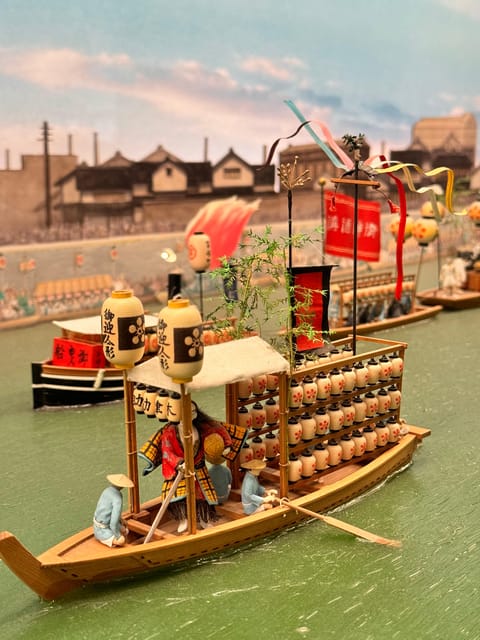
On the 10th floor, large dioramas show Naniwa Palace. Osaka was once home to this important ancient palace, and the models help you picture the scale and layout of a site that is otherwise easy to overlook. I like this stop because it gives the surrounding area a much older identity than the familiar castle image suggests.
The guide can point out how the displays connect to places you will see later. This is useful because a museum visit without context can become a parade of dates and objects. Here, the explanations are meant to connect the exhibits to Osaka’s streets and landmarks.
The museum also explores the Edo period, when Osaka developed a strong merchant culture. Displays recreate aspects of town life, including shops, homes, and the busy rhythm of commercial neighborhoods. You get a look at the people who made the city function, not just the rulers and military leaders who usually dominate castle stories.
A tour comment praised Utahn for explaining the museum and showing how its dioramas and artifacts relate to the castle. That connection is one of the best reasons to take the guided option instead of visiting the museum alone. You are not simply looking at separate displays. You are being shown how the city’s past fits together.
The 8th-floor observation deck adds a useful pause
The museum’s 8th-floor observation area provides panoramic views over Osaka. This is not a long sightseeing stop, but it gives you a visual break after the indoor exhibits and helps you understand the city’s size and layout.
From above, you can look across the modern city and then return your attention to the historic area below. The view is particularly useful after learning about Naniwa Palace and Osaka’s development, since you can see how old sites now sit within a dense urban setting.
Bring a camera if you enjoy city views, but remember that flash photography is not allowed. The tour also includes help with photo spots and taking pictures, which is handy if you are traveling alone or want more than a quick self-timer shot.
More history-led days in Osaka:
- Osaka: Castle History Walking Tour / Castle Tower Admission
★ 4.9 · 230 reviews - Osaka: Osaka Castle & Historical Museum Guided Tour
★ 4.8 · 28 reviews - Osaka: Kyoto & Nara & Uji Historical and Scenic One-Day Tour
★ 4.7 · 21 reviews - Osaka: Osaka Castle 3 hours Historical Walking Tour
★ 4.6 · 14 reviews
Walking from the museum to the castle grounds
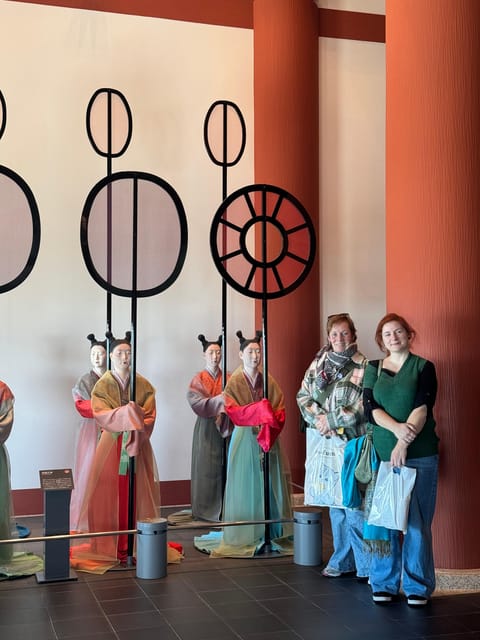
After the museum, you walk for about 20 minutes toward Castle Park. This is not a transfer in a vehicle. It is part of the experience, so plan for a steady amount of walking in addition to the museum visit.
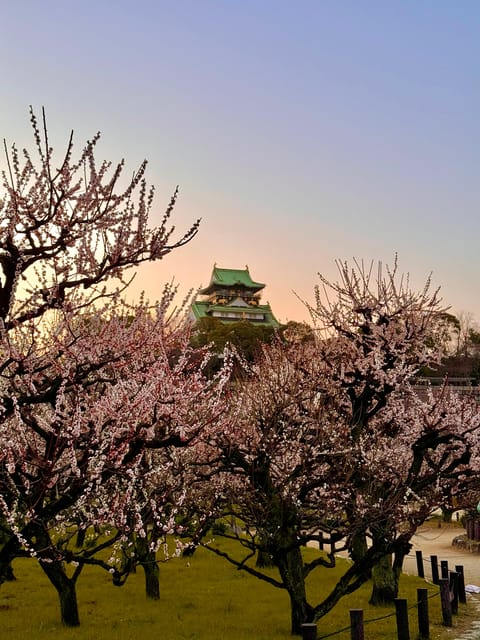
The guide leads you through the castle surroundings, with time for sightseeing, photographs, and explanations of the area’s past. The park offers a change of pace after the museum’s indoor displays. You can look closely at the setting, pause for pictures, and hear how the castle fits into Osaka’s wider story.
The supplied schedule allows around 100 minutes for the castle park and related sightseeing. That is generous enough for a relaxed walk rather than a hurried march from one photo stop to the next. Still, the exact rhythm can depend on the group, weather, and how long people spend taking pictures.
Comfortable clothes matter here. You may be outdoors for a substantial part of the tour, and conditions can change quickly. In warm weather, bring water, though food and drinks are not included.
Osaka Castle is your self-guided finale
The longer tour includes a QR ticket for Osaka Castle. The guide does not accompany you inside for a full guided castle visit. Instead, you enter on your own and explore the interior at your preferred pace.
That arrangement has both advantages and limits. You are free to linger over the displays that interest you, move quickly through sections that do not, and choose your own stopping points. If you prefer a guide beside you at every stage, this may feel less complete than a fully escorted castle tour.
The castle interior focuses on Osaka Castle and its historical associations. Since the guide has already explained the museum displays and surrounding grounds, you enter with a useful frame of reference. Look for links between the information you heard earlier and the artifacts or exhibits inside.
The included ticket is a real benefit at this price, but it does not guarantee an instant entrance. During peak season, you may still need to wait in line to enter the castle. The QR ticket helps with admission, yet it is wise not to schedule a tight appointment immediately afterward.
One reported booking comment describes difficulty being admitted despite the included castle and museum ticket. That appears to be an isolated problem, but I would keep your QR code easy to access and confirm the meeting and ticket instructions before the tour begins. Clear preparation is especially sensible when a castle queue may form.
Why the $22 price makes sense
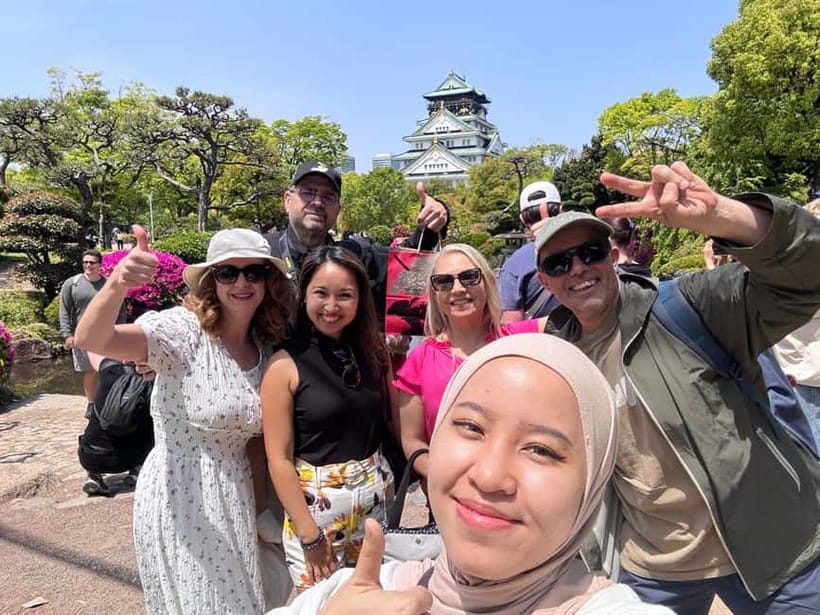
At $22, the 10:00 option offers good value for a morning in central Osaka. The price includes an English-speaking or Indonesian-speaking guide, admission to the Museum of History, and admission to Osaka Castle. You also receive help with photographs and recommendations for good photo locations.
The cost does not include subway fare, food, drinks, or personal purchases. Those exclusions are normal for a short walking experience, but remember that the total morning cost will be slightly higher once transportation and refreshments are added.
The value comes from the connections between the stops. You could visit both places independently, but you would need to work out the route, decide which museum floors deserve attention, and build the historical links yourself. The guide saves planning time and adds structure without keeping you in a rigid group inside the castle.
The 07:30 park walk is a different calculation. Since it does not include admission, you are paying mainly for local orientation, history, scenic walking, and photo help. That can be worthwhile if you already plan to visit the castle separately or want a quiet first look at the grounds. If you want the best ticket value, choose the 10:00 option.
Small groups make the walking easier
With a maximum of 10 participants, the group is small enough for questions and photo assistance without the feel of a large procession. This matters in a museum, where people often want to pause at different displays.
The guide can also keep the pace more personal. Laila is praised for being helpful and making the experience comfortable, while Utahn is noted for explaining the museum and linking its displays to the castle. Guide assignments can vary, so you should not assume one particular person will lead your departure, but these names suggest the kind of support the experience aims to provide.
The languages listed are English and Indonesian. If you need explanations in another language, this is not the right booking.
Timing, comfort, and who should book
The longer option takes about two and a half hours, though the stated duration can range from 90 to 150 minutes depending on the selected tour. You should leave room in your schedule rather than treating the end time as exact.
This experience suits you best if you want a guided introduction to Osaka’s past but still like some independent time. The museum portion is structured, the park walk is accompanied, and the castle interior is yours to explore.
It is also a good first morning in Osaka. The route gives you an overview of ancient palace life, Edo merchant culture, castle history, and the present-day city view. That makes later sightseeing easier because you have a clearer sense of how Osaka developed.
It is less suitable if you dislike walking, need a fully seated activity, or want a guide inside Osaka Castle. The experience is also listed as unsuitable for people over 80. That does not describe every person’s ability, but it signals that the walking and outdoor portions may be demanding.
The early tour works for an early riser who values quiet paths over indoor exhibits. The 10:00 tour works better for most people who want the complete historical package.
Practical advice for a smoother morning
Meet at the marked Naniwa Palace signpost, not simply somewhere near the station. Exit 9 at Tanimachi 4-chome is the key navigation detail, especially if you are transferring from the Tanimachi Line.
Wear supportive walking shoes. The route includes the station approach, a 15-minute walk to the museum, movement through the museum, a 20-minute walk to the castle area, and outdoor sightseeing.
Dress for the forecast. The park portion is outside, and rain or heat can change your comfort quickly. Carry a camera if photographs matter to you, but do not use flash inside restricted areas.
Keep your castle QR ticket available on your phone. Since castle entry is self-guided and queues may appear during peak season, avoid burying the code in an email folder you cannot reach quickly.
Free cancellation is available up to 24 hours before the start time, and you can reserve now while paying later. Those terms help if your Osaka plans are still shifting, but they do not remove the need to check the selected start time carefully.
Should you book this Osaka history tour?
Book the 10:00 option if you want a well-priced, small-group introduction to Osaka that combines the Museum of History, castle grounds, and Osaka Castle admission. The Naniwa Palace dioramas, Edo town displays, observation deck, and guide explanations give the morning more substance than a simple castle photo stop.
Choose the early park walk if you mainly want quiet scenery, orientation, and photographs, and you are happy to arrange castle entry separately. I would not choose either option if you want a completely effortless day with little walking or a guide inside the castle.
For most people, the 10:00 tour is the better buy. Just wear good shoes, allow extra time for the castle queue, and keep your afternoon schedule flexible.
FAQ
What does the $22 tour price include?
The 10:00 option includes an English-speaking or Indonesian-speaking guide, admission to the Osaka Museum of History, admission to Osaka Castle, and help with photo spots and taking pictures. Transportation, food, drinks, and personal expenses are not included.
Does the early morning tour include castle entry?
No. The 07:30 to 09:00 option is a guided walk around Osaka Castle Park and does not include entry to Osaka Castle or the Museum of History.
Where does the tour meet?
The meeting point is 難波宮跡, at 3-3 Tanimachi, Chuo Ward, Osaka, postal code 540-0012. From Tanimachi 4-chome Station, follow signs to Exit 9.
Is Osaka Castle guided from inside?
No. The castle portion is self-guided. You receive a QR ticket and explore the interior at your own pace. The guide does not accompany you inside the castle.
How long does the experience last?
The available options last about 90 to 150 minutes. The early walk runs from 07:30 to 09:00, while the longer historical option runs from 10:00 to 12:30.
Can I cancel the booking?
Yes. You can cancel up to 24 hours in advance for a full refund. You can also reserve now and pay later, which keeps your plans flexible.
Just added around Osaka
- Discover Real Osaka: A Cultural Walk with Food & Drink★ 5.0 · 13 reviews
- From Osaka/Kyoto: Kyoto & Nara Day Trip with Optional Lunch★ 4.5 · 79 reviews
- Osaka 6hr Private Walking Tour with Government Licensed Guide★ 5.0 · 174 reviews
- Private Airport transfer Kansai Intl. Airport(KIX) to OSAKA CITY★ 4.5 · 12 reviews
- Osaka: Namba Local Food Walking Tour (Taste 15 Dishes)★ 5.0 · 20 reviews
- Osaka Delights: Traditional Japanese Food Tour★ 4.5 · 33 reviews
- Badminton in Osaka & Kyoto with Locals!★ 5.0 · 15 reviews
- From Osaka or Kyoto: Kyoto and Nara 1-Day Bus Tour★ 3.5 · 141 reviews
Osaka Tours, compared.


Shinsekai Food Tour with 13-15 Dishes at 5 Eateries
Read our review →
Osaka Food Tour: 13 Dishes at 5 Local Eateries
Read our review →
Hungry Osaka Street Food Tour:15 Tastings & 3 Drinks with a Local
Read our review →



Hotspots & Hidden Gems Walking Tour Private or Group
Read our review →Browse the lists this tour appears in