
Reviewed · OSAKA TOURS
From Osaka: Sakai Knife Maker or Blacksmith Walking Tour
Sakai is where a simple kitchen knife becomes a story about local craft, trade, and patient handwork. This 210-minute walk takes you from an old sweets shop to the city’s craft museum, then behind the doors of either Yamawaki Hamono, a century-old knife maker, or the De Sakai blacksmith forge.
I like the mix of a small local food stop and serious craft instruction. I also like that you can practice traditional sharpening instead of merely watching a demonstration. The main catch is scheduling: the knife-maker and blacksmith visits run on different days, and the museum can close on the third Tuesday of the month.
Key points to know before booking
- Two very different craft visits: Choose knife finishing at Yamawaki Hamono or hand forging at De Sakai.
- A real Sakai introduction: The walk links local sweets, cutlery history, and working craft shops.
- Hands-on sharpening: The knife-maker option includes instruction in a traditional Japanese sharpening method.
- Custom knife orders: You can select and order a customizable kitchen knife, with guidance from the tour team.
- Small-group feel: Private and small-group formats are available, making conversation and translation easier.
- Plan around the calendar: From March 6 to April 6, 2026, only the blacksmith visit is available.
Why Sakai is worth the short trip from Osaka
Sakai sits south of central Osaka and is easy to reach by train. The meeting point is Nankai Sakai Station, and the walk begins there before heading through an ordinary Sakai neighborhood. That is part of the appeal. You are not being led through a polished attraction built only for sightseeing. You are seeing a working city where craft businesses, small shops, and local streets share the same space.
The tour gives you a useful frame for the knife visit. Sakai’s cutlery trade did not appear out of nowhere, and the craft museum helps explain how the city became associated with blades and handmade tools. Guides such as Remy, Scott, and Jean-Yves have been praised for adding local stories and explaining the area in an easy, good-humored way.
The experience costs $64 per person. That is a fair price if you value access and interpretation, since the fee includes a bilingual local guide, a sweet, the museum visit, entry to the knife facility or forge, and a sharpening lesson on the knife-maker route. It is less attractive if you only want to buy a knife, since you will also pay separately for any purchase, drinks, extra food, or souvenirs.
More walking tours in Osaka:
- Osaka: Hotspots & Hidden Gems Walking Tour Private or Group
★ 4.9 · 1,300 reviews - Osaka Local Foodie Walking Tour in Dotonbori and Shinsekai
★ 5.0 · 985 reviews - Osaka Bar Hopping Night Walking Tour in Namba (3 bars, 6 tastes)
★ 5.0 · 958 reviews
Start with mochi and old-fashioned Sakai sweets
The first stop is Yao Gen Raikodo Honten, an old-fashioned sweet shop about 15 minutes on foot from the station. You receive one sweet, and the stop gives the tour a warm beginning before the more technical part of the day.
The shop is known for traditional mochi, with poppyseed and cinnamon varieties singled out as memorable choices. The value here is not just the snack. Your guide connects the food to Sakai’s local life, and you get to meet the people behind a small, long-running business rather than simply passing another shop window.
I like this stop because it slows the pace. Knife production can sound specialized and intimidating, especially if you do not cook much. Starting with a sweet and a short conversation makes the walk feel like an introduction to Sakai, not a lecture about steel.
There is one practical limitation. The tour includes one sweet, not a full food tour. Bring your own water, and do not count on this stop as lunch. Extra food and drinks are not included.
The craft museum sets up the knife story
After roughly five minutes of walking, you reach the Sakai Traditional Crafts Museum and Knife Shop. You spend about 30 minutes here, with time for a self-guided visit and photographs.
This is the point where the tour moves from local flavor to context. You can see why Sakai’s cutlery matters and get a basic understanding of the tools, materials, and traditions that shaped the local industry. The museum also gives you a chance to compare knives before visiting the working maker or forge.
Do not treat this as the main attraction. The museum portion is relatively short, and the visit can be affected by the museum’s inventory schedule. On the third Tuesday of each month, it may close without notice. If that happens, your guide is expected to cover the cutlery story while walking and at the knife company office instead.
That change may disappoint anyone hoping for a formal museum visit, but it does not remove the main craft stop. It is one reason I would avoid the third Tuesday when possible.
Yamawaki Hamono: see a kitchen knife take shape
On the knife-maker route, the next stop is Yamawaki Hamono, a company with more than 100 years of history. The visit lasts about 90 minutes and includes a guided tour, shopping, a workshop, and time to place an optional custom order.
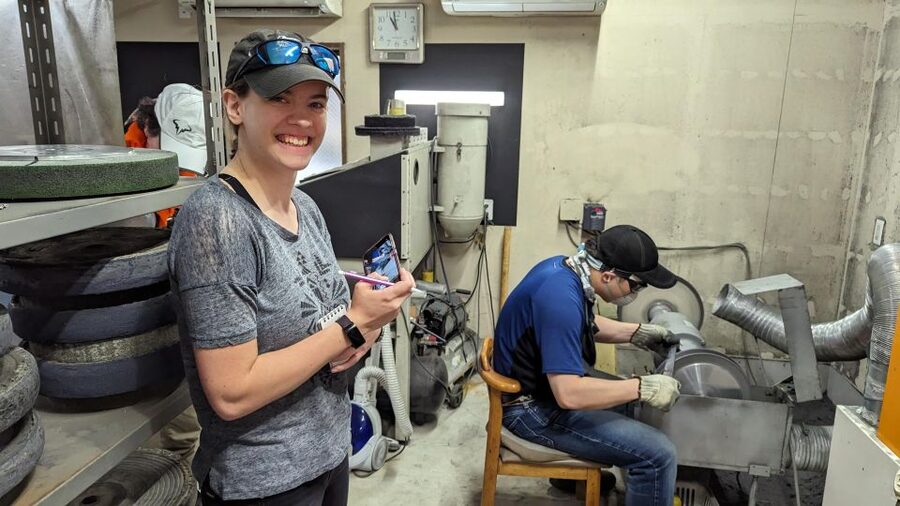
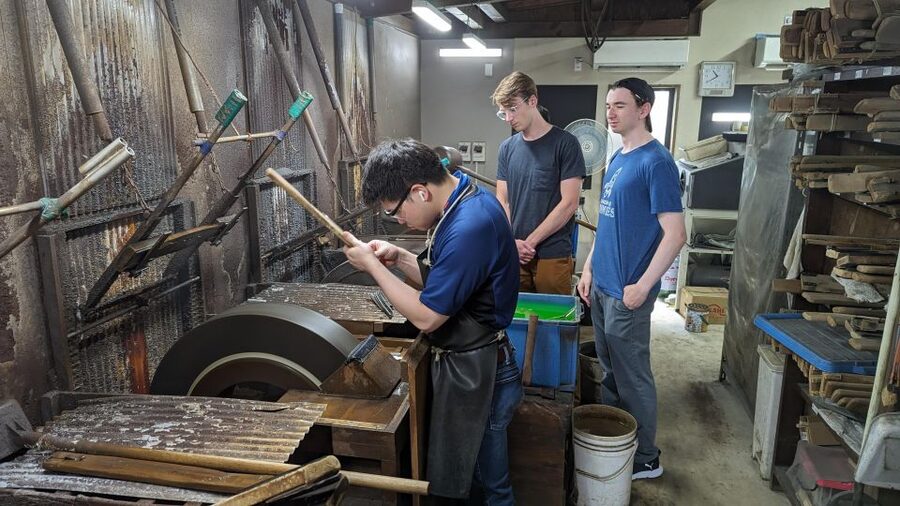
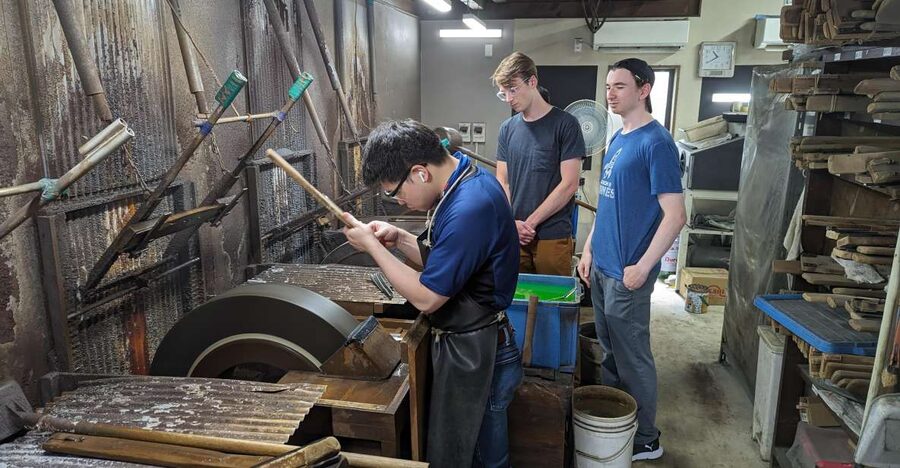
This is not primarily a blacksmith demonstration. Raw blades arrive at Yamawaki Hamono from the blacksmith, and the staff turn those blades into finished handmade cooking knives. You visit the sharpening station and main office, then watch the stages that give a knife its working edge and final form.
That distinction matters. If you are interested in kitchen knives, this stop shows the less theatrical but essential work that comes after forging. A glowing piece of steel gets attention, but sharpening, shaping, and finishing determine how a knife performs in the kitchen.
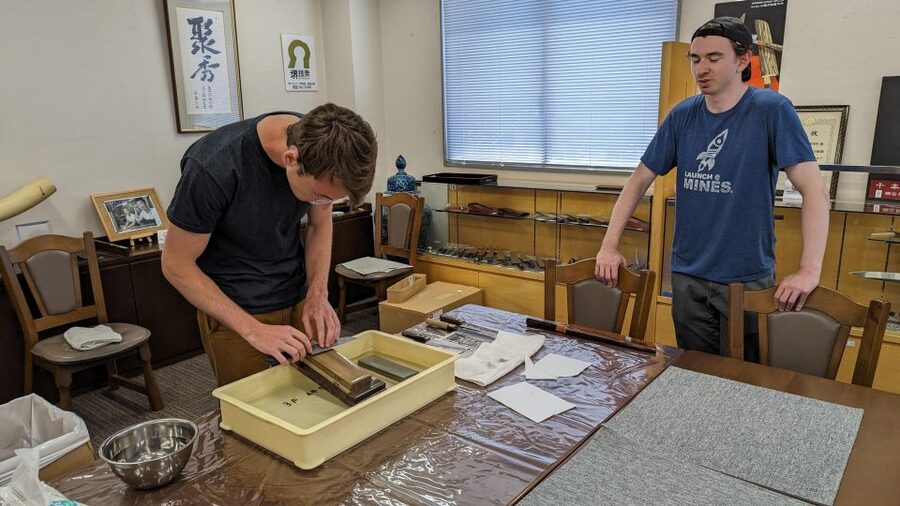
The sharpening lesson is one of the strongest reasons to choose this route. Under instruction from a trained guide, you practice a traditional Japanese sharpening technique. The skill is useful long after your Osaka visit, especially if you plan to buy a Japanese knife and want to care for it properly.
The shopping portion also has real value. You can order a customizable knife and watch parts of the process during the visit. The guide can help translate and supervise the purchase, which is useful when you are comparing blade types, finishes, or handles. You should still treat the purchase as optional. The tour price does not include the knife, and the best choice depends on your cooking habits and budget.
A useful warning comes from the route’s focus: this is a kitchen-knife experience. It is not aimed at hunting knives, pocket knives, or general blade collecting. If you want a practical cooking tool and an explanation of how it is made, the match is strong.
A few more Osaka half-days to weigh up
- Osaka Go Karting Tour with Funny Costume
★ 5.0 · 2,658 reviews - Osaka Castle: Museum and Tower Entry Ticket
★ 4.5 · 2,380 reviews - Osaka: Shinsekai Food Tour with 13-15 Dishes at 5 Eateries
★ 4.8 · 2,204 reviews - Osaka Food Tour: 13 Dishes at 5 Local Eateries
★ 5.0 · 2,149 reviews
De Sakai forge: the more hands-on choice
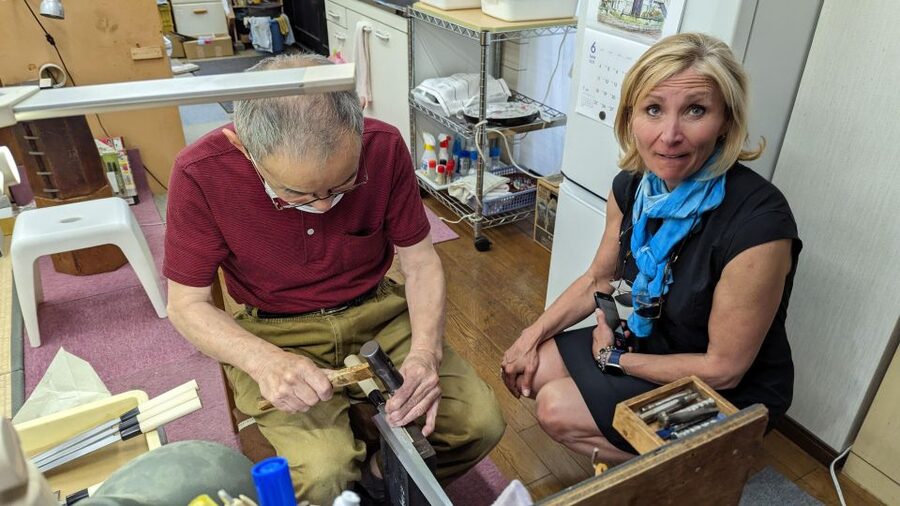
The blacksmith option takes you into the De Sakai cutlery forge for about an hour. Here, the emphasis shifts from finishing and sharpening to the forging process itself.
You learn about the techniques directly from the artisan, with detailed instruction in English and French when the blacksmith is available for that language. The visit includes guided viewing, free time, shopping, and a workshop. The most memorable part can be the chance to hammer glowing steel as the first stage of making a knife.
This route has a more intimate, old-style workshop feel. You are not simply looking at finished knives behind glass. You see the artisan at work and get a closer sense of the heat, force, timing, and repetition involved in shaping steel.
The blacksmith visit is the better fit if you want the making process itself. It is also the route to choose if the physical act of forging appeals more than learning to maintain a finished blade. The tradeoff is that the dedicated sharpening lesson belongs to the knife-maker route, so you should decide which skill matters more to you.
Scheduling needs careful attention. The regular description identifies Wednesdays for the blacksmith visit and Tuesdays and Thursdays for Yamawaki Hamono. The information also notes a special period from March 6 through April 6, 2026, when only the blacksmith option is available. During that period, Tuesdays and Wednesdays can be booked at the knife-maker rate. Check the date and option carefully before paying, since the two routes are not interchangeable.
The walk matters as much as the workshops
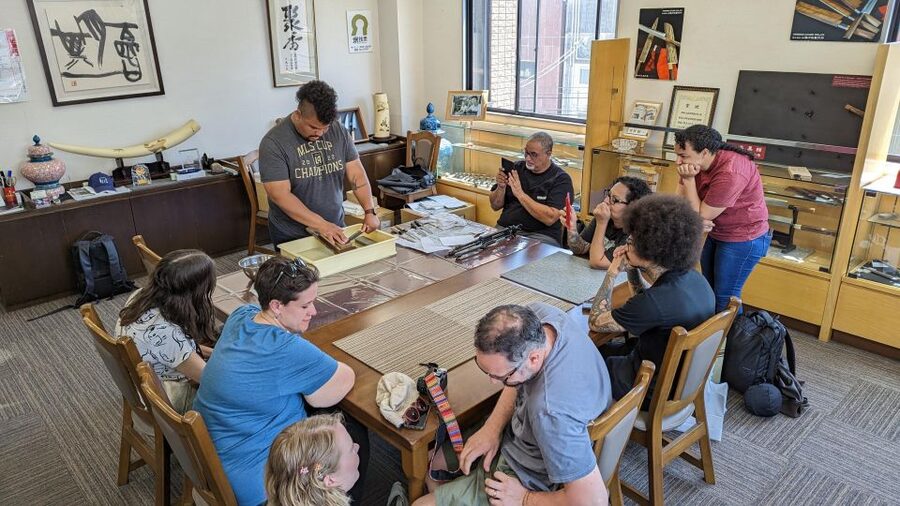
The tour involves about 40 minutes of walking in total, split between the station, sweet shop, museum, and craft stops. The pace is manageable for most people, but you should wear comfortable shoes and expect to walk through regular city streets rather than a purpose-built attraction.
That walking time gives your guide room to explain Sakai. Remy has been described as sharing local history with energy and humor, while Scott is known for helping a mixed group connect and offering useful local suggestions. Jean-Yves has also led the tour with enthusiasm. The exact guide is not guaranteed, but all guides speak English, and some also speak French.
French needs special care. A shared tour cannot guarantee a French-speaking guide. The team can confirm French availability if you contact them before booking, and guides may alternate between English and French when needed. If French instruction is important for the forge workshop, ask first rather than assuming the language shown in the booking information will be guaranteed.
What the $64 price really buys you
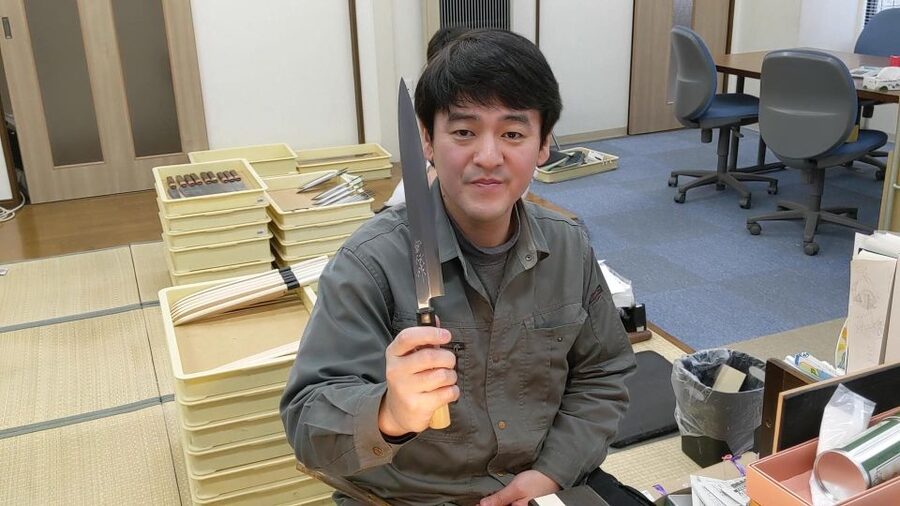
At $64, this is not the cheapest way to shop for a Japanese knife. You could spend less by visiting a retail shop on your own, especially if you already know exactly what you want.
The tour earns its price through access. You receive a guide who can explain the local setting, arrange communication at the craft stops, and help you understand what you are seeing. You also get entry into a private working environment that may be difficult to approach independently.
The price includes:
- A bilingual local guide
- One sweet at the traditional shop
- The Sakai craft museum visit
- Access to Yamawaki Hamono or De Sakai, depending on the date
- Shopping time
- A traditional sharpening lesson on the knife-maker route
- The option to order a customizable knife
The price does not include your knife, extra food, drinks, or other purchases. If you are considering a custom knife, set a separate spending limit before the tour. The setting and expert advice can make it easy to buy more than planned.
The tour requires at least two participants for the session to operate, even though a solo traveler can book. If only one person reserves, the session may be canceled, with the provider offering a new date or a full refund. That rule is worth checking if you are traveling alone or booking close to your preferred date.
Who will get the most from this experience
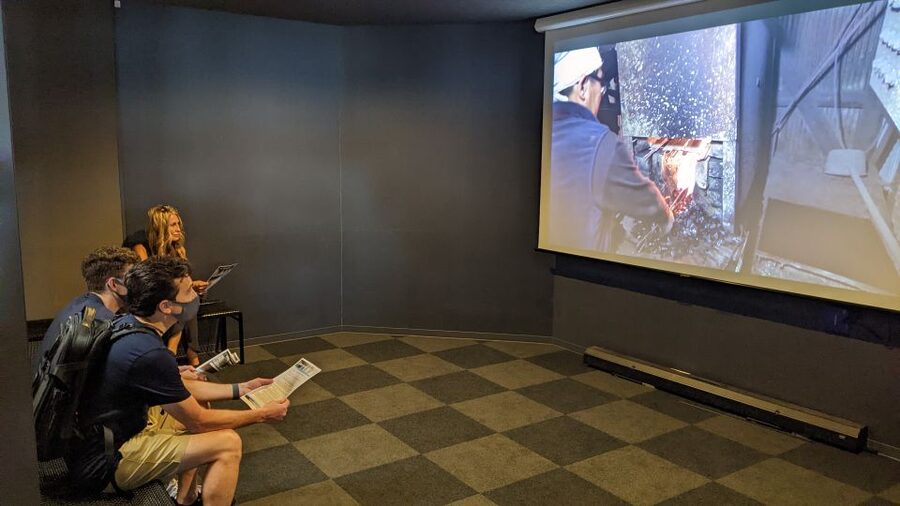
I would recommend this to cooks, food lovers, craft fans, and anyone who wants a quieter half-day outside Osaka’s busiest areas. It also works well for a couple or family with mixed interests, since the sweets and local history give non-knife enthusiasts something to enjoy.
Teenagers may find the forge session especially appealing because it has a hands-on element. The knife-maker route is a better fit for someone who wants to understand sharpening and buy a serious kitchen tool.
I would not choose it if you dislike walking, want a broad Osaka sightseeing tour, or expect a large museum packed with exhibits. The experience is focused and local. Its strongest moments happen in the small shop, the working facility, and the conversation with the artisan.
The tour is wheelchair accessible, but the experience still includes several walking sections and workshop visits. Confirm your specific needs with the provider before booking, particularly if you need details about access inside each private craft site.
My booking advice for choosing the right day
Choose the knife-maker route if you want to buy a Japanese cooking knife, learn how to sharpen it, and see how a raw blade becomes a finished tool. Tuesdays and Thursdays are the regular days given for Yamawaki Hamono.
Choose the blacksmith route if you care most about forging and want the chance to work with the process under an artisan’s direction. Wednesdays are the regular blacksmith day, with the special March 6 to April 6, 2026 schedule noted above.
If a French-speaking guide is essential, contact the operator before booking. If the museum is important to you, avoid the third Tuesday of the month when possible.
Should you book the Sakai knife and blacksmith walk?
Book it if you want more than a knife shop. The tour ties together a local sweet, Sakai’s cutlery story, a working craft business, and practical instruction. The strongest choice depends on your goal: Yamawaki Hamono for kitchen knives and sharpening, or De Sakai for forging and hands-on hammering.
Skip it if your only aim is a quick purchase or if your schedule cannot handle a fixed workshop day. For the right visitor, though, $64 buys access, context, and a skill you can take home, not just another souvenir.
FAQ
Where does the tour begin?
The tour begins at Nankai Sakai Station, south of Osaka. The meeting point can vary according to the option booked, so check the confirmed details before setting out.
How long does the experience last?
The tour lasts 210 minutes, or three and a half hours. It ends back at Sakai Station, with two listed drop-off locations at the station.
Which languages are available?
English is available, and French may be available with some guides. French cannot be guaranteed on a shared tour, so contact the provider before booking if you need a French-speaking guide.
What is the difference between the knife-maker and blacksmith options?
The knife-maker visit goes to Yamawaki Hamono and focuses on turning raw blades into handmade cooking knives, sharpening, and optional custom orders. The blacksmith visit goes to De Sakai and focuses on forging techniques, including a possible hands-on hammering session.
Which days offer each craft visit?
The regular schedule gives Tuesdays and Thursdays for Yamawaki Hamono and Wednesdays for the blacksmith. From March 6 through April 6, 2026, only the blacksmith visit is available, with Tuesdays and Wednesdays offered at the knife-maker rate.
Is a knife included in the price?
No. You can order a customizable knife as an option, but the knife purchase is separate from the $64 tour price.
Is food included?
One sweet at the traditional sweet shop is included. Extra food and drinks are not included.
Can solo travelers book?
Yes, solo travelers can book directly. However, the tour requires at least two participants to operate, so a single booking may be canceled and replaced with a rescheduled date or full refund.
What should I bring?
Bring a passport or other identification. Comfortable walking shoes and water are also sensible for the city walk, though only the identification is specifically required.
Just added around Osaka
- Discover Real Osaka: A Cultural Walk with Food & Drink★ 5.0 · 13 reviews
- From Osaka/Kyoto: Kyoto & Nara Day Trip with Optional Lunch★ 4.5 · 79 reviews
- Osaka 6hr Private Walking Tour with Government Licensed Guide★ 5.0 · 174 reviews
- Private Airport transfer Kansai Intl. Airport(KIX) to OSAKA CITY★ 4.5 · 12 reviews
- Osaka: Namba Local Food Walking Tour (Taste 15 Dishes)★ 5.0 · 20 reviews
- Osaka Delights: Traditional Japanese Food Tour★ 4.5 · 33 reviews
- Badminton in Osaka & Kyoto with Locals!★ 5.0 · 15 reviews
- From Osaka or Kyoto: Kyoto and Nara 1-Day Bus Tour★ 3.5 · 141 reviews
Osaka Tours, compared.


Shinsekai Food Tour with 13-15 Dishes at 5 Eateries
Read our review →
Osaka Food Tour: 13 Dishes at 5 Local Eateries
Read our review →
Hungry Osaka Street Food Tour:15 Tastings & 3 Drinks with a Local
Read our review →



Hotspots & Hidden Gems Walking Tour Private or Group
Read our review →Browse the lists this tour appears in