
Reviewed · HAKONE TOURS
Easygoing Nature Walk in Hakone Tour
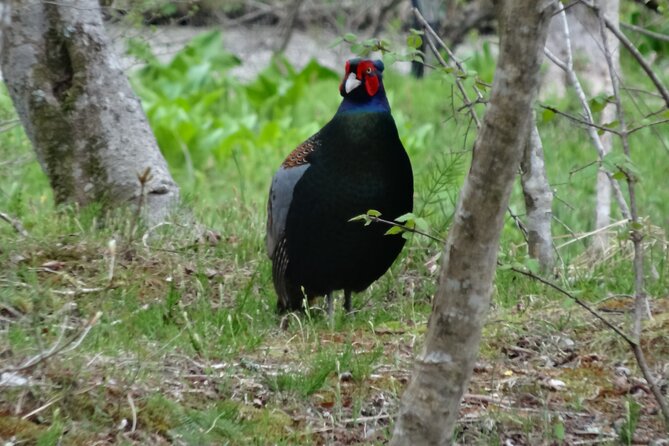
Hakone is more than hot springs, lake cruises, and Mount Fuji views. This gentle nature walk takes you into its wetlands, pampas grass fields, and volcanic surroundings without asking you to climb a steep mountain. Guide Yoshi brings binoculars for each person, points out seasonal plants and wildlife, and explains the geology that makes this corner of Japan different.
I like two things right away: the small group, capped at five people, and the useful mix of stops. You get the excellent Hakone Botanical Garden of Wetlands, wide views at Sengokuhara, and an English-friendly visitor center. I also like that Yoshi can adjust the route in poor weather, as he did for one rainy outing.
The main consideration is logistics. You must reach the garden in Sengokuhara at 9:00 a.m. and arrange your own transport, water, umbrella, and suitable shoes. The walk is relatively flat, but it is still an outdoor outing, and bad weather can lead to a new date or cancellation.
Key points to know before booking
- Small group of no more than five: You get more room to ask questions and more time with the binoculars than on a large bus tour.
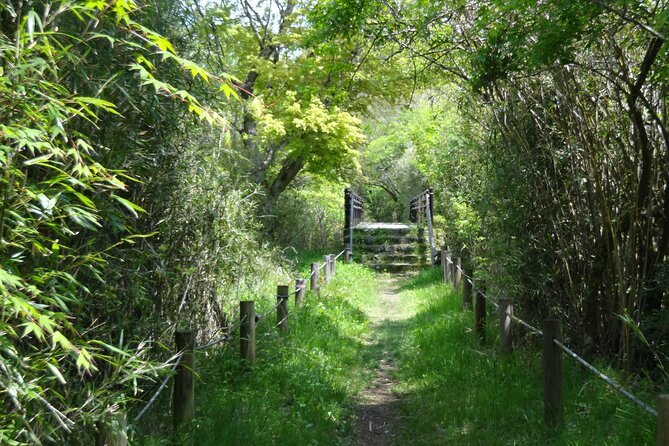
- A gentle route rather than a mountain hike: The walk is designed around flatter areas, making it a good fit if you want nature without a hard climb.
- Three contrasting Hakone stops: The 90-minute botanical garden visit is followed by pampas grass fields and an English-friendly visitor center.
- Binoculars are supplied: Yoshi brings a pair for each participant, useful for birds, distant scenery, and geological features.
- A local guide named Yoshi: He explains Hakone’s plants, birds, creatures, geography, and history in English.
- The finish is convenient: The tour ends at Togendai Station, near buses, sightseeing boats, the ropeway, and taxis.
Why this walk shows you a quieter side of Hakone
Many Hakone day plans are built around transport: ride the ropeway, cross Lake Ashi, take a bus, then move on to the next viewpoint. This tour slows the pace. You spend three and a half hours looking closely at the living parts of the region, from marsh plants to migrating birds.
That slower rhythm matters. Hakone’s appeal is not only its famous mountain views. It has unusual volcanic ground, wetland habitats, seasonal plants, resident birds, migrating birds, insects, fish, and the possibility of spotting mammals such as weasels, deer, foxes, or raccoon dogs. Wildlife is never promised, but the guide gives you a better chance of noticing what you would otherwise walk past.
I would think of this as a guided outdoor study walk with sightseeing built in. Yoshi is a certified professional nature guide, and his role goes beyond naming a flower. He connects plants and animals with Hakone’s geography and local history, giving the scenery a clearer meaning.
The small group helps here. With a maximum of five people, you can stop when something catches your eye instead of being hurried along with a crowd. It also makes it easier to hear explanations and ask about a plant, bird, or rock formation.
More walking tours in Hakone:
- Kyoto Geisha Walking Tour: Gion District & Hidden Gems
★ 4.7 · 3,273 reviews - Tokyo Tsukiji Fish Market Food and Culture Walking Tour
★ 5.0 · 3,184 reviews - Kyoto: Gion Magical Night Walking Tour with Geisha Trivia
★ 4.9 · 2,393 reviews
Starting at the Wetlands Botanical Garden
The morning begins at the Hakone Botanical Garden of Wetlands, at 817 Sengokuhara. Admission is included, and you spend about 90 minutes inside, making this the longest stop of the day.
The garden contains around 1,700 wild plant species, including about 200 marsh plants. That variety gives the tour a strong start. Rather than seeing a general-purpose city garden, you are looking at plant communities tied to wet ground and the local climate.
The exact plants change with the season. Some are endemic to this part of Japan and, in some cases, to the wider world. That makes timing important. A spring visit and an autumn visit will not offer the same plant display, and the guide’s explanation helps you understand why a seasonal change matters.
Bring patience here. The best part of a wetland garden is often small: a plant with an unusual shape, an insect resting on a stem, or a bird heard before it is seen. Yoshi’s binoculars are especially useful for spotting creatures and checking distant details without leaving the path.
The garden has also attracted attention from major gardens in Japan and abroad, including Kew Gardens, as well as members of Japan’s royal family. That fact adds context, but the real value for you is the chance to see wetland plants in a setting devoted to their natural environment.
This is not a stop to rush through for a photograph. You have enough time to pause and ask questions. If you are bringing children, the variety of insects, birds, and plant shapes can keep the visit active, although the appeal depends on their willingness to walk slowly and look closely.
Sengokuhara’s pampas grass fields
The next stop is Sengokuhara Susuki Grass Fields, known as the Hakone Pampas Grass Field. The visit lasts about 40 minutes and has no separate admission charge.
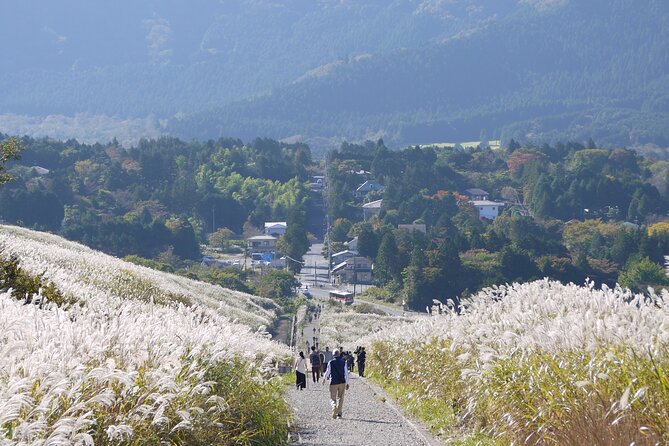
Pampas grass, called susuki in Japanese, once had practical uses. People used it for house roofing and as livestock feed. Today, the field offers one of Hakone’s broadest open views, with the tall grass covering the slope and the surrounding hills extending beyond it.
This stop changes the mood. After the detailed plant life of the botanical garden, you get open space and a stronger sense of Hakone’s scale. In the right season, the grass creates a striking field of pale plumes. The view is also a good reason to use the binoculars, especially if Yoshi is showing you distant geological features.
The route here is not presented as a steep mountain hike, but you are still outdoors in an exposed field. Wear sneakers or hiking shoes, and bring water. The tour does not provide either footwear or a bottle of water.
Your time here is limited to about 40 minutes, so expect a focused visit rather than a long walk through every part of the field. That is a fair trade on a three-and-a-half-hour tour because it leaves time for the garden and the visitor center.
Learning the region at Hakone Visitor Center
The final major stop is Hakone Visitor Center, where you spend about 80 minutes before finishing at Togendai Station. The center is particularly useful if you want a little English-language context during your Hakone visit.
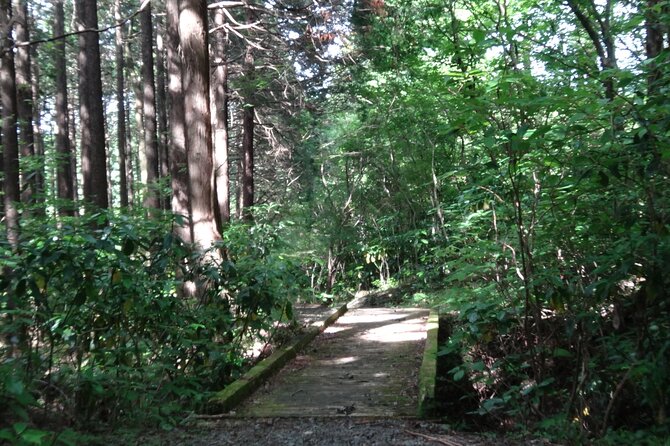
Introductory leaflets and short videos are available in English. The center also has a network of trails nearby. This gives the stop a practical purpose: you are not only looking back at the morning, you are getting ideas for more nature walks in the area.
Yoshi’s explanations about Hakone’s geography and history add value here. The region’s volcanic features can be hard to understand from a passing bus or ropeway cabin. A guide who can point out what you are seeing, then connect it with the plants and animals around you, makes the setting easier to read.
The center is also a sensible place to finish because Togendai Station is a useful transport hub on the northern shore of Lake Ashi. From there, you can find public buses, sightseeing boats toward Hakonemachi and Motohakone, the ropeway toward Gora and Miyanoshita, and taxis.
That ending gives you flexibility. You can continue sightseeing around Lake Ashi, connect with another part of Hakone, or return toward your accommodation. Since the tour begins in Sengokuhara and ends elsewhere, you should plan your onward route before the morning starts.
A few more Hakone half-days to weigh up
- Hakone 6 hour Private Tour with Government-Licensed Guide
★ 5.0 · 218 reviews - Custom Private Tour in Hakone with a Certified Local Guide
★ 5.0 · 91 reviews - Hakone 8 hour Private Tour with Government-Licensed Guide
★ 5.0 · 63 reviews - Private Tour – Hakone Day Trip! A Tour to Explore All Must-Sees!
★ 5.0 · 58 reviews
What the binoculars add to the experience
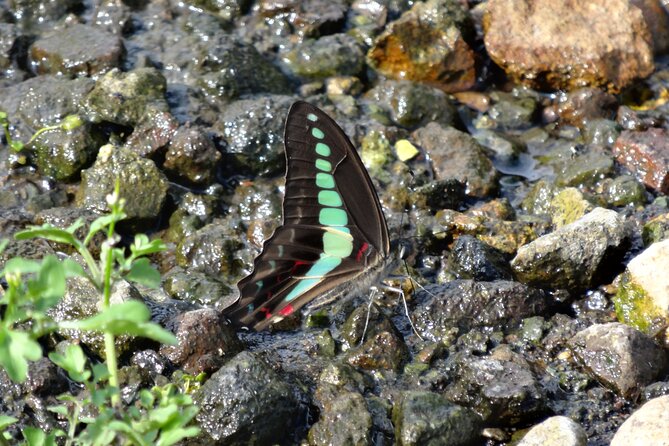
Binoculars are included, with Yoshi bringing them for each participant. That is more useful than it may sound. A nature walk can become frustrating when the bird is too far away, the animal moves into cover, or a geological feature is visible only across a valley.
The binoculars also encourage you to look beyond the obvious. You may use them to inspect a bird, scan the grass field, or study a far-off volcanic feature. They turn a broad view into something you can examine.
No wildlife sighting is guaranteed. The tour description lists possible mammals such as deer, foxes, weasels, and raccoon dogs, but you should book for the natural setting and the guide’s expertise, not for a promised animal encounter.
The same applies to birds and insects. Some days may produce more sightings than others. Weather, season, and simple luck all matter. Still, an experienced guide can help you notice resident and migratory birds, local fish, and plants that are easy to miss.
Yoshi’s role and the value of a small group
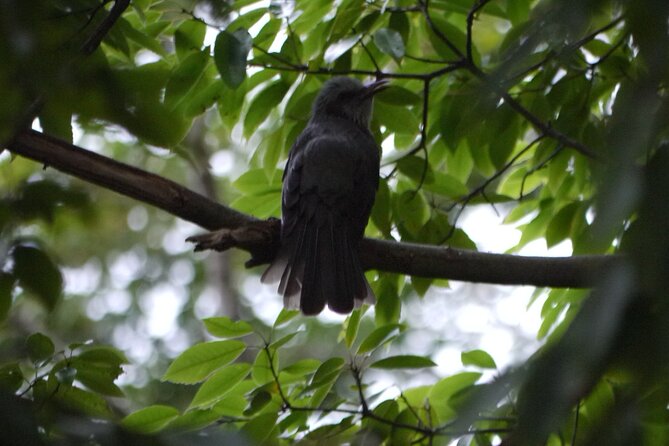
The guide is Yoshi, and the strongest part of the experience is his broad command of Hakone’s natural and cultural setting. He explains plants, birds, creatures, geography, and history, and he can also help with directions to the meeting point from the Tokyo area.
That last point is useful because Hakone transport can feel scattered. The tour starts at the botanical garden, not at the station where you may first arrive, so clear directions matter. You still arrange your own transport, but Yoshi can assist with the route.
A group limit of five is a real advantage for this kind of outing. Nature guiding works best when the pace can change. If one person spots something, the group can gather around it. If the weather turns wet, the route can be adjusted more easily than with a large organized excursion.
The tour has also worked well for first-time nature walkers and families. One family found the gentle route especially enjoyable for their boys, while another participant described it as a relaxing first nature walk in Hakone. That suggests the experience is approachable, but you should still be comfortable spending several hours outside.
Price, timing, and what you need to bring
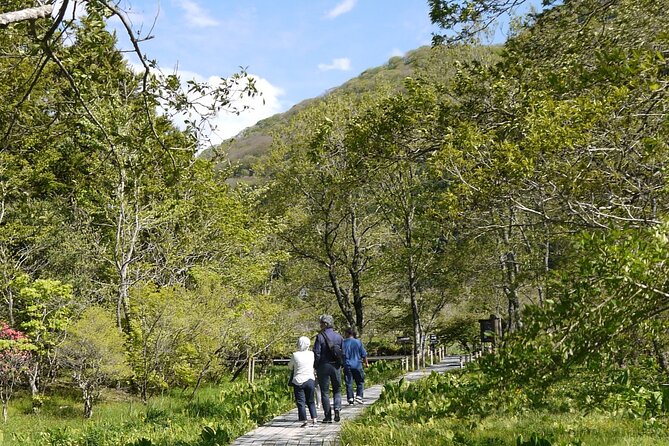
At $39.19 per person, the tour is reasonably priced for a 3.5-hour guided outing that includes admission to the Wetlands Botanical Garden and binoculars. You are paying for more than transport between sights. You are getting a certified guide, a small group, interpretation of the natural setting, and help spotting details you might miss alone.
The value is strongest if you care about plants, birds, geology, or a quieter side of Hakone. If your priority is simply covering as many famous sights as possible, a sightseeing pass or self-guided route may suit you better.
The start time is 9:00 a.m. at the botanical garden. The tour ends at Togendai Station, so allow time to reach the starting point and think ahead about your return or next stop. This is a one-way experience, not a round trip back to the garden.
Bring:
- Comfortable sneakers or hiking shoes
- A bottle of water
- An umbrella or rain protection
- Clothing suited to the day’s weather
These items are not included. The tour requires good weather, and if poor conditions cancel the outing, you are offered another date or a full refund. You can also cancel for a full refund if you do so at least 24 hours before the start time. Changes or cancellations within 24 hours are not refunded.
The experience is often booked about 26 days ahead, so I would not leave it until the last moment if the date matters to you. Confirmation arrives at booking, service animals are allowed, and most people can participate.
Who should book this Hakone walk
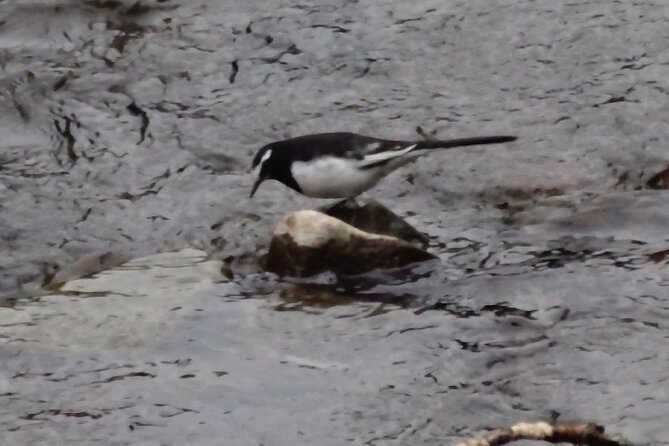
I would choose this tour if you want nature with interpretation, not just a walk between viewpoints. It is a good fit for plant lovers, birdwatchers, families seeking an easy outdoor activity, and anyone who has already seen Hakone’s main transport attractions and wants a different pace.
It also suits you if steep hiking is not appealing. The route focuses on relatively flat areas, though good shoes remain important and outdoor conditions can change.
You may want another plan if you need private transport, dislike early starts, or want a guaranteed wildlife sighting. The tour does not include transportation, and the meeting point is not the final station. You also need to accept that nature is unpredictable.
Should you book the Easygoing Nature Walk?
Book it if you want to understand Hakone through its plants, wildlife, volcanic features, and local stories. The combination of Yoshi’s guidance, supplied binoculars, a five-person limit, and three varied stops gives you a thoughtful half-day outdoors for a modest price.
Skip it if your Hakone schedule is built around a tight loop of ropeway rides, boats, and major viewpoints. For everyone else, this is a practical way to slow down, see more than the usual postcard sights, and leave at Togendai with the rest of the day still open.
FAQ
How long does the Hakone nature walk last?
The tour lasts approximately 3 hours and 30 minutes.
What time and where does the tour start?
It starts at 9:00 a.m. at Hakone Botanical Garden of Wetlands, 817 Sengokuhara, Hakone, Kanagawa 250-0631, Japan.
Where does the tour end?
The tour ends at Togendai Station, 164-17 Motohakone, Hakone, Kanagawa 250-0522, Japan.
Is admission to the botanical garden included?
Yes. Admission to Hakone Botanical Garden of Wetlands is included in the tour price.
Are binoculars provided?
Yes. Guide Yoshi brings binoculars for each participant during the tour.
Is transportation included?
No. Private transportation is not included. You must arrange your own transport to the botanical garden, while Togendai Station offers buses, sightseeing boats, the ropeway, and taxis for onward travel.
What happens if the weather is poor?
The experience requires good weather. If it is canceled because of poor weather, you are offered a different date or a full refund.
Just added around Hakone
- Private Hakone Half-day Car Tour with Hotel Pickup – Local Guide★ 5.0 · 48 reviews
- Hike Japan Heritage Hakone Hachiri with certified mountain guide★ 5.0 · 46 reviews
- Traverse Outer Rim of Hakone Caldera and Enjoy Onsen Hiking Tour★ 5.0 · 30 reviews
- Hike Japan Heritage Hakone Hachiri (Half Day)★ 5.0 · 18 reviews
- Hike Hakone Hachiri★ 5.0 · 48 reviews
- Odawara: Guided Ninja & Samurai Tour of Odawara Castle★ 5.0 · 25 reviews
- Odawara: Odawara Castle Tenshukaku Entrance Ticket★ 4.2 · 30 reviews
- Kowakien Yunessun Hot Springs Entry Ticket★ 4.2 · 23 reviews
Hakone Tours, compared.
Hakone 6 hour Private Tour with Government-Licensed Guide
Read our review →
Custom Private Tour in Hakone with a Certified Local Guide
Read our review →
Hakone 8 hour Private Tour with Government-Licensed Guide
Read our review →
Private Tour – Hakone Day Trip! A Tour to Explore All Must-Sees!
Read our review →

Private Hakone Half-day Car Tour with Hotel Pickup – Local Guide
Read our review →
Hike Japan Heritage Hakone Hachiri with certified mountain guide
Read our review →
Odawara: Odawara Castle Tenshukaku Entrance Ticket
Read our review →Browse the lists this tour appears in