
Reviewed · NAGOYA TOURS
Sumo Tournament Experience in Nagoya
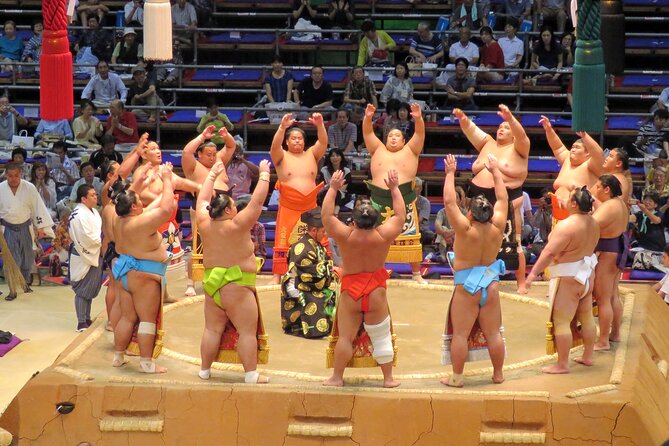
Nagoya’s July Grand Sumo Tournament offers something few Japan trips can: a seat inside an official 15-day basho, with an English-speaking sumo expert explaining the rituals as the matches unfold. You’ll learn why wrestlers scatter salt, how rankings work, and what life is like inside a sumo stable, then cheer with local fans as wrestlers enter the arena.
I like the reserved chair seating, which avoids the floor cushions that can be awkward for some visitors, and I like having a guide who can turn a strange-looking contest into a sport you can follow. Guides such as Kazou and Yoko have been praised for their clear explanations and enthusiasm. The main drawback is timing: the group may wait before entering, and the tour can be canceled if fewer than 15 people book.
- Nagoya hosts the tournament only in July, making this a rare seasonal experience.
- The group usually includes 15 to 20 people, with a maximum of about 24.
- Reserved A, B, or C-class chair seats provide a clear view without floor seating.
- Audio headsets help you hear the guide during the matches.
- Optional chanko hot pot dinner connects the event to everyday sumo culture.
- Book early, ideally three months ahead, because group tickets are released only four to seven weeks before the event.
Why Nagoya’s July Basho Matters
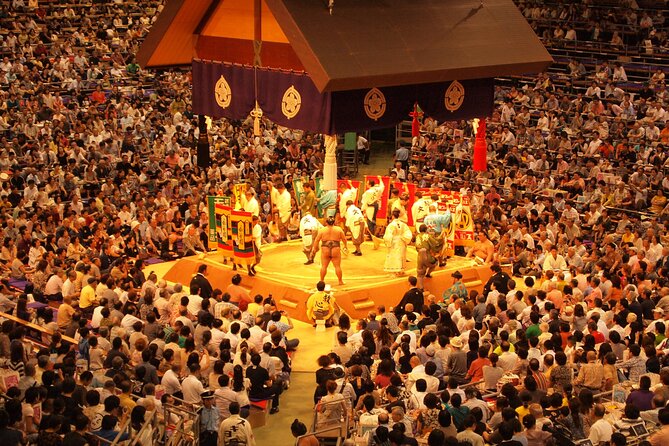
Professional sumo comes to Nagoya only once a year, in July. The official tournaments, called basho, take place six times annually: Tokyo hosts January, May, and September; Osaka hosts March; Nagoya hosts July; and Fukuoka hosts November.
Each tournament lasts 15 days, beginning and ending on a Sunday. That makes the Nagoya event more than a sports match. It is a fixed part of Japan’s yearly calendar, and your visit must line up with those dates.
For many visitors, sumo is hard to understand at first. The matches can be over quickly, and the rituals may seem more important than the bout itself. That is exactly where this tour helps. Your guide explains the gestures, rules, rankings, and customs so you can watch with some sense of what is happening.
I especially like the cultural side. Sumo preserves old practices such as salt purification, formal entrances, and strict rules for wrestlers. Most wrestlers live in communal training stables called heya, where meals, clothing, and daily routines are closely controlled. You are not simply watching two large athletes push each other around. You are seeing a highly organized Japanese tradition with its own world.
Meeting at 2 PM and Getting Oriented
The experience begins at 2:00 pm, with the exact meeting point sent by email at least one week before the date. You should arrive at least 10 minutes early. This is a join-in group tour, so the guide may not be able to wait for late arrivals, and no refund is provided if you miss the group.
The meeting point is near public transportation, but hotel pickup is not included. Plan your route before the day of the tournament. Nagoya’s tournament venue is the Aichi Prefectural Gymnasium, and the crowd around a major basho can make a simple arrival take longer than expected.
Your guide will provide a sumo information pamphlet and a banzuke-hyo, the official table of wrestler rankings. Keep the ranking sheet handy. It gives you a useful way to identify the wrestlers and understand who is competing at which level.
The group generally numbers 15 to 20 people, with a maximum of roughly 24. That is large enough to create a friendly group atmosphere, but small enough for the guide to manage with headsets and organized seating. The minimum of 15 people is important, though. If the tour does not reach that number, it will be canceled and you will receive a full refund.
More sumo mornings and shows:
- Nagoya: Grand Sumo Tournament Tour
★ 4.8 · 44 reviews - Tokyo: Sumo Show Experience with Chicken Hot Pot and a Photo
★ 4.8 · 6,678 reviews - Tokyo: Sumo Show and Dining Experience
★ 4.8 · 2,742 reviews
Meeting Wrestlers Before the Matches
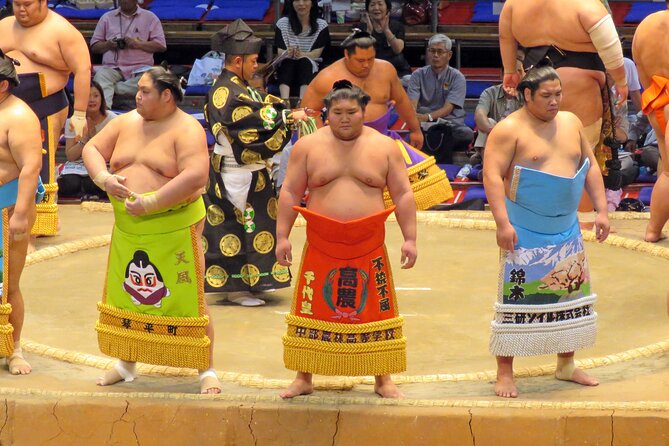
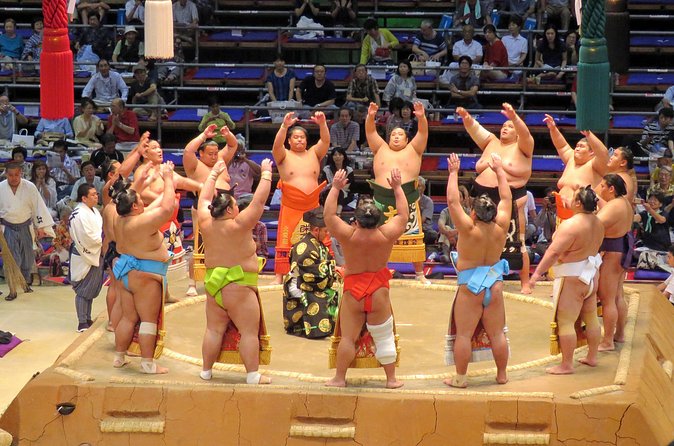
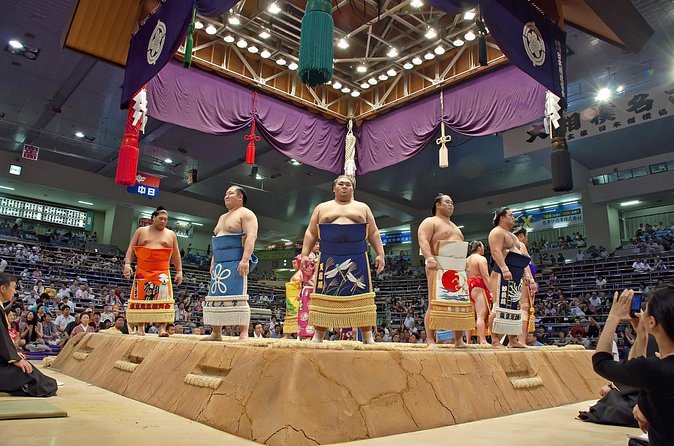
One of the most memorable parts takes place before you settle into your seat. You can cheer for and greet famous sumo wrestlers as they enter the stadium for their matches.
This is a useful moment to have a guide beside you. The names, ranks, and stable affiliations can be confusing, especially if you are new to sumo. Your guide helps identify important wrestlers and explains why some receive more attention from the crowd.
Do not treat this part as a guaranteed private meeting with wrestlers. The experience gives you the chance to greet and cheer as they enter, but the setting remains a public tournament with crowds and movement. The appeal is the atmosphere and the direct connection to the day’s competitors, not a staged photo session.
Guides can add a personal touch here. Kazou, for example, has taken photos of the group and the tournament, while Yoko has been praised for bringing strong energy and making the event enjoyable for children as well as adults. Guide assignments can vary, so you should not assume you will have either person, but an English-speaking local sumo specialist is part of the experience.
Inside the Aichi Prefectural Gymnasium
The tour lasts about four hours, though you should allow four to five hours in your day. The exact flow can change because the arena has its own schedule and crowd controls.
Your reserved seat will be an A, B, or C-class chair seat depending on the package selected. The supplied details describe the standard option as A-class reserved seating and also refer to B or C-class reserved seats in the arena. A private option may include S-class or A-class seating. Since the seat class affects the price and view, check the exact option at checkout rather than assuming every package includes the same location.
For the standard join-in option with premium seating, the group sits together in second-floor A chair seats, with up to 20 people in the same area as the English-speaking guide. Chair seating is a practical advantage. You get a proper backrest and a fixed place for the several hours of watching, rather than sitting on a cushion on the floor.
The guide uses an audio headset to explain what you are seeing. This matters because the arena is not a quiet classroom. The crowd reacts, matches move quickly, and a spoken explanation can easily disappear under the noise. With the headset, you can keep your eyes on the ring while listening to the details.
There may be a wait before seating. The group must wait for all sumo matches to finish before entering, so do not expect an immediate walk from the meeting point to your chair. This is one of the less polished parts of the plan, but it is tied to how access is managed on the day.
The Sumo Museum may also be crowded. If the group cannot move through it comfortably, your guide may ask you to visit on your own. That means the museum should be treated as a possible extra, not the main reason to book this experience.
Learning the Rituals Behind the Sport
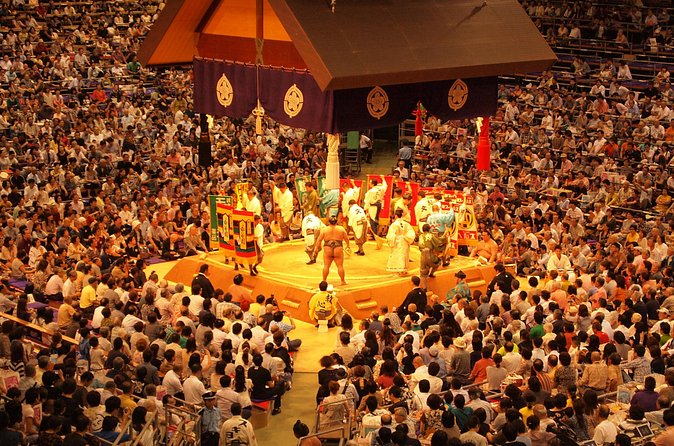
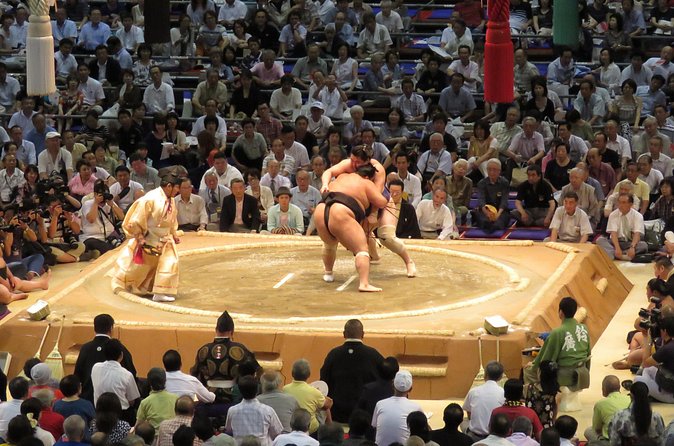
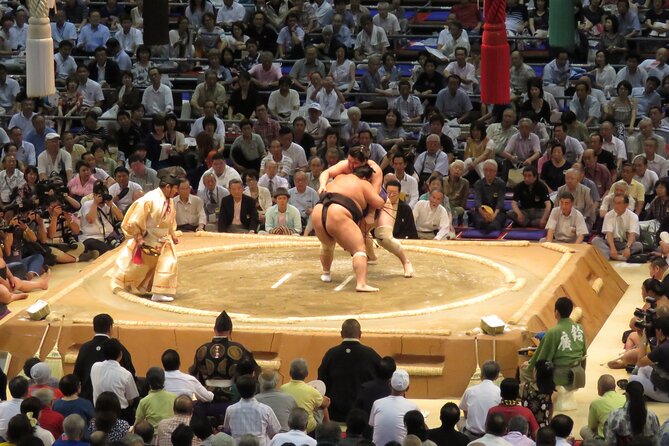
The strongest reason to choose a guided sumo day is the explanation between matches. Your guide covers the traditions preserved in the sport, including the use of salt to purify the ring before a bout.
The ceremony can look slow to an untrained eye. The wrestlers stamp, stretch, stare, and repeat familiar gestures. Once you know that these actions have rules and meaning, the waiting becomes part of the contest rather than dead time.
You will also learn about the strict structure of sumo life. Wrestlers generally live in heya, or training stables, where their meals, dress, and daily routine are monitored. Chanko, the hot pot associated with sumo stables, is practical as well as traditional because a large amount can be cooked at once for a hungry group.
The banzuke-hyo makes the ranking system easier to follow. Sumo is not simply a series of isolated matches. Wrestlers carry rank, reputation, and tournament records into every bout. An English-speaking specialist can give you the basic framework without forcing you to study the sport before arriving.
This is also a good choice for a first-time sumo viewer. You do not need to know the names of every wrestler or understand every rule in advance. The guide’s job is to give you enough structure to appreciate what is happening, not turn the afternoon into a lecture.
A few more Nagoya half-days to weigh up
- From Nagoya: Gujo, Hida Takayama, and Shirakawa-go Day Tour
★ 4.4 · 398 reviews - Ghibli Park 1-Day Bus Tour from Nagoya
★ 4.5 · 277 reviews - From Nagoya: Hida Takayama & Shirakawa-go Tour w/Opt. Lunch
★ 4.5 · 256 reviews - Hiking the Historic Nakasendo Trail [1 Day Tour from Nagoya]
★ 5.0 · 104 reviews
Optional Chanko Dinner After the Basho
You can add dinner at a local chanko hot pot restaurant when booking. The default meal is chanko nabe without drinks.
Chanko is a Japanese stew made with broth and vegetables, commonly associated with sumo wrestlers. The traditional broth is usually based on chicken or pork, so you should request a vegetarian version or note other dietary needs at least one week in advance. Once the dinner request is accepted, changes cannot be made within one week of the tour date.
The meal is a sensible add-on because it gives the day a connection to sumo away from the arena. You are not merely watching wrestlers perform. You are also trying a dish linked to the communal life of their training stables.
Still, the dinner is optional and meals and drinks are not included unless you select it. If you already have a dinner plan in Nagoya, the core tournament experience remains worthwhile without the restaurant stop.
Is $228.62 a Fair Price?
At $228.62 per person, this is not a cheap sports ticket. The value depends on how much help you want with the day.
You are paying for more than admission. The price includes a reserved seat, ticket-handling service, an English-speaking local guide, the sumo pamphlet, the ranking sheet, and an audio headset. The guide also helps you understand the rituals, identify wrestlers, and manage the practical details of a crowded tournament day.
For a dedicated sumo fan, the price may be reasonable because the Nagoya basho occurs only once a year. Missing the event because you could not secure tickets or did not understand the seating system would be frustrating, especially on a Japan itinerary built around July dates.
For a casual sports fan, the cost requires more thought. You can find cheaper admission options for some sporting events, but you would not receive the same guided explanation or group organization. The experience makes the most sense if you value context and want an easier way to take part in a difficult-to-arrange event.
Group discounts are available, though the details depend on the booking. Compare the final package carefully, especially the seat class and the dinner choice. S-class, A-class, and B or C-class seating are not the same product.
Booking Early for a Limited July Event
Book as soon as your Japan plans are firm. Three months ahead is ideal, and one month is the minimum suggested window.
The reason is not only demand. Group tickets are released by the Sumo Association about four to seven weeks before the tournament date. If the operator cannot obtain the tickets, you may be notified within four weeks of the tour and offered another date or a full refund.
The tour also needs at least 15 bookings to operate. That creates another layer of uncertainty, particularly if you are planning around one specific tournament day. The operator says it will offer a different date or experience, or provide a full refund, if the minimum is not met.
The cancellation policy is strict. This experience is non-refundable and cannot be changed for any reason after booking. A service fee may also apply once planning has started, since arranging guides, tickets, restaurants, and venues takes time. Read the terms before paying, and do not book until your date is secure.
Food, Seating, and Arena Rules
No outside food or drinks are allowed inside the arena. Vendors within the venue sell food, so you will have options during the tournament, but meals and drinks are not part of the standard tour.
The optional chanko dinner does not include drinks. If you have dietary requirements, use the special requirements field at checkout and make the request at least one week ahead. Vegetarian chanko may be possible, but the traditional broth normally contains pork or chicken.
The supplied information says most people can participate, and the venue is near public transportation. It does not describe special access arrangements, so if you need specific seating or mobility support, ask the operator before booking.
The tour is suitable for families. Children aged 9 and 11 have enjoyed the event, and the guide’s explanations can help younger visitors stay interested. The long duration, arena noise, and fixed seating are still worth considering for very young children.
Who Will Get the Most From This Experience?
I would choose this tour for three types of people.
First, it suits sumo fans who want to attend a full official basho rather than watch a demonstration. The chance to see famous wrestlers enter, sit in reserved arena seats, and follow the rankings gives the day real substance.
Second, it works well for first-time visitors who want cultural context. Sumo can be intimidating if you do not know the customs, and the guide turns unfamiliar actions into understandable parts of the sport.
Third, it is useful for families and small groups that prefer a planned event. The guide handles the ticket details, leads you through the arena, and keeps the group together with audio equipment.
I would think twice if you dislike fixed schedules, crowded public events, or strict cancellation terms. The group may wait before entering, the museum visit may be self-guided if crowded, and the tour needs 15 people to run.
Should You Book the Nagoya Sumo Tournament Experience?
Book it if the July basho fits your dates and you want more than a ticket. The combination of reserved chair seating, an English-speaking sumo expert, ritual explanations, ranking information, and the chance to greet wrestlers makes this a strong way to approach Japan’s national sport.
The optional chanko meal is worth adding if you want the day to continue beyond the arena. If you are mainly interested in watching matches and prefer to organize everything yourself, the $228.62 price may feel high.
My practical advice is to reserve early, verify the exact seat class, arrive 10 minutes before the meeting time, and treat the event as a half-day commitment. For sumo fans, this is one of the few chances to see Nagoya’s official tournament in person. For newcomers, it provides the explanations you need to appreciate why the rituals matter.
FAQ
When does the Nagoya sumo tournament take place?
The official Nagoya tournament takes place once a year in July. It lasts 15 days, with the opening and closing dates both falling on Sundays.
How long does the sumo experience last?
The arena experience lasts about four hours. You should allow approximately four to five hours overall.
What time does the tour start?
The start time is 2:00 pm. You should arrive at least 10 minutes before the designated meeting time.
Where is the meeting point?
The exact meeting point is included in the tour details sent by email at least one week before the tour date. The location is near public transportation, and hotel pickup is not included.
What type of seating is provided?
The package may include S-class, A-class, or B/C-class reserved seating, depending on the option selected. The standard premium join-in option uses second-floor A chair seats, with the group seated together near the English-speaking guide.
Is dinner included?
Dinner is not included unless you select the dinner option at checkout. The optional meal is chanko hot pot without drinks.
Can I request vegetarian chanko?
Yes. You should request the vegetarian option at least one week in advance through the special requirements field. Traditional chanko broth usually contains pork or chicken.
What happens if the tour does not reach the minimum group size?
The tour requires at least 15 people to operate. If that minimum is not met, you will be offered a different date or experience, or receive a full refund.
Just added around Nagoya
- Walking Small-Group Nagoya City Tour★ 5.0 · 13 reviews
- Nagoya Endoji Food and Cultural Tour★ 5.0 · 12 reviews
- Pub Crawl in Nagoya★ 5.0 · 15 reviews
- Nagoya Street Food Walking Tour of Osu★ 5.0 · 28 reviews
- Nagoya: 2026 Hida Takayama Shirakawa-go Light-up Winter Tour★ 3.5 · 16 reviews
- Private Full-day Nagoya City Tour★ 5.0 · 22 reviews
- Specialties of Nagoya Food Tour★ 5.0 · 12 reviews
- Nagoya Highlight Tour guided by a friendly local★ 5.0 · 86 reviews
Nagoya Tours, compared.

![Hiking the Historic Nakasendo Trail [1 Day Tour from Nagoya]](https://media3.thejapanesetraveller.com/wp-content/uploads/hiking-the-historic-nakasendo-trail-1-day-tour-from-nagoya-400x267.jpg)
Hiking the Historic Nakasendo Trail [1 Day Tour from Nagoya]
Read our review →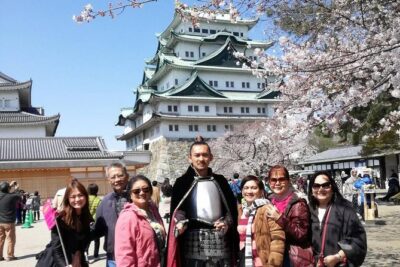
Nagoya Highlight Tour guided by a friendly local
Read our review →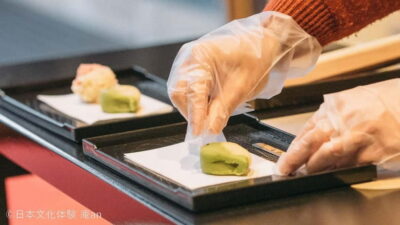
Japanese Traditional Sweets making and Tea Ceremony
Read our review →
Magome-juku, Tsumago-juku & Ena-kyo 1d Bus Tour from Nagoya
Read our review →
Nagoya Full-day Private Custom Tour with National Licensed Guide
Read our review →Browse the lists this tour appears in