
Reviewed · SPA & HOT SPRINGS
Become a local! A Walking Tour of Arts, Crafts&Onsen Culture
Beppu’s best local stories are not found at the famous Hells. They are tucked into market stalls, narrow downtown streets, a working bamboo shop, and an artist residence. This two-hour walk introduces you to the city through the people who make and use it.
I like the small group of up to eight, which gives the guide room to answer questions. I also like the chance to see bamboo work being made at the more than century-old Nagai factory, rather than simply buying a finished souvenir. The main consideration is that you will not enter an onsen building, and the route can change when local businesses adjust their opening hours.
I appreciate the visit to Kiyoshima Apartment, where artists live and work, followed by Space Beppu’s gallery and historical displays. This is a cultural walk, not a checklist of headline sights, so choose it for local context and conversation rather than grand views or famous landmarks.
Key points at a glance
- A working bamboo factory since 1908: Watch artisans shape bamboo from Oita Prefecture and shop for handmade pieces.
- An artist residence with real daily life: Kiyoshima Apartment offers a rare look at artists’ work and living spaces.
- Beppu’s market culture: The walk begins near Beppu Station Market, with fresh fish, vegetables, and local shopkeepers.
- Onsen customs without an onsen visit: You learn how local people enjoy hot springs, but you are not shown inside an onsen building.
- A personal, flexible format: The group is limited to eight, with English and Japanese guiding available.
- A useful downtown introduction: The tour lasts about two hours, or up to 150 minutes according to the practical details, making it easy to fit around other Beppu plans.
Why this Beppu walk takes you beyond the famous Hells
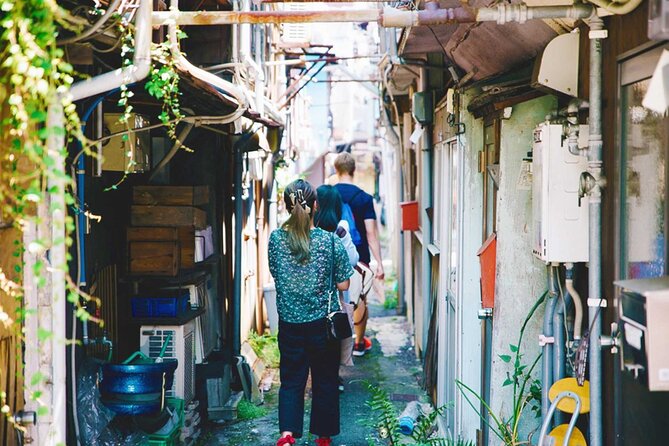
Beppu is widely known for its hot-spring attractions, especially the Hells, but those sights tell only one part of the city’s story. This tour takes a quieter route through downtown streets and alleys, linking food, craft, art, and local bathing habits.
That difference matters. You are not being led from one grand attraction to another. Instead, you are shown places where people work, sell goods, make art, and spend ordinary days. The experience has a more personal scale than a standard sightseeing circuit.
Your guide explains how locals use and enjoy onsen culture, but the tour does not take you inside an onsen building. If you want bathing advice and cultural background before visiting a hot spring later, this is useful. If you expect an onsen soak, bring a towel, or a look inside the facilities, this is not that kind of tour.
The guides speak English and Japanese. Masa is named in the available tour information, and one detailed account describes him as a comfortable and capable guide through Beppu. Another mentions two patient guides who took time with questions. Guide assignments can vary, but the format appears designed for conversation rather than a hurried speech.
More walking tours in Japan:
- Kyoto Geisha Walking Tour: Gion District & Hidden Gems
★ 4.7 · 3,273 reviews - Tokyo Tsukiji Fish Market Food and Culture Walking Tour
★ 5.0 · 3,184 reviews - Kyoto: Gion Magical Night Walking Tour with Geisha Trivia
★ 4.9 · 2,393 reviews
Starting at Beppu Station Market
Meet five minutes before departure in front of Wander Compass, the tourist information center just outside the east exit of Beppu Station. This is a practical meeting point, especially if you are arriving by train or staying near the station.
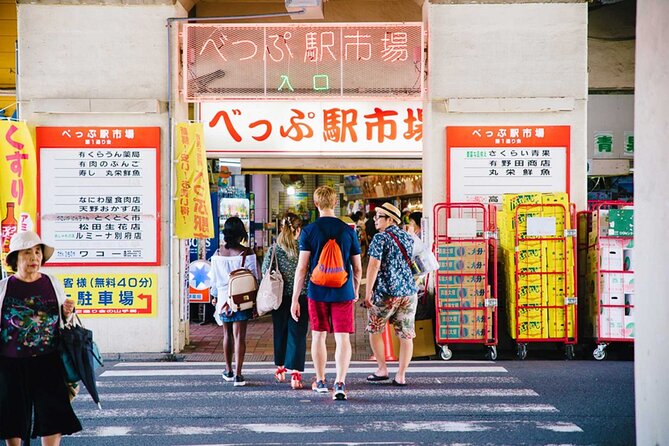
The first stop is Beppu Station Market, where you spend about ten minutes looking at fresh fish and vegetables. You may also chat with local business people. It is a short stop, so do not expect a full market meal or an extended food tour.
Still, the market gives the walk a sensible beginning. Before discussing craft and art, you see the everyday trade that supports local life. A guide can point out what is being sold and explain the setting, helping you read the town as a place where people live rather than simply a hot-spring resort.
Food and drinks are not included. If you want something to eat, plan to buy it separately, though the short market visit is not structured as a tasting session. Bottled water is also excluded, so carry your own, particularly in warm weather.
Seeing bamboo shaped by hand at Nagai Bamboo Factory
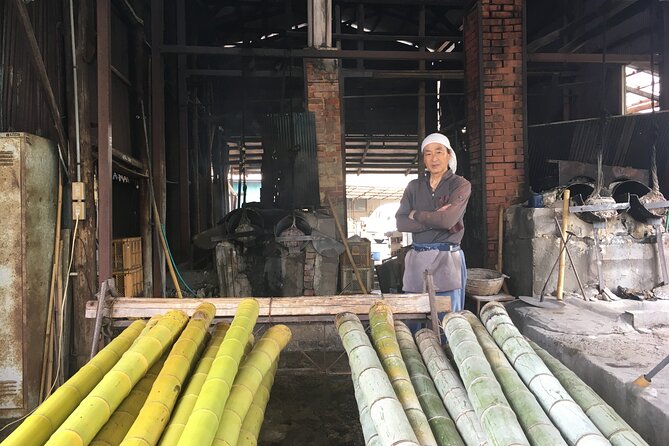
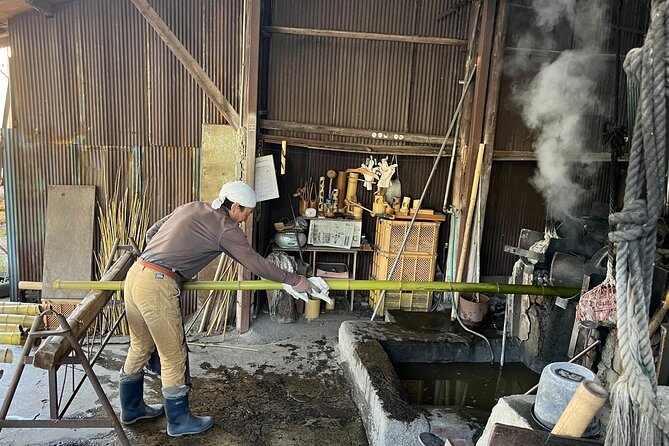
The strongest stop for many people will be Nagai Bamboo Factory. The business dates to 1908 and works with bamboo from Oita Prefecture. You can see the workshop, watch skilled artisans at work, and look at finished bamboo products.
The value here is the connection between material and maker. A bamboo object can look simple in a shop, but watching it being crafted gives you a better sense of the patience and handwork behind it. You are seeing an active workplace, not a display arranged only for sightseeing.
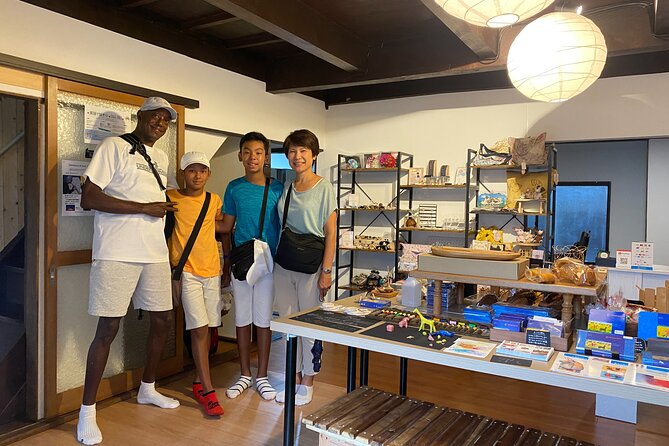
You also have the chance to buy products at the factory. Souvenirs are not included in the price, so any purchase is your own expense. That is a fair arrangement: you can browse without having shopping built into the tour fee, then choose something because you understand where and how it was made.
The visit lasts around 30 minutes. That is long enough for an introduction and a look at the workshop, but it may feel brief if bamboo craft is your main reason for booking. You will not have an extended lesson in making an item. The focus is observation, conversation, and the chance to shop.
Bamboo craft is one of the tour’s most distinctive subjects. The local connection is clear, since the material comes from Oita and the factory has operated for generations. If you care about traditional skills, this stop gives the price much of its value.
Meeting artists at Kiyoshima Apartment
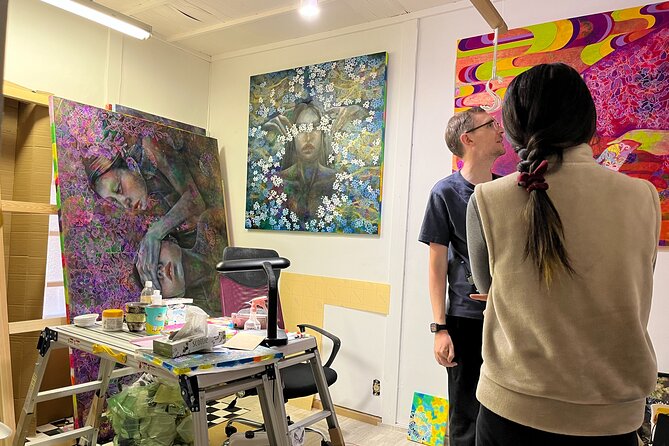
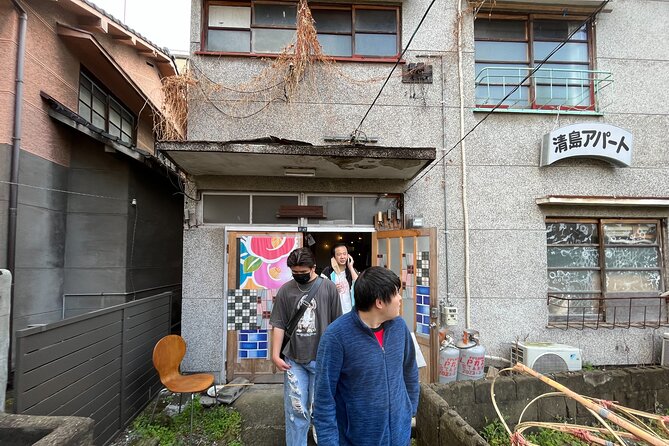
Next comes Kiyoshima Apartment, an artist residence where you can meet artists who live there and see their work. You spend about 20 minutes at the residence.
This is an unusual stop because it connects art with a lived setting. You are not only entering a gallery with finished pieces on white walls. You may see how an artist’s home and working life share the same place, and you can ask about the work directly.
One account describes a resident greeting the group warmly and answering many questions about local life. That kind of meeting is the heart of the tour. It gives you a chance to talk about Beppu from the viewpoint of someone who lives and creates there.
The setting also asks you to be respectful. An artist residence is not a conventional attraction, and opening times or access may vary. The tour operator notes that the route and stops can change if businesses are closed or operating on different hours. Keep an open mind and follow the guide’s instructions.
The 20-minute visit is enough to sample the atmosphere, but it is not a full studio day. You may find the stop especially rewarding if you like contemporary art, local creative projects, or conversations about daily life. If you prefer major historic monuments, this section may feel modest.
More spa and hot spring stops in Japan:
- From Osaka: Himeji Castle, Arima Onsen & Mt. Rokko Day Tour
★ 4.6 · 339 reviews - Osaka: Nara and Uji Day Trip with Deer Park and Hot Spring
★ 4.4 · 302 reviews - From Tokyo: Private Tour to Fuji/Hakone – Onsen, Art, Nature
★ 5.0 · 116 reviews - Tokyo: Mount Fuji 5th Station & Onsen Day Trip
★ 4.3 · 75 reviews
Finishing at Space Beppu and its historical displays
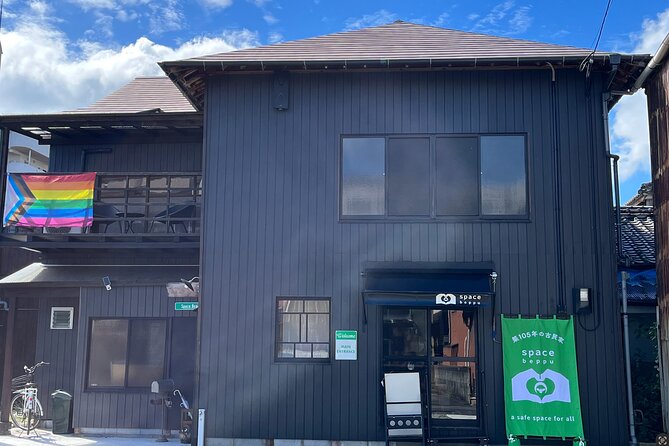
The final stop is Space Beppu, where you can see a Beppu Historical Museum and exhibitions featuring artists connected with Kiyoshima Apartment. The visit lasts about 20 minutes.
This gives the walk a useful closing point. At the market and factory, you have seen present-day work. At the artist residence, you have met people connected with the city’s creative side. Space Beppu adds photographs and displays that help place those experiences in Beppu’s past.
The space also offers a place to relax and spend time around local residents. The supplied details do not promise a specific event or performance, so think of it as a cultural venue with changing exhibitions and a historical room, not a scheduled show.
A gift shop is part of the century-old Japanese house, so you may have another opportunity to browse for locally connected items. Purchases are separate from the tour fee. Since displays and access can change, the exact selection should not be the deciding reason you book.
The historical photographs may be particularly helpful if you have already spent time around Beppu’s hot-spring districts. They can give you a sense of how the city has changed, while the rest of the tour shows how some of its craft and creative traditions continue today.
What the $58 price delivers
At $58 per person, this is not the cheapest way to walk around Beppu. You could explore the station area and downtown streets without paying for a guide. The price makes more sense if you want introductions that would be difficult to arrange independently.
Admission fees for the included facilities are covered. You are paying for a small-group guide, access to the bamboo factory, the artist residence visit, Space Beppu, and explanations about local onsen culture. Food, drinks, water, and souvenirs cost extra.
The group limit is important. With no more than eight people, you have a better chance of hearing the guide in a workshop and asking questions at the artist residence. A larger group could make those encounters less comfortable, particularly in a working factory or private creative space.
Value depends on your interests. I would consider the price reasonable for someone who wants people-centered culture, craft, and context. I would hesitate if your main goal is a bath, the Hells, panoramic scenery, or a long food tasting. Those are outside the stated focus.
The tour also has a practical advantage: its two-hour length makes it easy to pair with other Beppu plans. Allow up to 150 minutes, since the timing can vary. You can place it early in your stay to get oriented, or later after seeing the main hot-spring sights.
Walking conditions and who should book
The experience takes place on foot in downtown Beppu. The supplied information does not give a total walking distance or detailed surface conditions, so wear comfortable shoes and expect ordinary city walking between stops.
The tour is listed for ages 0 to 80, and most people can participate. It is not suitable for wheelchair users and is not recommended for people with back problems. If you have mobility concerns, ask before booking because the route and access at individual businesses may not suit you.
I would recommend this for:
- People who have already seen, or plan to skip, Beppu’s headline hot-spring sights
- Visitors interested in Japanese craft and handmade goods
- Anyone who prefers small groups and direct contact with local people
- Art fans who enjoy working spaces more than formal museums
- First-time visitors who want a guided introduction to downtown Beppu
I would choose another activity if you want to bathe, visit the Hells, eat your way through the city, or spend a long time at one museum. This walk gives you a sample of several subjects, not an in-depth workshop or a major sightseeing attraction.
The tour welcomes children by its age range, but the suitability of a young child will depend on how comfortably they handle a two-hour walk and quiet visits to craft and art spaces. That detail is not specified, so families should consider the child’s pace and interest.
Practical tips for making the most of the walk
Arrive at Wander Compass five minutes early. Beppu Station has an east exit, and the meeting point is in front of the tourist information center just outside it. Having the meeting point saved on your phone is sensible, especially if you are arriving close to the start time.
Bring water, since bottled water is not included. Wear shoes you can walk in for two hours or a little longer. The tour is not built around a meal, so eat beforehand or plan lunch afterward.
Leave room in your bag for a bamboo purchase. You do not need to buy anything, but the factory offers products that may be more meaningful after you have watched the artisans work.
Ask questions. The experience is strongest when you treat it as a conversation. You can ask about local bathing habits, bamboo techniques, the artists’ work, or changes in Beppu’s neighborhoods.
Keep your schedule flexible. The route and locations may change because businesses do not always keep identical opening hours. That is a normal tradeoff when a tour relies on working studios and local businesses rather than fixed monuments.
The tour offers free cancellation up to 24 hours before the start date for a full refund, and you can reserve now and pay later. Check the available start times when booking, since the exact schedule is not fixed in the supplied details.
Should you book this Beppu experience?
Book it if you want Beppu’s quieter cultural side, especially bamboo craft, contemporary art, and everyday local life. The visit to the 1908 factory and the chance to meet artists at Kiyoshima Apartment give the walk a character you will not get from simply visiting the city’s famous hot-spring sights.
The strongest reasons to choose it are the small group, the patient conversational format, and the unusual access to working creative spaces. Guides such as Masa have been praised for clear English and a friendly manner, but guide assignments may vary.
Skip it if you want an onsen visit, the Hells, a food tour, or a long formal museum experience. For the right visitor, $58 buys useful introductions and human contact in a compact two-hour format. For someone seeking Beppu’s biggest attractions, the money is better spent elsewhere.
FAQ
Where does the tour meet?
Meet in front of Wander Compass, the Beppu Station tourist information center just outside the east exit of Beppu Station.
How long does the walking tour last?
The advertised duration is two hours, while the practical information gives a possible duration of 120 to 150 minutes.
What languages are available?
Live guiding is available in English and Japanese.
How large is the group?
The tour is limited to eight participants.
Does the tour include an onsen visit?
No. You learn how locals enjoy onsen, but you are not shown inside an onsen building.
Does the tour visit Beppu’s Hells?
No. The route focuses on lesser-known cultural streets and alleys rather than popular sights such as the Hells.
Are food, drinks, and souvenirs included?
No. Food, beverages, bottled water, and souvenirs are not included. Admission fees for the listed facilities are included.
Is the tour suitable for wheelchair users?
No. The experience is not suitable for wheelchair users, and it is not recommended for people with back problems.
Just added around Japan
- Private Arrival Transfer : Narita International Airport to Central Tokyo City★ 4.5 · 12 reviews
- Narita Airport(NRT): Private Transfer to Tokyo/Yokohama 1-9pax★ 5.0 · 47 reviews
- Private Transfer from Narita Airport to Yokohama Port and City★ 4.5 · 17 reviews
- [Narita Airport Terminals 1, 2] 40-60km Sawara Itako Historic Bike Tour★ 5.0 · 13 reviews
- 3 Day Japan Highlights Tour: Tokyo, Mt.Fuji, Nara, Kyoto, Osaka★ 5.0 · 22 reviews
- All must-sees in 3 hours – Nara Park Classic Tour! From JR Nara!★ 5.0 · 108 reviews
- Private Nara Tour and Sake Tasting (Departing from Kyoto/Nara)★ 5.0 · 40 reviews
- Hammer a Pattern on Your Ring Workshop★ 5.0 · 57 reviews
Spa & Hot Springs, compared.
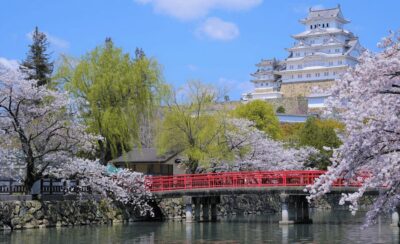
Himeji Castle, Arima Onsen & Mt. Rokko Day Tour
Read our review →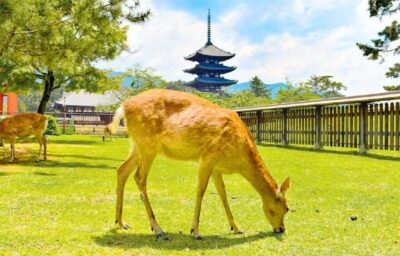
Nara and Uji Day Trip with Deer Park and Hot Spring
Read our review →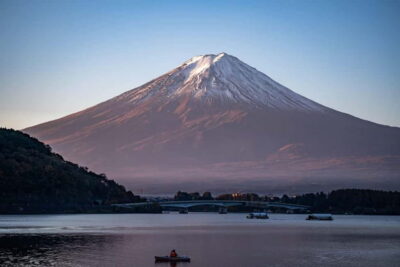
Private Tour to Fuji/Hakone – Onsen, Art, Nature
Read our review →
Private Nagano 1-Day Tour:Snow Monkeys,Zenko-ji,Obuse,Sake,Onsen
Read our review →
Mt Takao Tour with Ramen and Tattoo-Okay Hot Spring
Read our review →
Snow Monkey & Shibu Onsen Afternoon Tour (Depart: Iiyama & Nozwa)
Read our review →Browse the lists this tour appears in