
Reviewed · NARA TOURS
Osaka: Nara and Uji Day Trip with Deer Park and Hot Spring
Nara’s deer are the hook, but this day trip gives you much more: a giant bronze Buddha, lantern-filled shrine paths, Uji’s matcha treats, and a hot spring soak to finish the day. I like the smart pairing of Nara and Uji, two places that are easy to reach from Osaka but awkward to combine on your own in one day. I also like the balance between guided orientation and free time, so you are not marched from gate to gate all day.
The catch is time. Ten hours sounds generous, but Nara Park gets about two hours and Uji about an hour and a half, with long coach rides in between. Entrance fees, food, drinks, and the onsen are extra, and anyone with a tattoo may be refused entry to the hot spring.
Key points to know before booking
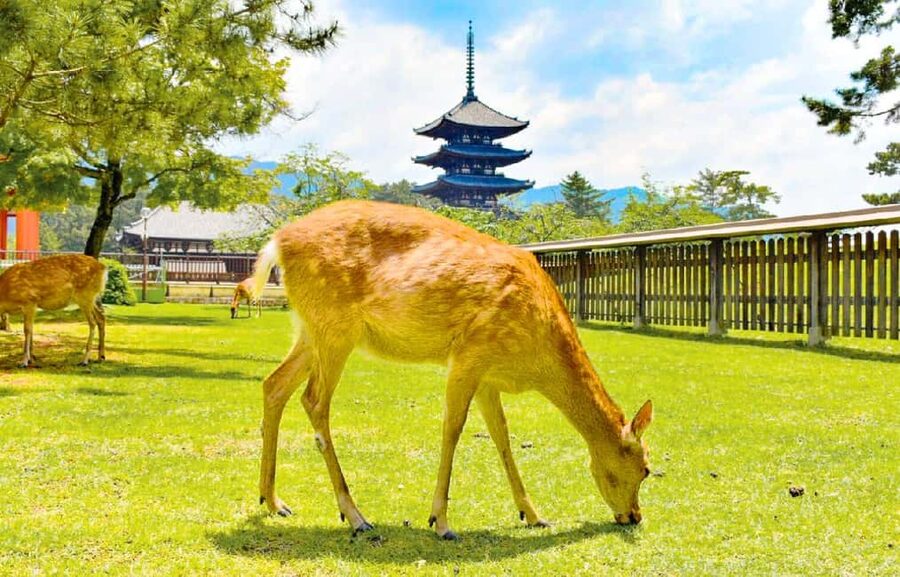
- Feed deer in Nara Park: A complimentary packet of deer crackers gets you close to the famous animals, but they can be eager and persistent.
- See two major Nara sights: Todai-ji houses the Great Buddha, while Kasuga Taisha is known for its thousands of stone and bronze lanterns.
- Taste Uji’s matcha culture: You have time for matcha ice cream, cakes, souvenirs, and even matcha-colored soba noodles.
- Finish with Genji no Yu: Three indoor baths and one outdoor bath offer a calm end to a long walking day.
- Expect a compact coach: Japanese vehicle seating can feel tight, and groups of fewer than 13 may have a guide who also drives.
- Plan for a full day: The trip leaves at 8:40 a.m. and takes roughly 70 minutes to reach Nara, then about 80 minutes to return to Osaka.
Why this Nara and Uji combination works
Osaka is an excellent base for Kansai sightseeing, but getting from Nara to Uji by public transportation takes planning, transfers, and a close eye on the clock. This tour handles the driving and parking, which is useful because the parking area can be some distance from the sights.
At $57 per person, the price is attractive for a 10-hour outing with round-trip transport, a guide, driver service, parking fees, and taxes included. You still pay separately for Todai-ji, Byodo-in Temple, the Tale of Genji Museum if you choose it, and Genji no Yu. The real value is not a bundle of free admissions. It is the ability to see three distinct parts of the region without arranging each train, bus, and walking route yourself.
I would view this as a sampler rather than a deep visit to either city. You get the essential Nara sights and a taste of Uji, but not the leisurely pace of spending a full day in one place. If you want long temple visits, extended shopping, or slow photography time, the schedule may feel brisk.
More spa and hot spring stops in Nara:
- From Osaka: Himeji Castle, Arima Onsen & Mt. Rokko Day Tour
★ 4.6 · 339 reviews - From Tokyo: Private Tour to Fuji/Hakone – Onsen, Art, Nature
★ 5.0 · 116 reviews - Tokyo: Mount Fuji 5th Station & Onsen Day Trip
★ 4.3 · 75 reviews
Meeting in Osaka and riding to Nara
The stated meeting point is Harimaya Bld at 1-chome-3-11 Nipponbashi, in the Namba and Shinsaibashi area. Departure is at 8:40 a.m., and you should arrive at least 15 minutes early. Look for the guide holding a yellow flag.
The trip description also refers to Nihonbashi Station, so check the exact meeting instructions carefully when you book. Do not arrive at the last minute. There is no refund for a late arrival or a no-show, and the coach cannot wait indefinitely for a missing passenger.
The ride to Nara takes about 70 minutes. Your guide may use the journey to explain the day’s stops, customs, and practical details. This is particularly useful on a multilingual tour, where explanations are given in English, Japanese, and Traditional Chinese.
The coach is air-conditioned, a welcome feature in Osaka’s warm months. Seating can be compact, however, as is common with Japanese vehicles. If the group has fewer than 13 people, the guide may also drive, which means the commentary will be more basic than on a larger tour with a separate driver.
Feeding the deer in Nara Park
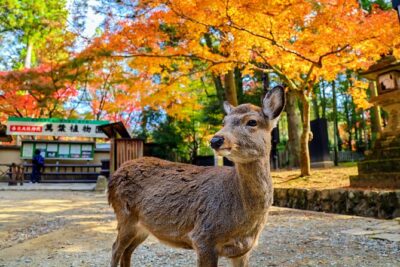
Nara Park is the most playful stop of the day. The park spreads around the base of Wakakusa Mountain and includes famous temples, shrine paths, wooded areas, and open spaces where deer move freely. You receive a complimentary pack of deer crackers, known locally as shika senbei, before heading toward the animals.
The deer are accustomed to people and may approach as soon as they spot food. Hold the crackers carefully, feed them in small amounts, and keep an eye on the group around you. Once your supply is gone, showing empty hands can help make it clear that the snack service has ended. I would not wave the crackers around while surrounded by several deer. They are friendly, but enthusiasm has a way of becoming physical when food is involved.
The maple forest gives this stop a particularly attractive setting, especially in autumn. Still, Nara Park is not a quiet animal sanctuary. It is an urban park with crowds, school groups, traffic nearby, and a steady flow of people moving between the main sights.
You have about two hours in the Nara Park area, including time for Todai-ji and Kasuga Taisha. Wear comfortable shoes. The coach parking area may be a fair walk from the attractions, and the park paths can take more time than you expect.
Todai-ji and the Great Buddha

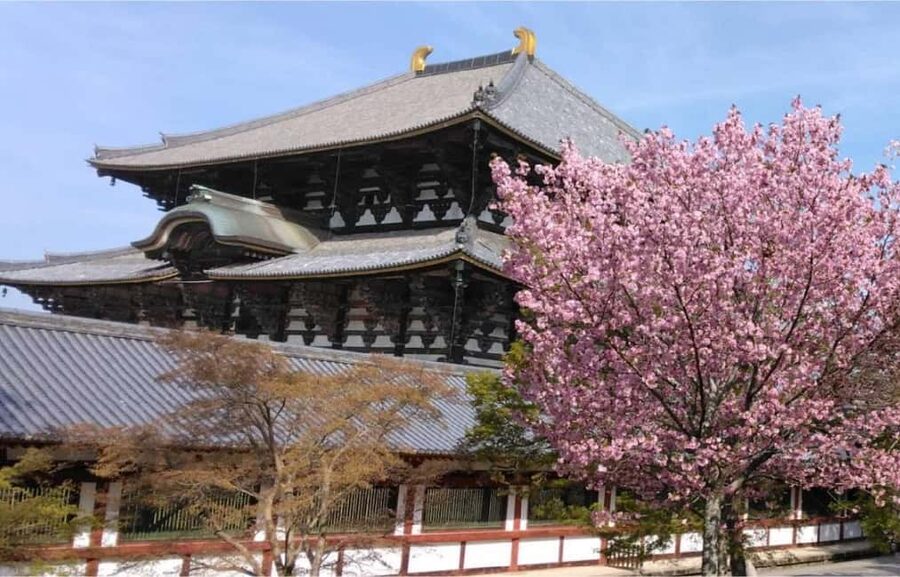
Todai-ji is the grandest religious stop on the tour. The temple is famous for housing the Great Buddha of Nara, a huge bronze image that has made this one of Japan’s best-known temple visits.
The scale is the point. Even if you have visited many Japanese temples, the sheer size of the Buddha and the main hall gives Todai-ji a different feel. Your guide can provide the basic context before you have time to look around on your own.
Admission is not included, so carry money for the entrance fee. The schedule allows a visit, but it does not promise an extended study of every building or garden. I would enter Todai-ji if seeing the Great Buddha is important to you. Skipping it to linger elsewhere may make sense only if you have already been inside on an earlier visit.
A few more Nara half-days to weigh up
- Nara Half Day Trip Walking Tour (Private Option Available)
★ 5.0 · 937 reviews - Mt Fuji and Hakone 1-Day Bus Tour Return by Bullet Train
★ 5.0 · 26,383 reviews - 1-Day Tokyo Bus Tour
★ 5.0 · 14,250 reviews - PERFECT KYOTO 1-Day Bus Tour
★ 5.0 · 13,518 reviews
Lanterns and forest paths at Kasuga Taisha
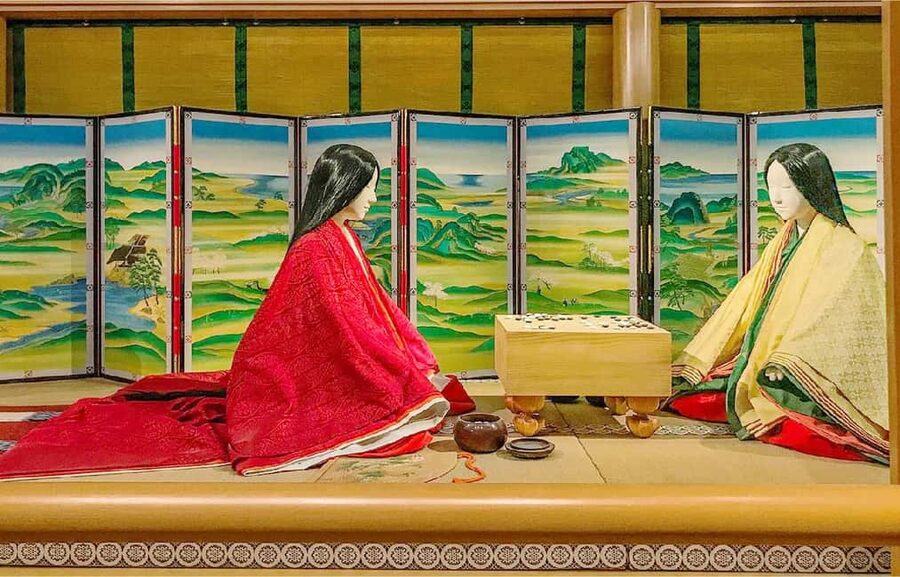
Kasuga Taisha offers a change of mood. Todai-ji is about monumental scale, while this Shinto shrine is known for its thousands of bronze and stone lanterns. The approach through the wooded park gives the stop a more atmospheric quality.
The lanterns are the visual signature here. They line paths and gather around the shrine buildings, creating a strong sense of place even during a short visit. The shrine is also a good reason to keep walking beyond the deer feeding area. Nara is more than a deer photograph and a quick snack.
Time is the main limitation. Nara Park, Todai-ji, and Kasuga Taisha occupy a large area, and you cannot explore every corner in the allotted stop. Keep track of where the group meets and leave enough time to return to the coach. Your guide’s instructions matter here, especially in a shared group with people from several countries.
Uji’s matcha streets and riverside atmosphere
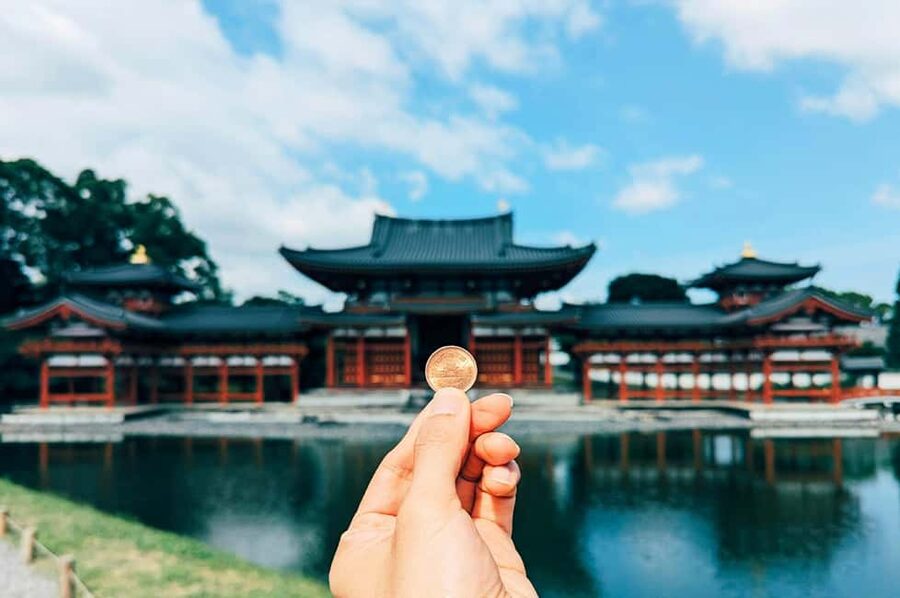
After Nara, the coach continues to Uji, a smaller cultural center best known for matcha. You get about an hour and a half to explore, which is enough for a focused walk, a snack, and perhaps a temple visit, but not enough for every attraction.
The streets around Byodo-in Omotesando are lined with matcha ice cream, cakes, drinks, and other green-tea products. Matcha-colored soba noodles are another local specialty. I would use this stop to try one prepared item and buy a few sealed souvenirs rather than spend the entire visit browsing.
Uji also has a literary connection. The final ten chapters of The Tale of Genji, a classic Japanese novel, are set in the area. You do not need to be a literary specialist to appreciate the connection, but it adds another layer to a town that could otherwise seem like a food-and-shopping stop.
Some guides send restaurant ideas and meeting details by WhatsApp. That can be helpful when you have free time and want to find matcha or soba without losing your way back to the group.
Byodo-in or the Tale of Genji Museum
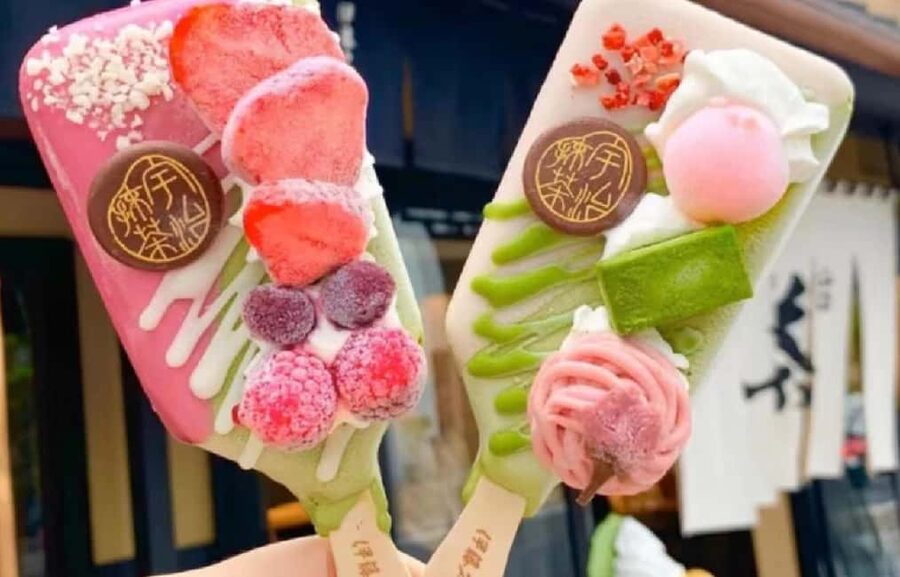
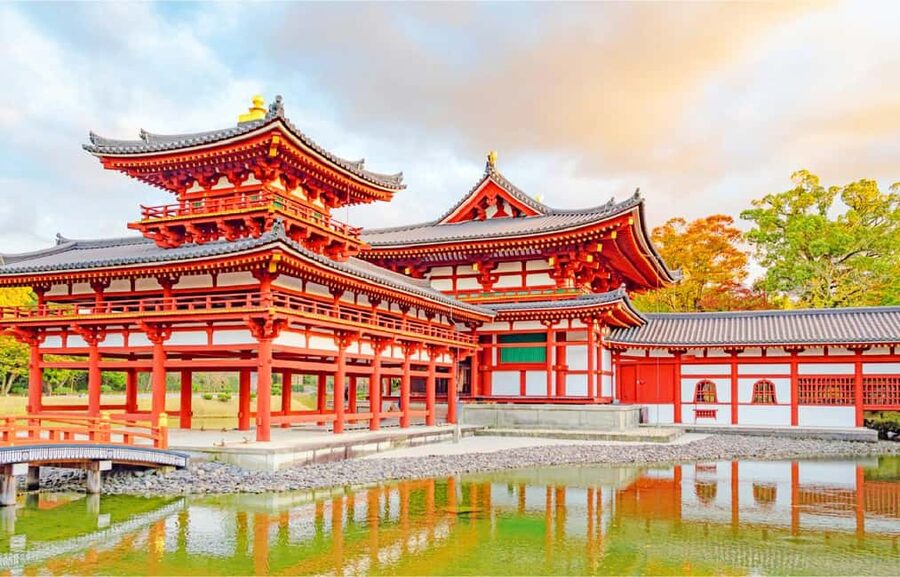
The Uji portion gives you a choice between visiting Byodo-in Temple and its approach street or going to the Tale of Genji Museum. The schedule also lists both attractions, so confirm with your guide which option is operating on your date and how the choice is handled.
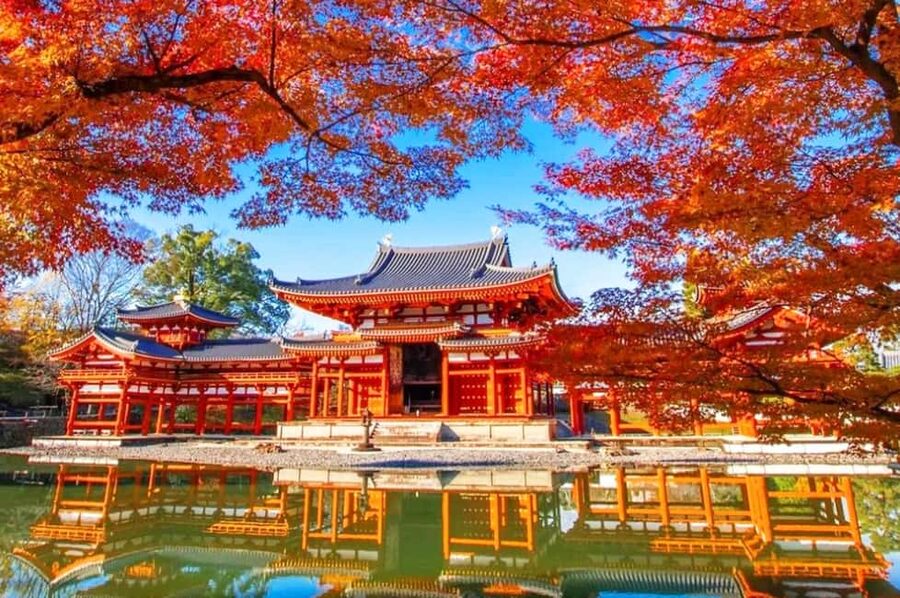
Byodo-in is the more visually famous choice. Its Heian-era pond garden architecture is closely tied to Uji’s identity, and the temple offers the classic sightseeing experience many people expect from this town. Admission is extra.
The Tale of Genji Museum takes a different route. Multimedia displays and high-definition visuals explain the novel and its setting. It is a better fit if you enjoy Japanese literature, visual exhibits, or cultural context more than temple architecture.
Do not assume you can take your time at both. The reviews of the day repeatedly point to the same practical issue: there is a lot to see, but each stop has firm limits. Decide your priority before arriving in Uji.
A hot spring finish at Genji no Yu
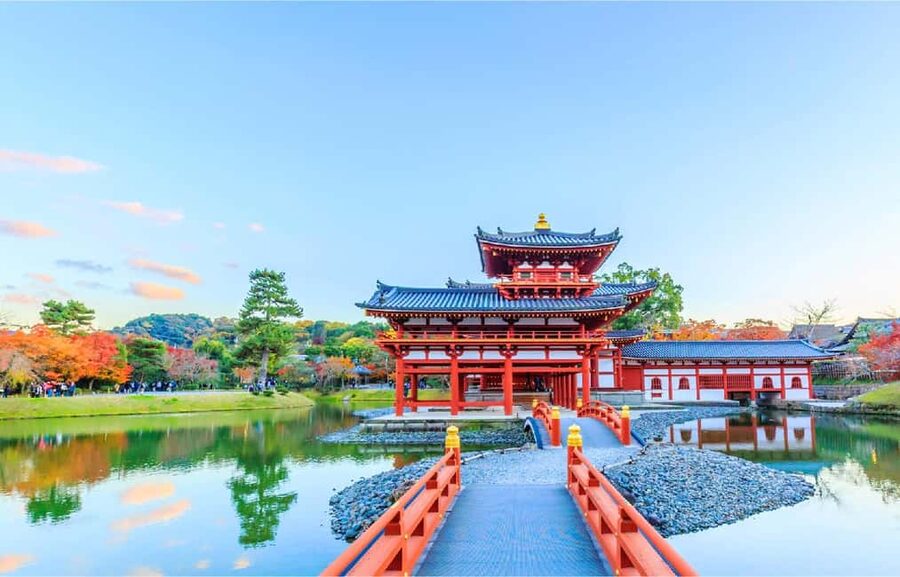
The final major stop is Genji no Yu, described as Uji’s only natural hot spring. The water comes from 1,111 meters underground, and the building uses traditional Japanese design to create a quiet setting after a busy day.
The bathing area includes three indoor baths and one outdoor bath. That is enough variety for a relaxing hour, though the tour gives you about one hour rather than an open-ended spa visit. If you want to use every bath and still wash, change, and get back to the coach on time, keep an eye on the clock.
Japanese hot springs require full nudity. You cannot wear a swimsuit or other clothing in the baths. Tattoos are a serious consideration: the facility may not admit you if you have one. One participant was unable to use the hot spring for this reason, so check the policy before booking rather than treating the bath as a guaranteed part of the day.
The onsen costs extra. Even so, I think it is a clever ending. Nara and Uji involve substantial walking, and a soak can make the return journey much more comfortable. One practical warning: the trip description notes that some people may not reach the hot spring if traffic or other local conditions affect the schedule. Do not book a tight evening train, dinner reservation, or airport transfer after the tour.
What the guides add to the day
The guide can make a large group feel organized or chaotic. The strongest guide feedback centers on clear explanations, quick answers, humor, and useful food and sightseeing tips.
Etta received repeated praise for her energy, easy-to-understand English, organization, and habit of sending location details and recommendations by WhatsApp. She also explained information in English and Chinese. Ethan was praised for friendly guidance and practical suggestions in Nara and Uji, while Lucia, Liao, Watson, Jessica, Kris Wang, Nick Lee, and Hugo were also singled out for kindness, clear communication, or helpful support.
Guide assignments can change, so you cannot count on requesting a particular person. The useful point is that the tour is designed around live guidance in English, Japanese, and Traditional Chinese. Explanations may be delivered in multiple languages, which can take time, but it also makes the trip workable for an international group.
This is a shared tour, not a private excursion. You will need to listen for meeting times and keep moving when the group does. The trade-off is a lower price and simpler transport.
Timing, weather, and what to bring
The full outing lasts about 10 hours. The return coach takes roughly 80 minutes, and traffic or weather can alter the schedule. Rain can reduce the pleasure of walking around Uji and Nara, as open park paths and temple approaches are central to the day.
Bring comfortable walking shoes, a small towel for the hot spring, and money for admissions, food, drinks, and the bath. A change of clothes may also be useful if you plan to spend a long time outdoors in hot weather before bathing.
Avoid packing another major activity immediately afterward. The operator specifically advises against arranging later transport or fixed plans because traffic and weather can cause delays. Free cancellation is available up to 24 hours before departure, and you can reserve now and pay later, which helps if your Osaka schedule is still shifting.
Who should book this day trip?
I would choose this tour if you are staying in Osaka and want a first look at Nara and Uji without managing several train routes. It suits people who enjoy variety: animals in the morning, major religious sites, matcha food, literary culture, and a hot spring in one day.
Families may enjoy the deer, though adults should supervise children closely while feeding them. Food lovers will appreciate the Uji stop, and first-time onsen users get a straightforward introduction to Japanese bathing customs.
I would hesitate if you have already visited Nara and want a slow return visit. The same goes for serious photographers, temple enthusiasts, or anyone who dislikes group schedules. You may prefer a full day in Nara or Uji, with more control over how long you spend at each site.
Should you book it?
At $57, this is good value for a long day with transport, parking, taxes, and a multilingual guide included. The deer, Todai-ji, and Kasuga Taisha make Nara worthwhile, while Uji adds matcha, Byodo-in or Genji culture, and a relaxing finish.
Book it if convenience and variety matter more than a leisurely pace. Skip it if the extra entrance fees, compact coach, tattoo restrictions, or limited Uji time would frustrate you. For a first Osaka visit, I think the combination works well, especially if you follow the guide’s advice, keep moving, and save the hot spring for the reward it is meant to be.
FAQ
Where does the tour meet in Osaka?
The meeting point is Harimaya Bld at 1-chome-3-11 Nipponbashi, Chuo Ward, Osaka, in the Namba and Shinsaibashi area. Departure is at 8:40 a.m. Arrive at least 15 minutes early and look for the guide holding a yellow flag.
How long is the tour?
The full experience lasts about 10 hours. The coach ride to Nara takes about 70 minutes, and the return ride takes about 80 minutes.
Which languages are offered?
Live guide service is available in English, Japanese, and Traditional Chinese. On a shared tour, explanations may be given in multiple languages.
Are entrance fees included?
No. Meals, drinks, admission to Todai-ji, admission to Byodo-in Temple, and admission to the Uji onsen are not included.
Can I use the hot spring if I have a tattoo?
You may not be admitted if you have a tattoo. Check the facility’s current policy before booking. Japanese hot spring bathing also requires you to be completely nude, with no clothing or swimsuit in the baths.
What happens if the group has fewer than 13 people?
The guide may also serve as the driver, and explanations may be more basic. The tour remains a shared group experience.
Just added around Nara
- Hammer a Pattern on Your Ring Workshop★ 5.0 · 57 reviews
- All must-sees in 3 hours – Nara Park Classic Tour! From JR Nara!★ 5.0 · 108 reviews
- Private Nara Tour and Sake Tasting (Departing from Kyoto/Nara)★ 5.0 · 40 reviews
- Nara World Heritage PRIVATE TOUR★ 4.5 · 15 reviews
- Nara Sake Tasting Tour at Local Brewerie(tasting fee included)★ 5.0 · 12 reviews
- Nara Private Tour: Flexible Pickup from Kyoto, Osaka, or Nara★ 5.0 · 17 reviews
- Nara – Heart of Nature Cross Bike Tour★ 5.0 · 19 reviews
- Nara Highlight Walking Tour with Furoshiki Experience with Lunch★ 5.0 · 73 reviews
Nara Tours, compared.
World Heritage Kyoto & Nara Uji Authentic Matcha Experience
Read our review →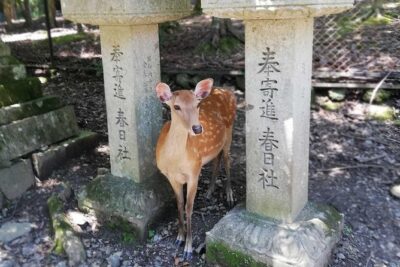
Nara Half Day Trip Walking Tour (Private Option Available)
Read our review →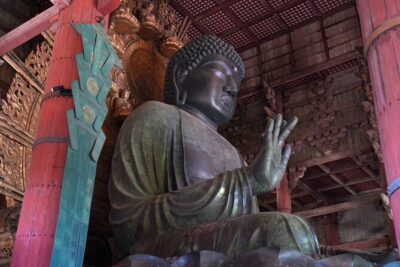
Nara Early Morning Tour (Kyoto or Osaka Departure Available)
Read our review →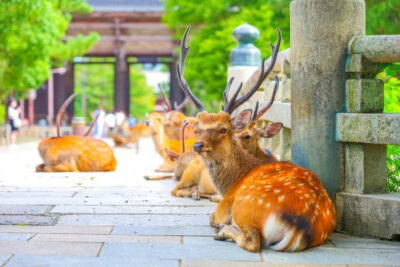
Kyoto/Osaka: Kinkakuji, Bamboo Forest, and Nara Deer Park
Read our review →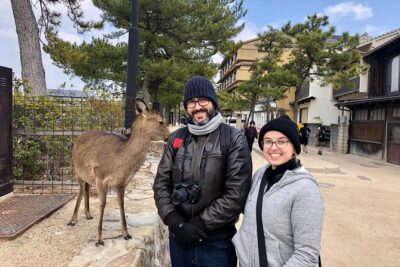
Nara 6hr Private Tour with Government-Licensed Guide
Read our review →
E-Bike Nara Highlights – Todaiji, Knives, Deer, Shrine
Read our review →
Nara Early Bird Tour (Kyoto Departure Option Available)
Read our review →
Nara:Authentic Tea Ceremony(Max 5 ppl) -Master Matcha Making
Read our review →Browse the lists this tour appears in