
Reviewed · NARA TOURS
Nara Highlight Walking Tour with Furoshiki Experience with Lunch
Nara’s best sights come together neatly on this small-group walking tour, from lantern-filled Kasuga Taisha to Todai-ji’s giant Buddha and the deer of Nara Park. The day also adds something many temple tours skip: a hands-on furoshiki wrapping session and lunch with freshly cooked rice and seasonal vegetables.
I like the personal scale, with no more than seven people, and I like the mix of grand sights and a useful Japanese craft you can take home. Guide Keiko has earned special praise for keeping a tiny group engaged and explaining the area well. The main catch is that the ¥500 bus fare is extra, and lunch and furoshiki depend on the option you book.
Key points
- Todai-ji and the Great Buddha: Visit one of Nara’s essential UNESCO World Heritage sites, with entrance included.
- Kasuga Taisha’s lanterns: See a major Shinto shrine founded in 768, known for its bronze and stone lanterns.
- A practical Japanese craft: Learn furoshiki wrapping and take home your own cloth when that option is selected.
- Lunch with local character: Stop for a traditional meal featuring freshly cooked rice and seasonal vegetables from Nara.
- Small group size: The tour accepts a maximum of seven people, allowing more room for questions and conversation.
- Easy finish in central Nara: End near Naramachi’s shopping streets, within reach of both JR Nara Station and Kintetsu Nara Station.
Why this half-day Nara tour works well
Nara was Japan’s first capital, and this tour gives you a useful first look at why the city still matters. The route links Shinto worship, Buddhist art, old town streets, local food, and one of Japan’s most famous animal encounters.
I see the strongest feature as the balance. You get the major stops, but the day is not only a march from one famous building to another. The furoshiki session gives you time to sit down and work with your hands, while lunch adds a local food break in the middle of the outing.
The small group matters, too. With a maximum of seven people, your guide can answer questions without trying to manage a crowd. That seems especially helpful at Todai-ji and Kasuga Taisha, where a little context can make the buildings and rituals easier to understand.
The tour lasts about five hours and 30 minutes. That is long enough for a proper introduction to Nara, but you should still expect a full morning and afternoon on your feet. The route includes walking between major sites, and the separate ¥500 bus fee means this is not an all-inclusive price.
More lunch stops in Nara:
- Bike Tour Exploring North Kyoto plus Lunch
★ 5.0 · 1,087 reviews - Tokyo: Mt.Fuji & Lake Kawaguchiko 1-Day Bus Tour w/Optional Lunch
★ 4.5 · 839 reviews - Osaka/Kyoto: Arashiyama, Nara & Fushimi Inari Shrine w/Lunch
★ 4.4 · 754 reviews
Starting among Nara’s deer and Kasuga Taisha’s lanterns
The meeting point is by the Gyoki Bosatsu statue at 27 Higashimuki Nakamachi. This is in central Nara, near the shopping area and public transportation, so you are not starting at a remote temple gate.
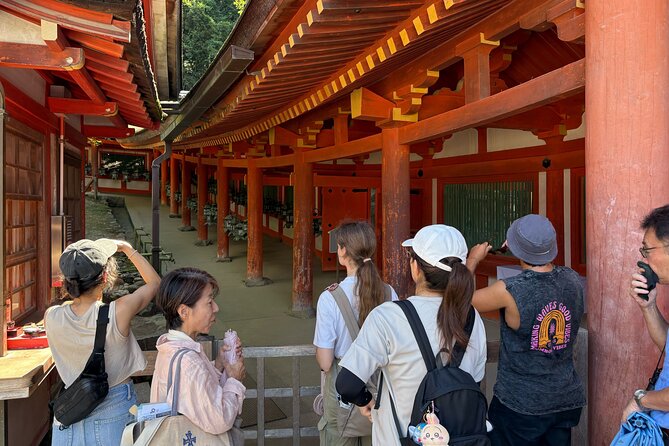
Kasuga Taisha is the first major stop. Founded in 768, this Shinto shrine is known for its many stone and bronze lanterns. The lanterns are lit during special festivals, but even without a festival in progress, they help give the shrine its distinctive feel.
You should allow the guide to set the pace here. Kasuga Taisha is not just a photo stop. It introduces the Shinto side of Nara before the tour shifts toward the Buddhist buildings of Todai-ji.
The scheduled visit is about 20 minutes, with admission included. That is enough to see an important section of the shrine, but not enough for a long, unhurried exploration of every corner. If Kasuga Taisha is your main reason for visiting Nara, you may want to return on your own after the tour.
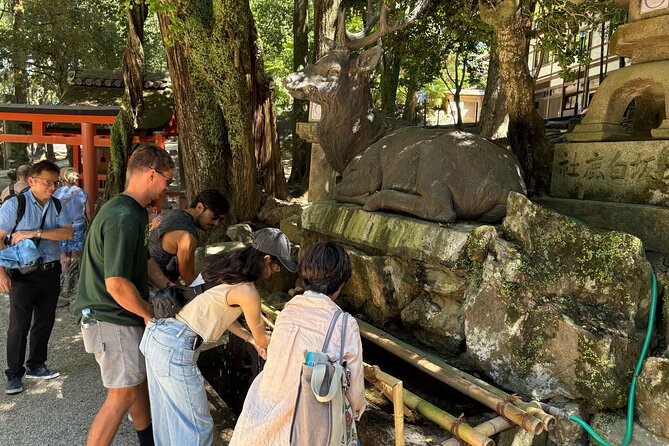
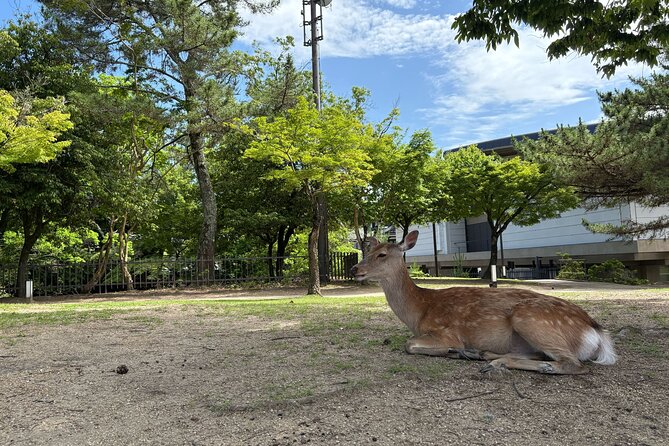
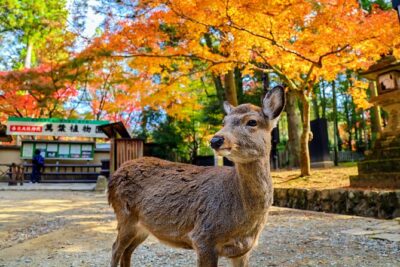
Nara Park’s free-roaming deer are part of this opening stretch. You will have a chance to see and interact with them, though the experience is best approached with care. The deer are a memorable part of Nara, but they are still animals, not decorative park ornaments.
Tamukeyama Hachimangu and the approach to Nigatsu-do
The route also includes Tamukeyama Hachimangu, a small Shinto shrine built in 749 to protect the nearby Great Buddha Hall. It is dedicated to Hachiman, associated with war and protection.
This stop adds a quieter layer to the day. Most first-time visitors focus on Todai-ji itself, so a smaller shrine can help you see how different religious sites sit together in the same part of Nara.
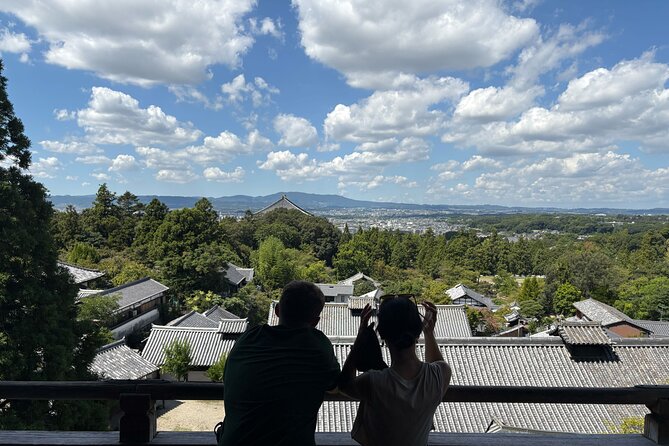
Next comes Nigatsu-do, a historic hall connected with Todai-ji. Its best-known event is Omizutori, the Water-Drawing ceremony held every March for more than 1,250 years.
The hall is also known for its views. The supplied schedule gives you about 20 minutes here, and admission is free. That short visit should be enough to appreciate the building and the outlook, but you should not expect a slow architectural study.
I like this part of the route because it gives the day a pause before Todai-ji. Nigatsu-do is not simply another famous temple hall. Its long-running ceremony and hillside position help show how religious practice and the physical setting work together in Nara.
Todai-ji and Japan’s famous Great Buddha
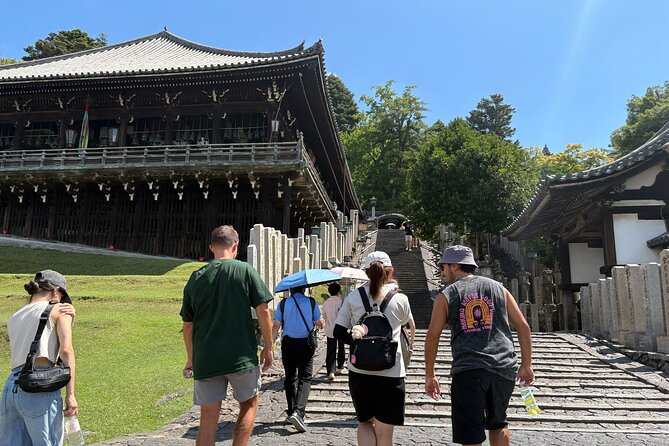
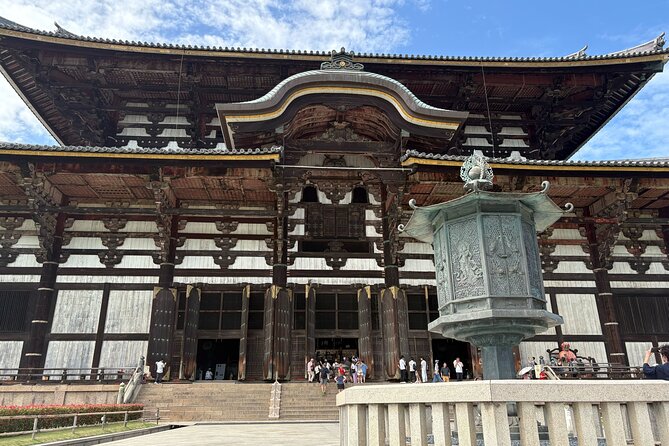
Todai-ji is the day’s largest headline stop. Built in the eighth century, the temple is home to the Great Buddha, one of the largest bronze statues in the world. The temple is also part of the UNESCO World Heritage group of historic monuments in ancient Nara.
Admission is included, which is important at a site of this scale. You will have about 40 minutes here, giving you time to enter the temple and see the Great Buddha without paying another entrance fee.
Todai-ji can feel overwhelming because the main hall, statue, and crowds all demand attention at once. A good local guide helps you notice more than the basic fact that the Buddha is enormous. The value of the stop is not only seeing a famous object, but understanding why this temple became such a central part of Nara.
The scheduled time is still limited. If you want extensive photographs, close attention to details, or a second look inside the hall, you may want to plan a separate return visit. The tour is designed to introduce the temple as part of a larger day, not to give you half a day at Todai-ji alone.
More walking tours in Nara:
- Nara Half Day Trip Walking Tour (Private Option Available)
★ 5.0 · 937 reviews - Nara: Private Walking Tour with a Local
★ 4.3 · 36 reviews - Kyoto Geisha Walking Tour: Gion District & Hidden Gems
★ 4.7 · 3,273 reviews - Tokyo Tsukiji Fish Market Food and Culture Walking Tour
★ 5.0 · 3,184 reviews
A Japanese lunch and furoshiki workshop
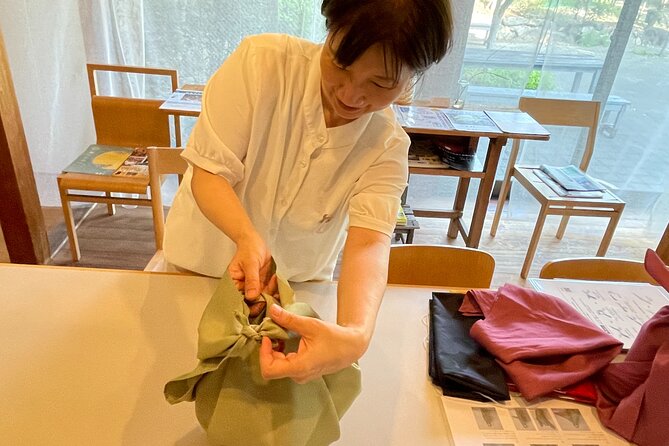
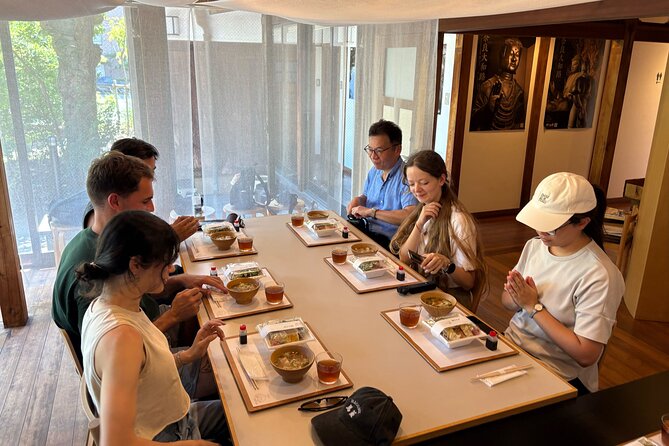
The most unusual part of the experience comes at Shika no Fune Mayu. This is where lunch and the furoshiki activity take place, with about one hour allocated to the stop.
Furoshiki are square cloths used for wrapping and carrying items. The workshop gives you a short, hands-on introduction rather than only a demonstration. When your selected option includes it, you take home your own furoshiki, giving you a useful souvenir instead of another small object destined for a drawer.
I like this addition because it connects the tour to everyday Japanese culture. Temples and shrines show you Japan’s public traditions. Wrapping cloth shows you a practical custom you can continue using after you leave Nara.
Lunch is a traditional Japanese meal featuring freshly cooked rice and seasonal vegetables from Nara. The details can vary by option, so check exactly what you are booking. Lunch is not included on Wednesdays according to the supplied conditions, and the furoshiki experience also depends on the option selected.
That detail matters when you compare the $37 price. The advertised cost can be a very good value if your chosen option includes the meal, craft activity, temple and shrine admissions, and guide. It is less complete if you select an option without lunch or furoshiki, or if you assume the bus fare is covered.
The one-hour stop should feel more relaxed than the temple visits. It gives you a chance to sit down, eat, and do something active with your hands. If you prefer a tour focused only on monuments, this part may seem less essential. If you want a stronger connection to local customs, it is one of the day’s best features.
Naramachi’s old townhouse and the finish in central Nara
The final stop is Naramachi Nigiwai-no-le, a historic townhouse in Nara’s old Naramachi district. Built in 1917 by an antique dealer, the house is now a Registered Tangible Cultural Property.
The visit lasts about 15 minutes, so think of it as a brief introduction to Naramachi rather than a full neighborhood walk. The townhouse helps shift your attention from ancient religious sites to the more recent history of ordinary urban life.
The tour ends at Nakatanidou on Hashimotocho, near Nara’s shopping district. From there, you can reach either JR Nara Station or Kintetsu Nara Station with relative ease. Ending in the shopping area is useful because you can continue exploring, browse local shops, or make your way back to your accommodation without returning to the starting point.
This finish also gives the tour a practical shape. You begin in central Nara, spend the main part of the day among the park and temples, then return to an area with transport and shops.
What the $37 price really covers
At $37 per person, this is priced as an accessible introduction to Nara. The value depends on the option you choose, since lunch and furoshiki are not necessarily part of every version.
Included items are:
- Traditional Japanese lunch, except where the selected option excludes it and on Wednesdays
- Entrance fees for the temples and shrines visited
- An English-speaking local guide
- Furoshiki wrapping, when included in your selected option
The ¥500 bus fee is not included. That is a small extra cost, but you should count it when setting your day’s budget.
The admissions are useful here because Todai-ji is a major paid sight. You are also paying for the structure of the day and the guide’s explanations, not merely for transport between buildings.
I would compare the options carefully before booking. If lunch and the wrapping session are included, the tour offers a strong mix of sightseeing, food, and cultural activity for the price. If they are not, you are mainly paying for the guided route and entrance fees.
How the guide and group size shape the day
The maximum group size is seven. That is small enough to keep the day personal without requiring the price of a private tour.
Guide Keiko has been singled out for keeping a very small group engaged and offering historical insight throughout the day. That is the kind of guide presence that can make a difference at Nara’s large, famous sites. You have room to ask why a shrine matters, what a ceremony means, or how the Buddhist and Shinto stops relate to one another.
The experience is offered with an English-speaking local guide. A local guide can also help make the transitions between stops feel less mechanical, especially when the route includes both major attractions and smaller places such as Tamukeyama Hachimangu.
You should still expect a set schedule. The stop at Kasuga Taisha is about 20 minutes, Nigatsu-do about 20 minutes, Todai-ji about 40 minutes, lunch and furoshiki one hour, and Naramachi Nigiwai-no-le about 15 minutes. Those times leave room for walking and transport within the five-and-a-half-hour total, but not for long detours.
Who should book this Nara experience?
I would recommend it to a first-time visitor who wants the main Nara sights in one organized day. It suits you if you want a guide, need help connecting the sites, and like the idea of adding a local craft and meal to the usual temple circuit.
It is also a good fit for solo visitors and couples who prefer a small group over a large coach outing. The seven-person limit offers a better chance for conversation and individual questions.
Families may like the deer and furoshiki activity, though the day still includes several historic religious sites and a fair amount of walking. The craft gives children something active to do between temple visits.
You may want another plan if you prefer to explore at your own pace. The timed stops are fairly short, especially at Kasuga Taisha and Naramachi Nigiwai-no-le. Serious temple enthusiasts may want more time at Todai-ji, while shoppers may prefer to spend the whole day in Naramachi.
The tour also requires reasonable weather. If poor weather causes cancellation, you are offered another date or a full refund. For normal booking flexibility, you can cancel for a full refund up to 24 hours before the start time. Changes or cancellations inside that window are not accepted.
Practical advice before you book
Check the selected option first. Confirm whether it includes lunch and the furoshiki activity, and remember that Wednesday lunch is not included according to the tour conditions.
Budget an additional ¥500 per person for the bus. The tour has a mobile ticket, begins by the Gyoki Bosatsu statue, and ends near Nara’s shopping district. Both the start and finish are near public transportation.
Wear comfortable shoes and plan for a half-day of walking. The tour is described as suitable for most people, but the route includes large temple grounds and several stops on foot.
If you have only one day in Nara, this schedule makes sense. You see Kasuga Taisha, Tamukeyama Hachimangu, Nigatsu-do, Todai-ji, Nara Park, and a corner of Naramachi, then finish close to the city’s main stations.
Should you book it?
Book this tour if you want a well-shaped first day in Nara with major temples, deer, a traditional meal, and a craft activity. The small group and English-speaking guide are the main reasons to choose it over wandering alone.
Check the inclusions before paying, since lunch and furoshiki vary by option and the ¥500 bus fare is extra. If you need long, quiet visits at each temple, the schedule may feel brisk. For most first-time visitors who want history, food, and a hands-on Japanese tradition in one affordable outing, it is a sensible choice.
FAQ
Where does the Nara walking tour begin?
It begins at the Gyoki Bosatsu statue at 27 Higashimuki Nakamachi, Nara, 630-8215, Japan.
Where does the tour finish?
The tour finishes at Nakatanidou, 29 Hashimotocho, Nara, 630-8217, near the shopping district.
Can I reach a train station easily after the tour?
Yes. The finish is convenient for both JR Nara Station and Kintetsu Nara Station.
How long does the tour last?
The experience lasts approximately five hours and 30 minutes.
What is the maximum group size?
The tour accepts a maximum of seven people.
Is lunch included?
Lunch depends on the option selected, and lunch is not included on Wednesdays according to the tour conditions.
Is the furoshiki activity included?
The furoshiki wrapping experience depends on the option you book.
What does the furoshiki activity include?
You take part in a wrapping workshop and take home your own furoshiki when the activity is included in your selected option.
Is transportation included?
The bus fee is not included. The listed additional cost is ¥500 per person.
Are entrance fees included?
Entrance fees for the temples and shrines visited on the tour are included.
What happens if bad weather cancels the tour?
You will be offered another date or a full refund if the tour is canceled because of poor weather.
Can I cancel for a full refund?
Yes. You must cancel at least 24 hours before the experience start time to receive a full refund.
Just added around Nara
- All must-sees in 3 hours – Nara Park Classic Tour! From JR Nara!★ 5.0 · 108 reviews
- Private Nara Tour and Sake Tasting (Departing from Kyoto/Nara)★ 5.0 · 40 reviews
- Hammer a Pattern on Your Ring Workshop★ 5.0 · 57 reviews
- Nara World Heritage PRIVATE TOUR★ 4.5 · 15 reviews
- Nara Sake Tasting Tour at Local Brewerie(tasting fee included)★ 5.0 · 12 reviews
- Nara Private Tour: Flexible Pickup from Kyoto, Osaka, or Nara★ 5.0 · 17 reviews
- Nara – Heart of Nature Cross Bike Tour★ 5.0 · 19 reviews
- Perfect Nara Park Half-Day Bus Tour with English Speaking Guide★ 5.0 · 49 reviews
Nara Tours, compared.
World Heritage Kyoto & Nara Uji Authentic Matcha Experience
Read our review →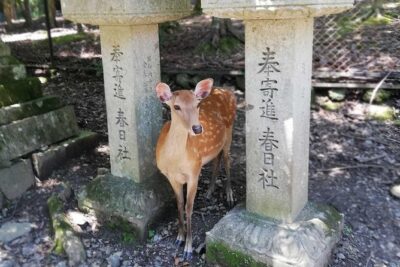
Nara Half Day Trip Walking Tour (Private Option Available)
Read our review →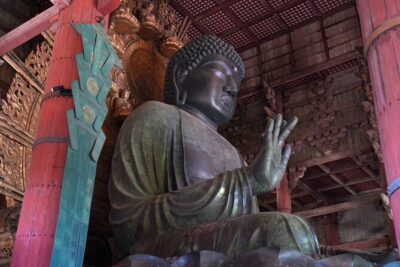
Nara Early Morning Tour (Kyoto or Osaka Departure Available)
Read our review →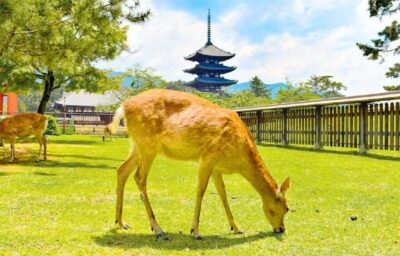
Nara and Uji Day Trip with Deer Park and Hot Spring
Read our review →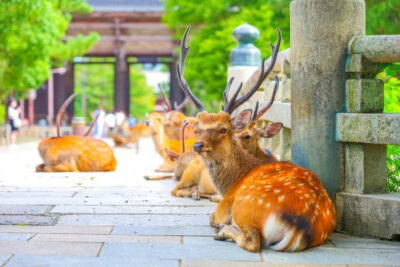
Kyoto/Osaka: Kinkakuji, Bamboo Forest, and Nara Deer Park
Read our review →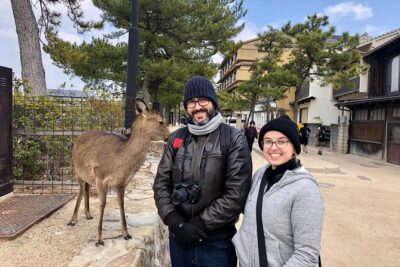
Nara 6hr Private Tour with Government-Licensed Guide
Read our review →
E-Bike Nara Highlights – Todaiji, Knives, Deer, Shrine
Read our review →
Nara Early Bird Tour (Kyoto Departure Option Available)
Read our review →Browse the lists this tour appears in