
Reviewed · NARA TOURS
Nara Half Day Trip Walking Tour (Private Option Available)
Nara’s famous deer are only the beginning. This five-hour walk takes you from the five-story pagoda at Kofuku-ji to the Great Buddha at Todaiji, then through lantern-filled Kasuga Taisha, old Naramachi streets, and a traditional Japanese lunch. The route gives you the big sights without skipping the town’s quieter corners.
I like the small maximum of eight people, which keeps the walk personal and makes it easier to ask questions. I also like the mix of major religious sites and less expected stops, including an old merchant’s house and a small Japanese pyramid. Guides such as Shin, Yuki, Miyabi, and Nao have been praised for clear explanations, good pacing, and local tips.
The main drawback is the amount of walking. You get short breaks, but this is still an active half-day, and summer heat can be severe. Food restrictions also need care: gluten-free meals are not available, and allergies or other dietary needs cannot be guaranteed.
Key things to know before you book
- The Great Buddha is the visual high point: Todaiji’s enormous wooden hall and bronze Buddha make the admission fee worthwhile.
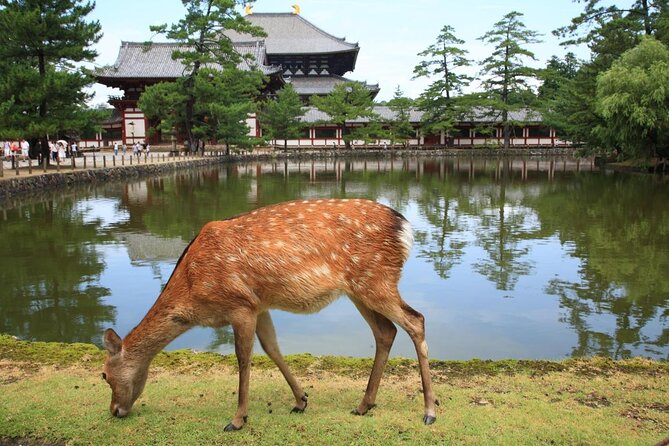
- The deer are friendly but pushy: Your guide explains how to feed them safely and politely, especially when the animals crowd around you.
- Lunch is part of the cultural experience: The meal is served at a traditional Japanese restaurant and usually features local dishes.
- Naramachi adds a different side of Nara: You walk among preserved townhouses and enter a former merchant’s home.
- The group stays small: The tour has a maximum of eight people, with group discounts and a private option available.
- Plan for the weather: Bring water and a hat in summer, and dress warmly in winter.
Why this five-hour Nara walk works well
Nara can look simple on a map. The temples sit near the park, the deer wander everywhere, and the main attractions seem easy to reach. In practice, the area has layers of religious customs, old neighborhoods, forest paths, and small details that are easy to pass without context.
This tour gives you a useful first look in a single morning or afternoon. You see the major landmarks, but you also get help with small cultural moments, such as how to bow at a shrine, how to make a wish, and how to handle the deer crackers without starting a four-legged stampede.
The meeting point is the Gyoki-bosatsu statue at 27 Higashimuki Nakamachi. It is near public transportation and close to central Nara. The walk ends back at the same meeting point, which makes it easier to continue sightseeing or return to your hotel.
The tour costs $105.45 per person. That is not the cheapest way to walk around Nara, since many outdoor sights are free. But the price includes the guide, admission tickets to the main paid sites, and lunch. You are also paying for a planned route and local help in a place where religious customs and crowded paths can otherwise feel confusing.
If you already know Nara well, the tour may cover places you have seen before. For a first visit, though, the combination of transport-friendly meeting point, entrance fees, lunch, and a small group gives the price a fair value.
More walking tours in Nara:
- Nara Highlight Walking Tour with Furoshiki Experience with Lunch
★ 5.0 · 73 reviews - Nara: Private Walking Tour with a Local
★ 4.3 · 36 reviews - Kyoto Geisha Walking Tour: Gion District & Hidden Gems
★ 4.7 · 3,273 reviews
Kofuku-ji and the five-story pagoda
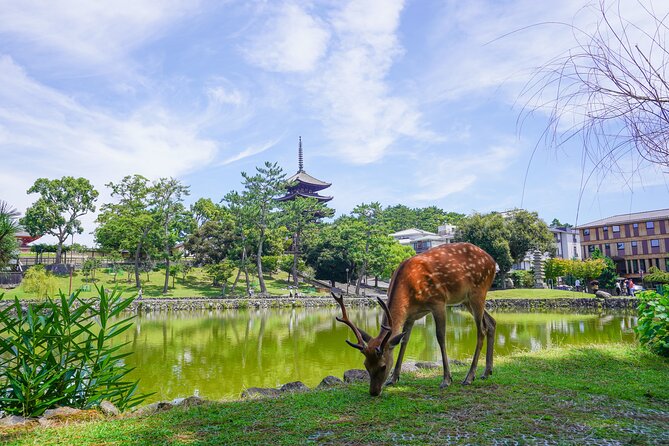
The first stop is Kofuku-ji, one of Nara’s best-known temple areas. Its five-story pagoda is the immediate focal point. Built by the Fujiwara clan in 730, the pagoda is one of the city’s most recognizable historic sights.
You have about 15 minutes here, so think of this as an introduction rather than a long temple visit. Your guide can explain the pagoda’s place in Nara and point out details you might miss while taking photos.
The short stop also helps set the pace. You are not spending the whole tour inside one complex. Instead, the route keeps moving through several parts of the city, each with a different feel.
Todaiji, the Great Buddha, and the guardian statues
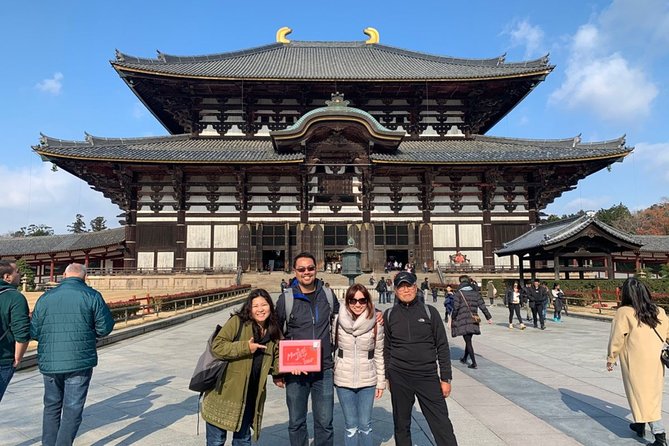
Todaiji is the tour’s biggest set piece. You enter through Nandaimon, the Great South Gate, where two imposing Kongorikishi guardian statues greet you. These figures are not quiet decoration. Their dramatic poses and forceful expressions were designed to protect the temple.
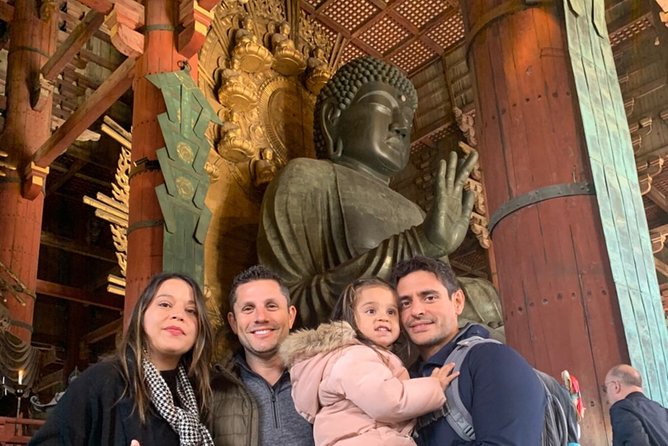
Inside the main hall, the bronze Great Buddha takes over the room. Todaiji’s wooden hall is enormous, and the scale of the statue gives the visit real impact even if you have already seen many Japanese temples.
The scheduled visit lasts about 30 minutes. That is enough for the main hall and Nandaimon, but not enough for a slow, detailed study of every building. I would treat this as a focused introduction. Listen to the guide first, then use any spare minutes for photographs and a close look at the architecture.
Your guide can also explain how to behave inside a major Buddhist temple. That matters here because Todaiji is a sacred place as well as one of Nara’s most photographed attractions.
A traditional Japanese lunch in an old town setting
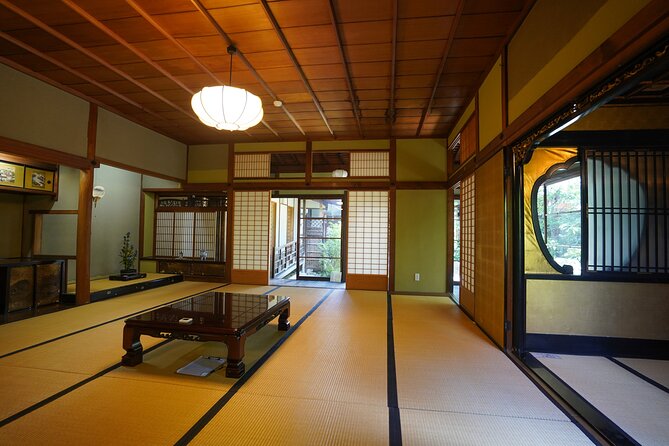
Lunch takes about 45 minutes at a long-established Japanese restaurant in the old town. This is more than a convenient meal between temples. It gives you a chance to sit down, try local-style dishes, and see how a traditional Japanese meal is arranged.
Several guides have helped make lunch a highlight by explaining the dishes and introducing regional food. Meals have included local set-style dishes, and one guide even introduced traditional foods such as mochi and red bean tea. A sake tasting has also been included on some tour days, but you should not assume it is part of every departure.
The food policy is important. Gluten-free requests cannot be accommodated. The operator cannot guarantee allergy-free meals, and substitutions may not always be possible because the food is prepared in kitchens outside the tour company. Vegetarian requests should be made by the day before, not on the day itself. Some past departures have handled vegetarian and vegan meals successfully, but the stated policy does not promise every dietary arrangement.
You do not need to pay for the guide’s food or drinks. Bring cash for extra snacks or beverages.
A few more Nara half-days to weigh up
- Osaka: Nara and Uji Day Trip with Deer Park and Hot Spring
★ 4.4 · 302 reviews - Mt Fuji and Hakone 1-Day Bus Tour Return by Bullet Train
★ 5.0 · 26,383 reviews - 1-Day Tokyo Bus Tour
★ 5.0 · 14,250 reviews - PERFECT KYOTO 1-Day Bus Tour
★ 5.0 · 13,518 reviews
Kasuga Taisha and the forest edge
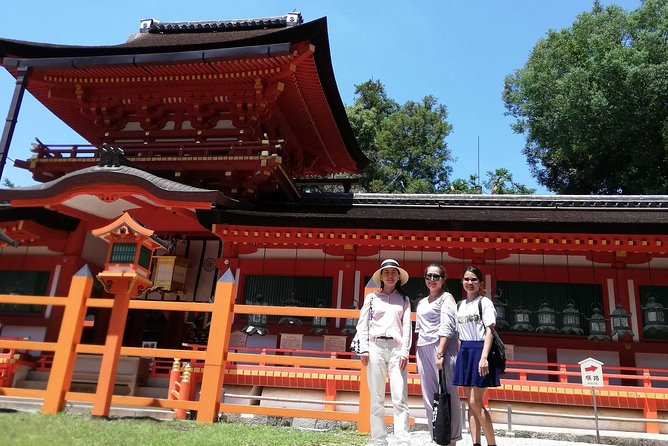
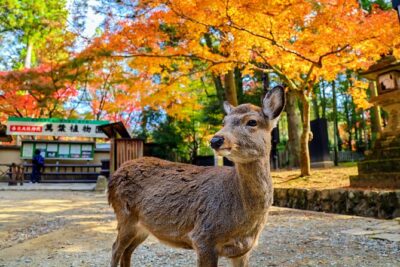
Kasuga Taisha brings you into a different religious setting. This Shinto shrine is known for its red buildings and hundreds of lanterns. The approach through Kasugayama Primeval Forest gives the visit a quieter, more wooded mood after the open temple grounds and deer-filled park.
You have about 30 minutes at the shrine and nearby forest area. That makes this a good spot for your guide to explain Shinto customs, including how to purify yourself, bow, and make a wish.
The shrine is beautiful, but the short timing means you will not explore every path. If you want a slow visit to every lantern-lined corner, you may need to return on your own. The benefit of visiting with the group is that you get the main setting and useful cultural context without spending half a day figuring out the layout.
Nara Park and the rules of deer diplomacy
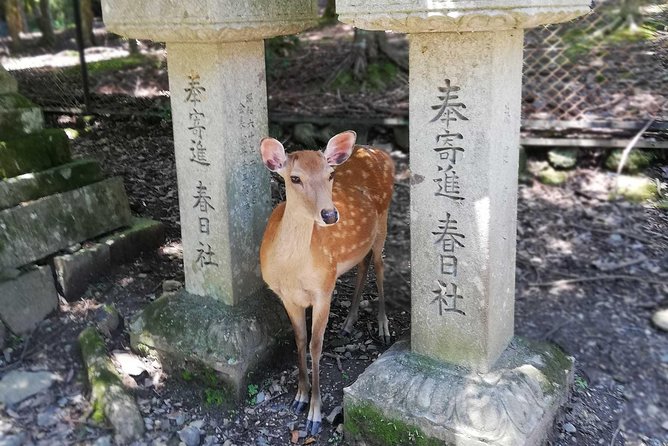
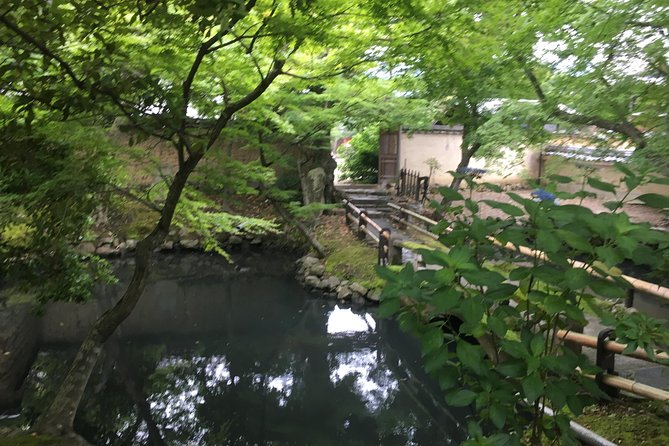
Nara Park is the most playful part of the route. Deer wander freely through the park, and you can feed them special crackers. Many will bow for food, but do not mistake that polite gesture for perfect manners. The deer can be persistent, particularly when they see that you have crackers in your hand.
Your guide explains how to interact with them respectfully. The safest habit is to show an empty hand after the crackers are gone, rather than letting the deer follow you around expecting more. Keep food and loose items under control, and give the animals room.
Some guides take the group toward quieter areas near the forest, where the deer may be younger and gentler. You might even see a fawn, though wildlife sightings are never guaranteed.
The park stop lasts about 30 minutes. That is enough for photos and a close encounter, but it can pass quickly if you are enjoying the animals. Families often find this the easiest part of the day for children, while adults appreciate having someone explain that the deer are wild animals, not tame pets.
Naramachi and the old merchant houses
Naramachi changes the subject from temples and deer to daily life. This old neighborhood has traditional buildings and a townscape that feels very different from modern Tokyo. You walk among former merchant homes and enter Naramachi Nigiwai no Ie, an old Japanese house open as part of the visit.
The stop lasts about 35 minutes. You get a look at the narrow streets, wooden façades, and practical design of a historic commercial neighborhood. This is one of the tour’s best choices because it gives you a sense of how people lived and worked beyond the grand temple grounds.
Guides also sometimes point out local crafts and food shops. Past stops have included artisan knives and Nara sweets such as persimmon cakes. At the end of the walk, guides have recommended places for mochi and shaved ice, along with restaurants for a later meal.
Naramachi is not a grand monument, and that is precisely its value. It helps connect Nara’s religious landmarks with ordinary homes, shops, and neighborhood life.
The guides make the difference
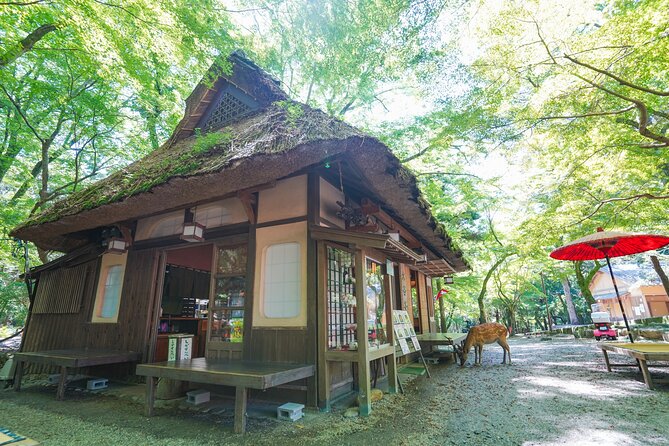
The route is set, but the guide shapes the day. Shin has been praised for explaining temple customs, taking photographs, and adjusting the pace. Yuki has been appreciated for local insight and a relaxed approach. Miyabi has been singled out for her passion for Nara’s culture, while Nao has made a point of getting to know each person in the group.
Other guides, including Yusuke, Eri, Hide, Mari, Yuuki, and Eri, have also been praised for patience, humor, clear explanations, and attention to families. That range of feedback suggests the company puts real weight on the local host rather than simply handing you a route map.
A good guide is especially useful at the temples. You can look at a pagoda or lantern and enjoy the design, but a short explanation of its religious purpose makes the sight easier to remember. The guides also help with practical matters, such as deer etiquette, shrine behavior, photo spots, and local food.
Some guides provide a link to photos taken during the tour. That is a pleasant extra, though it may depend on the individual guide and should not be treated as a guaranteed feature.
Pace, weather, and physical demands
The tour welcomes all ages and includes a few short breaks. Most people can take part, but you should be comfortable walking for about five hours with time on your feet at temples, shrines, streets, and park paths.
The route may be adjusted for the group’s mobility and energy. A guide has varied the route for a family group, which shows some flexibility. Still, the experience remains a walking tour, not a vehicle-based sightseeing trip.
Nara’s weather can change the feel of the day. Summer may reach 40°C, with high humidity. Carry water, wear a hat, and take the heat seriously. Winter can fall as low as -5°C, and cold wind can make the open park and shrine approaches feel sharper than expected.
Rain is possible, and the activity requires good weather. If poor weather causes cancellation, you can choose another date or receive a full refund. If you cancel, you need to do so at least 24 hours before the local start time for a full refund. Late changes are not accepted.
Who should book this Nara tour
I would choose this tour if you are visiting Nara for the first time and want a guided overview rather than a day spent studying one temple. It works particularly well for families, couples, and small groups who want a set lunch and a clear route.
It is also a good fit if you want help with religious customs or feel unsure about feeding the deer. The small group limit makes it more personal than a large coach excursion, and the private option may suit you if you want a more exclusive outing.
You may want another plan if you need gluten-free food, require guaranteed allergy-safe meals, or prefer to explore at your own slow pace. Independent visitors can see many of these sights without a guide, but they will need to arrange lunch, pay entrance fees, and build the route themselves.
Should you book it?
Book this Nara walking tour if you want the city’s essential sights, a proper Japanese lunch, and local explanations in one well-planned half-day. The Great Buddha, lanterns, merchant houses, and deer give you a strong range of experiences, while guides such as Shin, Yuki, Miyabi, and Nao add the personal detail that a self-guided walk can miss.
The $105.45 price is easiest to justify when you value convenience and cultural context. Check the food rules carefully, prepare for the weather, and wear comfortable shoes. If those points work for you, this is a practical and enjoyable first introduction to Nara.
FAQ
How long does the Nara walking tour last?
The tour lasts approximately five hours.
What sights are included?
The route includes Kofuku-ji Temple, Todaiji Temple, a traditional Japanese restaurant, Kasuga Grand Shrine, Nara Park, and Naramachi.
Is lunch included?
Yes. Lunch at a traditional Japanese restaurant is included in the tour price.
Are temple and shrine admission tickets included?
Admission tickets to the paid shrines and temples on the route are included.
Where does the tour start and finish?
The tour starts at the Gyoki-bosatsu statue at 27 Higashimuki Nakamachi, Nara. It ends back at the same meeting point.
How many people can join the group?
The maximum group size is eight people. A private option is also available.
Can children join the tour?
Yes. All ages are welcome, although the tour includes several hours of walking with only short breaks.
Can the tour accommodate dietary restrictions?
Gluten-free requests cannot be accommodated. Allergy-free meals and other dietary restrictions cannot be guaranteed. Vegetarian requests must be made by the day before the tour.
What happens if the weather is poor?
If the tour is canceled because of poor weather, you can choose a different date or receive a full refund.
Just added around Nara
- All must-sees in 3 hours – Nara Park Classic Tour! From JR Nara!★ 5.0 · 108 reviews
- Private Nara Tour and Sake Tasting (Departing from Kyoto/Nara)★ 5.0 · 40 reviews
- Hammer a Pattern on Your Ring Workshop★ 5.0 · 57 reviews
- Nara World Heritage PRIVATE TOUR★ 4.5 · 15 reviews
- Nara Sake Tasting Tour at Local Brewerie(tasting fee included)★ 5.0 · 12 reviews
- Nara Private Tour: Flexible Pickup from Kyoto, Osaka, or Nara★ 5.0 · 17 reviews
- Nara Highlight Walking Tour with Furoshiki Experience with Lunch★ 5.0 · 73 reviews
- Nara – Heart of Nature Cross Bike Tour★ 5.0 · 19 reviews
Nara Tours, compared.
World Heritage Kyoto & Nara Uji Authentic Matcha Experience
Read our review →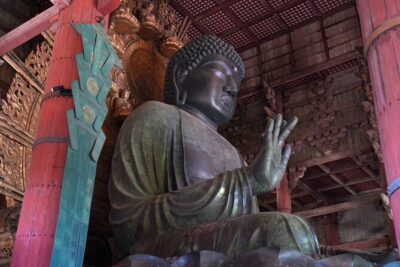
Nara Early Morning Tour (Kyoto or Osaka Departure Available)
Read our review →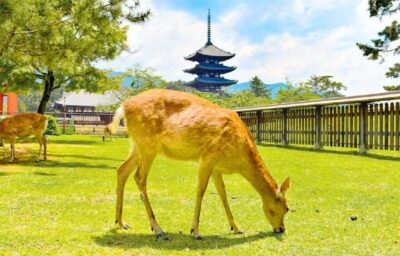
Nara and Uji Day Trip with Deer Park and Hot Spring
Read our review →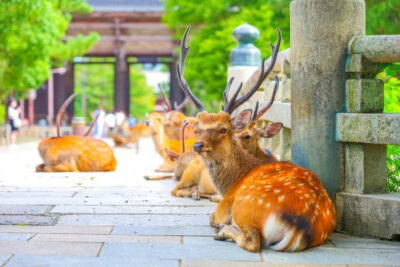
Kyoto/Osaka: Kinkakuji, Bamboo Forest, and Nara Deer Park
Read our review →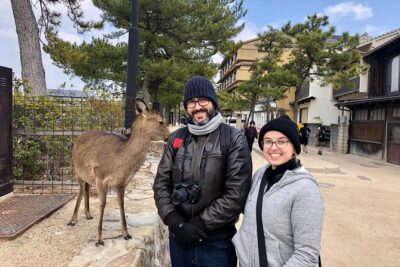
Nara 6hr Private Tour with Government-Licensed Guide
Read our review →
E-Bike Nara Highlights – Todaiji, Knives, Deer, Shrine
Read our review →
Nara Early Bird Tour (Kyoto Departure Option Available)
Read our review →
Nara:Authentic Tea Ceremony(Max 5 ppl) -Master Matcha Making
Read our review →Browse the lists this tour appears in