
Reviewed · TOKYO TOURS
From Tokyo: Mt. Fuji & Hakone Tour w/ Return by Bullet Train
Mt. Fuji and Hakone make a fine pair: one gives you Japan’s most famous mountain, the other brings volcanic steam, a cable car, a lake cruise, and a fast ride home. I especially like the Hakone Ropeway over Owakudani and the fact that the return to Tokyo is by bullet train rather than another long bus ride. The catch is simple: this is a packed day, and Mt. Fuji may vanish behind cloud or fog.
I also like the human touch. Guides such as Yumi, Ai, Happy, and Sachi-san have been praised for keeping the day moving while adding stories and practical help. Traffic can eat into your time, though, and the 5th Station stop may feel short if you want a long photo session.
Key points at a glance
- Mt. Fuji’s 5th Station reaches about 2,300 meters, the highest point available on this route when the Subaru Line is open.
- Owakudani gives you a close look at volcanic activity, with steaming ground and the famous sulphur-boiled black eggs sold separately.
- The Hakone Ropeway and Lake Ashi cruise create a strong change of pace, from smoky volcanic slopes to open water.
- The Japanese lunch is a hot-pot meal with a half buffet when you choose the lunch option, though drinks cost extra.
- The Shinkansen return takes about 34 minutes from Odawara to Tokyo, but you board a non-reserved coach without the guide.
- Weather decides the Mt. Fuji view, and there is no refund for cloud, fog, rain, or a guide changing the plan.
Why this Mt. Fuji and Hakone day works
At $117 per person, this is a lot of Japan in one long day. You are not paying only for a mountain viewpoint. The price covers the air-conditioned bus, guide, Hakone Ropeway, Lake Ashi cruise, and Shinkansen ticket. Lunch is included only if you select that option.
I see the value in the combination. Arranging Mt. Fuji, Hakone, a ropeway, a cruise, and a train home on your own would require several bookings and careful timing. Here, the bus handles the awkward part of the day, while the bullet train keeps the return from becoming another slow road journey.
The tradeoff is time. The drive from the Shinjuku meeting point to the Mt. Fuji area takes about two and a half hours, and the whole day lasts around 11 hours. Stops often run only 20 to 45 minutes. That is enough to see each place, take photos, and follow the group, but not enough for a slow, private visit.
I would book this as a first look at the region, not as a quiet mountain retreat. You get variety and convenience. You give up flexibility.
More Mt Fuji Tours in Tokyo
- Mt Fuji and Hakone 1-Day Bus Tour Return by Bullet Train
★ 5.0 · 26,383 reviews - Mt Fuji & Hakone Cruise, Drum Show Bullet Train 1 Day from Tokyo
★ 4.0 · 7,413 reviews - Tokyo Mt Fuji 5th St & Hakone Cruise Bus Tour w/Bullet Train
★ 4.4 · 5,024 reviews
Meeting by the LOVE sculpture in Shinjuku
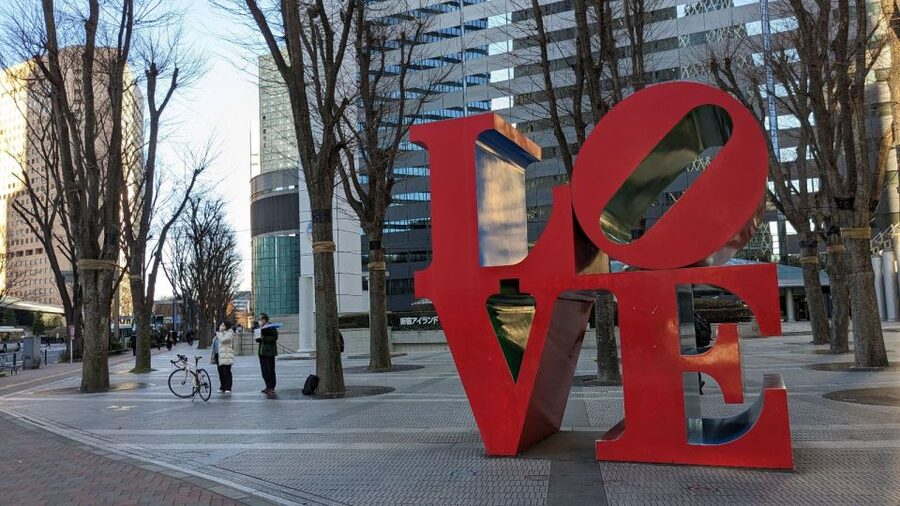
The day begins outside the Shinjuku i-Land building, beside the Nishi Shinjuku LOVE sculpture. This is a useful landmark, but other tours gather in the same general area, so do not rely on the sculpture alone. Find the correct guide and tour group before departure.
There is no hotel pickup. You need to arrive on time, since late arrivals cannot join the group partway through the route. Wear comfortable shoes. You will not be hiking Mt. Fuji, but the day includes several transfers, sightseeing stops, a cable car, a boat, and station connections.
The air-conditioned coach is your base for much of the morning. The drive is long, but guides often fill it with facts, local stories, food suggestions, trivia, and sometimes a song. Several guides, including Happy, Ken, Hide-san, and Yoshiu, have been praised for keeping the bus ride lively without talking nonstop. That matters on a two-and-a-half-hour start.
The quality of the day depends partly on the guide assigned to your departure. English and Spanish tours are available. Good guides keep you informed about timing, explain what you are seeing, and make sure nobody misses the next departure. The strongest guide reports describe a warm, organized style rather than a lecture-heavy one.
Mt. Fuji 5th Station at 2,300 meters
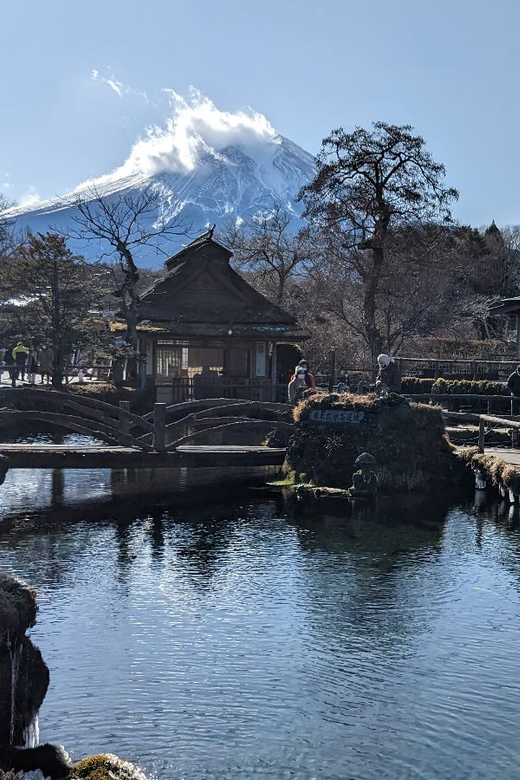
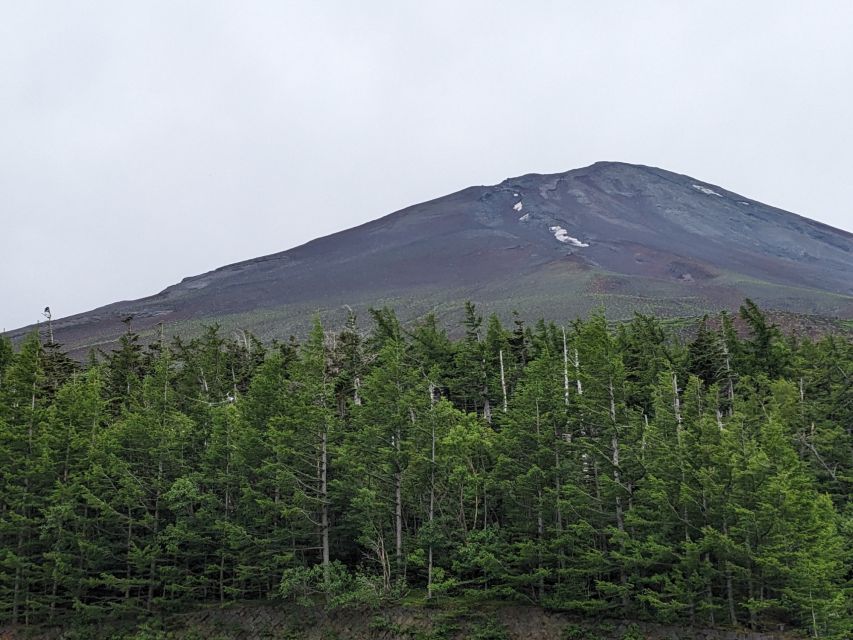
The Subaru Line carries the bus toward Mt. Fuji’s 5th Station, at roughly 2,300 meters above sea level. This is as close to the summit as the standard tour can usually take you by road. You can look toward the upper slopes, visit Komitake Shrine, and browse souvenirs.
The view is never guaranteed. Mt. Fuji often hides behind cloud, fog, or high humidity, even when the day seems pleasant in Tokyo. The clouds can move quickly, so keep watching the summit instead of taking one quick look and giving up. Clear days can bring the tour’s big reward, with the mountain rising above the surrounding area.
The 5th Station is also a useful reality check. This is not a summit climb, and you should not expect a long mountain walk. It is a high viewpoint and a short cultural stop. Some departures have only a little time here, so take your photos first and browse second.
Bad weather or a road accident can close the Subaru Line. If that happens, the bus visits the highest point possible or switches to another suitable stop. That keeps the day moving, but it also means the exact experience can change. You should book this tour for the wider Mt. Fuji and Hakone route, not on the promise of one perfect mountain photograph.
The lack of a Fuji view is the biggest risk in the itinerary. It is also outside the operator’s control. The tour does not offer refunds for weather-related disappointment or for a guide changing the schedule because of conditions.
A Japanese hot-pot lunch and half buffet
The lunch stop lasts about 45 to 60 minutes. If you choose the lunch option, expect a Japanese meal built around a hot pot with a half buffet. This gives you a chance to try several small dishes instead of ordering one familiar plate.
The meal has received mixed reactions. Some people find it delicious and far better than expected. Others find the hot pot less appealing, with rice and fried chicken serving as useful alternatives. One important detail: drinks are not included, and soft drinks cost extra. Water is available.
Tell the operator about food restrictions when booking. The information provided does not promise that every restriction can be handled, so early notice matters. With less than an hour for lunch, this is a set part of the day rather than a long restaurant visit.
I like having lunch included as an option because it saves you from searching for food during a tightly timed route. If you are fussy about meals, have allergies, or prefer complete control, compare the lunch and no-lunch prices before booking. The value depends on how much you want to try local food and how much convenience matters to you.
More rail days around Tokyo:
- From Tokyo 1-Day Kyoto English-guided Tour by Bullet Train
★ 4.0 · 376 reviews - Mt. Fuji and Hakone Day Trip From Tokyo with Bullet Train Option
★ 4.0 · 368 reviews - Tokyo: Kamakura & Enoshima Day Tour with Pickup & Train Ride
★ 4.1 · 61 reviews - From Osaka: Sagano Train Ride and Kyoto Guided Day Tour
★ 4.3 · 180 reviews
Owakudani and the Hakone Ropeway
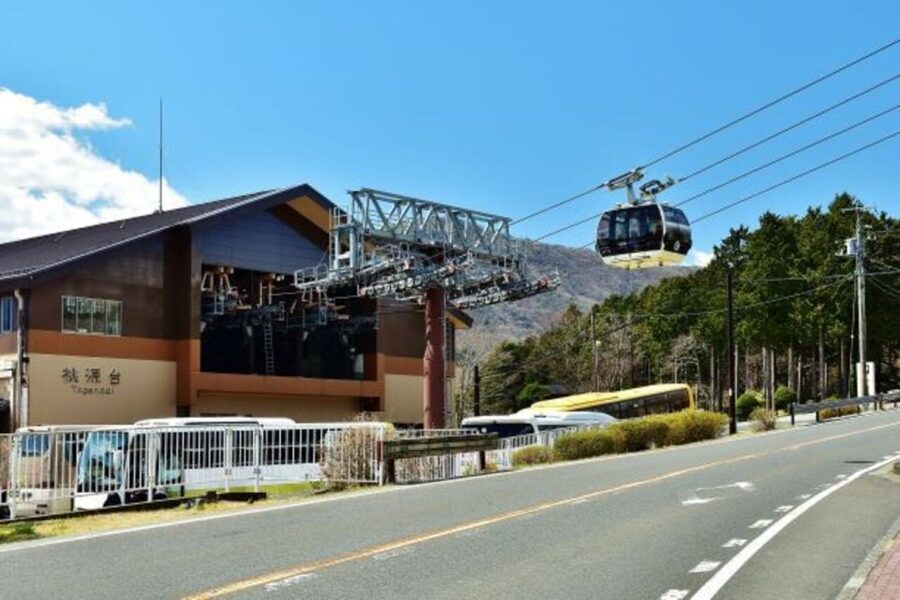
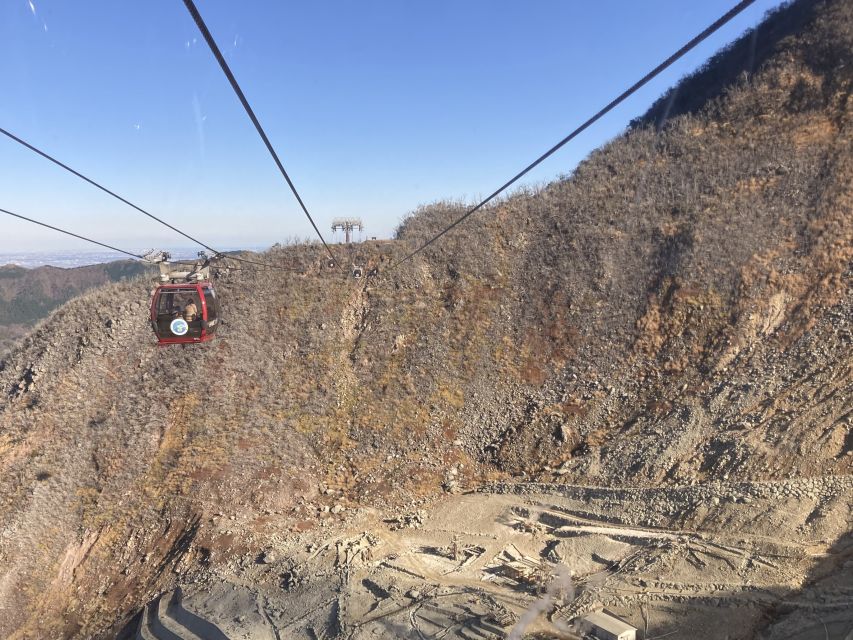
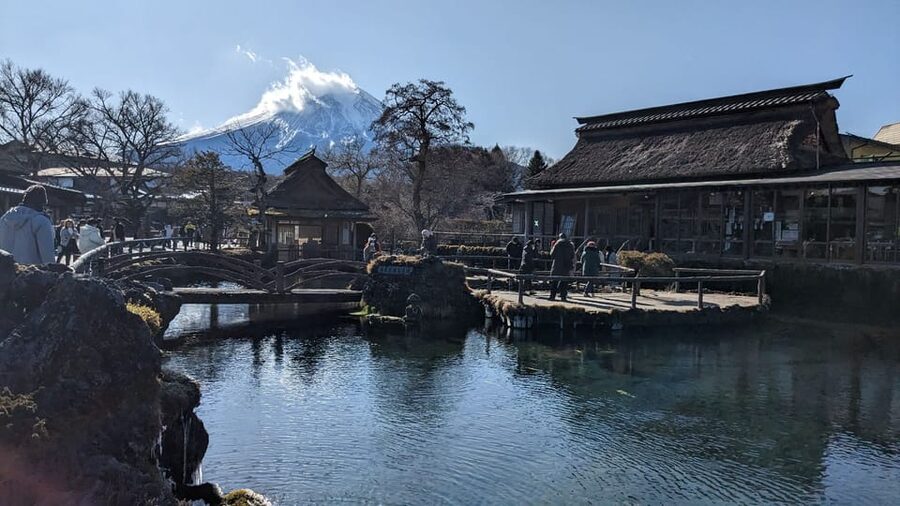
After lunch, the tour heads into Hakone’s volcanic Owakudani area by Ropeway. The gondola ride is one of the day’s most memorable sections. As the cable car changes elevation, you get a clear sense of the terrain shifting beneath you.
Owakudani is known for sulphur fumes, volcanic ground, and the black eggs cooked in sulphuric water heated by underground volcanic activity. The eggs are a classic purchase, but they are not included in the tour price. You may also find unusual food gifts and souvenirs at the shops.
The Ropeway is not ideal for everyone. It reaches high above the ground, and one participant with a serious fear of heights found the ride startling before enjoying it. If heights bother you, know this in advance. The ride is central to the plan, not a minor extra.
Operations can stop because of weather or other conditions. If the Ropeway and the Hakone Pirate Ship are closed, the day may use alternatives such as Komagatake Ropeway, another Lake Ashi cruise, the Mt. Fuji Panoramic Ropeway, Mishima Skywalk, Narukawa Art Museum, Hakone Checkpoint, or Hakone Shrine.
That flexibility is useful, but the replacement stop may not match your personal favorite. If your main reason for booking is volcanic scenery, check operating conditions on the morning of the tour and keep your expectations flexible.
Cruising Lake Ashi on the Hakone Pirate Ship
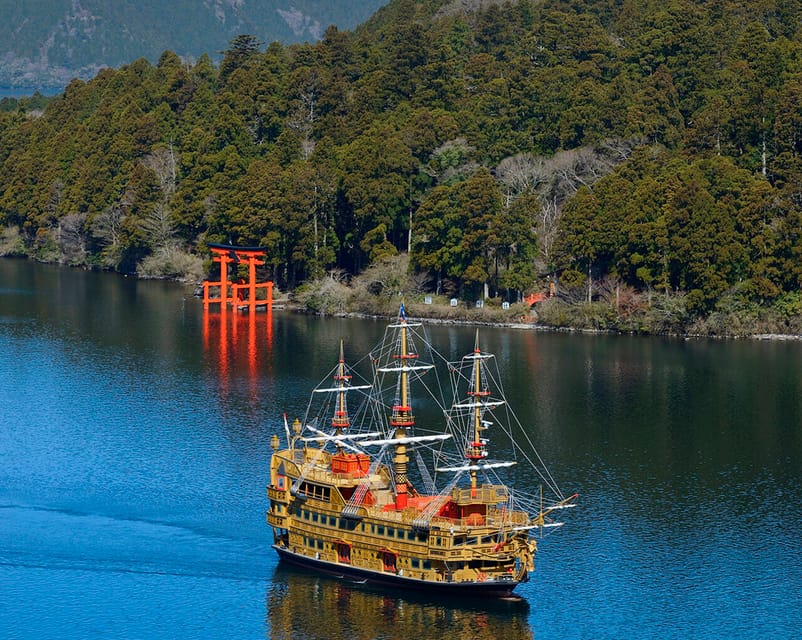
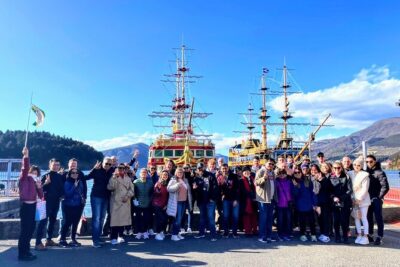
The Lake Ashi cruise gives your feet a break and changes the view completely. From the deck, you may see Mt. Fuji across the water when the air is clear. The boat used on many departures is decorated as a pirate ship, which gives the ride a playful quality rather than making it feel like a plain ferry transfer.
The cruise is short enough to fit a busy itinerary, but it still creates one of the day’s calmer moments. You can look across the lake, take photographs, and watch the wooded hills pass by. The view depends heavily on weather, so a cloudy day turns this into a pleasant boat trip rather than a Fuji postcard.
Food may be sold aboard, but supplies can run out quickly. If you want one of the limited cream buns, buy it early after boarding. Do not assume there will be many later choices.
The cruise works well after Owakudani because the two stops feel different. First you see steam and volcanic activity. Then you are on open water, looking across a large lake. That variety is one of the best reasons to choose the combined Mt. Fuji and Hakone route.
Returning by Shinkansen from Odawara
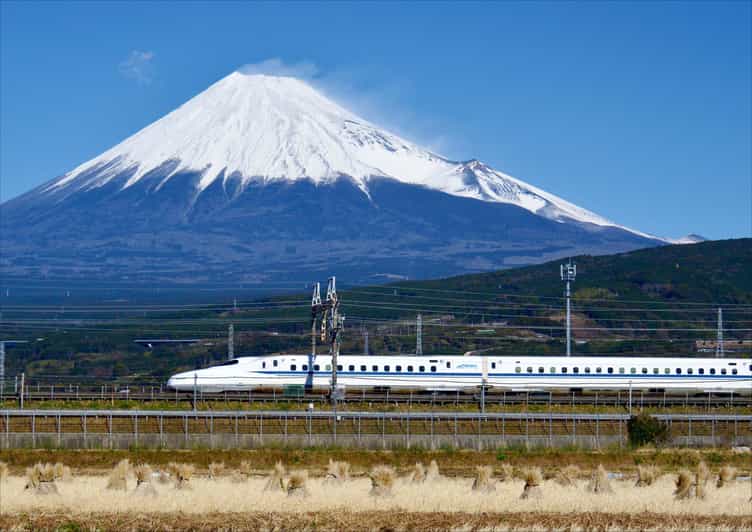
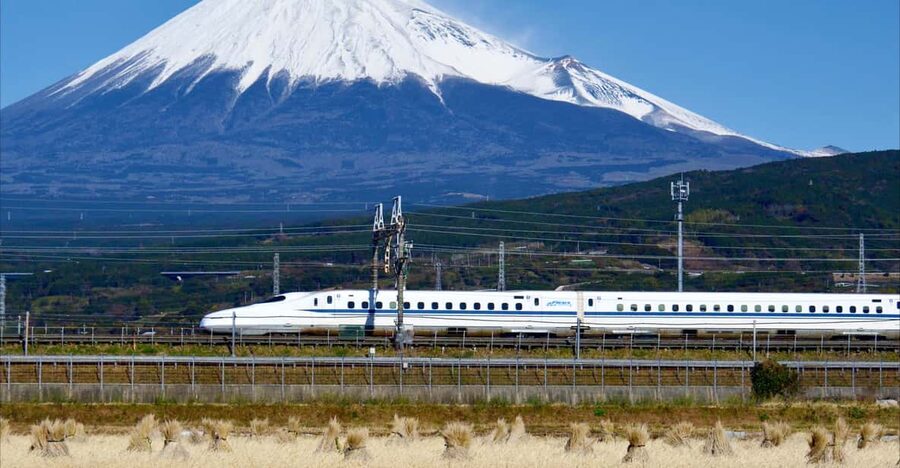
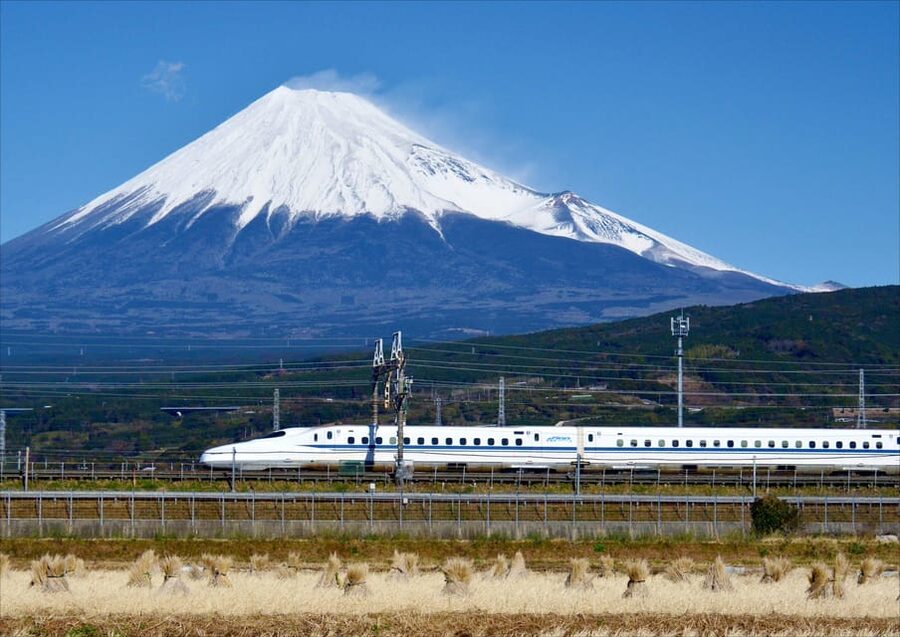
The final act is the bullet train from Odawara Station. The usual journey to Tokyo takes about 34 minutes, a welcome contrast to the long morning drive. For many people, the Shinkansen is not just transport. It is a memorable first ride on Japan’s high-speed rail.
The train time depends on traffic and the coach’s arrival at Odawara. There are usually two trains per hour, and your ticket is for a non-reserved seat. The listed timetable includes Kodama services and one Hikari service, but schedules can change.
The guide does not ride with you. Your tour ends at Odawara Station, so you must follow the directions, find the right platform, and board on your own. The operator provides the ticket and instructions, but this is not a guided train transfer.
You can get off at Shinagawa, one stop before Tokyo, and use the Yamanote Line with the same Shinkansen ticket to reach Shinjuku or another station on that loop. This can be handy if your accommodation is in western Tokyo. If you already have an active JR Pass or prefer a bus return, a version ending at Odawara is available at a lower price, but the bus takes longer.
Give yourself a moment at Odawara to understand the ticket and train signs. Do not rush onto the first train just because it arrives. Watching the Shinkansen come and go is part of the fun, and non-reserved seating gives you some flexibility within the available services.
The pace, access, and small practical details
This is a full schedule. The bus must reach several stops, the Ropeway and boat have operating times, and the train departure follows road conditions. You need to return to the bus promptly at every stop. If you want long café breaks or extended shrine visits, this will feel too structured.
Wheelchair users can take part because the sightseeing stops are described as accessible. Standard buses do not have lifts or ramps, but folding wheelchairs can generally go in the luggage compartment. Electric wheelchairs may not fit because of size and weight limits, so tell the operator at booking.
The tour is not suitable for pregnant women. Children up to age three may join free, but they do not receive a bus seat or lunch unless you book the child rate. A child who needs either should be booked under that rate.
The overall rating is 4.2 out of 5 from 1,278 ratings, which fits the experience I would expect: strong transport value and warm guiding, balanced by weather risk, long road time, and a fast schedule. Guides such as Sachi-san, Ai, Yumi, Happy, and Mary have been singled out for clear explanations, patience, humor, and good group control. One practical complaint has been an unreliable bus sound system, so sit where you can hear clearly if possible.
Should you book this Mt. Fuji and Hakone tour?
Book it if you have one free day in Tokyo and want a broad sample of Mt. Fuji, Hakone, Japanese food, a cable car, a lake cruise, and the Shinkansen. The $117 price is strong when you value the included transport and admissions, especially the fast ride back from Odawara.
Skip it if seeing Mt. Fuji clearly is your only goal, since fog and cloud can erase the view. You should also choose another plan if you dislike early starts, group schedules, cable cars, or spending much of the day on a bus.
For most first-time visitors with limited time, I would choose the lunch option and keep the day open for weather changes. Bring comfortable shoes, arrive early at the LOVE sculpture, take photos promptly at the 5th Station, and treat the bullet train as part of the experience, not merely the way home.
FAQ
How long is the Mt. Fuji and Hakone tour?
The tour lasts about 11 hours, including the coach journey from Shinjuku, sightseeing in the Mt. Fuji and Hakone areas, and the return process from Odawara.
Where is the meeting point?
Meet your guide beside the Nishi Shinjuku LOVE sculpture outside the Shinjuku i-Land building. Hotel pickup and drop-off are not included.
Is lunch included?
Lunch is included only when you select the lunch option. It is a Japanese hot-pot meal with a half buffet. Drinks are not included.
Will I definitely see Mt. Fuji?
No. Cloud, fog, rain, and high humidity can block the mountain. If the Subaru Line is closed, the tour visits the highest point possible or uses another destination. Weather-related refunds are not provided.
Is the bullet train seat reserved?
No. The Shinkansen ticket is for a non-reserved seat. The guide does not ride the train with you, and the tour ends at Odawara Station.
Can I use the ticket to reach Shinjuku?
You can get off at Shinagawa and transfer to the Yamanote Line using the same Shinkansen ticket to reach Shinjuku or another station along that line.
Can wheelchair users join the tour?
All sightseeing stops are described as wheelchair-accessible. Folding wheelchairs can generally be stored in the bus luggage compartment, but standard buses do not have lifts or ramps, and electric wheelchairs may not fit. Tell the operator when booking.
Just added around Tokyo
- Private Arrival Transfer : Narita International Airport to Central Tokyo City★ 4.5 · 12 reviews
- Narita Airport(NRT): Private Transfer to Tokyo/Yokohama 1-9pax★ 5.0 · 47 reviews
- Private Transfer from Narita Airport to Yokohama Port and City★ 4.5 · 17 reviews
- [Narita Airport Terminals 1, 2] 40-60km Sawara Itako Historic Bike Tour★ 5.0 · 13 reviews
- 3 Day Japan Highlights Tour: Tokyo, Mt.Fuji, Nara, Kyoto, Osaka★ 5.0 · 22 reviews
- Small Town in the Big City: Tasting Tokyo’s Kichijoji★ 5.0 · 195 reviews
- Small Town in the Big City: Tasting Tokyo’s Kichijoji★ 5.0 · 16 reviews
- The 10 Tastings of Tokyo With Locals: Private Street Food Tour★ 5.0 · 48 reviews
Tokyo Tours, compared.
Mt Fuji and Hakone 1-Day Bus Tour Return by Bullet Train
Read our review →
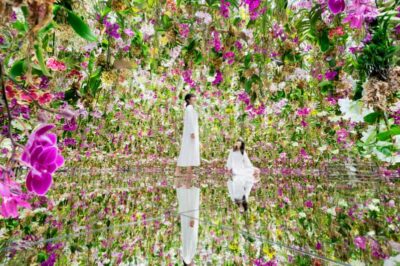
teamLab Planets TOKYO Digital Art Museum Entry Ticket
Read our review →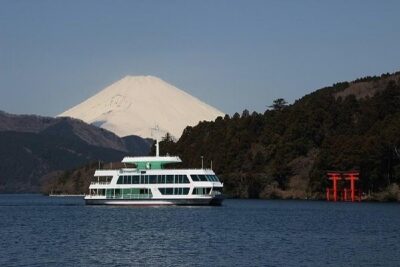
Mt Fuji & Hakone Cruise, Drum Show Bullet Train 1 Day from Tokyo
Read our review →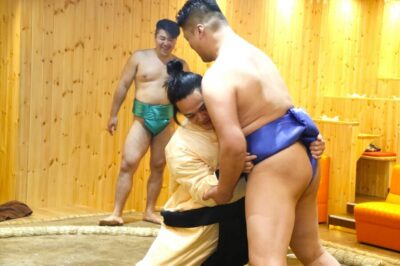
Sumo Show Experience with Chicken Hot Pot and a Photo
Read our review →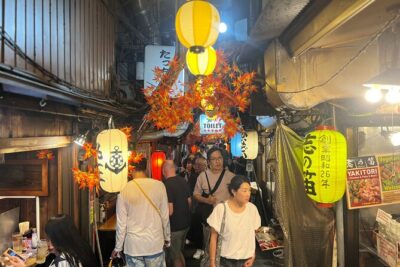
Shinjuku Food Tour (13 Dishes at 4 Local Eateries)
Read our review →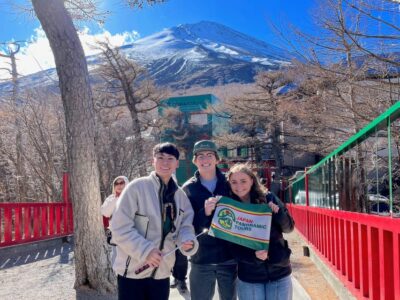
Tokyo Mt Fuji 5th St & Hakone Cruise Bus Tour w/Bullet Train
Read our review →
Flagship 2-Hours Official Street Go-Kart Tour – Tokyo Bay Shop
Read our review →Browse the lists this tour appears in