
Reviewed · TOKYO TOURS
Mount Fuji Full Day Customized Private Tour with English Guide
The best part of this tour is the freedom to shape a long Mount Fuji day around your own group. Instead of squeezing into a large bus, you get a private vehicle for up to six people, hotel pickup in Tokyo, and the chance to wait for the clouds to clear or swap a crowded stop for another view.
I like the flexible route and the easy transport between scattered sights. I also like the range of scenery, from spring-fed ponds and flower paths to a lava cave, a lakeside park, and the famous pagoda view. The main caution is timing: fitting Fuji, Hakone, and outlet shopping into 10 hours can make the day feel rushed, and guide quality has not been perfectly consistent.
Key points at a glance
- Private vehicle for up to six: You get hotel pickup, air-conditioning, bottled water, and private transportation from Tokyo.
- A strong mix of Fuji views: Oishi Park, Lake Kawaguchiko, Oshino Hakkai, Mount Fuji 5th Station, and Chureito Pagoda each show the mountain from a different angle.
- The itinerary is a menu, not a promise: Hakone stops and Gotemba Premium Outlets are optional, and the route may need to change for weather or traffic.
- The ice cave adds variety: Narusawa Ice Cave takes only about 30 minutes but gives the day a memorable volcanic twist.
- Guides can make or break the day: Recent departures have named guides including Ali, Mian, Hassy, Mr. Moon, and Khulaid, with reports ranging from highly helpful to mostly driver-only.
- The price works best for a full group: At $350 per group, six people pay about $58 each before extra admission costs. A smaller group pays more per person.
Why a private Fuji day can work better than a bus tour
Mount Fuji’s sightseeing spots are spread over a wide area. Lake Kawaguchiko, Oshino Hakkai, Arakurayama Sengen Park, Narusawa, Hakone, and Gotemba do not sit in one tidy cluster. A private car solves the basic problem: you are not spending the whole day figuring out trains, buses, transfers, and walking routes.
Pickup and drop-off from your Tokyo hotel are included. That matters because the day already involves a long round trip, and the private vehicle gives you a place to sit between stops. The group limit of six is small enough for a family or a few friends, while still making the flat $350 price potentially good value.
The private format also gives you some control. You can stay longer at Lake Kawaguchiko while waiting for a clearer view, or adjust the route if weather blocks the mountain. One recent departure changed plans when Fuji was hidden, using other locations instead. That flexibility is useful, but you should treat it as a practical advantage rather than a guarantee that every listed stop will happen.
The tradeoff is that the driver has to balance your wishes against Tokyo traffic, mountain roads, opening conditions, and the fixed return time. One unhappy departure missed several stops, including the 5th Station, after an early return became necessary. If every stop matters to you, agree on priorities at pickup.
More Mt Fuji Tours in Tokyo
- Mt Fuji and Hakone 1-Day Bus Tour Return by Bullet Train
★ 5.0 · 26,383 reviews - Mt Fuji & Hakone Cruise, Drum Show Bullet Train 1 Day from Tokyo
★ 4.0 · 7,413 reviews - Tokyo Mt Fuji 5th St & Hakone Cruise Bus Tour w/Bullet Train
★ 4.4 · 5,024 reviews
Mount Fuji 5th Station, the high starting point
The 5th Station is the tour’s highest listed Fuji stop and a traditional waystation for people heading toward the summit. It is also a useful place to feel the scale of the mountain rather than viewing it only from far away.
You have about two hours here, and admission is not included. The stated entrance fee is ¥2,100, so budget for that separately. The stop may be especially appealing if you want a mountain setting and a closer look at the upper slopes.
The catch is visibility and access. The day depends heavily on weather, and the 5th Station was specifically missed on one rushed departure. Ask your driver early whether this is a top priority, especially if you would rather visit it than shop or stop in Hakone.
Oishi Park and Lake Kawaguchiko
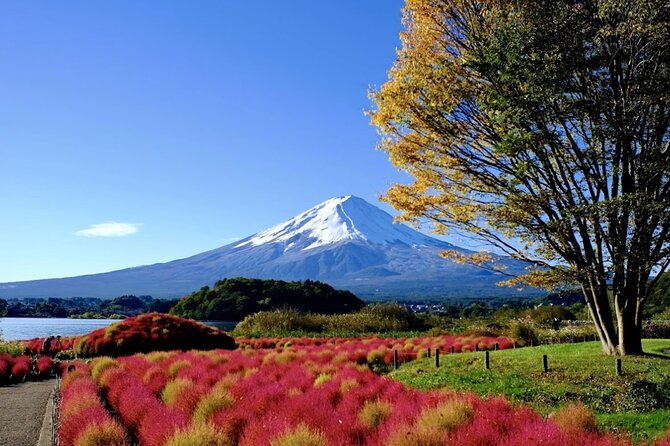
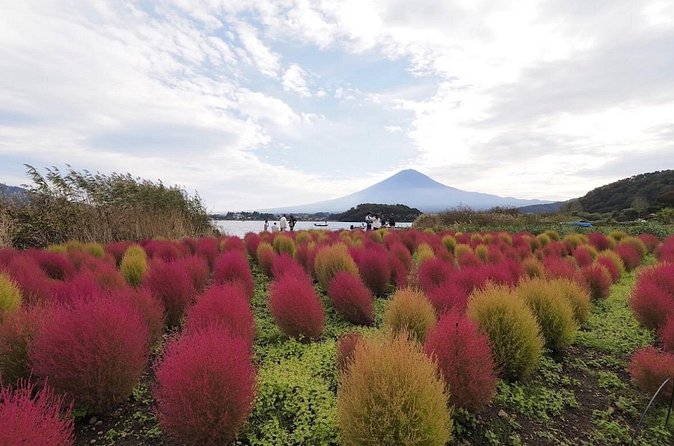
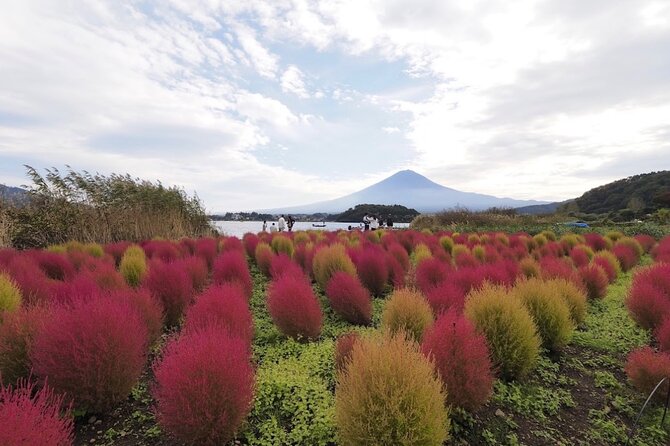
Oishi Park is one of the easiest places to pair a Fuji view with a pleasant walk. It runs along Lake Kawaguchiko and is known for flower-filled paths that change with the season. You get one hour here, with no admission charge.
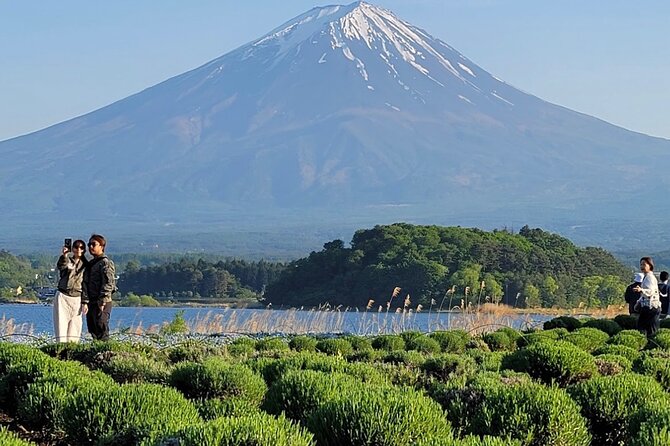
This is a good photo stop because the lake gives you a foreground and Fuji provides the distant peak. If clouds cover the mountain, the lake and flowers still offer something to see. If Fuji begins to appear, the private format may let you linger rather than follow a large group back to the vehicle.
Lake Kawaguchiko itself receives another hour. The lake is the oldest of the Fuji Five Lakes and was formed by volcanic material blocking water routes. You do not need a geology lesson to enjoy it, but the setting helps explain why the region looks the way it does: water, dark volcanic ground, and the broad cone of Fuji working together.
The two stops can feel repetitive if you are trying to cover too much in one day. I would use Oishi Park for a walk and photographs, then use the separate lake stop for a different shoreline or a longer pause. Ask the driver how the two locations will differ on your departure.
Oshino Hakkai and its spring-fed ponds
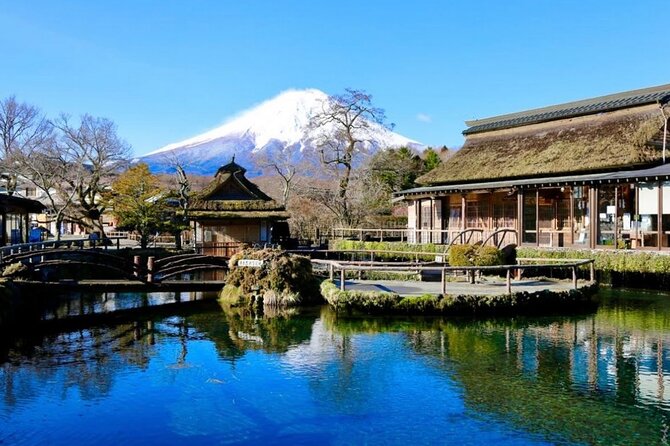
Oshino Hakkai offers a different view of Mount Fuji. The eight ponds were shaped by old volcanic activity, and several are fed by water filtering through an underground reservoir. The spring water is known for its mineral content.
You have about an hour, and there is no admission charge listed. The appeal here is the clear water, traditional village setting, and the chance to see how Fuji’s snow and rain become springs. It is a more intimate stop than a wide lake view.
Give yourself time to look beyond the main photo points. The ponds are the reason to come, but the volcanic story gives the place its character. If you are traveling with children, the water and short walking time may make this an easy stop. If you dislike crowded scenic areas, ask about the best timing, since this is one of the better-known Fuji-area visits.
A few more Tokyo half-days to weigh up
- From Tokyo: Mount Fuji Full-Day Sightseeing Trip
★ 4.5 · 4,970 reviews - Mount Fuji Full-Day Private Tour from Tokyo (Customizable)
★ 4.9 · 1,470 reviews - Tokyo Private Full-Day Tour by Car or Van
★ 5.0 · 684 reviews - From Tokyo: Must-Visit Mount Fuji Highlight Full-Day Tour
★ 4.7 · 532 reviews
Arakurayama Sengen Park and Chureito Pagoda
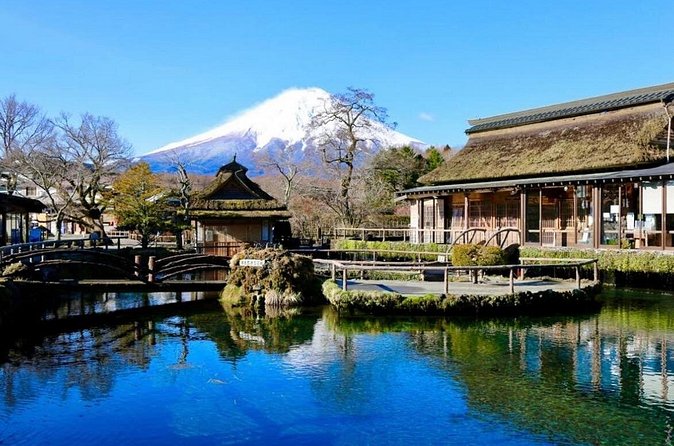
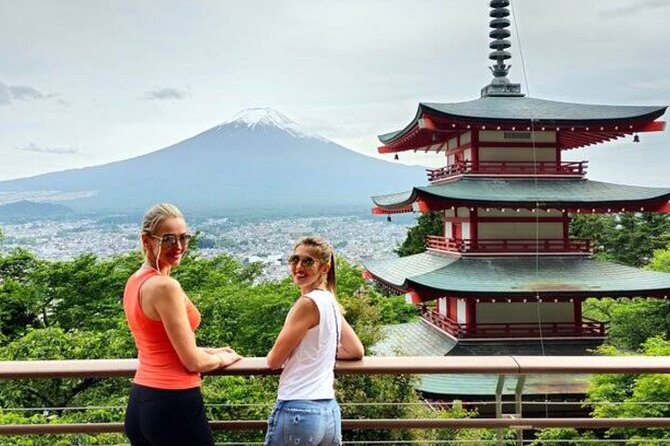
The Chureito Pagoda view is one of the most recognizable Fuji photographs in Japan. The five-story pagoda sits above Fujiyoshida City, with Mount Fuji visible in the distance when the weather cooperates. It forms part of Arakura Sengen Shrine, whose origins reach back to the ninth century.
The schedule gives one hour at Arakurayama Sengen Park and another hour at Chureito Pagoda. In practice, these sites are closely connected, so confirm how your driver plans to use the time. The climb is the main issue. One recent group described the view as worth the 400 stairs, but that stair count is not a minor detail.
Wear shoes you can comfortably use on steps. If you are short on time or have mobility concerns, ask whether the park and pagoda can be combined selectively. The reward is a classic Fuji composition, but clouds can erase the mountain and leave you with a long climb for a partial view.
Narusawa Ice Cave, a short stop with a volcanic twist
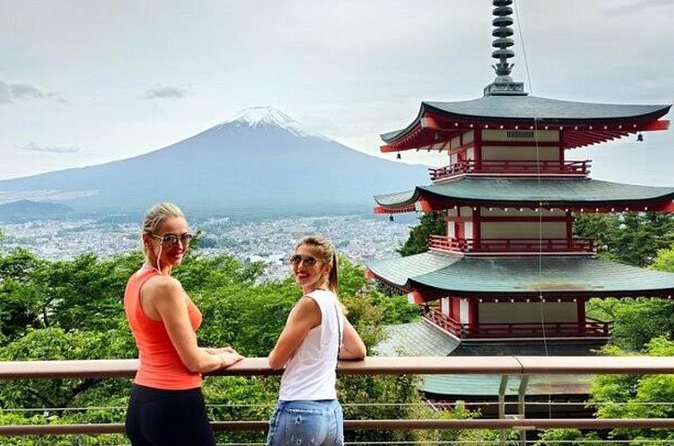
Narusawa Ice Cave was formed by lava from Mount Fuji’s eruption in 864, and the lava tube contains ice formations that can reach around 10 feet high. The visit lasts about 30 minutes, and admission costs extra.
I like this stop because it breaks up the day. After several lakes, viewpoints, and photo stops, going below ground gives you something physical and unusual to remember. It also helps connect the region’s sightseeing to the eruptions that created its lakes, caves, and ponds.
Do not expect a long visit. Thirty minutes is enough for a compact attraction, but it is not a major half-day outing. Ask about the admission fee before you go, and consider skipping it only if you need more time for the 5th Station or Kawaguchiko.
Hakone options: museum, volcanic valley, and lake
The Hakone Open-Air Museum, Owakudani Valley, and Lake Ashinoko are optional additions. Each takes about 30 minutes in the suggested schedule, so they can add variety but also put pressure on the clock.
The Open-Air Museum is Japan’s first outdoor museum, founded in 1969. A short visit lets you see outdoor sculpture in a mountain setting, but the admission fee is not included. Thirty minutes may suit a quick look, though art lovers will likely want longer.
Owakudani Valley was formed by an eruption and collapse of Hakone volcano’s central cone about 3,000 years ago. It is the strongest option if you want volcanic scenery and a more active earth story. Admission or transport costs are not included in the tour details, so ask what your chosen visit will require.
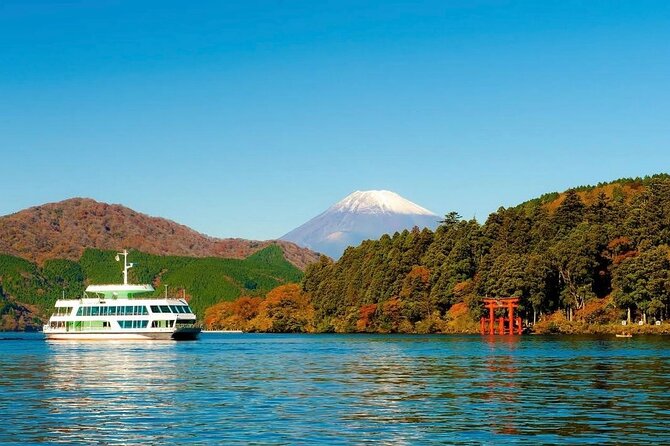
Lake Ashinoko also formed through volcanic activity, when an eruption and lava flow blocked the Hayakawa River. The lake has been a sacred place since the eighth century and gives you a calmer waterside stop. Again, the suggested 30 minutes is brief.
My advice is simple: choose Fuji or Hakone as the day’s main focus. Trying to cover the 5th Station, five Fuji-area stops, three Hakone options, and Gotemba shopping in one run is ambitious. A private tour lets you choose, but it cannot remove distance or traffic.
Gotemba Premium Outlets, useful but not essential
Gotemba Premium Outlets is another optional stop, with about one hour allowed and no admission charge. It is a practical choice if shopping is part of your Japan trip, and the location can offer views of Fuji.
For a first Fuji day, I would put it behind the mountain viewpoints, especially if the sky is clear. Outlet shopping is available in many destinations, while a good Fuji view depends on this particular day. If the weather hides Fuji or your group wants a break from sightseeing, the outlet stop becomes more appealing.
Make your choice clear before leaving Tokyo. One departure ended with confusion at the outlet, where the guide reportedly parked and gave little help. That does not mean every driver will handle it poorly, but it shows why you should agree on where to meet and how much time to spend.
What the guide service is really like
The experience includes an English-speaking driver, but the role may lean more toward driving than guiding. Some departures have been praised for patient, cheerful service and good photography. Ali, Mian, Hassy, Mr. Moon, and Khulaid are names associated with especially positive experiences, including help with viewpoints, timing, photographs, and route changes.
You should not assume every guide will offer the same level of commentary. A few departures reported limited English or little explanation during the long drives. One person expected more Japanese history and found the guide mainly acted as a driver.
Set expectations at the beginning. Tell the driver your three must-see stops, ask which locations are best in the current weather, and confirm the return plan. If photography matters, ask for help finding viewpoints, since several successful days benefited from guides who knew good photo locations.
Price, time, and the real value
At $350 for up to six people, the price is strongest for a full group. Six people pay about $58 each for a 10-hour private vehicle, hotel pickup and drop-off, bottled water, and an English-speaking driver. For two people, the same tour costs about $175 each, so compare it with a shared bus tour before booking.
The value is not just the car. You are paying for a private day that can adjust to weather, energy levels, and your group’s priorities. That is useful around Fuji, where a clear view may appear for only a short time.
The 10-hour estimate includes the journey from Tokyo, so do not read it as 10 hours of sightseeing. Traffic, New Year’s Eve timing, mountain roads, and optional stops can change the pace. Some departures have returned well within the planned window, while another rushed back because of a fixed return concern.
Free cancellation is available up to 24 hours before the local start time. Changes made inside that window are not accepted, and late cancellations are not refunded. Poor weather can lead to a new date or a full refund, as can a cancellation caused by too few bookings.
Who should book this Fuji tour
I would choose this tour for a family, small friend group, or couple that values door-to-door transport and does not want to manage the Fuji area independently. It is particularly useful if you want several different views in one day and prefer to control the pace.
It is less suitable if you need a formal cultural guide, guaranteed access to every listed stop, or a tightly controlled schedule. The tour is also a weaker value for one or two people unless the convenience of private transport matters more than the per-person cost.
Book with a weather plan. If you have several days in Tokyo, consider waiting until you can check the forecast and visibility before committing. Fuji may be majestic one day and completely hidden the next, and the tour cannot change that.
Should you book it?
Book this private tour if your priority is seeing a broad selection of Fuji-area sights without handling the transport yourself. The best version of the day includes a clear mountain view, time at Kawaguchiko or Oishi Park, the pagoda, and one unusual stop such as Narusawa Ice Cave.
Before departure, confirm the guide’s name, pickup time, must-see stops, extra fees, and the latest return plan. If you are traveling as a group of six, the $350 price is appealing. If you are a small party, or if you want a true history-focused guide rather than a driver who offers basic assistance, think carefully before paying the premium.
FAQ
How long does the Mount Fuji private tour last?
The tour lasts approximately 10 hours, including pickup and drop-off from Tokyo.
How many people can join the private tour?
The price covers one private group of up to six people.
Is hotel pickup from Tokyo included?
Yes. Hotel pickup and drop-off from Tokyo are included.
What transport is provided?
You receive private transportation in an air-conditioned vehicle, along with bottled water.
Is Mount Fuji 5th Station admission included?
No. The stated entrance fee is ¥2,100 and is paid separately.
Are the Hakone Open-Air Museum, Owakudani Valley, and Lake Ashinoko guaranteed stops?
No. These three Hakone locations are listed as optional, so confirm your preferred route with the driver.
What happens if bad weather cancels the tour?
If poor weather causes the cancellation, you will be offered another date or a full refund.
Just added around Tokyo
- Narita Airport(NRT): Private Transfer to Tokyo/Yokohama 1-9pax★ 5.0 · 47 reviews
- Private Transfer from Narita Airport to Yokohama Port and City★ 4.5 · 17 reviews
- Private Arrival Transfer : Narita International Airport to Central Tokyo City★ 4.5 · 12 reviews
- [Narita Airport Terminals 1, 2] 40-60km Sawara Itako Historic Bike Tour★ 5.0 · 13 reviews
- 3 Day Japan Highlights Tour: Tokyo, Mt.Fuji, Nara, Kyoto, Osaka★ 5.0 · 22 reviews
- Small Town in the Big City: Tasting Tokyo’s Kichijoji★ 5.0 · 195 reviews
- Small Town in the Big City: Tasting Tokyo’s Kichijoji★ 5.0 · 16 reviews
- The 10 Tastings of Tokyo With Locals: Private Street Food Tour★ 5.0 · 48 reviews
Tokyo Tours, compared.
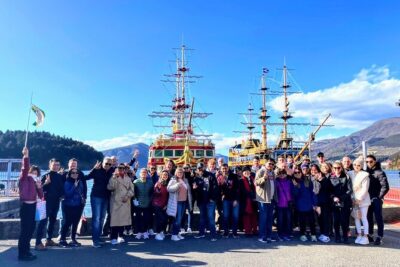
Mt Fuji and Hakone 1-Day Bus Tour Return by Bullet Train
Read our review →
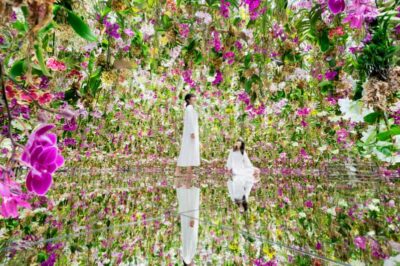
teamLab Planets TOKYO Digital Art Museum Entry Ticket
Read our review →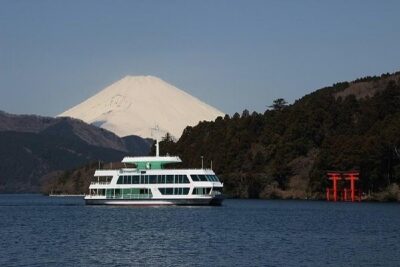
Mt Fuji & Hakone Cruise, Drum Show Bullet Train 1 Day from Tokyo
Read our review →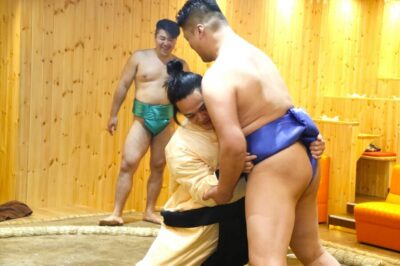
Sumo Show Experience with Chicken Hot Pot and a Photo
Read our review →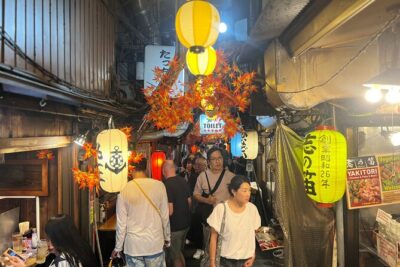
Shinjuku Food Tour (13 Dishes at 4 Local Eateries)
Read our review →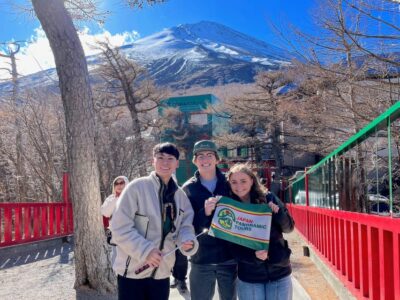
Tokyo Mt Fuji 5th St & Hakone Cruise Bus Tour w/Bullet Train
Read our review →
Flagship 2-Hours Official Street Go-Kart Tour – Tokyo Bay Shop
Read our review →Browse the lists this tour appears in