
Reviewed · TOKYO TOURS
Mt. Fuji & Lake Kawaguchiko Ropeway Panorama Full-Day Tour
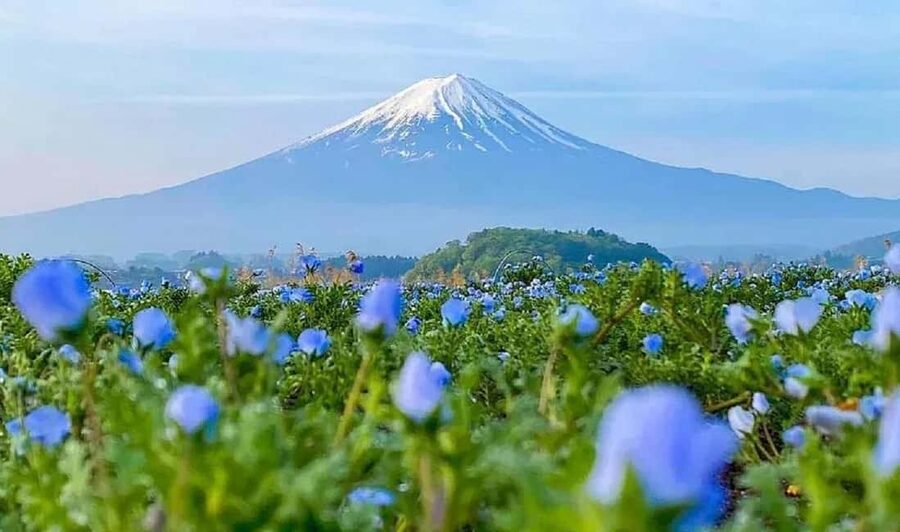
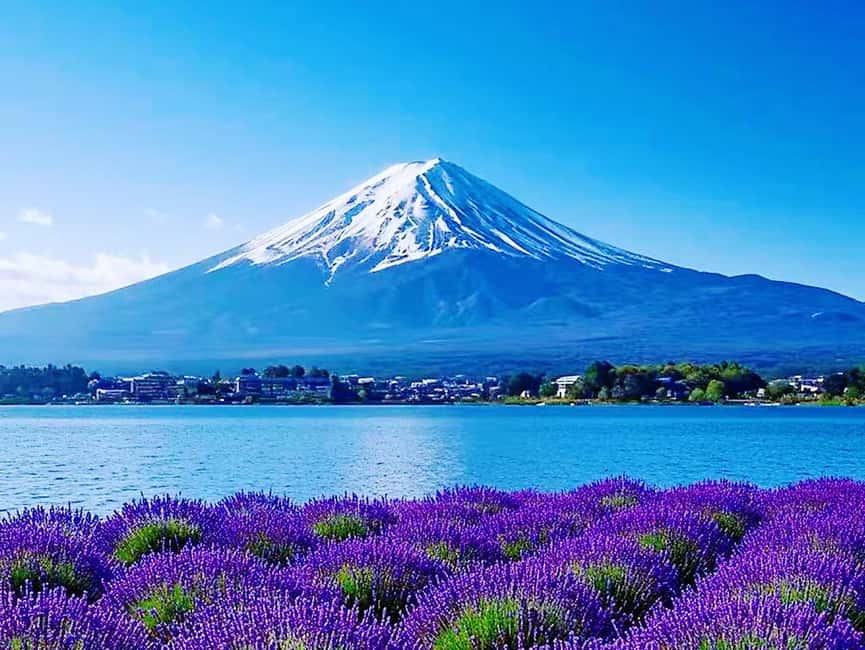
The best part of this Mt. Fuji day trip is the climb on the Kachikachi Ropeway, where the view opens from forested slopes to Mt. Fuji above Lake Kawaguchiko. I also like the short matcha lesson by the lake, a calm cultural pause after the crowded cable car and photo stops.
The $54 price covers the ropeway, transport, guide, tolls, fuel, and parking, which is strong value for a full day from Tokyo. The tradeoff is time: you spend about five hours on the road, and traffic or crowds can shorten the stops.
Key points at a glance
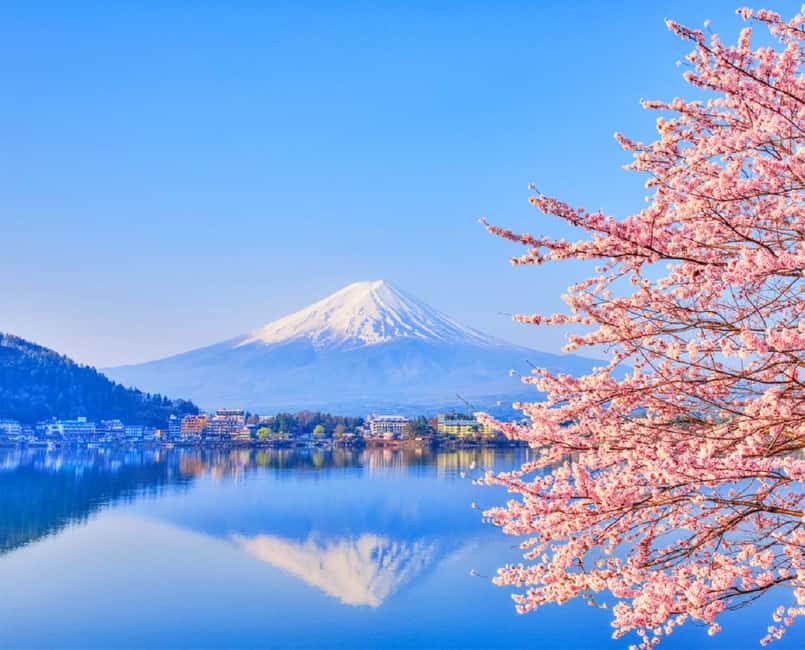
- Kachikachi Ropeway at 1,075 meters: Ride up for broad views of Mt. Fuji, Lake Kawaguchiko, and, on very clear days, the Southern Alps.
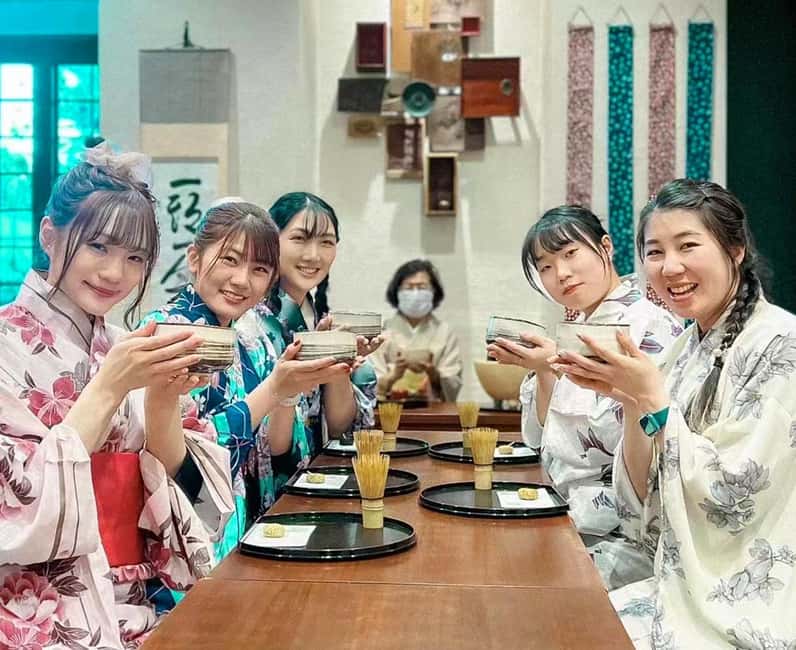
- Matcha beside the lake: Whisk and serve your own bowl while learning about Ichigo Ichie, the Japanese idea of treasuring each meeting.
- Oshino Hakkai’s eight spring ponds: See clear water filtered through Mt. Fuji’s layers of lava rock at the mountain’s foot.
- A useful Tokyo package: Air-conditioned round-trip transport, a professional driver, multilingual guide, and attraction fees are included.
- A fast-paced photo tour: Lawson, the lake, the ropeway, and Oshino Hakkai give you many good picture stops, but none receives a long visit.
- Weather matters most: The tour cannot guarantee a view of Mt. Fuji, so book with the right expectations.
Why this Mt. Fuji tour works well from Tokyo
Mt. Fuji is close enough to tempt you into a day trip, but getting between the mountain’s best viewpoints is not simple. This tour removes the need to compare local buses, find the ropeway, arrange transport to Oshino Hakkai, and work out the return journey.
You meet at one of two central Tokyo locations: Tokyo Station Marunouchi North Exit 2 or the Robert Indiana LOVE sculpture. The exact meeting point depends on the option you book, so check the final instructions rather than relying on a map saved from an earlier search.
The morning bus ride takes about two and a half hours. That sounds long, but it is the price of seeing several different Mt. Fuji sights in one day. Guides often use the ride for local facts, history, trivia, and practical instructions. Sawaki was especially good at making the bus ride feel shorter with humor, small treats, photo props, and clear explanations. Other guides praised in the supplied feedback include Laner, Peter, Leonard, Olivia, Sia, Brewski, and Ko.
This is a shared group tour, and the guide may explain things in English, Japanese, Korean, and Traditional Chinese. That makes the outing accessible to a wider mix of visitors, though explanations in several languages can take time. You will need to listen for meeting instructions and return to the bus promptly.
More Mt Fuji Tours in Tokyo
- Mt Fuji and Hakone 1-Day Bus Tour Return by Bullet Train
★ 5.0 · 26,383 reviews - Mt Fuji & Hakone Cruise, Drum Show Bullet Train 1 Day from Tokyo
★ 4.0 · 7,413 reviews - Tokyo Mt Fuji 5th St & Hakone Cruise Bus Tour w/Bullet Train
★ 4.4 · 5,024 reviews
The Kachikachi Ropeway and its high view
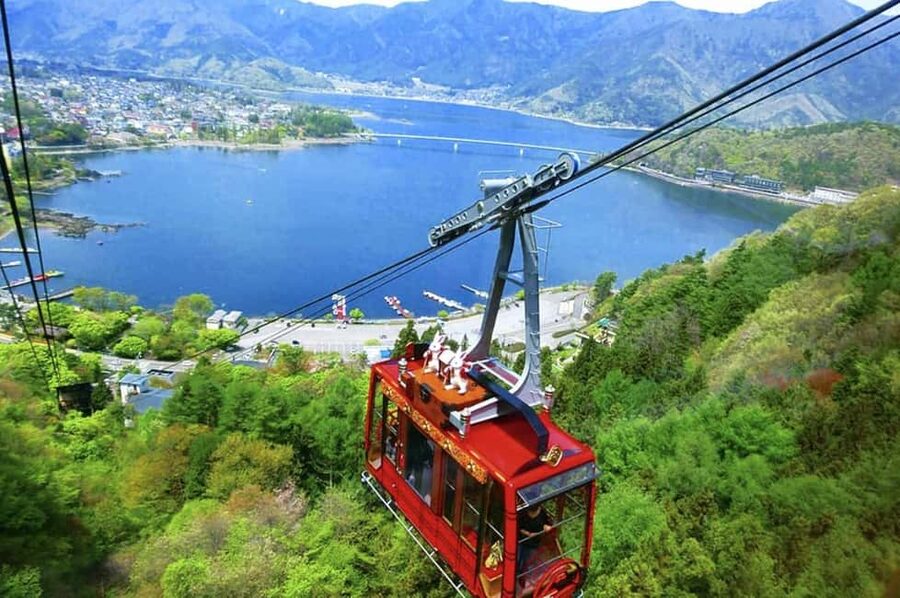
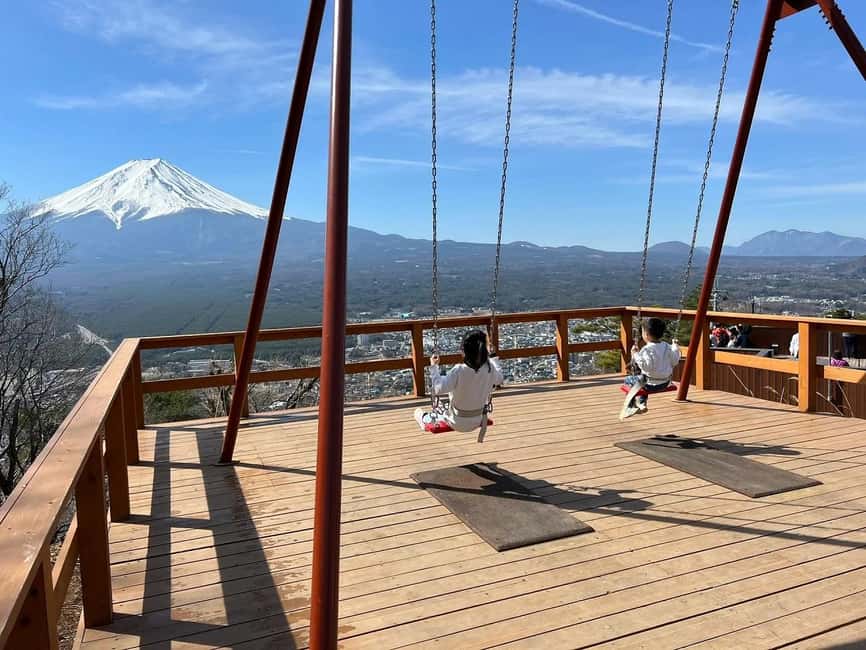
The first major stop is the Kachikachi Ropeway at Lake Kawaguchiko. The cable car climbs toward the Tenjozan Park observatory, reaching about 1,075 meters above sea level.
As the car rises, Lake Kawaguchiko spreads below you and Mt. Fuji gradually appears in full. At the top, you get the main view this tour is built around: the mountain rising beyond the lake, with a broad sweep across the surrounding area.
Clear weather can reveal Japan’s Southern Alps in the distance. That possibility depends entirely on conditions, though. Mt. Fuji is often hidden by cloud or haze, even when the rest of the day seems pleasant. Several people had a good day at the other sights but saw little or none of the mountain because of rain, low cloud, or poor visibility.
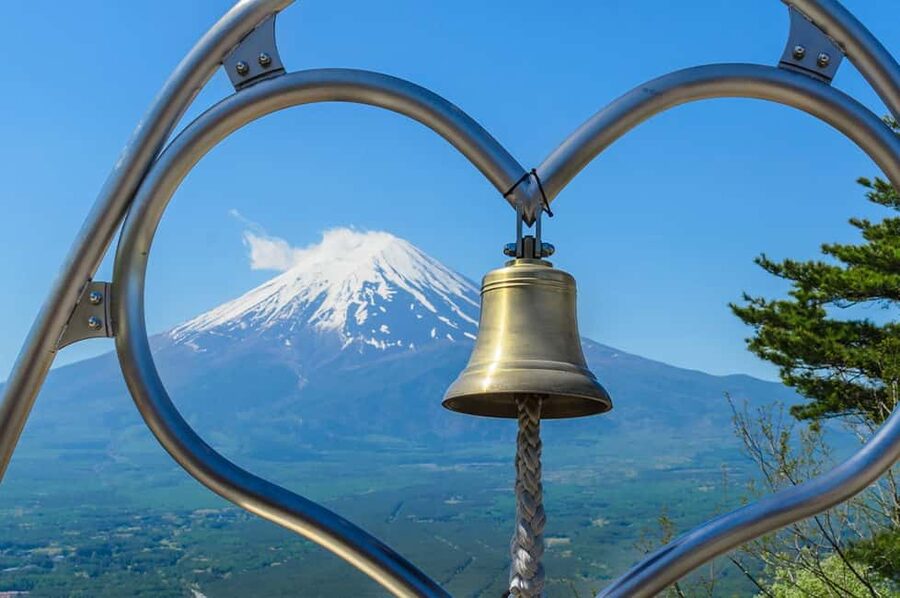
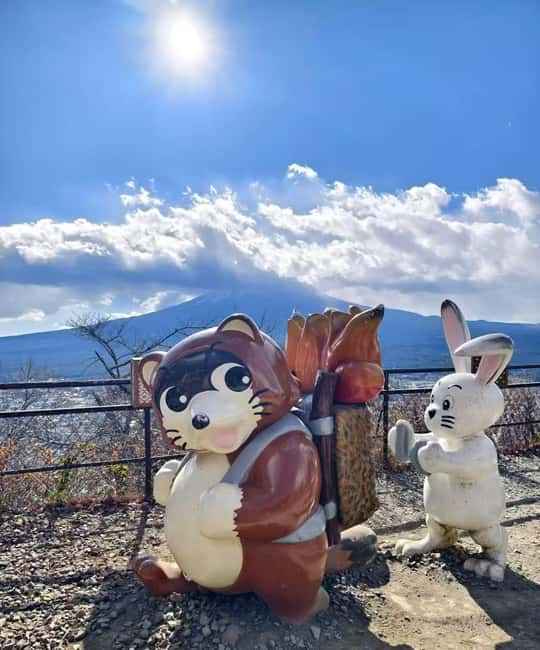
The observatory has a playful side. Look for the Bell of Tenjo, where local legend says a wish may come true when you ring it. The ropeway buildings also use tanuki and rabbit characters connected with the Japanese folktale Kachikachi Yama, made famous in a literary version by Osamu Dazai.
You have about an hour at the ropeway, followed by roughly 30 minutes in Kawaguchiko Tenjozan Park. That is enough for the main viewpoint and photos, but not enough for a slow walk through every path. People who dislike heights should skip this tour, and comfortable shoes are a good idea even though this is not a strenuous mountain hike.
A practical note matters here: the ropeway is scheduled to close for regular maintenance from December 8 through 19, 2025. During that period, the itinerary is adjusted to include a Samurai Ship experience instead. If the ropeway is canceled because of weather or another cause, you can email to request a refund of 1,000 Japanese yen per person for that ride.
A quiet matcha lesson beside Lake Kawaguchiko
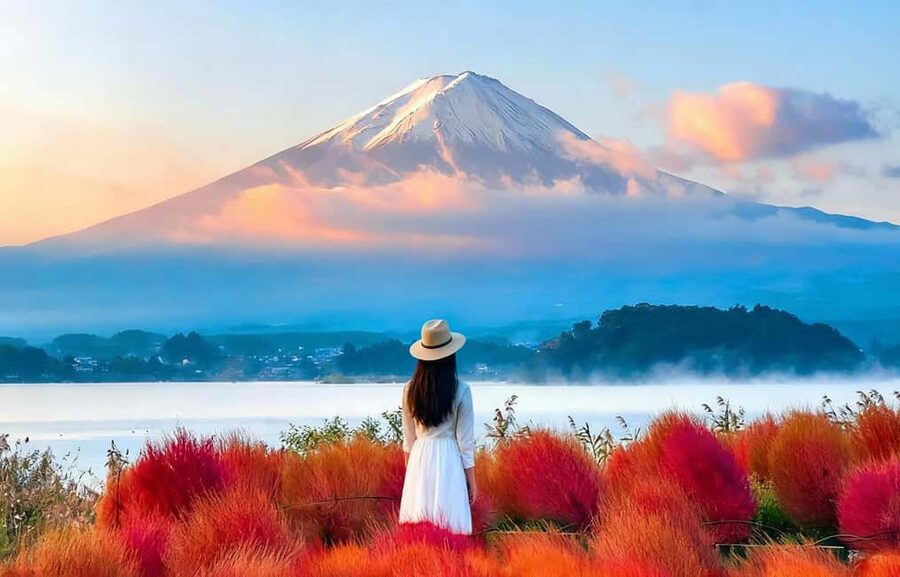
After the mountain viewpoint, the tour moves toward the lake. The schedule allows about 45 minutes for lakeside sightseeing, followed by a guided matcha experience listed at about 15 minutes.
This is a short activity, not a formal tea school. A local instructor shows you how to whisk, serve, and drink your own bowl of matcha. The value comes from the change of pace. After a busy viewpoint, a brief, focused ritual helps you notice the lake, the mountain, and the setting instead of simply rushing from one photo point to the next.
You also hear about Ichigo Ichie, often explained as one time, one encounter. The idea is to treat a meeting as unique because the same moment will not return in exactly the same way. It gives the tea stop a little more meaning than a quick drink break.
If Mt. Fuji is visible, the lakeside walk can be one of the most peaceful parts of the day. Reflections on the water offer a softer view than the high observatory. If the mountain is covered, the lake and tea activity still provide something worthwhile, though the visual impact will be less dramatic.
The timing is tight. You should not expect a long, private tea ceremony or an extended lakeside stroll. Still, this is one of the more distinctive elements of the trip because it connects the scenery with a small piece of Japanese culture.
The Lawson photo stop: famous, useful, and crowded
The next stop is Lawson Fujikawaguchiko Town Hall, the convenience store made famous by its alignment with Mt. Fuji. From across the street, the store sign and the mountain can line up in a neat photograph.
It is an amusing stop because the subject is an ordinary convenience store. The appeal comes from the composition, not from the shop itself. If you want the classic social media image, this is an efficient way to get it.
There is also a clear drawback. The area can become crowded, and groups gathering near the street may cause disruption. One practical response from the local authorities has been to manage how people take photos, so follow the guide’s instructions and do not step into traffic or block shop access.
The scheduled visit lasts about 20 minutes. That is probably enough for a few photographs, but the stop may feel less rewarding if you prefer temples, gardens, or quieter places. If the day is running late, this is the first stop I would treat as optional in spirit, even though the group schedule may still include it.
A few more Tokyo half-days to weigh up
- From Tokyo: Mount Fuji Full-Day Sightseeing Trip
★ 4.5 · 4,970 reviews - Mount Fuji Full-Day Private Tour from Tokyo (Customizable)
★ 4.9 · 1,470 reviews - Tokyo Private Full-Day Tour by Car or Van
★ 5.0 · 684 reviews - From Tokyo: Must-Visit Mount Fuji Highlight Full-Day Tour
★ 4.7 · 532 reviews
Lunch is flexible, but bring cash and food
Lunch is not included in the $54 price. The plan allows about 40 minutes at a local restaurant, and the guide may suggest where to eat. You can also bring food or buy something at one of the attractions.
This flexibility can help if you have a specific diet, but it requires a little preparation. Some feedback noted limited choices for people who do not eat meat, while another person found the suggested meal acceptable but overpriced. You should not assume the restaurant stop is included simply because it appears in the day’s schedule.
Bring cash for lunch and personal purchases. The tour information specifically advises carrying cash, and some attraction shops operate independently from the tour. A small supply of snacks is sensible too, especially since the bus ride is long and the day moves quickly.
If you value a sit-down meal with many choices, this arrangement may disappoint. If you would rather control your spending and carry something familiar, it works well.
Oshino Hakkai and Mt. Fuji’s clear spring water
The final main stop is Oshino Hakkai, a village known for eight spring ponds. The water comes from snowmelt on Mt. Fuji and passes through layers of volcanic rock before reaching the ponds.
The result is strikingly clear water, with ripples and reflections that invite close photographs. This is a different kind of Mt. Fuji sight from the ropeway. Instead of looking toward the mountain from above, you are at its foot, seeing how the area’s geology shapes local water and village life.
Oshino Hakkai is a nationally designated Natural Monument. You have about an hour for a guided visit, photos, and time to look around. The ponds are the main attraction, but the setting also includes small shops and places to buy local items.
Crowds can build here, especially during holidays and peak seasons. The stop is still worthwhile, but you should expect a public sightseeing area rather than a quiet rural retreat. Stay aware of the departure time because the return drive to Tokyo takes roughly two hours and 20 minutes.
The return to Tokyo is part of the calculation
The ride back is listed at about 2.33 hours, though traffic can make it longer. Delays may occur because of bad weather, road conditions, Japanese holidays, and peak-season crowds.
The tour lasts around 10 hours from pickup to drop-off. You return to either the LOVE sculpture or Tokyo Station Marunouchi North Exit 2, depending on your booking option.
Do not schedule a theater performance, dinner reservation, airport transfer, or other fixed activity immediately after the tour. A late return is possible, and the operator may shorten, reschedule, or cancel a stop when conditions require it.
That long day is easier to handle because the route is broken into several stops. You are not sitting on the bus for 10 straight hours. Still, you should be comfortable with a full day, shared transport, and a schedule that depends on everyone arriving back at the bus on time.
How good is the value at $54?
At $54 per person, this is a strong package if you want transport from central Tokyo and several well-known Mt. Fuji sights in one day. The price includes the Kachikachi Ropeway ride, air-conditioned bus, professional driver, multilingual guide, expressway tolls, fuel, and parking.
You would still need to pay for food, drinks, and personal purchases. The tour also does not solve the main uncertainty: you may not see Mt. Fuji clearly. That is not a fault unique to this operator, but it is important when judging value. You are paying for access to the region and a planned day, not a guaranteed mountain photograph.
The strongest value comes from convenience. You can see Lake Kawaguchiko, the ropeway, the matcha activity, Lawson, and Oshino Hakkai without arranging several separate connections. The weaker point is depth. You get many stops, but most are short, and the tour cannot give you the relaxed pace of staying overnight around the lake.
Who should book this day trip?
I would choose this tour if you have limited time in Tokyo and want a first look at Mt. Fuji country. It suits you especially well if you like scenic viewpoints, short cultural activities, photo stops, and having a guide manage the transport.
It is also a good choice if you are nervous about navigating rural Japan on your own. Guides such as Sawaki, Laner, Peter, and Leonard received repeated praise for being friendly, clear, funny, and good at keeping people organized. That matters on a day with several meeting times.
You may want another plan if you prefer long walks, quiet villages, independent meals, or extended time beside the lake. People who dislike heights should avoid the ropeway, and the tour is not suitable for wheelchair users.
Wear comfortable shoes, bring water and a camera, and carry cash. Arrive at least 15 minutes early. Latecomers and no-shows are not eligible for a refund, and the guide and driver details arrive by email the evening before, so check your inbox.
Should you book the Mt. Fuji and Lake Kawaguchiko Ropeway tour?
Book it if your priority is seeing a lot in one organized day for a reasonable price. The ropeway and Oshino Hakkai provide two very different views of Mt. Fuji, while the matcha activity adds a welcome cultural note.
Skip it if you need a guaranteed view, dislike long bus rides, or want generous time at each stop. The Lawson visit can feel unnecessary, lunch is your own responsibility, and traffic may make the day feel rushed.
For a first Mt. Fuji outing from Tokyo, I think the balance is good. Just treat the mountain view as a gift from the weather, not a promise, and leave your evening open for the journey home.
FAQ
How long does the Mt. Fuji and Lake Kawaguchiko tour last?
The tour lasts about 10 hours, including transportation from central Tokyo and the return journey.
Where does the tour start?
There are two possible starting points: Tokyo Station Marunouchi North Exit 2 and the Robert Indiana LOVE sculpture. Your exact meeting point depends on the option booked.
Is the Kachikachi Ropeway included?
Yes. The ropeway ride is included in the tour price unless it is canceled or replaced because of maintenance, weather, or another cause.
What happens if the ropeway is canceled?
If the ropeway is canceled, you can email the operator to request a refund of 1,000 Japanese yen per person for the ropeway fee. From December 8 through 19, 2025, scheduled maintenance means the itinerary changes to a Samurai Ship experience.
Is lunch included?
No. Food and drinks are not included. You can bring food, purchase lunch at the attractions, or eat at a restaurant suggested by the guide.
Can I expect to see Mt. Fuji?
The view depends entirely on weather and visibility. The tour does not guarantee that Mt. Fuji will be visible.
Which languages are available?
The live guide service is available in English, Japanese, Korean, and Traditional Chinese. This is a shared group tour, so explanations may be given in several languages.
What should I bring?
Bring comfortable shoes, water, a camera, and cash for lunch and personal expenses. Arrive at least 15 minutes before departure, since late arrivals and no-shows do not receive a refund.
Just added around Tokyo
- Private Arrival Transfer : Narita International Airport to Central Tokyo City★ 4.5 · 12 reviews
- Narita Airport(NRT): Private Transfer to Tokyo/Yokohama 1-9pax★ 5.0 · 47 reviews
- Private Transfer from Narita Airport to Yokohama Port and City★ 4.5 · 17 reviews
- [Narita Airport Terminals 1, 2] 40-60km Sawara Itako Historic Bike Tour★ 5.0 · 13 reviews
- 3 Day Japan Highlights Tour: Tokyo, Mt.Fuji, Nara, Kyoto, Osaka★ 5.0 · 22 reviews
- Small Town in the Big City: Tasting Tokyo’s Kichijoji★ 5.0 · 195 reviews
- Small Town in the Big City: Tasting Tokyo’s Kichijoji★ 5.0 · 16 reviews
- The 10 Tastings of Tokyo With Locals: Private Street Food Tour★ 5.0 · 48 reviews
Tokyo Tours, compared.
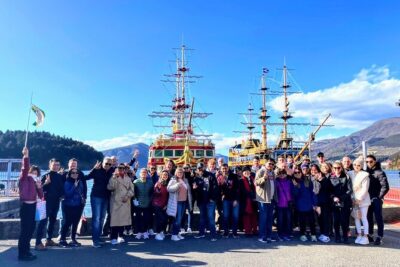
Mt Fuji and Hakone 1-Day Bus Tour Return by Bullet Train
Read our review →
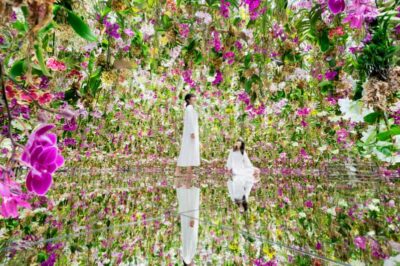
teamLab Planets TOKYO Digital Art Museum Entry Ticket
Read our review →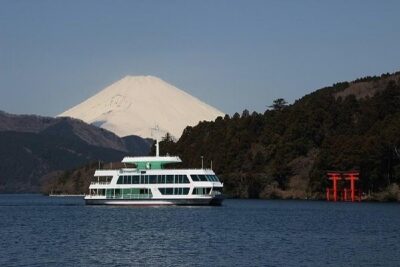
Mt Fuji & Hakone Cruise, Drum Show Bullet Train 1 Day from Tokyo
Read our review →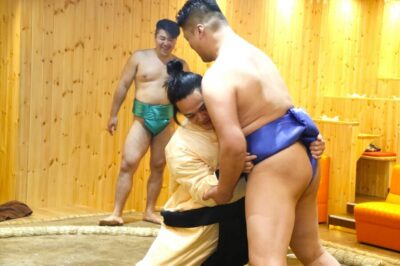
Sumo Show Experience with Chicken Hot Pot and a Photo
Read our review →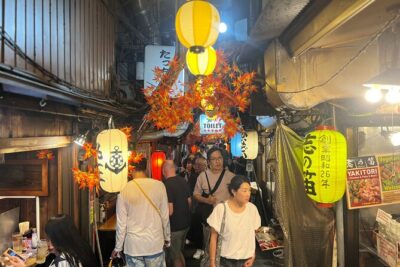
Shinjuku Food Tour (13 Dishes at 4 Local Eateries)
Read our review →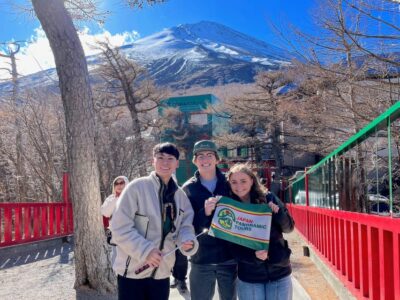
Tokyo Mt Fuji 5th St & Hakone Cruise Bus Tour w/Bullet Train
Read our review →
Flagship 2-Hours Official Street Go-Kart Tour – Tokyo Bay Shop
Read our review →Browse the lists this tour appears in